Hi-Fi Systems
Marantz Model 30 and SACD 30N vs Lyngdorf TDAI-3400 and CD-2: Two High-End Systems Compared
Two complete high-end two-channel systems compared side by side: where Marantz and Lyngdorf differ in tone, streaming depth, and ownership.
Introduction
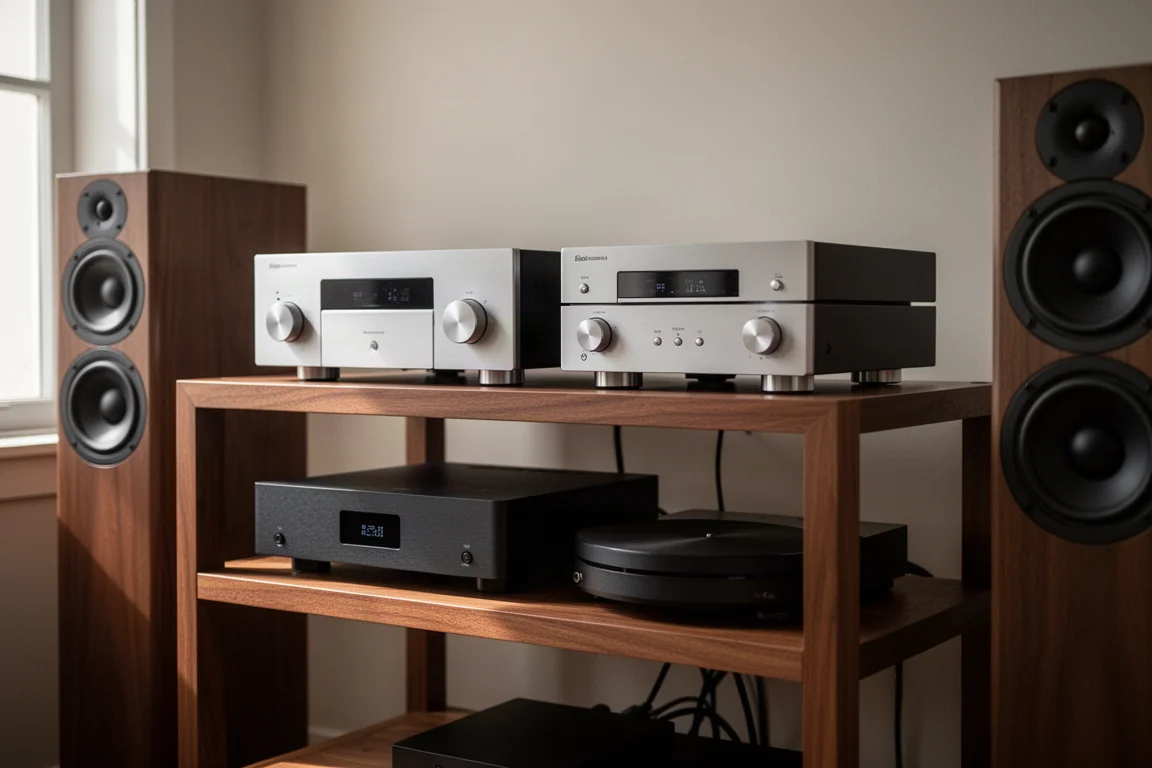
Some pairings deserve to be heard side by side rather than in isolation. The Marantz Model 30 integrated amplifier and Marantz SACD 30N disc player form one complete two-channel system. The Lyngdorf TDAI-3400 streaming integrated amplifier and Lyngdorf CD-2 player form another. Both combinations were used with a pair of Bowers & Wilkins 703 S3 loudspeakers, and the Marantz pairing was also tried with Zu Soul Six speakers.
The two systems share more than they differ. Both come from established high-end manufacturers, both handle compact discs, and both are aimed at listeners who take two-channel sound seriously. Where they part company is in tonal character, streaming depth, and the way each one expects you to interact with it.
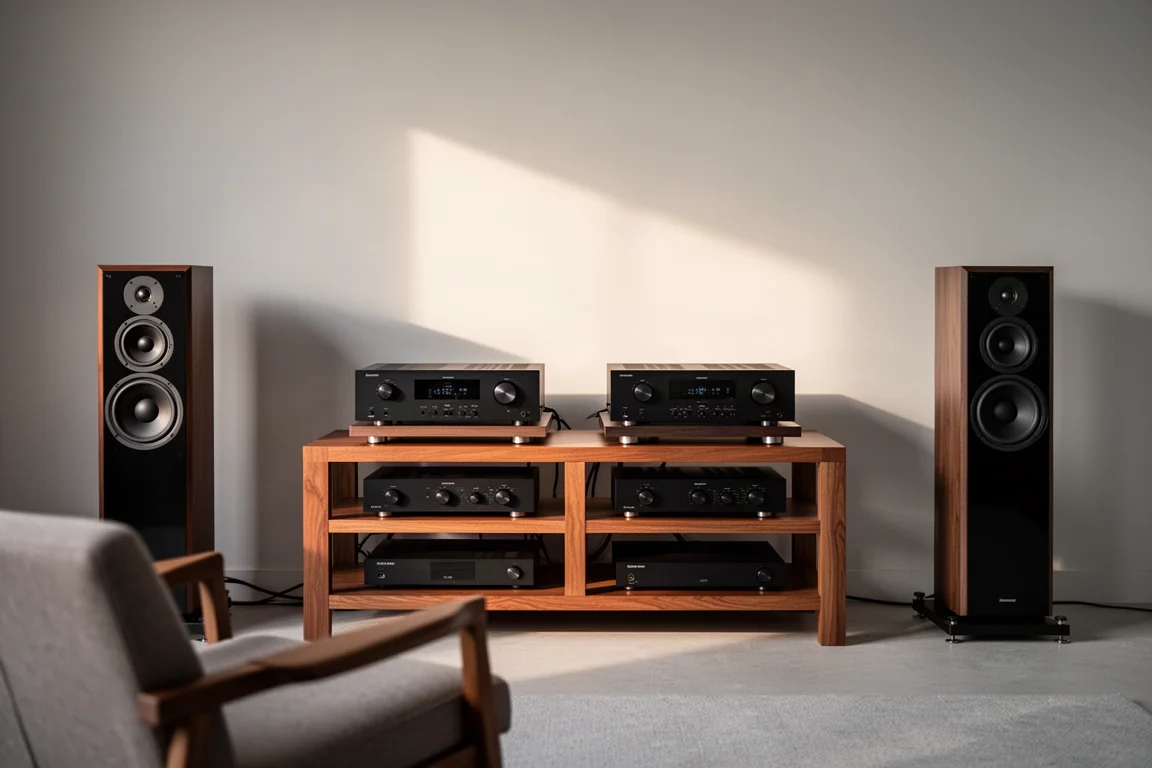
This guide walks through what each component does well, what it asks of the rest of your system, and which combination is likely to suit the way you actually listen.
How These Components Compare
The differences described here are audiophile differences. They are narrow rather than night and day, and they tend to become obvious only when both systems are in the same room, playing the same recording, through the same loudspeakers.
Three areas matter most. The first is tonal balance: how much warmth, weight, and upper-end presence each pairing brings to a recording. The second is functionality: streaming platforms, digital inputs, and how the amplifier and the player divide the work between them. The third is physical ownership: build quality, weight, controls, and how comfortably the components fit into a rack.
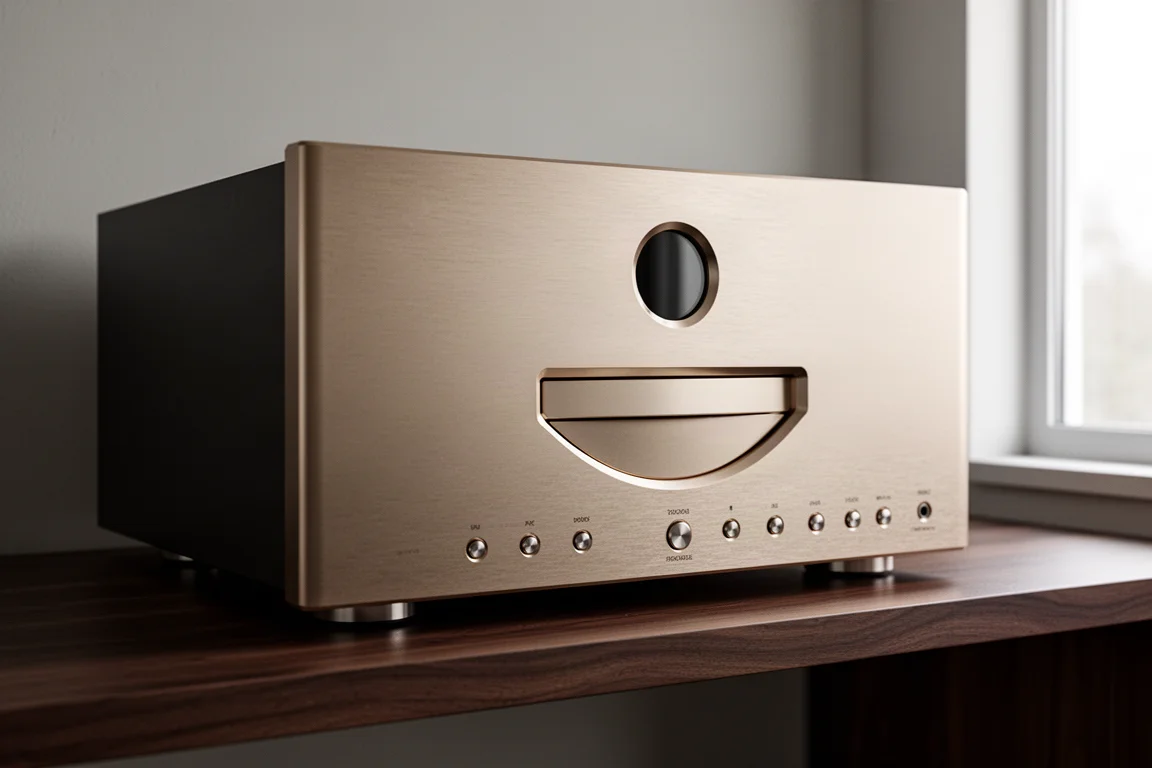
Marantz Model 30: An Analogue Integrated Amplifier With Real Weight
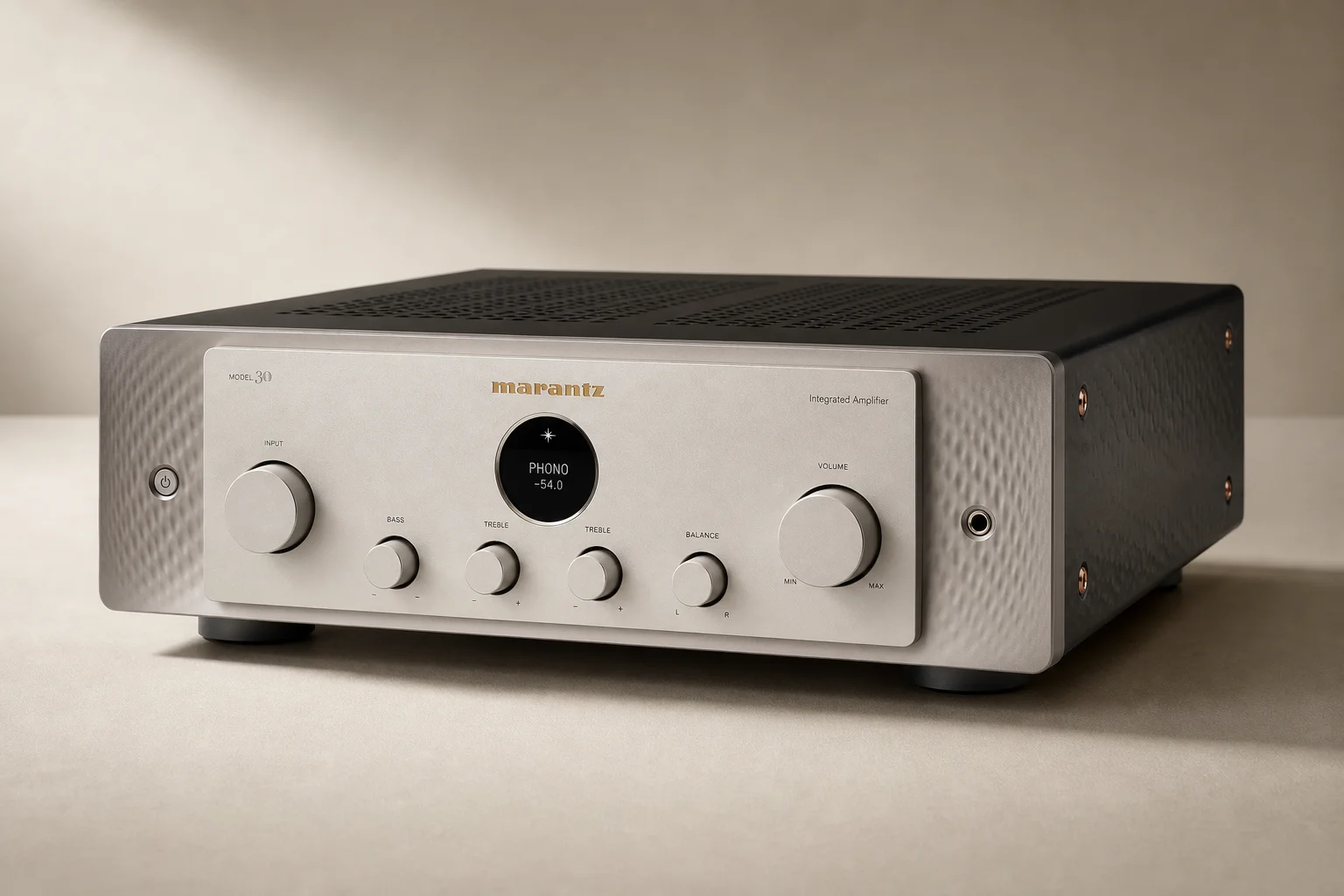
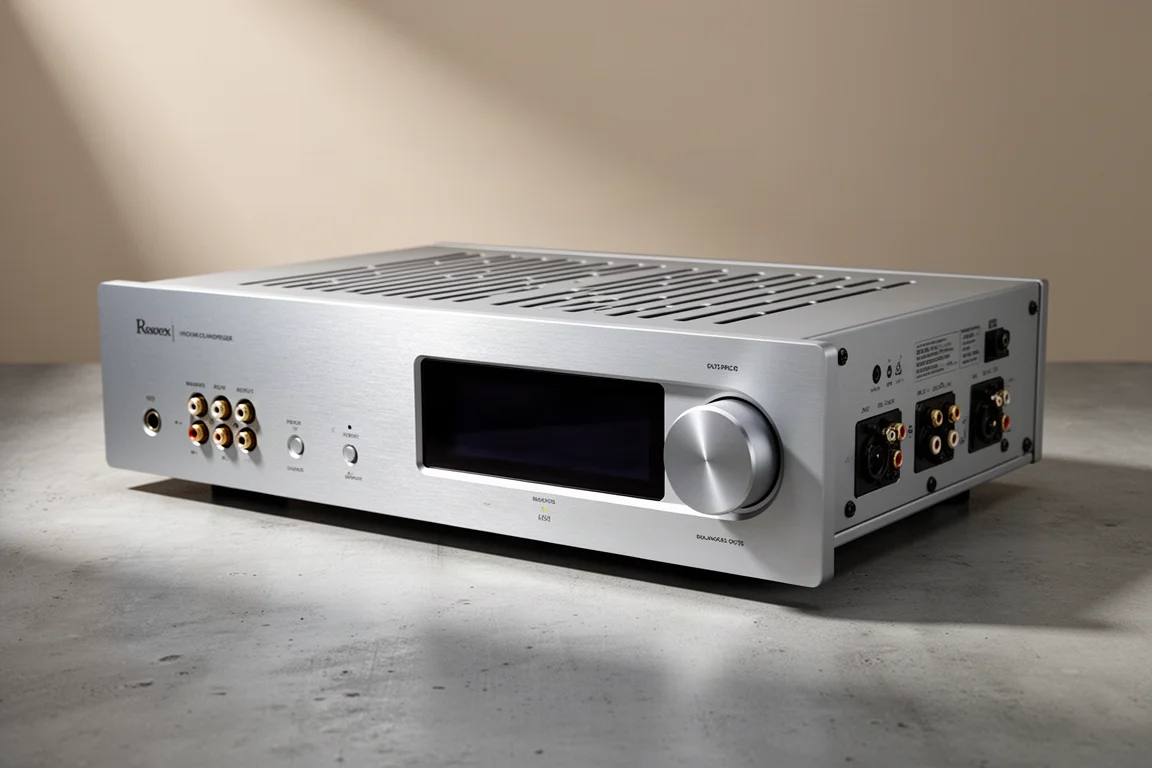
The Model 30 is a Class D integrated amplifier rated at a load invariant 100 watts per channel into 8 ohms and 200 watts per channel into 4 ohms. Marantz makes a point of its separate preamplifier and power amplifier sections, and of the extensive use of HDAM modules, which favour discrete components over op amps.
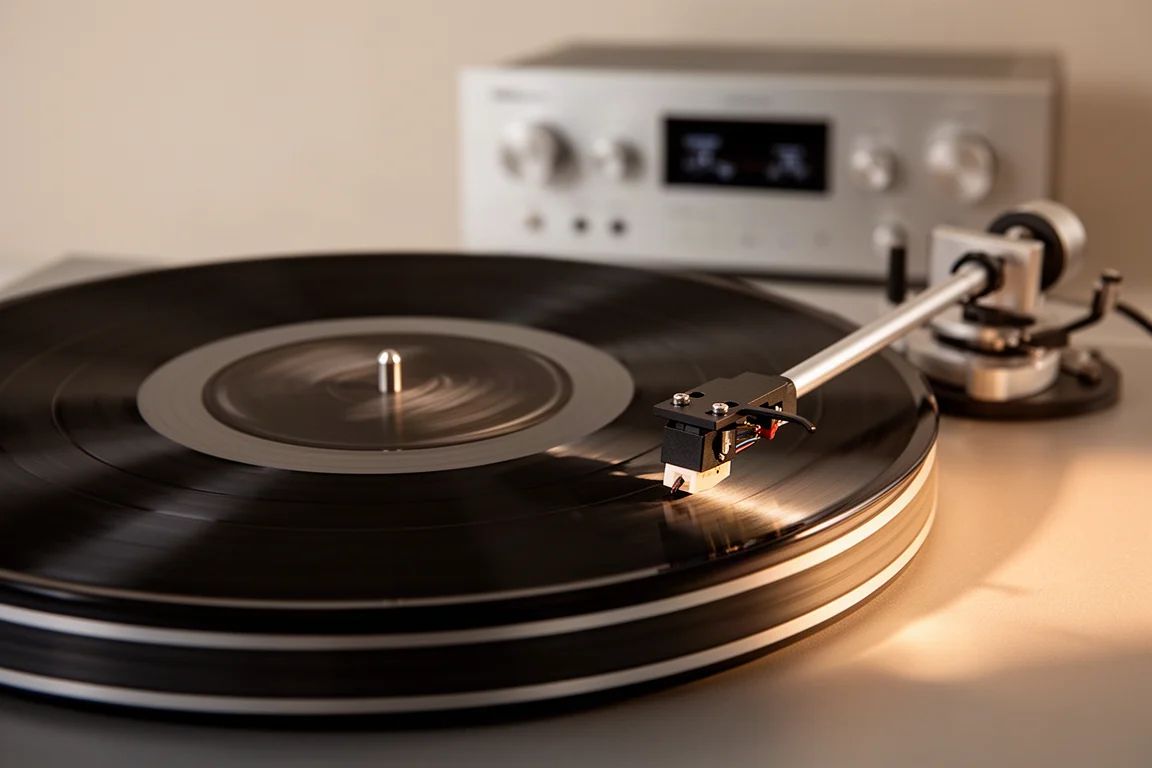
It is also a strictly analogue design. There is no DAC and no streamer inside, so network playback has to come from a separate source such as the SACD 30N. What it does include is a very good phono stage. Running a turntable through it produced a bigger, punchier sound with better extended treble than the same turntable’s internal phono stage.
Tonally, the Model 30 does not sound like the clean, lean Class D amplifier many listeners expect. It comes across as rounder, fuller, and richer, closer in character to a Class A/B design. Tone controls are available if you want them, though with well-matched speakers they were not needed: bass and treble both sat comfortably where they were, including on bass-heavy electronic material.
Physically it is a substantial unit, heavy and exceptionally well made, with firm rotary controls that feel satisfying to turn. It is the kind of amplifier that makes an immediate impression when it comes out of the box.
Marantz SACD 30N: CD, SACD, and Network Streaming in One Chassis
The SACD 30N plays compact discs and SACDs, using a disc tray mechanism designed and built in house. The N in the name stands for Network, and that is where the player earns its place in a modern system: Wi-Fi and Ethernet streaming, Apple AirPlay 2, Spotify Connect, and HEOS, with HEOS also handling gapless playback from a USB storage device plugged into the back panel.
Its Marantz Music Mastering DAC upscales incoming signals to DSD and decodes them through a circuit that avoids any single off-the-shelf DAC chip. Four digital inputs sit on the rear: two optical, one coaxial, and one USB, which means the player can act as the digital hub for the whole system.
Sonically the SACD 30N is the more organic of the two disc players in this group. Its defining quality, like the amplifier it pairs with, is tonal richness, and its analogue output is warmer and fuller than the Lyngdorf CD-2 whether it is routed through the Marantz amplifier or the Lyngdorf one. Two practical notes are aesthetic rather than audible: the Wi-Fi aerials sit outside the chassis rather than being internalised, and the disc drawer occasionally takes a long time to open.
Lyngdorf TDAI-3400: Streaming Flexibility First
The Lyngdorf TDAI-3400 is a streaming integrated amplifier that covers more of the streaming landscape than the Marantz pairing does. Alongside Spotify Connect and Apple AirPlay 2, it adds Tidal Connect and Roon readiness, and its Wi-Fi aerials are internalised within the chassis. HDMI ARC is available as an additional module, something the Marantz units do not offer.
In use it feels different. There are far fewer knobs and buttons than on the Marantz components, and the controls that remain turn more freely. The sound is leaner and keener than the Marantz pairing, with more upper-end presence and a presentation that separates layers a little more cleanly. Through headphones the same character carries over: a touch more brightness at the top, and a head stage that sits further forward rather than feeling closed in.
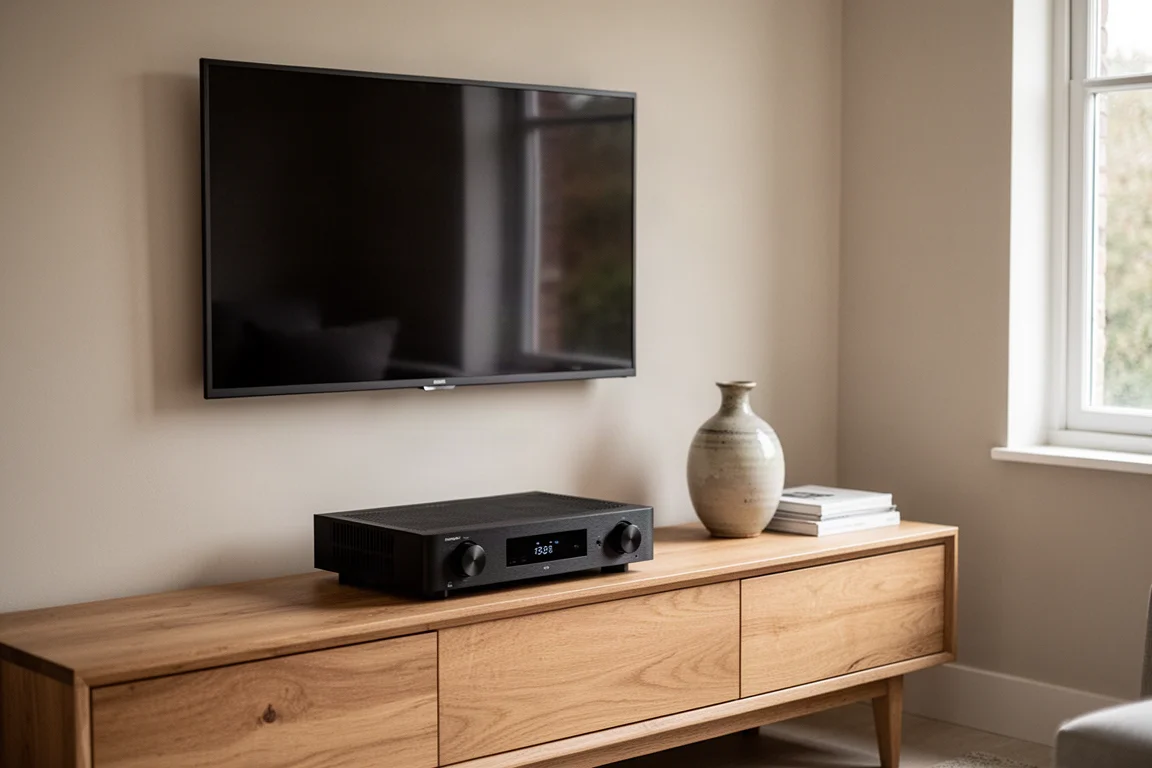
For anyone who wants one box to handle streaming, with disc duties passed to a matching player and the option of television audio over HDMI ARC, the TDAI-3400 is the more flexible foundation of the two.
Lyngdorf CD-2: A Low-Profile Disc Spinner
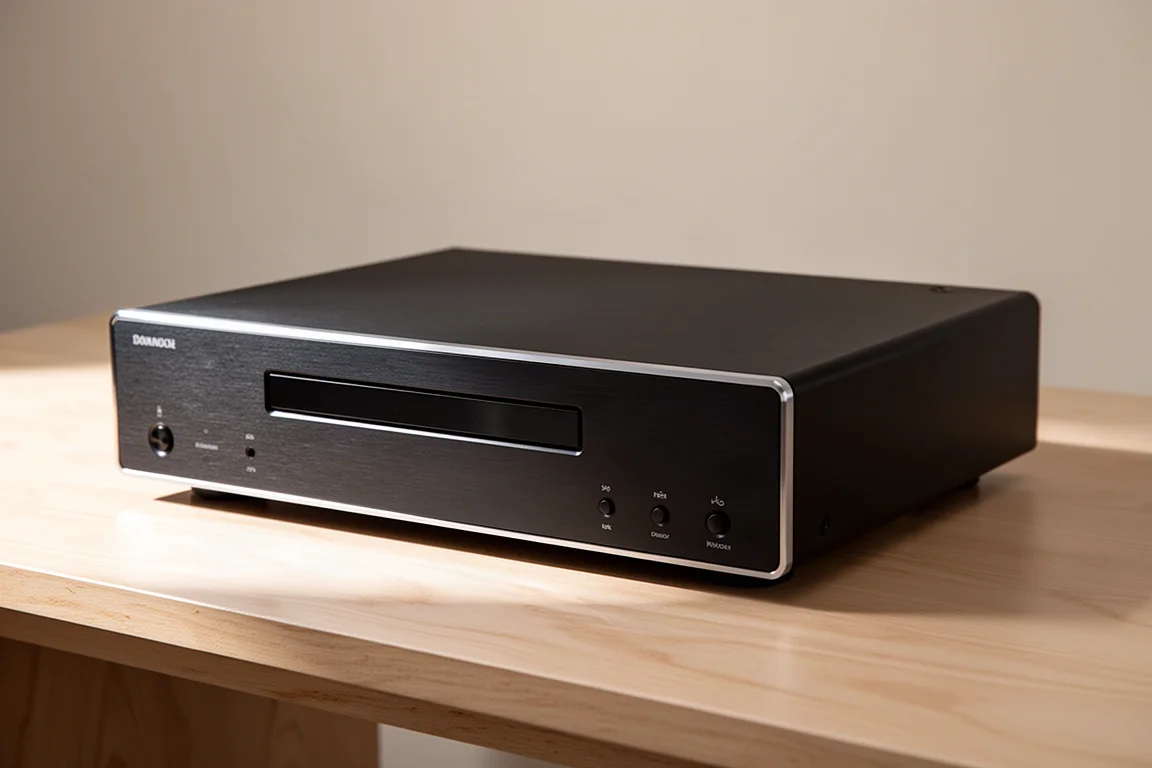
The Lyngdorf CD-2 is the natural partner for the TDAI-3400. It is a low-profile player, so the two units sit together neatly without the taller, more imposing stack that the Marantz components create. Its disc drawer opens quickly and consistently every time.
Its analogue output is leaner and keener than the Marantz SACD 30N, and that difference held whether the player was routed through the Marantz amplifier or the Lyngdorf amplifier. It is a precise, articulate presentation rather than a warm one.
Compared with the SACD 30N, the CD-2 does less. It does not carry network streaming or a wide set of digital inputs, so its role is narrower: it is the disc transport and analogue source for a system whose streaming already lives inside the amplifier.
Buying Advice: Which Combination Suits You?
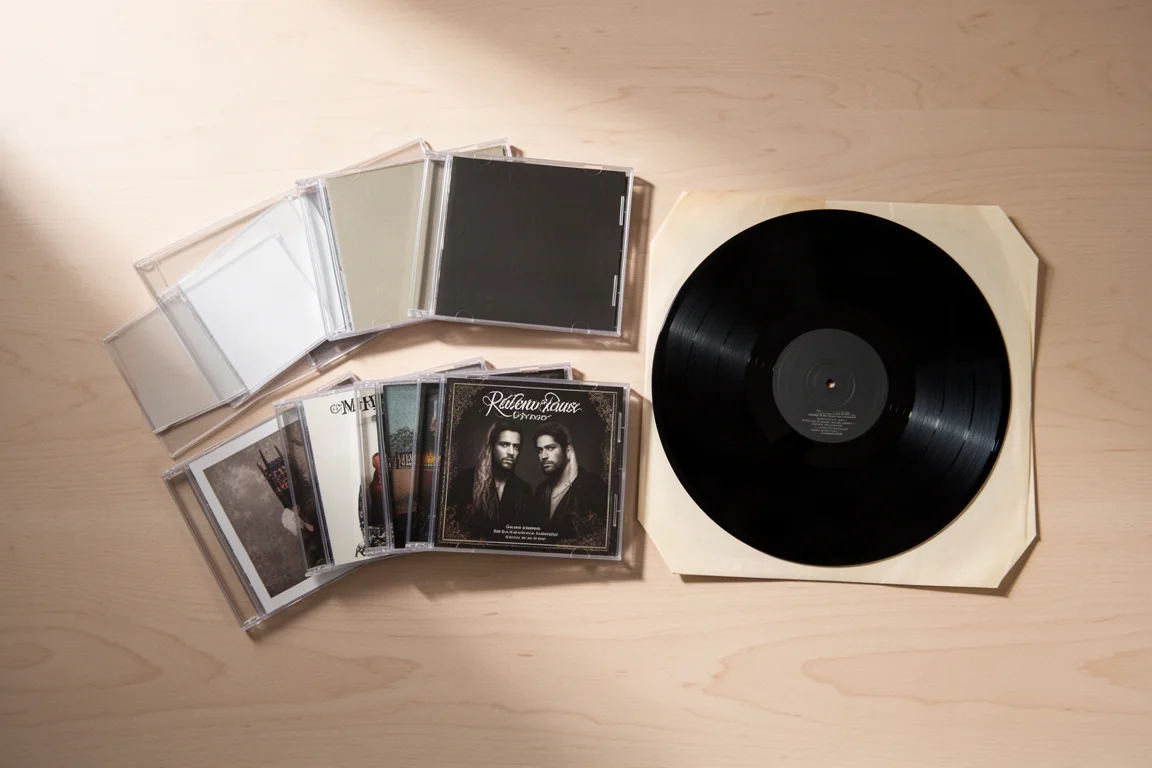
The Marantz pairing has one foot in the future and one foot firmly in the past. The Model 30 is all analogue with a genuinely strong phono stage, and the SACD 30N covers CD, SACD, and streaming. Together they suit listeners who still care about physical formats and enjoy the ritual of taking a disc out of its case, opening the drawer, and pressing play.
They are also a strong match for speakers with a present or insistent tweeter. On brighter recordings, the Marantz components kept the top end from tipping into hardness, and no tone control adjustment was needed to keep the balance right. With the Bowers & Wilkins 703 S3 the pairing was outstanding, and with the Zu Soul Six it was a good match.
The Lyngdorf pairing rewards a different priority. If you want the broadest streaming feature set, including Tidal Connect and Roon readiness, internal Wi-Fi aerials, the option of HDMI ARC, and a lower-profile stack, the TDAI-3400 and CD-2 are the more future-facing choice. Note that the HDMI ARC input requires the additional module, and that the streaming app experience on the Marantz side, while perfectly workable, is basic compared with the streaming apps you may already use.
One practical point on the Marantz units: they are heavy and tall enough that they look and sit better on a proper hi-fi rack, with each component on its own shelf, than stacked directly on a low board.
Conclusion
Both systems are built to a high standard and both sound excellent. The choice comes down to character and capability. Marantz delivers a fuller, richer, more organic sound with a superb phono stage and a clear focus on disc playback. Lyngdorf delivers broader streaming functionality, a leaner and more precise tonal balance, and a tidier, lower-profile footprint.
Hear them if you can, ideally with the speakers you already own. The differences are real, but they are refinements rather than transformations, and the right answer depends on which recordings and which listening habits matter most to you.
Further reading
Related Reviews
Hi-Fi Systems
Building an All-White Streaming Hi-Fi System for Around $1,500
A practical two-channel streaming system built around the KEF Q150 and a Bluesound streaming amplifier, with alternative amplifiers, speaker stands, and a subwoofer worth considering.
Hi-Fi Systems
Audio Note Zero System Review: Matching DAC, CD Player, Amplifier and Speakers
A component-by-component look at the Audio Note Zero system, covering the 0.1x DAC, the CD0 player, the IZero amplifier and the AX1-D2 speakers, with pairing notes and buying advice.
Hi-Fi Systems
A Complete Hi-Fi System Under €1,000: Dali Spektor 2, Rotel A11 Tribute and Topping E30
Three brand new components, one modest budget, and a stereo system that is warm, forgiving and genuinely easy to live with.