Hi-Fi Preamplifiers
Marantz Link 10N Review: A $14,000 Streaming Preamplifier Built Like a Flagship
The Marantz Link 10N combines a fully balanced analog preamplifier, a high-resolution streaming DAC, and a serious phono stage in one exceptionally built chassis.
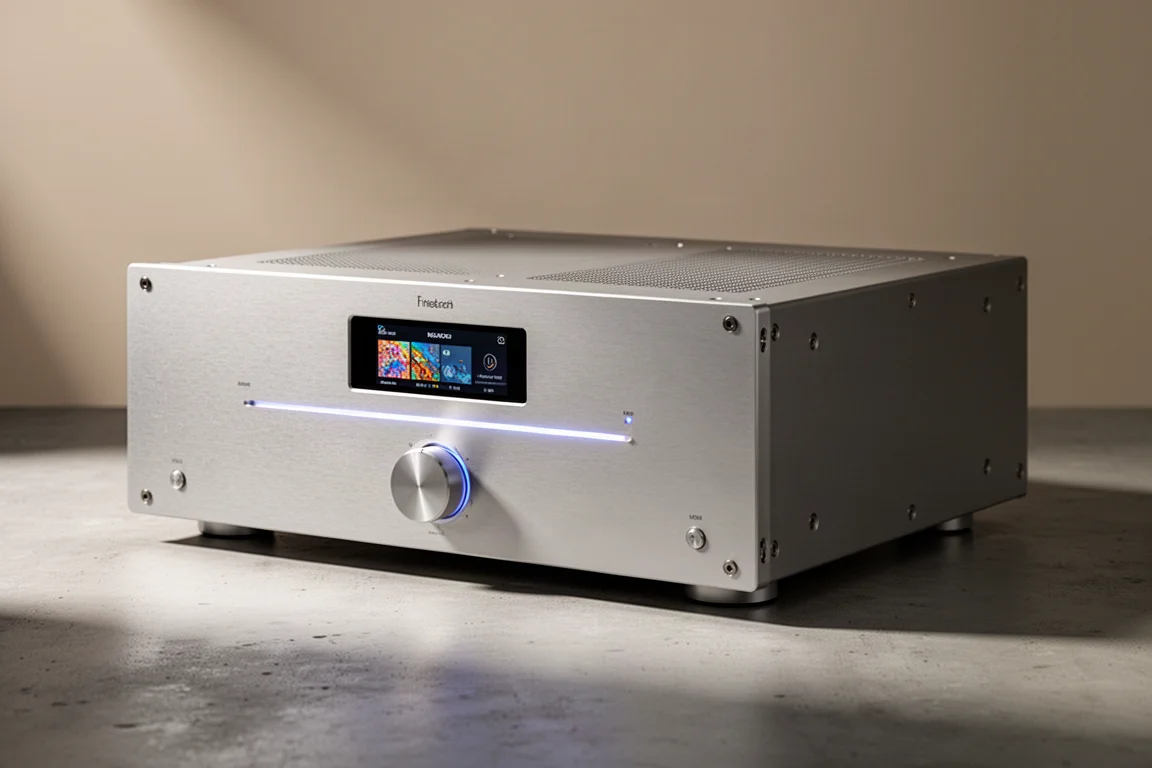
Introduction
The Marantz Link 10N is a streaming 2.1-channel preamplifier and the entry point into a new Hi-Fi series that also includes the Model 10 integrated amplifier and the Model 10 SACD player. It sells for around $14,000, and it targets listeners who want one beautifully built component to handle every source in a two-channel system: network streaming, vinyl, disc transports, a computer or network drive over USB, and even a television over HDMI ARC.
That combination is genuinely uncommon. Many high-end two-channel preamplifiers in this bracket are analog-first designs with no network streaming at all, which means adding a separate streamer, another power supply, and another set of cables. The Link 10N folds a high-resolution DAC, a streaming platform, a phono stage, and a fully balanced analog preamplifier into a single chassis.
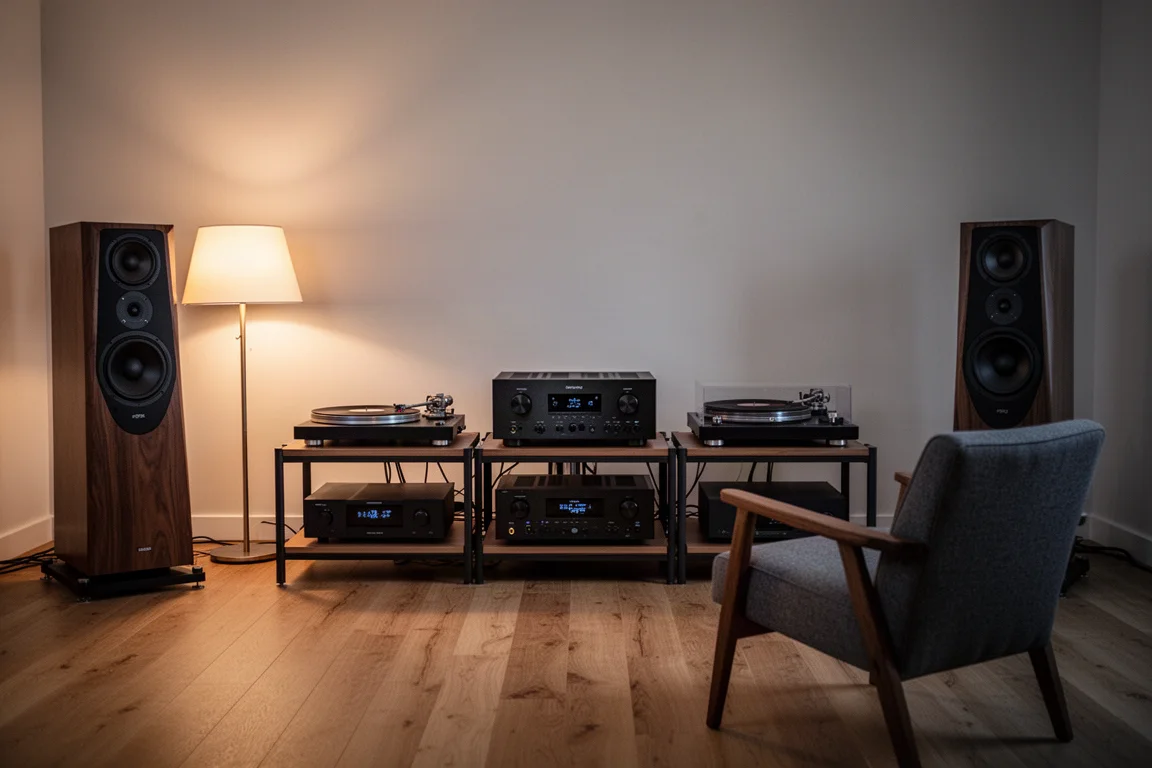
It is also a substantial piece of hardware. With no power amplification inside, it still weighs around 73 pounds, and it is built at the Shirakawa factory in Japan, the same facility responsible for the company’s flagship receivers.
Who the Marantz Link 10N Is For
This is a preamplifier for listeners who run full-range speakers and want their streaming, vinyl, and television sources handled by one high-quality component rather than a stack of separate boxes. If you already own a serious turntable and a library of high-resolution files, the Link 10N covers both without compromise in either direction.
It also suits buyers who care about pride of ownership. The heft, the finish, the bearing-based volume control, and the backlit front panel are all part of the appeal, and this is the kind of component someone might keep for a decade or more.
It is a weaker fit for anyone who needs bass management. There is no high-pass filter for the main outputs, so bookshelf speakers paired with a subwoofer cannot be relieved of low-frequency work by this unit. Listeners who depend on room correction should also look carefully, because the Link 10N does not include one.
Main Strengths
The strengths here fall into three areas: the physical build, the streaming and DAC section, and the analog side, including the phono input.
Build Quality and Craftsmanship
Very few preamplifiers are built like this. The chassis uses triple-layer circuit boards with copper plating, toroidal power supplies, and physically separated analog and digital sections to keep interference away from sensitive circuitry. The design is fully differential and complementary from input to output, which means every signal path carries an independent positive and negative leg rather than referencing a single ground. The practical payoff is lower noise and lower distortion.
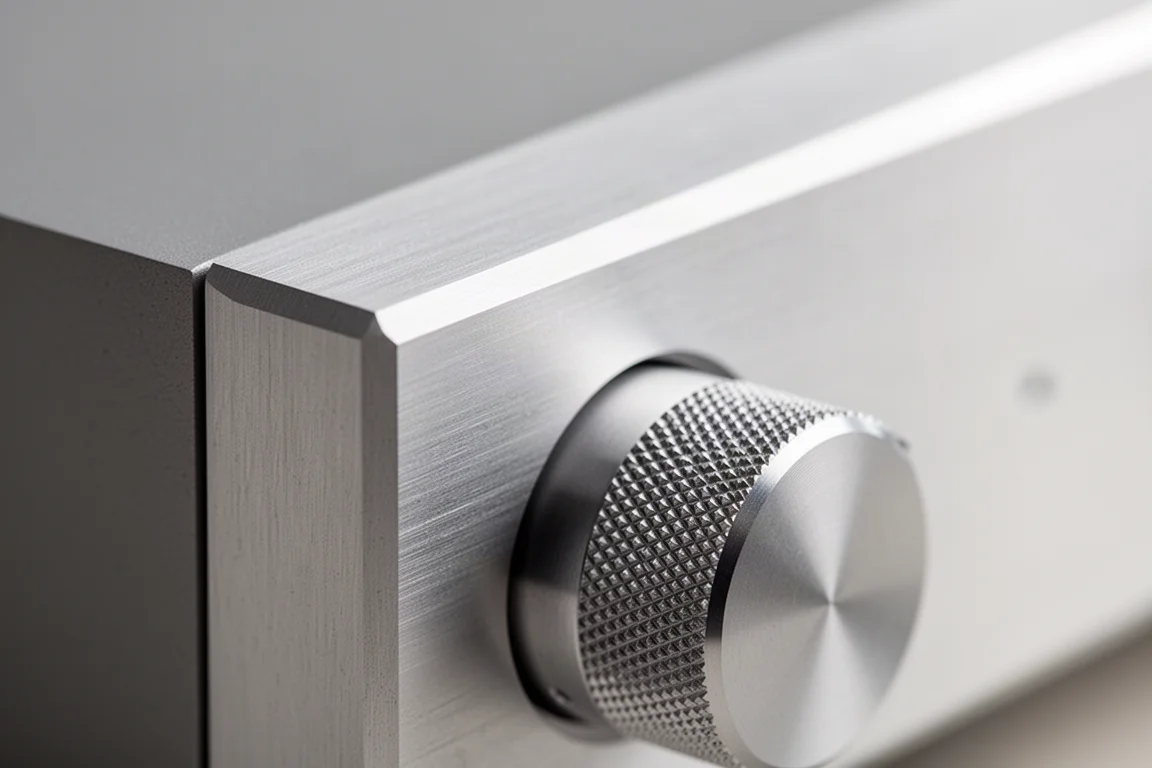
Everything about the unit signals its position in the market: the mass, the smooth bearing-based volume control, the backlight, and the color TFT display that shows album artwork clearly enough to read from across a room. The display could reasonably be a little larger, but it is legible and unobtrusive in a dim room.
Streaming and DAC Performance
The built-in DAC handles high-resolution PCM up to 384 kHz and 32-bit, and it decodes DSD natively, so virtually any file format in a personal library will play without conversion gymnastics. Network streaming is handled through the HEOS app, which now supports Tidal Connect along with Qobuz, Spotify, Pandora, and other services. Apple AirPlay 2 and Bluetooth are on board as well, and the unit is Roon ready.
During extended listening, the streaming section proved the most enjoyable part of the experience. On Radiohead’s “Packed Like Sardines in a Crushed Tin Box,” the bass was deep and tactile, and the sense of space was wide enough that two speakers convincingly suggested a surround presentation. On Sheryl Crow’s “Wildflower,” vocals sat dead center with a solid phantom image, guitar parts separated cleanly left to right, and the noise floor stayed very low.
Two settings are worth knowing about. Filter 2 offered the most high-frequency detail and also measured better on the bench, and Source Direct produced the lowest noise and lowest distortion of the available configurations. Bench testing showed SINAD figures as high as 102 dB at the preamplifier output, along with strong drive capability: 10 volts from the unbalanced outputs and 20 volts from the balanced outputs.
Phono Stage and Analog Output
The phono stage is not an afterthought. It supports both moving magnet and moving coil cartridges, with three impedance settings to match a moving coil cartridge properly. It accepts up to roughly 50 millivolts before clipping, far beyond the few millivolts a typical cartridge produces, which leaves enormous headroom. The result is low noise, low distortion, and notable clarity.
Listening through a turntable with a moving magnet cartridge, the analog path delivered a large, enveloping soundstage. On Phil Collins’ “I Don’t Care Anymore,” the tom fills traveled convincingly from far left to far right while the vocal stayed locked in the center, and the kick drum arrived tight and controlled with no boominess. On Richard Marx’s “Remember Manhattan,” the phantom center remained focused and the saxophone work filled the stage as though the player were in the room.

Connectivity on the analog side is generous: balanced XLR and unbalanced line-level outputs, dedicated preamplifier outputs, plus Toslink and coaxial digital inputs, digital outputs, HDMI ARC for television audio, and a high-quality USB DAC input for a computer, NAS, or network drive. The 2.1 designation comes from a subwoofer output with an adjustable low-pass filter spanning 40 to 200 Hz in 20 Hz steps, implemented as a second-order filter with its 3 dB point at the selected crossover.
Things to Consider Before Buying
The subwoofer output is unbalanced RCA, which is an odd choice in a design that is otherwise fully differential and balanced throughout. It still measures well, but it means one cable in the chain behaves differently from the rest.
There is no per-source input level trim, so switching between vinyl and streaming revealed a level difference of roughly 8 to 10 dB. Combined with the streaming app restarting a track from the beginning rather than resuming where it left off, this makes precise level-matched A/B comparisons between sources difficult. Most owners will not care, but anyone who enjoys methodical comparison work should know about it.
Tone controls cover bass and treble, but there is no parametric EQ with adjustable frequencies for taming room modes, and no room correction system of any kind. Competing preamplifiers that cost considerably less do include room correction, so if that feature matters to you, this is a real consideration rather than a footnote.
Finally, the trigger output only functions with the matching Model 10 amplifier, so there is no universal 12 volt trigger for third-party power amplifiers. Owners of always-on or highly efficient amplification will shrug this off, but it is a surprising omission at this price.
Buying Advice
Buy the Link 10N if you want a single, exceptionally well-built component that handles streaming, vinyl, and television audio at a very high standard, and if your speakers are full-range designs that do not need bass management. The measured performance is strong, the analog output section has real drive, and the phono stage is good enough that a separate phono preamplifier becomes unnecessary for most cartridge types.
Before committing, confirm three things about your own system: that your speakers can run full range without a high-pass filter, that you are comfortable without room correction or parametric EQ, and that your power amplifier does not depend on a 12 volt trigger. If those points line up, the Link 10N delivers an unusually complete package, and the build quality is the part that is hardest to match elsewhere. If you intend to pair it with the matching Model 10 amplifier, the trigger behavior becomes a non-issue and the two components are clearly designed as a set.
Conclusion
The Marantz Link 10N is a luxury purchase, and it is priced accordingly at around $14,000. What that money buys is a streaming preamplifier with a fully balanced analog architecture, a flexible high-resolution DAC, a genuinely capable phono stage, and a level of construction that stands out even among established high-end brands. It is not the right choice for listeners who need bass management or room correction, and the trigger limitation is worth knowing about in advance. For everyone else who wants one refined component at the center of a two-channel system, it is a compelling option to audition.
Product link
View more details for Marantz Link 10N
This product is mentioned in the review. Check the specifications, options, and compatibility before buying.
View more details for Marantz Link 10NFurther reading
Related Reviews
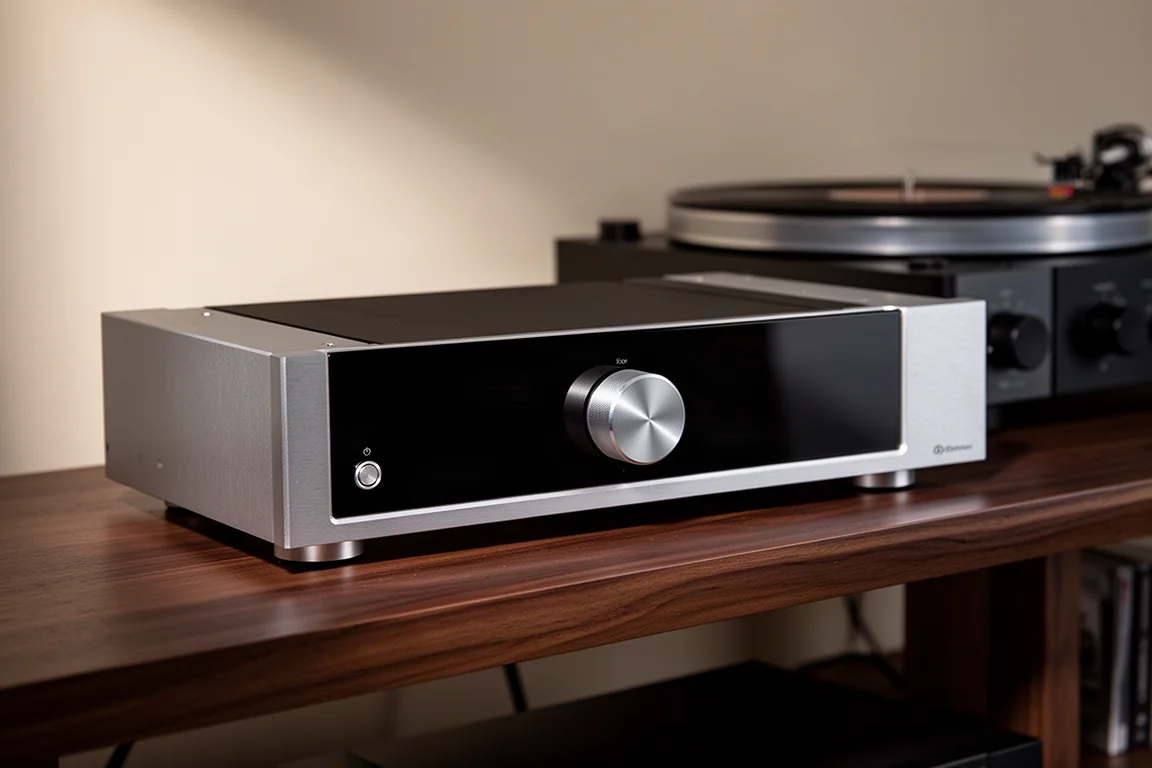
Hi-Fi Preamplifiers
Advance Paris XP700 Review: A Purist Two-Channel Preamplifier
A close look at the Advance Paris XP700, a $1,999 balanced preamplifier with a flexible phono stage, a Burr Brown DAC, and a deep set of sound-shaping options.
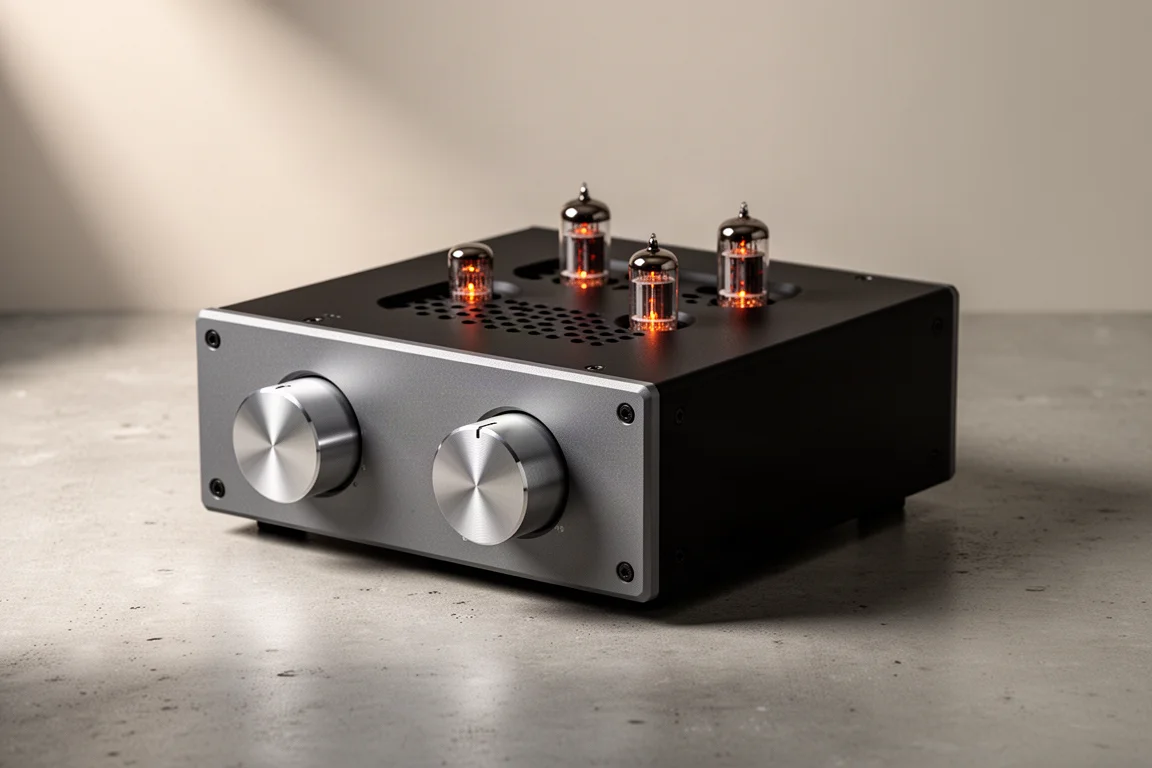
Hi-Fi Preamplifiers
Amps and Sound Badlands Review: A Tube Preamplifier Built for Drive
A compact, hand-built tube preamplifier that adds weight, punch, and dynamic contrast to a system, with three inputs and no remote to weigh against it.
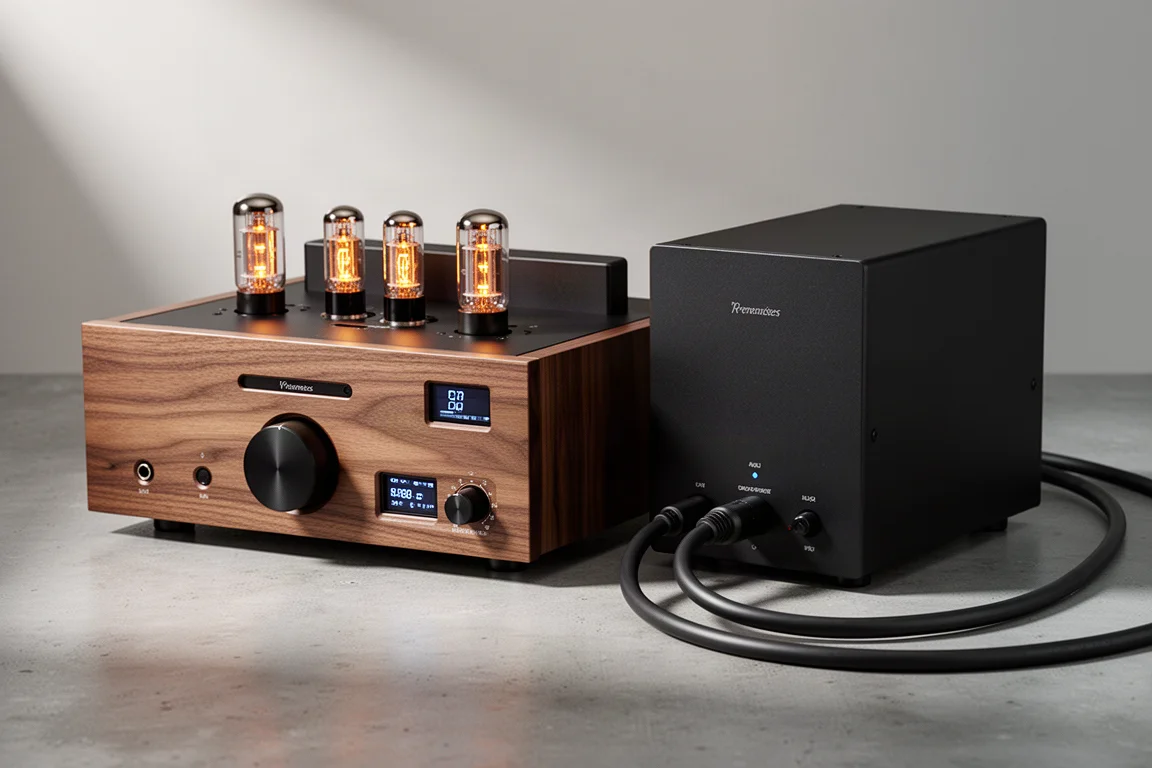
Hi-Fi Preamplifiers
Aric Audio Motherlode XL Review: Handcrafted Tube Sound With Real Definition
A handcrafted two-box tube preamplifier with premium parts, textured low bass, and vivid imaging, plus the trade-offs to weigh before buying.