Hi-Fi Preamplifiers
Aric Audio Motherlode XL Review: Handcrafted Tube Sound With Real Definition
A handcrafted two-box tube preamplifier with premium parts, textured low bass, and vivid imaging, plus the trade-offs to weigh before buying.
Introduction
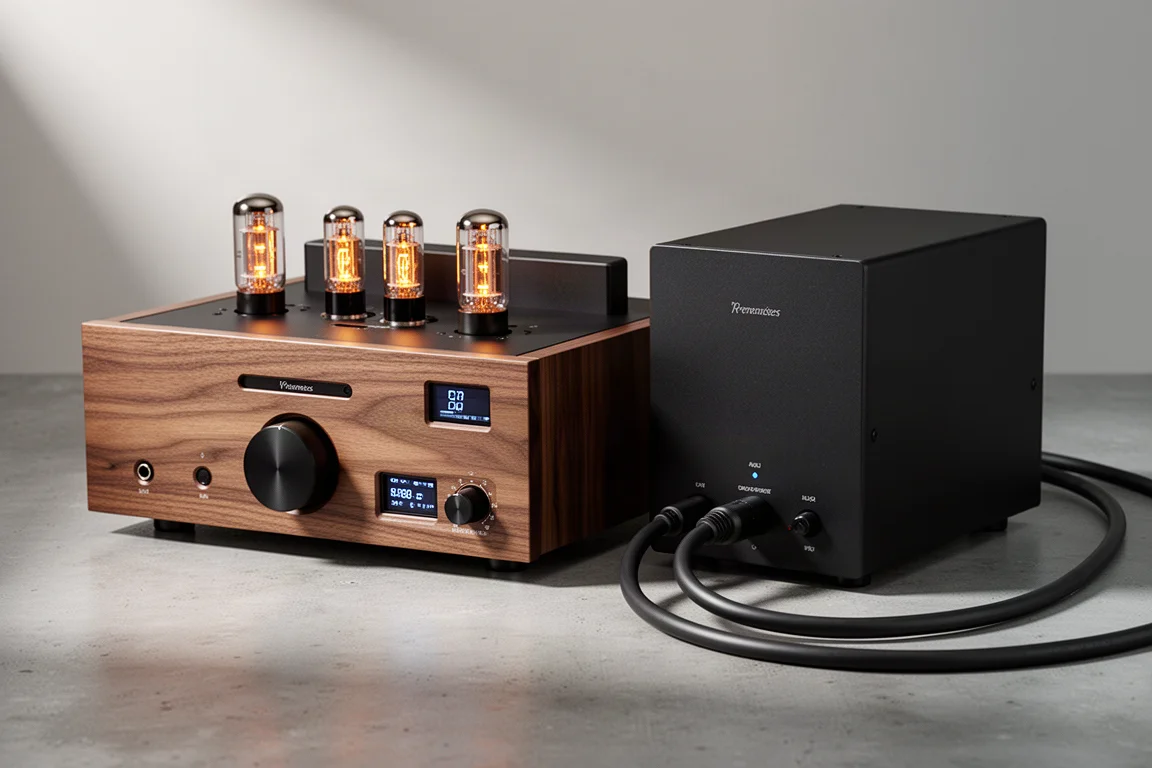
The Aric Audio Motherlode XL is a two-box tube preamplifier from a small boutique maker that builds its components by hand in the United States. It sells for around $6,500, and it is aimed squarely at listeners who already own a revealing system and want the musical character of tubes without giving up clarity.
What makes it unusual is not only the sound. It is the parts list: Jensen input transformers, Edcor output transformers, Clarity Audio film capacitors, Takman carbon resistors, Jupiter copper foil coupling capacitors, and copper-lined chassis. These are the kind of components that rarely appear together in a single commercially available preamplifier.
Who This Preamplifier Is For
This is a preamplifier for a serious two-channel system. It offers four line inputs in total: two transformer-balanced XLR inputs and two RCA inputs, which is enough to connect a turntable setup, a digital streamer, a CD player, and one more source without swapping cables.
Outputs are limited to one balanced XLR and one single-ended RCA, so it suits a straightforward system rather than one that needs to feed several amplifiers at once. A rear gain knob lets you match the preamplifier’s output level to the rest of the chain, which is useful when pairing it with high-sensitivity power amplifiers.
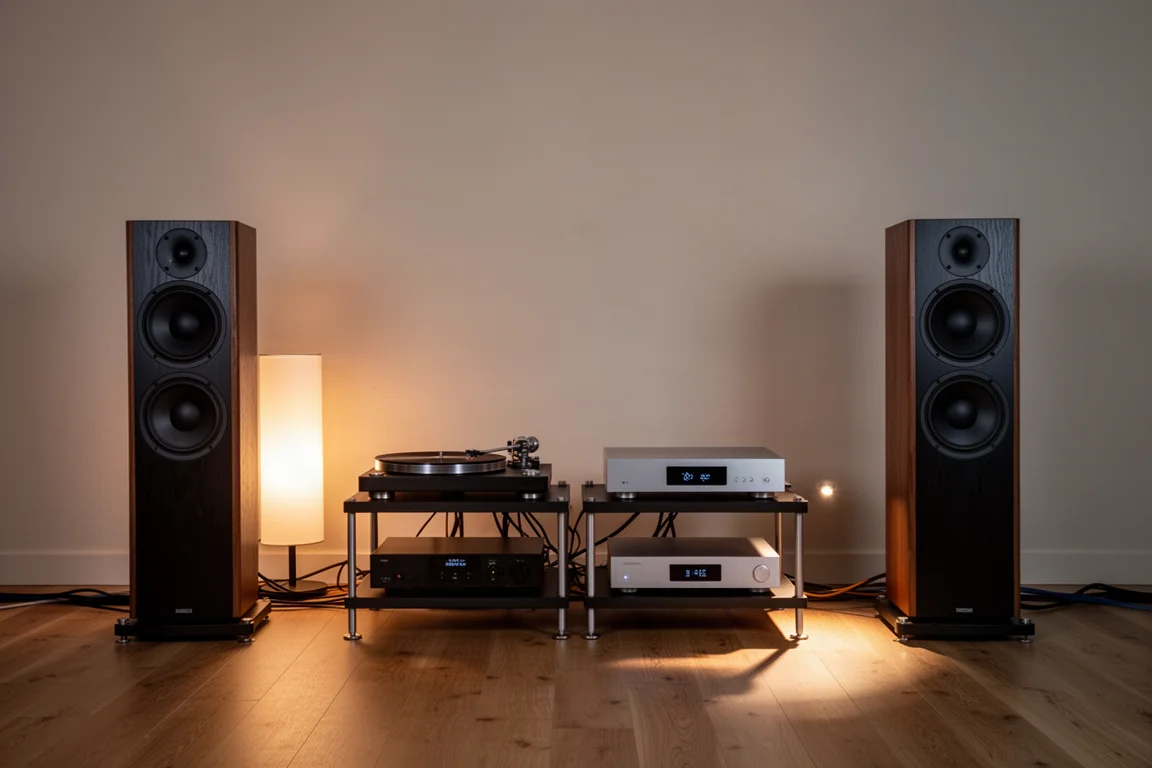
It also suits buyers who care about how a component is made. The layout is deliberately simple, and the priority is clearly on the parts and the circuit rather than on features.
Main Strengths
The Motherlode XL stands out in three areas: the quality of its construction, the character of its low-frequency presentation, and the way it images.
Handcrafted Build and Component Quality
The design splits the power supply and the audio circuit into two separate chassis, joined by an umbilical cable. Inside the power supply there are oversized transformers and a high-quality power transformer, and the unit accepts 5U4, 5U4G, or 5U4GB rectifier tubes. Two OD3 tubes handle voltage regulation, while the preamplifier section runs a pair of 6SN7 tubes.
The audio circuit uses a short signal path with premium parts: Clarity Audio film capacitors, Takman carbon resistors, and Jupiter copper foil coupling capacitors. Tube damper plates are fitted to reduce vibration. Inputs are transformer-balanced with Jensen transformers and outputs are transformer-balanced with Edcor transformers. Both chassis are lined with copper for shielding, and the remote control is a solid metal handset of the type used in other high-end digital components.
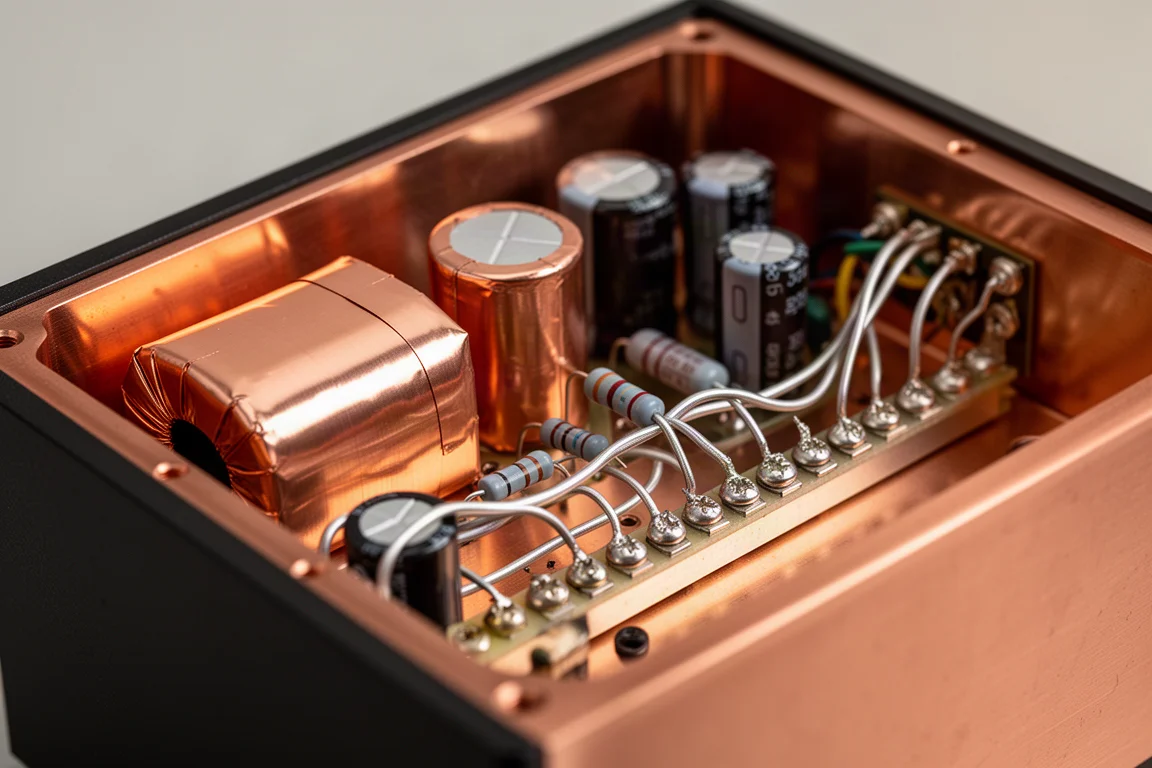
The finish is walnut, and it looks and feels handcrafted. Other finishes such as maple can be requested directly from the maker, typically at additional cost.
Sound Quality and Break-In
Straight out of the box the presentation can feel a little thin, with a soundstage that seems narrower than expected from a tube design. Give it time. After roughly 100 hours of use the preamplifier opens up noticeably, the stage widens, and the tone settles into a warm but balanced character.
From there the overall sound sits on the warm side of neutral, favouring smoothness over hard edges. That makes long listening sessions easy. What separates it from softer tube designs is that the definition around voices and instruments stays intact. Backgrounds are quiet, and the imaging has a holographic quality that puts performers firmly in the room.
Separation is a real strength. Busy material such as classical, electronic, rock, and heavy metal stays organized even at high volume, with instruments placed clearly within the stage. Older and imperfectly recorded material also benefits: it does not become perfectly resolved, but it remains enjoyable and easier to listen through than with many alternatives.
Bass, Midrange, and High-Frequency Character
The most distinctive quality is the low bass. It is authoritative and heavily textured, with a sense of rumble and extension that can make a system sound as though a subwoofer is running even when it is not.
Mid-bass is handled differently. There the sound is cleaner and more controlled, with respectable punch, speed, and dynamics for a tube design. It will not match the outright grip of a solid-state preamplifier, but it avoids the slow, bloated quality that puts some listeners off tubes.
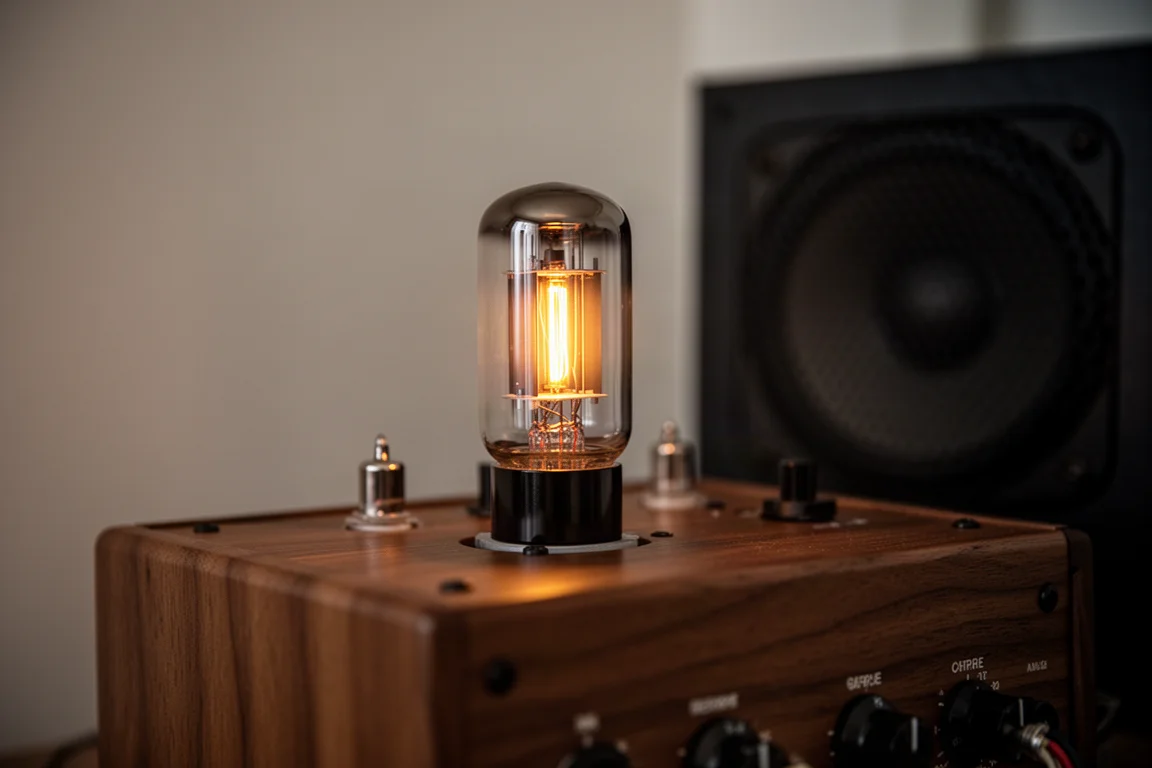
Midrange and treble follow the same pattern. There is warmth and body, but also clarity, and the result is a sound that invites you to keep listening.
Things to Consider Before Buying
The control layout is intentionally minimal, and that has practical consequences. The input selector has no indicator to tell you which of the four inputs is active, so you learn the positions by feel. The detents are positive, and most owners will memorize the settings within about a week.
Break-in matters here. Judging the preamplifier in its first hours will give a misleading impression of both tone and soundstage. Budget for that settling-in period before deciding how it fits your system.
Output flexibility is limited to a single balanced and a single single-ended connection, so a system that needs to drive several amplifiers at once will require a different solution. Because this is a small handmade operation, custom finish requests and lead times are best discussed directly with the maker, and non-standard finishes usually add to the cost.
How It Compares With Other High-End Preamplifiers
Two well-known alternatives come up in the same conversation. The Ayon Audio Mentor is a similarly priced tube preamplifier with a comparable overall character. The differences are small, but the Aric Audio has the edge in craftsmanship, aesthetics, and the caliber of its internal parts.
The McIntosh C1100 is a flagship design with more outright detail and a grander stage, along with the textured mid-bass character that brand is known for. It is also roughly twice the price, and it has been discontinued in favour of a newer model. The Aric Audio is the more musical of the two in character, with greater clarity and separation in the low end, while the McIntosh remains an impressive and alluring component in its own right.
Buying Advice
At around $6,500 the Motherlode XL is a significant purchase, and it makes the most sense for a system that can already resolve what it does well.
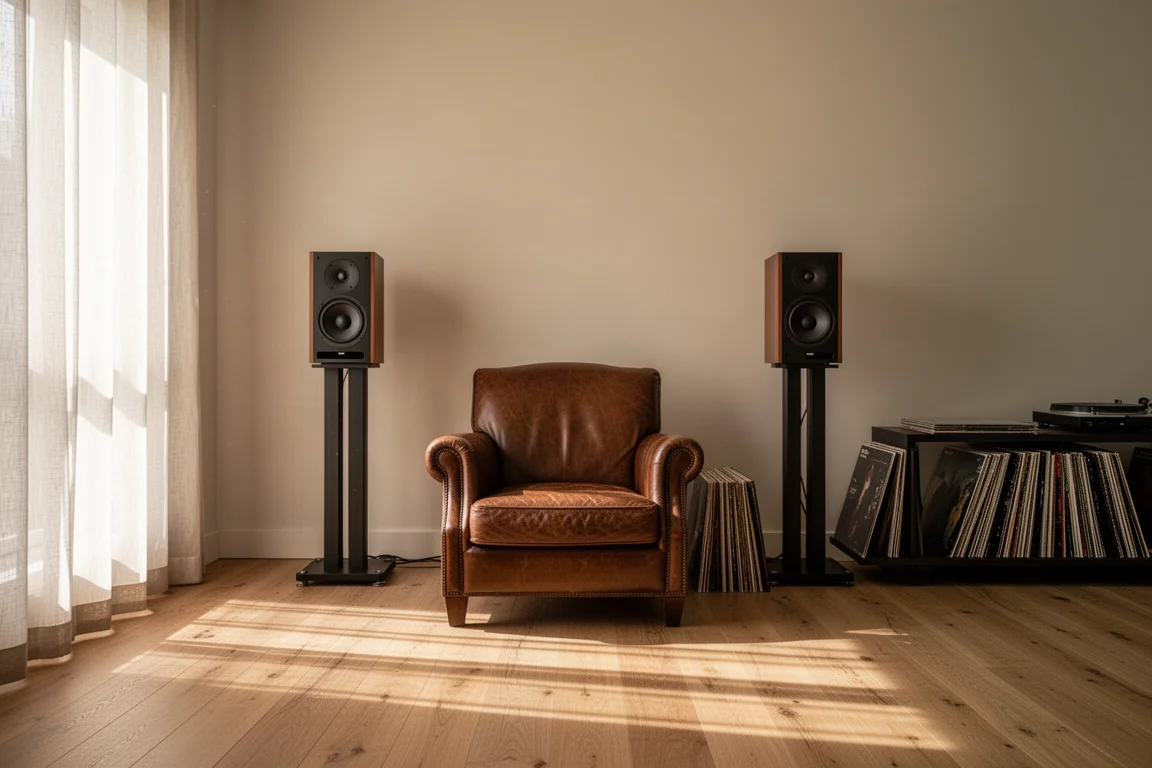
If you are building a high-end two-channel setup around a turntable and a digital source, value the parts and construction as much as the sound, and want tube warmth that does not smear detail, this preamplifier deserves a place on your shortlist. If you need extensive input and output flexibility, or you prefer the neutrality of solid state, look elsewhere.
Conclusion
The Aric Audio Motherlode XL earns its price through what is inside it and how it presents music. Its low bass is unusually textured, its imaging is vivid, and its warmth is applied where it helps rather than everywhere. Buyers who understand the trade-offs, including break-in time and a minimalist control layout, will find a handcrafted preamplifier that is built to be kept.
Product link
View more details for Aric Audio Motherlode XL
This product is mentioned in the review. Check the specifications, options, and compatibility before buying.
View more details for Aric Audio Motherlode XLFurther reading
Related Reviews
Hi-Fi Preamplifiers
Advance Paris XP700 Review: A Purist Two-Channel Preamplifier
A close look at the Advance Paris XP700, a $1,999 balanced preamplifier with a flexible phono stage, a Burr Brown DAC, and a deep set of sound-shaping options.
Hi-Fi Preamplifiers
Amps and Sound Badlands Review: A Tube Preamplifier Built for Drive
A compact, hand-built tube preamplifier that adds weight, punch, and dynamic contrast to a system, with three inputs and no remote to weigh against it.
Hi-Fi Preamplifiers
Doge 8 Tube Preamplifier Review: High-End Parts at a Sub-$2,000 Price
A dedicated tube preamplifier under $2,000 with Clarity Audio capacitors, a built-in MM and MC phono stage, and a warmer RCA tuning worth knowing about before you buy.