Hi-Fi Preamplifiers
Amps and Sound Badlands Review: A Tube Preamplifier Built for Drive
A compact, hand-built tube preamplifier that adds weight, punch, and dynamic contrast to a system, with three inputs and no remote to weigh against it.
Introduction
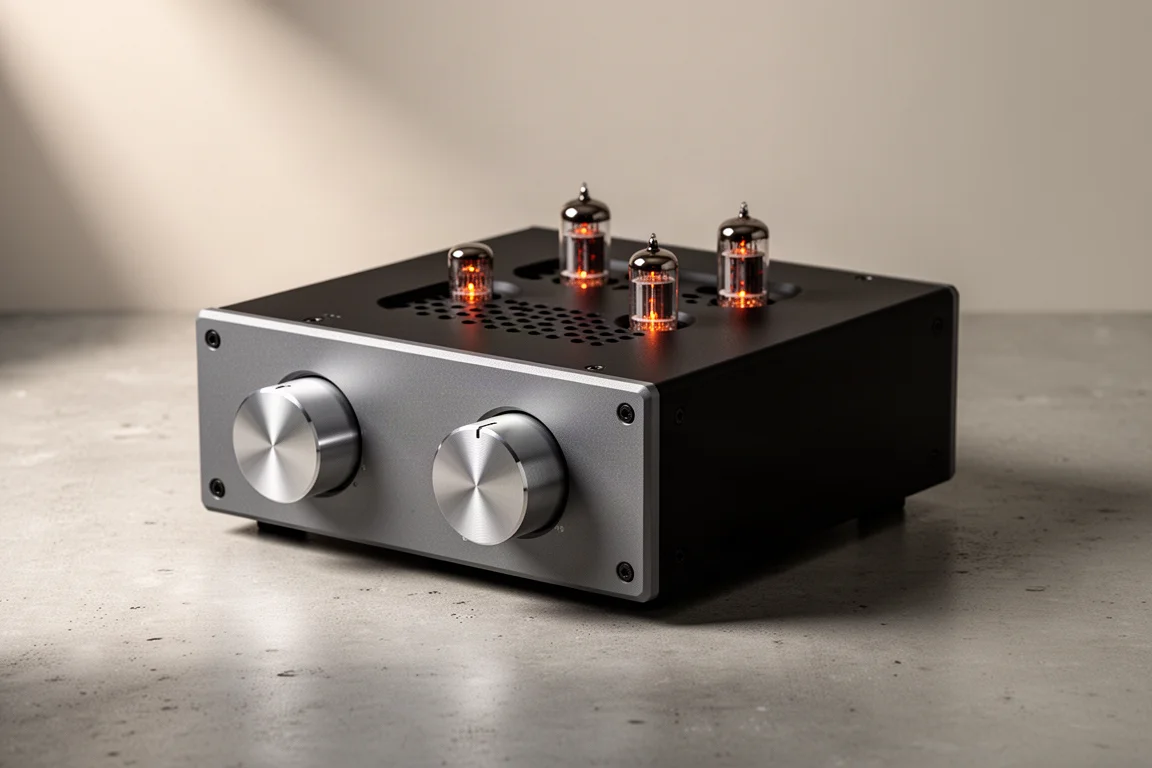
The Amps and Sound Badlands is a tube preamplifier that takes a very specific position on what a preamp should do. It is not trying to disappear. Instead, it makes the amplifier and speakers connected to it sound more powerful, more dynamically alive, and far more willing to deliver bottom-end weight and slam.
That character is the entire point. The Badlands is a compact, heavily built, hand-assembled design from a California builder, and it is offered in two versions that look and function identically from the outside. The differences live inside the chassis, and so does much of the cost.
This review covers what the Badlands does well, where it asks for compromises, and who should think seriously about putting one in their system.
Who This Preamplifier Is For
The Badlands suits listeners who want a preamp to add drive, contrast, and low-frequency authority rather than strict neutrality. If you enjoy the feeling that a recording has been given more punch and more forward momentum, this is the kind of component that delivers it consistently, record after record.
It is also a strong match for systems built around modestly powered amplifiers, where a greater sense of grip and weight at the bottom end matters. What it is not is a neutral monitor. Listeners who prioritize an accurate, laid-back presentation will likely prefer a different approach, and the Badlands makes that preference easy to identify within a few tracks.
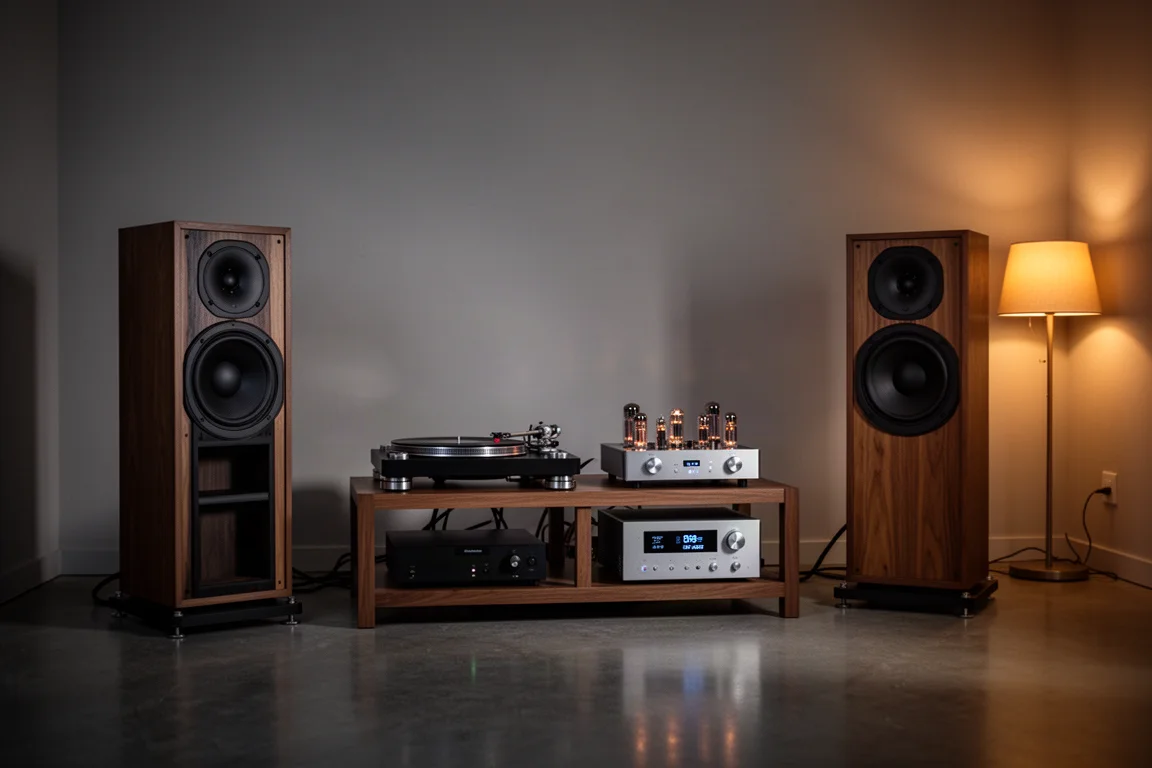
Practical constraints matter here too. There is no remote control, and there are only three inputs, so the Badlands rewards a system that does not demand frequent switching or volume changes from the listening seat.
Design, Tubes, and Build Quality
The chassis measures roughly 12 inches wide, 10 inches deep, and 6 inches tall, yet it weighs around 25 pounds, which tells you most of what you need to know about the internal construction. Amps and Sound designs and builds its products in California and backs them with a transferable lifetime warranty, an unusually generous commitment in the tube world.
The tube complement is a pair of 12AX7s, a single 12BH7, and a 5AR4 rectifier. The controls are machined from solid aluminum and feel excellent, though the input selector is deliberately stiff and needs a firm hand when moving between the three inputs. Volume is handled by a 24-step attenuator.
The rear panel is sparse: two pairs of RCA inputs, one pair of XLR inputs, and two sets of single-ended RCA outputs. The circuit itself was inspired by the classic Marantz 7C. Two versions are offered. The $12,000 version uses a single large circuit board, while the $15,000 version replaces it with point-to-point wiring on smaller turret boards and involves roughly 16 hours of hand labor.
Shipping is equally serious. The preamp arrives in a Seahorse case rather than a cardboard box. Standard finishes are gray and black or all black, and a custom color is available at extra cost.
Main Strengths in Sound and Build
The defining strength of the Badlands is the way it changes the perception of power in a system. Amplifiers sound more dynamic, with more kick and more slam, and the low end gains weight and gravity. Detail and clarity are strong throughout, and the preamp consistently brings out the best in a mix, even when the recording itself is congested or grainy.
That combination of detail and drive is what makes long listening sessions easy to sink into. The character is forward and engaging rather than polite, and it holds up across a wide range of material rather than flattering only a narrow selection of recordings.
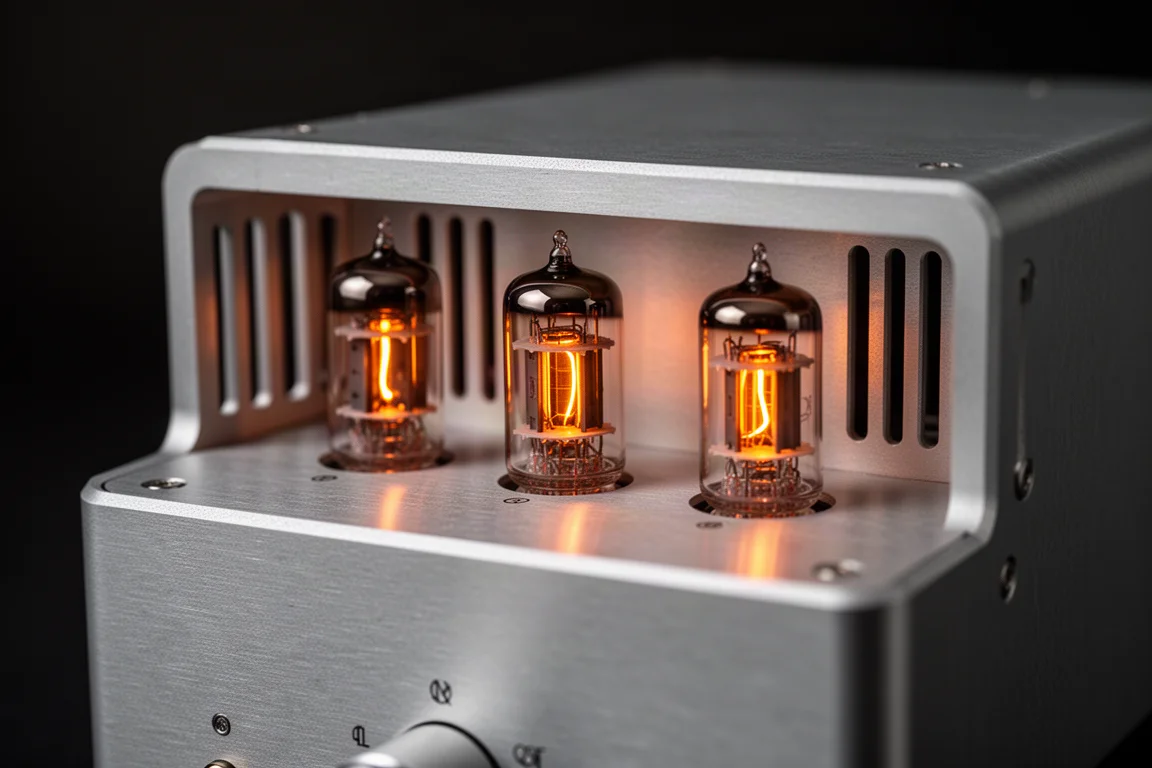
The build matches the sound. Machined aluminum controls, a heavy chassis, and a transferable lifetime warranty all point to a component that is intended to stay in a system for a very long time.
Things to Consider Before Buying
There are real trade-offs to weigh. The absence of a remote control is a genuine limitation for anyone who adjusts volume often or listens from across the room. Three inputs is a modest count for a modern system with both analog and digital sources, and the single pair of XLR inputs means balanced sources need to be chosen carefully.
The stiff input selector and the 24-step attenuator are worth noting as well. Twenty-four steps is fewer than some stepped attenuators offer, so fine volume adjustment takes a little getting used to.
Cost is the largest consideration. The Badlands sits firmly in premium territory, and the point-to-point version carries a substantial premium over the circuit board version despite being externally identical. Custom finishes add further cost on top of that.
How It Compares With Other Tube Preamps
Because the Badlands draws on the Marantz 7C circuit, a direct comparison with that classic preamp is natural. Even in excellent condition, fitted with new old stock tubes and confirmed to be measuring as it should, the 7C comes across as more polite and more restrained. It simply does not have the get-up-and-go of the Badlands.
Against a reference linear tube preamp, the contest is much closer. The Badlands delivers more grit, more punch, and noticeably weightier bass, with greater dynamic contrast between quiet and loud passages. The reference design is more laid-back and more neutral, and on some material it sounds fuller, warmer, and more three-dimensional in its soundstaging, while the Badlands is cooler in overall tonal balance.
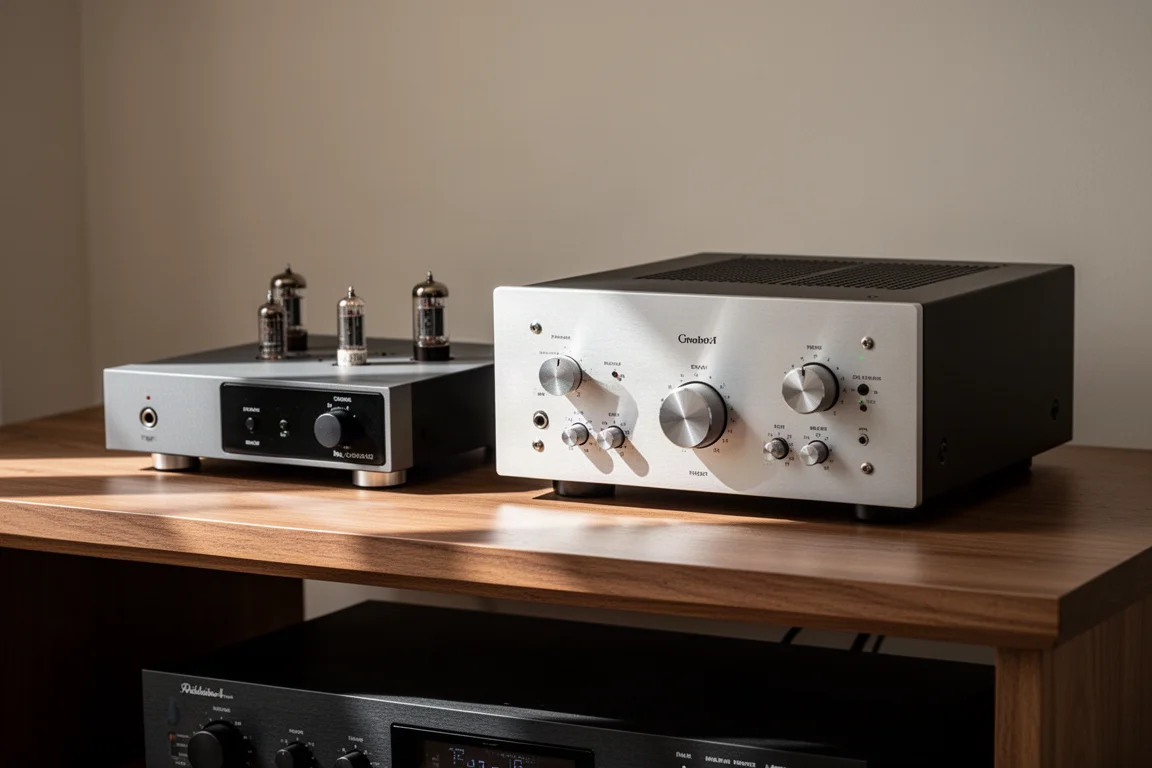
One detail stands out: even when the comparison preamp was played three or four decibels louder, the Badlands still carried more jump factor. That is a strong indication that its appeal is about character and contrast rather than sheer output level.
Pairing and Setup Notes
The Badlands works well with a wide range of speakers, from high-efficiency horn designs to open-baffle models, and it also paired successfully with low-power solid state amplifiers, where the added sense of drive and control was easy to hear.
Because the preamp is small but heavy, plan for a shelf that can take the weight while still allowing airflow around the tubes. Give the selector and attenuator a little time to loosen up, and be deliberate about which sources you dedicate to the three inputs, since switching from the listening seat is not an option.
Matching matters more than usual here. If your amplifier and speakers already lean bright or forward, the Badlands will emphasize that tendency. In a system that needs more life and bottom-end authority, it does the opposite.
Buying Advice
Decide first whether the Badlands’ character is what your system is missing. If you want more dynamic contrast, more low-frequency weight, and a preamp that makes every record feel like an event, it delivers that consistently and without much subtlety.
Then choose the version. The $12,000 and $15,000 models look and function identically from the outside; the difference is internal wiring, with the point-to-point build requiring many hours of hand labor.

Finally, confirm that you can live without a remote and with three inputs. If those constraints fit your listening habits, the Badlands is a compelling long-term choice, backed by a transferable lifetime warranty and California manufacturing.
Conclusion
The Amps and Sound Badlands is a specialist component with a clear personality. It adds power, weight, and dynamic life to a system, and it does so with strong build quality and an unusually generous warranty. The trade-offs, which include no remote, three inputs, and a premium price, are real but easy to understand in advance. For listeners who want their system to feel more alive every time they press play, it is a very compelling preamplifier.
Product link
View more details for Amps and Sound Badlands
This product is mentioned in the review. Check the specifications, options, and compatibility before buying.
View more details for Amps and Sound BadlandsFurther reading
Related Reviews
Hi-Fi Preamplifiers
Advance Paris XP700 Review: A Purist Two-Channel Preamplifier
A close look at the Advance Paris XP700, a $1,999 balanced preamplifier with a flexible phono stage, a Burr Brown DAC, and a deep set of sound-shaping options.
Hi-Fi Preamplifiers
Aric Audio Motherlode XL Review: Handcrafted Tube Sound With Real Definition
A handcrafted two-box tube preamplifier with premium parts, textured low bass, and vivid imaging, plus the trade-offs to weigh before buying.
Hi-Fi Preamplifiers
Doge 8 Tube Preamplifier Review: High-End Parts at a Sub-$2,000 Price
A dedicated tube preamplifier under $2,000 with Clarity Audio capacitors, a built-in MM and MC phono stage, and a warmer RCA tuning worth knowing about before you buy.