AV Receivers
Marantz Cinema Series 8K AV Receivers Compared: Cinema 40, 50, 60, and 70s
A practical look at the four Marantz Cinema Series 8K AV receivers, covering channel counts, amplification, room correction support, and which model suits which room.
Introduction
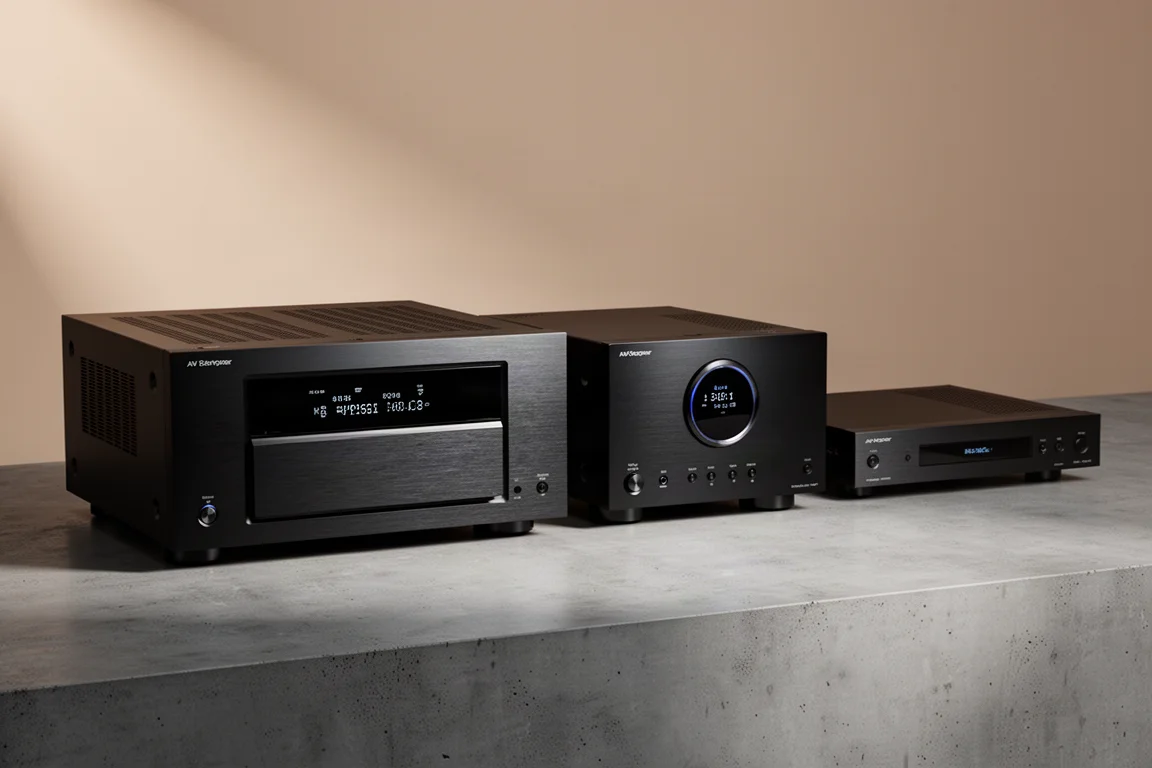
Marantz has introduced the Cinema Series, a four-model line of 8K AV receivers that spans a wide range of budgets and room sizes. The naming takes a moment to get used to, because in this lineup a lower model number means a higher position in the range. The Cinema 40 sits at the top, the Cinema 50 and Cinema 60 fill the middle, and the slimline Cinema 70s anchors the entry point.
Pricing rises accordingly, from $1,200 for the Cinema 70s to $3,500 for the Cinema 40, so the useful question is not which receiver is best in the abstract. It is which one matches the speakers, subwoofers, and room you actually have.
Shared Features Across the Cinema Series
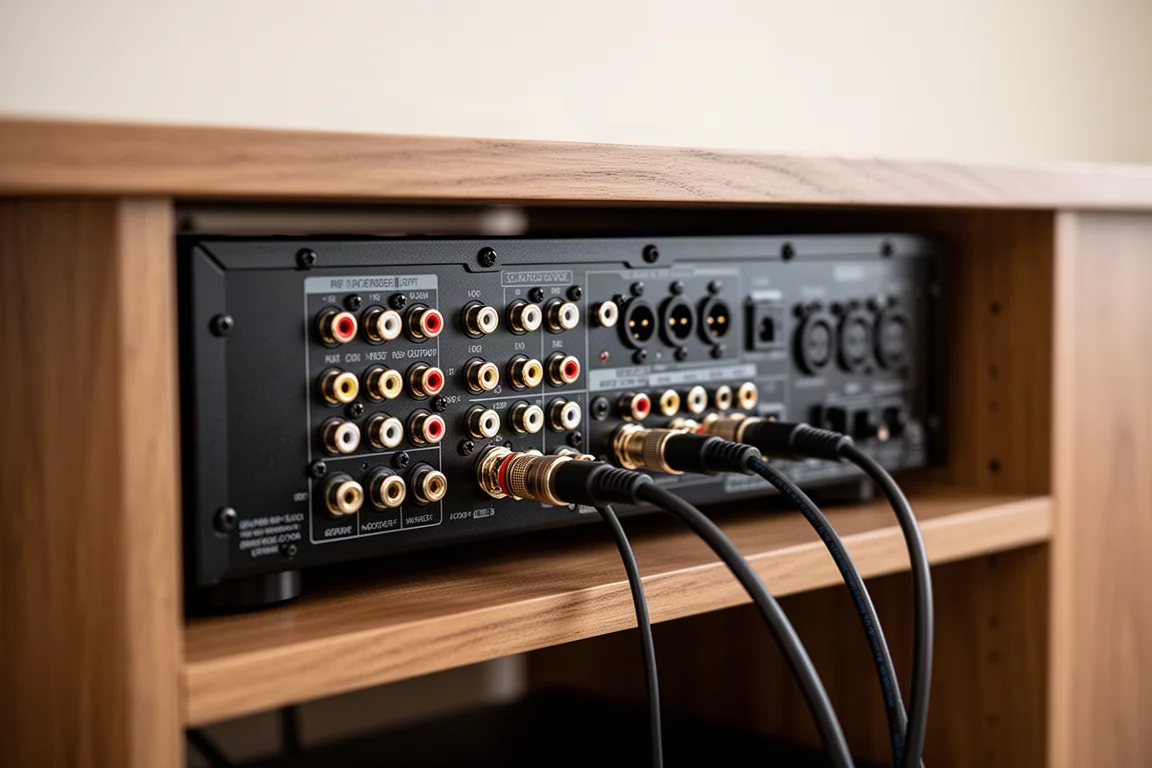
Every model in the range is built around 8K-ready HDMI connectivity, and each one offers preamp outputs for owners who want to add external amplification later. Those preamp outputs are rated at 4 volts RMS unclipped, which gives them enough headroom to drive a separate power amplifier cleanly. Some models also include a preamp disconnect mode that physically separates the amplifier stages from the preamp section, keeping the signal path as clean as possible when the internal amplifiers are not in use.
Marantz rates its receivers conservatively. The stated two-channel figure is backed by a guarantee that the receiver will deliver at least 70 percent of that rating with five channels driven, which means the spec sheet understates what most owners will experience in a real multi-channel system.
Subwoofer flexibility is the other shared theme, though it varies by model. The two upper models offer four independent subwoofer outputs, while the two lower models provide two subwoofer outputs wired in parallel.
Marantz Cinema 40: Flagship Build and Power
The Cinema 40 is the flagship of the line at $3,500, and it replaces the SR7015. It is rated at 125 watts per channel with two channels driven, uses a larger EI core transformer and audio capacitor than the models below it, and processes 11.4 channels. With nine internal amplifiers, it can power a nine-channel speaker layout on its own, and adding a two-channel amplifier unlocks the full eleven channels.
This model also carries the highest-grade audio components in the range, including the HDAM SA2 stage, and it is designed and manufactured at the Shirakawa factory in Japan. Its amplifier channels are built on individual boards rather than one shared board, which is intended to improve crosstalk and vibration performance. The chassis adds extra acoustic treatment, copper screws on the back panel, and an aluminium trapdoor over the connections. It supports three zones from three sources, and it is the only model in the range with analog video inputs, offering composite and component connections with upconversion to HDMI. Every HDMI input is 8K-ready.
Marantz Cinema 50: 11.4-Channel Processing for Less
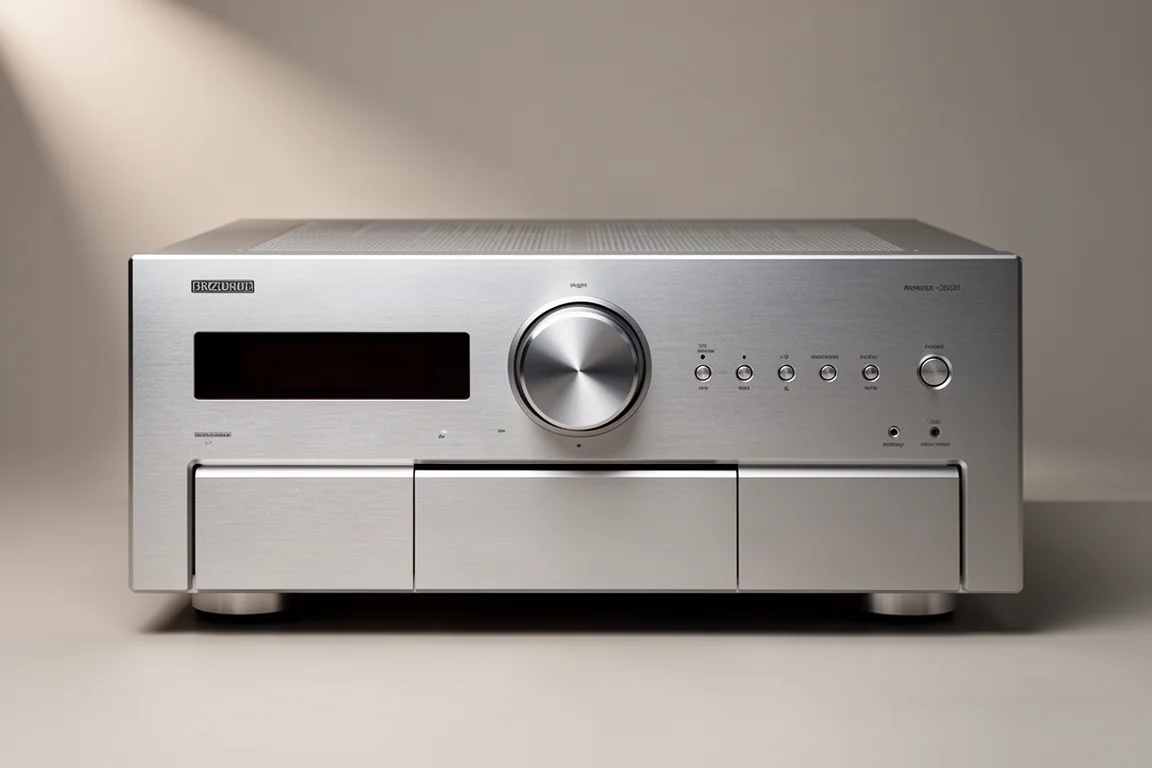
At $2,500, the Cinema 50 replaces the SR6015 and shares much of the processing capability of the flagship. It also handles 11.4 channels with nine internal amplifiers, and it also provides four independent subwoofer outputs with independent delay and level settings. Its power rating is 110 watts per channel with two channels driven, and it supports two zones from two sources. Every HDMI input on the Cinema 50 is 8K-ready.
The gap between the Cinema 50 and the Cinema 40 comes down to build, components, and extras rather than channel count. The flagship brings the larger power supply, the higher-grade audio stage, Japanese production, and analog video connections, while the Cinema 50 keeps the same processing core for $1,000 less.
Marantz Cinema 60: The Seven-Channel Workhorse
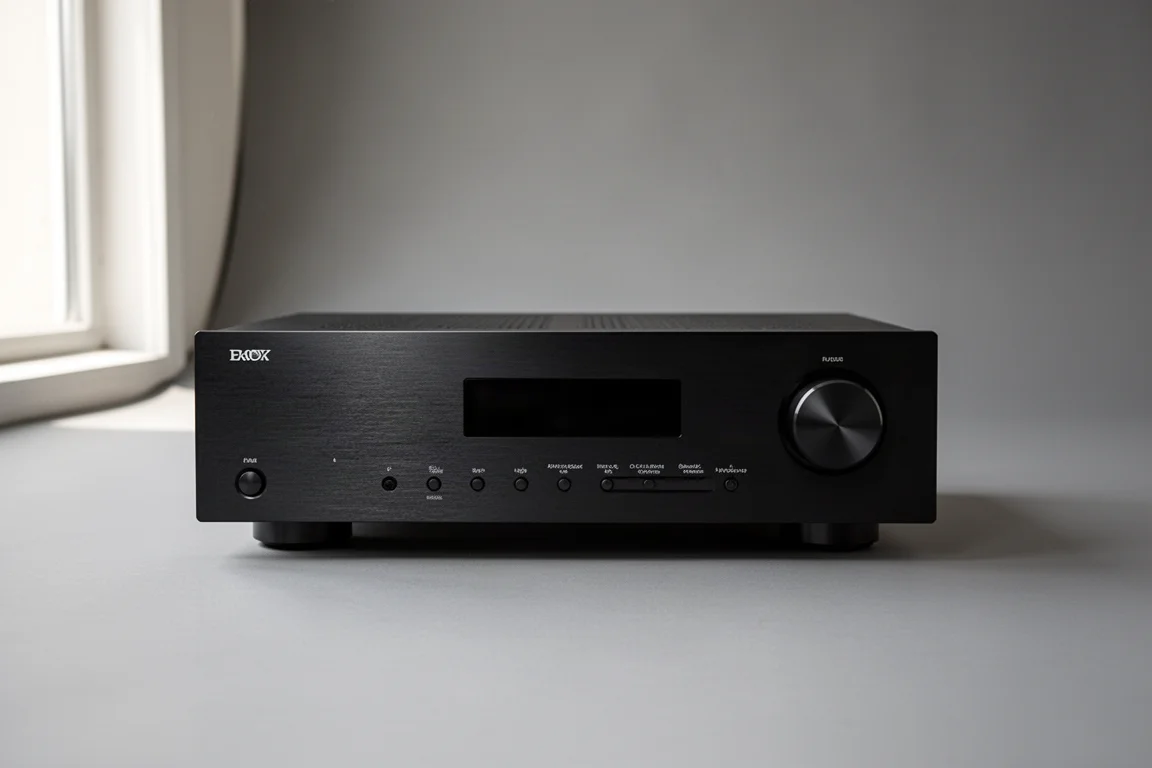
The Cinema 60 is the $1,700 model that replaces the SR5015. It is rated at 100 watts per channel with two channels driven and carries seven internal amplifiers, so it powers a seven-channel layout without external help. It also provides seven-channel preamp outputs for owners who want to expand later. HDMI connectivity covers six inputs, three of them 8K and three of them 4K.
For a straightforward surround system with no plans to go beyond seven channels, this is the model that covers the essentials while leaving a clear upgrade path through its preamp outputs.
Marantz Cinema 70s: A Slimline Processing Hub
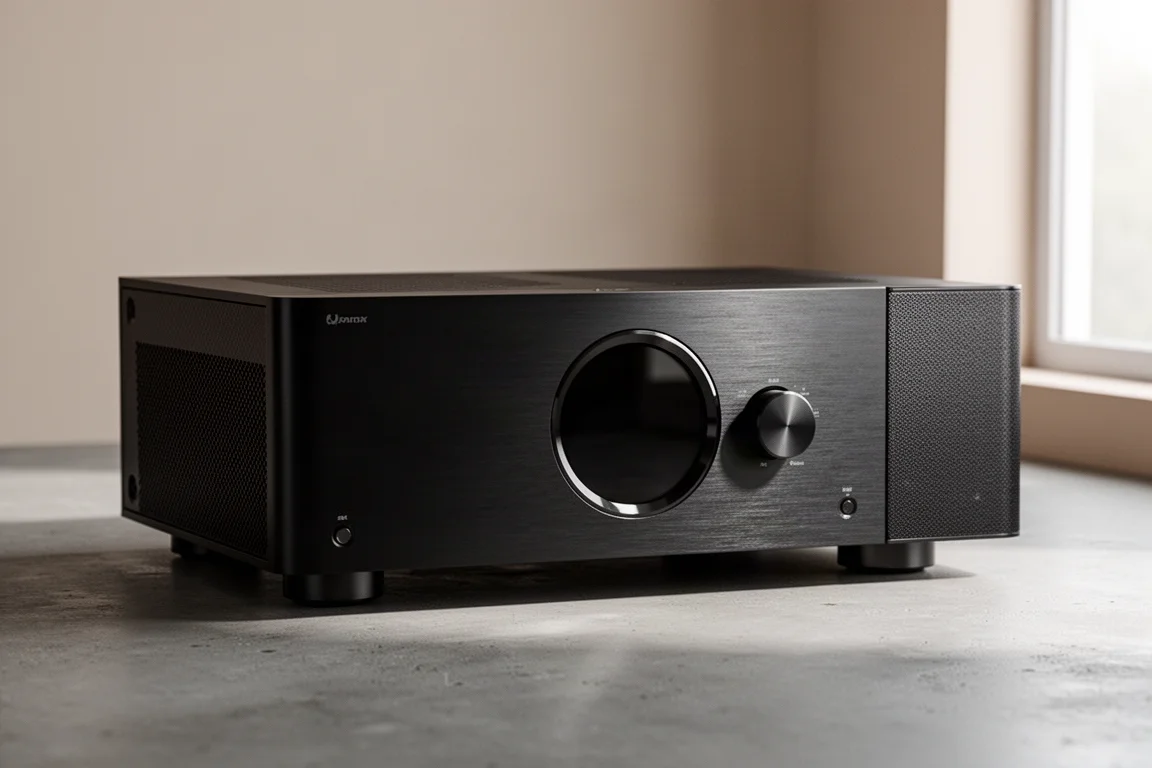
The Cinema 70s is the compact, slimline option at $1,200. It is a 7.2-channel design rated at 50 watts per channel, with the same six-input HDMI arrangement as the Cinema 60: three 8K inputs and three 4K inputs. Its real appeal is as a processing hub. It includes preamp outputs, so pairing it with an external seven-channel amplifier produces a low-cost route to a separates-style system with room correction and seven-channel support.
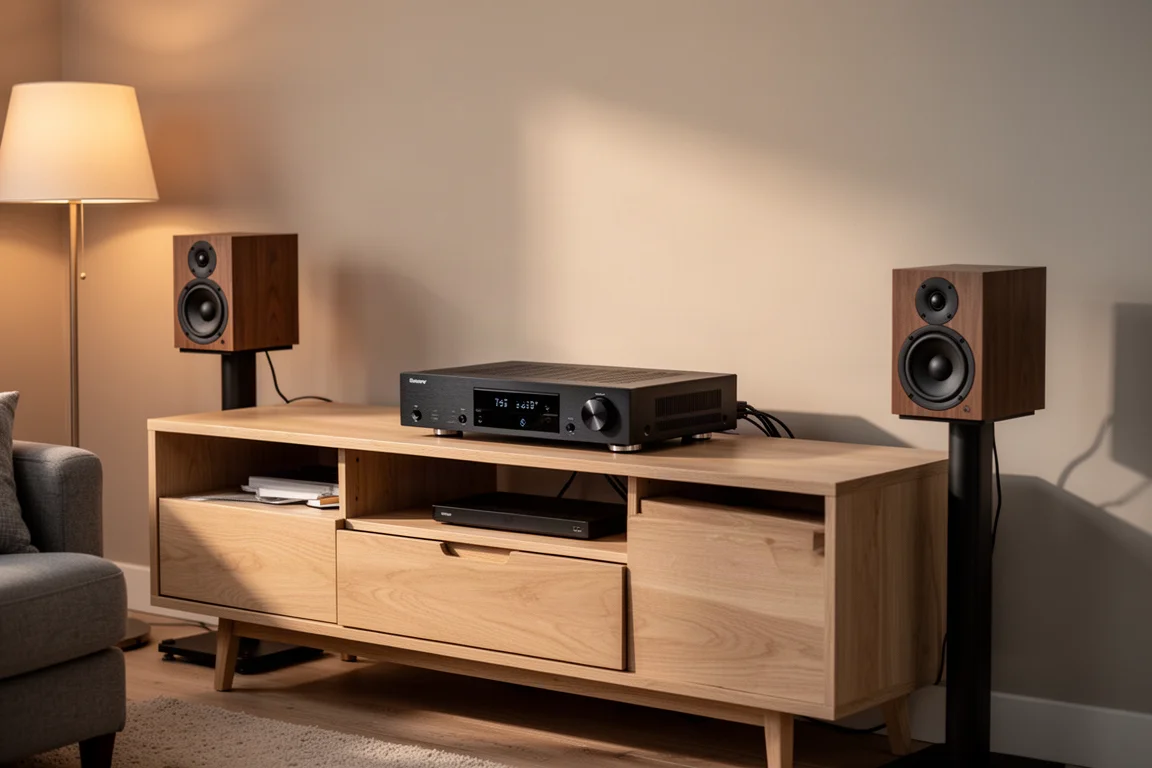
For a secondary room, a smaller apartment, or a cabinet where depth is limited, that slim chassis can be the difference between fitting and not fitting. Buyers who already own a power amplifier get the most value from this model.
Room Correction and Subwoofer Setup Across the Range
Room correction support is the clearest dividing line in the lineup. Dirac support is limited to the Cinema 50 and the Cinema 40, the same two models that provide four independent subwoofer outputs. Independent subwoofer outputs allow separate delay and level settings for each subwoofer, which matters when two or more subwoofers sit in different positions in a room. Marantz has also indicated a future Dirac upgrade path toward spatial audio correction, which makes the two upper models the more future-facing choices.
The Cinema 60 and Cinema 70s offer two subwoofer outputs wired in parallel, so both outputs carry the same signal with no independent delay or level control. That still supports a two-subwoofer setup, but it removes the ability to time-align each subwoofer individually.
Which Cinema Receiver Fits Your Setup
If you run a full eleven-channel speaker layout, or plan to, and you want the highest-grade components plus analog video support for older sources, the Cinema 40 is the model that covers everything. If you want the same 11.4-channel processing, four independent subwoofer outputs, and Dirac support without the flagship price, the Cinema 50 delivers that core for $1,000 less.
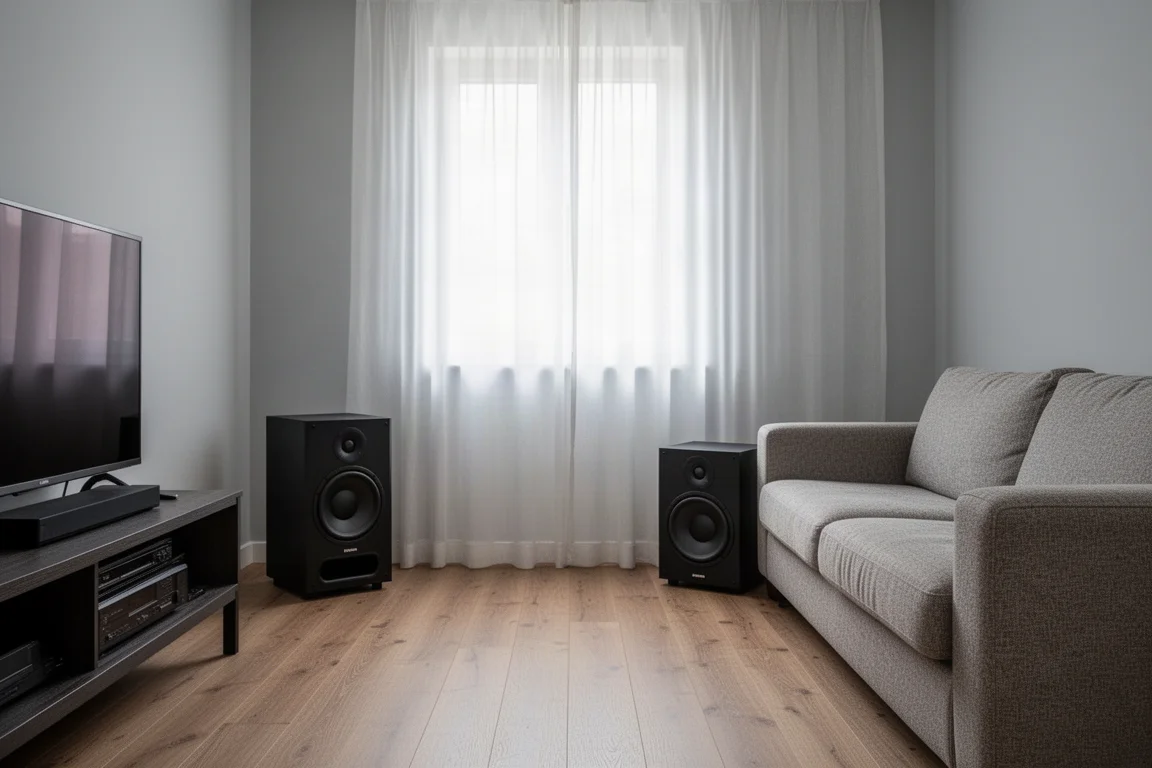
For a seven-channel system with no plans for more speakers, the Cinema 60 is the straightforward choice, and its seven-channel preamp outputs leave room to add a power amplifier later. The Cinema 70s makes the most sense when space is tight or when you intend to use external amplification from the start. In every case, the deciding factors are the number of speakers you want to drive, whether you need independent subwoofer control, and whether analog video sources are part of your setup.
Conclusion
The Cinema Series gives buyers four clearly differentiated starting points rather than one model stretched across every budget. The Cinema 40 and Cinema 50 share the 11.4-channel processing core, four independent subwoofer outputs, and Dirac support, with the flagship adding higher-grade components, Japanese manufacturing, and analog video connections. The Cinema 60 covers a conventional seven-channel system well, and the Cinema 70s turns a slim chassis and preamp outputs into a flexible processor for tight spaces or external amplification. Match the model to your speaker count and subwoofer plans, and the choice becomes considerably simpler.
Further reading
Related Reviews
AV Receivers
Anthem MRX 740 8K Review: Composed Home Theater Sound With a Few Rough Edges
A close look at Anthem's mid-tier MRX 740 8K receiver, covering its sound, ARC Genesis room correction, HDMI 2.1 features and the daily quirks worth knowing before you buy.
AV Receivers
Anthem MRX 740 vs MRX 1140: Which AV Receiver Fits Your System?
A measured look at the Anthem MRX 740 and MRX 1140, covering preamp output performance, amplifier behaviour, bass management, and expansion headroom.
AV Receivers
Best AV Receivers for Home Theater: Denon, Onkyo, Marantz and Yamaha Compared
Four home theater receivers compared on features, sound character, setup and value, with clear guidance on which one fits which kind of buyer.