AV Receivers
Marantz Cinema 70 Review: A Slimline 7.2 Receiver Built to Grow
A slim 7.2-channel Dolby Atmos receiver with full preamp outputs, 8K-ready HDMI, and a preamp-only mode that turns it into a dedicated home theater processor.
Introduction
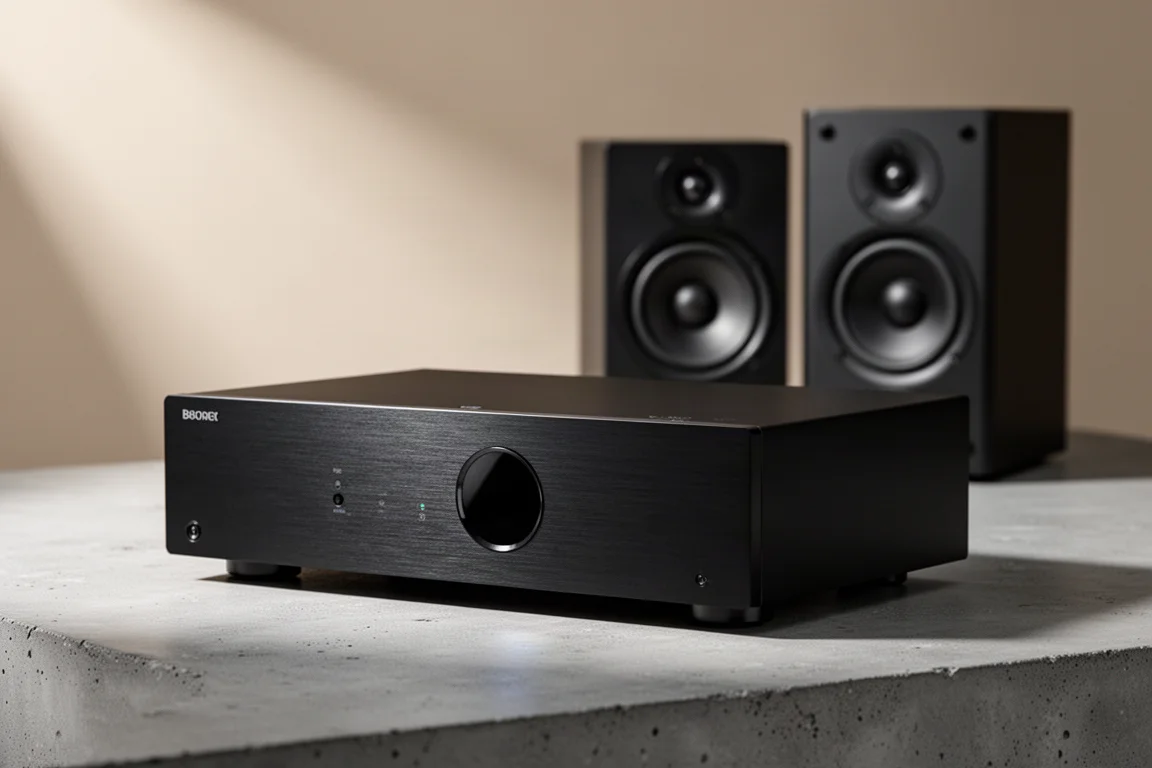
Receivers rarely change how you think about a system after the first week, but the Marantz Cinema 70 is one of the exceptions. It arrives looking like a lifestyle component: a slim 7.2-channel Dolby Atmos receiver with a modest power rating and a compact chassis. What makes it interesting is everything that comes later. Full preamp outputs for every channel, a preamp-only mode, and 8K-ready HDMI switching mean this is a receiver you can keep as a system grows, rather than one you outgrow.
Here is what the Cinema 70 does well, where it makes compromises, and who should put it on a shortlist.
Who the Cinema 70 Is For
The Cinema 70 makes the most sense in small to medium rooms, particularly with 5.1 or 5.1.2 Dolby Atmos setups. It also suits anyone buying a first serious receiver who wants an easy installation that still leaves room to expand. Because the preamp outputs cover all seven channels plus the subwoofer, an owner can add external amplification later without replacing the receiver.
It is a less obvious fit for very large rooms, for listeners who want to run more than seven channels, or for anyone who expects the receiver alone to drive demanding low-impedance speakers at high volumes.
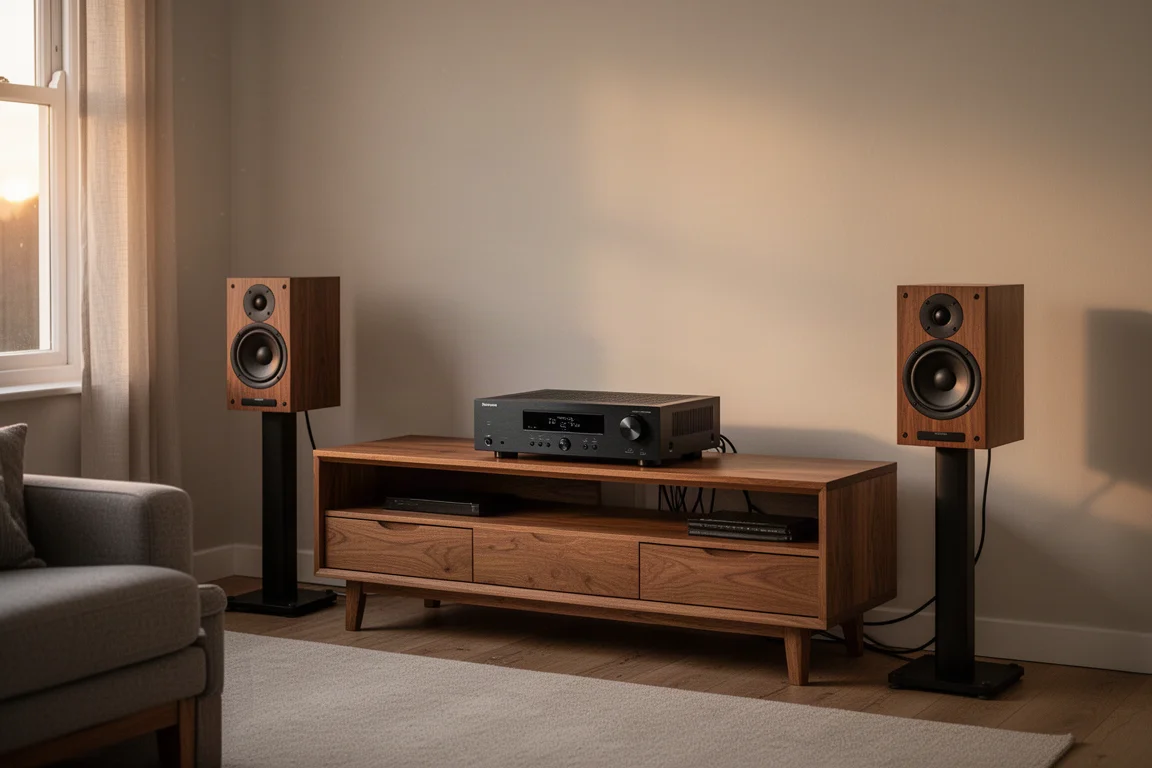
On raw numbers, roughly 35 watts per channel is available when all seven channels are driven, and around 50 watts per channel into 8 ohms with two channels driven. That is not a lot on a specification sheet, yet it is enough for most everyday listening, and it will drive efficient speakers to reference levels in a small to medium room without audible strain.
Design, Setup, and Daily Usability
The chassis is smaller than a typical receiver, which means it can sit almost anywhere without a dedicated AV rack or specialty furniture. That single detail changes how easy the receiver is to live with in a normal living room, and it is one of the clearest reasons to choose it over a full-size alternative.
Setup is close to plug and play. Connections are straightforward because the Cinema 70 is not an input-heavy design; it covers what most systems actually use without extra clutter. Buyers who enjoy fine-tuning can go as deep as they like, with a full manual configuration path alongside the built-in Audyssey auto calibration. Automatic room correction offers a broader set of adjustments, while a careful manual setup can produce a fuller, more neutral result, and the receiver supports both approaches.
Connectivity, Streaming, and Gaming Features
Around the back there are six HDMI inputs, three of which are 8K capable. The receiver supports 4K at 120Hz together with gaming features such as variable refresh rate, auto low latency mode, and quick frame transport, and it upscales 1080p and 4K sources to 8K over HDMI. Dolby Vision and other HDR formats are supported as well.
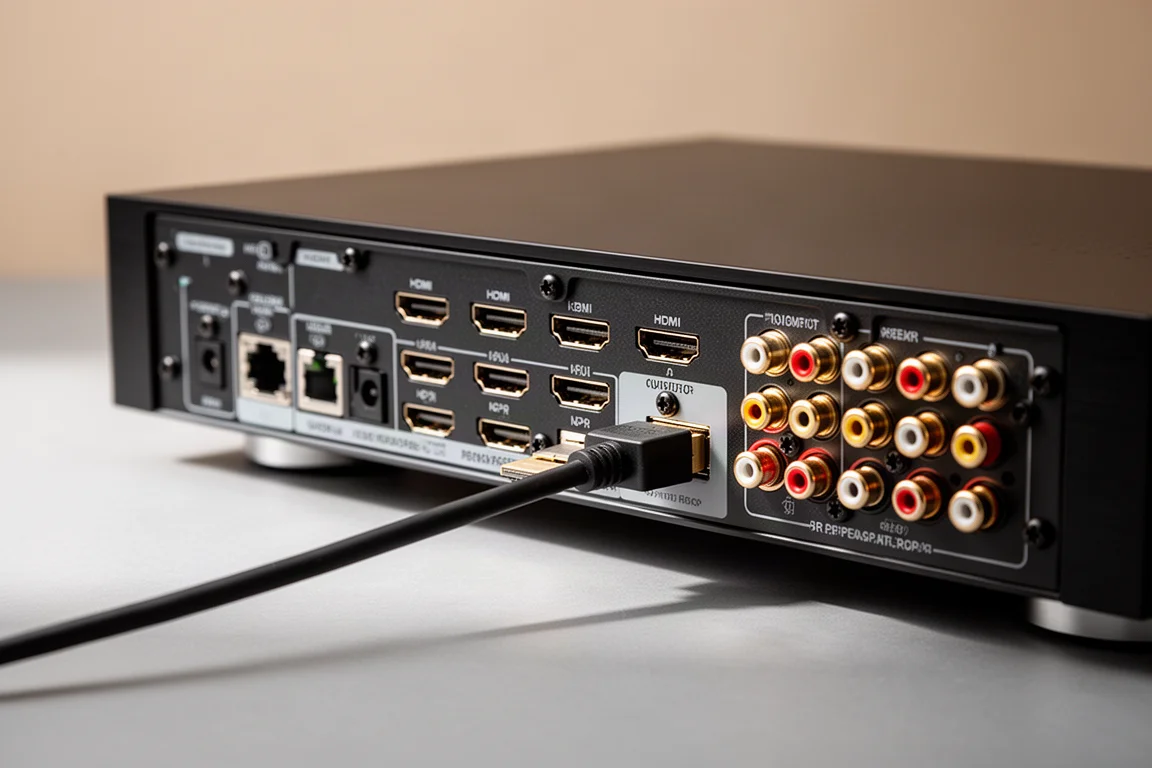
Streaming and multi-room features are well covered. Ethernet and Wi-Fi are both on board, along with HEOS for multi-room music, Bluetooth, and AirPlay 2. Music services include Spotify, Amazon Music HD, Tidal, and Deezer, and the receiver is Roon tested. Voice control extends to Alexa and Google Assistant, so the Cinema 70 slots into a connected home without extra hardware.
Sound Quality With Music
As a stereo receiver, the Cinema 70 is even-keeled with just a hint of character. It is not a strictly neutral presentation, but it is not warm, veiled, or dark either, and it stops short of sounding bright. The overall impression is smooth. Treble stays detailed and extended without becoming fatiguing, the midrange is accurate, and bass is firm, though it does not have quite the grip and texture of the more expensive Onkyo RZ50.
Adding a subwoofer pays off, bringing true-to-life scale and weight along with noticeable gains in dynamics. With the right speakers the soundstage is exceptional, and the receiver works convincingly as an audiophile-leaning stereo component, particularly in the Pure Direct and Direct sound profiles.
Home Theater Performance and Dolby Atmos
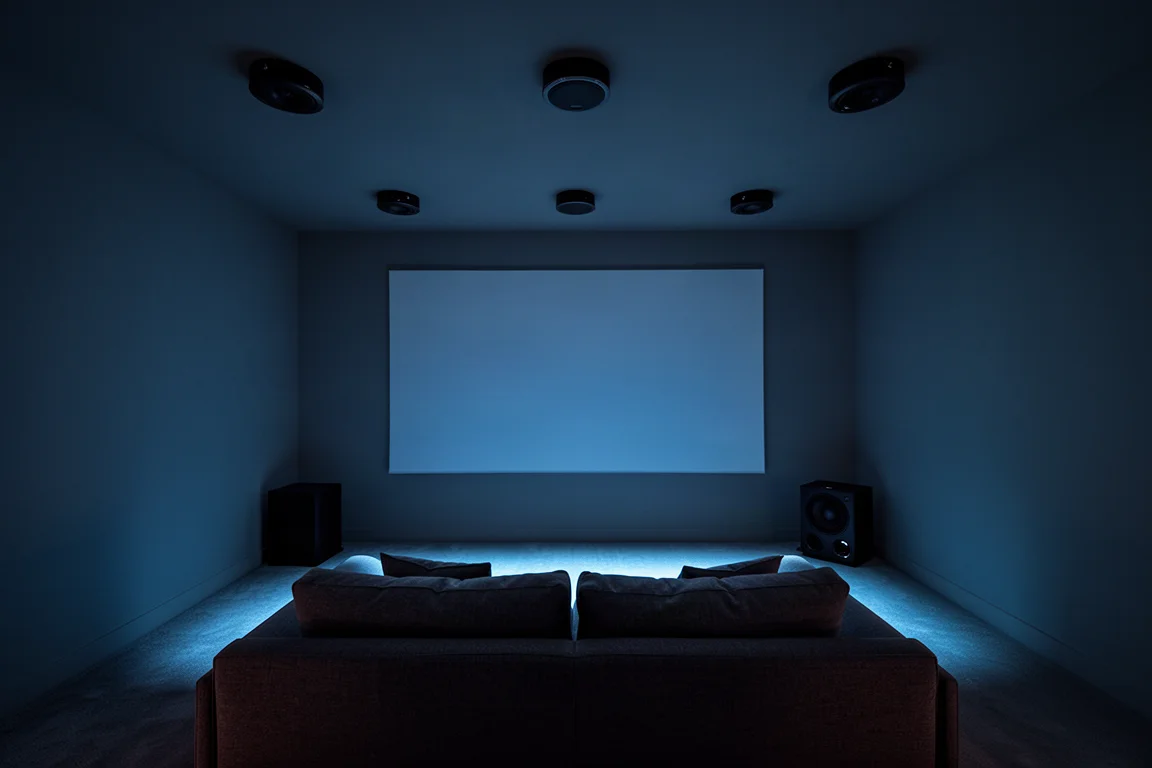
For movies, the Cinema 70 is better than its price and power rating suggest. The Atmos presentation is engaging, and surround cues travel precisely from front to back and left to right. It does not quite match the surround processing of Sony’s high-end receivers, but those cost several times as much and take up considerably more space.
Dialogue is clear and intelligible through a matching center channel, which matters more than any single specification on a home theater receiver. A dialogue boost feature is available in low, medium, and high settings, though it tilts the overall frequency response toward the treble, so it is best used sparingly or on the low setting to avoid sibilance.
Power is the other surprise. With roughly 35 watts per channel available when all seven channels are driven, the receiver still drives efficient speakers such as Focal’s Theva bookshelf models to reference levels without distortion or strain in a small to medium room. The practical takeaway is simple: the numbers look modest, but the usable output is more than enough for the setups this receiver is designed for.
Preamp Outputs and Preamp-Only Mode
This is the feature that separates the Cinema 70 from most receivers near its price. Preamp outputs are provided for all seven channels plus the subwoofer, and the receiver can be switched into a strict preamp mode that disables internal amplification entirely, turning it into a dedicated home theater processor.
Cheaper receivers sometimes include preamp outputs, but almost always for a stereo pair only. The Cinema 70 offers the full set, which makes it one of the more cost-effective routes into a processor and amplifier system. Emotiva’s own processor is not much cheaper and lacks many of the features the Marantz includes. For a 5.1 or 5.1.2 setup, pairing the Cinema 70 with a five-channel amplifier is a sensible way to add power without stepping up to a more expensive Marantz model.
How the Cinema 70 Compares With Other Receivers
The Sony AN1000 retails for around $700 and adds Sony’s spatial mapping processing, but it is far more limited when it comes to upgradability. It is an excellent value if it covers your needs, yet the Cinema 70 is the more future-proof choice for anyone thinking about long-term flexibility. The Onkyo RZ50 sits about $300 higher and remains the stronger overall receiver, with better bass grip and texture and more headroom. If a promotion brings it down to the same price as the Cinema 70, the Onkyo becomes the easier recommendation.
The Yamaha A4A is the closest match on paper, with the same channel count, full preamp outputs, and 8K and 4K 120 support, plus more power in stereo and a deeper set of customization options for buyers who like to dig into settings. Newer buyers, and anyone prioritizing a design-friendly, space-saving component, will still find the Marantz the friendlier choice.
Things to Consider Before Buying
- Power headroom is modest. Around 35 watts per channel with all seven channels driven is plenty for most everyday listening, but it is not a headroom-first design.
- Speaker matching matters. The receiver is happiest with 8-ohm speakers that dip no lower than about 6 ohms. It can handle a 4-ohm load, but it performs best when impedance stays above 4 ohms.
- Room correction is not the top tier. The higher-end Audyssey support found further up the Marantz range is not included here.
- Bass is firm rather than grippy. Costlier receivers do better in this specific area, even if the difference is subtle in a small room.
Buying Advice
If your system is a 5.1 or 5.1.2 Dolby Atmos setup in a small to medium room, the Cinema 70 covers it comfortably, and it does so with a compact footprint that fits furniture you already own. Choose it if flexibility matters, because the full preamp outputs and preamp-only mode let you add a multi-channel amplifier later and keep the receiver as the processor at the center of the system.
If maximum power or the deepest possible processing is the priority, the Onkyo RZ50 is the stronger receiver at its higher price, and the Yamaha A4A offers more customization for roughly the same money. The Cinema 70 wins on size, simplicity, and the upgrade path it leaves open.
In short, buy it for the room you have now and the system you might build later, not for the biggest power figures on a specification sheet.
Conclusion
The Cinema 70 is the most complete slimline receiver Marantz has produced: sleek, easy to set up, and finally equipped with full preamp outputs and a preamp-only mode. It is not the best receiver money can buy, and it does not pretend to be, but it is one of the better home theater and stereo all-rounders to arrive in a long while, and it is a receiver you can build around rather than replace.
Product link
View more details for Marantz Cinema 70
This product is mentioned in the review. Check the specifications, options, and compatibility before buying.
View more details for Marantz Cinema 70Further reading
Related Reviews
AV Receivers
Anthem MRX 740 8K Review: Composed Home Theater Sound With a Few Rough Edges
A close look at Anthem's mid-tier MRX 740 8K receiver, covering its sound, ARC Genesis room correction, HDMI 2.1 features and the daily quirks worth knowing before you buy.
AV Receivers
Anthem MRX 740 vs MRX 1140: Which AV Receiver Fits Your System?
A measured look at the Anthem MRX 740 and MRX 1140, covering preamp output performance, amplifier behaviour, bass management, and expansion headroom.
AV Receivers
Best AV Receivers for Home Theater: Denon, Onkyo, Marantz and Yamaha Compared
Four home theater receivers compared on features, sound character, setup and value, with clear guidance on which one fits which kind of buyer.