Home Theater Receivers
Marantz Cinema 50 and Cinema 60 Series 2: What the Update Changes and Which One to Choose
A practical look at the Marantz Cinema 50 Series 2 and Cinema 60 Series 2 receivers: what the update changes, what both share, and which model suits your room.
Introduction
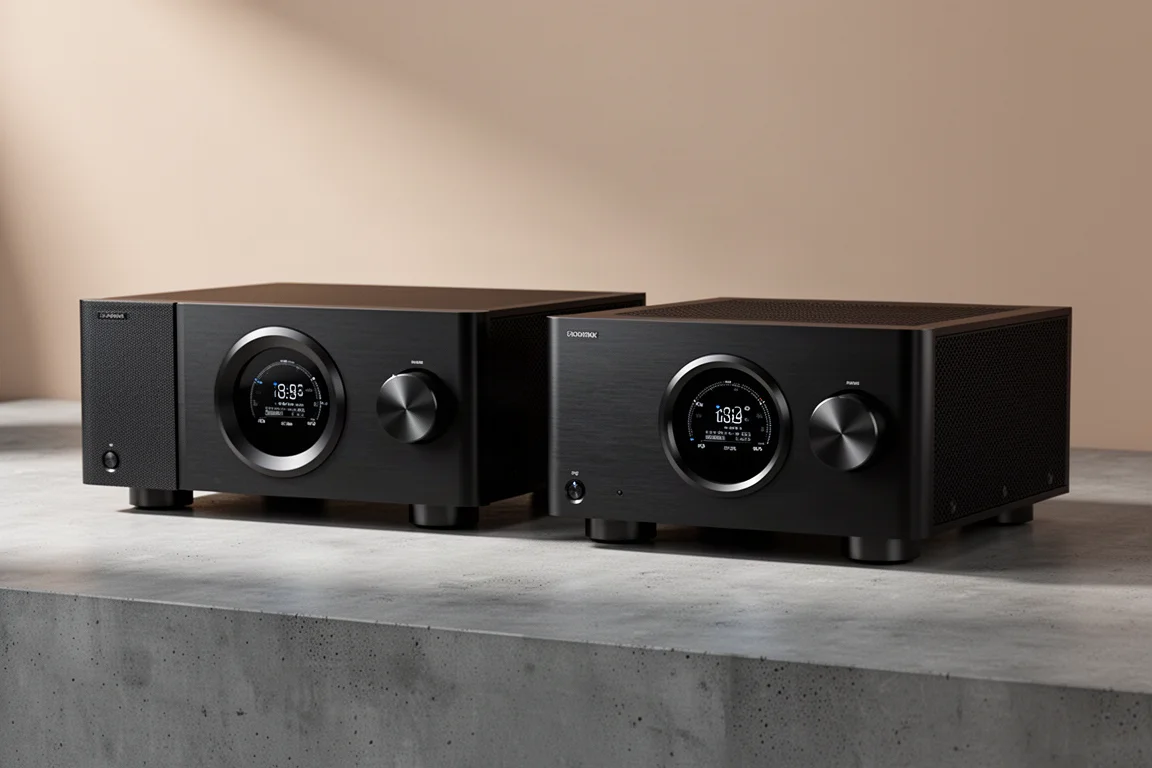
Marantz has introduced Series 2 versions of two of its most established home theater receivers, the Cinema 50 and the Cinema 60. Both keep the same amplifier sections, channel counts, and processing as the models they replace, so this update is not about adding power or channels. It is about a new DAC stage, a wider Dirac Live upgrade path, and a set of practical additions that make the two receivers easier to live with.
This guide covers what changed, what both receivers share, where the Cinema 50 and the Cinema 60 differ, and which one suits a given room and speaker layout.
What Changed With Series 2
The headline change is the DAC section. Both receivers move to a 32-bit eight-channel DAC. On the Cinema 60, that single converter covers all eight channels. On the Cinema 50, Marantz uses two of them to support all 15 channels. Both units also add a switchable DAC filter setting for fine-tuning the top end slightly.
Dirac Live is the other significant change. When the original receivers launched, Dirac Live was available on the Cinema 50 only. Series 2 opens that upgrade path to the Cinema 60 as well. The tiers differ: the Cinema 50 gets the full Dirac Live suite covering room correction, bass control, and active room treatment, while the Cinema 60 gets the room correction tier only.
Both models add on-screen channel level monitoring, so each speaker’s level can be watched while the system is dialed in, and AMD FreeSync support now extends to 1440p on top of 4K and above. The Cinema 50 also picks up two changes of its own: a Dolby Atmos channel expander and a new center bi-amp mode.
Channel count and wattage are unchanged on both, and both still carry the same five-year parts and labor warranty that backs the entire Cinema line.
Features Both Receivers Share
Both models go through Marantz’s sound master process. A small group of engineers with a trained ear listens to prototypes and design samples throughout development and signs off only when a receiver meets the brand’s own standard for how its gear should sound.
Two design choices shape how they amplify. They use current feedback amp topology rather than the more typical voltage feedback design, which makes them faster and more responsive across a wider set of frequencies. Their amplifier stages are built entirely from discrete components rather than integrated chip amps. Marantz also guarantees at least 70 percent of rated power on all channels with five channels driven at once, instead of publishing only the easier two-channel figure that most specifications rely on.
Both include a pure direct mode that bypasses the video circuitry and tone controls for the cleanest two-channel signal path, front left and right bi-amping, and M-DAX 2, which cleans up artifacts from lower bit rate streams and older Bluetooth sources.
On formats, both cover Dolby Atmos, DTS:X, and the broader Dolby and DTS families, including TrueHD Atmos Music. A virtual height speaker mode simulates height channels when in-ceiling or up-firing speakers are not an option, though it is not a substitute for real height speakers.
For gaming, both offer ALLM, variable refresh rate, and quick frame transport for reduced latency. Connectivity covers Wi-Fi, Bluetooth, and wired Ethernet, and HEOS supports two independent zones for audio in a second room. Streaming support includes Spotify, Tidal, Qobuz, and other major services, plus high-res FLAC and DSD and a built-in AM/FM tuner. Bluetooth retransmission to wireless headphones with independent volume control is included on both.
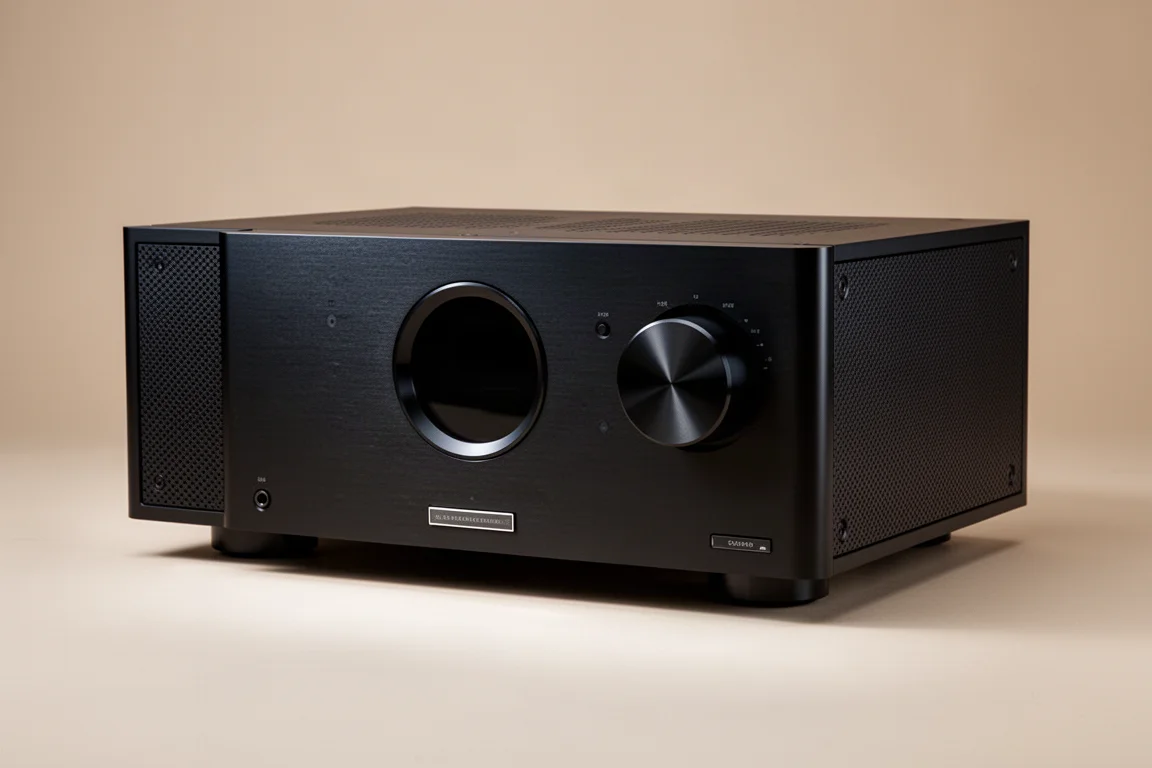
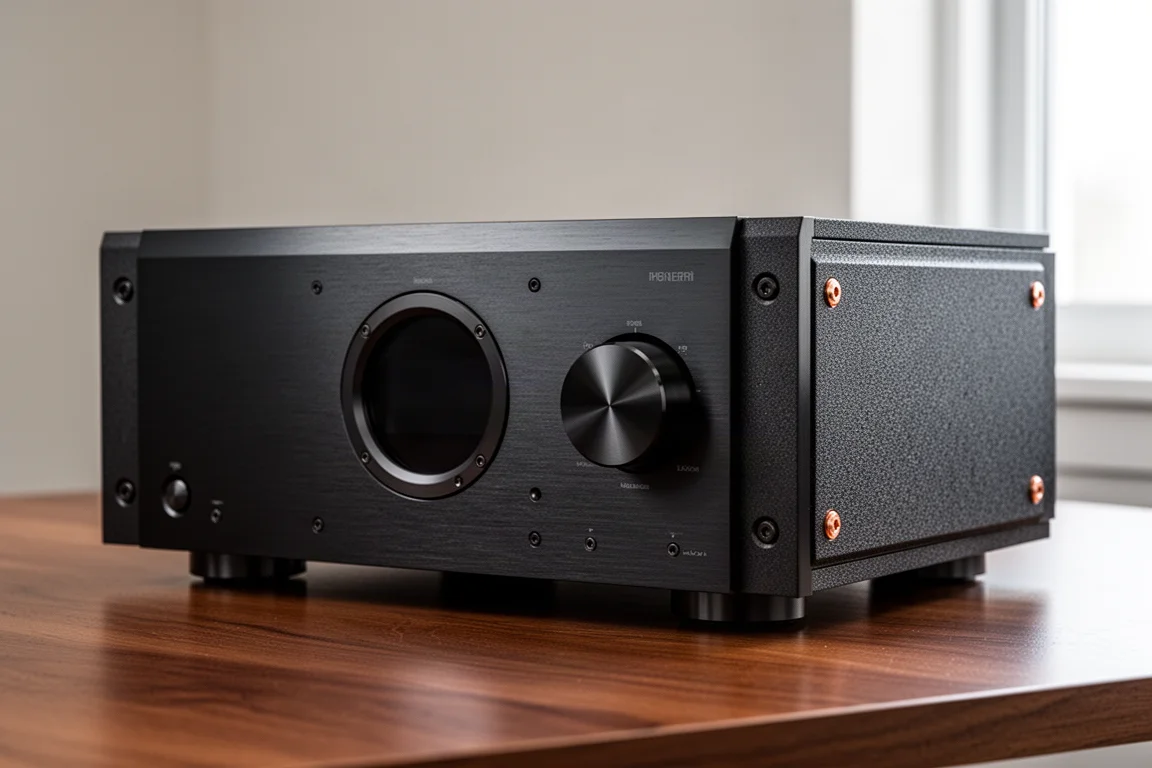
Physically, both keep the circular porthole OLED display on the front panel, carbon fiber textured side panels, and the symmetrical layout that traces back to the brand’s stereo components. Series 2 units are identified by a badge and new copper screws on the side and rear panels.
Marantz Cinema 60 Series 2: The Seven-Channel Foundation
The Cinema 60 Series 2 is a seven-channel amplifier rated at 100 W per channel, measured across the full 20 Hz to 20 kHz band at 0.08 percent distortion with two channels driven. Processing goes up to 7.1 channels, and full preamp outputs are present for anyone who later wants to add an outboard amplifier.
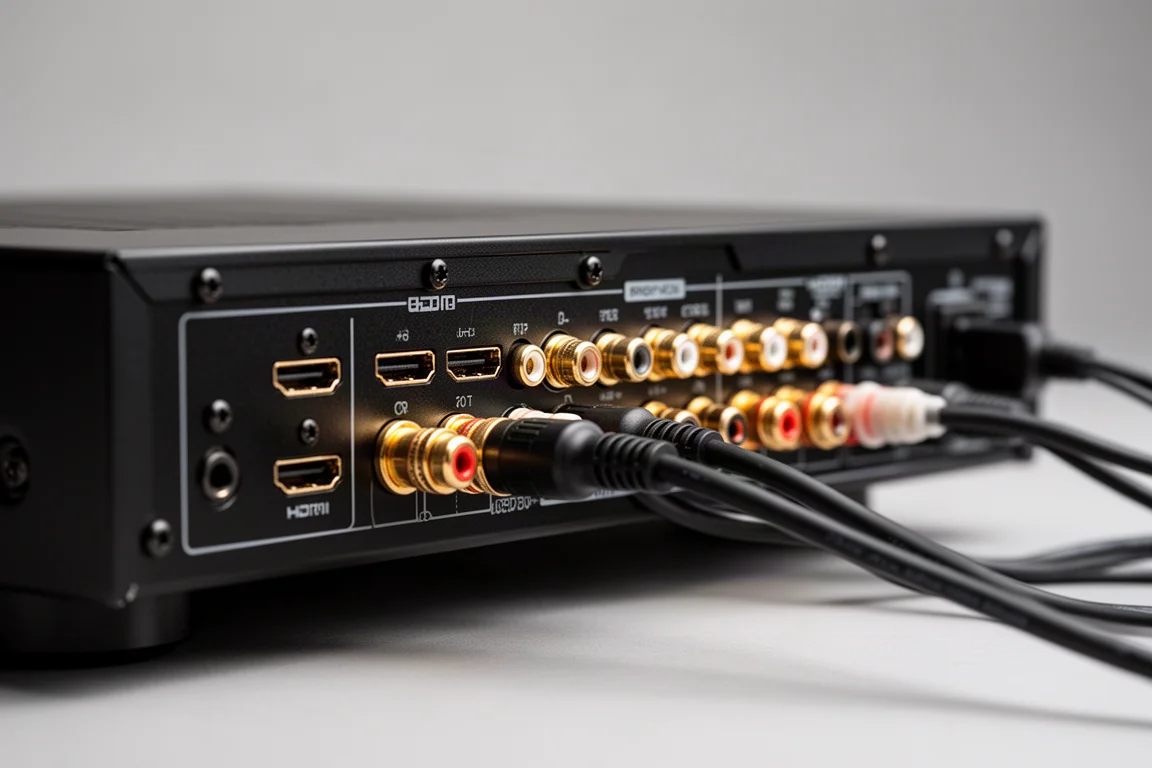
Connections include four analog inputs and two subwoofer outputs. Those subwoofer outputs are wired in parallel, so there is no independent level or crossover adjustment between the two. Video connectivity covers six HDMI inputs, three of which pass full 8K at 60 Hz or 4K at 120 Hz, plus two HDMI outputs that can run in parallel so a TV and a projector can both stay connected without swapping cables.
Room correction is handled by Audyssey MultEQ-XT with Dynamic EQ and Dynamic Volume, alongside the optional Dirac Live room correction upgrade. The seven speaker terminals use standard screws rather than gold-plated ones, and the front panel is not the solid metal design used on the Cinema 50.
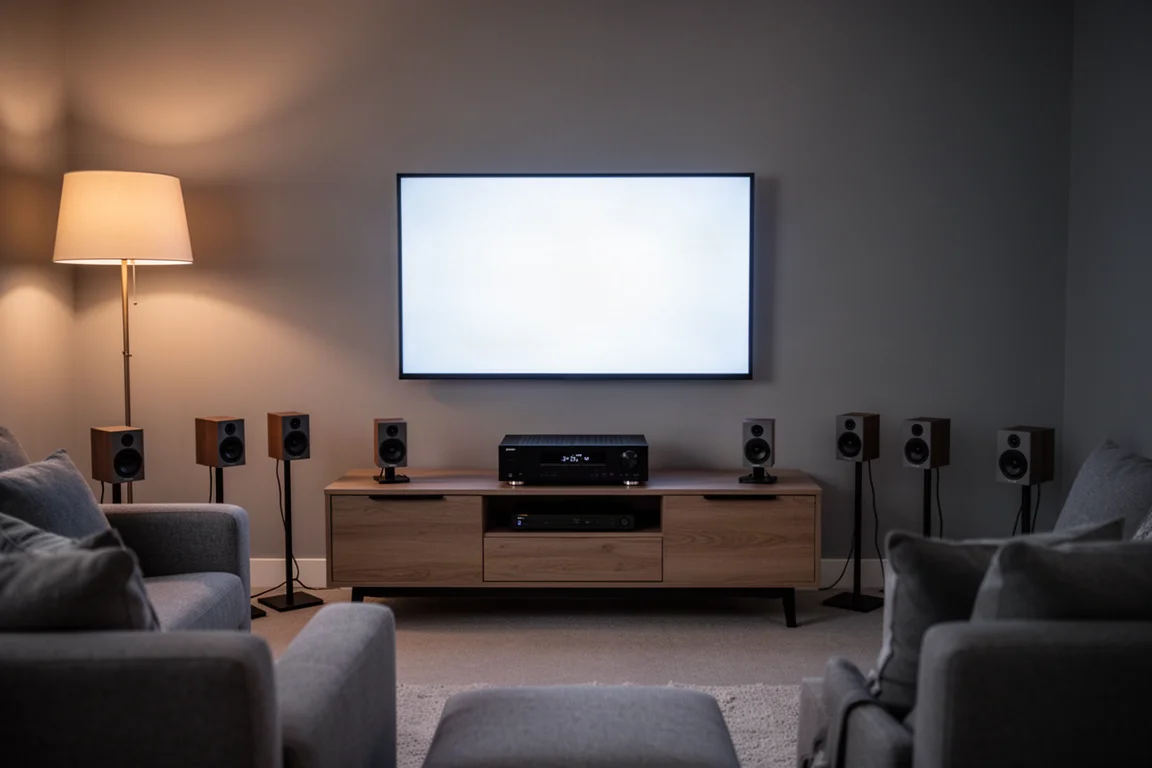
That combination points to a specific buyer: someone who wants a genuinely good sounding system and plans to keep the speaker count at around five or seven.
Marantz Cinema 50 Series 2: More Channels, More Control
The Cinema 50 Series 2 steps up to a nine-channel amplifier section at 110 W per channel, measured to the same standard. The larger power supply inside produces a clear jump in dynamics compared with the Cinema 60. Processing reaches 11.4 channels, with full preamp outputs across the board, five analog inputs instead of four, a built-in phono stage, and four independent subwoofer outputs instead of two.
Those four subwoofer outputs can run in standard mode, sending the same low-frequency signal to all four, or in a directional mode that routes bass from whichever main speaker is closest to each individual sub. The receiver also adds bass sync, which keeps the timing of the subs and main speakers properly aligned.
On the video side, all six HDMI inputs support full 8K at 60 Hz and 4K at 120 Hz pass-through, and there are three outputs: two that run in parallel and a dedicated zone 2 output that can feed a different source to a second room. Format support adds Auro 3D, IMAX Enhanced, 360 Reality Audio, and MPEG-H, all exclusive to this model.
The Dolby Atmos channel expander is exclusive here as well. Much channel-based Atmos content, such as live sports and cable broadcasts, is not mapped to a specific speaker layout, and without this feature that overhead information can end up parked on a single height position while the rest of the height speakers sit idle. The expander spreads it across the whole height array. It is limited to nine-channel and up receivers because there need to be enough height positions installed for the feature to have anything to spread across.
Room correction steps up to Audyssey MultEQ XT32, and Audyssey LFC reduces how much bass leaks through walls and floors into other rooms. Dirac Live remains an optional paid upgrade, but here it delivers the full suite: room correction, bass control, and active room treatment.
Build quality is higher as well, with gold plating on the RCA jacks and speaker binding posts, a clock jitter reducer, and a full metal front panel. Series 2 brings center bi-amp mode exclusively to the Cinema 50, on top of the front left and right bi-amping both receivers share, which is useful in a simpler 5.1 setup where the extra amplifiers would otherwise sit idle. An amp routing option lets an outboard two-channel power amp be assigned to the front mains, the rears, or a single pair of Atmos speakers.
Upgrading From the Original Cinema 50 or Cinema 60
Owners of the original Cinema 50 or Cinema 60 who are happy with how their receiver sounds have little reason to rush into a replacement. The amplifier section, channel count, and processing are unchanged, so nothing is lost by holding on to the existing unit.
Series 2 makes the most sense for anyone buying new, or for someone who values the DAC upgrade enough to justify the change. Direct comparisons with the originals show the Series 2 units sounding a bit better, with better DACs inside, but the difference is not drastic and it is not a dramatic step up.
Setup, Streaming, and Daily Use
Setup is one of the strongest parts of the experience. The on-screen software walks through the entire installation, showing exactly where and how to make every speaker connection, then verifies each one by playing test tones through that speaker. It is straightforward enough for a first-time installer to get right, and the on-screen channel level monitoring lets you confirm in real time that each speaker is receiving signal.
Streaming and multi-room use are covered by HEOS, which supports two independent zones, and by the major music services alongside high-res FLAC and DSD playback. Bluetooth retransmission to wireless headphones, with independent volume control, is a practical addition for late-night viewing when the rest of the house is asleep.
Buying Advice: Which Series 2 Receiver Fits Your Room
The decision comes down to speaker count, bass ambitions, and how much room correction control you want.
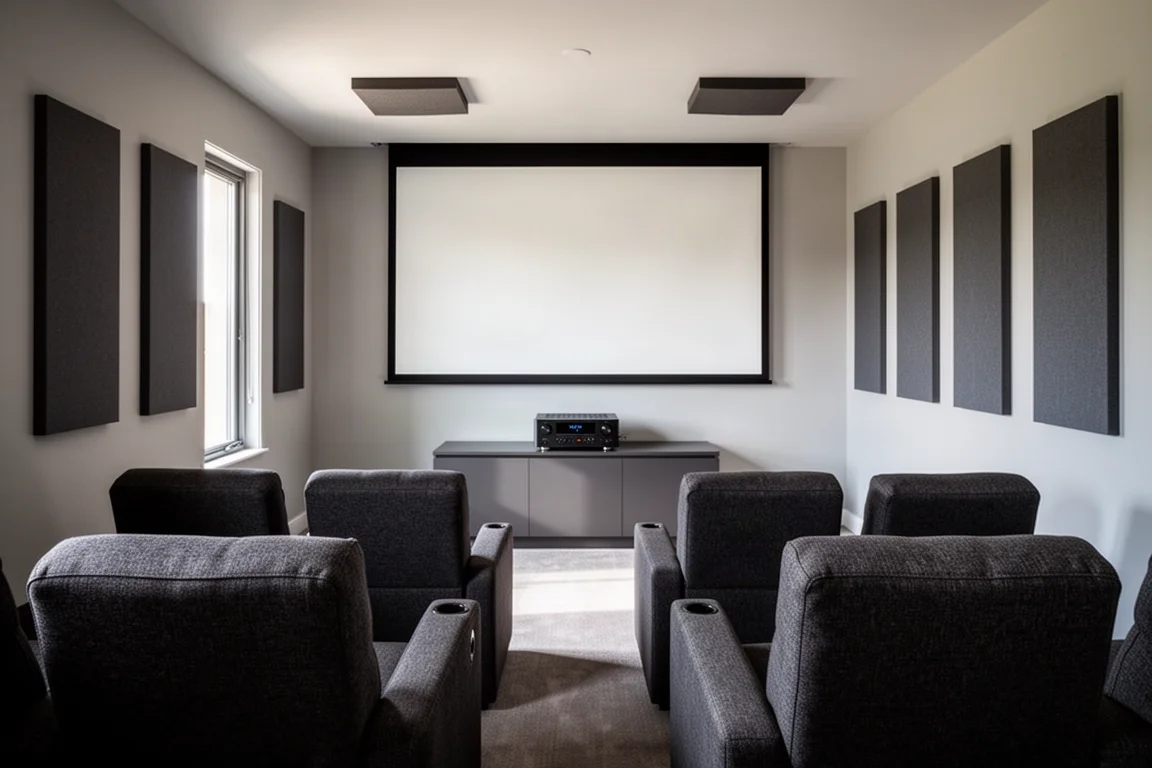
Choose the Cinema 60 Series 2 if you plan to run five or seven speakers and want a receiver that prioritizes sound quality over channel count. It covers the essentials, adds the new DAC and the Dirac Live room correction upgrade path, and keeps the layout simple.
Choose the Cinema 50 Series 2 if your plans are larger. Nine channels of amplification, processing up to 11.4 channels, four independent subwoofer outputs with directional bass routing, a phono stage, Auro 3D and IMAX Enhanced, the Dolby Atmos channel expander, and the full Dirac Live suite all point to a system that can grow. The gold-plated connections, clock jitter reducer, and metal front panel round out the higher build standard.
Both Series 2 receivers are priced the same as the original models they replace, so the update does not carry a price premium.
Conclusion
Series 2 is a refinement rather than a reinvention. The amplifier sections, channel counts, and processing carry over unchanged, while the new DAC stage, the switchable filter, the expanded Dirac Live path, and the on-screen channel monitoring make both receivers more capable than before at the same price.
For a five or seven speaker system, the Cinema 60 Series 2 is the straightforward choice. For a larger room, more subwoofers, or a system that may expand later, the Cinema 50 Series 2 is the one that keeps more options open.
Further reading
Related Reviews
Home Theater Receivers
Arcam AVR11, AVR21, AVR31 and AV41: Inside the Current Home Theater Lineup
Three AV receivers and one surround processor share Arcam's house sound and a complete modern feature set. Here is how they differ and which one fits your room.
Home Theater Receivers
Best Home Theater Receivers 2026: Ten Picks From Entry Level to Flagship
A practical roundup of ten home theater receivers, from an affordable 5.1.2 model to a 15-channel flagship, with the features that matter most before you buy.
Home Theater Receivers
Best Home Theater Receivers: Eight Picks From Entry Level to Audiophile
Eight home theater receivers compared on channels, amplifier headroom, room correction, subwoofer outputs, and expansion, from an entry-level pick under $750 to audiophile flagships.