AV Receivers
Marantz Cinema 40 vs Cinema 50 vs 8015: Which AV Receiver Should You Buy?
A close look at the Marantz Cinema 40, Cinema 50, and 8015, covering amplifier differences, connectivity, room correction options, and which receiver suits which system.
Introduction
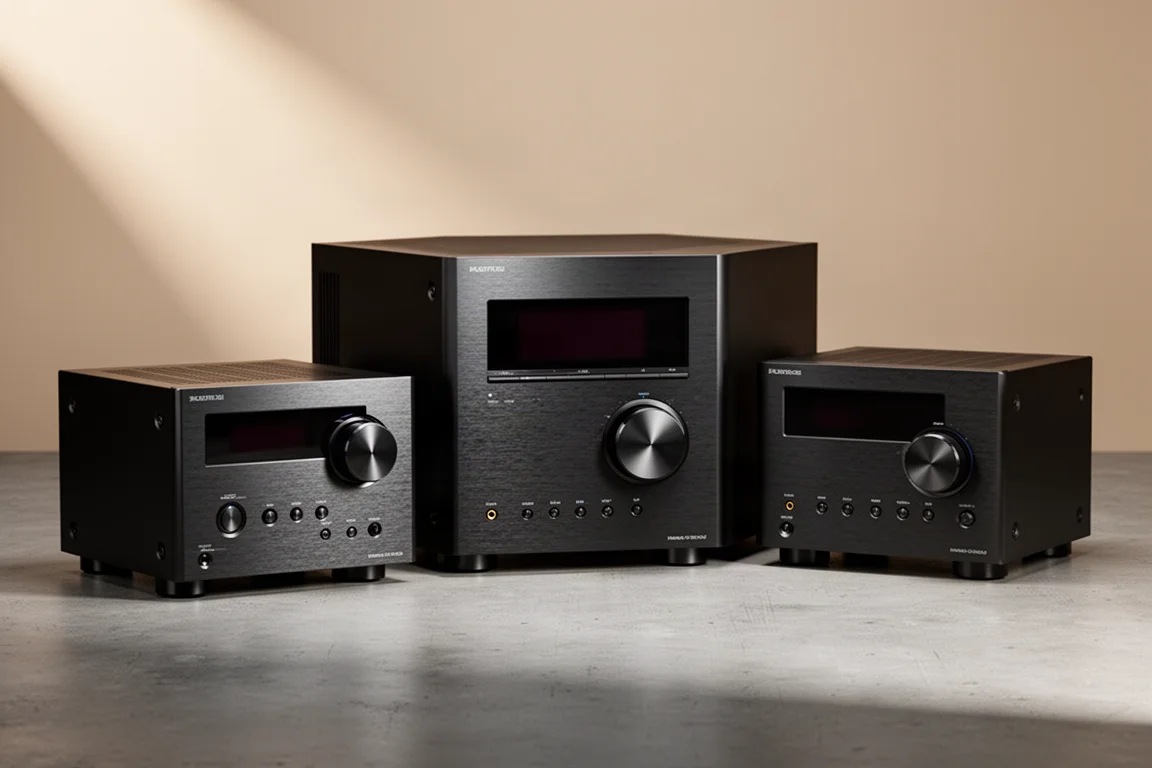
The Marantz Cinema 40 sits near the top of the Cinema series lineup, and it is the receiver most home theater enthusiasts look at first when they want a single box to handle everything. The Cinema 50 sits directly below it and shares a great deal of the same hardware and features, which makes the gap between the two worth understanding before you spend. Above both, the Marantz 8015 adds more channels and a heavier amplifier section for larger rooms.
This guide covers what each receiver actually offers, where the real differences appear in practice, and which one fits a given system.
What Sets the Marantz Cinema Series Apart
Marantz has been building audio gear since Saul Marantz founded the company in the 1950s, and the brand is still known for a warm, natural sound. In Japan, Marantz trains engineers to become Marantz Sound Masters, teaching them to identify the character the company is known for and to listen critically while a product is being developed. The Cinema 40 went through that Sound Master listening process to fine-tune its sonic signature, and it is built in Shirakawa, Japan.
That tuning work is part of why the Cinema series has a recognizable voice, and it applies to the Cinema 40 specifically rather than being a blanket claim across every model in the range.
Marantz Cinema 40: The Top of the Cinema Lineup
On the video side, the Cinema 40 provides seven 8K inputs and three video outputs with Zone 2 and Zone 3 audio, all supporting HDMI 2.1 and HDCP 2.3. For older sources that are not HDMI, there is a single component video input and two composite video inputs, and Marantz’s A to H circuitry upscales those lower-resolution signals to a higher resolution. The Cinema 50 accepts HDMI video only, so anyone with legacy gear gets a meaningful advantage from the Cinema 40.
Both receivers include five analog inputs with an MM phono input, plus digital and coax inputs. Surround formats cover Dolby Atmos, DTS:X, and Auro-3D, which not many AV receivers support today. Both also process 11 channels with four independent subwoofer channels, and every one of those 11 channels has a preamp output, so you can add a power amp to any channel set when you are ready to upgrade. Nine power channels are built in, which means a single two-channel amp takes either receiver to an 11.1.4.4 system.
The amplifier is where the Cinema 40 pulls ahead. It is rated at 125 watts per channel with two channels driven across the full audio band at 0.08% THD. Inside, each of the nine amp channels sits on its own circuit board, and Marantz uses upgraded parts in the signal path. The chassis is roughly an inch taller than the Cinema 50 to fit a larger transformer, and it carries about three extra pounds.
In a direct stereo comparison using B&W 703 S3 tower speakers and a Marantz SA10 reference CD player as the source, the Cinema 40 sounded warmer and more effortless, and it controlled deep bass noticeably better. It does not deliver the soundstage width or the ultimate inner detail of far more expensive separate components, but it does nothing wrong, and it is very easy to listen to.
Marantz Cinema 50: The Value Alternative
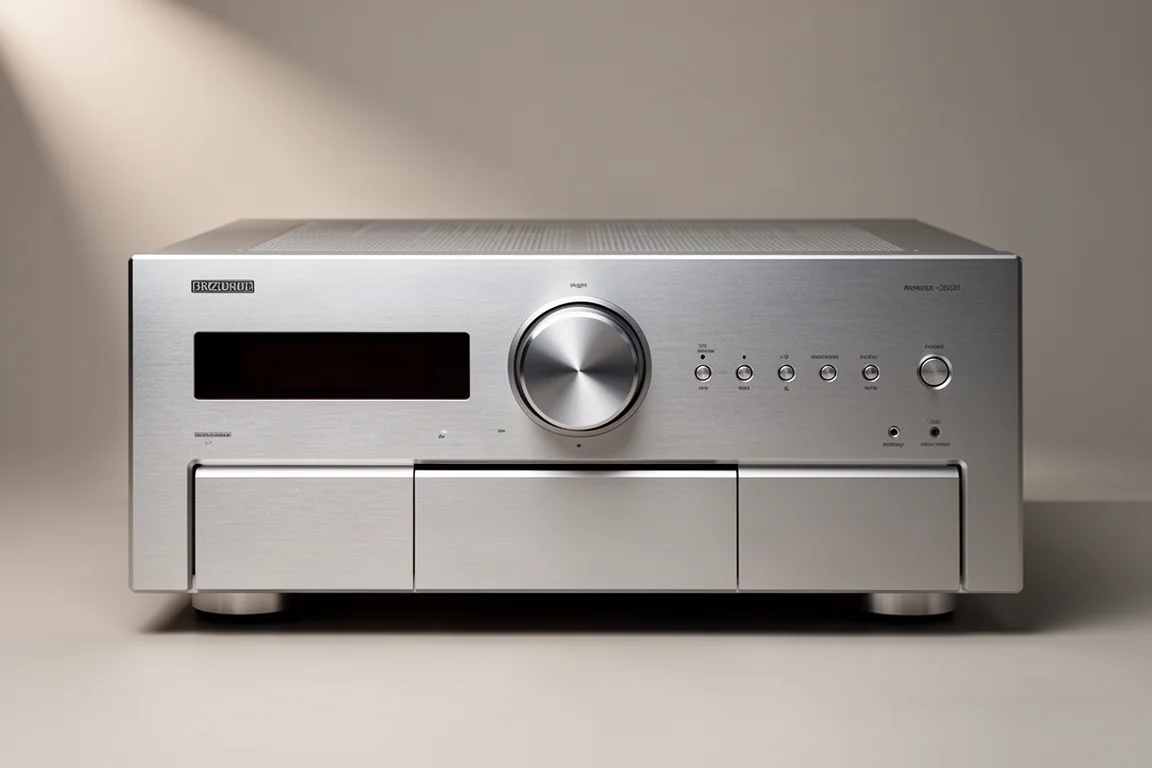
The Cinema 50 keeps most of what makes the Cinema 40 appealing. It offers six 8K inputs, Zone 2 audio rather than Zone 2 and 3, and no legacy analog video inputs. It covers the same immersive formats, including Dolby Atmos, DTS:X, and Auro-3D, and both receivers use the same Analog Devices DSP chipset, so immersive audio rendering is effectively identical. Room correction comes from Audyssey MultEQ XT32, which can adjust each subwoofer individually.
Its amplifier is rated at 110 watts per channel under the same measurement conditions, and it uses a different power amp section with a smaller transformer. In the same stereo comparison it still delivered the classic Marantz sound and remained pleasant to listen to, just without the extra composure and bass grip of the model above it. The money saved can go toward better speakers or a second subwoofer.
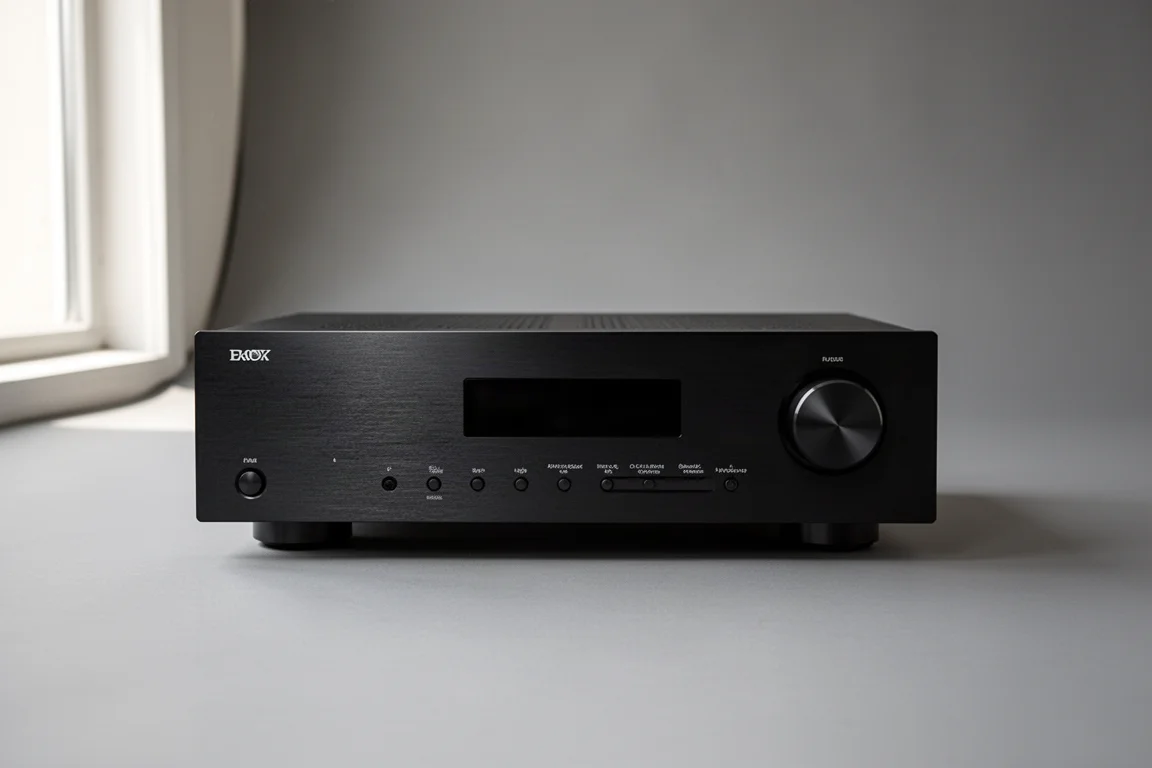
Marantz 8015: More Channels, More Power
For larger systems, the 8015 goes further again. It uses dual versions of the same DACs, adds two more channels of processing for 13 channels, includes more analog video inputs, and offers 7.1 analog inputs for SACD listeners. Its power amp section is considerably beefier than the Cinema 40’s.
The trade-offs are worth weighing. The 8015 supports two subwoofers rather than four independent subwoofer channels, and it has no Dirac Live upgrade option, which gives the Cinema 40 an edge for anyone planning to add that correction later.
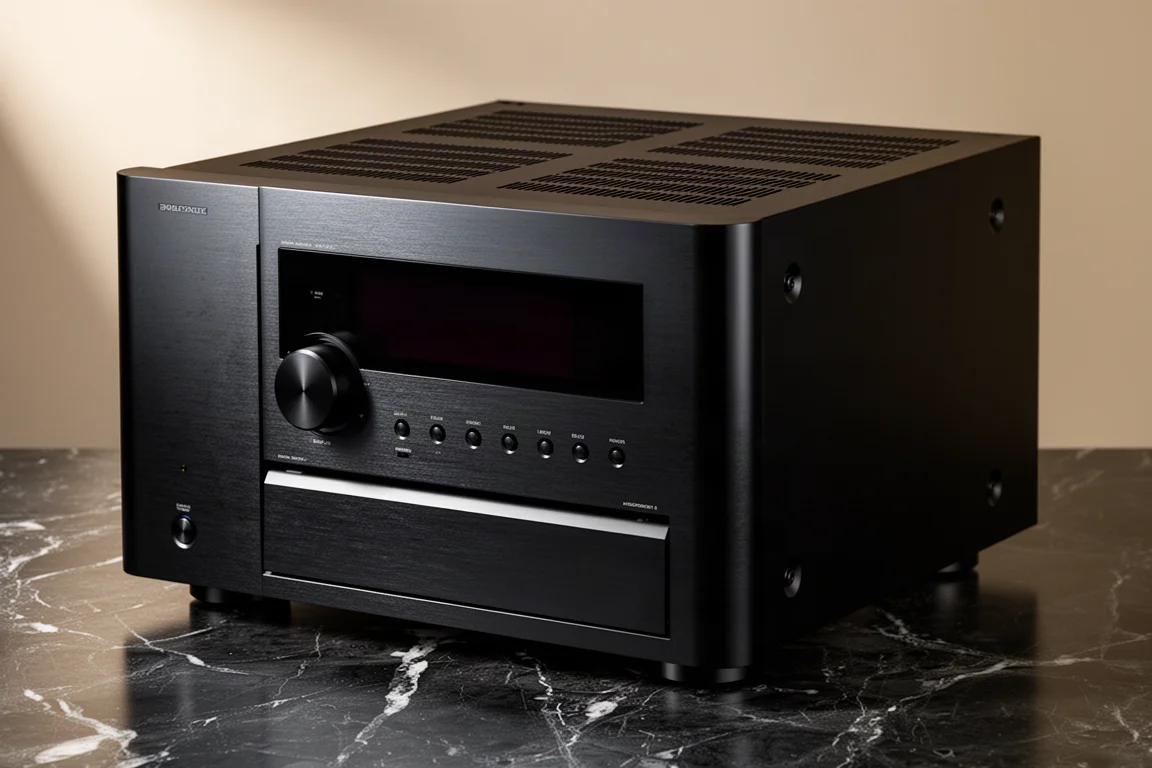
Room Correction and the Dirac Live Upgrade Path
Both the Cinema 40 and Cinema 50 ship with Audyssey, and an app-based upgrade will allow either one to move to Dirac Live correction. A bandwidth-limited version of Dirac Live is priced at $259, which will be enough for most people, since the most useful room correction happens below 500 Hz and that is where this version cuts off. The full-band version is priced at $349.

Dirac also offers an optional bass management add-on called Dirac Live Bass, which is not included with any AV receiver or processor. Pricing is expected to match other brands at $349 for a single subwoofer or $499 for multiple subwoofers. If you do add Dirac, a good measurement microphone such as one from miniDSP is worth buying, because the quality of the measurement determines the quality of the result.
Build Quality, Warranty, and Setup
Both the Cinema 40 and the Cinema 50 use an aluminum front panel with the refreshed look Marantz introduced with its 30 series, and both carry a five-year parts and labor warranty, which suggests the company expects them to last. Voice control and streaming run through HEOS, and an on-screen interface walks you through the initial setup.
Which Marantz Receiver Is Right for You?
The decision mostly comes down to what your system actually needs. If you need legacy analog and video inputs, seven HDMI inputs, or Zone 2 and Zone 3 audio, the Cinema 40 is the clear choice. If you listen to a lot of two-channel stereo, or your speakers sit on the lower end of the sensitivity spectrum, the more robust amplifier section is another reason to step up.
If none of those needs apply, the Cinema 50 remains a strong option, and the difference in cost can go toward better speakers or a second subwoofer. The 8015 suits larger installations that need more channels, 7.1 analog inputs, and a heavier amplifier, as long as its two-subwoofer limit and the lack of a Dirac Live upgrade path are acceptable.
Conclusion
The Cinema 40 and Cinema 50 are both excellent receivers, and either one is a safe purchase. The Cinema 40 earns its higher position through connectivity, a more substantial amplifier section, and a warmer, more controlled sound, while the Cinema 50 delivers the same immersive formats and processing at a lower cost. The 8015 makes sense when channel count and amplifier headroom matter more than subwoofer flexibility.
Further reading
Related Reviews
AV Receivers
Anthem MRX 740 8K Review: Composed Home Theater Sound With a Few Rough Edges
A close look at Anthem's mid-tier MRX 740 8K receiver, covering its sound, ARC Genesis room correction, HDMI 2.1 features and the daily quirks worth knowing before you buy.
AV Receivers
Anthem MRX 740 vs MRX 1140: Which AV Receiver Fits Your System?
A measured look at the Anthem MRX 740 and MRX 1140, covering preamp output performance, amplifier behaviour, bass management, and expansion headroom.
AV Receivers
Best AV Receivers for Home Theater: Denon, Onkyo, Marantz and Yamaha Compared
Four home theater receivers compared on features, sound character, setup and value, with clear guidance on which one fits which kind of buyer.