Home Theater
Marantz AV30, AMP 20, and AMP 30 Review: A Flexible Home Theater Stack
A long-term look at the Marantz AV30 processor, AMP 20, and AMP 30 amplifiers, covering build, power headroom, room correction options, and who this stack suits.
Introduction
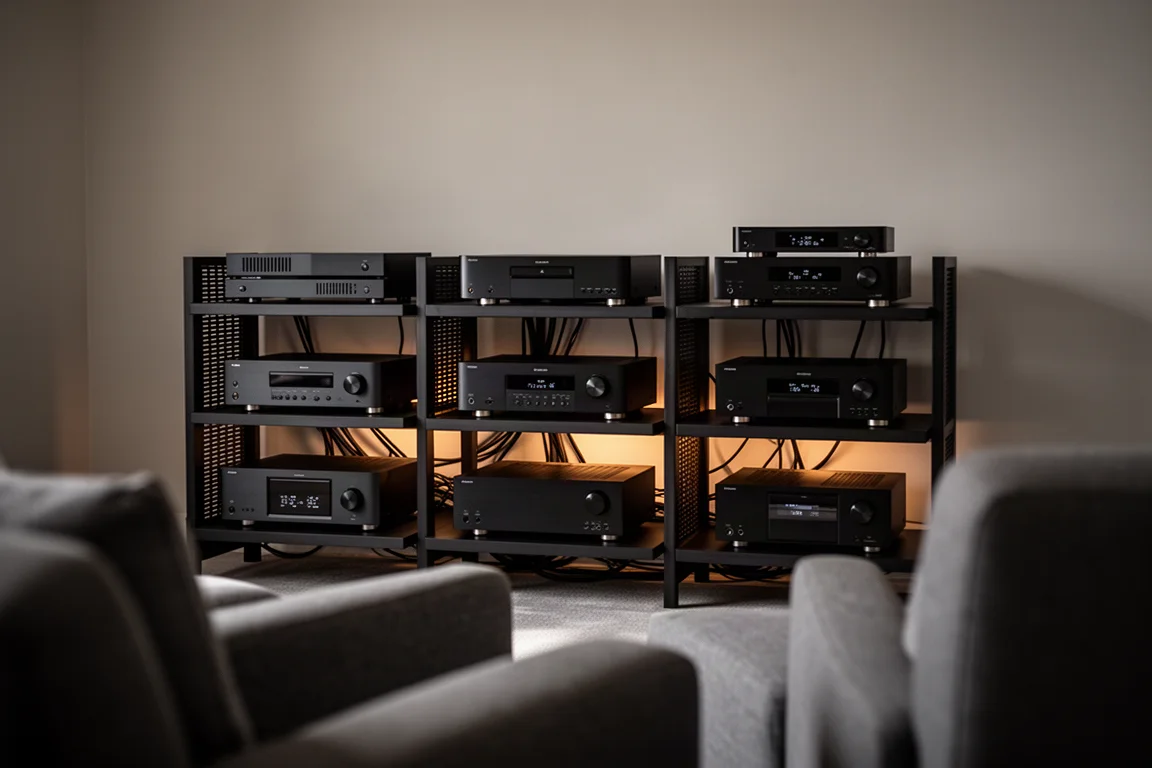
The Marantz AV30, AMP 20, and AMP 30 represent a separates-first approach to home theater: a dedicated surround processor handling decoding, bass management, and room correction, paired with outboard power amplifiers that carry the load for every speaker in the room. Over roughly two and a half months of daily use in a 7.8.4 system with eleven powered channels, this stack handled movies, games, and music without ever feeling strained.
The system as configured here comes in at roughly $14,000, which places it firmly in flagship territory. This article walks through what each piece contributes, how the different room correction paths behave in practice, and which buyers will get the most from the platform.
How This Stack Fits Together
The AV30 is the brain of the system. It manages surround processing, bass management, room correction, and source switching, then passes signal to external amplification through either balanced XLR or unbalanced RCA preouts. Around back, all seven HDMI inputs support HDMI 2.1, which means a gaming PC, a current console, or a modern media player can be connected to any input without hunting for the one that supports the newest features. There are also four independent subwoofer outputs, a genuinely useful inclusion for anyone running multiple subwoofers.
Physically, the AV30 carries close to 30 lb of weight and feels like the flagship component it is intended to be, from the front panel through to the rear connections.
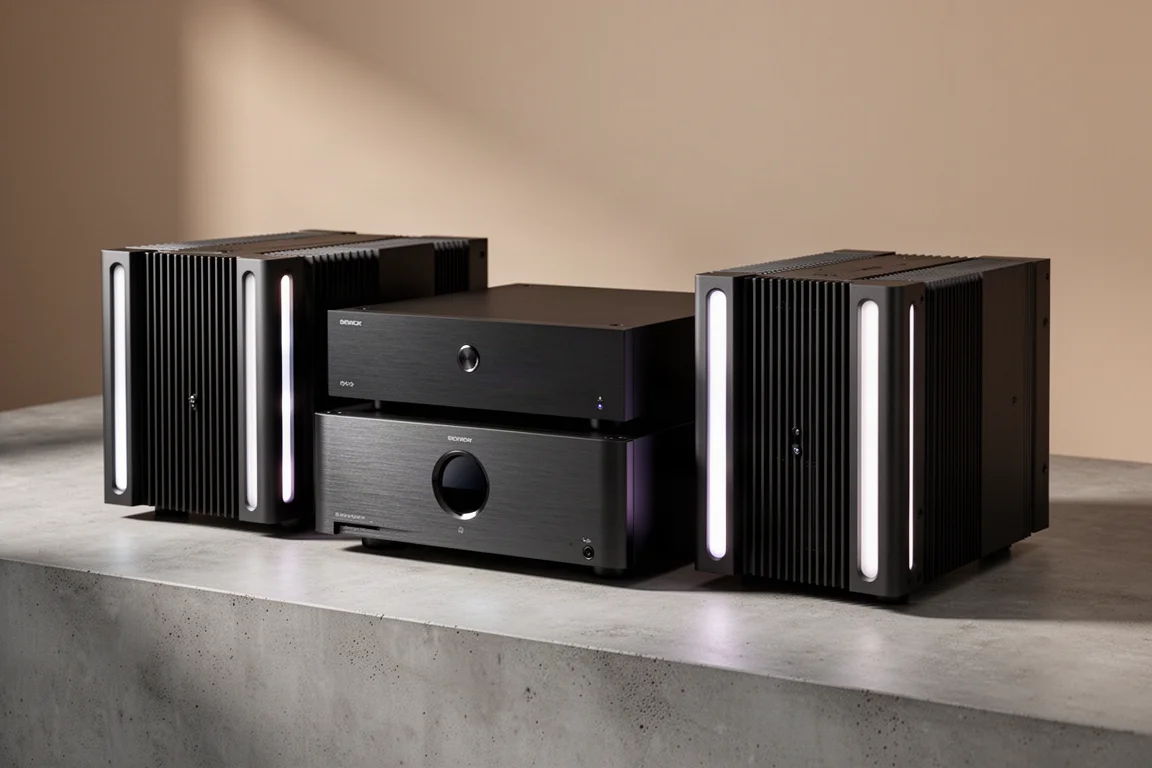
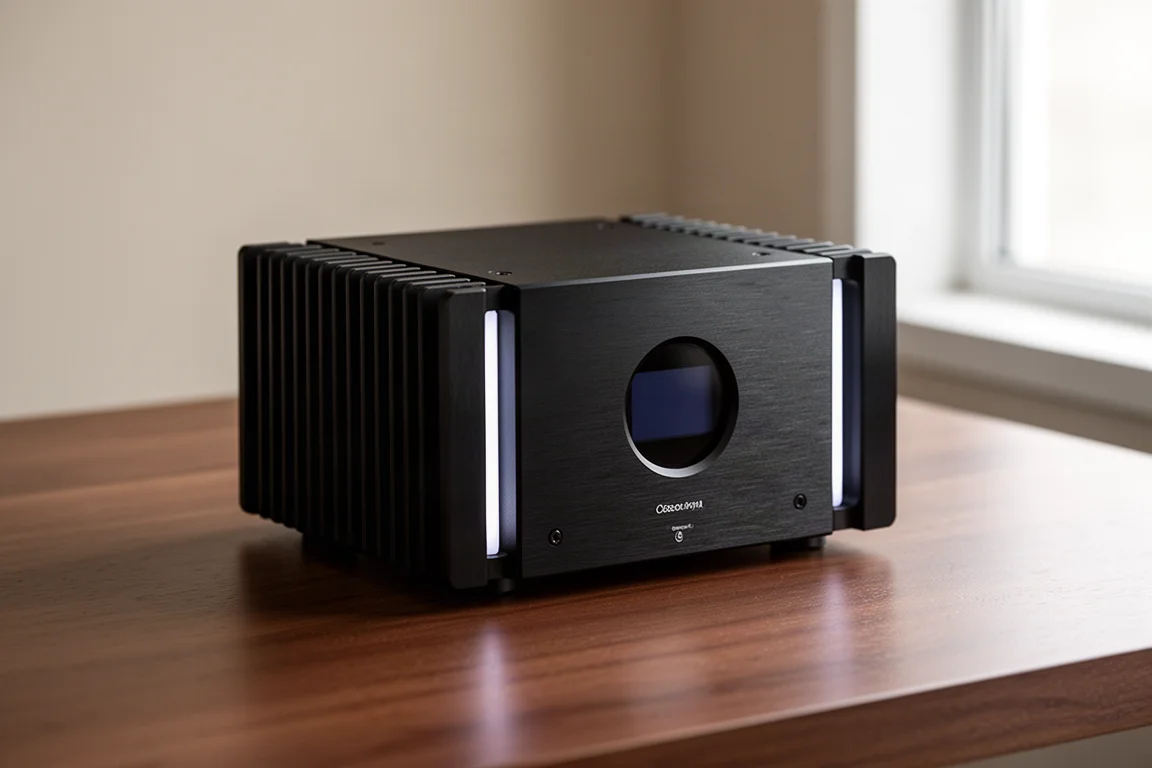
All three components share the same industrial design language, including illuminated side accents and a signature centre display, and all three are built at Marantz’s Shirakawa Audio Works facility in Japan. Fit and finish across the stack is consistent and clean.
Marantz AV30: The Flagship Processor
The AV30 is an 11.4 channel surround processor built around Marantz’s proprietary HDAM circuitry, which the company has used across its designs for years. Internally, the layout and construction reflect deliberate engineering rather than a parts-bin assembly.
Room correction is where the AV30 offers the widest range of options. Audyssey room correction is available out of the box, and owners who want more control can upgrade to Audyssey MultEQ X for roughly $200. On the Dirac side, the processor supports Dirac Live, Dirac Live Bass Control, and Dirac Art. That spread of choices means the same hardware can serve a buyer who wants a guided setup and a buyer who wants to measure and tune every parameter.
One practical detail worth noting: the AV30 and both amplifiers run cool. After several hours of movies or gaming they stayed close to room temperature to the touch, which is a meaningful difference from a traditional AV receiver that warms up a room on its own.
Marantz AMP 20: Twelve Channels of Class D Power
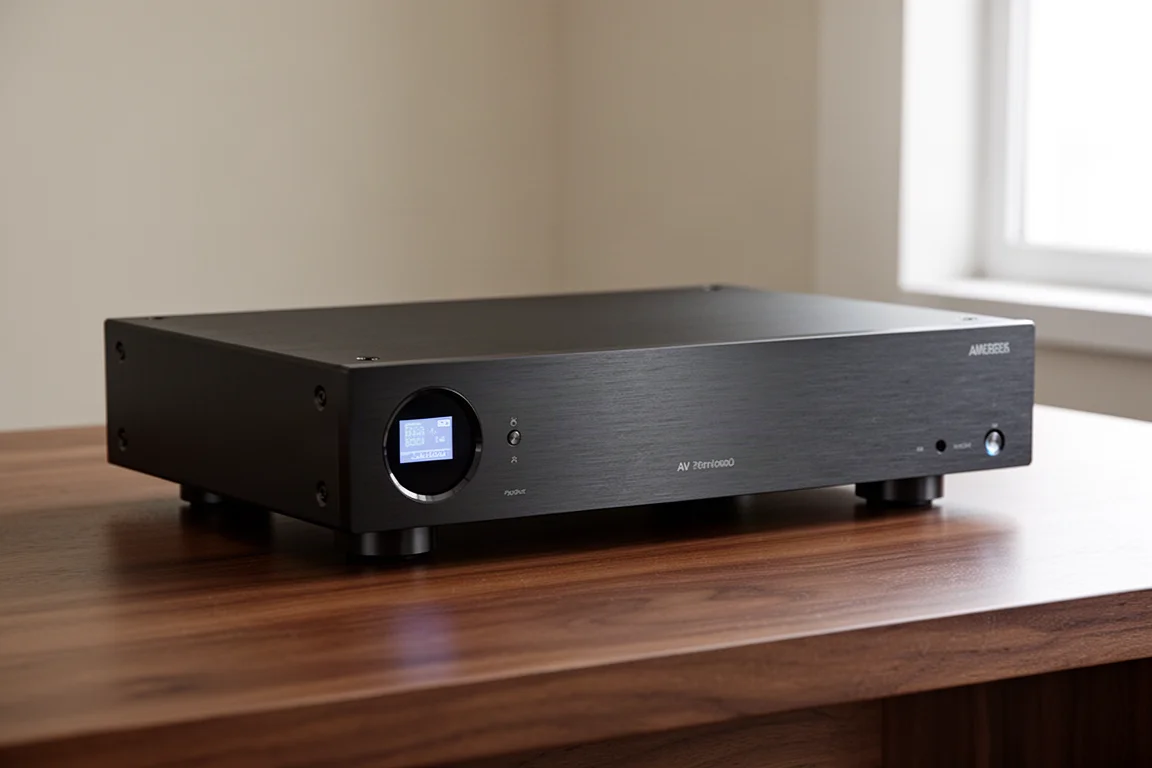
The AMP 20 is a twelve-channel amplifier rated at 200 W per channel into 8 ohms and 400 W per channel into 4 ohms in its standard operating mode. It is built on Marantz’s implementation of ICEpower ICEedge class D amplification and uses HDAM circuitry throughout the design.
Bridge mode is the headline flexibility here. Bridging trades channel count for output, raising available power to 400 W into 8 ohms per channel. In practice, running the amplifiers bridged to power all eleven speakers, seven bed layer channels plus four Atmos channels, became the preferred configuration. The difference showed up as a slightly more effortless presentation during demanding movie and game scenes rather than a dramatic transformation, and the extra gain was significant enough that the calibration target level had to move from 0 dB to -4 dB to stay within the processor’s trim adjustment limits.
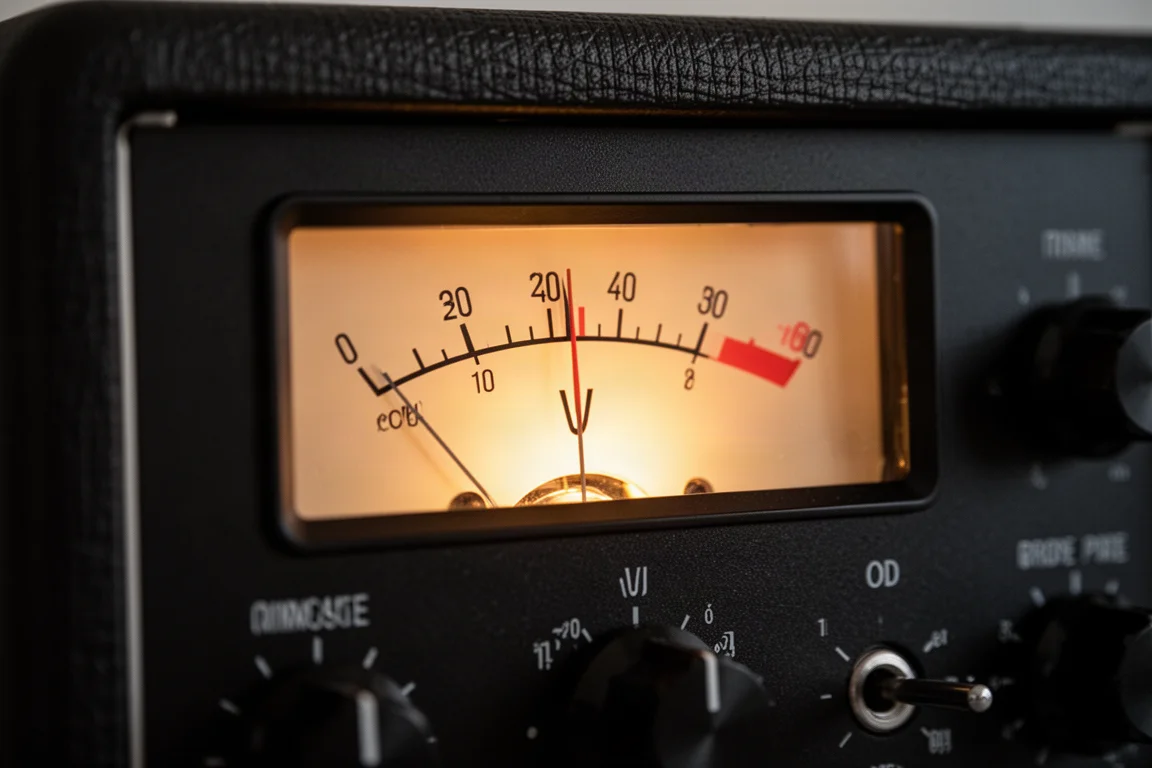
The AMP 20 also includes a bi-amp mode for compatible speakers, and a front-panel VU meter that moves with the signal. It is not a necessary feature, but it gives the amplifier more personality than the usual black box in a rack.
Marantz AMP 30: Six Channels and Bridge Mode Flexibility
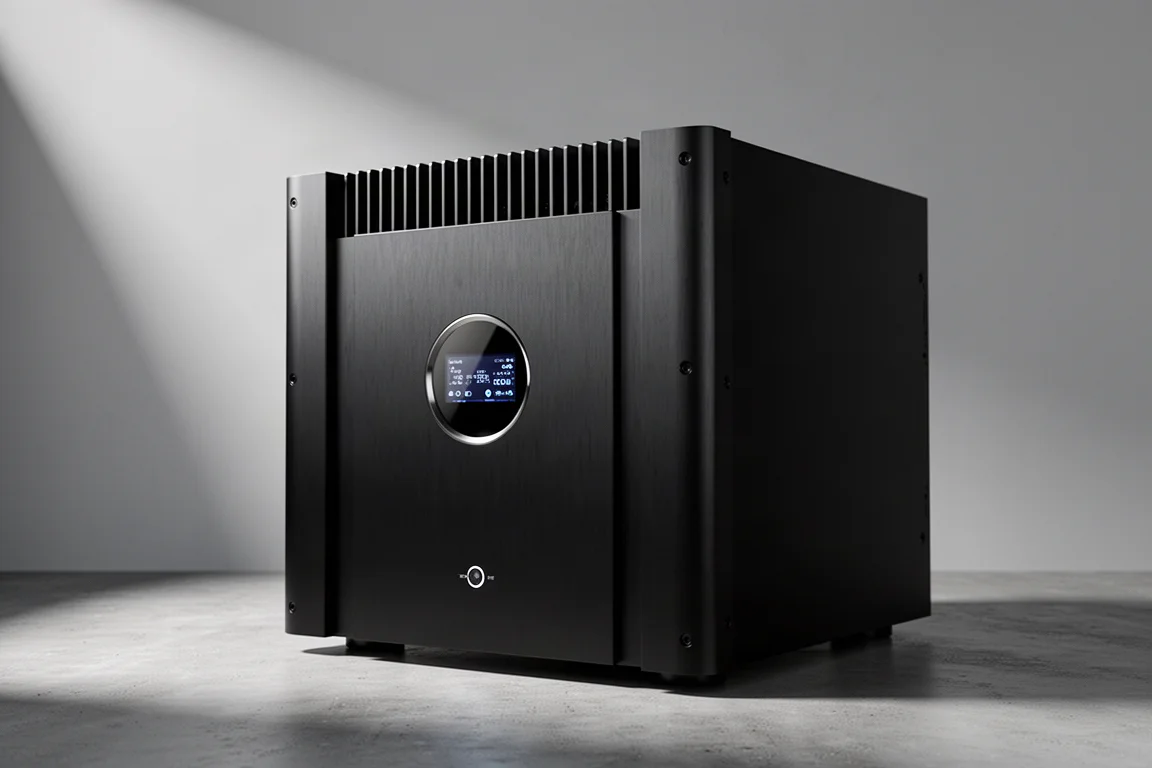
The AMP 30 is the six-channel companion to the AMP 20, sharing the same power ratings: 200 W per channel into 8 ohms and 400 W into 4 ohms in standard mode, with bridge mode pushing output to 400 W into 8 ohms per channel. It uses the same ICEpower ICEedge class D platform and the same HDAM circuitry.
Because the channel counts differ, the two amplifiers let owners prioritise either channel count or output power depending on the room and speaker layout. The AMP 30 can also serve as a multi-zone amplifier for whole-home audio, powering multiple pairs of speakers around a house, though that use case was not evaluated here. Both amplifiers share the same chassis design, illuminated side accents, and centre display, so a mixed stack still looks like a matched set.
Room Correction: Audyssey, Dirac Live, and Dirac Art
Roughly the first month with this stack went into calibration: measuring, comparing, recalibrating, and learning where each system is strong and where it is limited.
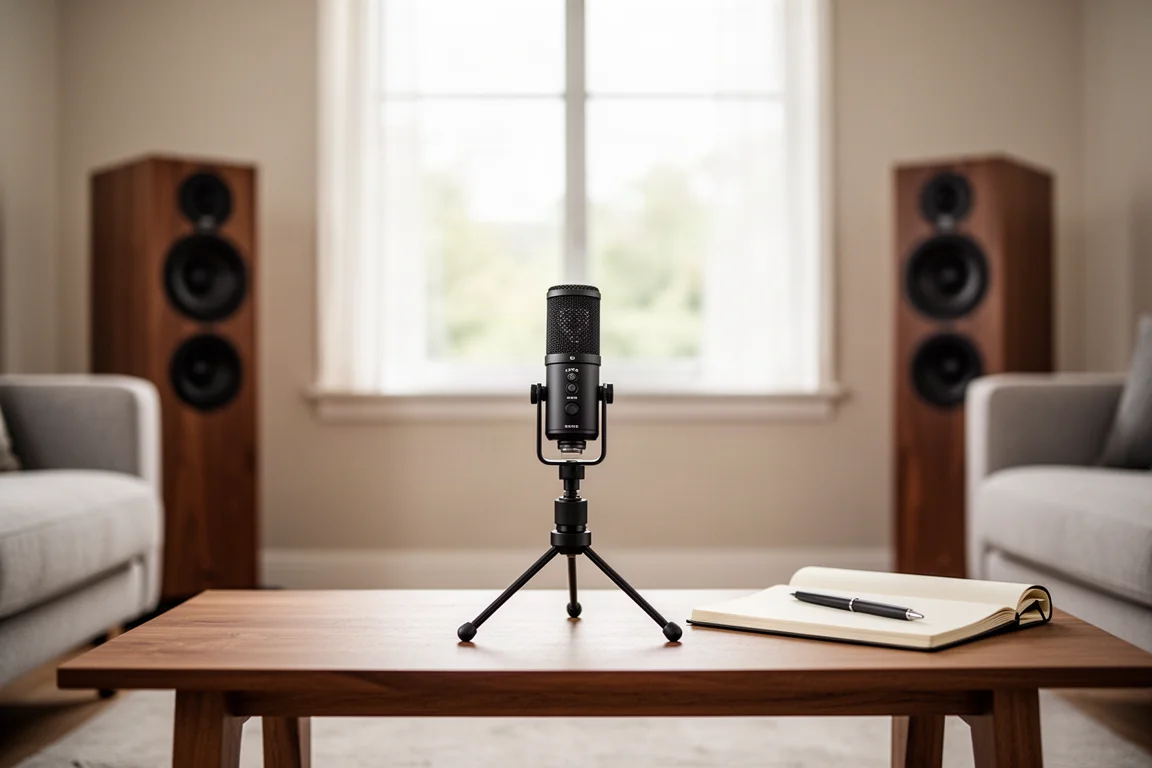
Audyssey MultEQ X, used with Audyssey’s calibrated measurement microphone rather than the standard mobile app, measured eight positions around the primary listening area and included tilt controls for shaping the overall target curve. A few minor adjustments to crossover points and channel levels followed, which is one of the genuine advantages of the Audyssey ecosystem: it produces a solid starting point that can still be refined afterwards. Additional subwoofer distance tweaks were needed for proper front-stage integration. At roughly $200, MultEQ X is the lowest-cost upgrade path for AV30 owners who want more control without moving into the Dirac ecosystem.
Dirac Live and Dirac Live Bass Control feel noticeably more modern. The interface is clean, the workflow is well guided, and support for measurement microphones such as the UMIK-1 and UMIK-2 makes the process straightforward. The small listening area configuration measured thirteen positions around the seating area, which takes longer than Audyssey but gives Dirac considerably more information to work with. Unlike purely frequency-response based approaches, Dirac also applies time domain correction, which is intended to improve impulse response, imaging, soundstage accuracy, and clarity. In this room the results were strong: low frequency extension held down to roughly 10 Hz, bass integration was excellent, and near-field subwoofers positioned behind the seating area stayed cohesive rather than calling attention to the rear of the room.
Dirac Art takes a different approach. Instead of only correcting frequency response, it uses other speakers and subwoofers in the system to help manage low frequency energy throughout the room. It also reuses existing Dirac measurements, so moving between Dirac Live, Bass Control, and Art does not require a fresh measurement session. The challenge is guidance. There is comparatively little documentation explaining what individual settings do or when they should be changed, and support levels have a large effect on the overall balance. With default settings, bass levels were noticeably elevated and felt aggressive next to both Bass Control and a manual calibration. Reducing support levels brought things closer to natural. Art also locks out speaker distances, crossover settings, and traditional trim adjustments on the AV30, which makes the experience more restrictive than MultEQ X or a manual workflow. Measurements showed strong smoothing across the listening area but consistently less output below 20 Hz than either Bass Control or a manual calibration.
For comparison, a manual workflow using Room EQ Wizard with a calibrated UMIK-1 or UMIK-2 microphone, a pair of miniDSP 2x4 HD units for subwoofer integration, EQ, and routing, and filters imported into MultEQ X for crossover points, speaker distances, and channel levels produced results very close to Dirac Live Bass Control. The appeal of the manual path is visibility: every change is deliberate and can be verified with another measurement. Most owners would likely be satisfied with what Dirac Live Bass Control achieves with far less effort, and the AV30 supports either approach equally well.
Listening Impressions: Movies, Games, and Music
The word that keeps coming back after two and a half months is effortless. Across familiar demo material and everyday viewing, dynamics were consistently excellent, whether the content called for quiet dialogue, a sudden jump scare, a gunshot, or a large-scale explosion. Content played at or near reference level never left the system sounding short of steam, and bridge mode proved the right call in this room. Channel separation and imaging improved slightly compared with a typical day-to-day setup, allowing small details to stand out inside busy soundtracks. Dolby Atmos, DTS:X, and Auro 3D material all sounded excellent, though the improvement reads as refinement rather than revelation.
Music was the surprise. Despite not being a dedicated two-channel listener, listening sessions kept extending track after track, with wide soundstages, strong dynamics, and precise placement across the room. Vocals stayed clear while drums and instruments filled the space around them, and quieter recordings drew attention to subtle textures and nuances that are easy to miss.
One caveat worth stating plainly: no direct A/B comparisons against other processors or amplifiers were performed, so component-by-component attribution should be treated carefully. What can be said is that the combination was consistently enjoyable and revealing enough to expose differences between streaming audio and physical media on familiar material.
Who This Marantz Stack Is For
This stack suits enthusiasts who value flexibility and want to decide how involved they are in tuning their system. Whether that means running Audyssey, exploring Dirac Live Bass Control, experimenting with Dirac Art, or working through Room EQ Wizard measurements by hand, the AV30 provides the tools for each path. It also makes the most sense in larger, more ambitious home theater systems where the processing headroom and amplifier power can actually be put to use.
Buyers who simply want a straightforward step up from an entry-level receiver and have no interest in advanced calibration features are likely to pay for capability they will never touch. The value here is in the options, not in a single headline feature.
Buying Advice
The sensible way to approach this stack is to decide first how much control you want over calibration, then size the amplification to the room. A twelve-channel AMP 20 covers a full bed layer plus height channels, while the six-channel AMP 30 handles smaller channel counts, a second zone, or bridged duty where more output per channel matters more than channel count. Both amplifiers can be bridged for 400 W into 8 ohms per channel, so a buyer can start in standard mode and reconfigure later as the system grows.
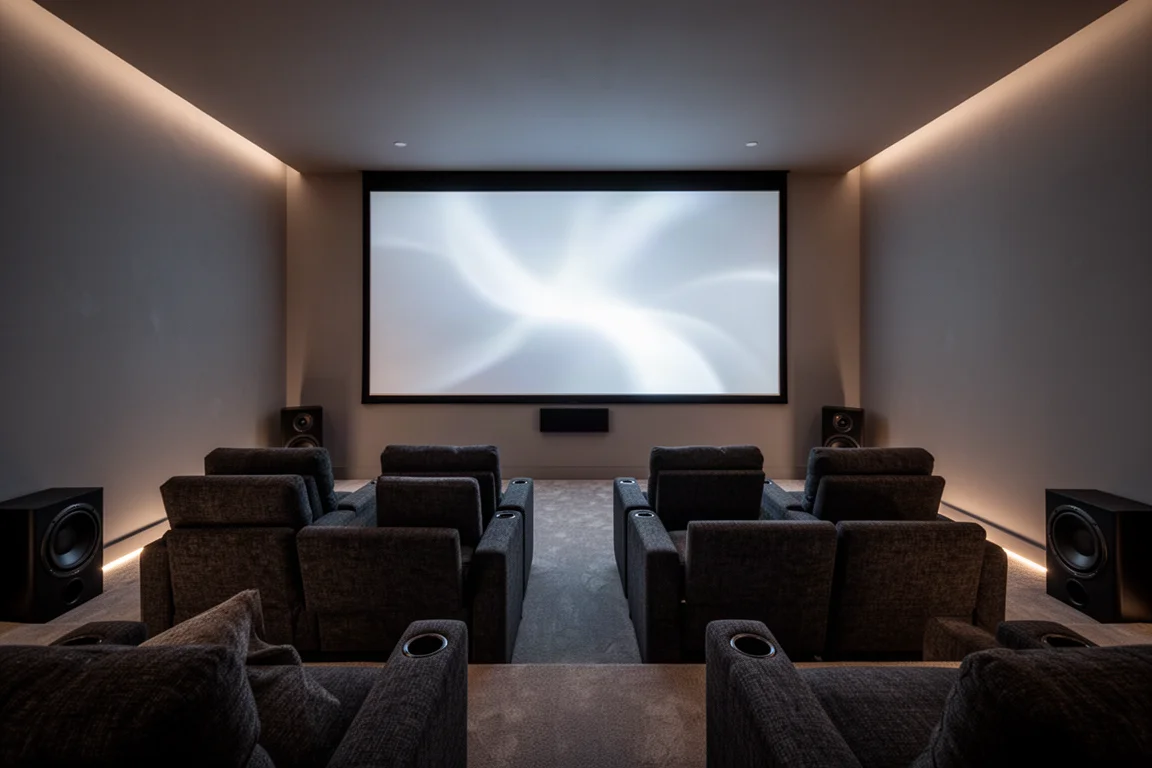
Because the platform runs cool and stays stable over long sessions, it is also a reasonable fit for enclosed racks and rooms where heat buildup has been a problem with receiver-based systems. Matching the processor and amplification to the channels you actually need will matter far more to long-term satisfaction than chasing the highest channel count available.
Conclusion
After living with the AV30, AMP 20, and AMP 30, the lasting impression is flexibility. The processor offers several credible room correction paths, from a straightforward Audyssey setup to Dirac Live Bass Control and Dirac Art, plus the option of a fully manual workflow. The amplifiers deliver abundant clean power and can be reconfigured between channel count and output as needs change. For enthusiasts building a serious home theater who want to choose their own level of involvement, this stack delivers exactly that, and it does so without ever drawing attention away from what is on screen.
Further reading
Related Reviews
Home Theater
Anthem AVM 90 Review: A 15.4-Channel Flagship Preamp Processor
A close look at Anthem's flagship preamp processor, covering its dual ESS DAC architecture, 15.4-channel layout, ARC Genesis calibration and four independent subwoofer outputs.
Home Theater
Apple TV 4K With AirPods: A Best-Value Home Theater Setup
An Apple TV 4K paired with AirPods over Bluetooth makes a compact home theater setup for movies, spatial music and late-night viewing, and it can be assembled for as little as $300.
Home Theater
Arcam AVR15, AVR25, AVR35, and AVP45 Compared: Which AV Amplifier Fits Your System?
Four new Arcam home theater components share nine-channel amplification and Dirac Live, but differ in power, processing ceiling, and channel flexibility.