Hi-Fi Audio
Three Standout Audio Upgrades: Schiit Mani 2, Mytek Liberty DAC 2, and ZMF Atrium
A compact phono preamp, a desktop DAC and headphone amp, and a handcrafted open-back headphone, judged on strengths, trade-offs, and the systems each one suits.
Introduction
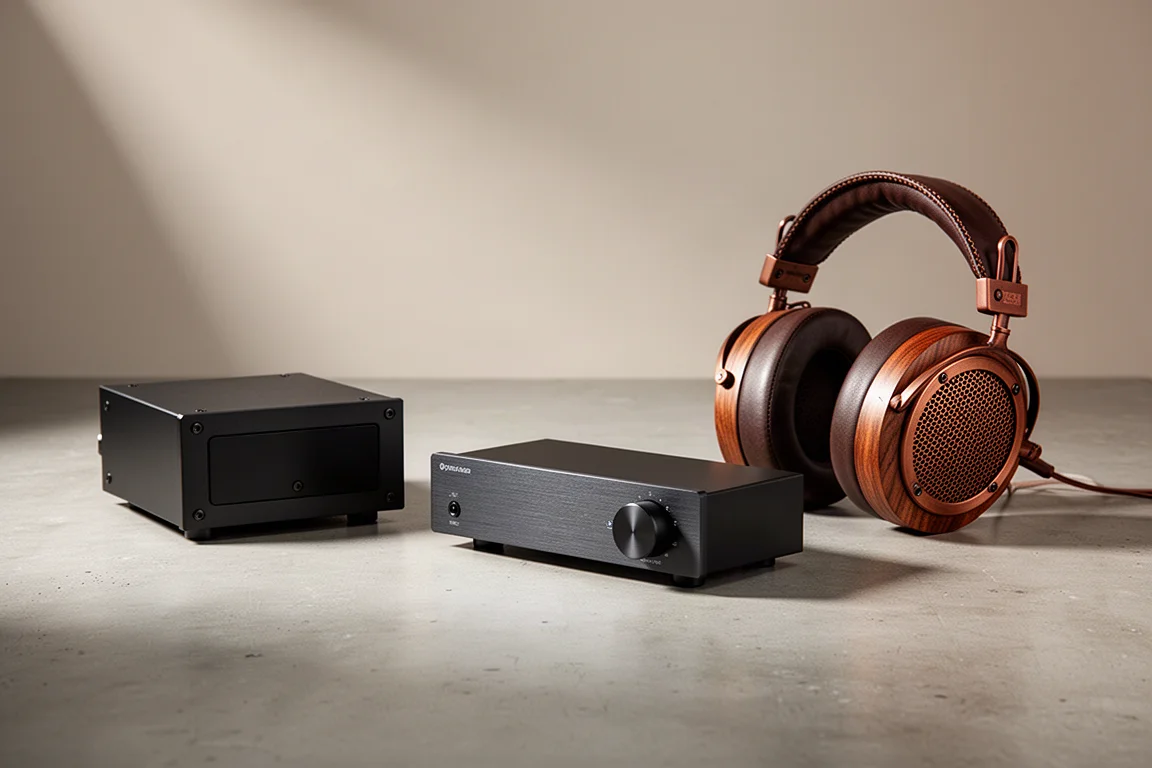
A good audio upgrade does not have to be a whole-system rebuild. The three components in this roundup each solve one specific problem, and each does it at a very different price point. The Schiit Mani 2 is a compact phono preamplifier for vinyl listeners at $149. The Mytek Liberty DAC 2 is a desktop digital-to-analog converter and headphone amplifier at $1,495. The ZMF Atrium is a handcrafted open-back headphone at $2,299 in its most basic configuration.
Together they cover the two halves of a modern system, analog and digital, plus the one piece of gear you actually wear. Each one stands out for different reasons, and each has a clear set of listeners who will get the most from it.

What follows is a closer look at what each product does well, where the trade-offs sit, and which kind of system it suits best.
What These Three Products Have in Common
All three are focused components rather than all-in-one boxes. The Mani 2 concentrates on phono equalization and gain. The Liberty DAC 2 concentrates on conversion and headphone drive. The Atrium concentrates on comfort and a natural, long-session sound. None of them try to be everything at once.
They also share a certain restraint. The Mani 2 keeps its adjustment controls out of sight on the underside of the chassis. The Liberty DAC 2 is small enough to live on a desk. The Atrium is built around a single dynamic driver and hand-finished wooden cups rather than a long list of features. If you prefer gear that does one job properly, this trio makes sense.
Schiit Mani 2: An Affordable Phono Stage With Real Punch
The Mani 2 is a moving magnet and moving coil phono preamplifier priced at $149. It is built in the United States with mostly US-sourced parts, with the external power supply as the exception. Inside, it uses a DC-coupled design and a passive RIAA stage, and it moves to tighter-tolerance resistors than the first-generation Mani.
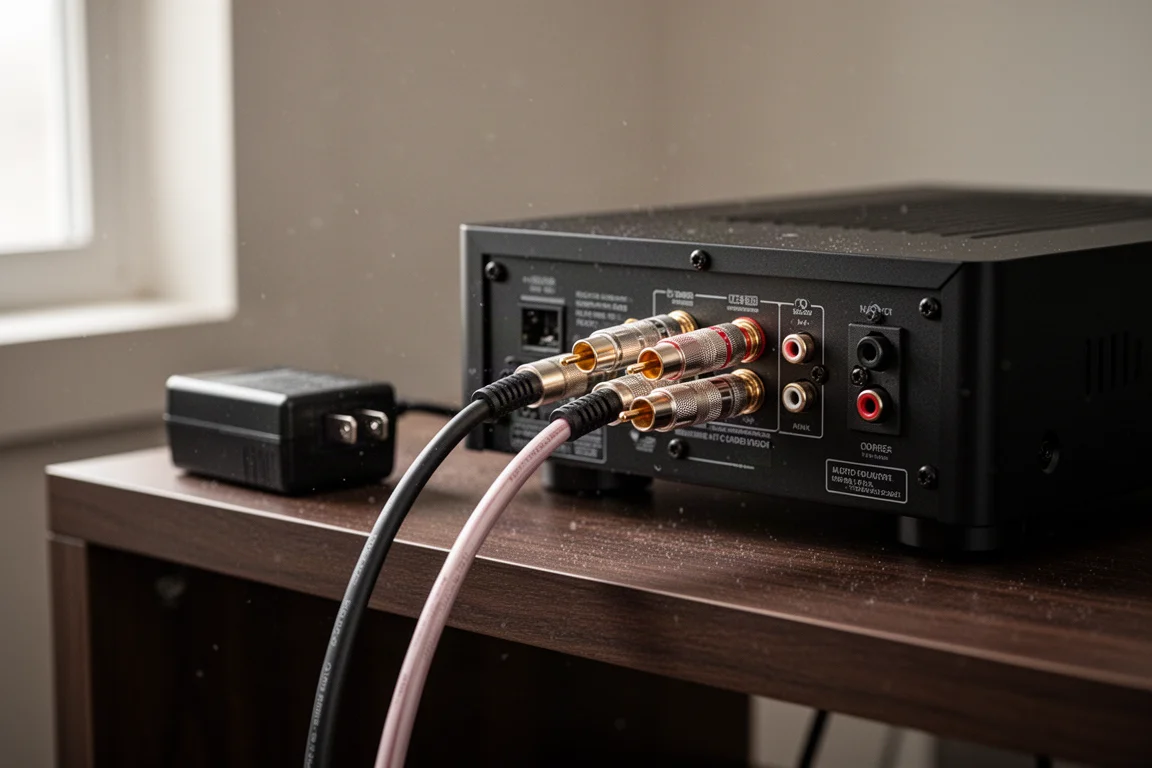
The most visible change is the power supply. The new external brick is noticeably larger than the one that shipped with the original, and it effectively serves as the unit’s power supply, so the size increase is not cosmetic. On the chassis itself, the impedance and gain settings now sit on the underside, with more adjustment options than before. That placement keeps the top plate clean, and for most owners those switches are set once and then left alone. The power switch is on the rear panel, and leaving the unit powered around the clock is advisable.
In listening, the Mani 2 is exceptionally quiet. Even with high-sensitivity speakers in the system, there was no hiss or background noise with moving magnet cartridges, and nothing audible with an ear close to the driver. It also has real weight behind it. Bass has drive and bounce, the kind that makes reggae and rhythm-driven records easy to move to.
Comparisons put that character in context. Against the built-in moving magnet stage of a $2,500 integrated amplifier, the two were broadly comparable, with the integrated offering a slightly airier, sweeter presentation and a deeper soundstage, while the Mani 2 pushed harder in the low end. Against a $349 dedicated phono stage, the pricier unit sounded more lively and more dynamically emphatic, while the Mani 2 stayed more laid back but gave vocals more body and believability and made acoustic guitars and pianos sound more fully developed. Against the original Mani with a moving coil cartridge, the Mani 2 was clearly the more transparent and more dynamic of the two.
The practical takeaway is about what you already own. If your turntable has a built-in phono stage, or you are running a $500 to $700 receiver or integrated amplifier with a built-in phono input, the Mani 2 is likely to be a significant upgrade. Above the $1,000 to $2,000 mark, the gap narrows and the Mani 2 becomes more of a sideways move than a step up.
Mytek Liberty DAC 2: A Compact Desktop DAC and Headphone Amplifier
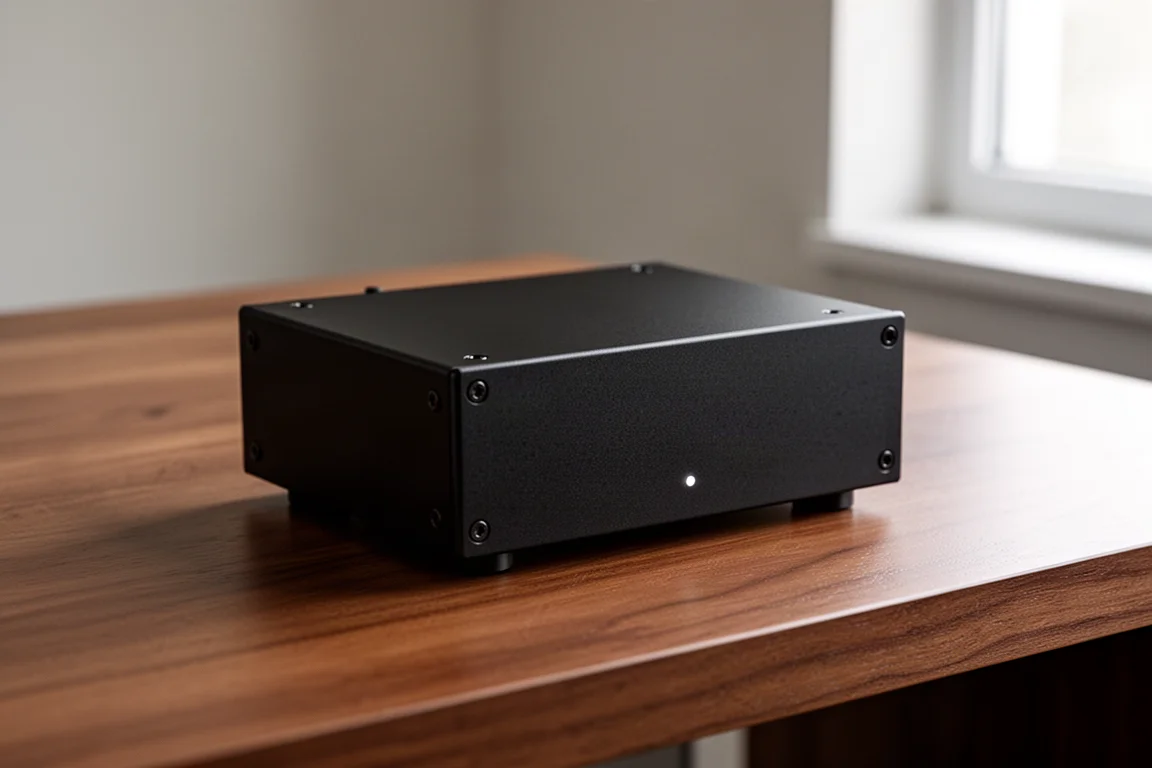
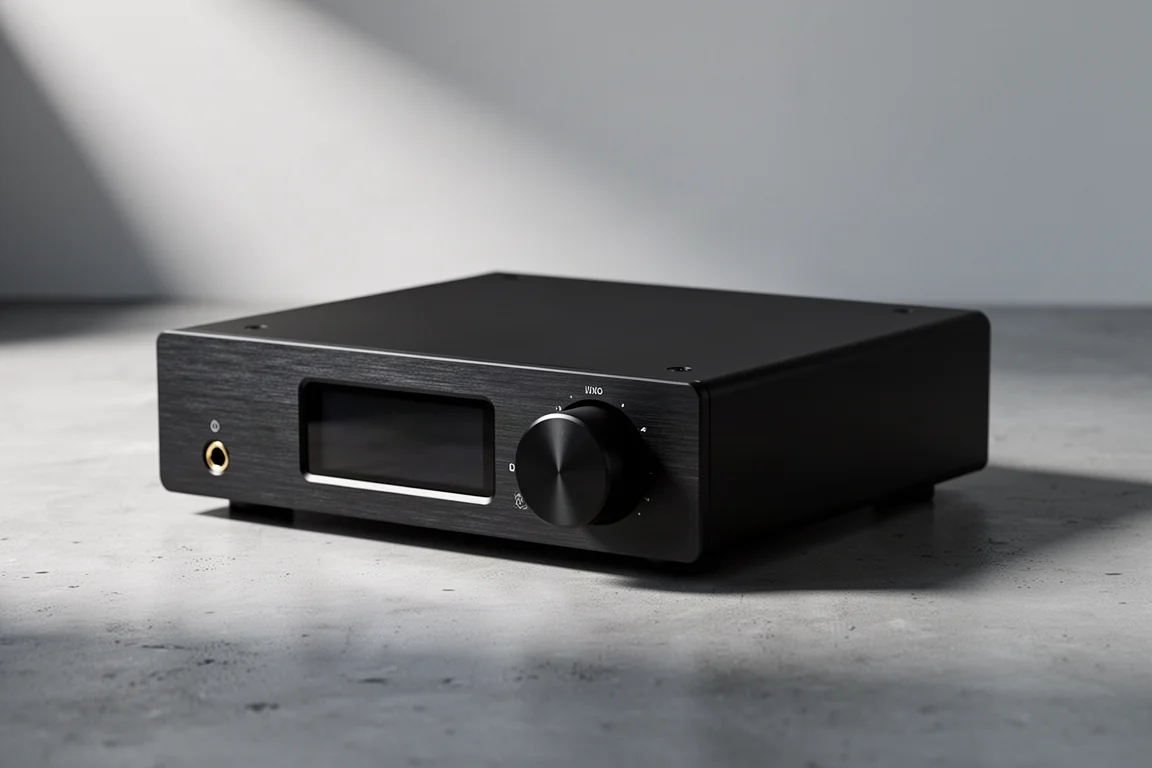
The Liberty DAC 2 is a digital-to-analog converter that also works as a capable headphone amplifier. It handles DSD and MQA as well as high-resolution PCM, and it offers balanced outputs. The chassis is small enough to sit on a desktop without dominating it. It is designed in Brooklyn and manufactured in Poland, and it sells direct with a 30-day return policy. Black is the finish that was confirmed.
Priced at $1,495, the Liberty DAC 2 has to justify itself against cheaper converters, and the way it does that is transparency. Compared with a DAC that retails around $1,000, the Liberty sounded significantly more see-through and more present, the sort of palpable quality that puts a voice in the room rather than at a distance. The less expensive converter had a richer, sweeter balance that is genuinely appealing, but it sat further back.
There is also a functional difference worth noting. That comparison DAC is a converter only. It has no headphone amplifier and no volume control, so it cannot serve as a preamplifier. If you need either of those things, the Liberty DAC 2 covers them in one box. The other unit is roughly $500 less expensive, which leaves room in the budget for a separate preamp or headphone amplifier, so the choice comes down to whether you prefer one flexible component or two specialized ones.
ZMF Atrium: A Handcrafted Open-Back Headphone
The Atrium is an open-back dynamic headphone built around a bio-cellulose driver, and it is a showcase of high-end build standards. Each unit is handcrafted, which means the wood and metalwork are effectively unique from one example to the next. The pair used here had cherry wood cups with aged copper grilles, and both the wood and the grille finish are available in multiple options. The standard cable is cloth-covered and notably soft and supple.
At $2,299 in its most basic form, with the final figure depending on finish and cable choices, the Atrium is priced as a high-end product, and it feels like one every time you put it on. That matters more with headphones than with any other component, because you wear them. ZMF also offers a range of ear pads that can be used to tune the sound, though the standard pads were used throughout.
The sound is open and organic rather than hyper-detailed. It is natural and full-bodied, not soft and not blurred, but romantic in character. Bass is rich and full, with weight you can feel, and it stays defined rather than turning muddy. The soundstage is natural rather than enormous, with strong center focus and a front-to-back depth that places the listener inside the recording. It is not the most spacious open-back design available, but the spatial presentation is convincing.

That character pays off with imperfect recordings. On a bright, edgy, glare-prone track, the glare was still audible through the Atrium, but it was far less bothersome than through a planar magnetic open-back comparison headphone, which was more transparent, more upfront, and more immediate. The Atrium traded some of that immediacy for a more laid back, forgiving presentation that makes a wide range of music easy to sit through. Over weeks of listening, that forgiving quality and the comfort of the build were the reasons it kept getting picked up.

Matching the Upgrade to Your System
The three products point in different directions, so the decision starts with your source. If you play vinyl and your current phono stage is built into a turntable or a mid-priced receiver, the Mani 2 is the least expensive meaningful step up here. If you listen from a computer or a streamer and you also want to drive headphones from the same box, the Liberty DAC 2 covers both jobs and adds balanced outputs.
The Atrium answers a different question. It is for listeners who already have a capable source and want a headphone that is comfortable for hours and forgiving of recordings that are less than pristine. It does not chase maximum detail. It chases long, relaxed listening sessions.
Buying Advice
Start with the weakest link. A vinyl setup with a basic built-in phono stage will gain more from the Mani 2 than from a new pair of headphones. A digital setup running straight out of a computer will gain more from a dedicated converter and headphone amplifier than from a phono stage it cannot use.
Budget matters as much as priority. The Mani 2 is the least expensive of the three and the easiest to justify as an experiment. The Liberty DAC 2 costs more than a basic converter but replaces two components, which changes the value calculation. The Atrium is the largest commitment of the three, and its value depends on how much time you spend listening through headphones and how much you care about the feel of the object on your head.
One more consideration applies across all three. Each is a focused component that will stay useful as the rest of your system changes. None of them depend on a feature set that ages quickly, and each can be moved into a second system later.
Conclusion
The Mani 2, the Liberty DAC 2, and the Atrium do not compete with each other. They solve three different problems, and each one solves its problem well at its own price. The Mani 2 brings quiet operation and genuine low-end drive to a vinyl rig for $149. The Liberty DAC 2 delivers transparency and flexibility for desktop listeners at $1,495. The Atrium delivers handcrafted build quality and a relaxed, organic sound at $2,299 in its basic form. Match the product to the gap in your system, and any of the three is a sensible purchase.
Further reading
Related Reviews
Hi-Fi Audio
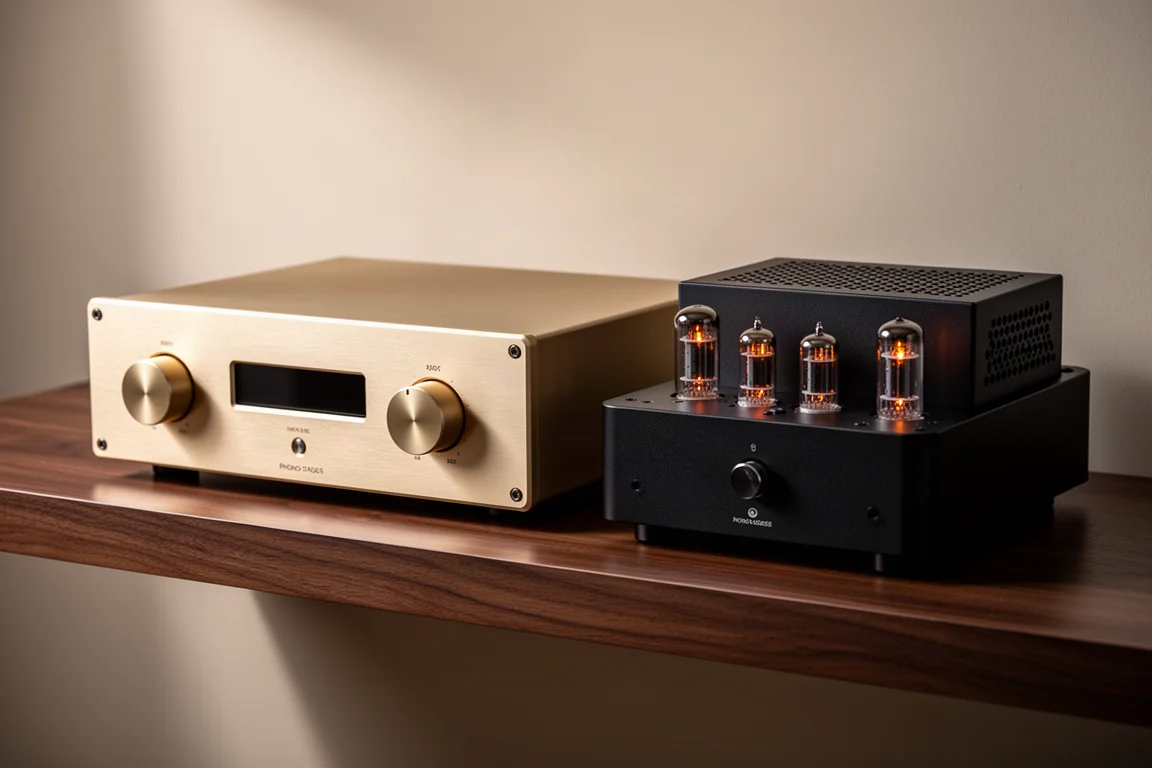
Accuphase C-57 vs Allnic H-7000V: Two High-End Phono Stages Compared
A fully balanced solid-state phono stage with a pitch-black noise floor meets a tube design built for well-loved records. Here is how to choose between them.
Hi-Fi Audio
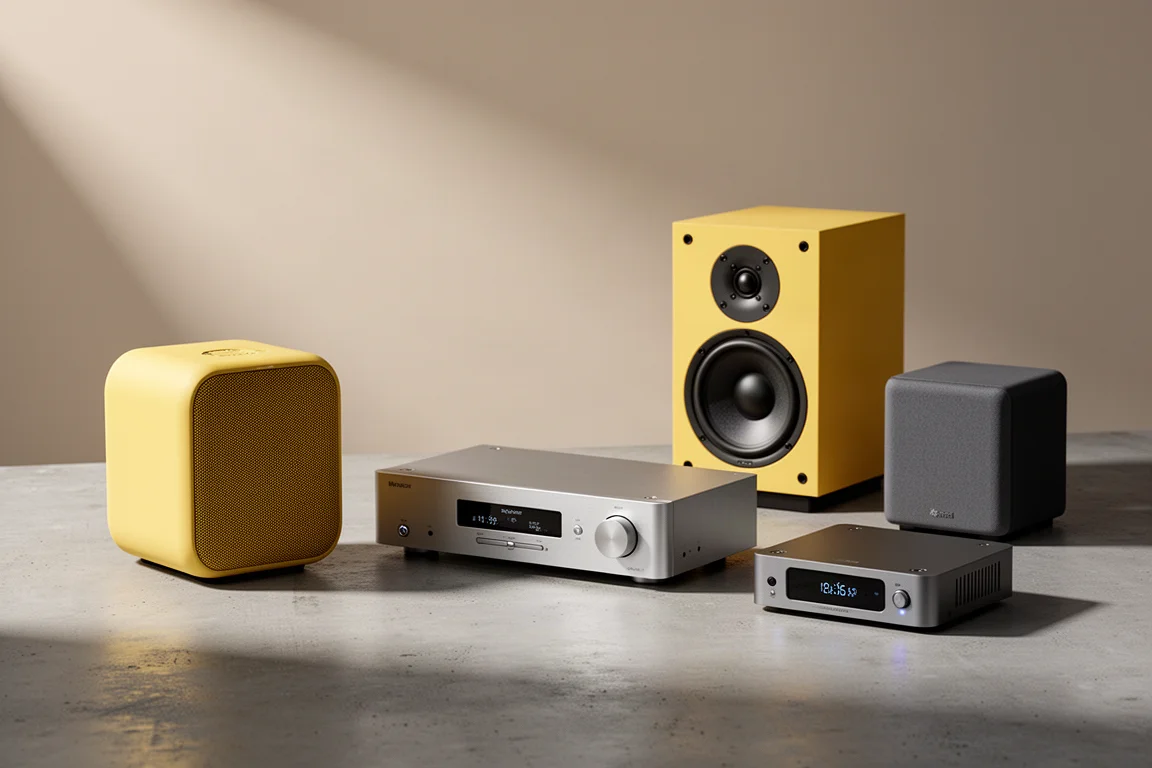
Active vs Passive Hi-Fi: Five Components for a Modern System
Five components that define modern active and passive hi-fi systems, with the strengths, trade-offs and setup details worth weighing before you buy.
Hi-Fi Audio
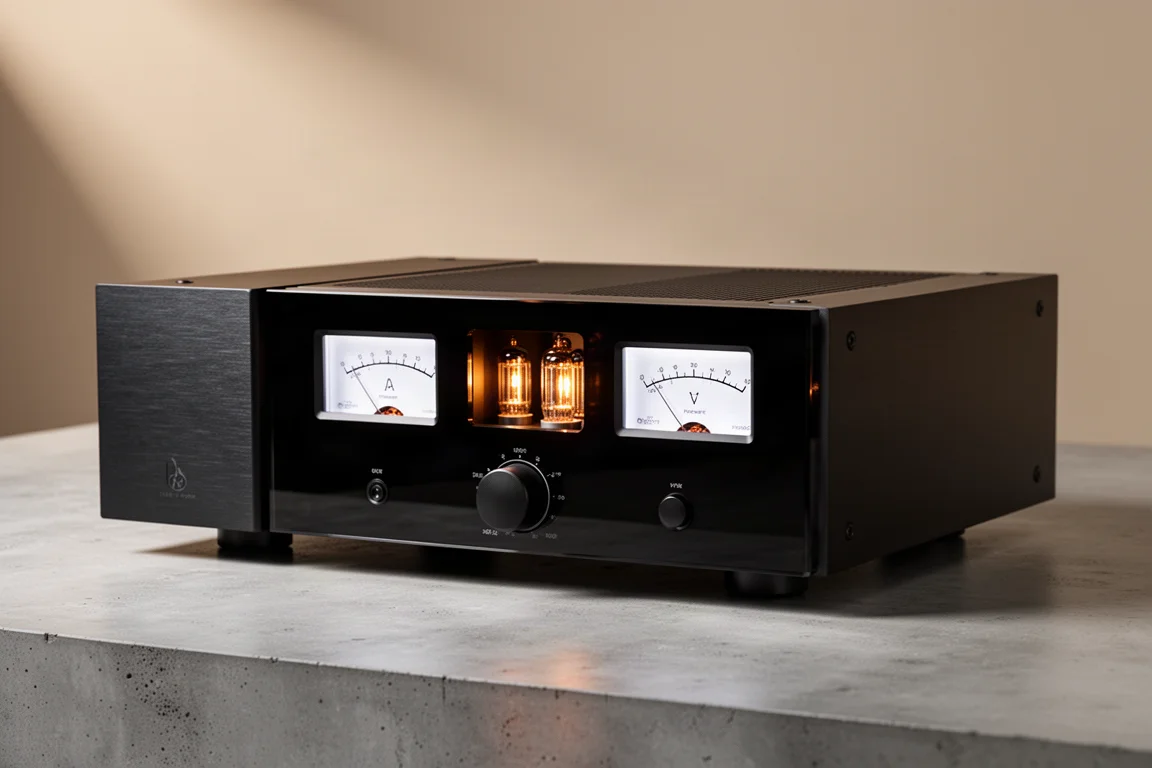
Advance Paris A10 Apex Review: A Hybrid Integrated Amplifier That Covers a Lot of Ground
A French hybrid integrated amplifier with a class A tube preamp stage, analogue power meters, and an internal DAC and phono stage good enough to make extra boxes unnecessary.