Climbing Ropes
Mammut Core Protect Review: Cut-Resistant Climbing Ropes for Trad and Sport
Mammut Core Protect adds a knitted aramid sheath for extra cut resistance while keeping the handling of a normal climbing rope.
Introduction
Climbing rope design has moved steadily forward over the decades. Ropes have become lighter, they hold less moisture, and they handle better in the hand. Mammut has been producing climbing rope since 1862, and the Core Protect range is the latest step in that line.
One worry has stayed stubbornly present for climbers: a rope being cut. Rock edges are an obvious risk, and so are sharp carabiners left clipped in a quickdraw for too long, particularly on sport routes. A sheared rope is the kind of scenario that keeps people awake at night, and it is exactly the problem Core Protect is built around.
Who This Product Is For
Core Protect covers two familiar rope formats, and both look much like the ropes already sitting on shelves. The change is on the inside.
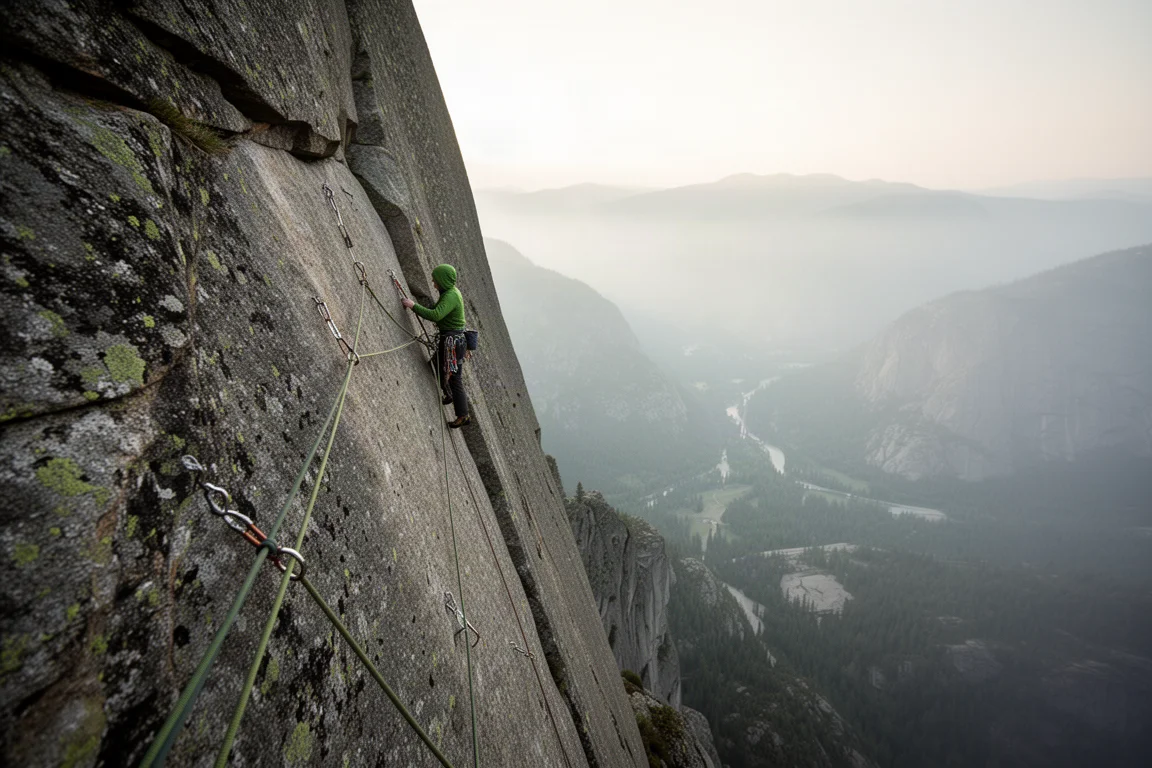
The 8 mm half and twin ropes are aimed at trad climbing, multi-pitch routes, and winter climbing. They are thin, they hold very little moisture (under 2 percent when moving on wet hills), and they are used in pairs, so the strength is shared across two strands. That combination suits long routes where gear is spread out and conditions are changeable.
The 9.5 mm single rope is the more robust option. Its thicker sheath gives it more abrasion resistance, which makes it a natural fit for sport climbing and for plenty of everyday trad use as well.
Both formats are built to handle the same way as the ropes climbers already know, so the upgrade does not ask for a change in technique. What differs is the layer you cannot see.
Main Strengths
The headline benefit is cut resistance that is substantially higher than a standard rope, achieved without altering how the rope feels on the sharp end. It feeds, handles, and catches like a normal rope.
Beyond that, the range keeps the practical qualities that matter on long days out. The ropes shed water well, they are light for their strength, and they are durable. Bright sheath colours make a real difference when two half ropes are in use, since mismatched colours are easy to tell apart even in poor light. Visible middle markers make coiling quick and straightforward, and the ropes arrive lap coiled, so they can be used straight out of the packet without flaking them back and forth to remove kinks.
How the Aramid Sheath Adds Cut Resistance
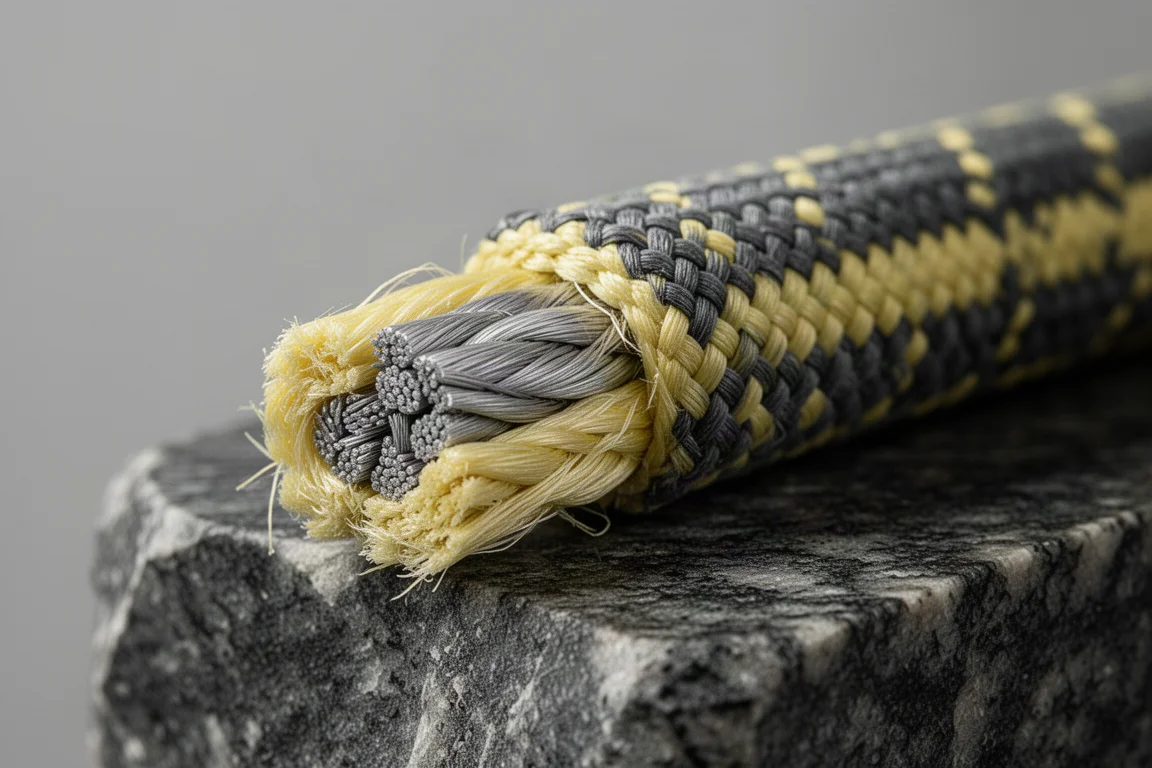
The clever part is where the extra protection sits. Between the outer sheath and the inner core is an additional aramid sheath. Aramid is the same family of material used in bulletproof vests, and it is notoriously difficult to cut, even with dedicated tools.
The obvious question is why aramid has not been used this way for years. The answer is stretch. Aramid has essentially none of its own, and a climbing rope has to elongate to absorb a fall. A static rope would transmit force straight to the body. Mammut’s solution is to knit the aramid in a loose, back-and-forth pattern, so the fibres can give when the rope stretches and recoil when the rope does. The result is a rope that handles and stretches normally while carrying a cut-resistant layer inside it.
In controlled testing, weights were dropped with ropes running over a sharp granite edge. Standard ropes were cut through in that scenario. With Core Protect, the rope began to tear but did not break.
Field use tells a similar story. On the coarse, abrasive rock of Morocco, one of these ropes came back looking essentially like new despite heavy use in cracks.
Handling, Colors, and Rope Options
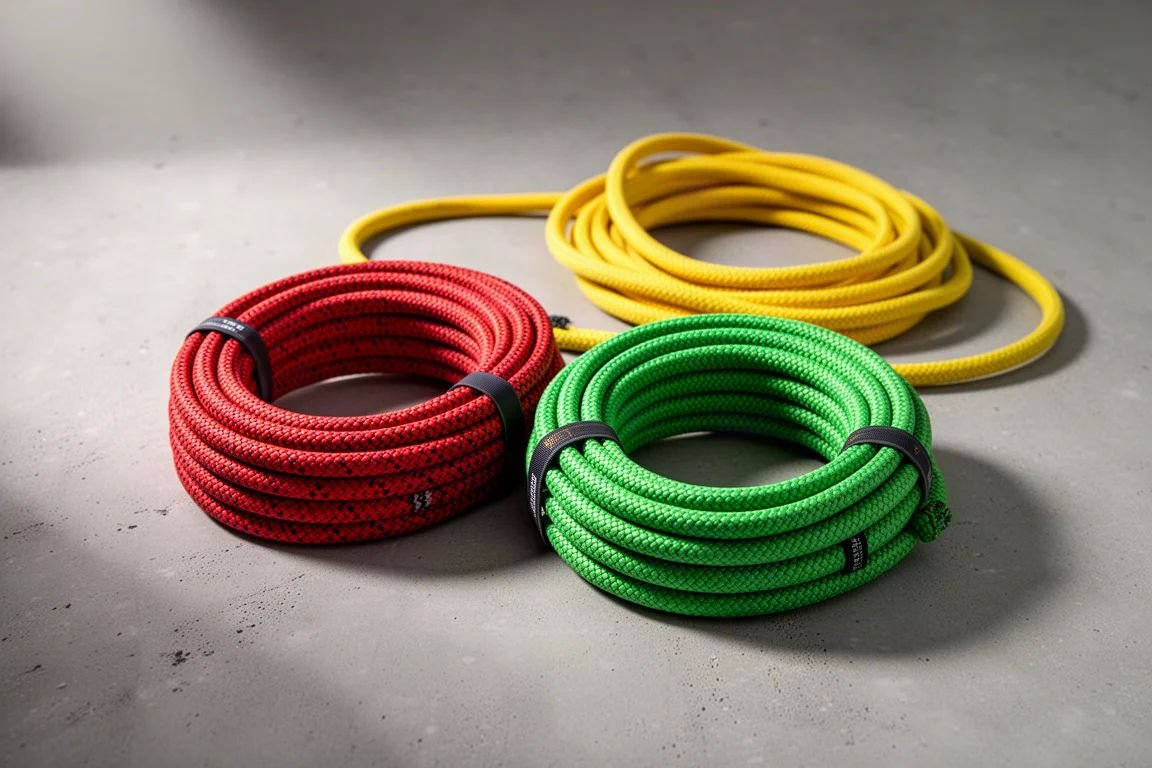
The 8 mm version comes in red and green, and in 50 m and 60 m lengths. Having two clearly different colours on a half rope setup is genuinely useful, whether you are sorting strands at a belay or shouting for rope on a windy, stormy day.
The 9.5 mm single rope comes in bright yellow and in a variety of lengths. The bright colour is not only about visibility on the rock. It also makes the middle marker easy to spot, which speeds up coiling at the end of a route.
Things to Consider Before Buying
Aramid does not stretch on its own, so the knitted construction is what makes this whole approach work. That means the cut-resistant layer is a specialist addition to an existing rope design rather than a simple material swap.
The 8 mm ropes are half and twin ropes, so they are meant to be climbed on as a pair, and the cost of a set reflects that. The 9.5 mm single is offered in one colour only, and the 8 mm is offered in two lengths. If a specific length or a specific colour pairing matters to your setup, it is worth checking the options before committing.
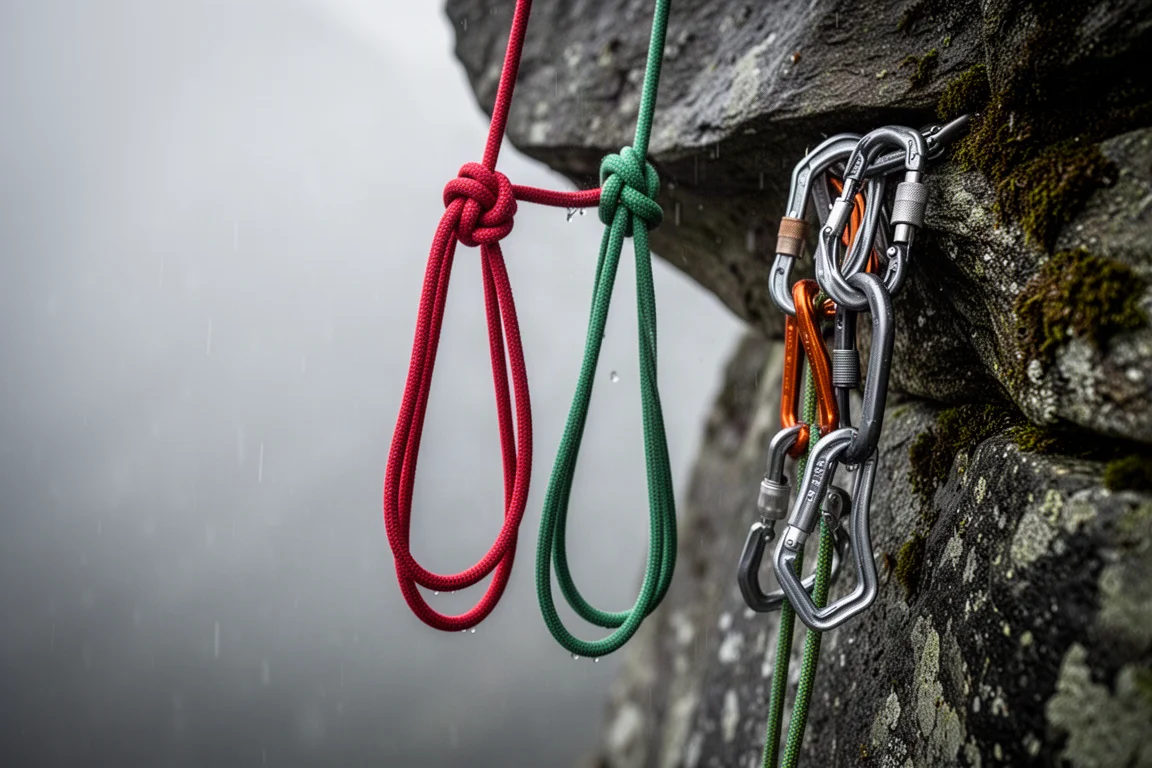
It also helps to be clear about what the extra layer does. It adds margin against a rope being severed on an edge or a worn carabiner. It sits alongside good rope care and inspection rather than replacing them.
Matching the Rope to Your Climbing
If most of your climbing is trad, multi-pitch, or winter routes, the 8 mm half and twin ropes are the natural match. They are light, they carry very little water, and they spread gear across two strands in the way trad systems are designed to work.
If you spend more time on sport routes, or you want one rope that covers a broad range of everyday climbing, the 9.5 mm single is the better starting point. Its thicker sheath stands up to more abrasion, and it still works well for general trad use.
Buying Advice
Core Protect makes the most sense for climbers who already know what they want from a rope and are looking to add cut resistance without giving up familiar handling. The range does not ask you to relearn anything: same feel, same stretch, same coiling routine, with an aramid layer doing quiet work in the middle.
If you climb on abrasive rock, spend time on sharp or worn hardware, or simply want more margin on the routes you care about, this is a sensible place to put your rope budget. If your priority is a single general-purpose rope at the lowest weight and cost, the standard versions of these same formats remain a reasonable choice.
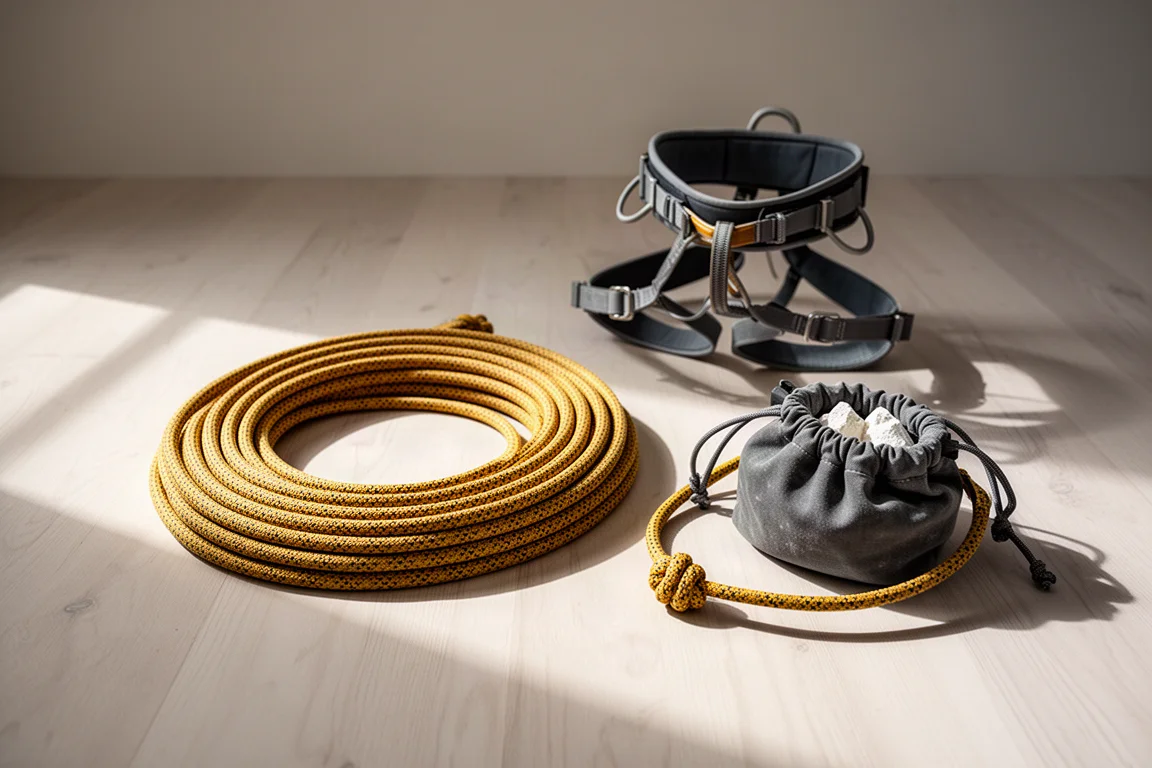
Lengths, colour options, and pricing vary, so it is worth confirming the exact configuration you need before ordering. Deciding between the 8 mm pair and the 9.5 mm single is the main decision, and everything else follows from the climbing you actually do.
Conclusion
Mammut Core Protect takes a well-established rope design and adds a knitted aramid sheath between the outer sheath and the core. The result is a rope that behaves like the ropes climbers already trust, while offering meaningfully more resistance to being cut.
The 8 mm half and twin ropes suit trad, multi-pitch, and winter climbing, with low moisture uptake and bright, easy-to-distinguish colours. The 9.5 mm single covers sport climbing and everyday trad with a more abrasion-resistant sheath. For climbers who want that extra reassurance without changing how they climb, the Core Protect range is a straightforward and well-considered option.
Product link
View more details for Mammut Core Protect
This product is mentioned in the review. Check the specifications, options, and compatibility before buying.
View more details for Mammut Core ProtectFurther reading
Related Reviews

Backpacking Gear
Building a 10 lb Base Weight: An Ultralight Backpacking Gear List
A practical walkthrough of the ultralight pieces behind a 10 lb base weight, from a 765 g pack and a roomy one-person tent to a full camp chair and a dependable water filter.

Road Bikes
10 New Road Bikes Worth Watching: Aero, Titanium, Steel and Endurance Standouts
A practical roundup of 10 new road bikes, from aero flagships chasing single-watt gains to titanium, steel and endurance platforms built for real roads.
Bikepacking Gear
11 Bikepacking Essentials for Long-Distance Cycling
Eleven bikepacking essentials for long-distance cycling, from a steel gravel frame and a two-person tent to helmet lights, packable gloves, and a frame bag that puts weight in the right place.