Avalanche Safety
Mammut Avalanche Safety Gear: Beacon, Shovel, Probe, and Airbag Guide
A practical walkthrough of Mammut avalanche safety tools, including the Barryvox and Barryvox S transceivers, the Alugator shovel series, Speed Lock probes, and the RAS airbag backpack system.
Introduction
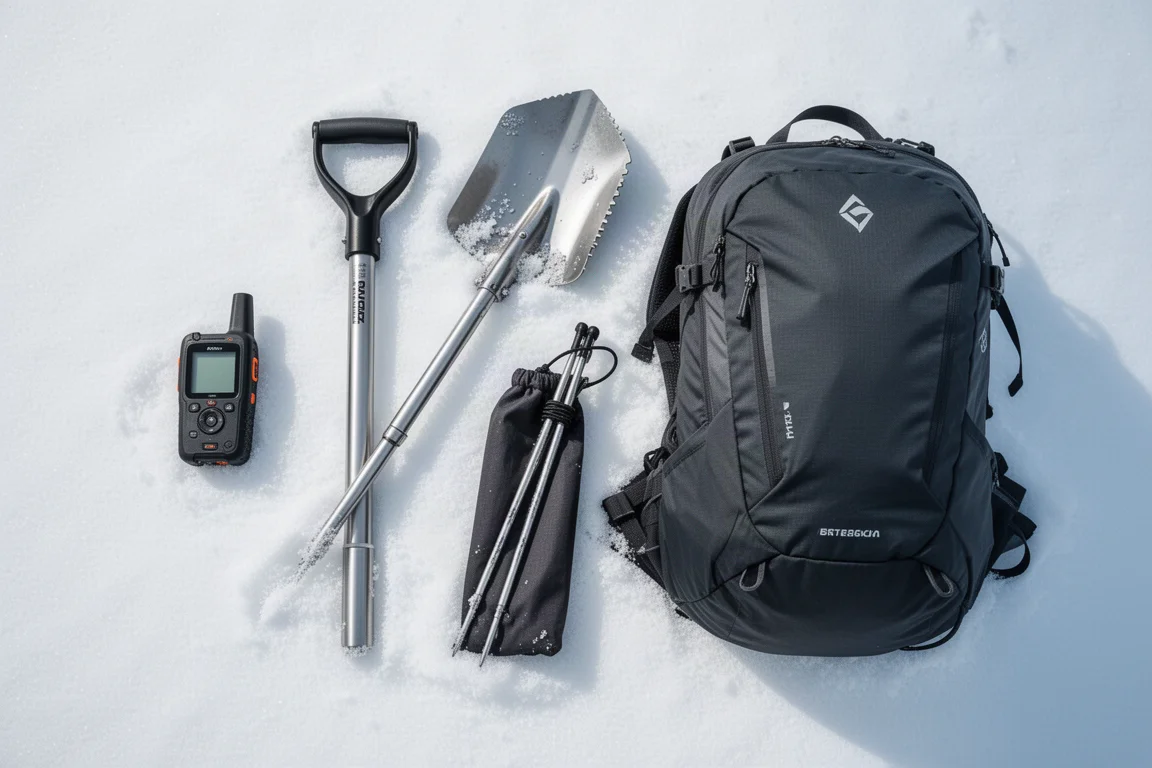
If you are heading into avalanche terrain, three tools are not optional: a transceiver, often called a beacon, a shovel, and a probe. An avalanche airbag pack is the fourth item many riders add once the essentials are sorted out. Mammut builds a full line of each, and the range is broad enough that the choice comes down to how you ride and how much precision you want in your hands when it counts.
This guide walks through the main options: the Barryvox and Barryvox S transceivers, the Alugator shovel series, the Speed Lock probe range, and the RAS airbag backpack system. It covers what each tool does well, and where a simpler or lighter option may suit you better.
What Matters Most in Avalanche Safety Gear
Every piece in a rescue kit has one job, and it has to do that job quickly. A beacon has to transmit and search reliably. A shovel has to move a lot of dense debris with real leverage. A probe has to reach deep and stay straight under pressure.
The Barryvox and Barryvox S share the same search strip width and range of 70 meters, which means a 70 meter wide search and a 70 meter distance when you are looking for a buried person. That shared foundation matters, because it means the safety core is the same across both models.
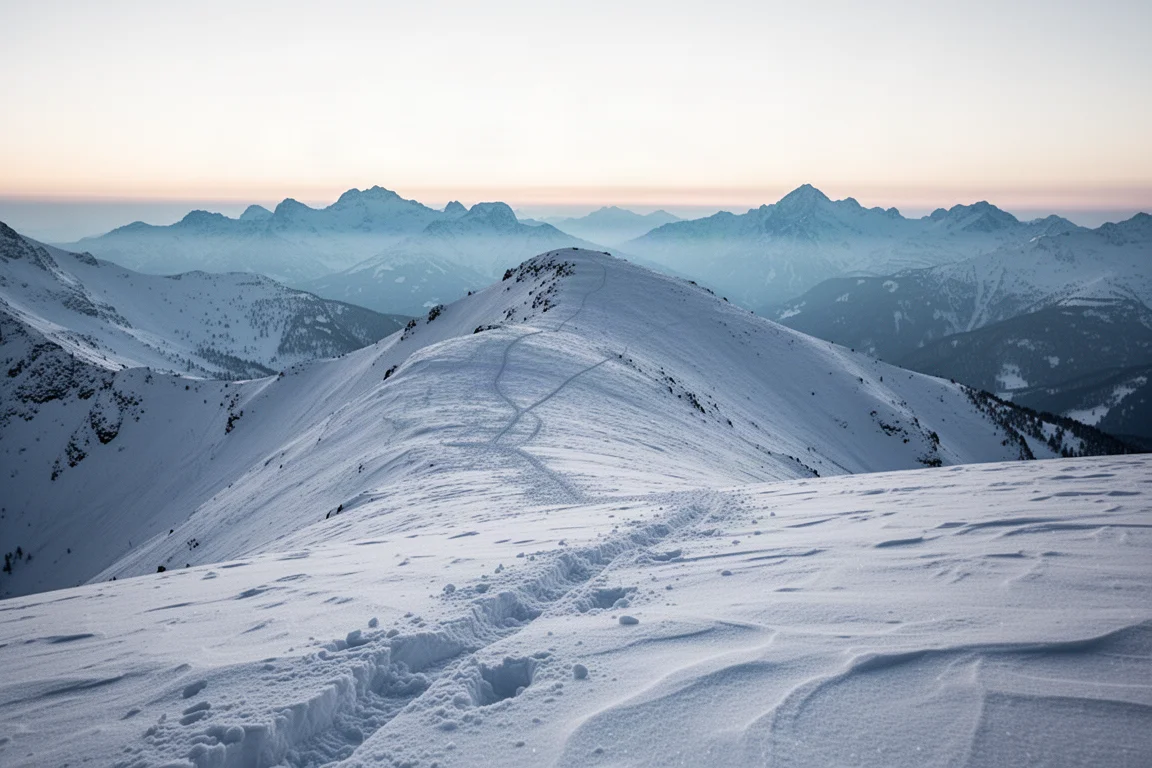
Beyond the headline numbers, the details that separate tools are the ones you notice in a hurry: locking mechanisms that hold, handles that assemble without fiddling, and controls that will not drift out of the mode you need. Weight matters, but only up to a point. Counting every gram is reasonable until it starts to compromise function.
Mammut Barryvox: The Everyday Transceiver
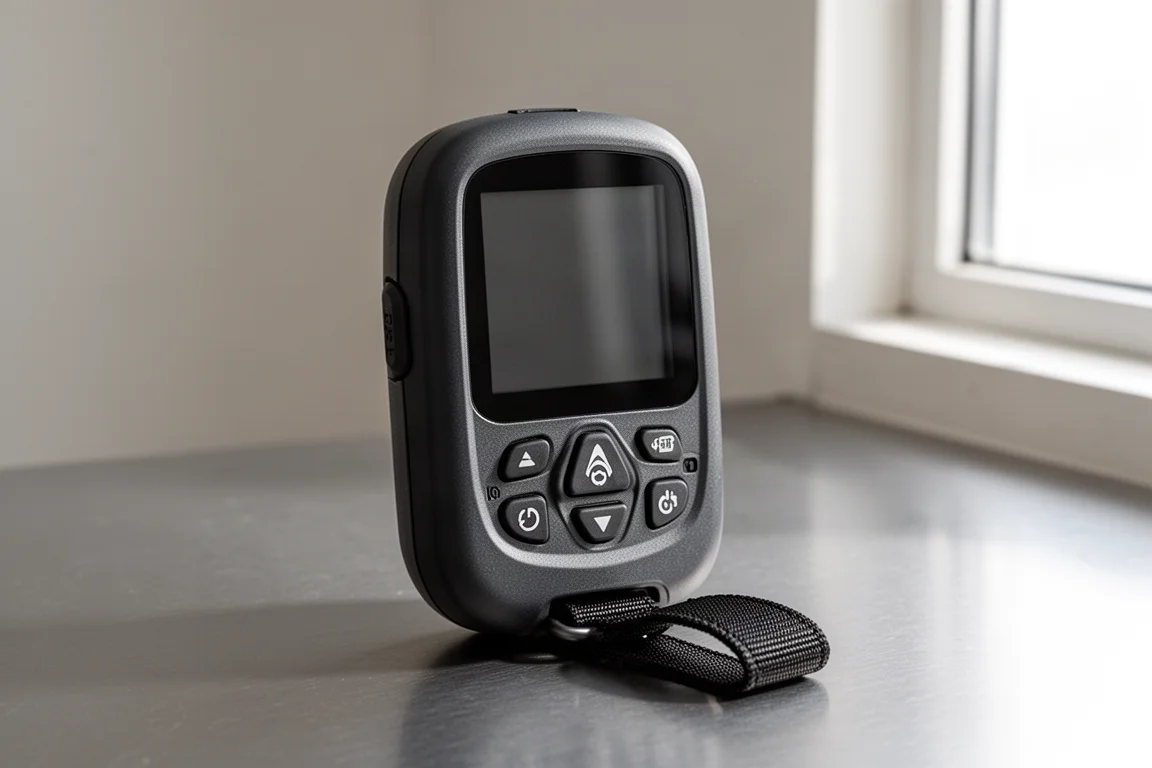
The Barryvox is the simpler of the two transceivers, and it is positioned as just as safe as the S model. It uses the same search strip width and the same range, and it guides you to a buried target with a more straightforward interface.
It also includes redundancy features designed to prevent accidental mode changes, so the unit stays in search or send as intended. Out of the box you get a harness and a clip, which lets you wear the beacon in a chest harness or carry it in a leg pocket, plus batteries so it is ready to use immediately.
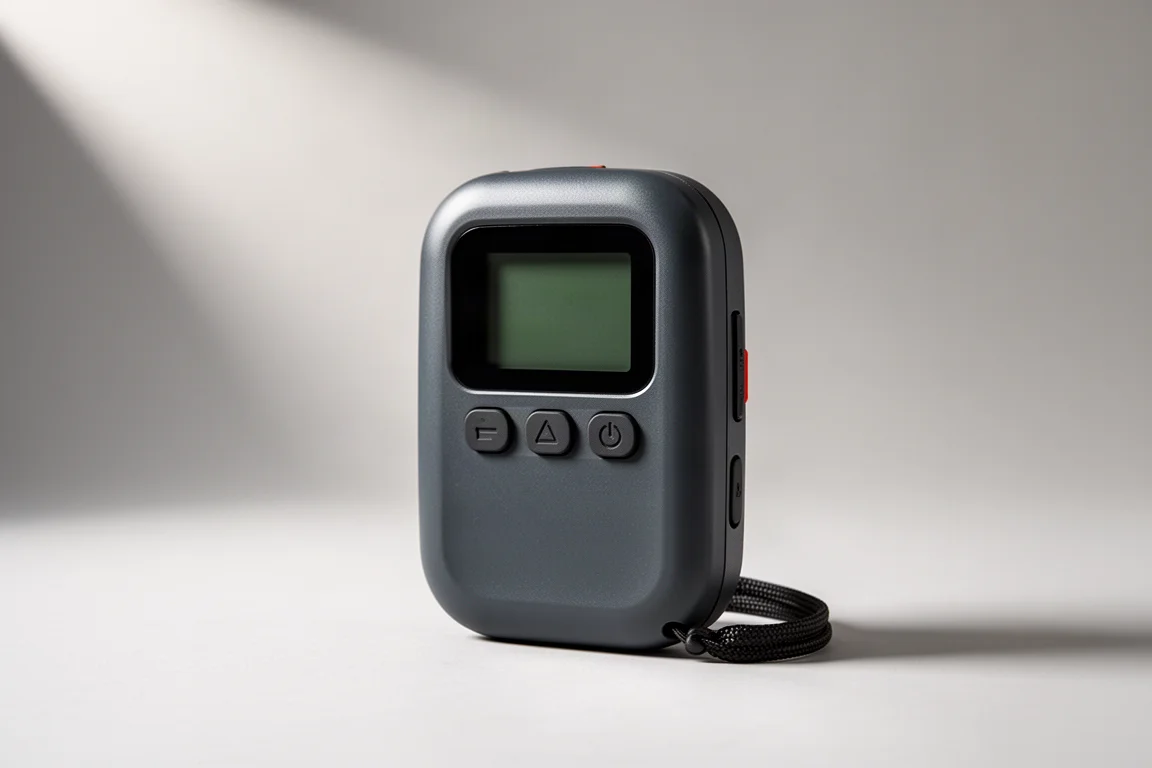
Two maintenance habits are worth building. Remove the batteries at the end of the season so they do not corrode the contacts, and treat the beacon like the expensive safety equipment it is, the same way you would store skins with skin savers to keep them in good condition.
Mammut Barryvox S: More Detail for Advanced Users
The Barryvox S keeps the same safety foundation but adds tools for users who want more control. It has a slightly larger screen and more detailed fine search functions, and it supports both analog and digital search modes.
That dual-mode capability is aimed at advanced users. In situations with a lot of signals, an experienced operator can alternate between analog and digital modes to work around interference. It is the model for guides, instructors, avalanche professionals, and anyone traveling in larger groups where precise fine search matters.
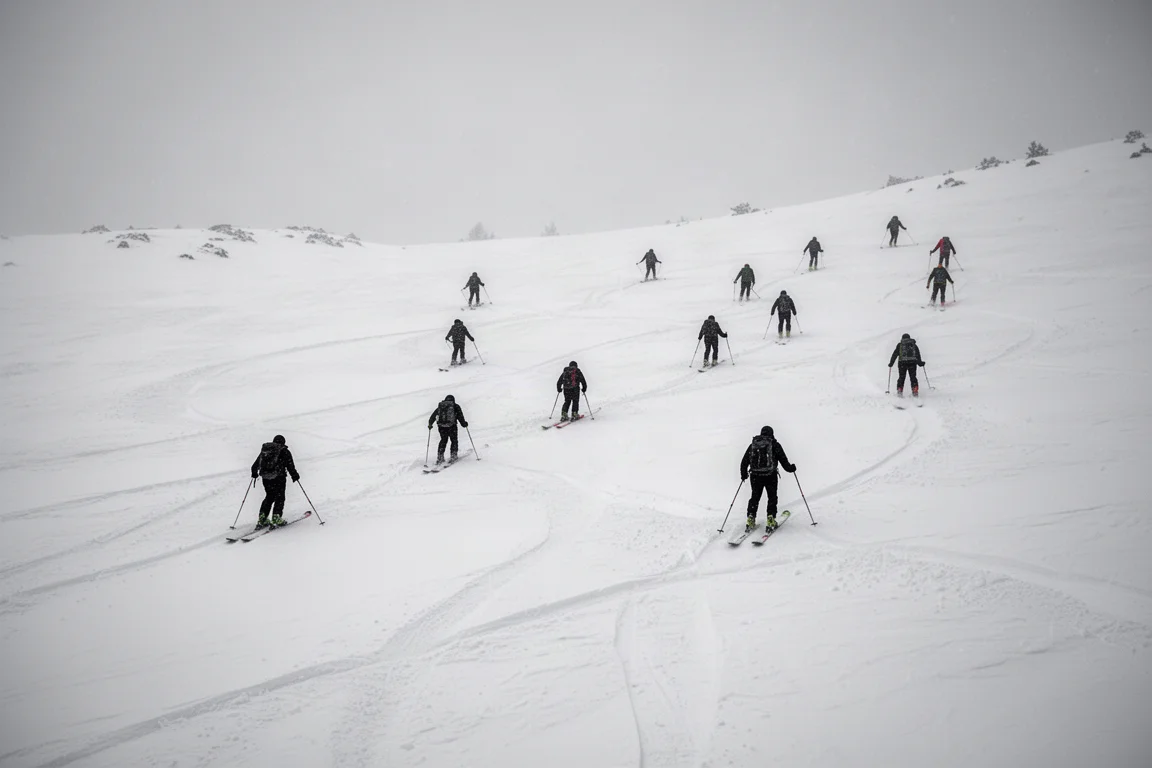
For a rider who wants a clear path to a single buried target, the base Barryvox does the same essential job with less to think about. The S model earns its place when you know how to use the extra functionality and expect to need it.
Mammut Alugator Shovels: UIAA-Certified Digging Tools
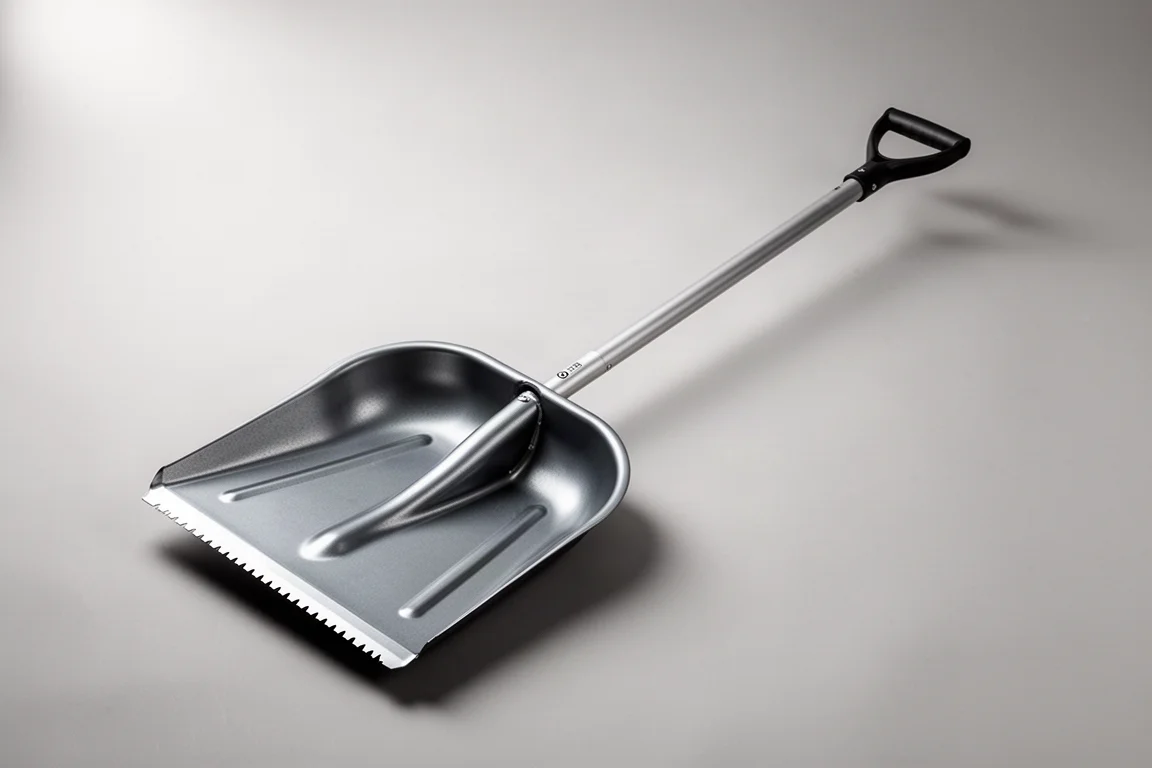
Mammut states that it is the only brand in the industry with UIAA-certified shovels. The UIAA is the same body that certifies climbing ropes and harnesses, and the certification for shovels covers minimum blade volume, twisting and pulling strength tests, and a telescoping handle that extends to at least a set length.
That last point matters for leverage. Even the smallest and lightest shovel in the range has a long handle, because a compact blade is only useful if you can still move snow efficiently. The blades have a serrated edge to bite into debris, and the grip is a T-handle.
The assembly details are thoughtful. The receiving end has a detent, so instead of hunting for a button to depress, the shaft seats itself automatically. The handle is oval rather than round, so it cannot go in the wrong orientation. In a stressful moment, seconds spent fumbling are seconds lost.
The range runs from the Alugator Ride at the entry level up to the Alugator Pro Light Hoe, which pairs a larger blade with a long handle, a D-ring sized for mittens, and a hoe mode that places the handle into the blade at 90 degrees for excavation or deep burial scenarios with multiple diggers.
Mammut Avalanche Probes: Speed Lock and Carbon Options
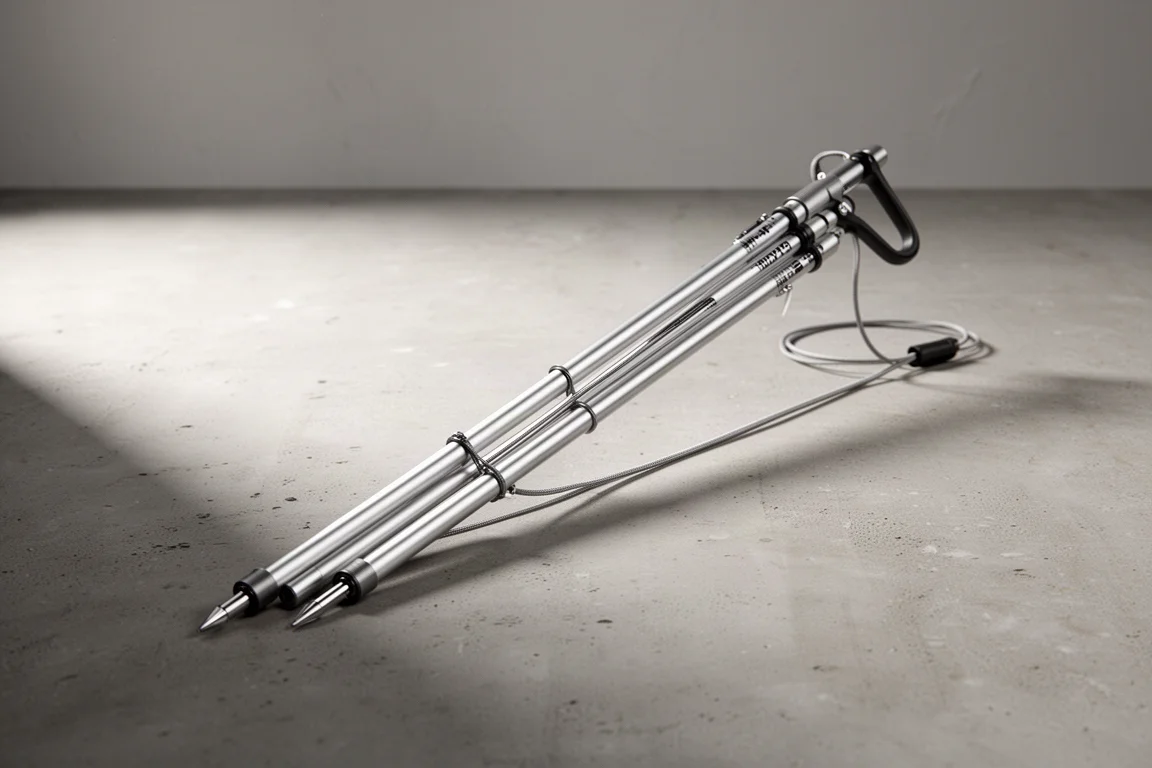
A good probe comes down to three things: ease of use, a strong locking mechanism, and minimal deflection. Deflection is what happens when a probe bends like a noodle in dense, solidified avalanche debris, and a probe that bends can break. The locking mechanism is what keeps the sections from pulling apart while you push down.
Length is a personal decision tied to your terrain. A 280 centimeter probe is a good middle ground for most areas, and 320 centimeters suits deep snowpack terrain or professional use where a deeper burial is possible. A 240 centimeter probe is lighter and works in almost every scenario, and a shorter option makes sense for low-risk environments or practice sessions in non-threatening conditions.
Mammut uses a locking system called Speed Lock, and the probe handle clips onto the shaft. Carbon versions are available, and the main difference is not weight. A carbon probe weighs about the same as the aluminum equivalent at the same length, but it is stiffer and it has a slightly more refined audible click when it locks out.
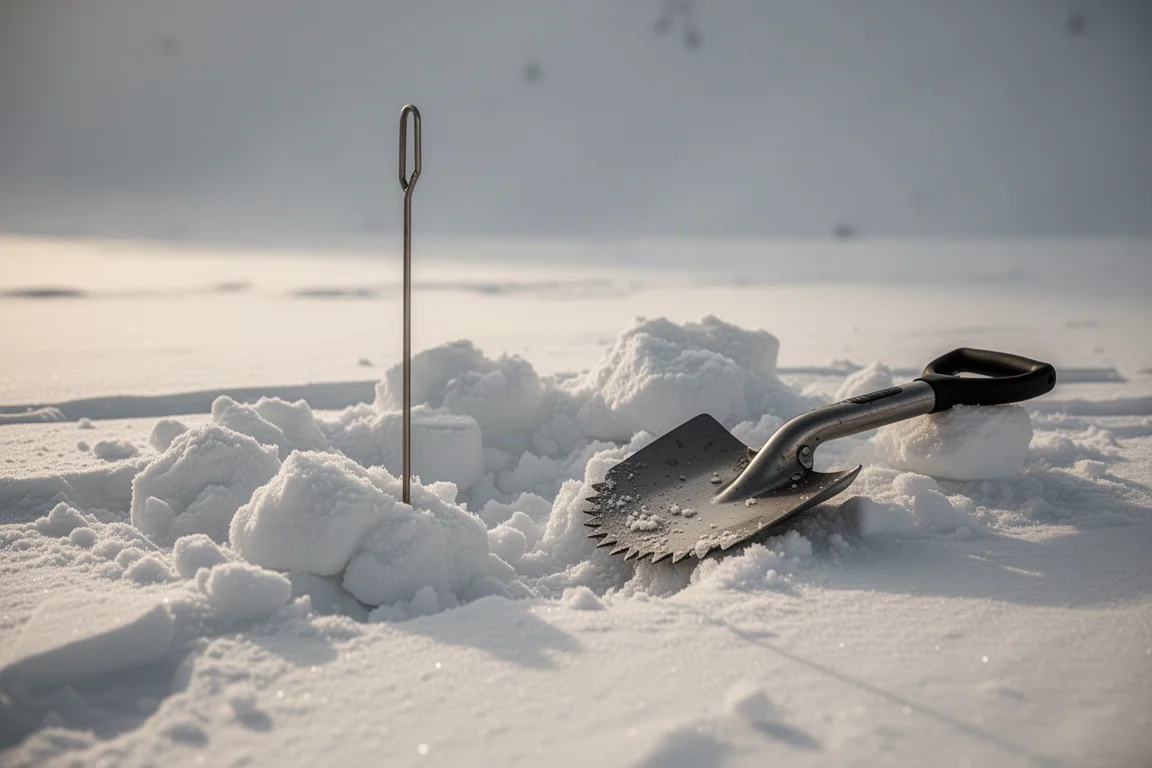
Practice deployment before your first tour. Check that your shovel buttons work and that your probe sections are not tangled, because the worst time to discover a problem is when someone is under the snow. A useful habit is to hold the top section of the probe in one hand with the string in the other, so the remaining sections fall into your fingers instead of leaving you fishing for the right one.
Mammut RAS Airbag Backpacks: A Modular Airbag System
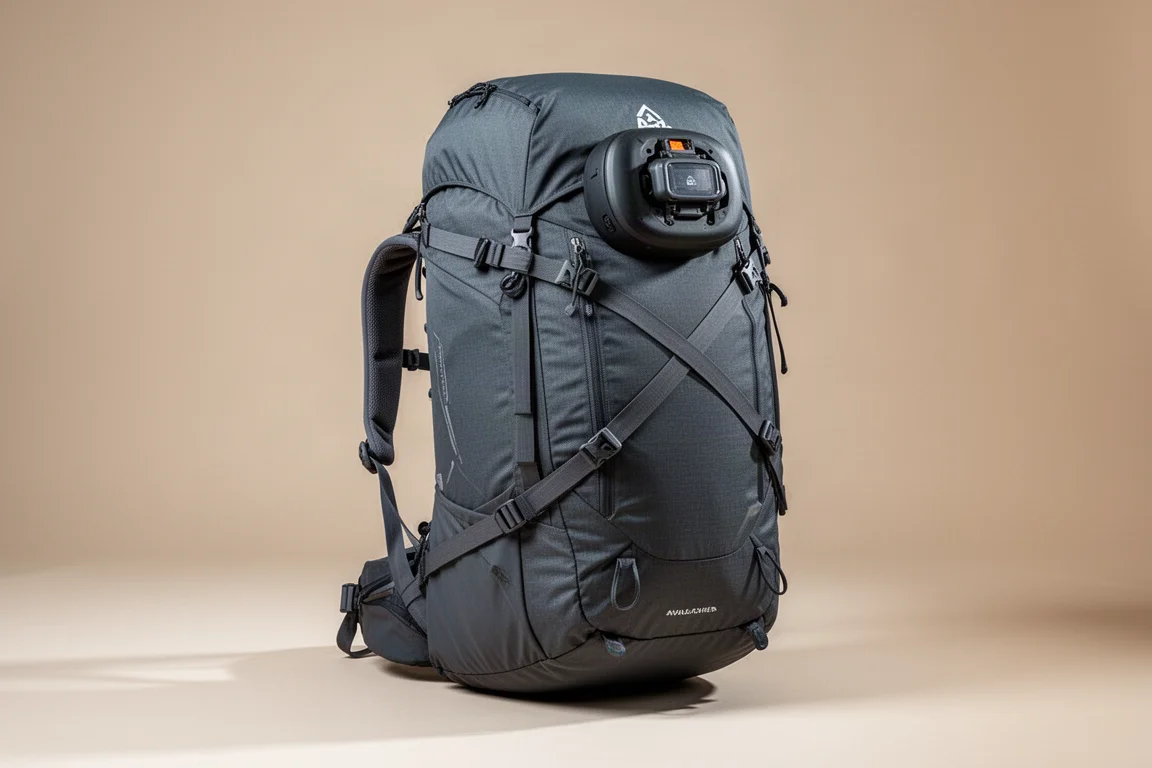
The fourth item in a full kit is an avalanche airbag backpack. Mammut offers packs built around a removable airbag system known as RAS. Because the system is removable, it can be transferred into many other brands’ backpacks, as long as those packs are RAS compatible.
That modularity is the appeal. If you already own a pack you like, or you want to move the same airbag system between a day pack and a larger touring pack, the RAS platform gives you that option rather than tying the airbag to a single bag.
Buying Advice: Kits, Care, and Pre-Season Checks
You do not have to buy the three essentials separately. Mammut offers the beacon, shovel, and probe together as kits at several levels, depending on which shovel and which beacon you choose, and buying the set together comes with a discount compared with buying each item on its own.
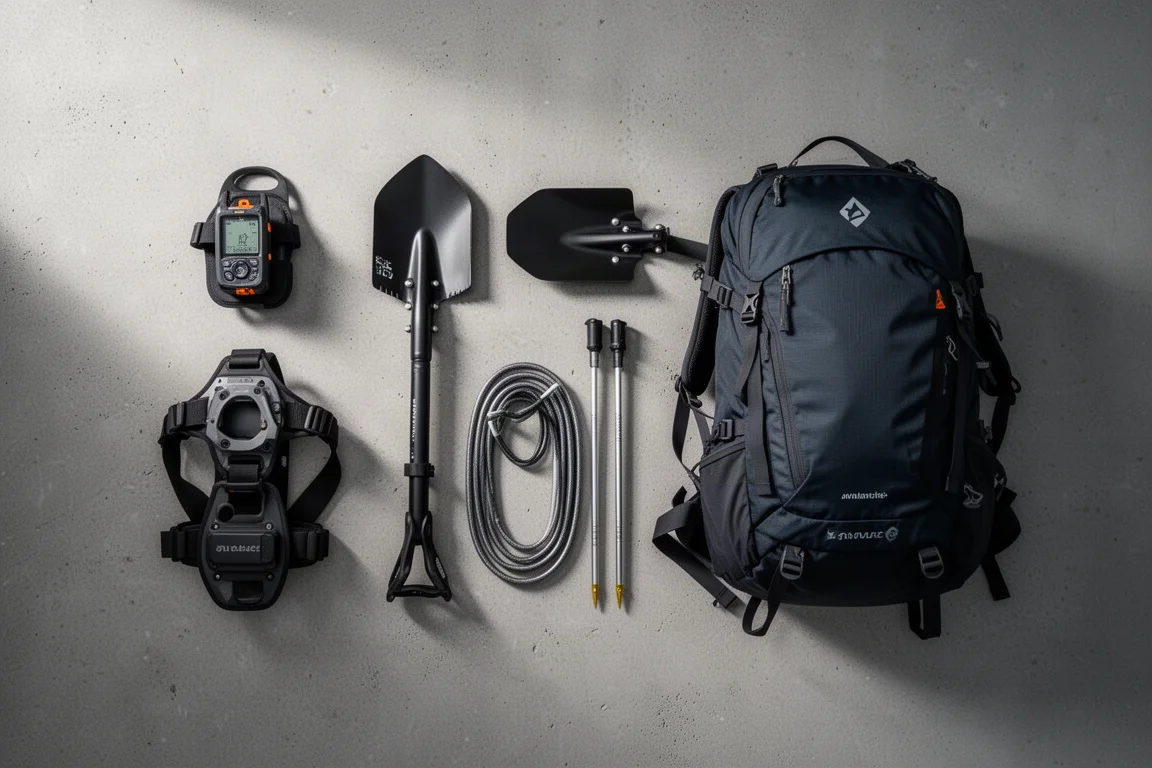
Start with the terrain and the riding you actually do. If you tour in low-risk zones and want a straightforward setup, the base Barryvox with a lighter probe and a mid-range Alugator shovel covers the essentials. If you guide, teach, or regularly travel in deep snowpack with larger groups, the Barryvox S, a longer probe, and the Alugator Pro Light Hoe match that use case more closely.
Whatever you choose, run a pre-season check. Confirm the beacon transmits and searches, confirm the probe sections lock and release cleanly, and confirm the shovel assembles the way it should. Store the beacon without batteries during the off-season so the contacts stay clean.
Conclusion
The Barryvox and Barryvox S share the same search strip width and range, so the decision between them is about how much fine search control you want, not about a safety gap. The Alugator shovels bring UIAA certification and assembly details that save time when it matters. The Speed Lock probes cover a range of lengths for different terrain, with carbon available for extra stiffness. The RAS airbag system adds a fourth layer and can move between compatible packs.
Pick the tools that fit your terrain and your experience level, practice with them before you need them, and keep them maintained between seasons.
Further reading
Related Reviews
Backpacking Gear
Building a 10 lb Base Weight: An Ultralight Backpacking Gear List
A practical walkthrough of the ultralight pieces behind a 10 lb base weight, from a 765 g pack and a roomy one-person tent to a full camp chair and a dependable water filter.

Road Bikes
10 New Road Bikes Worth Watching: Aero, Titanium, Steel and Endurance Standouts
A practical roundup of 10 new road bikes, from aero flagships chasing single-watt gains to titanium, steel and endurance platforms built for real roads.
Bikepacking Gear
11 Bikepacking Essentials for Long-Distance Cycling
Eleven bikepacking essentials for long-distance cycling, from a steel gravel frame and a two-person tent to helmet lights, packable gloves, and a frame bag that puts weight in the right place.