Climbing Gear
Mammut Assist Belay Resistor Review: Softening the Weight Gap on Sport Routes
A small all-metal accessory that adds friction at the first bolt, so a lighter belayer is not dragged into the wall by a heavier climber.
Introduction
A large weight difference between climber and belayer is one of the most common sources of unpleasant catches at a bolted crag. A heavier climber falls, the lighter belayer leaves the ground, and the result is a hard stop against the wall or a drag toward the first bolt. Mammut looked into the problem and found that around 60 percent of accidents relate to the weight difference between the person belaying and the person climbing.
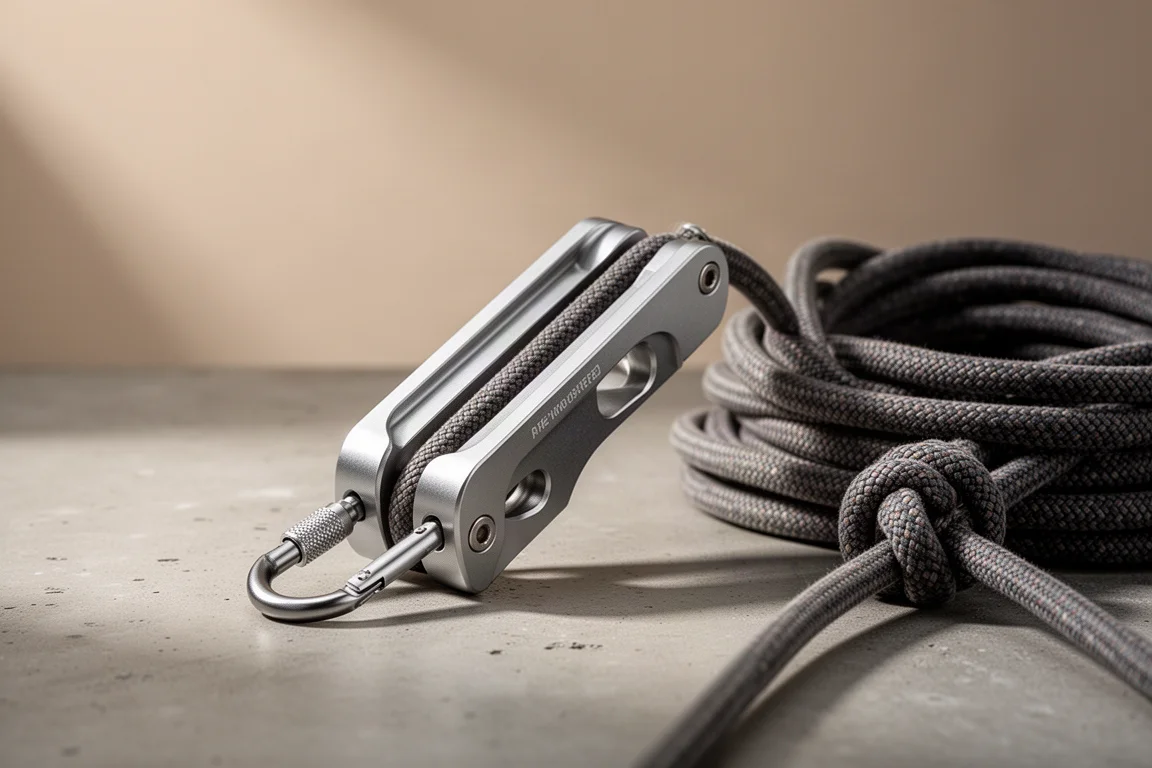
The Mammut Assist Belay Resistor is Mammut’s answer to that specific problem. It is important to be clear about what it is not. It is not a belay device, it does not go on a harness, and it will not stop a fall on its own. It is a small, solid piece of metal that goes on the first quickdraw, where it adds friction to the rope and reduces the effective weight difference between the two people on either end of it.
How the Mammut Assist Belay Resistor Works
The principle is simple. While you are climbing, the rope slides up through the device without resistance, so it behaves much like an ordinary quickdraw at the first bolt. When you fall, the device cams the rope in a way that resembles a belay device, but it does not lock the rope completely. Instead it removes a portion of the load, which is what softens the catch.
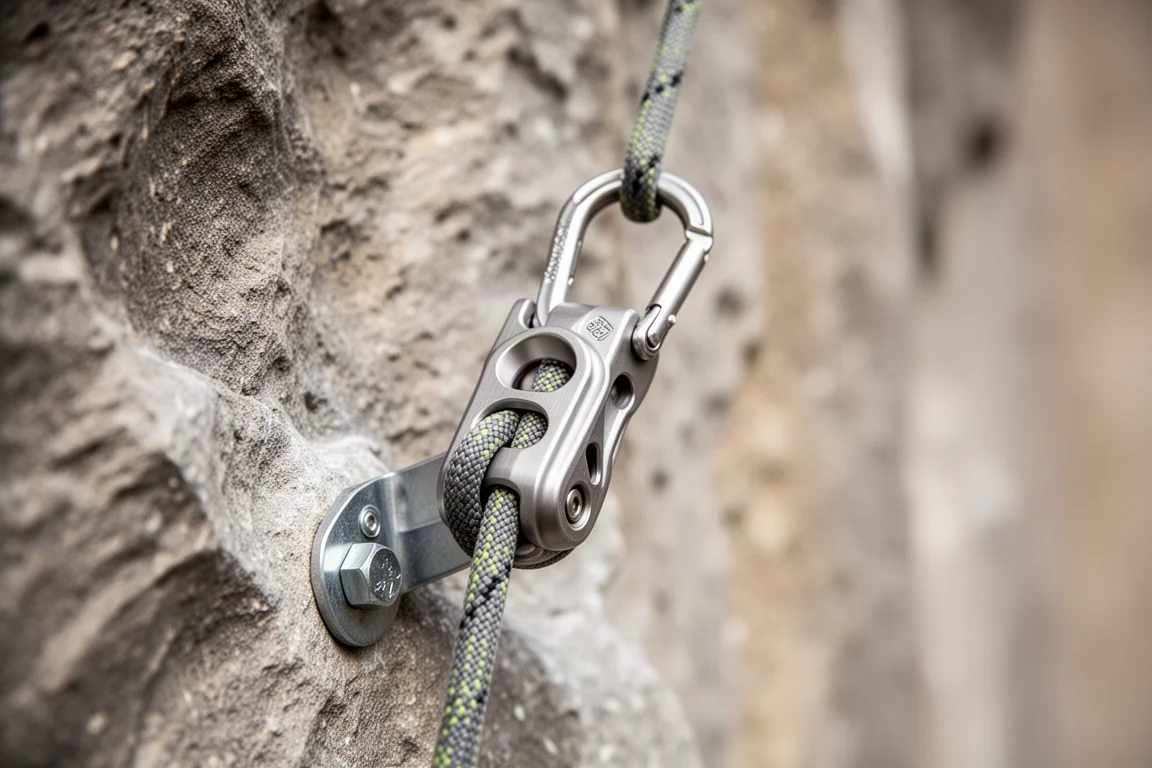
The amount of assistance depends on how the device is attached. Using a quickdraw, it takes roughly 30 to 35 kilograms of weight off. Rigging it straight into the first bolt with a screw gate carabiner and the device itself takes around 45 kilograms off. Loading it is straightforward: feed the rope in first, make sure the device is the right way around, clip it shut, then clip the carabiner. In practice you carry it on your harness with a short length of rope already threaded through it, then place it on the first bolt on the way up.
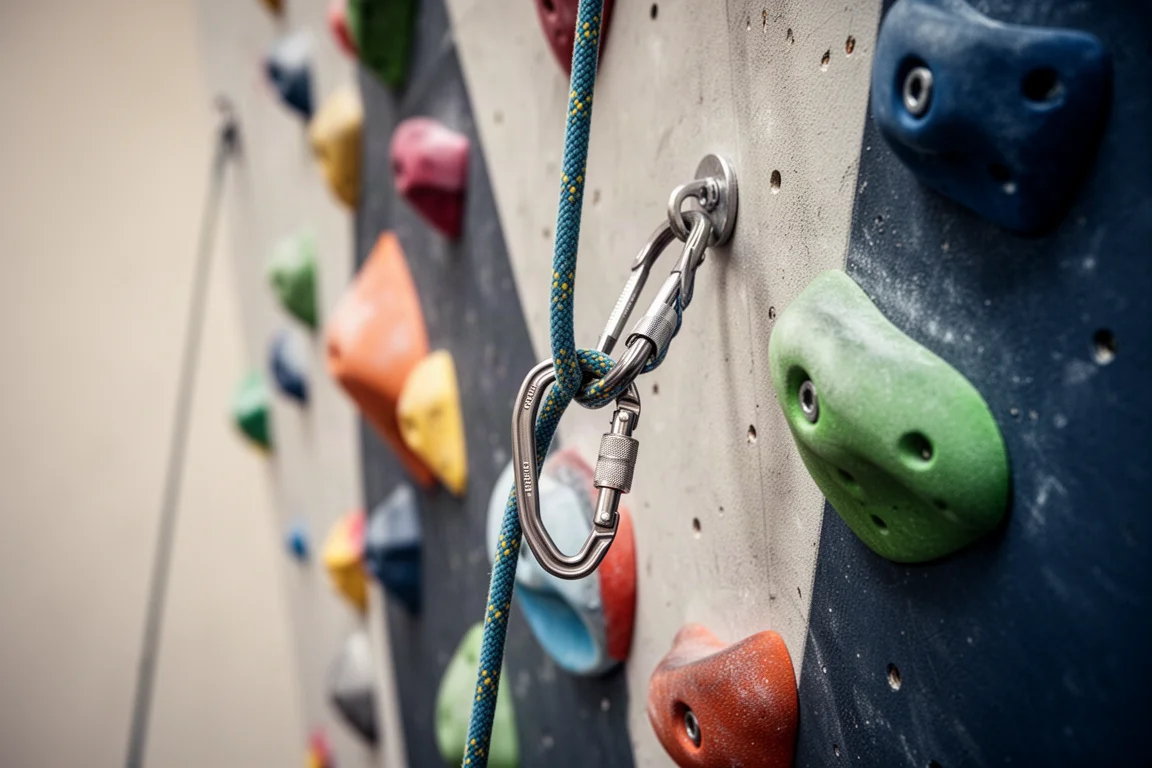
You can also fall directly onto it. If you come off before clipping anything else, the device still catches and still takes the load. There is a useful side effect for anyone who stick clips: because the device clips to a carabiner rather than directly to the bolt, a clip stick can still be used with the quickdraw as normal.
Who This Product Is For
Mammut positions the Assist Belay Resistor for pairs with a significant weight difference, and couples are the obvious example. Climbing with a child is another, since a young belayer who is keen to take the rope will find the whole experience far less alarming with the device in place.
It is worth being direct about the direction of the benefit. Lighter climbers may want one as a backup for the occasions when they end up belaying someone considerably heavier. Heavier climbers have just as strong a case for owning one, because they are the ones watching their partner get yanked off the ground on every fall.
The device belongs on bolted terrain: indoor walls and sport crags. On trad routes the concern is that a device adding friction at the first piece could lift gear out, so that is a scenario best left alone.
Main Strengths
The most striking thing about the Assist Belay Resistor is how little it interferes with climbing. Anyone who has assumed that a friction-adding device would create heavy rope drag and a stiff, unpleasant feel under the hand will find the opposite. It runs cleanly while you are climbing, and only engages when a fall actually happens. That means a climber who wants slack still gets slack.
It also preserves the quality of the catch rather than simply making everything hard. Belayers can still move back and forth, or add a small jump, to soften the stop, and the device reduces the risk that this movement ends with them hitting the first bolt. The result is a softer catch with a genuine margin of safety, which is exactly the combination that is difficult to achieve through technique alone when the weight gap is large.
Build quality supports that confidence. The unit is all metal, feels solid in the hand, and the components engage with a reassuring clunk. At 220 grams it is not the lightest option on the market, but it is far from the heaviest, and it feels compact and nimble. Weight matters less here anyway, since the device only ever travels as far as the first bolt.
Rope Compatibility and Everyday Handling
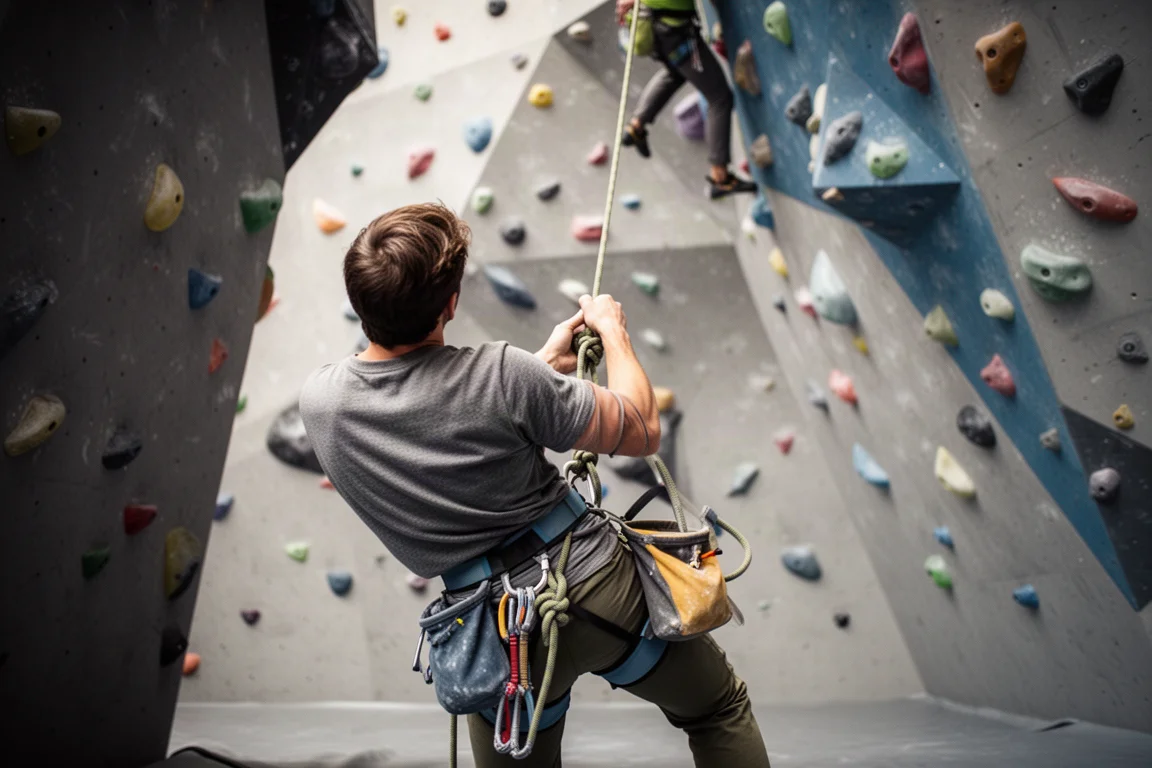
Mammut recommends ropes between 8.7 and 11 millimetres, which covers the overwhelming majority of what people actually climb on. A 9 millimetre rope works cleanly, and most climbers sit somewhere between 9 and 9.5 millimetres, so compatibility is unlikely to be a practical obstacle.
There is one handling habit worth building. Indoors, all the draws are usually in place, and it is fine to clip above the first bolt with the quickdraw left in position. Outdoors at a sport crag you strip your draws as you lower off, and that is the moment to retrieve the device. It is far easier to collect it on the way down while you are still attached to the rope than to scramble back up for it later. One quirk to know about: after you are lowered to the ground and no longer loading the rope, the device can remain jammed at the first bolt. A quick tug on the rope produces enough bounce and slack to free it completely, and the rope runs smoothly again.
Things to Consider Before Buying
The main thing to internalise is that this is an assist, not a substitute for good belaying. It does not stop the rope and it does not remove the need for full attention on the other end.
Beyond that, the trade-offs are modest. At 220 grams it is not the lightest device of its kind, and the retrieval habit described above takes a little discipline to establish. On trad routes it is not a sensible addition. And if there is no meaningful weight difference in your partnership, there is no problem for it to solve.
Some climbers worry that a friction device will produce an uncomfortably hard catch. In use, soft catches remain very achievable, because the belayer still has room to move and jump without the fear of being pulled into the wall.
Buying Advice
The decision usually comes down to who in the partnership should carry it. Being the heavier climber, the case for owning one is strong: the discomfort of slamming a lighter partner into the wall is not something most people enjoy repeating, and the device removes that risk without asking the climber to change how they climb.
The Assist Belay Resistor also comes in at a more cost effective point than most of the comparable devices on the market, which makes it easier to justify as a piece of shared kit rather than a personal luxury. If you regularly climb with someone whose weight differs significantly from your own, whether indoors or at a bolted crag, this is a small, well-made addition that quietly solves a real problem.
Conclusion
The Mammut Assist Belay Resistor does one job and does it well: it reduces the effective weight difference between climber and belayer so that falls end in a soft catch instead of a slam into the wall or a drag to the first bolt. It is not a belay device, it does not replace attentive belaying, and it is not aimed at trad climbing. For pairs with a genuine weight gap, and particularly for heavier climbers who dislike watching their partner get pulled off the ground, it is a solid, all-metal, easy-to-use piece of kit that stays out of the way until the moment it is needed.
Product link
View more details for Mammut Assist Belay Resistor
This product is mentioned in the review. Check the specifications, options, and compatibility before buying.
View more details for Mammut Assist Belay ResistorFurther reading
Related Reviews
Climbing Gear
Adam Ondra's Climbing Kit: Bags, Harnesses, Quickdraws, Shoes and Rope
A practical look at eleven pieces of climbing gear used across limestone and gritstone, from crag bags and harnesses to quickdraws, shoes and rope.
Climbing Gear
Blakpad VS and Eon Knee Pads: Which One Suits Your Climbing?
A close look at two specialist climbing knee pads from Blakpad, the flexible VS and the more rigid Eon, and how to decide between them.
Climbing Gear
DMM Cortex Review: A T-Rated Ice Axe Built for Technical Winter Climbing
A close look at the DMM Cortex, a 50cm single-piece forged ice axe with T-rated pick and shaft, modular heads, and a reassuringly solid swing.