Backpacking Gear
Maker-Designed Backpacking Gear: Nine Products Tested in the Arizona Desert
Nine maker-designed backpacking products tested over an overnight in the Arizona desert, with what stood out and what to check before buying.
Introduction
The outdoor gear market has quietly changed. A growing number of well-known outdoor personalities have moved from talking about gear to designing and selling it, and several have built full brands around a single product they wanted but could not find.
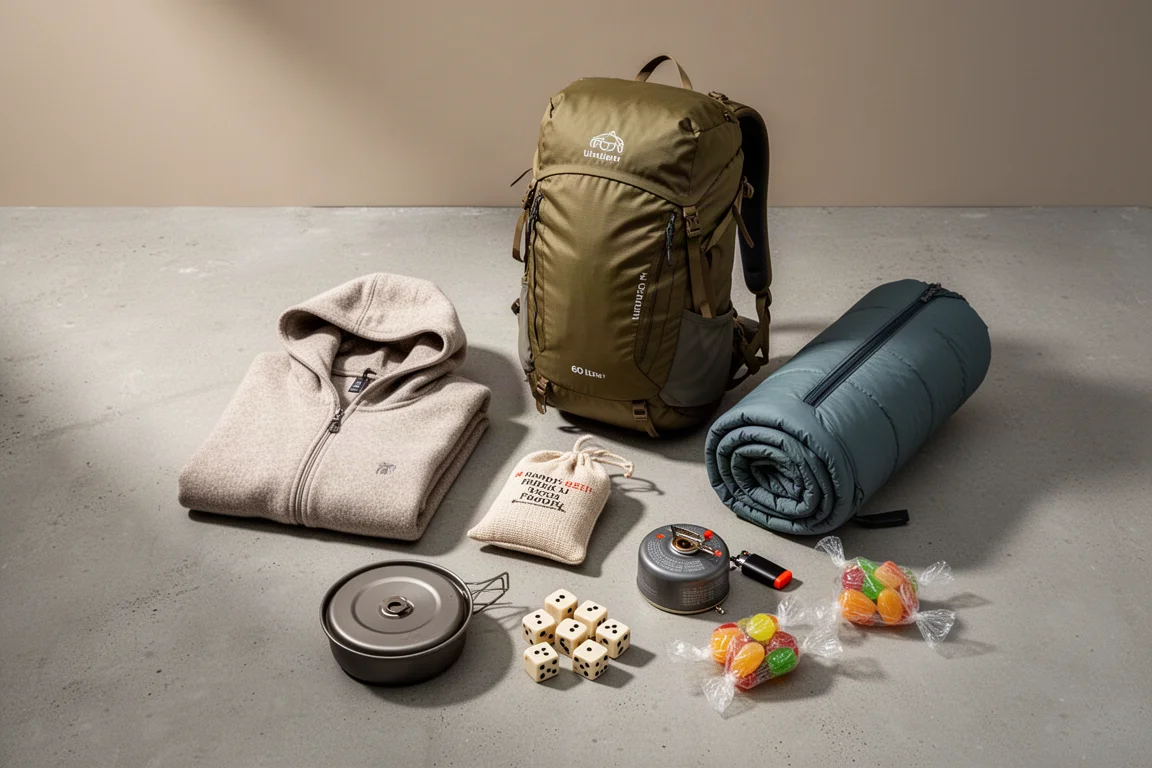
This guide covers nine of those maker-designed products, all put through an overnight backpacking trip in the Superstition Wilderness in the Arizona desert. It was a hot, sunny fall day, and a week of heavy rain had left water running in the canyons and the desert greener than usual. That combination made it a genuinely useful test bed: exposed sun, real climbing, and a pack deliberately loaded heavier than a typical overnight kit.
How to Think About Maker-Designed Gear
The common thread in this category is intent. These products tend to exist because someone who backpacks constantly wanted a specific thing and could not buy it, so they made it themselves. That usually shows up in the details rather than the headline spec: a longer zipper, a pocket in the right place, a shape that is easier to use with cold hands.
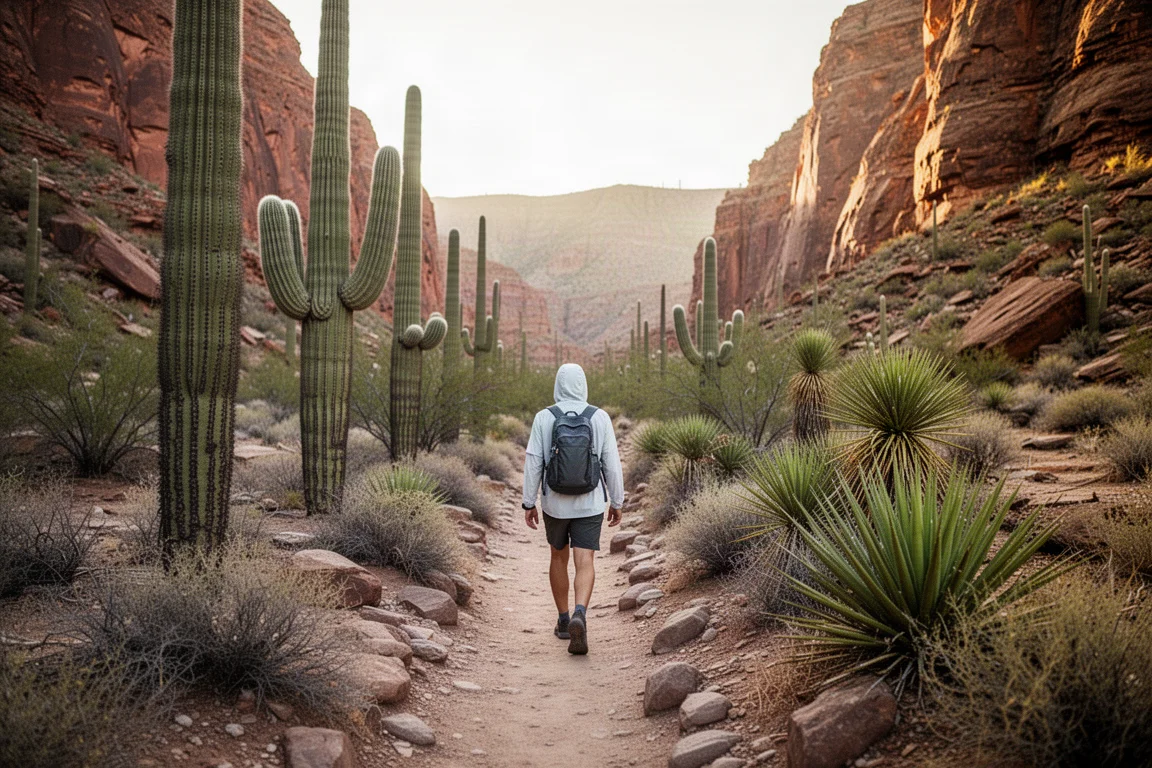
Judging them is not so different from judging any other gear. The questions worth asking are whether the product carries a load well, whether it suits the conditions it was designed for, and whether its unusual features solve a problem you actually have. On this trip, everything was tested under load on a roughly six and a half mile approach, used through a night at camp, then packed up and carried out the next morning.
Evolved Supply Co. Mirage Sun Hoodie
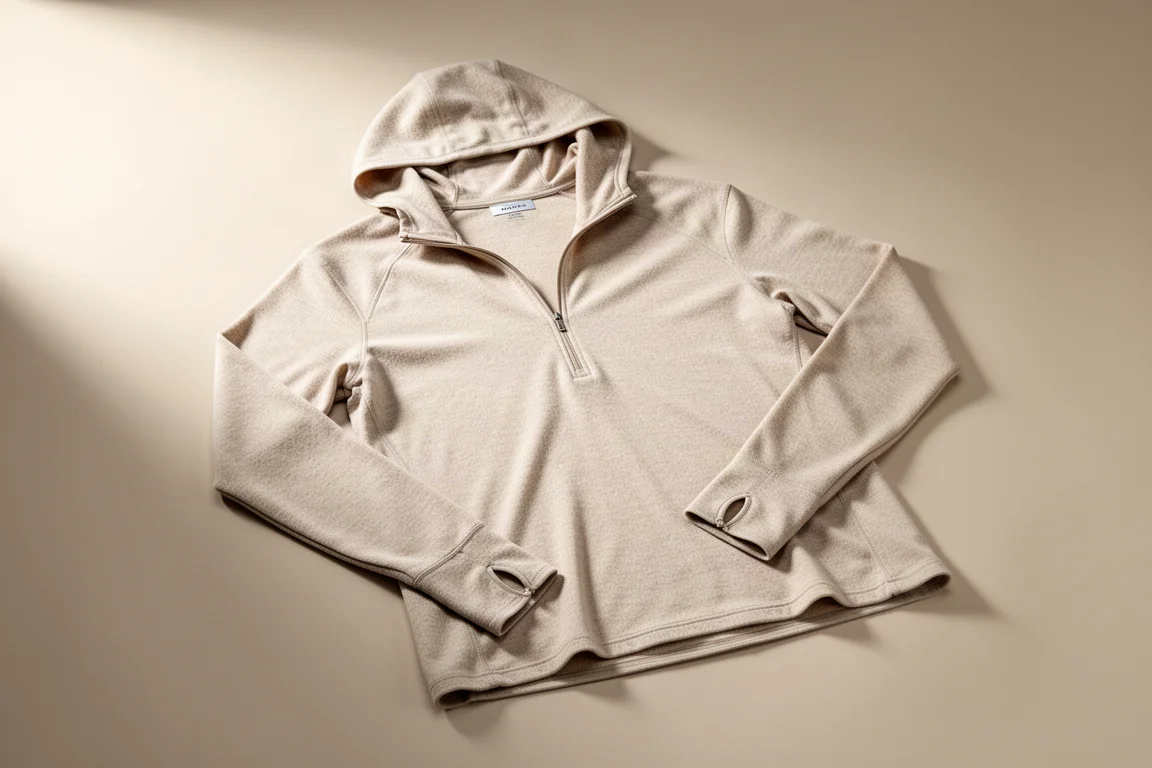
The Mirage is a wool sun hoodie developed by Evolved Supply Co. in partnership with Zpacks. It is a quarter zip with an unusually long zipper, so you can close it all the way to the chin for full neck coverage or open it down for ventilation when the sun is directly overhead.
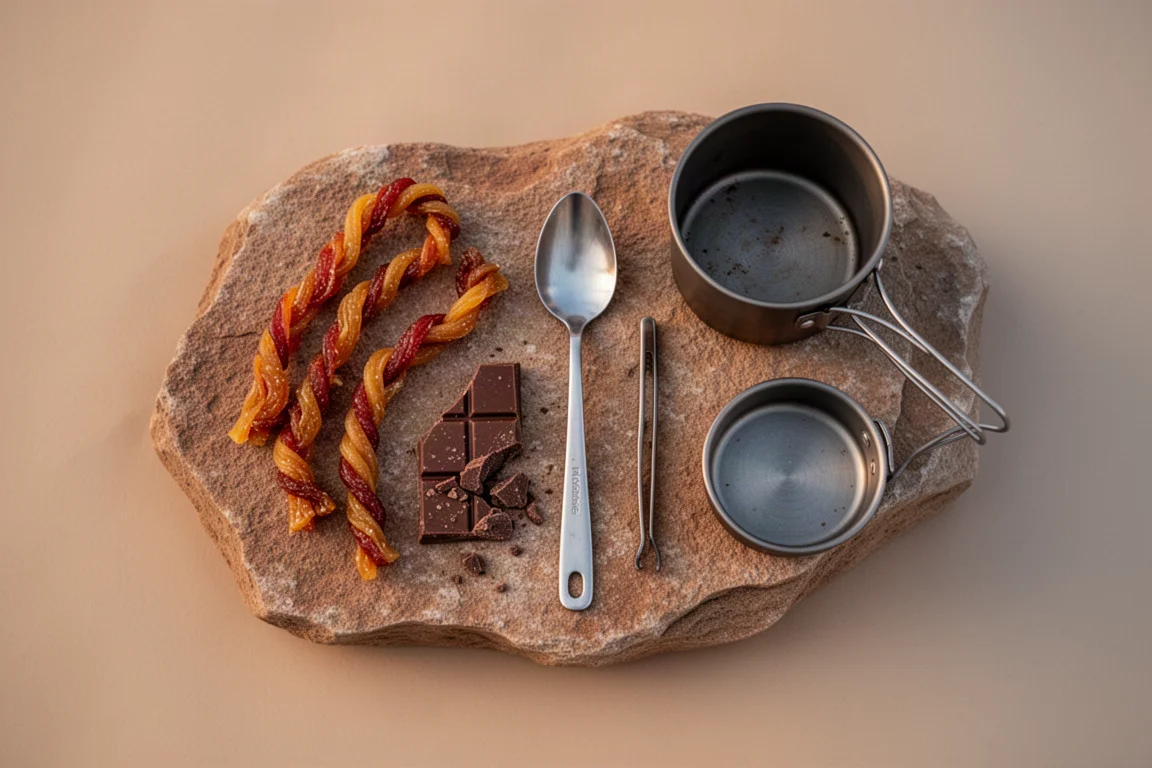
Thumb holes at the cuffs let you pull the sleeves over your hands without gloves, which matters more than it sounds on exposed desert terrain. In hot, direct sun the fabric stayed breathable and comfortable rather than clammy, and it did the main job a sun hoodie has to do: keep you cool while keeping the sun off. The same brand also supplied a long-handled spoon, which came with a small pouch that keeps it clean and doubles as a wipe, and a pair of synthetic insulated camp booties lined with fleece.
Outdoor Vitals Shadowlight 60 Backpack
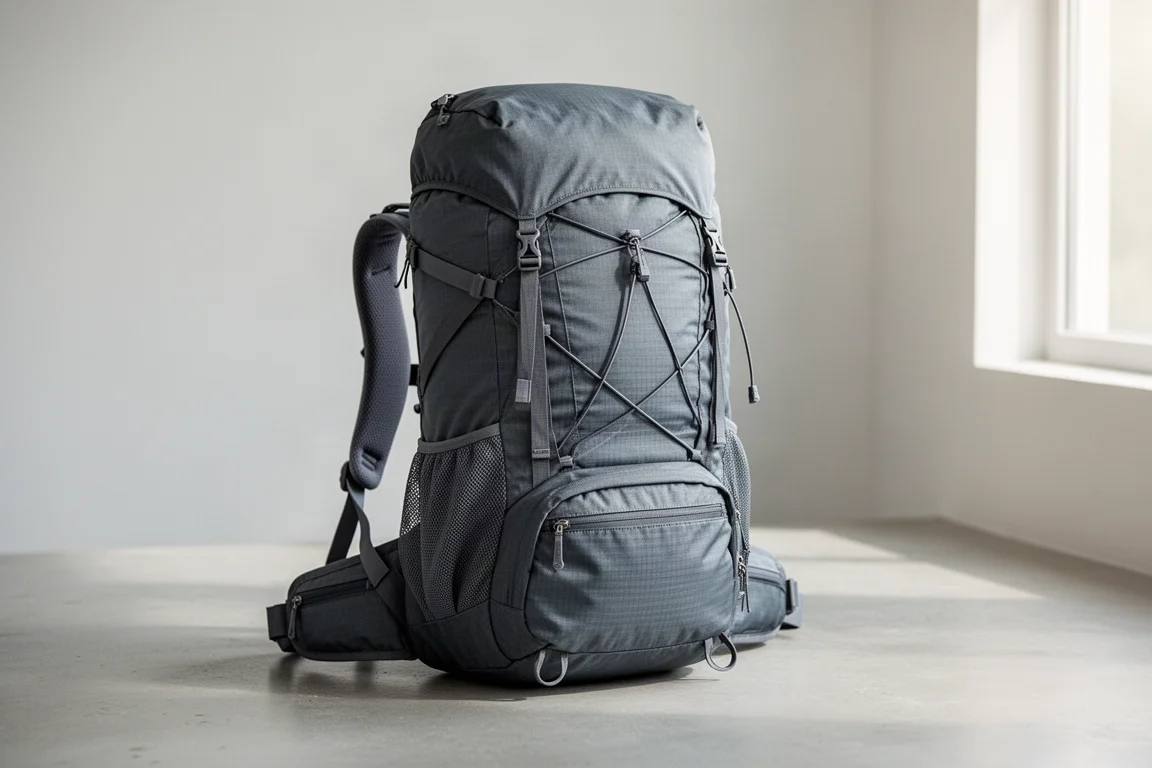
Outdoor Vitals built the Shadowlight 60 around a specific promise: a 60 litre ultralight pack that stays comfortable with up to 40 pounds on board. That is unusual in this class, where most packs in the same weight range start to feel strained somewhere around 30 pounds.
It carried a fully loaded pack, with extra water added on purpose, without the shoulder or hip discomfort that usually shows up at that weight, and the fit was easy to dial in. At around 2 pounds and $275, the feature set is unusually complete for the money.
The main body holds roughly 49 to 50 litres, with the remaining capacity coming from exterior storage. Two side pockets each take a one litre bottle, two drawcord pockets near the top are larger than the lower stretch pockets, and there are two big hip belt pockets. The standout detail is a pair of long stretch pockets running down the front with a zipper between them that opens directly into the middle of the main compartment. That proved genuinely useful at camp: items packed on top of the sleep system could be reached without unpacking the whole bag. It is available in multiple sizes that can be matched to your torso.
Outdoor Vitals Summit 15 Sleeping Bag
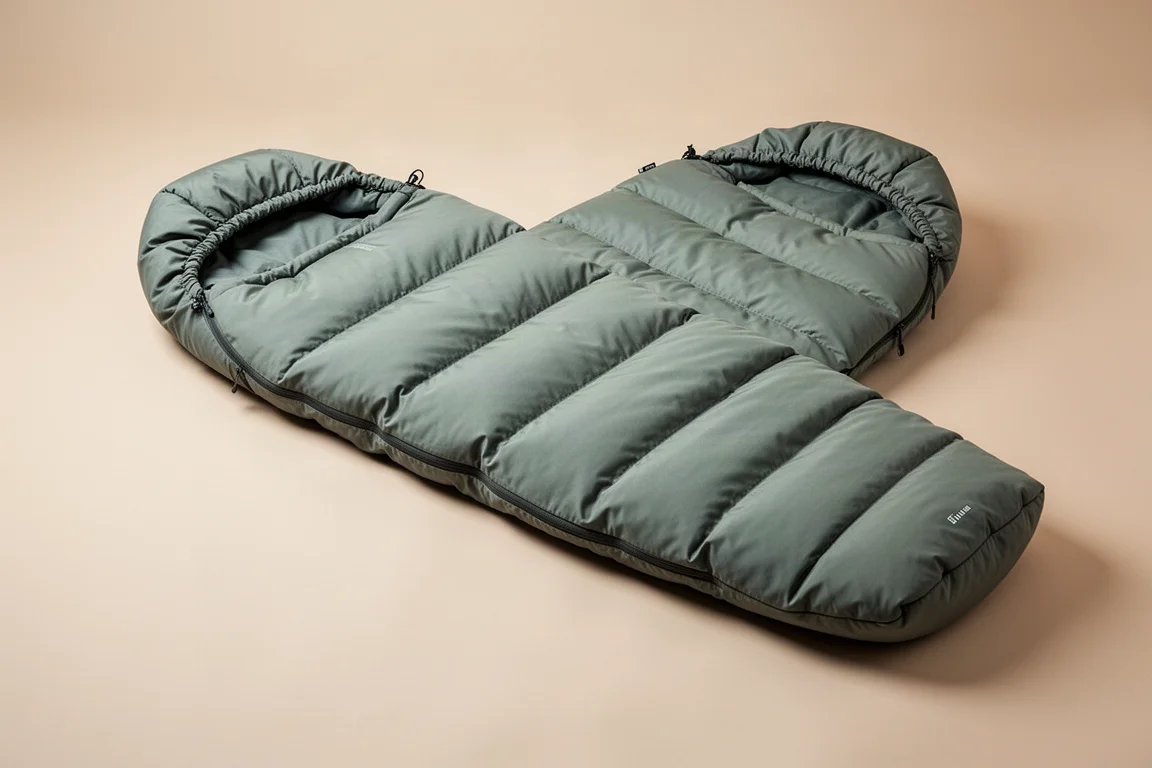
The Summit 15 takes a different approach to a mummy bag. Instead of a side zipper, the zipper runs down the center of the bag from roughly the halfway point up to the hood, and a large baffled collar wraps around the neck on both sides of that zip. You close the center zipper, then fasten the collar around yourself.
Other details are thoughtful. A small hook-and-loop pocket near the chest fits a battery pack, or a hand warmer if you want extra warmth close to the body, and the toe box is notably roomier than most mummy bags. It is available in 15, 30 and 0 degree versions.
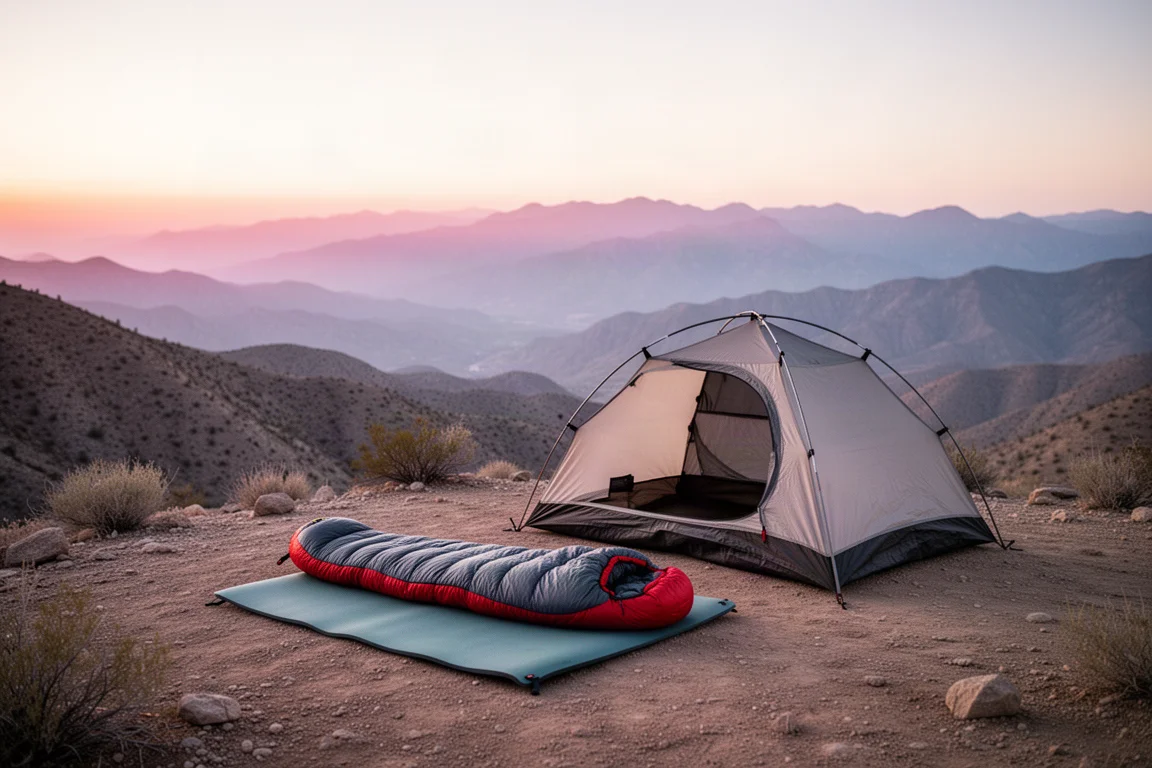
On a cool desert night it was genuinely cozy. With the bag rolled over, the center zipper sat in front, which made it easy to tuck the bag around the body, and the same zipper could be opened at the top or partway down near the hips to vent. The design makes the most sense in colder conditions, where the center zip and the large collar would hold in more warmth than a side zip. For milder trips, a quilt or a bag with a side zip and more venting options may still be the more versatile choice.
Backcountry Exposure Mesa Bag
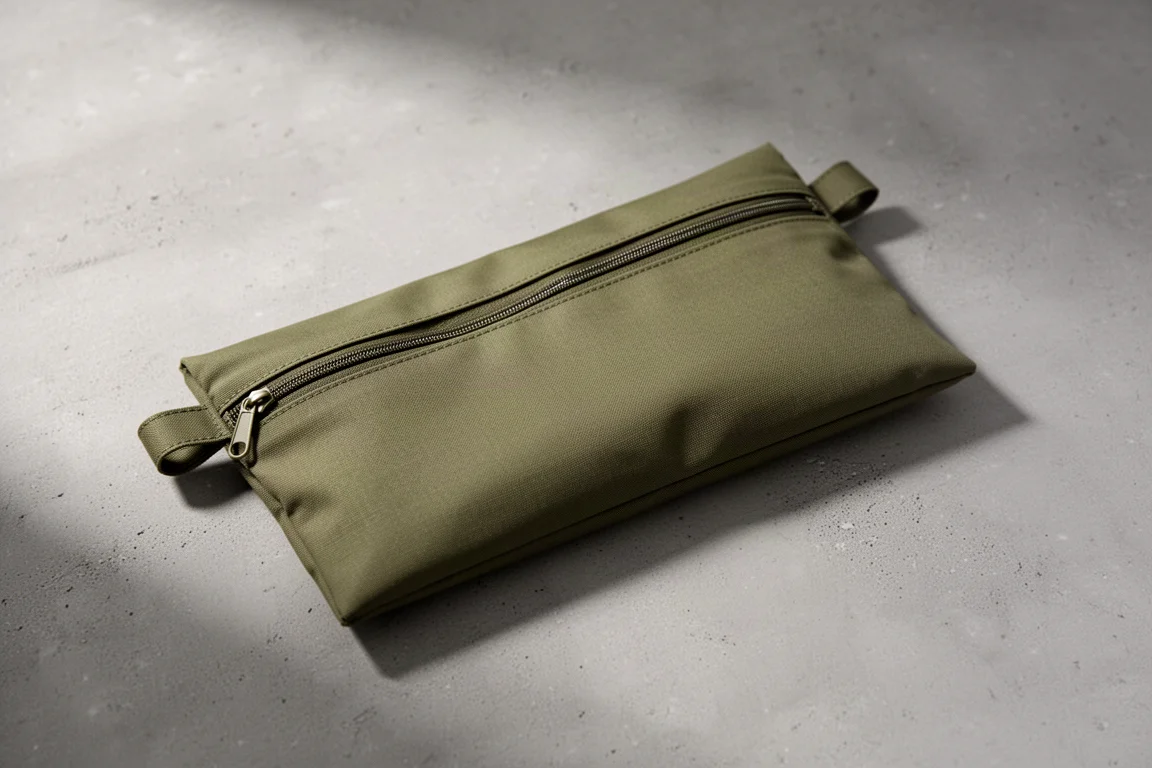
The Mesa Bag is a handmade food bag from a maker who works as a backcountry guide. It is square sided with a long zipper across the top, and the gussets that create the rectangular shape are the whole point: the bag opens wide and stays open, so you can see and reach everything inside without digging.
It comes in a wide range of sizes, and several can be nested inside a pack for different meals or different days. A lunch of jerky, dried steak, crackers and a tin of fish fit comfortably with room to spare, and the wide opening made it easy to take one item out at a time.
Justin Outdoors Pika Pot Lid
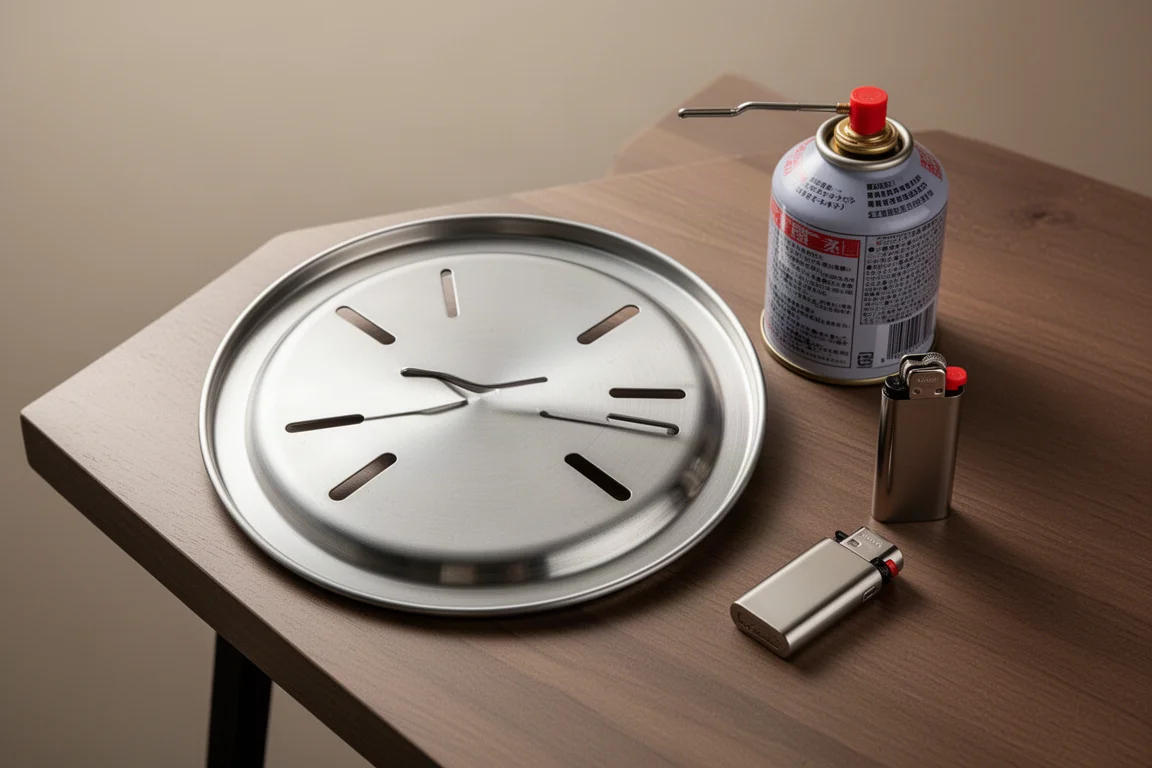
The Pika Pot Lid is a replacement lid for one of the most common backpacking pots. Its first trick is storage: lift the lid off the pot and it holds a small fuel canister, with room underneath that canister for a mini lighter. That is a meaningful space saving in a cook kit.
The second feature is cleverer still. A spoon or spork slots into the lid and acts as a handle, so you can pour hot water straight out of a handleless pot without carrying a separate pot grabber. It is a simple idea that removes an item from your kit. One limitation worth knowing: if your utensil has a trail brush attachment on the handle end, it will not pass through the slots in the lid.
Grim Granite Survive the Woods Dice Game
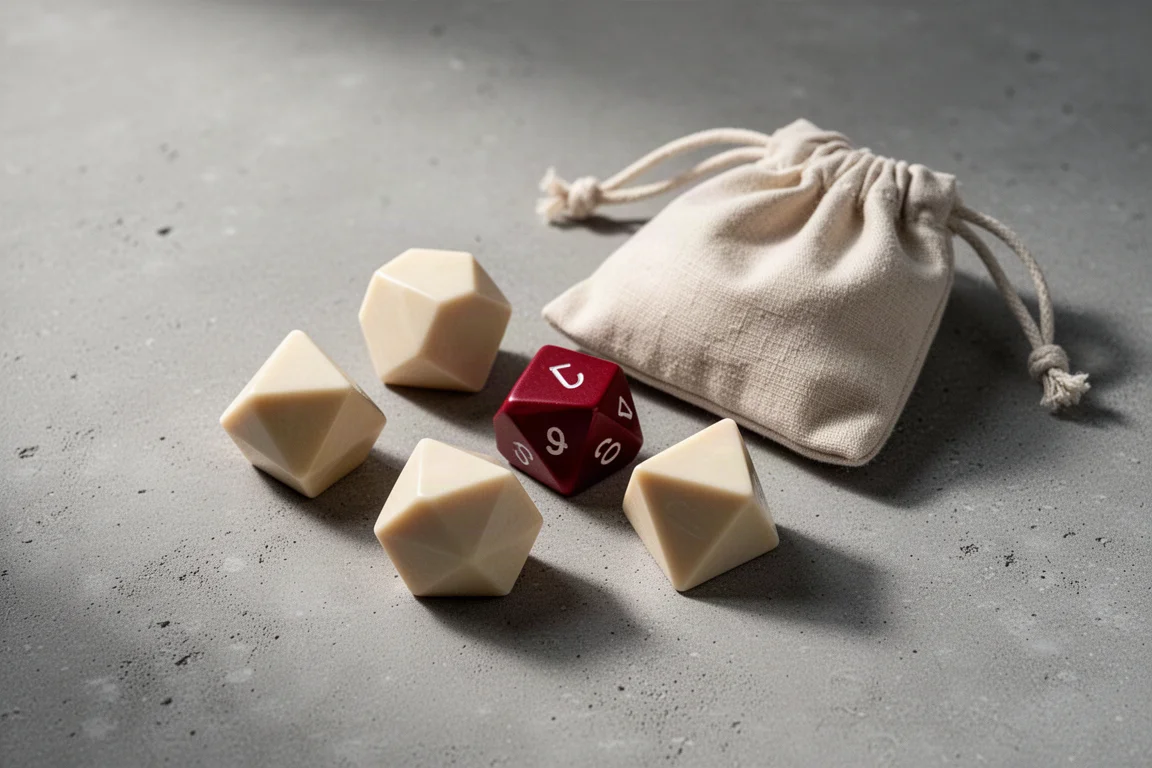
Survive the Woods is a dice game with a bushcraft flavor, created by a maker known for survival and outdoor skills work. The goal is to get out of the woods before you run out of rations or days.
The dice themselves are 3D printed to look like bone fragments, and a separate red die drives the turns. Rolls on the bone and blood dice determine which action dice you use, whether that is foraging, hunting or using a tool, and each result moves your supplies and your escape attempt forward or backward. A round moves quickly, it needs only a flat patch of ground, and it packs down to almost nothing.
Feastables Peanut Butter Bar
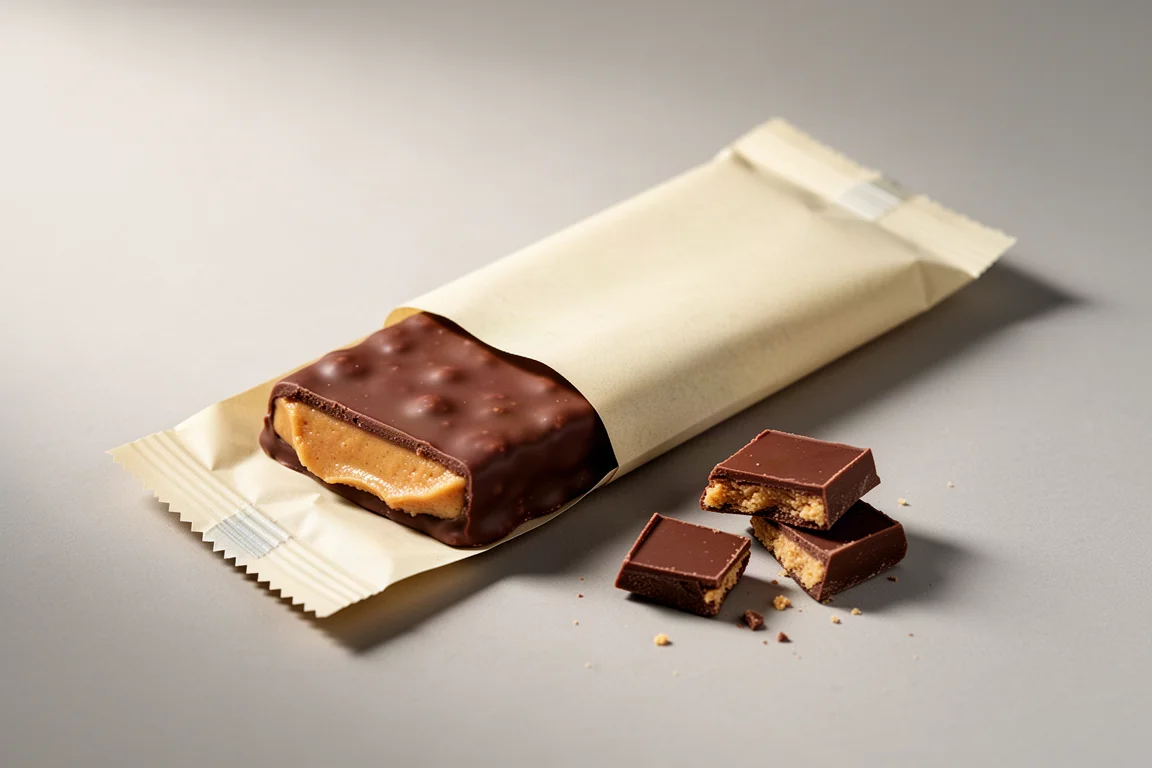
The Feastables peanut butter bar is a chocolate and peanut butter bar in the style of a classic peanut butter cup. The flavor is familiar and genuinely close to the standard version, close enough that telling the two apart side by side is hard.
The bigger issue on the trail is the format. By the time it came out of the pack it had crumbled into loose pieces inside the wrapper, which makes it awkward to share and messy to eat. It works as a sweet treat, but it does not stand out enough to be worth carrying over a bar you already like.
Joyride Cherry Berry Ropes
The Cherry Berry Ropes are soft, chewy fruit ropes with a cherry berry flavor. They eat easily, hold their shape in a pack, and carry a note that they are a good source of prebiotic fiber, which is a rare claim for a candy. For a quick sugar hit late in a long day, they do the job well.
Joyride Sour Strawberry Strips
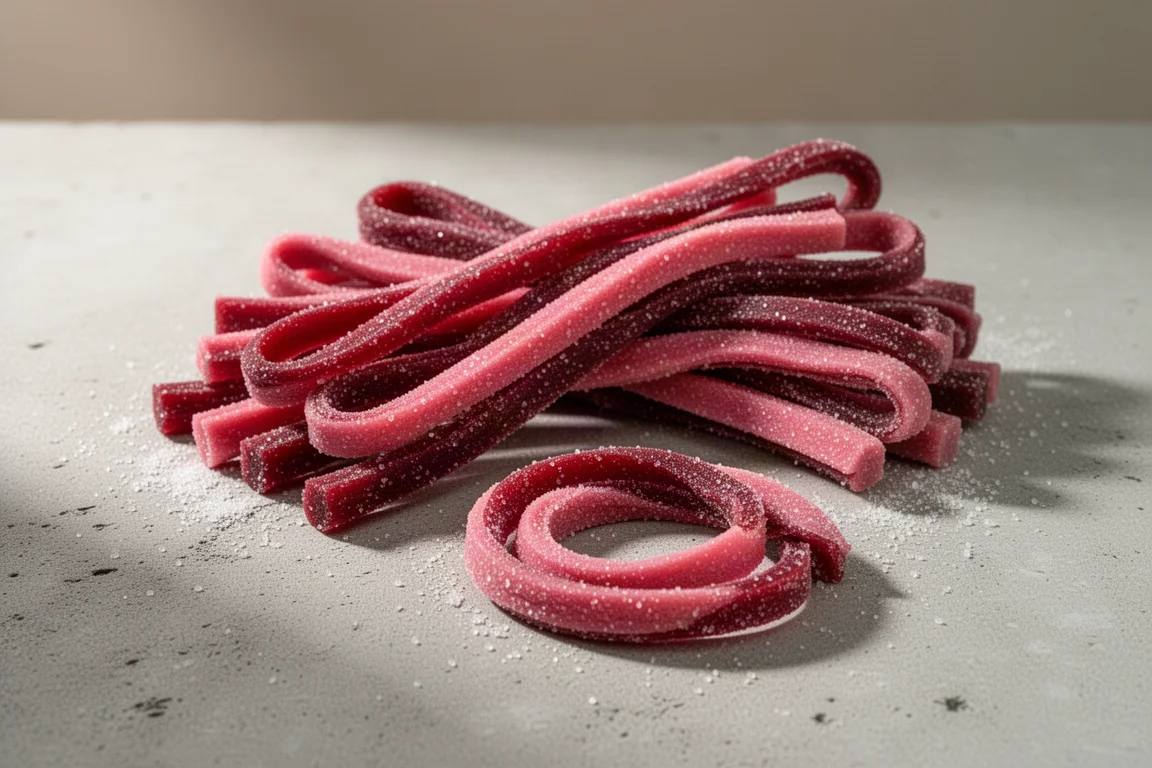
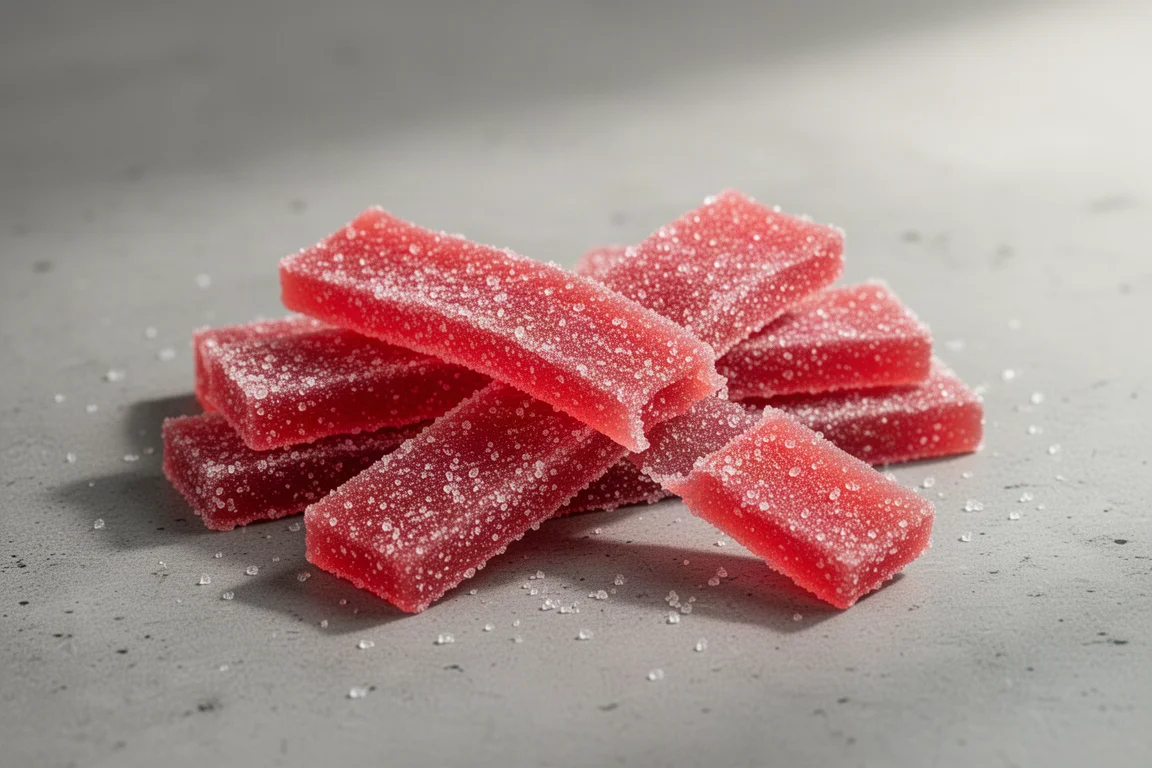
The Sour Strawberry Strips are the sharper option from the same brand: sour up front, sweet on the finish, and strong enough that a single strip goes a long way. They also held up better in a pack than the chocolate bar did.
Two small annoyances are worth mentioning. The strips tend to stick together in the bag, so you end up peeling them apart, and the sour coating clings to your teeth for a while afterward. Neither is a dealbreaker if you like sour candy.
Overall Buying Advice
None of the nine products here felt poorly designed. The pattern across the whole group is that the people behind them backpack constantly, and the gear reflects problems they ran into themselves rather than a marketing brief. That is a good sign, but it does not make every product right for every trip.
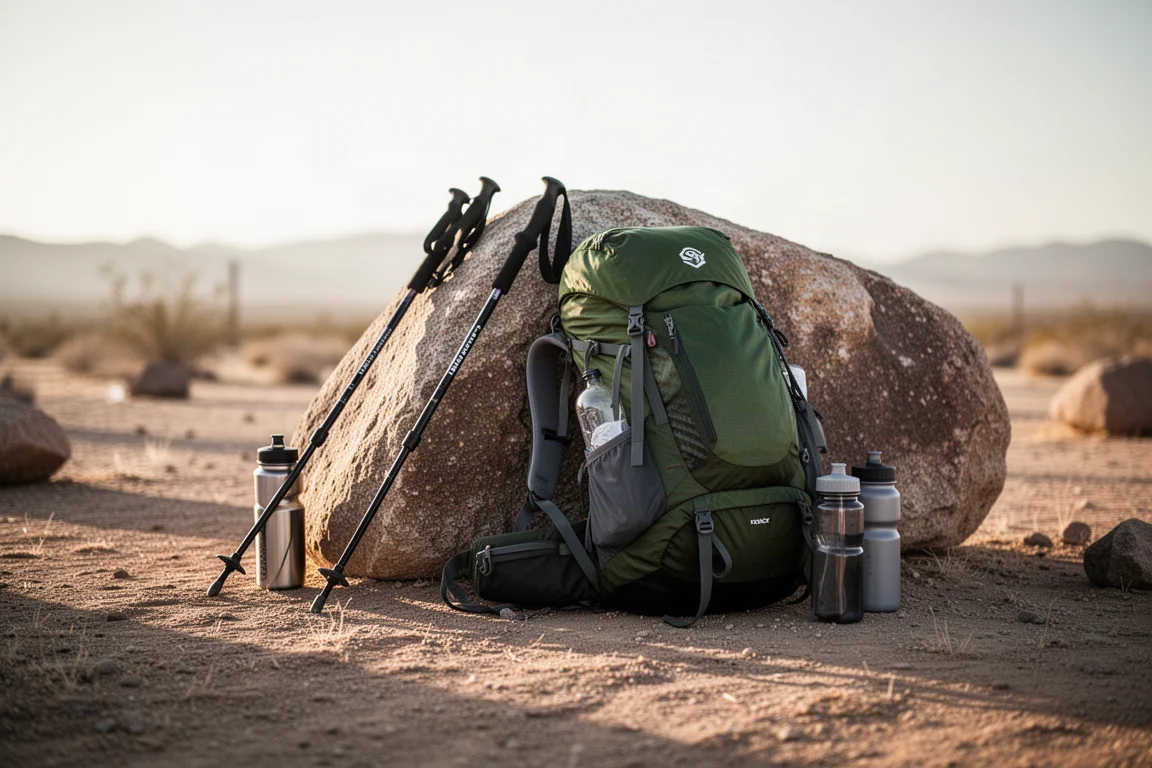
The practical approach is to buy for the trip you actually take. A 60 litre pack that stays comfortable at 40 pounds is worth the weight only if you regularly carry that much. A center zip sleeping bag pays off in cold conditions and is less versatile in mild ones. A wool sun hoodie is a specialist item for exposed, sunny terrain. A square-sided food bag earns its place if you dislike digging for your dinner. And a piece of candy is a piece of candy: pick the one you will actually look forward to at the end of a long day.
Conclusion
Maker-designed outdoor gear has earned a place in a normal kit. These nine products were all usable, several were genuinely clever, and none felt like a novelty. The ones that stand out are the ones that solve a specific, repeatable problem: a pack that carries real weight without punishing you, a lid that removes a piece of cookware from your bag, a food bag that opens wide when your hands are cold. Start with the problem you have on your own trips, and the right product in this group becomes obvious.
Further reading
Related Reviews

Backpacking Gear
Building a 10 lb Base Weight: An Ultralight Backpacking Gear List
A practical walkthrough of the ultralight pieces behind a 10 lb base weight, from a 765 g pack and a roomy one-person tent to a full camp chair and a dependable water filter.

Backpacking Gear
A 15-Pound Lightweight Backpacking Gear List for Solo Trips
A beginner-friendly 15-pound backpacking setup built from easy-to-find gear, with notes on what each piece does, how it packs, and where to spend your attention.

Backpacking Gear
8 Ultralight Backpacking Gear Upgrades Worth Carrying
Eight small, affordable backpacking upgrades that solve real trail annoyances, from a pillow that stays put to a fuel valve that rescues leftover canister gas.