Backpacking Gear
Mainstream vs Ultralight Backpacking Gear: 13 Picks Compared
A category-by-category look at mainstream and cottage-brand ultralight backpacking gear, from packs and shelters to water treatment, stoves, headlamps, and sleep systems.
Introduction
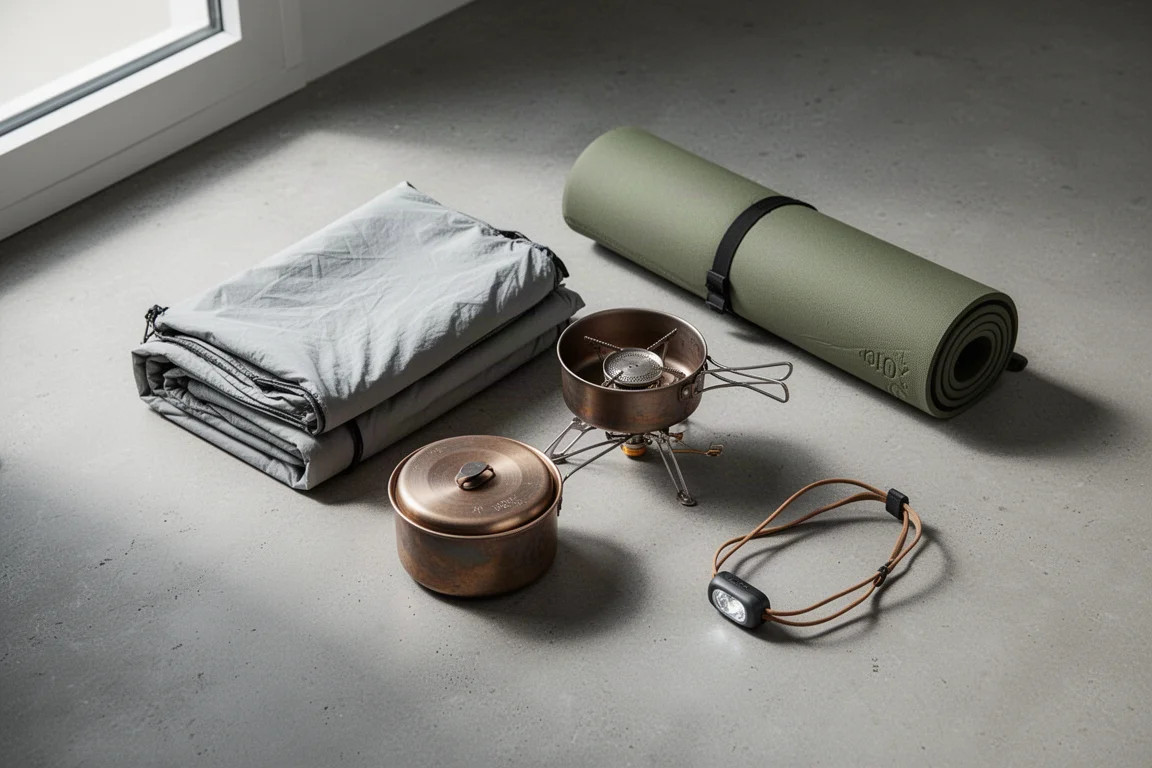
Two backpacking loadouts built for the same trip can look almost nothing alike. One leans on well-known mainstream gear that is easy to find and easy to trust. The other leans on small cottage brands that strip weight from every item, from the shelter down to the cook pot.
The difference between these two approaches is not just philosophical. In a direct comparison, the ultralight version of the same loadout came in around 7 lb lighter, and the entire lighter setup cost only about $166 more than the mainstream one.
This guide works through the swaps that produced that gap, category by category: packs, shelters, water treatment, stoves and cookware, headlamps, and sleep systems. Each entry covers what the product does well and where a heavier or cheaper alternative still makes sense.
What Separates a Mainstream Loadout From an Ultralight One
Mainstream gear is built around comfort, adjustability, and availability. Ultralight cottage gear is built around removing mass, and it usually does that by simplifying structures, using premium fabrics, and accepting a narrower set of use cases. Neither approach is automatically better. The right answer depends on how much you value a lighter pack versus a familiar one you can buy almost anywhere.
The numbers make the trade-off concrete. Counting only the items on the mainstream list, base weight came to 13.5 lb. Adding roughly 5 lb of extra items that the mainstream list left out brought that total to 18.5 lb. The ultralight equivalents weighed 6.4 lb, and with the same extra items added, the total landed at 11.4 lb. That is a 7 lb difference on an identical trip.
What makes the comparison worth studying is that the lighter loadout did not sacrifice comfort. It still included a cushy sleeping pad, a proper pillow, a chair, a real water filter, and the usual safety items. The weight came out of the gear itself, not out of the experience.
Backpacks: Zpacks Arc Haul vs Osprey Aether 55
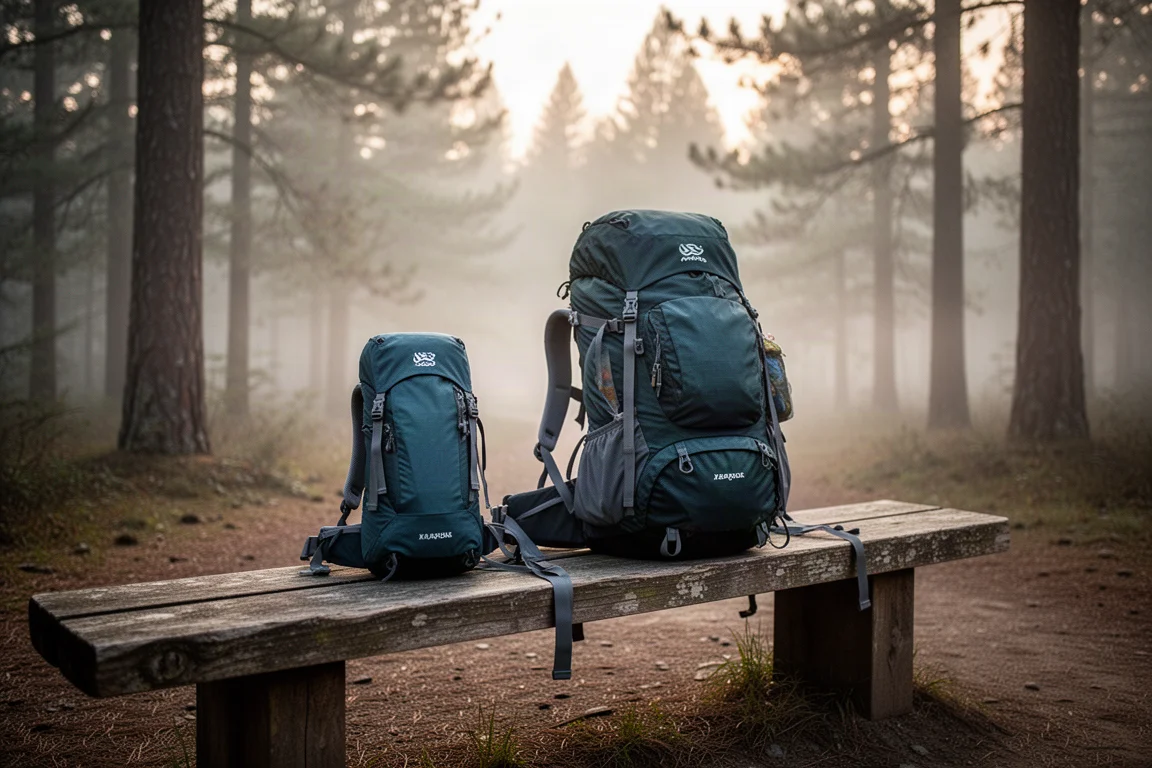
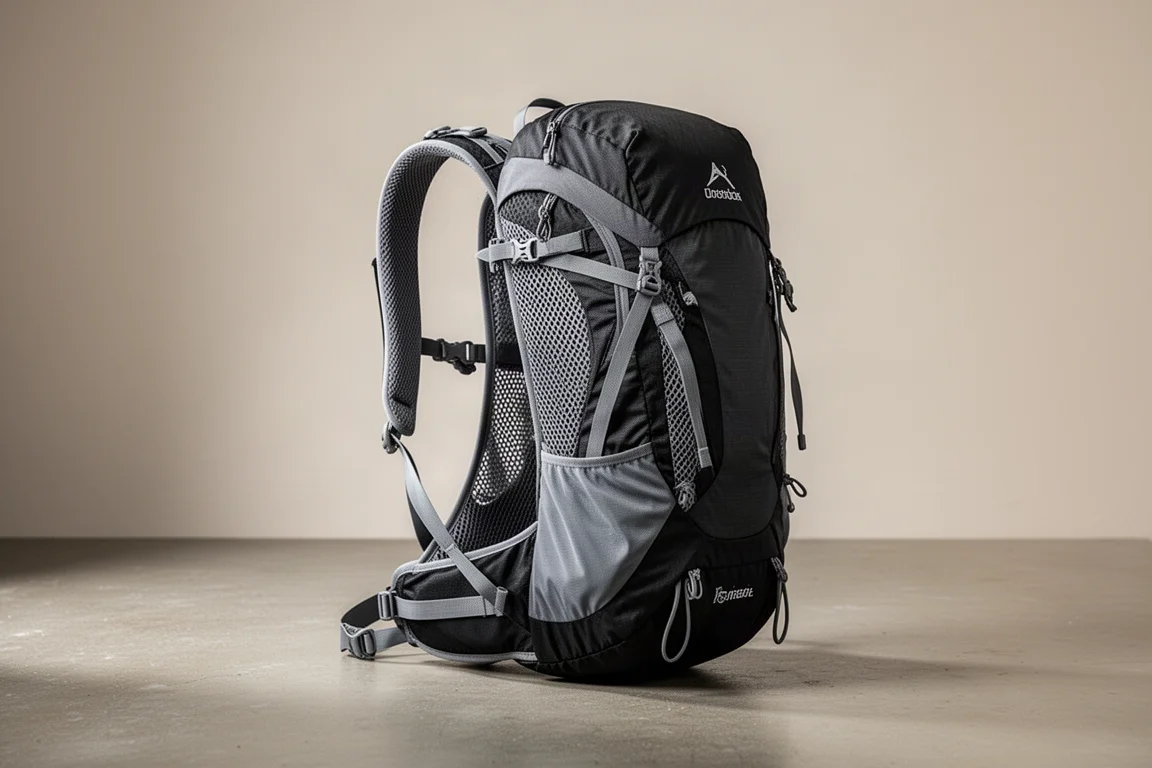
The Zpacks Arc Haul is a 60-liter pack that stays fully adjustable while weighing just 24.6 oz. Large volume, a proper suspension, and that weight figure rarely appear together, which is what makes it the anchor of the lighter loadout.
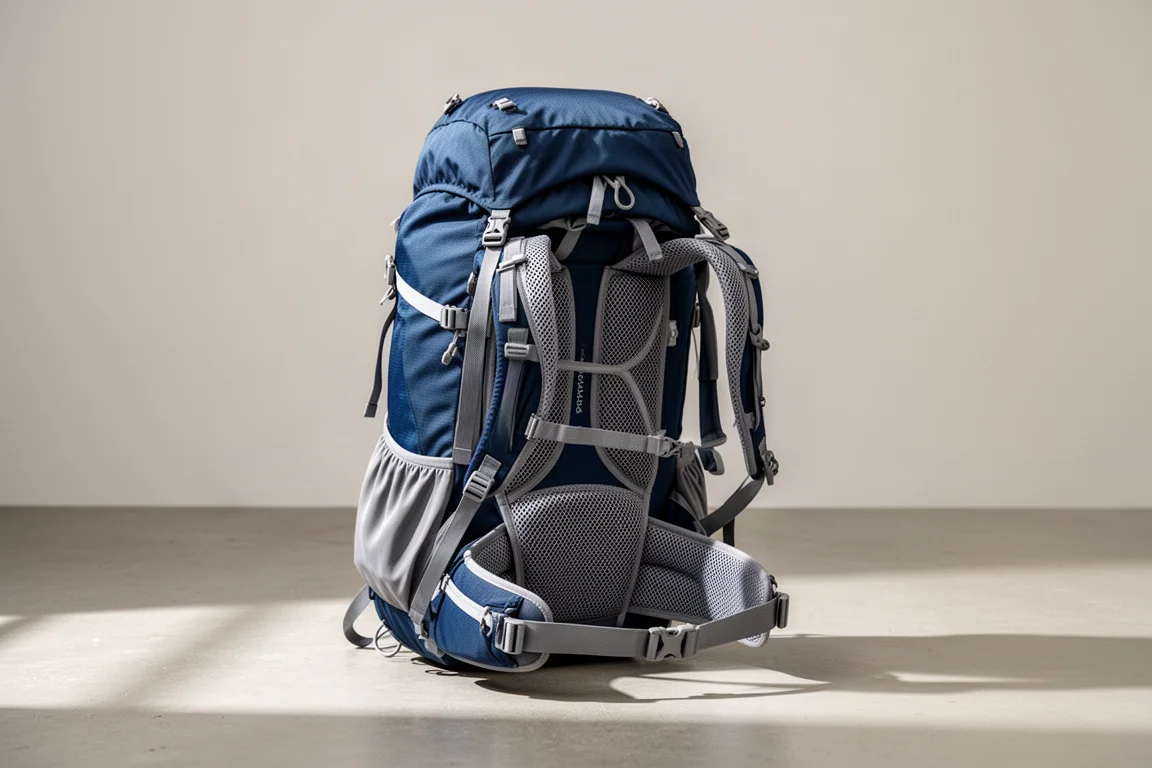
The Osprey Aether 55 is the mainstream counterpoint. It offers a comparable 55-liter capacity, but it weighs almost 4 lb more than the Arc Haul. For backpackers who prefer a conventional pack design, that is the trade: roughly four pounds of extra carrying weight in exchange for a familiar formula.
Shelters: Tarptent Dipole Li 2 vs Big Agnes Copper Spur
The Tarptent Dipole Li 2 is a two-person Dyneema shelter that weighs 27 oz, comfortably under 2 lb. Its standout feature for anyone sharing a tent is the 50-inch floor, which is wide enough to fit two wide sleeping pads side by side.
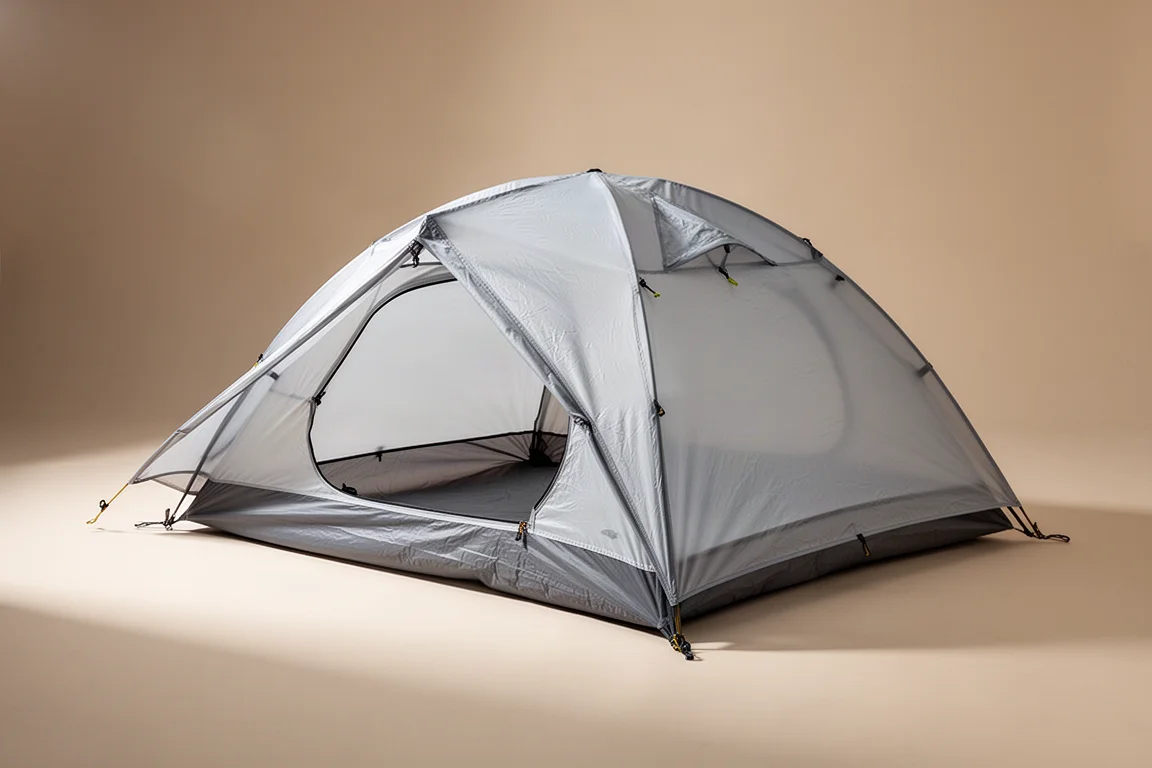
The Big Agnes Copper Spur is the mainstream alternative, and it gives up ground on both counts. It cannot accommodate two wide pads, and it weighs almost a pound more than the Dipole Li 2. For solo trips, or for two people sleeping on narrower pads, that may not matter. For couples who both use wide pads, it is a genuine limitation.
Water Treatment: Platypus QuickDraw vs Aquatabs
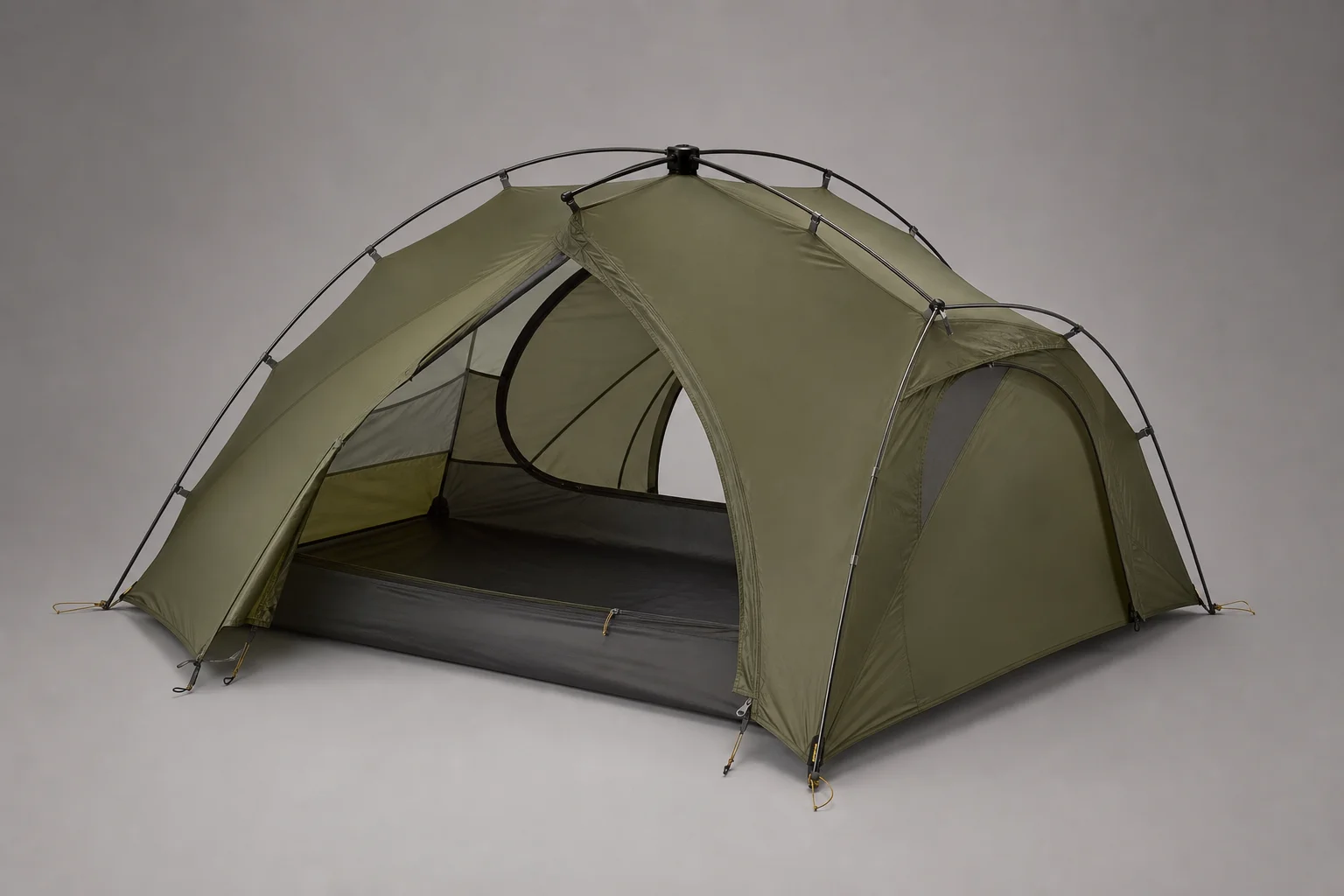
Aquatabs sanitize water, but they do not remove anything from it. Sediment, dirt, bacteria, and parasites stay in the bottle; they are simply neutralised. Treating 750 ml takes over 40 minutes. Tablets can handle viruses, which most filters cannot, but they will not remove chemicals. Their most practical role on a long trip is as a lightweight backup rather than a primary method.
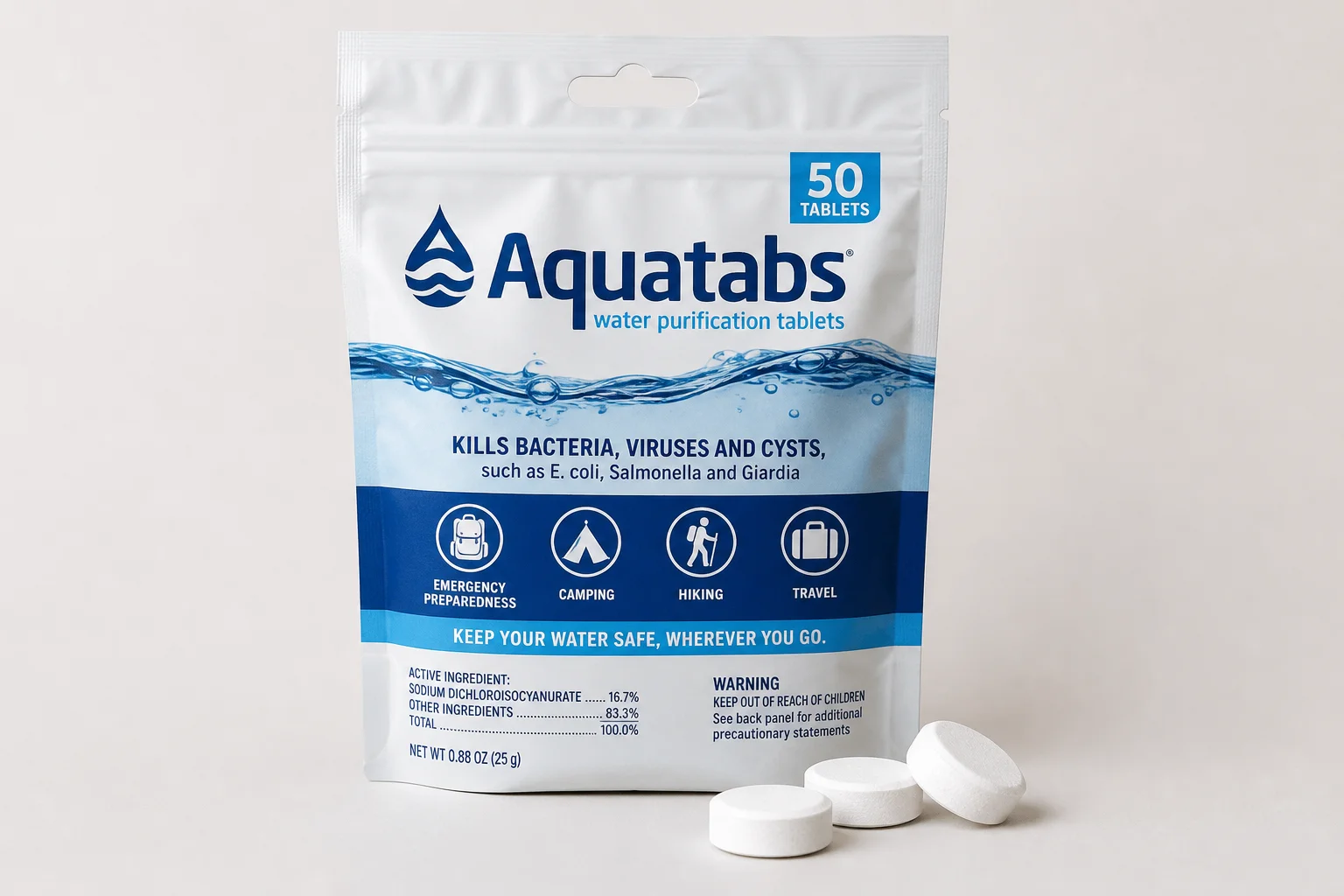
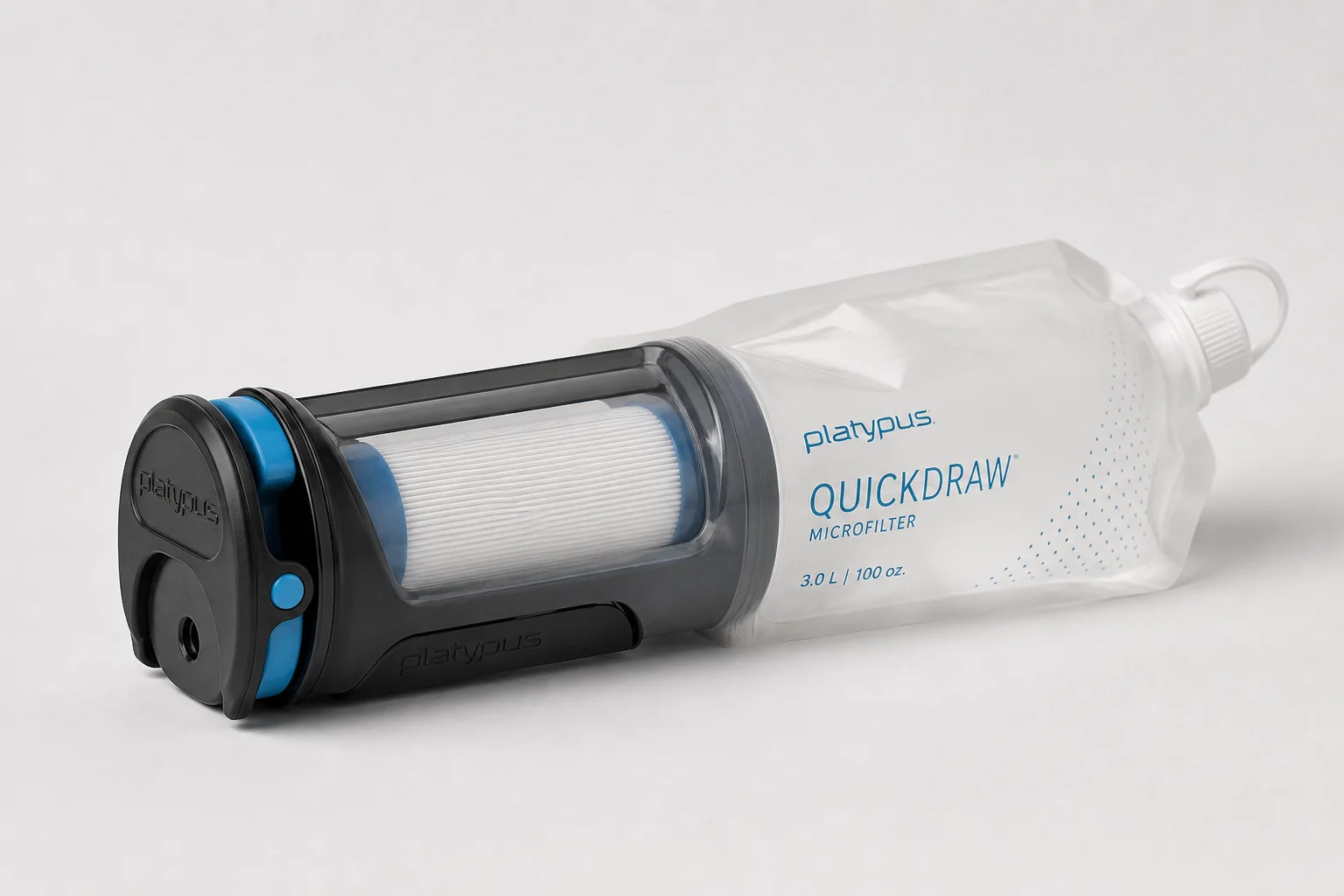
The Platypus QuickDraw weighs 3.4 oz and removes 99% of contaminants, which makes it the better primary option. It will not remove viruses or chemicals, so it is not a complete solution on its own, but for most backcountry water sources it is faster and leaves far less behind.

Carrying both is a sensible strategy. A filter handles the bulk of your water, tablets cover the virus gap, and boiling remains the fallback if you ever need it. Three methods sounds excessive until you are several miles from the next reliable source.
Stoves and Cookware: Pocket Rocket Deluxe and Toaks 650 ml
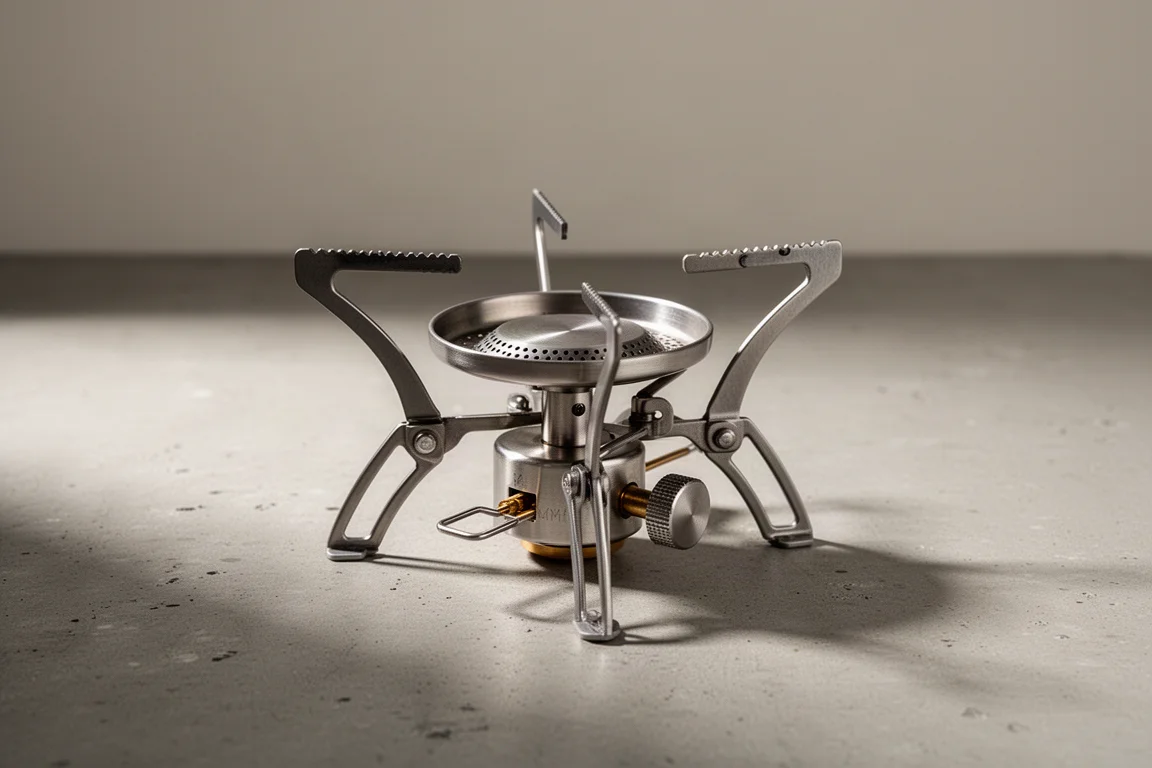
The Pocket Rocket Deluxe is a compact stove that pairs naturally with a small titanium pot. On a solo trip it is the obvious choice. On a group trip it can be redundant if someone else is already carrying a stove system, which is exactly when it makes sense to leave it at home.
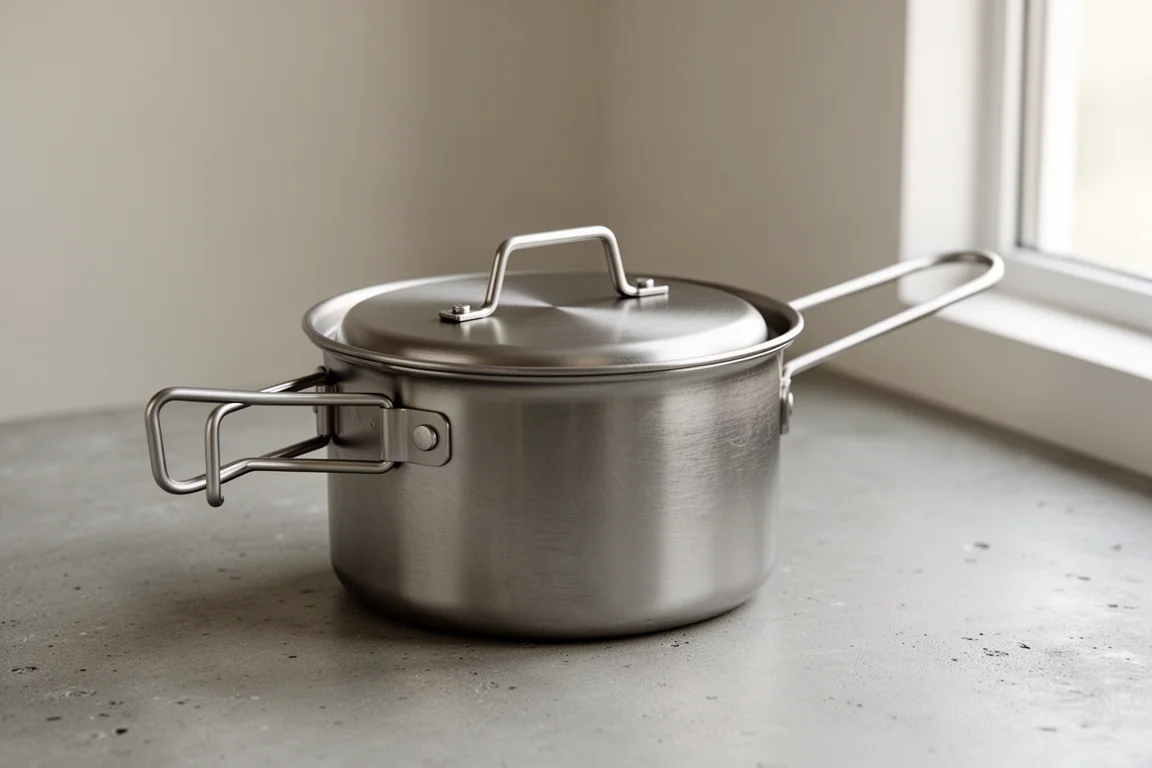
The Toaks 650 ml titanium pot is the cookware half of that setup. Against the silicone X-Pot that appears on mainstream packing lists, the titanium pot is the lighter and less expensive option, with a gap of roughly 7 oz and close to $20 between the two.
Headlamps: Nitecore NU25 vs Petzl Actik
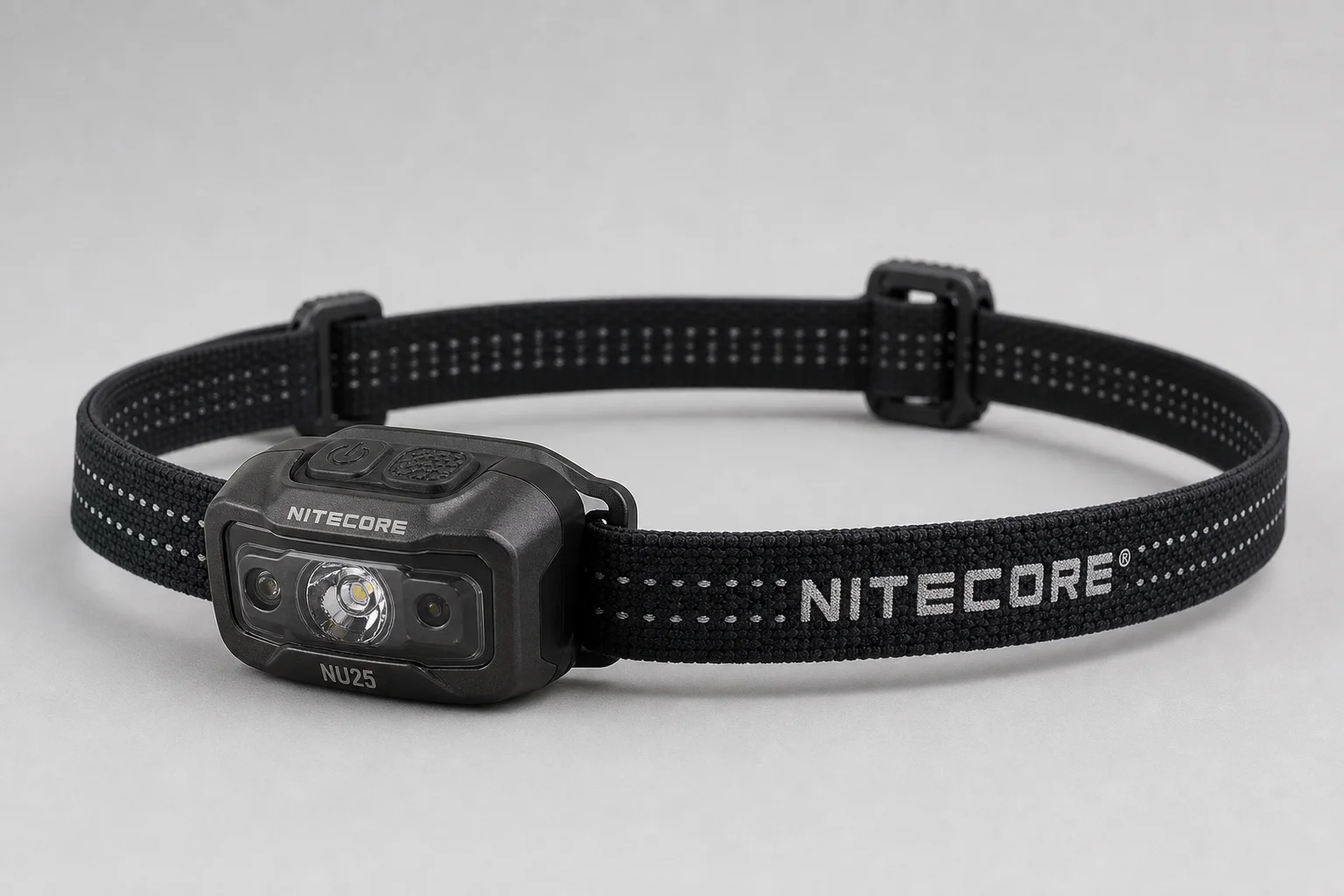
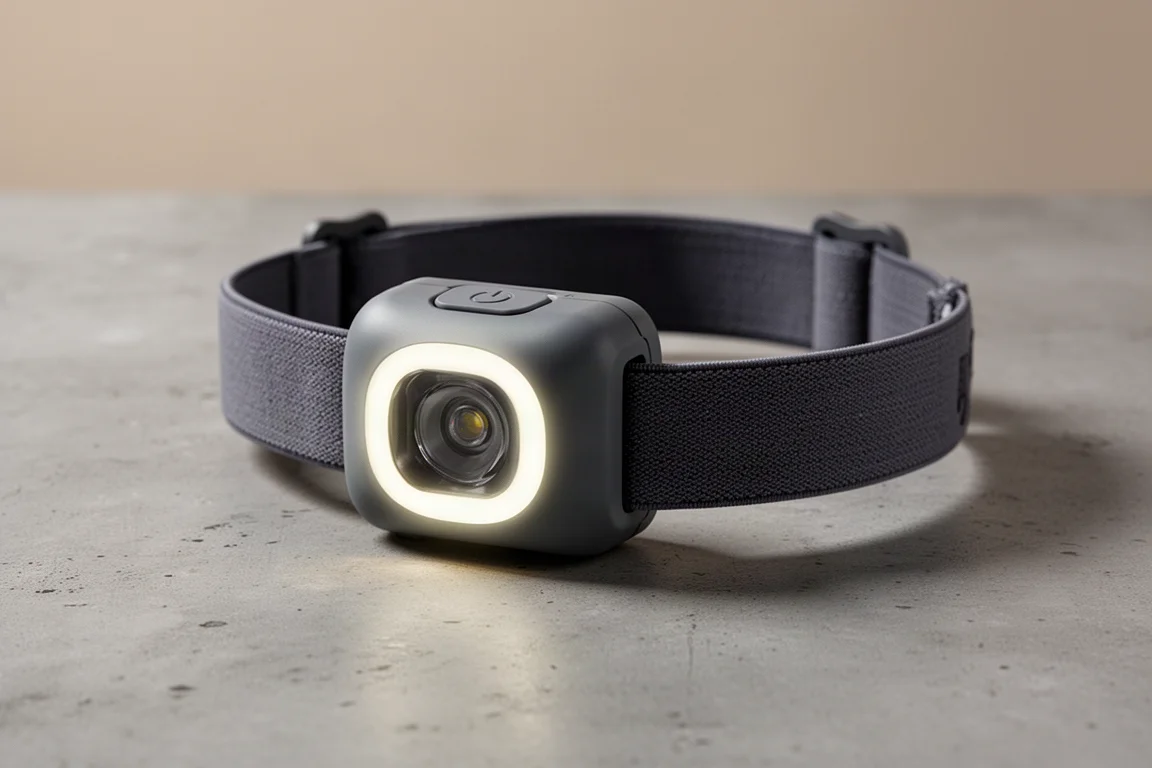
The updated Nitecore NU25 replaces the usual elastic headband with thin elastic cords. The change saves very little weight, since the original NU25 already weighed under an ounce, but it reflects a real shift: the manufacturer adopted a modification that weight-conscious hikers used to make themselves.
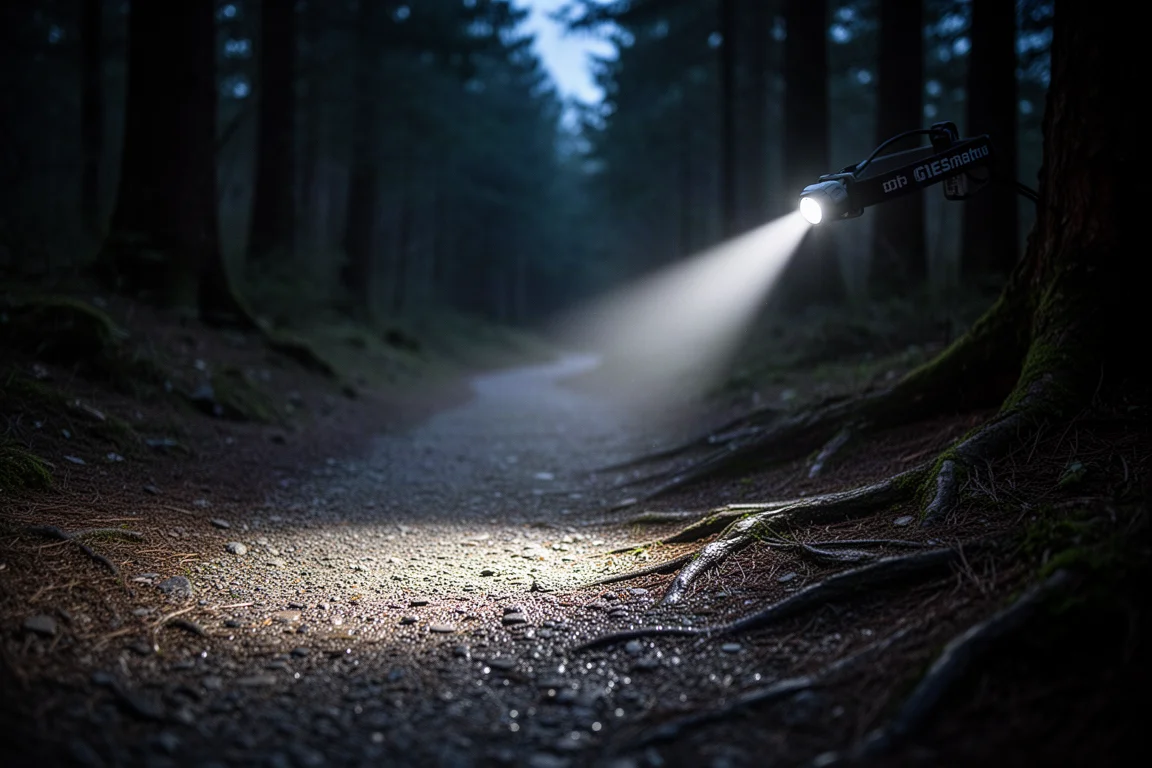
The more persuasive difference is price. The Nitecore NU25 runs closer to $30, while the Petzl Actik sits around $70 and weighs about 3 oz. Neither weight is heavy enough to be a dealbreaker on its own, which leaves cost as the strongest argument for most buyers.
The Petzl Actik still has a case. If you prefer a conventional elastic headband over thin cords, it is the more familiar design, and 3 oz is not a burden on a weekend trip. The extra spend buys a style of fit rather than more capability.
Sleep Systems: Big Agnes Zoom Ultralight Pad, Therm-a-Rest XTherm, and Zpacks Zip Around 20
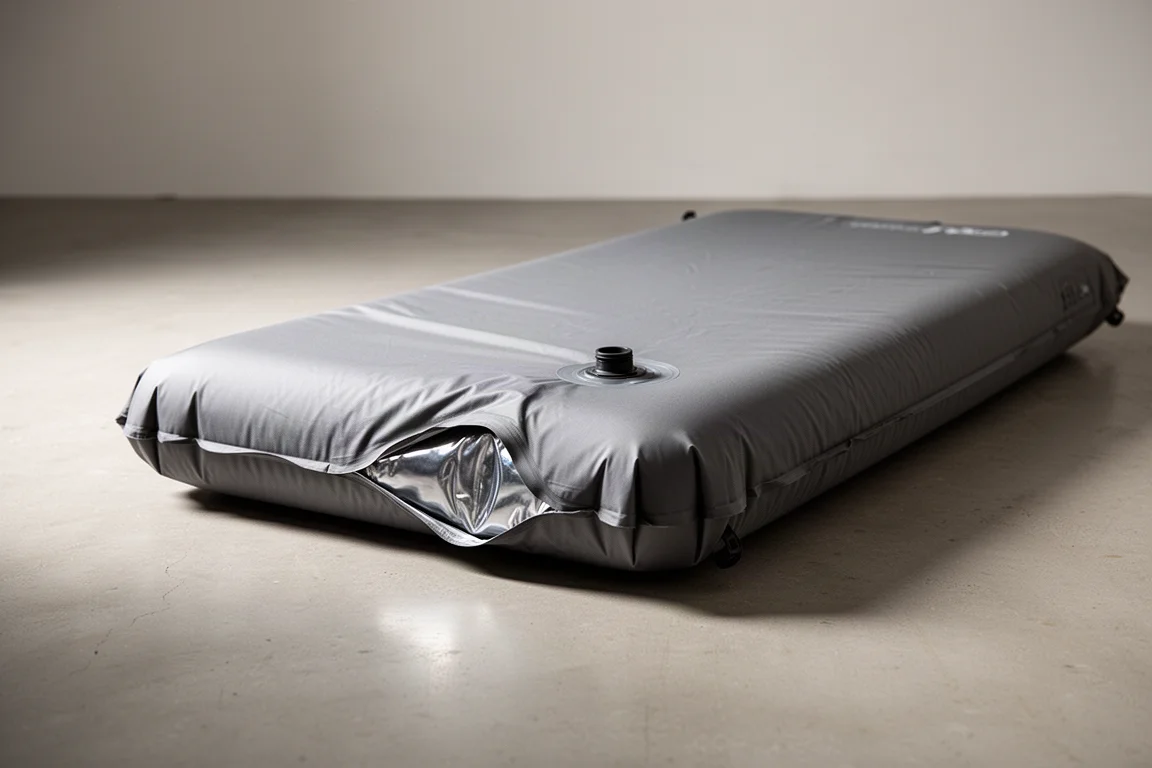
The Big Agnes Zoom Ultralight Pad follows the design of the Big Agnes Q-Core, a pad known for its comfort, while being lighter and warmer. For a three-season weekend it is more than sufficient, and it keeps the sleep system light without giving up cushioning.
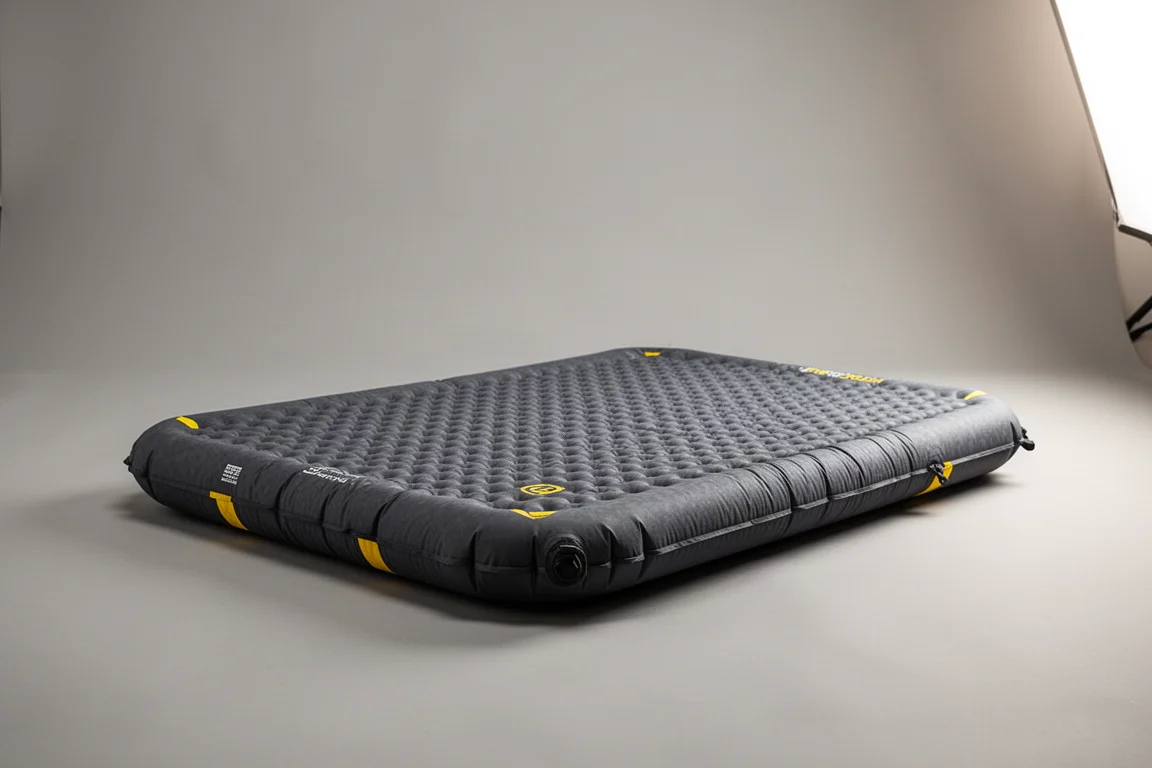
The Therm-a-Rest XTherm is the warmer mainstream option. It weighs around 7 oz more than the Zoom pad and is less comfortable, but it is a great deal warmer. That warmth matters in winter; for three-season trips, it is more insulation than most people need.
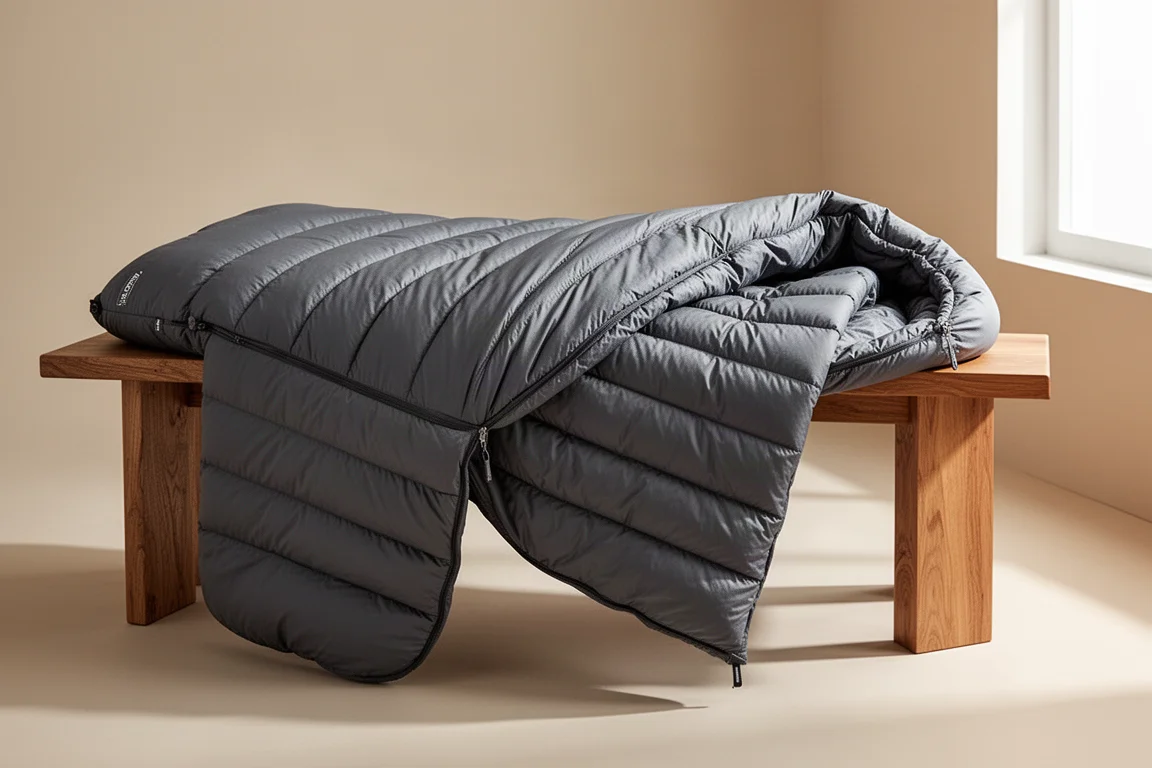
The Zpacks Zip Around 20 closes out the system. It works as a sleeping bag, but it can also open completely like a quilt when the night is mild. There are no pad straps, so in colder conditions the practical approach is to zip it up fully and only open it in warmer weather. A Western Mountaineering bag is a step up in quality, and it costs $130 more, so only you can decide whether that upgrade is worth it.
Weight and Cost: What the Savings Actually Buy
Add the categories together and the gap is concrete. The mainstream list came to 13.5 lb of base weight, plus roughly 5 lb of extra items the list left out, for a total of 18.5 lb. The ultralight equivalents came to 6.4 lb, and with the same extra items added, the total was 11.4 lb. That is 7 lb less to carry, mile after mile.
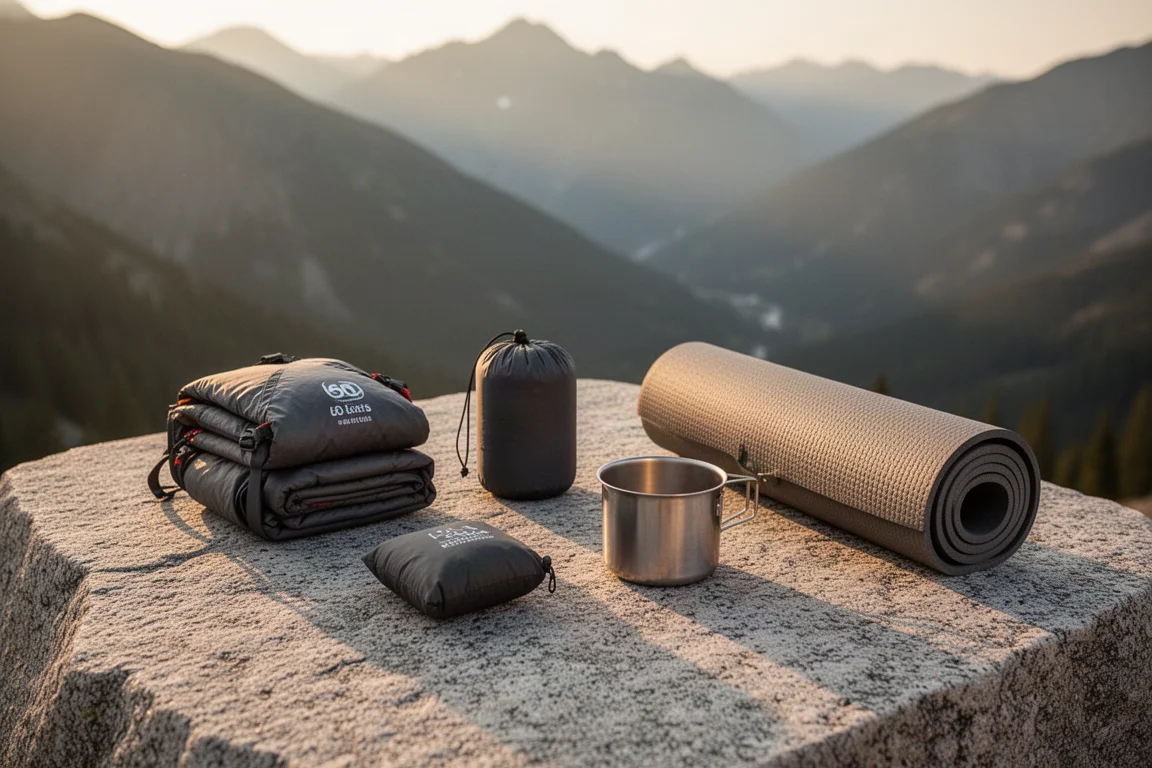
The cost side is the surprise. The lighter loadout costs about $166 more than the mainstream one. For that, you get 7 lb of savings while keeping a comfortable sleep system, a proper pillow, a cushy pad, a chair, a real water filter, and the usual safety items. Less weight also means less fatigue, less energy spent, and less wear and tear on your body over a long day.
If you are rebuilding a kit from scratch, mixing the two approaches works well. Spend on the items you carry every step, such as a pack and a shelter, and keep mainstream options where the weight penalty is small. A 7 lb saving for roughly $166 is a straightforward trade, but only if the lighter gear suits the trips you actually take.
Conclusion
The comparison comes down to a single question: do you want to carry 7 lb more, or would you rather save that weight and finish the day less fatigued? The ultralight version of this loadout answers that question without giving up comfort, and it does so for about $166 more than the mainstream alternative. Start with the pack and the shelter, where the biggest savings are, and build the rest of the kit around the trips you really plan to take.
Further reading
Related Reviews

Backpacking Gear
Building a 10 lb Base Weight: An Ultralight Backpacking Gear List
A practical walkthrough of the ultralight pieces behind a 10 lb base weight, from a 765 g pack and a roomy one-person tent to a full camp chair and a dependable water filter.

Backpacking Gear
A 15-Pound Lightweight Backpacking Gear List for Solo Trips
A beginner-friendly 15-pound backpacking setup built from easy-to-find gear, with notes on what each piece does, how it packs, and where to spend your attention.
Backpacking Gear
8 Ultralight Backpacking Gear Upgrades Worth Carrying
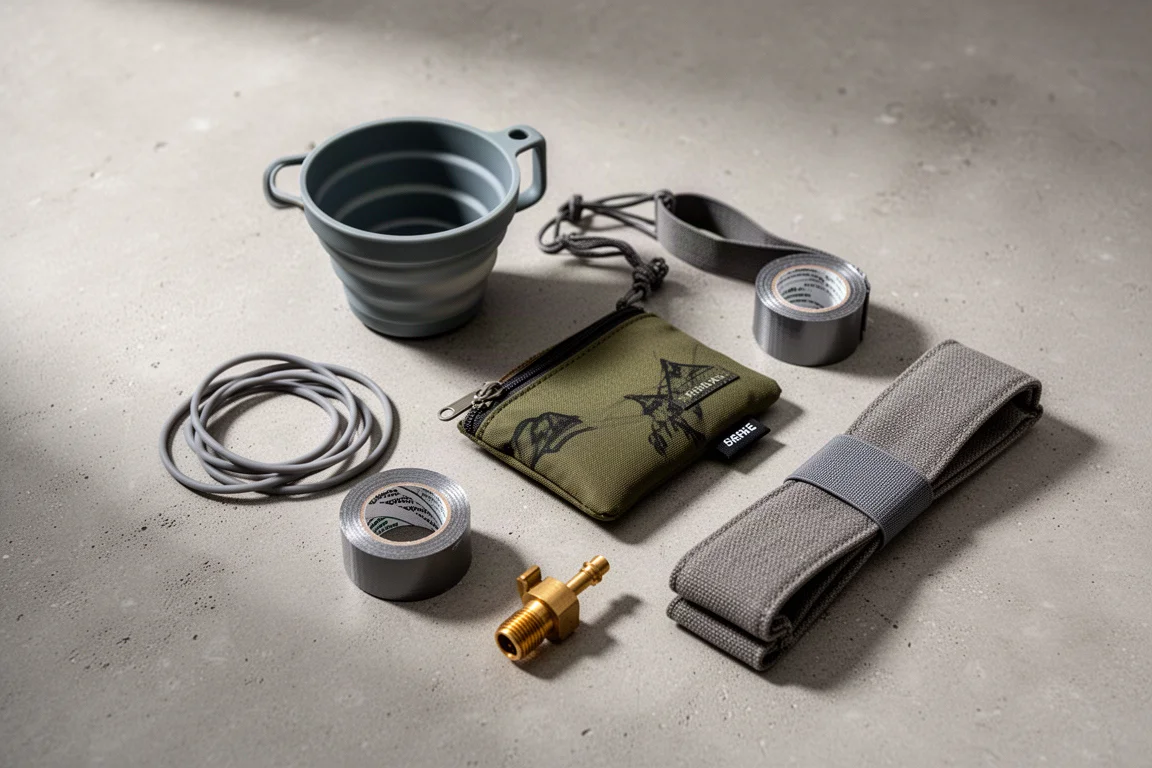
Eight small, affordable backpacking upgrades that solve real trail annoyances, from a pillow that stays put to a fuel valve that rescues leftover canister gas.