Hi-Fi Loudspeakers
Magnet Transpulse Review: A Big, Fun Floorstander That Undercuts the Competition
The Magnet Transpulse is a true three-way floorstander with a 15-inch woofer, a dedicated midrange, and horn-loaded tweeters. It delivers scale and texture for under $1,000 a pair, provided you have the room.
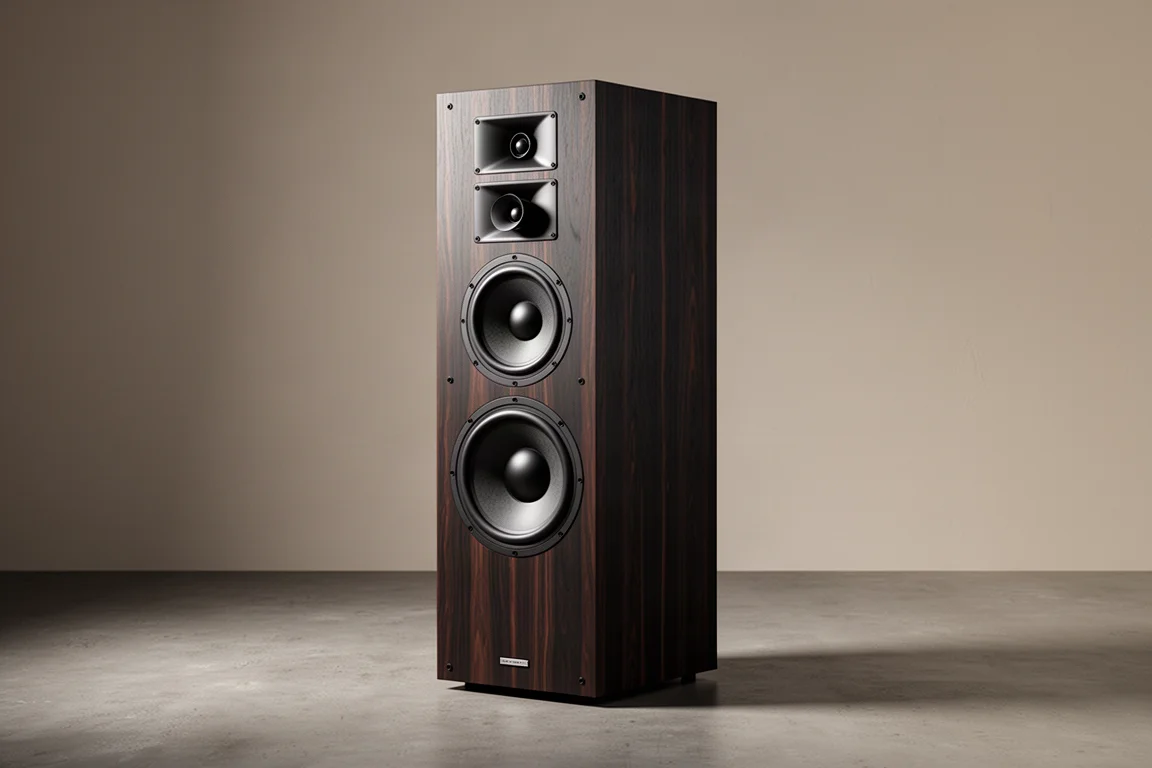
Introduction
The Magnet Transpulse is a true three-way floorstander built around four drivers: a 15-inch bass woofer, a dedicated 6.5-inch midrange driver, and a pair of 1-inch soft dome tweeters loaded into a horn array. Magnet rates the speaker at 16 Hz to 35 kHz, with sensitivity listed at 95 dB and impedance ranging from 4 to 8 ohms. The cabinet is front ported with a flat back, which makes placement more flexible than the sheer size of the thing would suggest. Each speaker weighs around 80 pounds.
Magnet is a brand that many listeners in the UK already know, while in the United States it remains a relative newcomer. Stateside distribution is handled by Eleven Trading Company, which is backed by Klipsch, so support for any problems should be straightforward. What matters more is the positioning: at under $1,000 a pair, this is a very large speaker that invites comparison with far more expensive designs, and it does not behave like a compromise.
Who This Speaker Is For
This is a speaker for listeners who want scale, weight, and physical presence, and who have the floor space to let a big cabinet breathe. It is unfazed at any volume, it is happy across a wide range of genres, and it rewards almost any amplifier you connect to it. If the appeal of an old-school big-box speaker is strong but horn-loaded designs have always struck you as too forward, the Transpulse is squarely aimed at you.
It is not the right answer for a small room, and it is not the obvious pick for someone whose priority is maximum dialogue intelligibility when watching films and television. It is also not a compact monitor, and it does not pretend to be one.
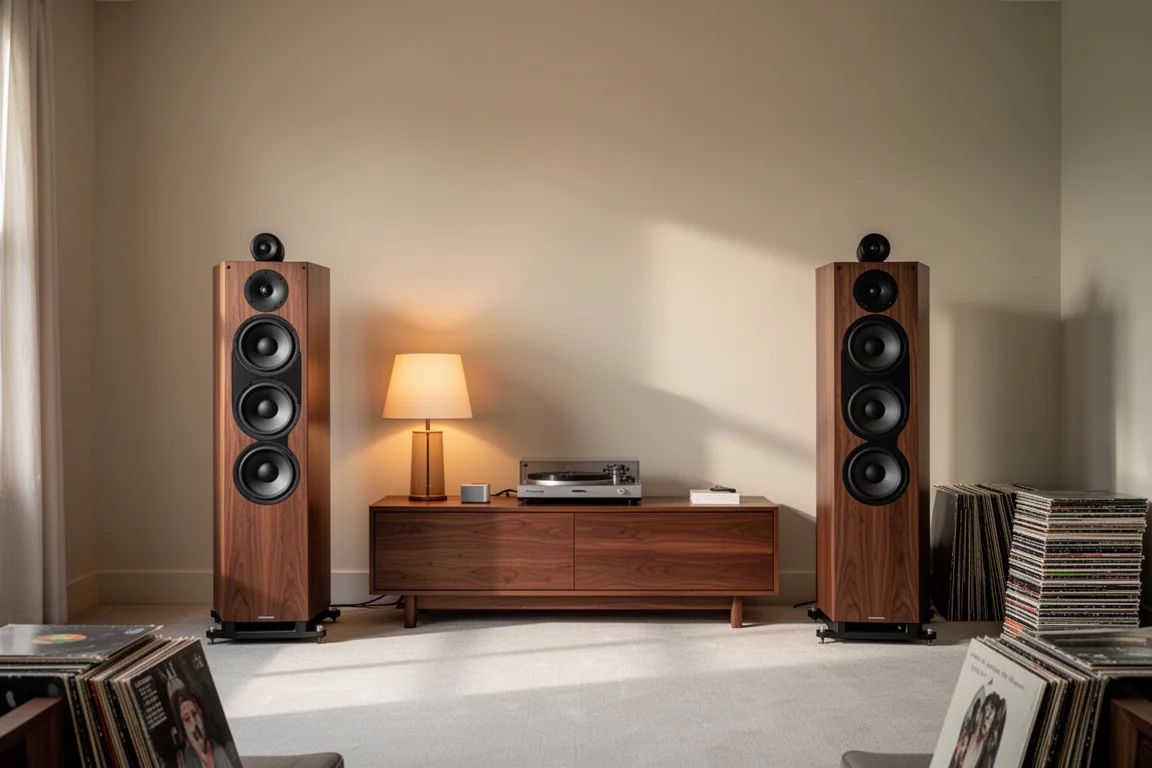
What the Transpulse does particularly well is make music feel like an event rather than a background activity. Listeners who value texture, body, and a sense of a live performance happening in the room will get more out of it than those chasing the last word in surgical precision.
Main Strengths
The Transpulse is fun at first listen, and it would be easy to write it off as a party speaker. That framing undersells it. The bass is not sloppy, the midrange is genuinely accomplished, and the whole presentation holds together with more linearity than its size and price suggest.
Bass, Scale, and Room Interaction
The 15-inch woofer at the heart of the design gives the speaker real low-end authority. Depending on placement, that bass can be either exactly right or slightly too much. Push the cabinets into a corner and you may hear a little boominess and some cabinet resonance, which is the trade-off of a cabinet that has clearly been built to a budget despite its weight. Pull them out and the character changes: the bass stops sounding slow and vague and starts to slap, with genuine speed and detail. The drum kit and bass guitar on Rage Against the Machine’s Take the Power Back land with visceral impact. Low-end extension goes deeper than a JBL L100 or a KLH Model 5, and it goes toe to toe with a Klipsch Forte IV while offering more nuance in texture.
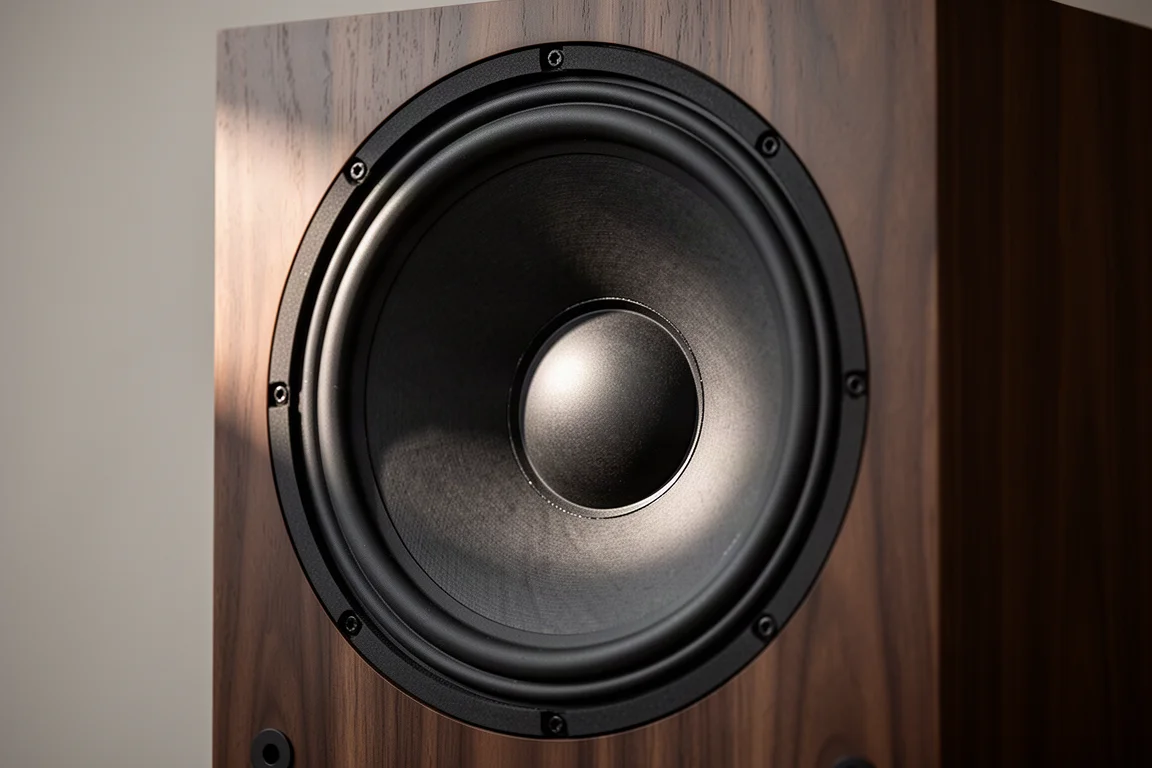
Scale is never a problem. The Transpulse sounds positively huge when the material calls for it, and the lateral soundstage seems to have no boundaries. Depth is more dependent on placement, and even with the speakers a foot or two out from the wall it will not sound especially deep. Set up carefully, though, and a speaker this large can aurally disappear, with centre imaging that is shockingly good once you add a hint of toe-in.
Midrange Body and Vocal Presence
This is where the Magnet separates itself from many vintage-inspired loudspeakers on the market. It actually has a proper midrange driver, and that driver is excellent. It slots between the massive woofer and the twin tweeter array so seamlessly that the overall sound is far more linear than any Klipsch heritage design. There is a subtle smile-shaped curve to the response, but the midrange is nowhere near as scooped as a Forte IV, and it has more articulation and detail than a KLH Model 5.
The result is that instruments and vocals carry more body, physical presence, and inflection, without ever turning shouty or forward. The midrange stays natural and organic at any volume, which is a large part of why the speaker is so easy to live with over long sessions. Dynamics are excellent too. Scale dynamics are never an issue, and although the Transpulse cannot match a Forte IV or a La Scala for outright agility and explosiveness, it is close. If those speakers represent a perfect ten, this is a solid nine, and its crescendos build with a touch more finesse along the way.
The Tweeter Array at High Volume
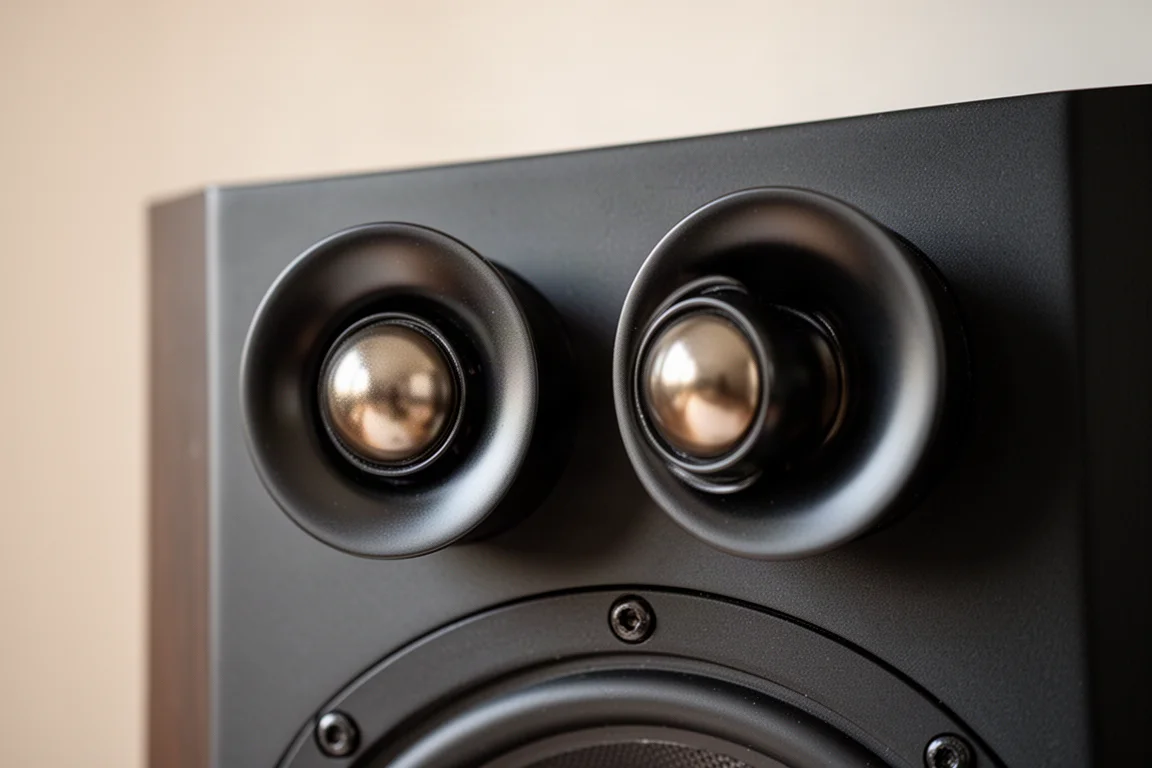
Twin horn-loaded dome tweeters are an unusual sight in a modern loudspeaker, and the array is very effective. It is not the most refined at the absolute extremes, though. Played above roughly 95 dB, some subtle graininess becomes audible up top, and cymbal hits lose a little of their natural metallic ring in exchange for a hint of sizzle. That is not a deal breaker, and speakers costing considerably more can behave the same way, but it is worth knowing before you buy. At very high levels the speaker also takes on a mildly more forward demeanour, though it never becomes shouty. Below about 85 dB, which is still genuinely loud, you get a nice balance of detail and extension with just enough forwardness to stay engaging.
Amplifier matching is one of the Transpulse’s strongest cards. It is not a picky speaker and sounded excellent with everything connected to it, including a Cambridge Audio AXR100, an Audiolab 6000A Play, a Decware Zen amp, and a vintage Pioneer 780 modified by Just Audio. Modern solid state and vintage designs alike drove it well. For a long-term pairing, the Pioneer 780 or the Decware would be the pick.
Things to Consider Before Buying
The barrier to entry here is size rather than price. This is a bigger speaker than a Klipsch Forte IV, though not quite as large as a Cornwall, and its footprint will keep it out of plenty of living rooms. It can be placed against a wall, but that is not a recommendation to make blindly. In testing, bass response, overall linearity, and soundstage all improved as the cabinets moved out into the room. They do not need enormous space behind them: around 12 inches was enough, and a foot or two is better if you can manage it.
Build quality is competent but clearly budget-conscious. The cabinet is not as inert as you might expect for a speaker of this weight, and the finish is a very dark wood vinyl veneer that reads as almost black in most rooms. The grilles are hefty but basic, and they attach with push pins rather than magnets, which is a small annoyance on a speaker this expensive-looking. The logo is unlikely to win design awards either. Packaging is another weak point. It is not good enough for a speaker of this weight and size, and shipping damage is a real risk, though US distribution backed by Klipsch means any issues should be resolved properly.
Two more things are worth flagging. First, absolute separation and detail are good rather than great: this is a broader-sounding speaker and it lacks the scalpel-like precision of a precise two-way monitor such as a Sonus faber Lumina II. Second, dialogue intelligibility in films and television can suffer, because the Transpulse does not rise sharply through the upper midrange into the treble the way a Forte IV does. Clarity is there, in the same way it is with a KLH Model 5 or a JBL L100, but it does not reach out and grab you. Music listening is unaffected. Listeners with any hearing deficiencies should weigh this carefully.
Buying Advice
On price-to-performance against Klipsch heritage loudspeakers, the Transpulse wins outright. Heritage models are built to a much higher standard and will very likely last a lifetime, but they are dramatically more expensive for what you get in sound quality per dollar. The Magnet is also a more neutral, more versatile speaker across genres and amplifier pairings, even if it gives up a little of the transparency to the source that a horn design provides.
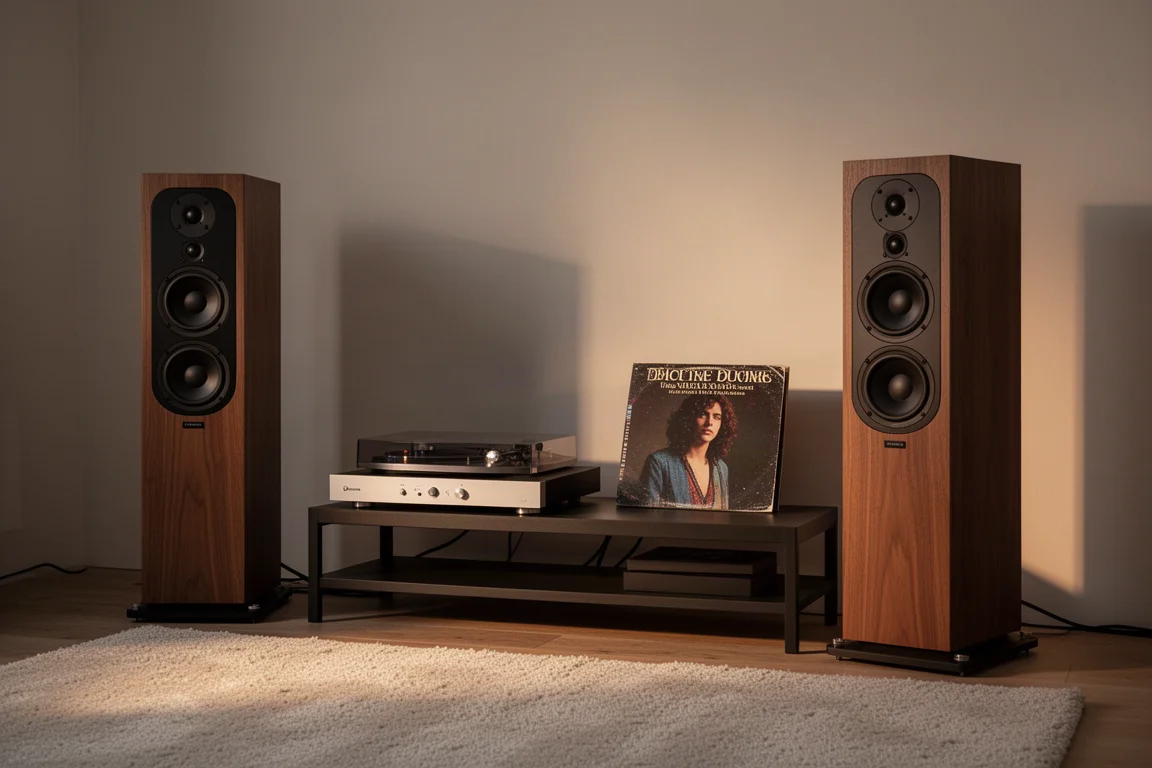
Against a KLH Model 5, the decision comes down to priorities. The Model 5 is more neutral and considerably smaller, and in a walnut finish it would be an easy choice on looks alone. The Transpulse sits in a useful middle ground between that neutrality and the liveliness of a Klipsch heritage speaker. Against a Klipsch RP-8000F, the Magnet is a little better top to bottom, while the 8000F is more solidly built and will suit more living situations. The Transpulse also belongs in the same conversation as a JBL L100 Classic or a Wharfedale Linton, particularly once build materials are set aside, and none of these designs use especially esoteric materials in the first place.
If you already own a Forte IV, a Model 5, or an RP-8000F, there is no need to change anything. Those are all excellent speakers and nothing here justifies a swap. If you are starting from nothing, or you are ready to upgrade, and you have the space for a large cabinet, this is one of the strongest places to put your money right now.
Conclusion
The Magnet Transpulse is a great speaker and one of the more pleasant surprises in affordable hi-fi. It offers scale, a natural and textured midrange, effortless dynamics, and an unusually friendly relationship with amplifiers, all for under $1,000 a pair. It asks for room, and it asks you to spend a little time on placement, but it gives back far more than its price suggests. As ever, the only person who has to like the sound of your system is you, and this is a speaker well worth auditioning before you decide.
Product link
View more details for Magnet Transpulse
This product is mentioned in the review. Check the specifications, options, and compatibility before buying.
View more details for Magnet TranspulseFurther reading
Related Reviews
Hi-Fi Loudspeakers
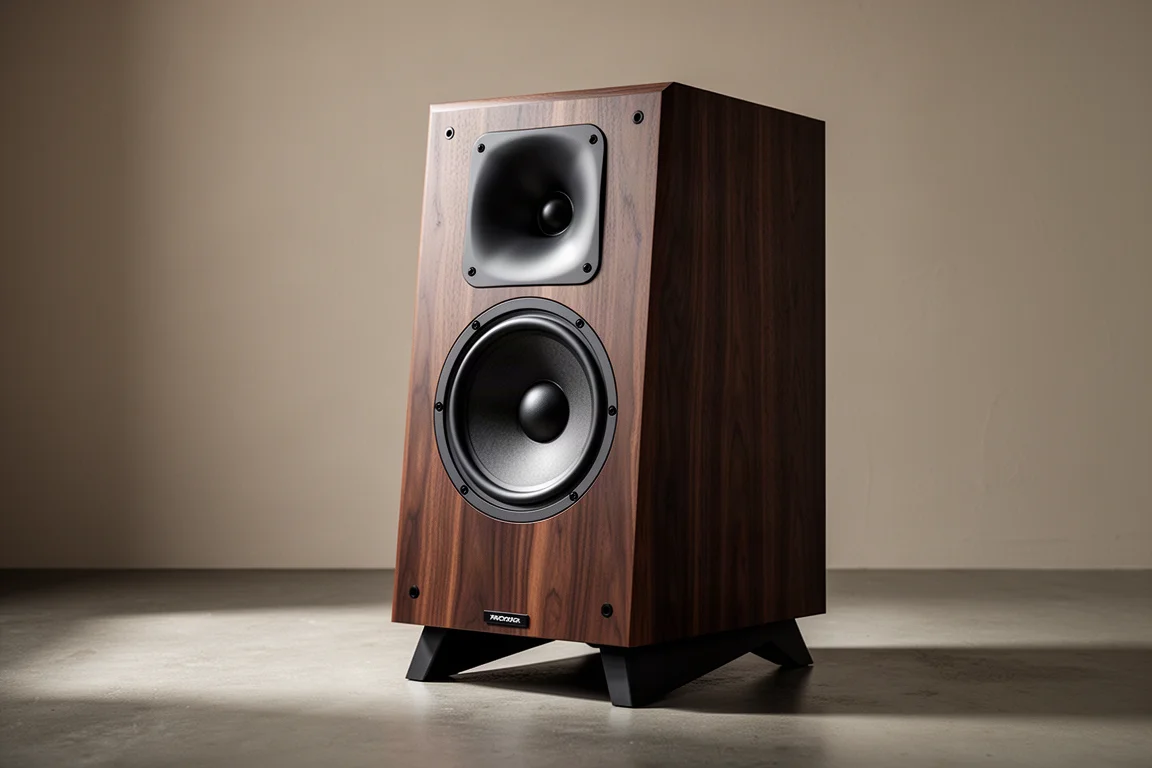
JBL 4349 Review: A High-Sensitivity Standmount With Serious Dynamic Punch
A close look at the JBL 4349, a large two-way standmount with a horn-loaded compression tweeter, 91 dB sensitivity and deep bass extension, plus the amplifier and placement demands that come with it.
Hi-Fi Loudspeakers
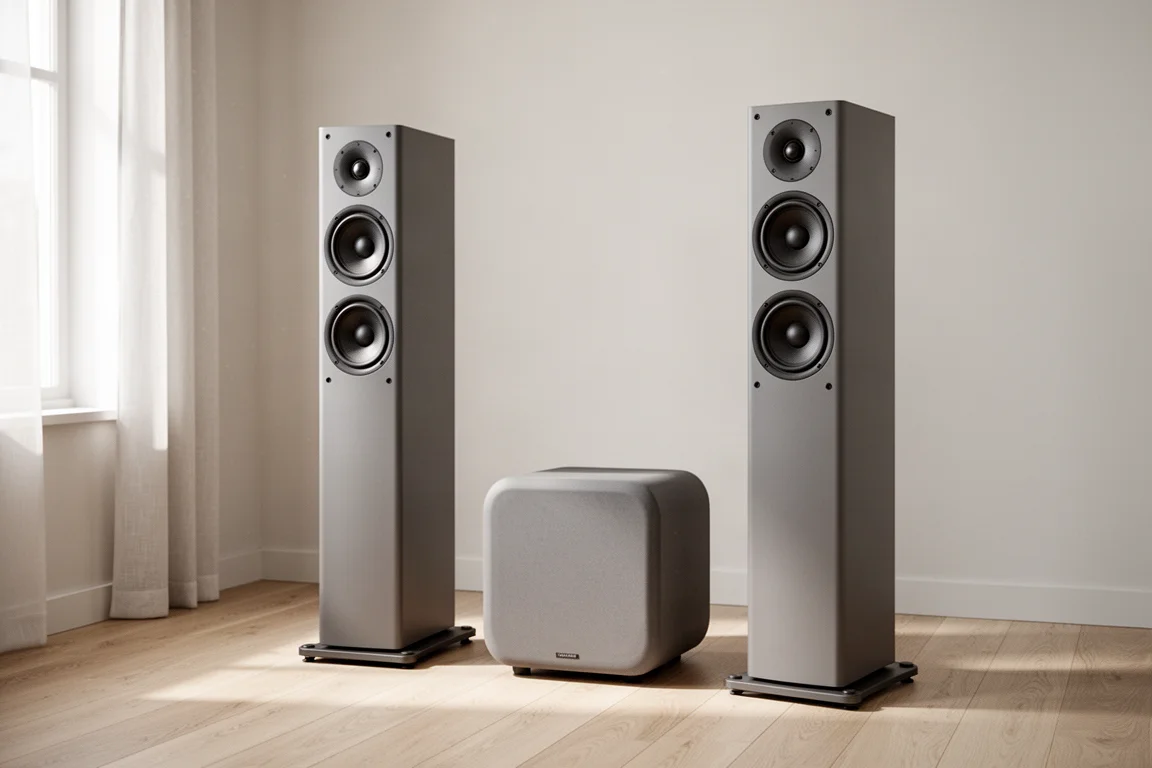
KEF LS60 Wireless and KC62: What Adding a Subwoofer Changes
A practical look at how the KEF LS60 Wireless performs on its own, with one KC62 subwoofer, and with two, based on in-room measurements and listening.
Hi-Fi Loudspeakers
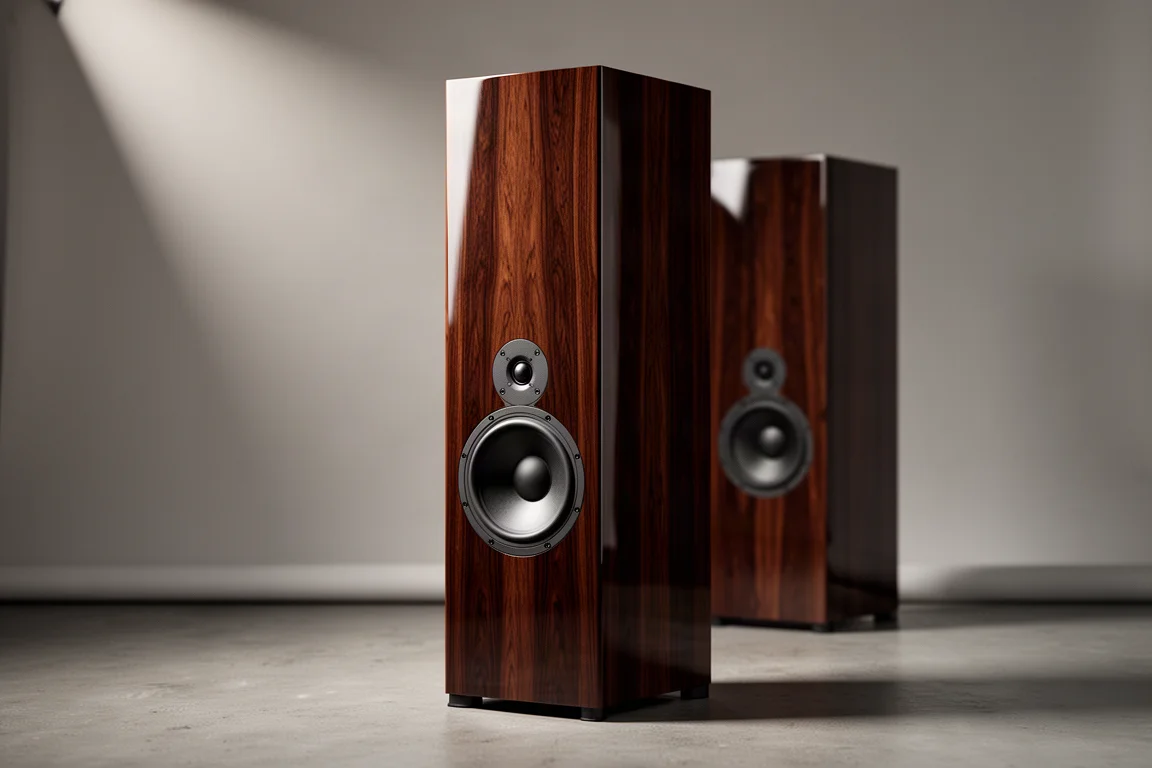
Lee Song Origin S10 Review: A High-Efficiency Floorstander That Rewards Careful Setup
A single-driver floorstanding loudspeaker with 100 dB sensitivity, rich bass, and midrange purity that makes careful placement worth the effort.