Hi-Fi Loudspeakers
Lee Song Origin S10 Review: A High-Efficiency Floorstander That Rewards Careful Setup
A single-driver floorstanding loudspeaker with 100 dB sensitivity, rich bass, and midrange purity that makes careful placement worth the effort.
Introduction
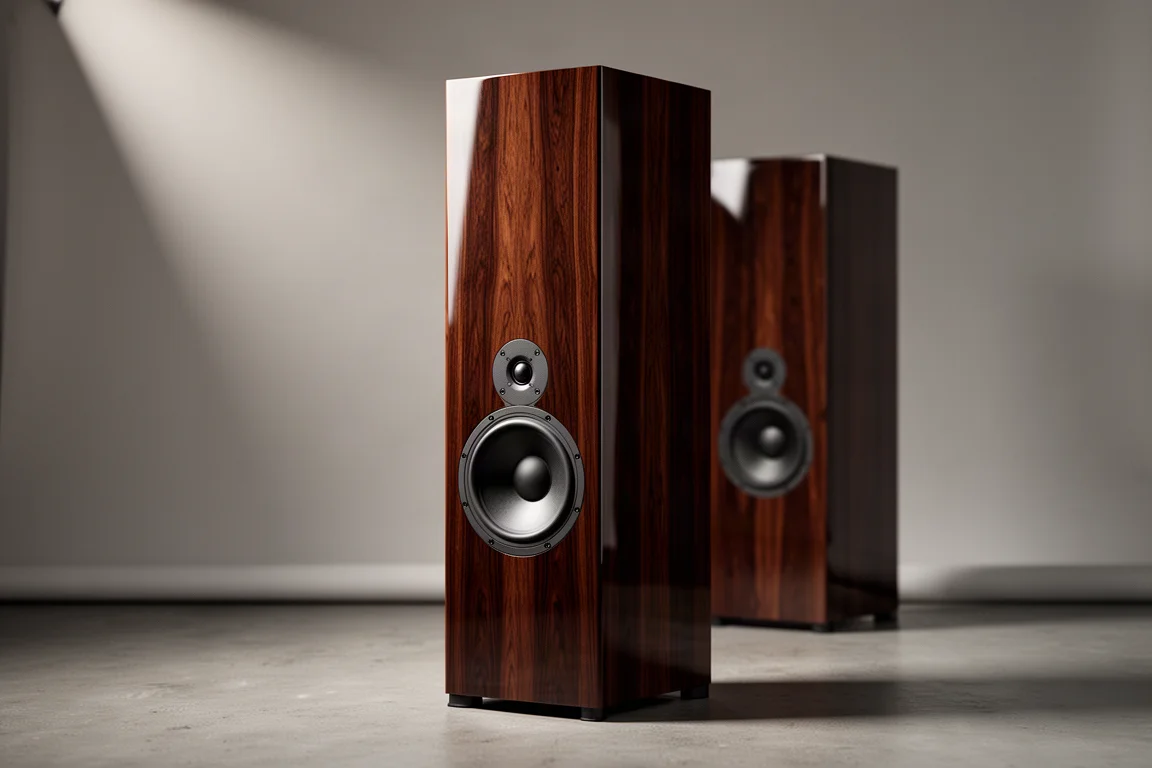
The Lee Song Origin S10 is a floorstanding loudspeaker built around a single 10-inch driver, the Silver 10, manufactured by Lee. It is offered in dark walnut or light oak, and it is sold directly through Decware’s website.
On paper the S10 reads like a speaker designed for amplifier flexibility. Sensitivity is rated at 100 dB with an 8-ohm impedance, and the rear-ported cabinet carries a reported frequency response of 30 Hz to 20 kHz. With no crossover network and no separate drivers for bass, midrange and treble, the design promises a level of coherence that multi-way speakers rarely match.
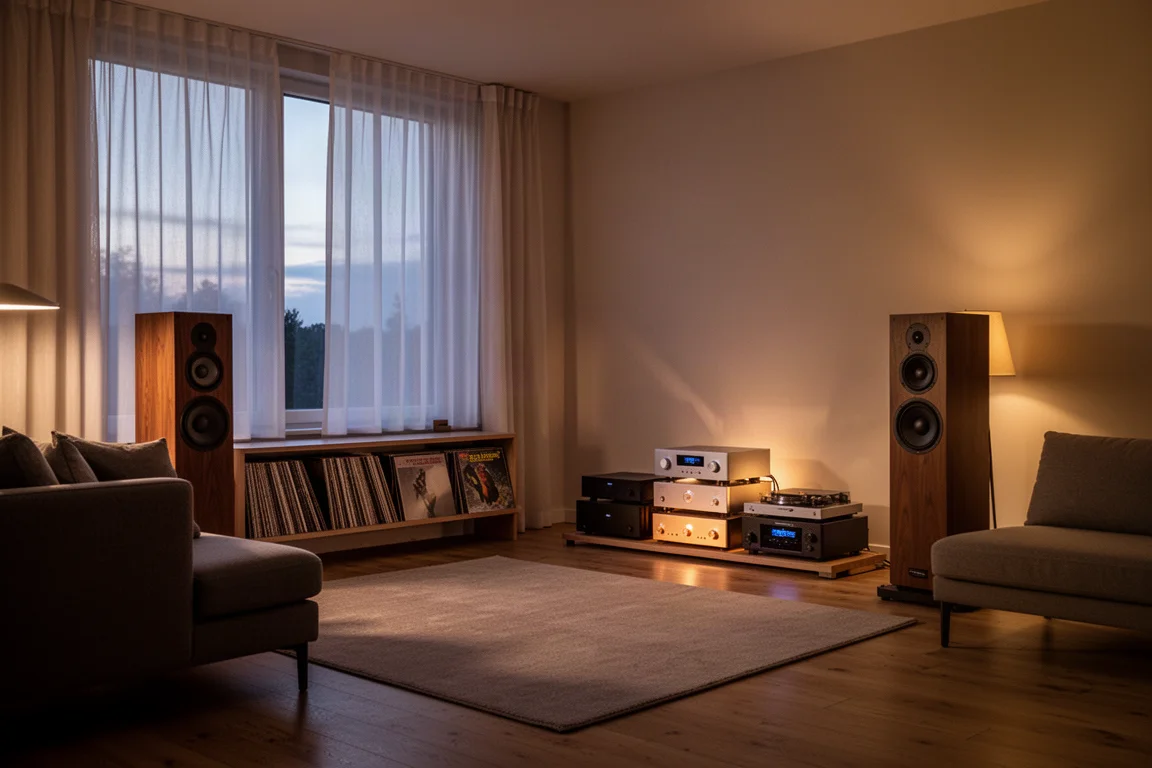
That combination of high efficiency and a single driver places the S10 in a fairly specific corner of the market. It can be driven to its full potential by everything from a low-wattage tube amplifier to a more powerful solid-state design, which makes it an appealing option for listeners who already own low-power amplification and want a speaker that suits it.
Who the Lee Song Origin S10 Is For
The S10 makes the most sense for listeners with a larger room. At nearly four feet tall, or 119 centimeters, it has real physical and visual presence, and the size of its rear port adds another placement consideration. In a smaller space, the cabinet’s stature can make positioning more difficult, although it is far from impossible.
It also suits owners of low-power tube amplifiers. High sensitivity means the speaker can reach high output without demanding much from the amplifier, and it pairs well with the Decware Zen Triode amplifier as well as with the Marantz Model 40N and the Audiolab 6000A Play. Sources used during testing included a Bluesound Node streaming Tidal and Apple Music, plus an Apple TV 4K.
Finally, the S10 appeals to listeners who value coherence and midrange realism over the last word in treble sparkle or subwoofer-grade low end.
Design, Finish, and Room Fit
The cabinet is sturdy and well built, with bracing and damping materials kept to a minimum in order to bolster bass output. That design choice is part of the reason placement matters so much here.
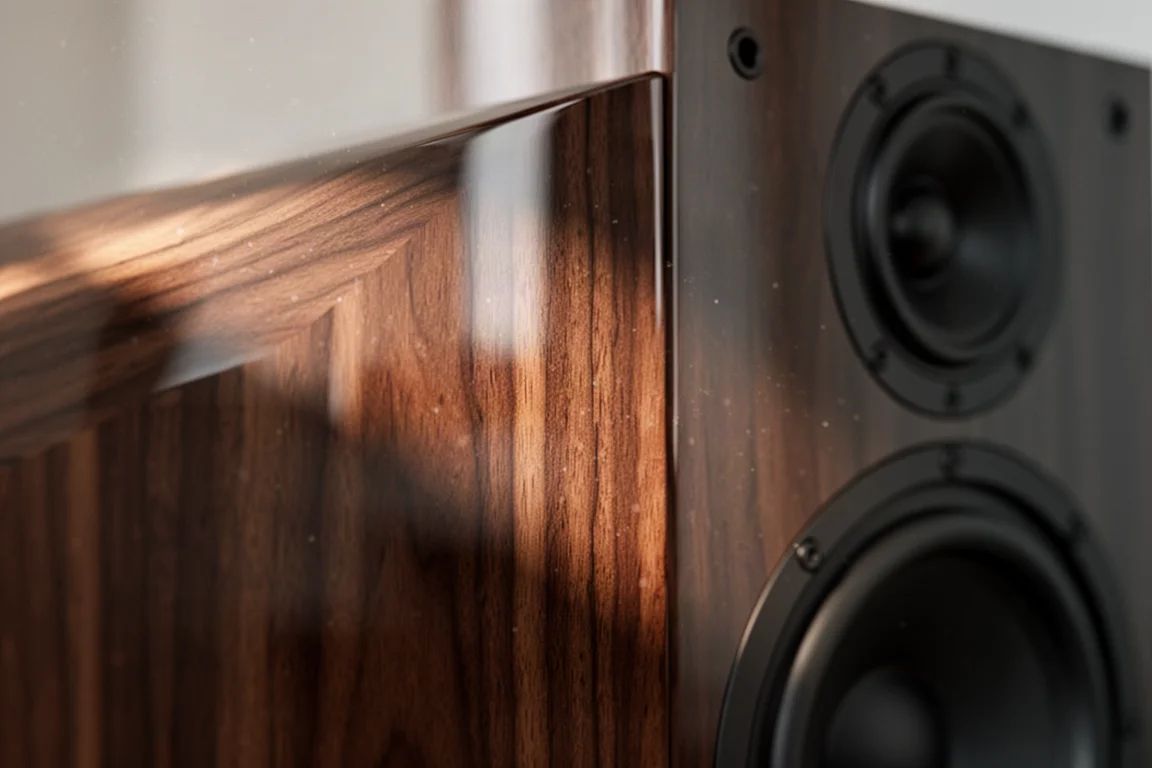
The finish is high gloss, which brings out the wood grain nicely and gives the speaker a distinctive look. The trade-off is practical: the glossy coating is a dust and fingerprint magnet. A matte finish would be welcome, both to reduce visible dust and oil marks and to give the S10 a more refined, high-end appearance.
Where the speaker sits in the room shapes its bass more than any other single factor. Close to a front wall, the S10 can load up the low end and come across as slightly boomy, with subtle but noticeable cabinet coloration in the form of very low frequency resonance. Pulled further into the room, the bass settles into much better alignment with the rest of the response, producing a linear, coherent sound from around 40 Hz upward.
Placement and Setup Matter More Than Usual
This is not a set-and-forget speaker. In testing, the S10 needed to sit almost four feet out from the front wall to deliver its most linear bass response. The final distance from that wall rests on the type of bass character you want to achieve.
A sensible starting point is to place the S10 where other speakers have sounded their best, then work from there. Toe-in matters just as much: angling the cabinets inward and aiming the drivers directly at the listening position produced the best results. If the sound seems to bunch near the cabinets and the center image drifts as you move side to side, that is the speaker telling you placement still needs attention.
How the S10 Sounds
Because the S10 has no crossover and no separate drivers, the resulting sound is one of near absolute coherence and transparency. The character that remains comes largely from the cabinet design, the room, the placement and the associated equipment.
Bass Response
Lee describes the S10 as a full-range loudspeaker, and a 30 Hz figure is unusual for a high-efficiency single-driver design. In practice the speaker does reach down to 30 Hz, but it does not do so with the same confidence it shows from 40 Hz upward, and the deepest region rolls off noticeably. Listeners who need authoritative output at 20 Hz will want to add a subwoofer; without one, the S10 is full-range enough to satisfy in most listening.
Subjectively the bass is rich and nuanced. Kick drums are vivid and lifelike, with excellent scale and dimension, and hard-driving rock has enough raw impact to do Metallica’s “Enter Sandman” justice. On electronic tracks with very deep bass, some multi-driver towers will dig further down.
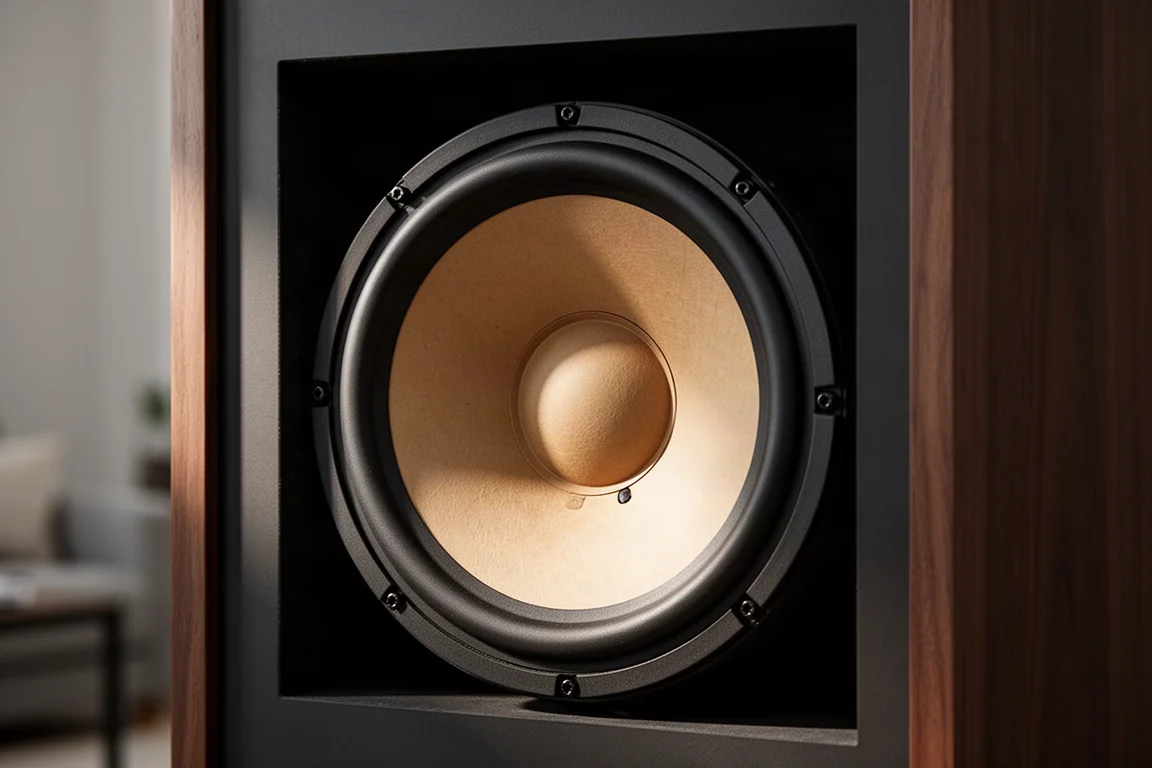
Above that deepest region, the bass tracks closely with the rest of the speaker’s output, delivering a linear and coherent presentation from roughly 40 Hz up through the midrange. Placement changes the low end far more than amplifier choice does.
Midrange
The midrange is among the more articulate and resolute performances you will hear at this price, particularly with the Decware Zen Triode amplifier or the Audiolab 6000A Play. Clarity is high on the list of strengths: instruments and vocals carry a purity that feels real and organic.
Vocals in particular have an in-room presence usually associated with horn-loaded designs, but without the forwardness or horn coloration that can accompany them. Acoustic and well-recorded jazz material fares especially well, and dialogue clarity is strong enough that a center channel or soundbar is not missed.
Treble
There is no separate tweeter, yet the move from midrange to treble is seamless because no crossover sits between them. The speaker reaches 20 kHz, though not with the same energy it shows at 10 or 15 kHz; the highs are airy and extended but roll off as they approach the top of the range.
That makes the S10 easy to live with across a wide range of music, including tracks that can sound brittle on brighter speakers. It is not soft or vague, however. The treble is resolute enough to unpack detail and nuance, and revealing enough to expose poor recordings and transfers, including the compression audible on streaming versions of older tracks.
Soundstage
Dispersion is not class-leading, and this is where setup pays the biggest dividend. Correctly placed and toed in, the S10 can produce a three-dimensional, holographic stage that extends beyond the outer edges of the cabinets, with solid center focus and detail between the speakers.
If the presentation instead collapses toward the cabinets, the speaker is signalling that placement still needs work. Think of electrostatic panels: spectacular once dialled in, directional when they are not.
Dynamics
Dynamics are excellent. The S10 can be explosive when the music calls for it without sounding shouty or showy, and it plays loudly with little power and no strain.
What stands out most is low-level listening. Below 50 dB the speaker remains captivating and gives up very little in detail, intelligibility or musicality. Turning the volume up simply scales the presentation without revealing anything wholly new, which makes long sessions at moderate levels genuinely comfortable.
Comparisons: How the S10 Stacks Up
Against the Klipsch Forte IV, which is similar in size and specification, the S10 gives up some low-end oomph and notably less treble extension, while costing about a thousand dollars less; the Forte is the more solidly constructed cabinet in some eyes, and which one is better comes down to personal preference, since both present music and film sound in an engaging way. Against the smaller Klipsch Heresy IV, the S10 is the preferred option. Decware’s own open-baffle Zen Master series, which also uses a full-range driver from Lee, images more easily thanks to better off-axis dispersion, while the S10 carries more bass weight and the Zen comes across as slightly more agile, trading some low-end extension for marginally greater detail and texture. Traditional multi-driver speakers with crossovers will typically sound more subdued and less coherent by comparison, especially when driver integration is imperfect, with audible handoffs between bass, midrange and treble.
Buying Advice
At around $3,900, the S10 sits below the Forte IV and far below the high-end designs it can be mentioned alongside. Before buying, weigh three things: the room, the amplifier, and your tolerance for setup.
The room needs to be large enough for a cabinet that stands almost four feet tall, and for the distance from the front wall that the bass wants. The amplifier side is straightforward: 100 dB sensitivity and an 8-ohm impedance mean almost anything will drive it, from a low-wattage tube amp to a solid-state integrated. Setup is the variable you control, and it is worth treating as part of the purchase rather than an afterthought.
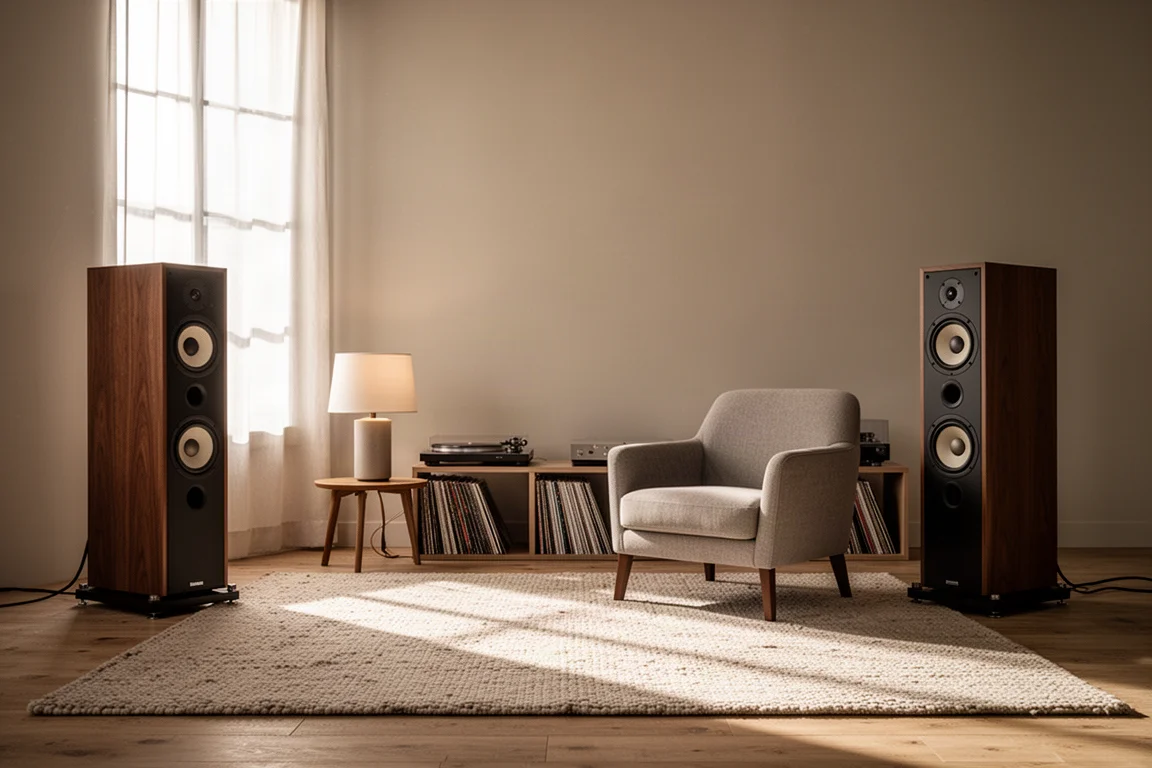
If you want a less mainstream alternative to the usual multi-driver towers, and you are willing to spend time on toe-in and on the distance between the speakers and the wall behind them, the S10 is an easy recommendation. It stands as a reference point for high-efficiency loudspeakers under about $5,000.
Conclusion
The Lee Song Origin S10 pairs an unusual design with results that justify the effort it asks for. Its crossover-free single-driver layout delivers coherence, transparency and midrange realism that few conventional towers can match, and its 100 dB sensitivity means it thrives on low-wattage amplification.
The conditions are clear. Give it a larger room, place it well out from the front wall, dial in the toe-in, and accept that the gloss finish will need the occasional wipe. Do that, and the S10 rewards you with a speaker that stays engaging at a whisper and scales cleanly when you turn it up. As always, the only person who has to like the sound of your system is you.
Product link
View more details for Lee Song Origin S10
This product is mentioned in the review. Check the specifications, options, and compatibility before buying.
View more details for Lee Song Origin S10Further reading
Related Reviews
Hi-Fi Loudspeakers
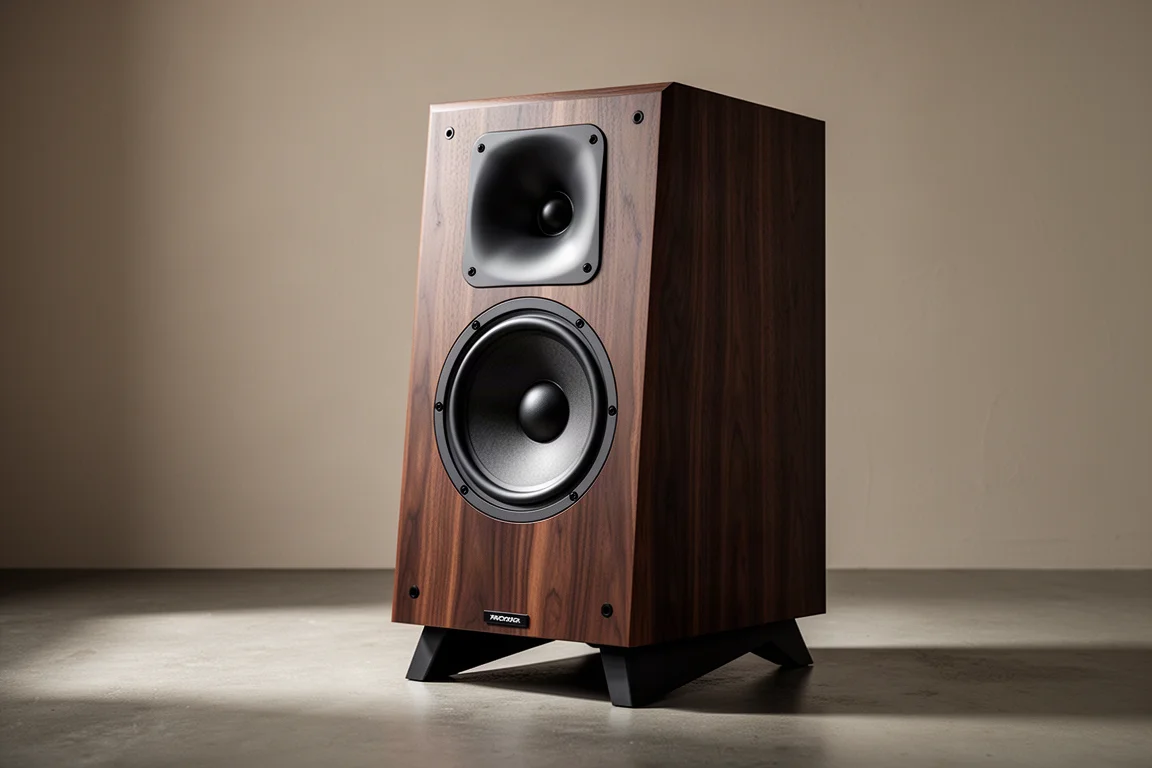
JBL 4349 Review: A High-Sensitivity Standmount With Serious Dynamic Punch
A close look at the JBL 4349, a large two-way standmount with a horn-loaded compression tweeter, 91 dB sensitivity and deep bass extension, plus the amplifier and placement demands that come with it.
Hi-Fi Loudspeakers
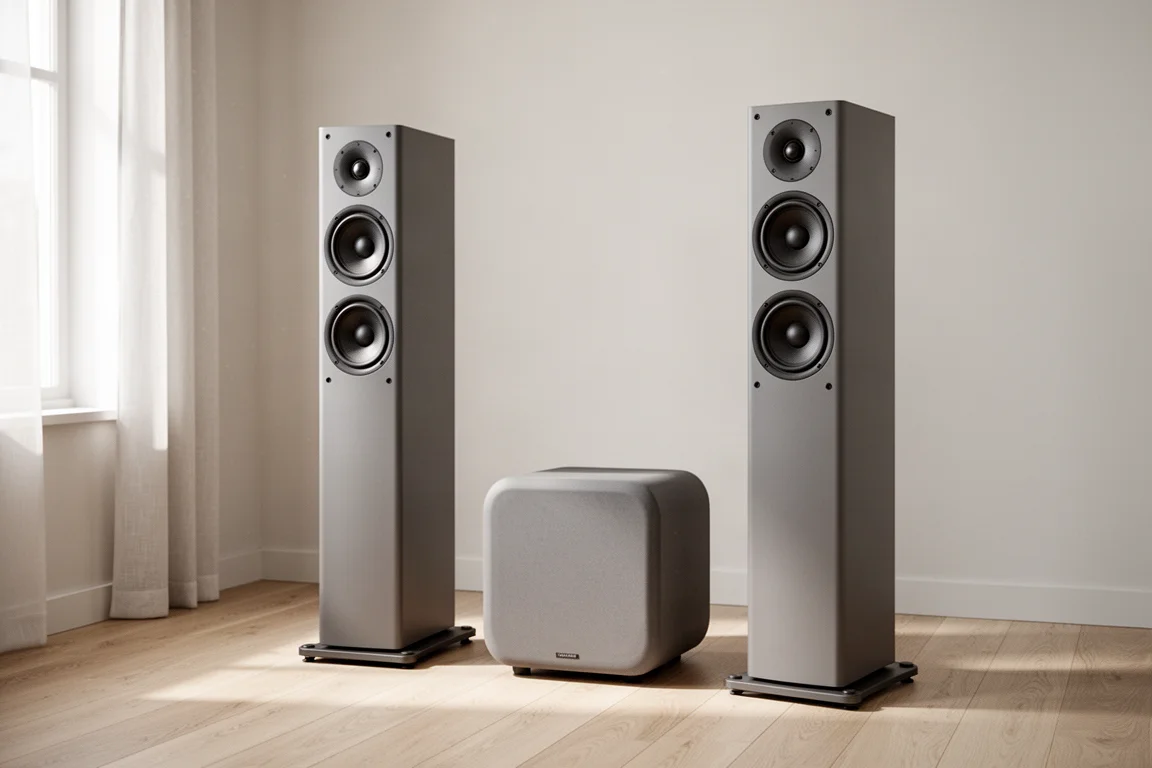
KEF LS60 Wireless and KC62: What Adding a Subwoofer Changes
A practical look at how the KEF LS60 Wireless performs on its own, with one KC62 subwoofer, and with two, based on in-room measurements and listening.
Hi-Fi Loudspeakers
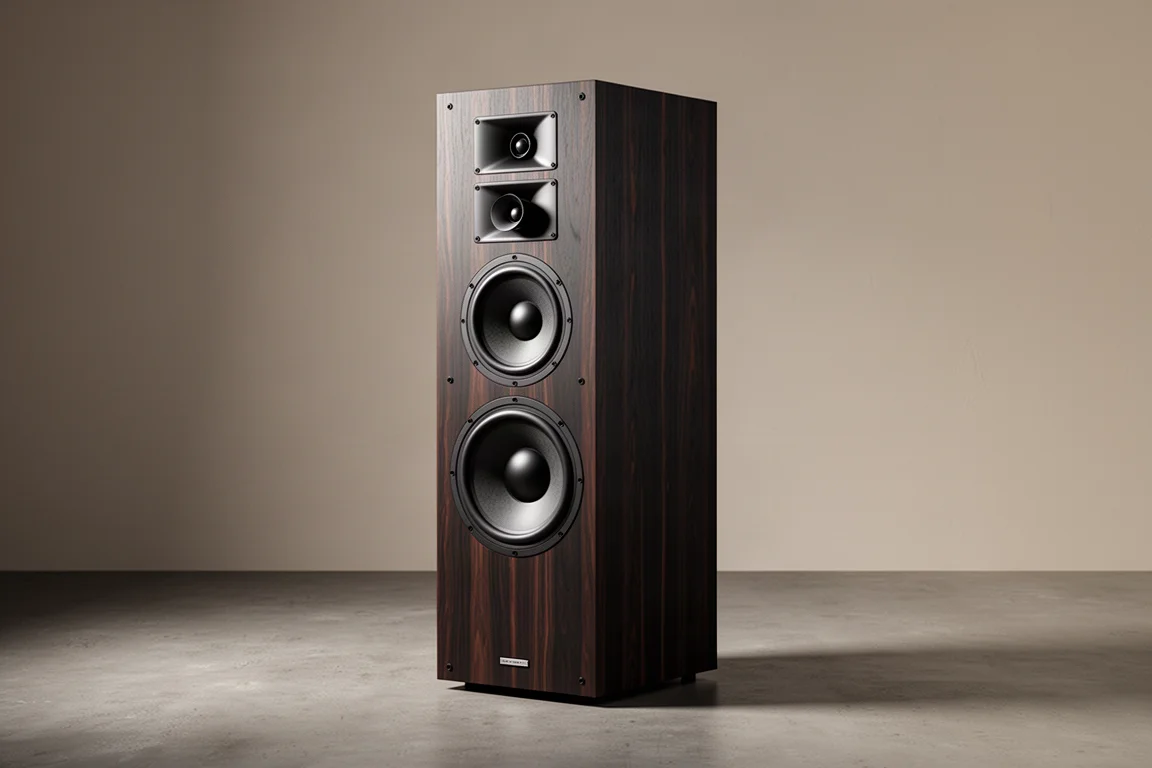
Magnet Transpulse Review: A Big, Fun Floorstander That Undercuts the Competition
The Magnet Transpulse is a true three-way floorstander with a 15-inch woofer, a dedicated midrange, and horn-loaded tweeters. It delivers scale and texture for under $1,000 a pair, provided you have the room.