Hi-Fi Speakers
Magnepan 7x Review: A Dipole Panel Speaker That Gets the Midrange Right
A practical look at the Magnepan 7x, a dipole quasi-ribbon panel speaker at $4,000 per pair, with lifelike midrange, clean bass to about 50 Hz, and real demands on room space and amplification.
Introduction
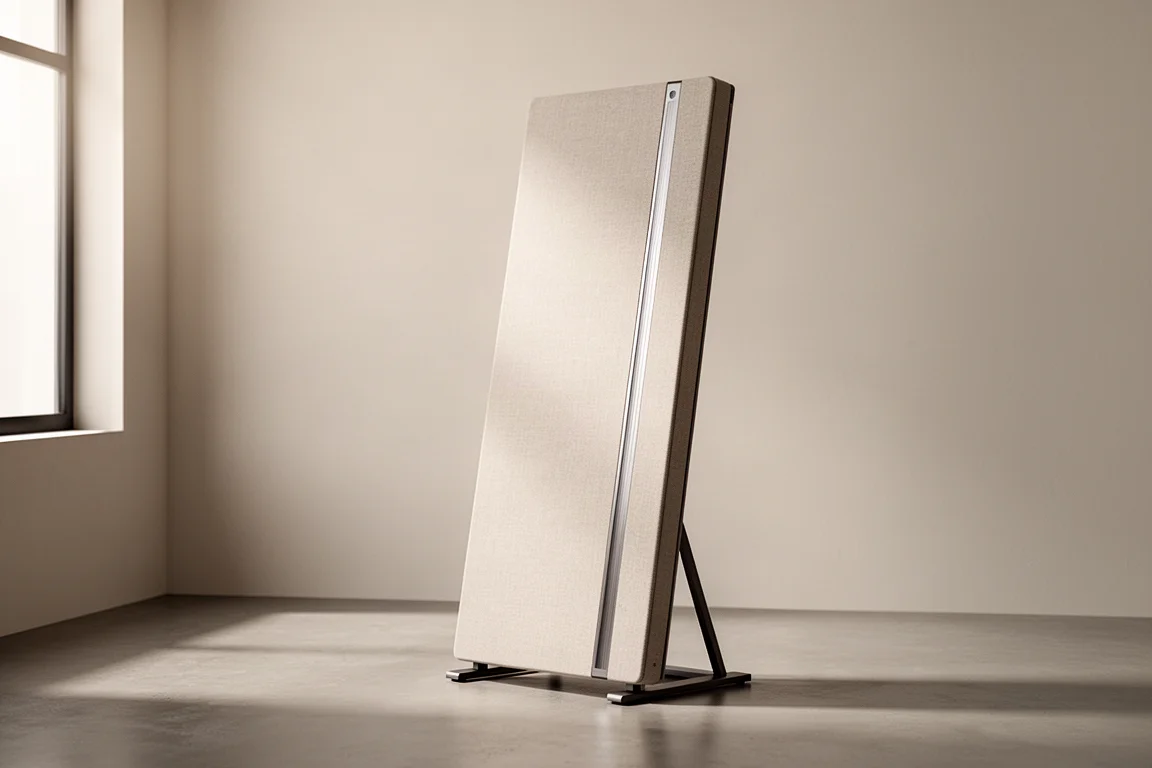
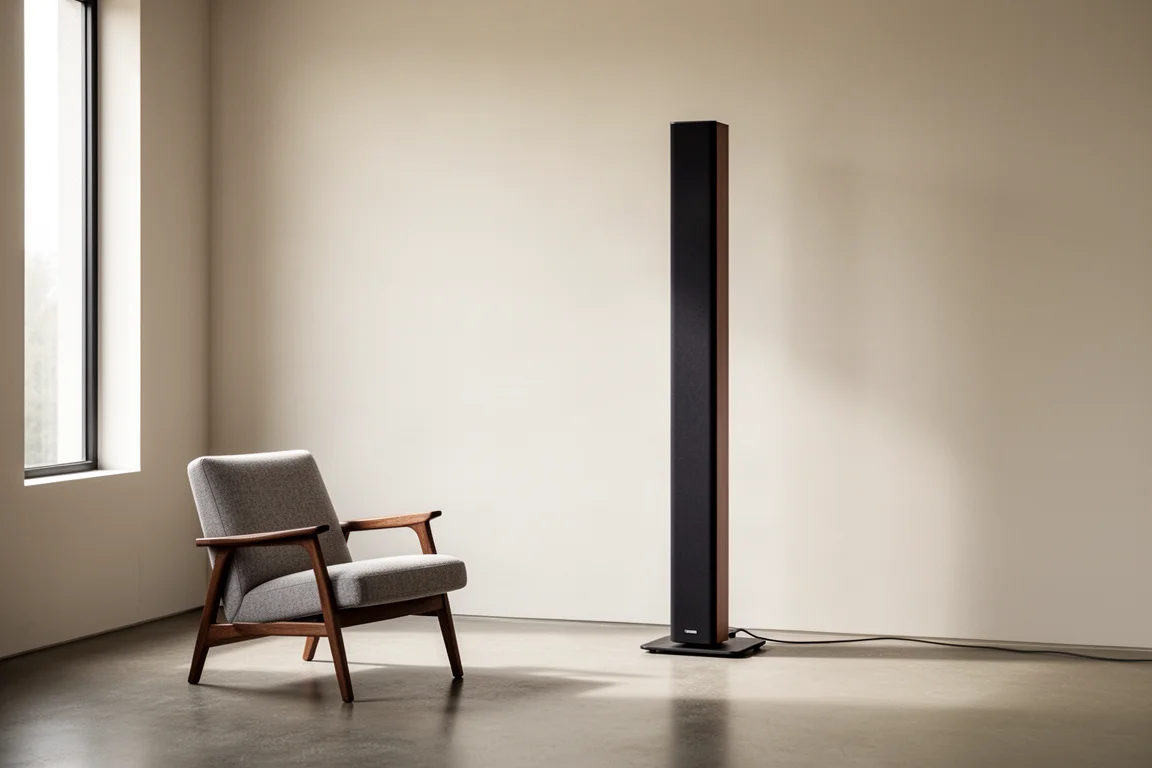
The Magnepan 7x is a tall, thin dipole loudspeaker. On its optional stands it measures 58 inches high, and without them it stands 54 inches tall. The panel itself is a flat quasi-ribbon design just an inch and a quarter thick, and it radiates sound forward and rearward in equal measure.
That one design decision changes how the speaker presents music. A conventional box speaker sends sound forward from a tweeter, a midrange and a woofer. The 7x works from a large, flat diaphragm and fills the room from both sides of the panel, which is closer to the way real instruments behave in a space.
The imaging is enormous, and with well-recorded material the panels stop reading as physical objects and simply disappear. The easiest way to describe the effect is scale: it is like moving from a small screen to an 85 or 100 inch display in the same room. The sound stage opens up in every direction.
Magnepan has designed and built every speaker in its range, including the least expensive models, in White Bear Lake, Minnesota, since 1969. The 7x sells for $4,000 a pair and includes a three-year warranty and a choice of grille colors. It does not replace the standard Magnepan 7, which stays in the line at $2,000 a pair.
Who This Speaker Is For
The 7x suits listeners whose music lives in the midrange: vocals, acoustic instruments, chamber music, acoustic guitar, strings and flute. It rewards anyone who cares about the believability of tone and about hearing individual instruments occupy their own space in the room rather than blur into one another.
It also suits listeners who can work with a dipole. That means roughly three feet of clearance behind the panels, or the willingness to slide them forward for a session and back against the wall afterward. A current-capable amplifier is part of the package too.
It is a less obvious fit for listeners whose library is built on bass-heavy rock, electronic music or anything that depends on physical impact and wide dynamic swings.
Main Strengths: Midrange, Treble and Coherence
The midrange is the headline. Vocals and most acoustic instruments come across at a level that is rare in a domestic room, lifelike and natural, and the presentation never sounds strained or forced. This is the quality that keeps pulling you back into the listening seat.
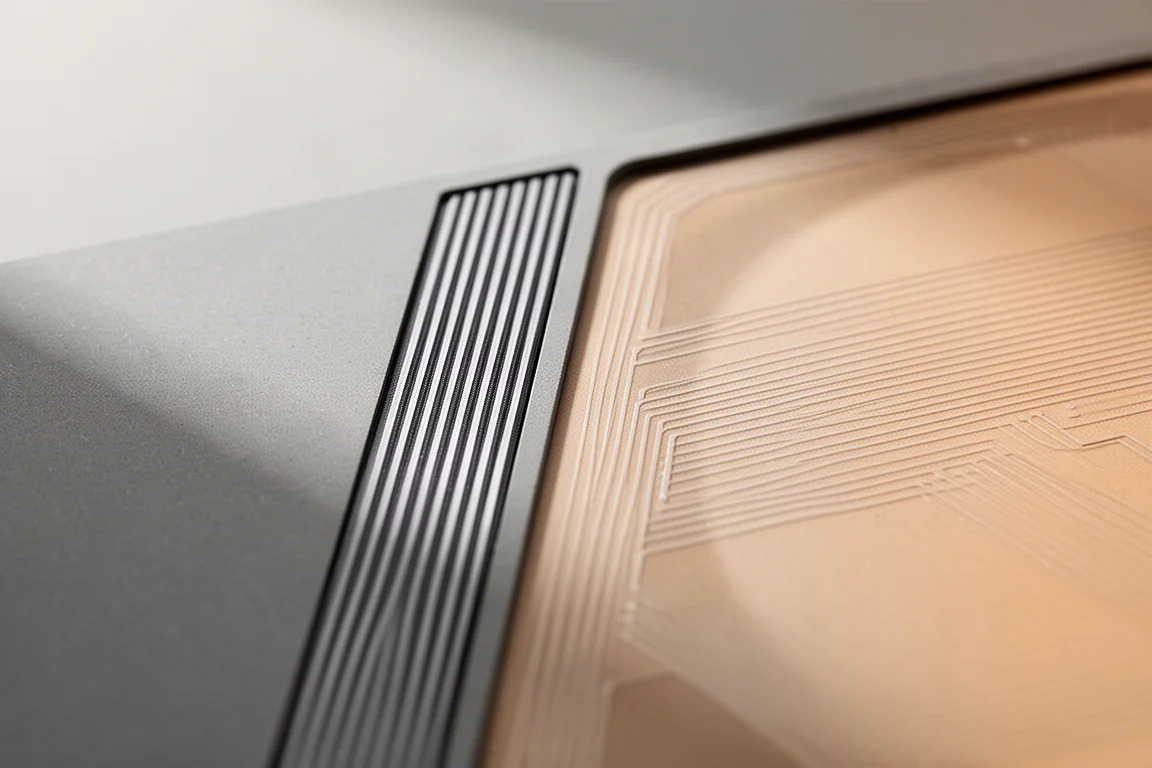
High frequencies come from a ribbon tweeter that measures 41 inches tall. The result is detail, clarity and extension with a strong impression of low distortion, and it stays easy to listen to over long sessions. The midwoofer section of the 7x measures 8 and 12 inches by 40 inches tall, so the radiating area is enormous next to the one-inch dome tweeters common in box designs. That area means very little excursion is required to reach a given level, and low movement is part of why the sound stays clean.
Coherence is the other standout. The bass is clean and so thoroughly integrated with the midrange and treble that the speaker behaves like a single driver. There is no audible sense of bass, mid and top arriving separately and no sense of a crossover stepping in and out. Low frequencies reach down to roughly 50 Hz, deep enough that a subwoofer is not automatically required.
Setup, Placement and Amplification
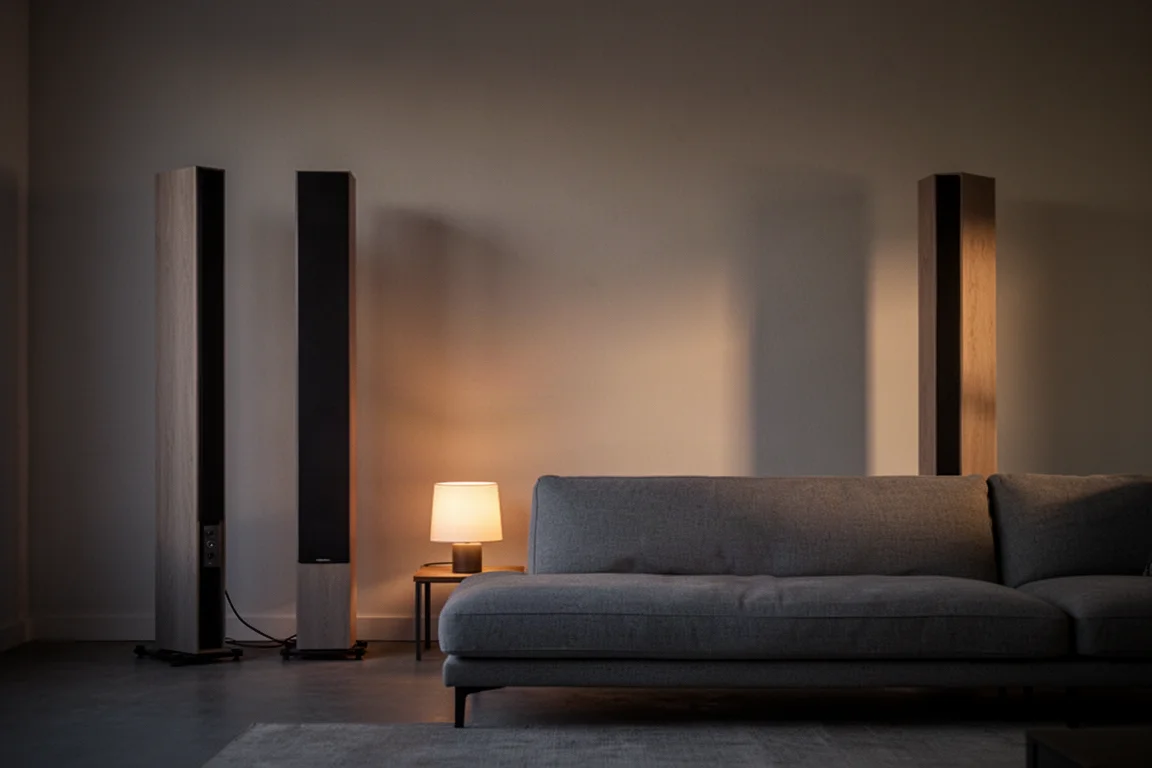
Placement matters more here than with most speakers. The 7x wants roughly three feet of space between the panel and the wall behind it. A little less or a little more can work, but that is the ballpark. If your room cannot accommodate that at all, this is not the right speaker. The panels are light, though, and many owners simply slide them forward to listen and push them back when they are done.
Side walls are far less of a problem. The panel can sit about a foot from a side wall, because horizontal dispersion is limited and the bass cancels to the sides of the speaker. The usual box-speaker penalties for sitting close to a side wall do not apply here. Angle the panels in toward the listening position; leaving them parallel to the wall behind them will not give good results.
Amplification is the other requirement. The 7x needs an amplifier that is comfortable driving a 4-ohm load, and impedance may dip below that, so current delivery matters. A $1,600 integrated amplifier rated at 85 watts into 4 ohms drove the 7x sweetly, while high-powered monoblocks with far more output on tap also worked well. The speaker is revealing enough that the amplifier you already own is worth an honest assessment before you commit.
The standard stands tilt the panel back and let it rest on the floor. The optional stands add $300 and raise the speaker about four inches, which is where the 58-inch height comes from. Connections on the back panel are gold plated.
Things to Consider Before Buying
Bass impact is the main trade-off. The 7x does not deliver the kick and thump you feel in your chest. It goes reasonably low, around 50 Hz, and that bass is clean, but impact is not part of the deal. Many owners of Magnepan speakers, including the larger models, add subwoofers to recover that low-end thump.
Dynamic range and liveliness are the second consideration. The 7x is controlled rather than explosive. Music that is not especially dynamic, such as chamber music, acoustic guitar, strings or flute, sounds fantastic and the limitations never surface. Material with real kick in the bass will not carry the same sense of live dynamics. At medium levels around 75 dB it sounds good, and pushed to 85 or 90 dB it can still sound very good, but it never suggests the swing of a live performance.
Very quiet listening is the third. Sensitivity is on the low side, and the speaker is not at its best at low levels. Around 50 dB it is good; below that it tends to make you want to turn it up. A sound pressure level app on a phone is a simple way to check where your listening level actually sits.
None of these are defects so much as a clear description of what the speaker is. It is a specialist design, and it is honest about the trade-offs it makes.
How the 7x Compares
Against the Magnepan LRS Plus, the smaller panel makes less space and cannot approach the upper-end detail, clarity and articulation of the 7x. On classic rock material, the LRS Plus constrained and contained the music noticeably more. Set up correctly, both speakers can produce a sound stage that detaches from the panels and floats in the room, but the 7x does considerably more with the midrange and treble.
Against a reference open-baffle design such as the Pure Audio Project Duet 15, the comparison goes the other way in places. That speaker pairs a 15-inch woofer with an 8-inch full-range driver, sells for $6,500 a pair, and has very high sensitivity. It brings more weight and solidity, more impact and better overall dynamics. Even so, the 7x was startlingly better at delineating individual instruments and the space between them, and it carried more immediacy and precision. On a two-piano recording, the piano tone and touch came through beautifully on the 7x, while the larger speaker sounded comparatively blurred.
Buying Advice
The 7x is the X version of the standard 7, and most of the difference lives in the crossover. Standard Magnepan crossovers use adequate but not audiophile-grade parts. In the 7x, the capacitors are matched to very exacting tolerances and matched left to right as a pair. The inductors are wound in house at the Magnepan factory so that every one lands on spec, the wiring between the crossover and the panel differs from the standard 7, and the connections are hardwired and soldered rather than clip-on. The X Series runs through the line, although it is not available for the LRS Plus.
If you already own a Magnepan 7, the speakers can be sent back to the factory to be upgraded to X status. That makes the upgrade path a genuine option rather than a dead end.
At $4,000 a pair, the 7x is a specialist purchase, and the decision should follow your music and your room. Buy it if your listening leans toward acoustic music, vocals and small ensembles, if you can give it roughly three feet behind the panels, and if your amplifier is comfortable with a low-impedance load. If your library is built on bass-heavy rock and you want physical impact, the standard 7 at $2,000 a pair leaves more budget for a subwoofer, and a box speaker may simply suit the room better.
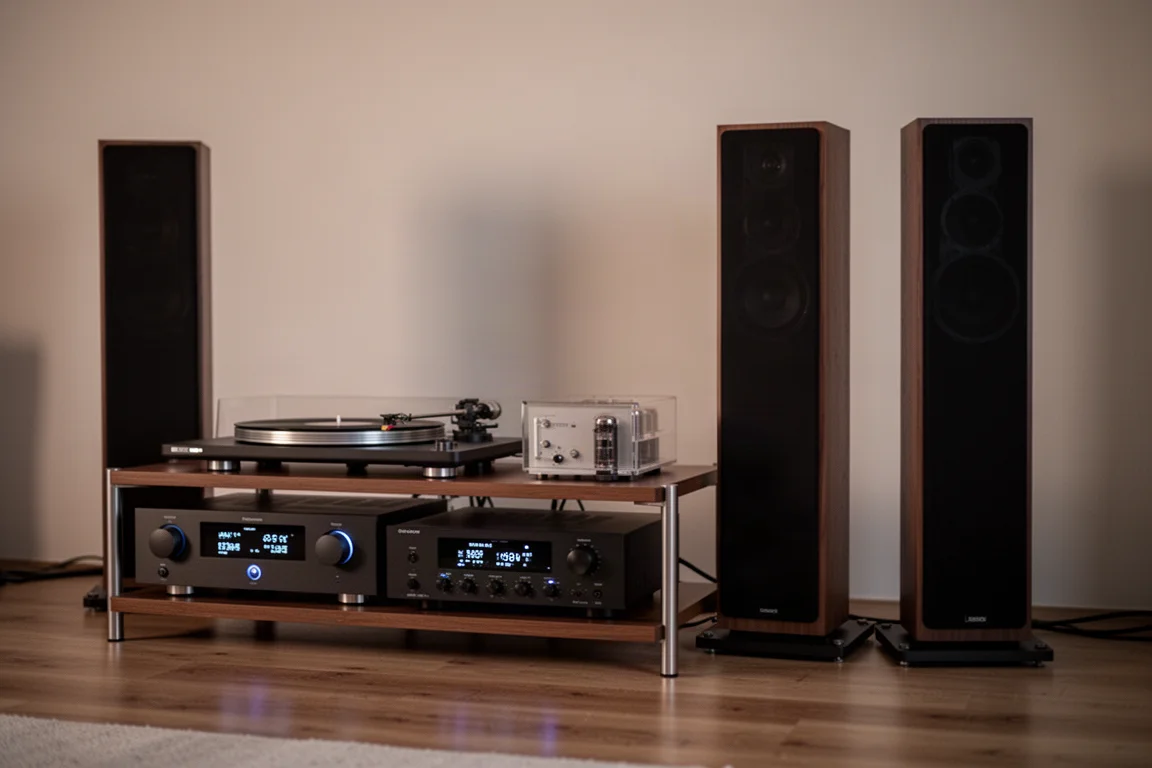
Either way, the choice comes down to the records you actually play and the space you can give a dipole panel.
Conclusion
The Magnepan 7x is an extraordinary speaker in the areas it prioritizes: midrange realism, treble clarity, coherence and imaging. It is not a speaker for bass impact or explosive dynamics, and it asks for room depth and an amplifier that can deliver current. Match it to the right room and the right music, and it does something box speakers rarely manage. It stops sounding like a speaker and starts sounding like the performance.
Product link
View more details for Magnepan 7x
This product is mentioned in the review. Check the specifications, options, and compatibility before buying.
View more details for Magnepan 7xFurther reading
Related Reviews
Hi-Fi Speakers
1723 THX Tower vs 1528 Bookshelf: Which Speaker Fits Your Room?
Two speakers at roughly the same price, built very differently. How the 1723 THX tower and the 1528 bookshelf compare on construction, bass, power needs, and sound.
Hi-Fi Speakers
Acoustic Energy AE 300 Review: Deep Bass From a Compact Standmount
A two-way standmount with real wood veneer, surprising low-end weight, and a warm, easygoing character. Here is what to know before buying.
Hi-Fi Speakers
Acoustic Energy AE1 40th Anniversary Review: A Modern Take on a British Classic
A compact standmount that revives a 1980s favorite with all-new parts, a warm mid-centric balance, and a price of £1,499 per pair.