Streaming Integrated Amplifiers
Lyngdorf TDAI-2210 Review: A Fully Digital Streaming Integrated Amplifier
A practical look at the Lyngdorf TDAI-2210 streaming integrated amplifier, from its Equibit digital amplification and RoomPerfect correction to its touchscreen control and modular upgrades.
Introduction
All-in-one streaming amplifiers have become the easiest way into serious hi-fi listening. They remove the rack of separates, they make streaming simple, and the better ones now deliver performance that satisfies experienced listeners too. The difficulty for anyone shopping today is that nearly every major brand offers one, and many look almost identical on paper. The Lyngdorf TDAI-2210 is one of the few that separates itself in ways you can actually hear and feel.
The TDAI-2210 is a compact streaming integrated amplifier built around fully digital amplification, a full-colour glass touchscreen, and RoomPerfect, a room correction system Lyngdorf has refined over many years. It shares core technologies with the Steinway Lyngdorf systems developed in partnership with Steinway & Sons, the piano maker. That lineage matters, because those systems were created to reproduce a grand piano convincingly enough that a concert pianist could not tell a recording from the instrument. The same emphasis on accuracy runs through this amplifier.
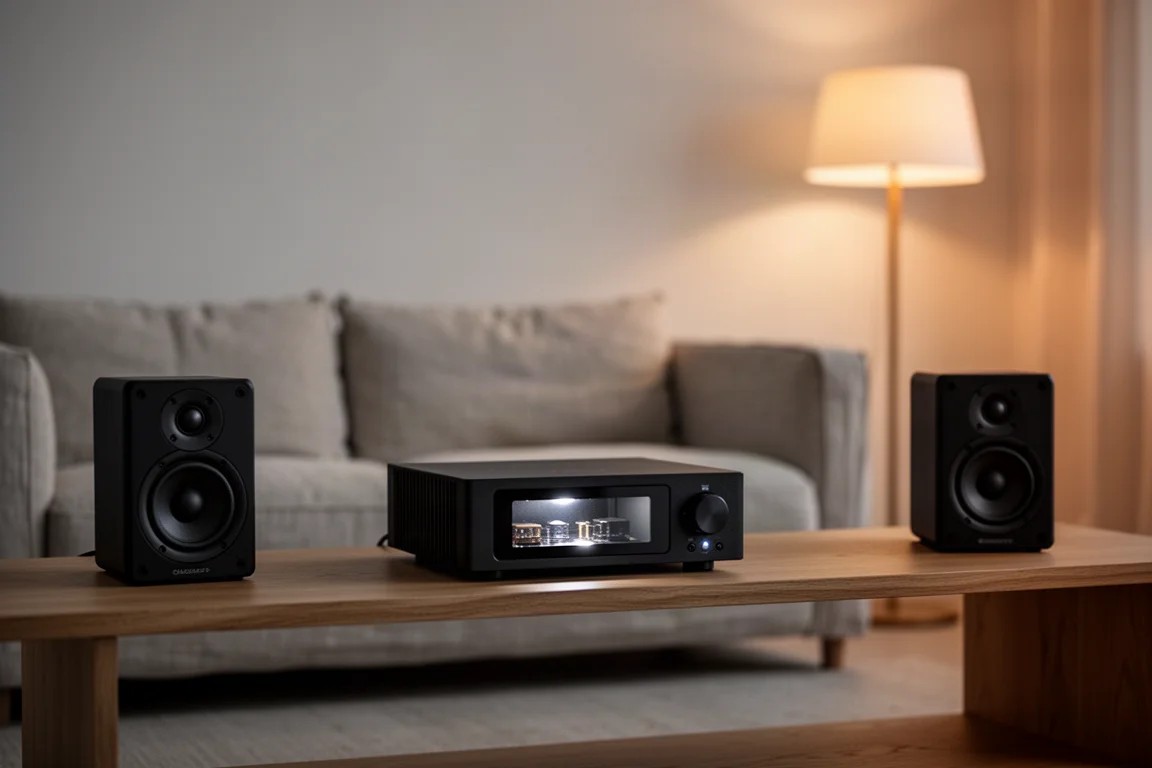
The TDAI-2210 measures just under 13 inches wide and about 4 inches tall, and each unit is assembled and tested in Denmark, including a 24-hour stress test and a full load check on every input and output. It is a compact component, but it is built like a long-term investment.
Who This Amplifier Is For
The TDAI-2210 suits two very different buyers. The first is someone building a clean, uncluttered living room system who wants one box to handle streaming, inputs, and room correction without a steep learning curve. The second is a dedicated two-channel listener who cares about imaging, dynamics, and low noise, and who wants a component that can grow with the system instead of being replaced.
It is also a natural step up for anyone moving from a smaller integrated amplifier, where the extra headroom and the more premium control experience are the main draws. Vinyl listeners and home cinema users are covered as well, though both of those paths involve an optional module rather than the standard configuration.
Main Strengths: Digital Amplification and Power
The heart of the TDAI-2210 is Equibit, Lyngdorf’s fully digital amplification technology. It is a switching design, so it is sometimes mistaken for Class D, but the difference is fundamental. Class D amplification is derived from the analog domain, while Equibit converts PCM directly to PWM without ever entering the analog domain. Nothing extra is added along the way that could introduce noise.
Because the signal path stays digital all the way to the output stage, the amplifier maintains a very low noise floor and keeps full-scale resolution even at quiet listening levels. Volume is handled differently as well. Instead of attenuating the signal earlier in the chain, gain is set in the output stage itself, which keeps resolution intact and avoids small differences between channels at low volumes.
Power is rated at 210 watts per channel into 4 ohms, enough to take control of demanding speaker loads. In listening, the result is a clean and uncoloured presentation with fast transients, wide dynamic range, and precise imaging at any volume, from late-night background listening to a full-scale session.
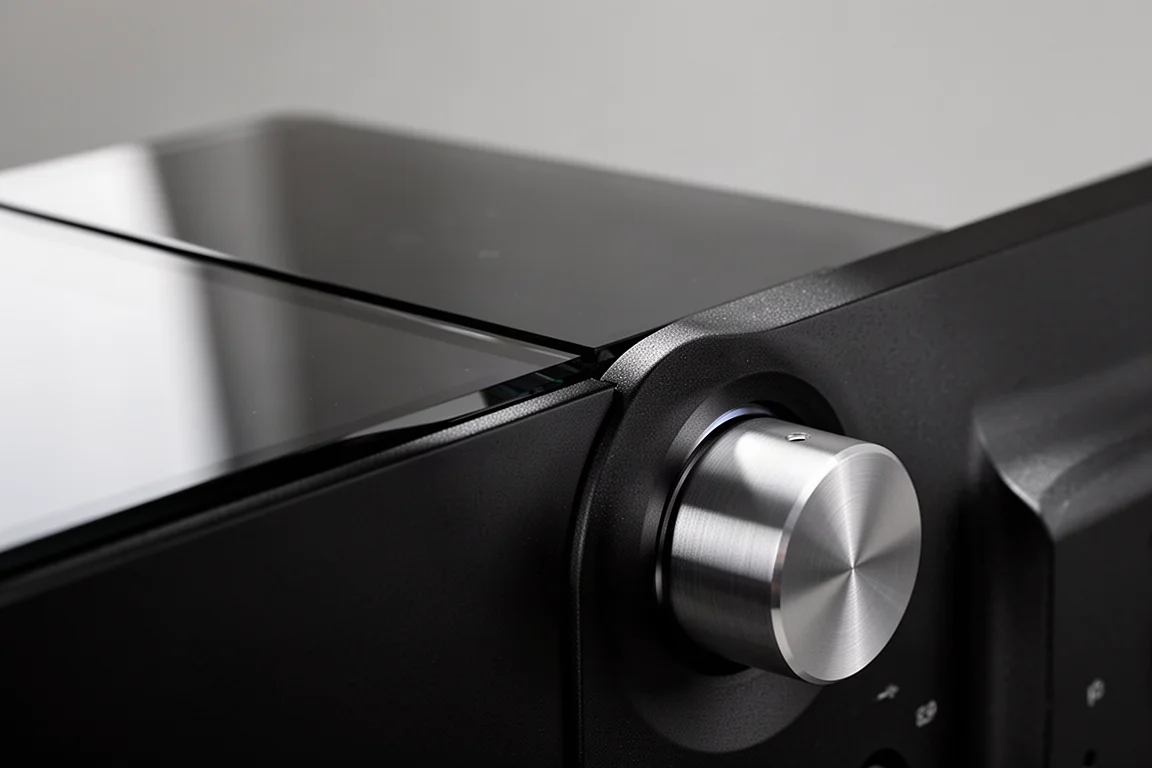
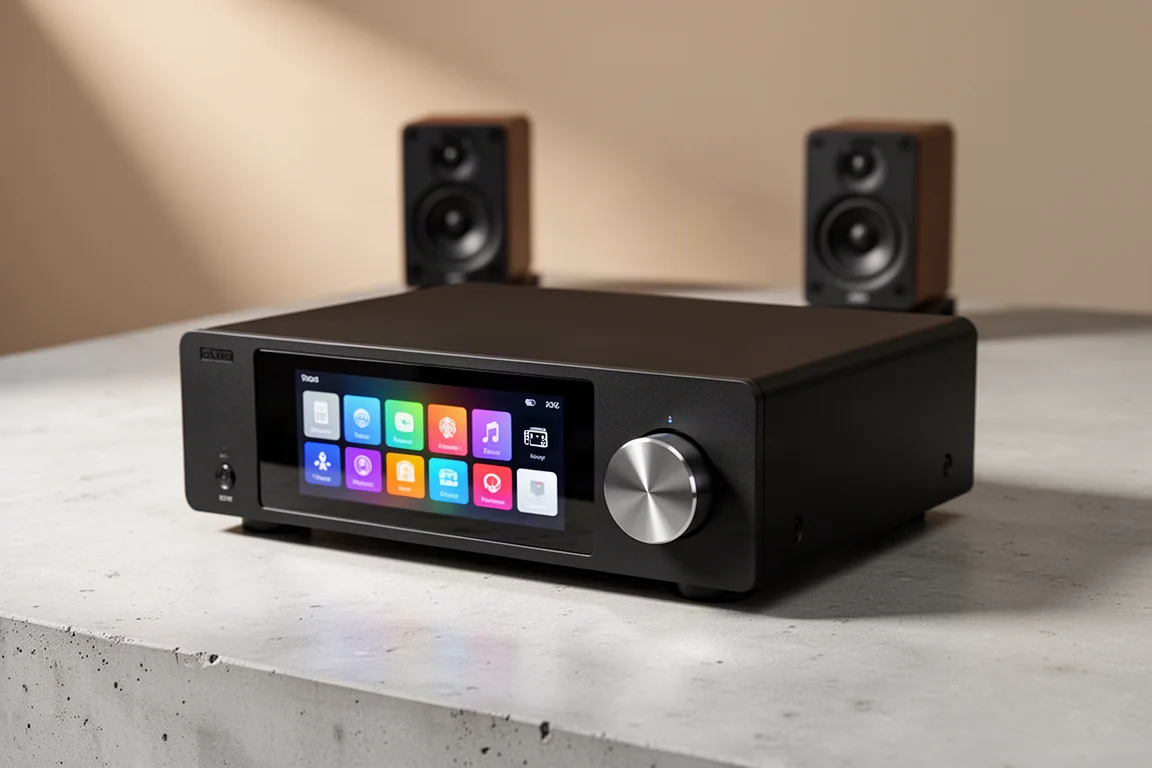
The chassis is matte black and understated, with a bright full-colour glass touchscreen on the front panel and a precise, substantial volume wheel on the right. The touchscreen is responsive and its icon-based layout is easy to follow even for first-time users, displaying cover art, volume, inputs, and settings clearly from across a room.
RoomPerfect Room Correction
RoomPerfect is Lyngdorf’s proprietary room correction system, and it works quite differently from the EQ-based correction found in many other products. Rather than measuring a speaker’s frequency response and applying a filter to flatten the line, RoomPerfect maps the power response of the system in the actual room. It takes over two million measurements of reflections and maps them in three dimensions, which lets it address the cause of problems such as bass boom, midrange imbalance, or smeared imaging instead of applying a generic target curve.
Calibration starts with the included calibrated microphone at the primary listening position, which Lyngdorf calls the focus position, followed by multiple measurements taken around the rest of the room. The result is precise imaging and tonal accuracy at the main seat, with better balance everywhere else.
Two practical details stand out. RoomPerfect is immune to background noise while it runs, so a barking dog or a conversation in the next room will not spoil the calibration, which makes it far easier to use in a normal home. It also preserves the punch and dynamics of bass rather than smoothing them away, and it does not force a predefined curve onto the speakers, so their character survives the correction.
Streaming, Control, and Modular Expansion
Streaming support covers Spotify Connect, Tidal Connect, Qobuz Connect, Roon Ready, Google Cast, Apple AirPlay, Bluetooth, and DLNA, along with playback of local files over a network and direct USB connection. The rear panel is generous for a compact amplifier: three coaxial and two optical digital inputs, USB-C, HDMI 2.1 eARC, and two RCA analog inputs, plus RCA, balanced XLR, and digital coax outputs and a 3.5 mm headphone jack.
Control is handled by the My Lyngdorf app for iOS and Android, an equally intuitive web interface, or the front touchscreen itself, which can manage everything including calibration without either the app or the browser. Built-in internet radio includes AI-powered search for browsing stations by region, genre, or mood, and voicings can be switched instantly for quick comparisons between music and film listening.
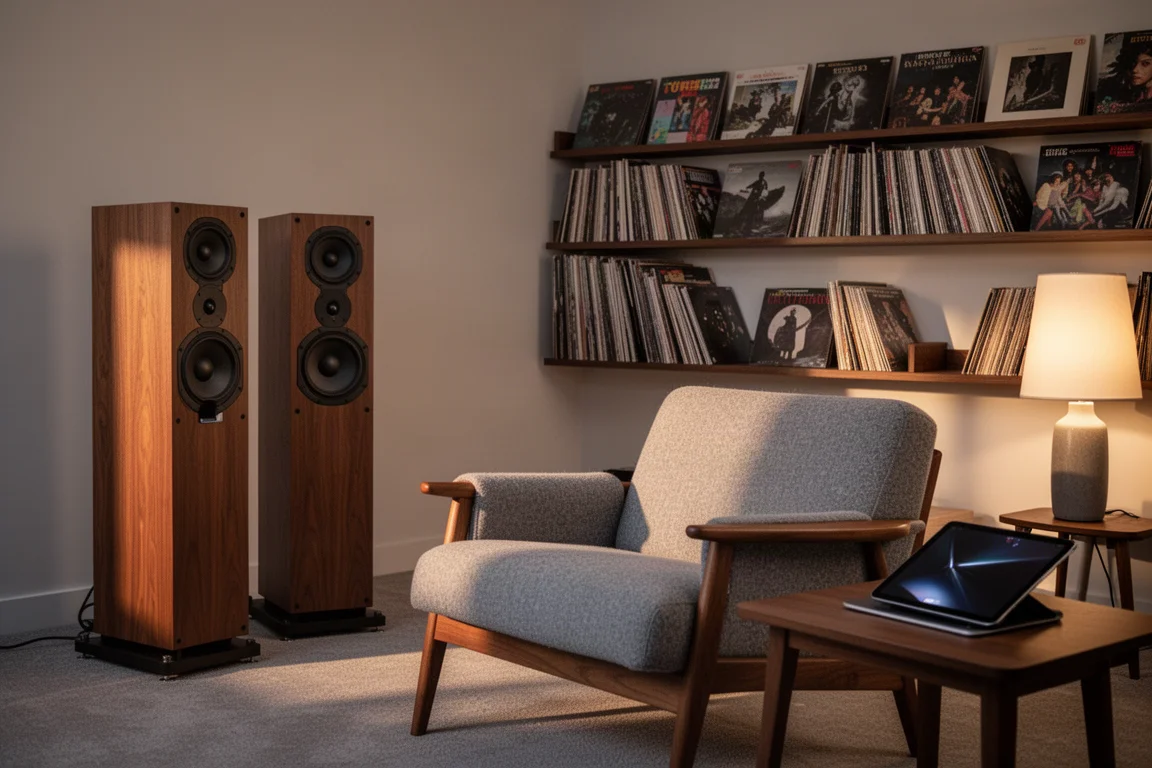
The modular slot is what makes the TDAI-2210 unusually future-proof. The high-end analog module adds a high-quality moving magnet phono stage, two extra RCA inputs, and a balanced XLR input, using premium parts including gold-plated relays in the initial gain stage. The HDMI 2.1 module adds two more HDMI inputs and an HDMI output with 8K and 4K pass-through, eARC for sending TV audio back to the amplifier, and CEC control so the system powers up and changes volume with a television remote.
Things to Consider Before Buying
The TDAI-2210 sits between two siblings in the Lyngdorf range, and the choice depends on your room and your speakers. The smaller TDAI-1120 occupies even less space and offers less headroom and less bass control with large or inefficient speakers. The flagship TDAI-3400 delivers more outright power, while the TDAI-2210 keeps a similar level of refinement in a smaller, more living-room-friendly package.
Both expansion modules are optional, so anyone who needs a phono stage or extra HDMI inputs should factor those into the total cost rather than expecting them in the base configuration. It is also worth planning speaker matching carefully. At 210 watts per channel into 4 ohms there is substantial power on tap, but very demanding loads will always benefit from more.
Buying Advice
If you want a single box that handles streaming, room correction, and a wide spread of sources, and you value a polished day-to-day interface, the TDAI-2210 belongs on your shortlist. It is at its best in a system where the speakers are already good and the room is the limiting factor, because RoomPerfect addresses exactly that problem.
For listeners stepping up from a smaller integrated amplifier, the jump in authority, control, and user experience is the reason to move. For anyone cross-shopping streaming integrated amplifiers in this class, the combination of fully digital amplification, RoomPerfect, flexible connectivity, and modular expansion is what sets it apart.
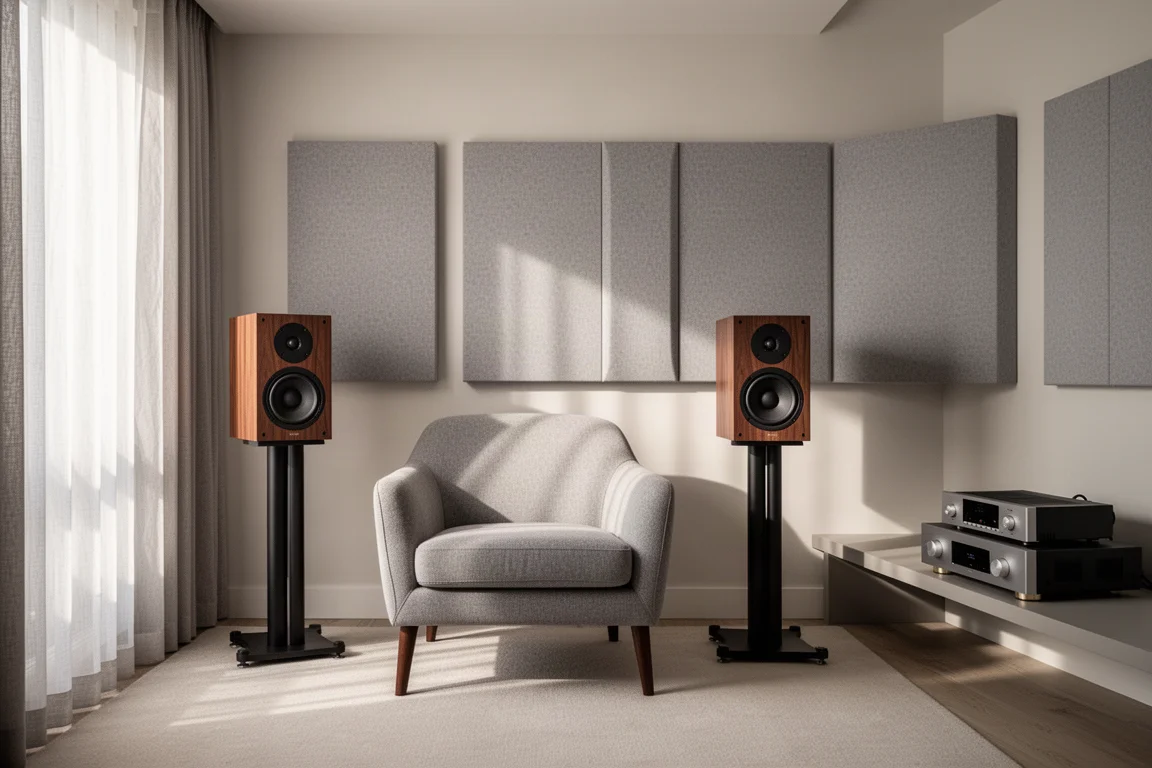
One further consideration is longevity. Because the amplifier accepts future modules through its expansion slot, it can take on new capabilities without being replaced, which is a meaningful advantage for a component at this level.
Conclusion
The Lyngdorf TDAI-2210 blends high power, advanced room correction, flexible connectivity, and an elegant interface into a compact package that works as well in a minimalist living room as it does in a dedicated two-channel space. Its connection to the Steinway Lyngdorf systems is more than brand history: the same pursuit of accuracy is audible in the way it renders detail, dynamics, and space.
Whether you are chasing a convincing piano recording or simply want one box that makes everything you play sound better, the TDAI-2210 delivers in a way few competitors manage.
Product link
View more details for Lyngdorf TDAI-2210
This product is mentioned in the review. Check the specifications, options, and compatibility before buying.
View more details for Lyngdorf TDAI-2210Further reading
Related Reviews
Hi-Fi Audio
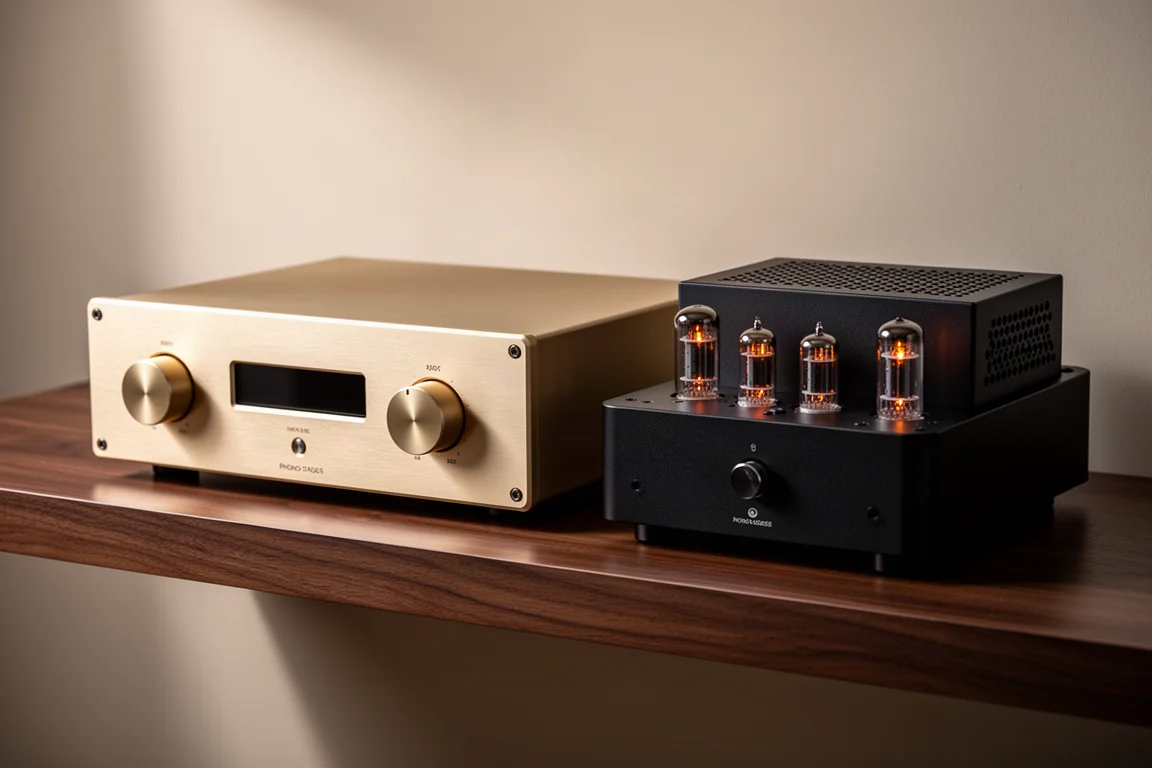
Accuphase C-57 vs Allnic H-7000V: Two High-End Phono Stages Compared
A fully balanced solid-state phono stage with a pitch-black noise floor meets a tube design built for well-loved records. Here is how to choose between them.
Hi-Fi Amplifiers
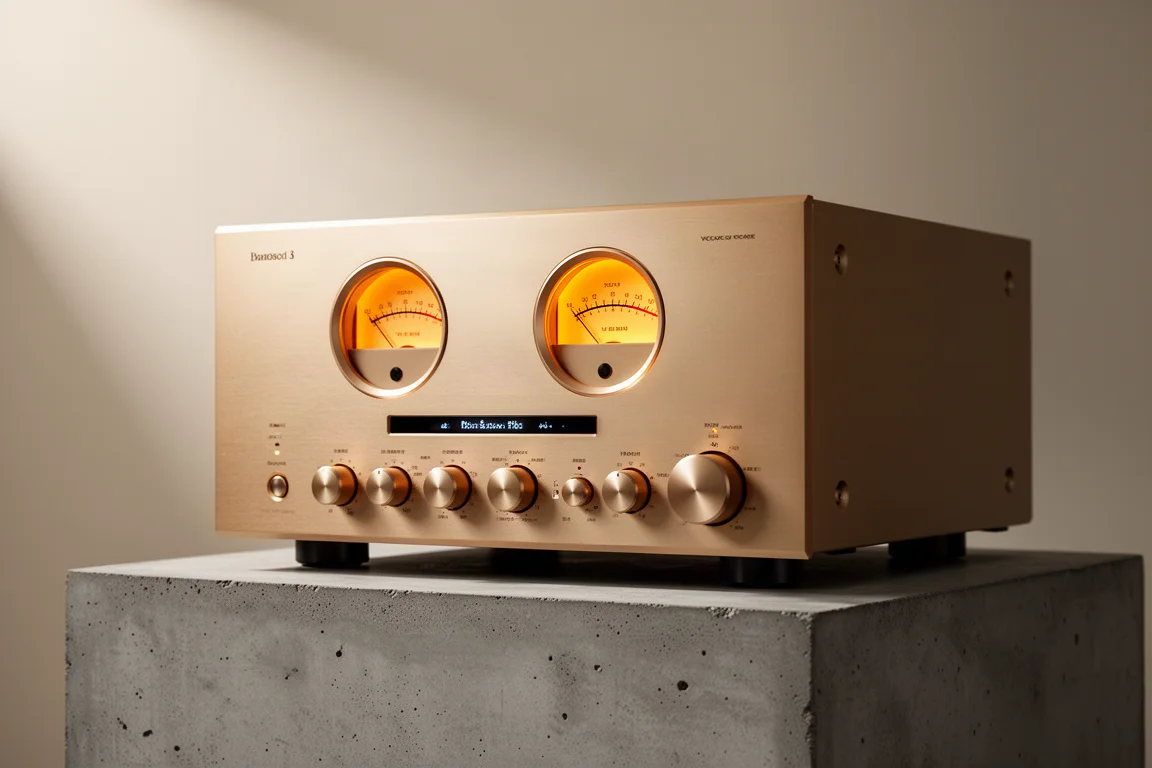
Accuphase E-280 Review: Entry-Level Accuphase With Flagship Attention to Detail
A close look at the Accuphase E-280 integrated amplifier, covering its champagne build, AAVA volume control, sound quality, and the speakers and sources that suit it best.
High-End Audio
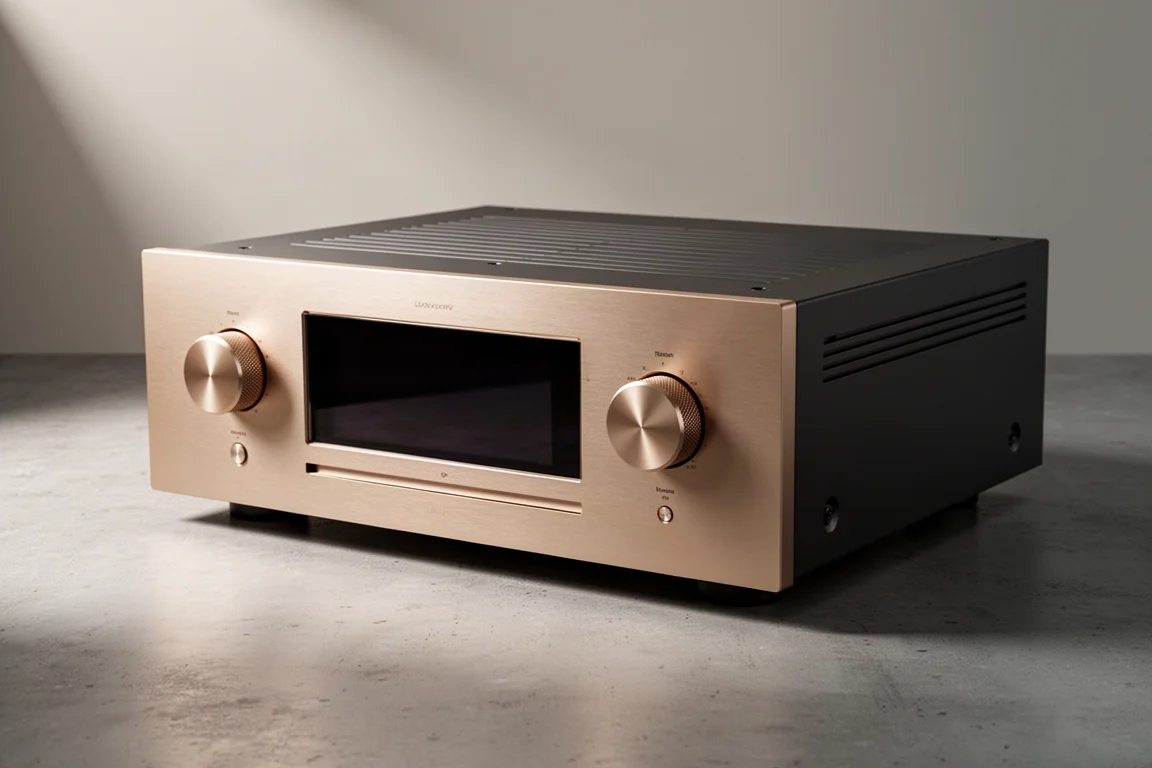
Accuphase E-3000 Review: A Class AB Integrated Amplifier Built to Last
The Accuphase E-3000 is the entry point into a legendary Japanese high-end line. Here is how it sounds, how it is built, and who should consider it.