Backpacking Gear
Luxury Backpacking Gear: 10 Extravagant Items Worth the Weight
A comfort-focused backpacking kit built around ten standout items, from an ultralight pack and a reclining chair to a thick sleeping pad, a quiet stove, and a satellite messenger.
Introduction
Luxury backpacking is a different kind of gear exercise. Instead of shaving every gram, you choose a small number of items that make camp feel genuinely comfortable, then accept the weight or the price that comes with them. The goal is pleasure and comfort without giving up function.
This collection was assembled around a single constraint: everything had to fit inside a 50-liter pack. Some of these items have earned a permanent place on every trip, while others are newer additions being tested for the first time. Together they cover the pack itself, camp furniture, camp clothing, a shelter, a full sleep system, a cook setup, and a few electronics.
What Makes Gear Feel Luxurious on Trail
Luxury in the backcountry rarely means gold plating. It usually means one of three things: a feature that removes a small daily annoyance, a material that feels noticeably better against the skin, or a design that performs in more conditions with less effort.
Weight and price are the two currencies you spend. Ultralight packs that include a real frame, a hip belt, and an adjustable torso are expensive. Thick, wide sleeping pads are heavy and costly. The trade is deliberate, and the items below are worth considering when comfort matters more than a minimal pack weight.
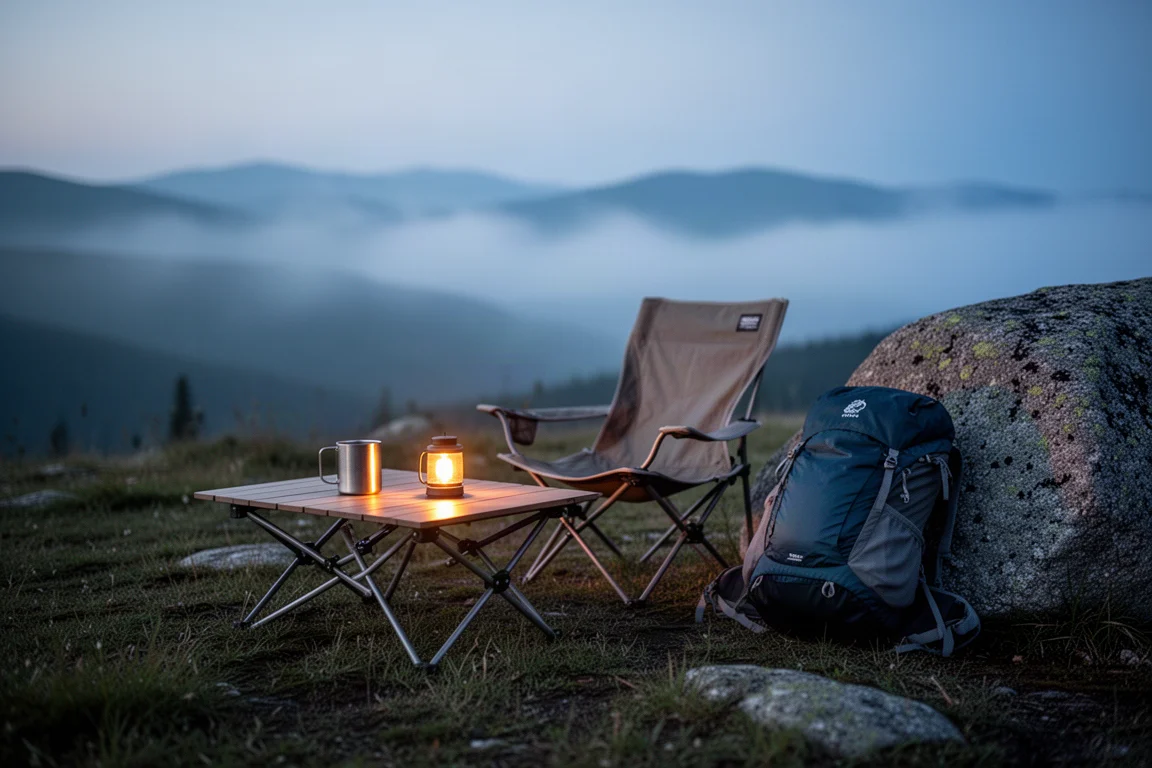
The other pattern worth noting is that the best comfort items are used repeatedly, not once. A chair, a warm layer, and a reliable pad earn their place because they improve every evening and every night of a trip, while a novelty item earns its place only once.
Zpacks Arc Haul: An Ultralight Pack With Full Features
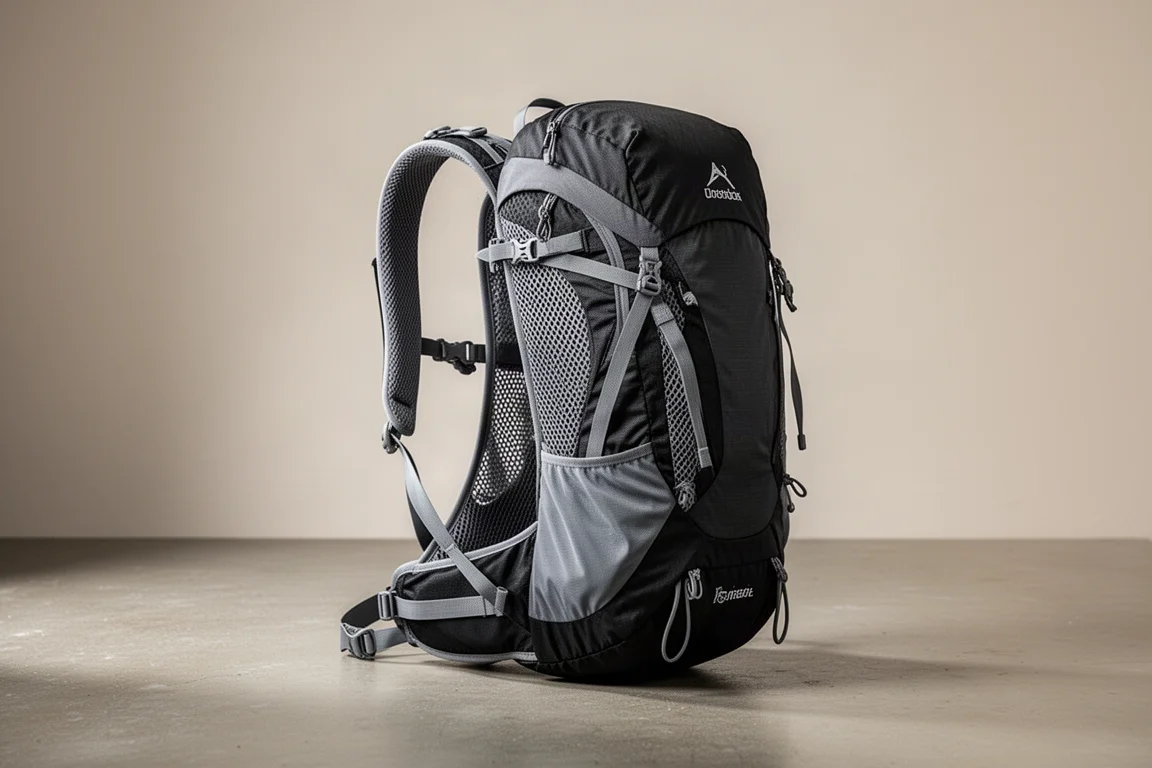
The Zpacks Arc Haul is a fully featured pack that still weighs only 700 g. That combination is what makes it feel like a luxury item. You get a full frame with a hip belt and hip belt pockets, a trampoline back panel, an adjustable torso length, side pockets you can reach while wearing the pack, a mesh front pocket, and straps on the bottom for attaching a chair.
Adjustable torso length is unusual on a pack this light, and the bottom straps matter more than they sound on a comfort-focused trip, because a camp chair is one of the first things you would want to carry.
The trade-off is price. The Arc Haul costs over $400, which puts it firmly in premium territory. For a pack that carries a full comfort kit for several days, that cost is easier to justify than it first appears.
NEMO Moonlite Elite: A Chair That Reclines
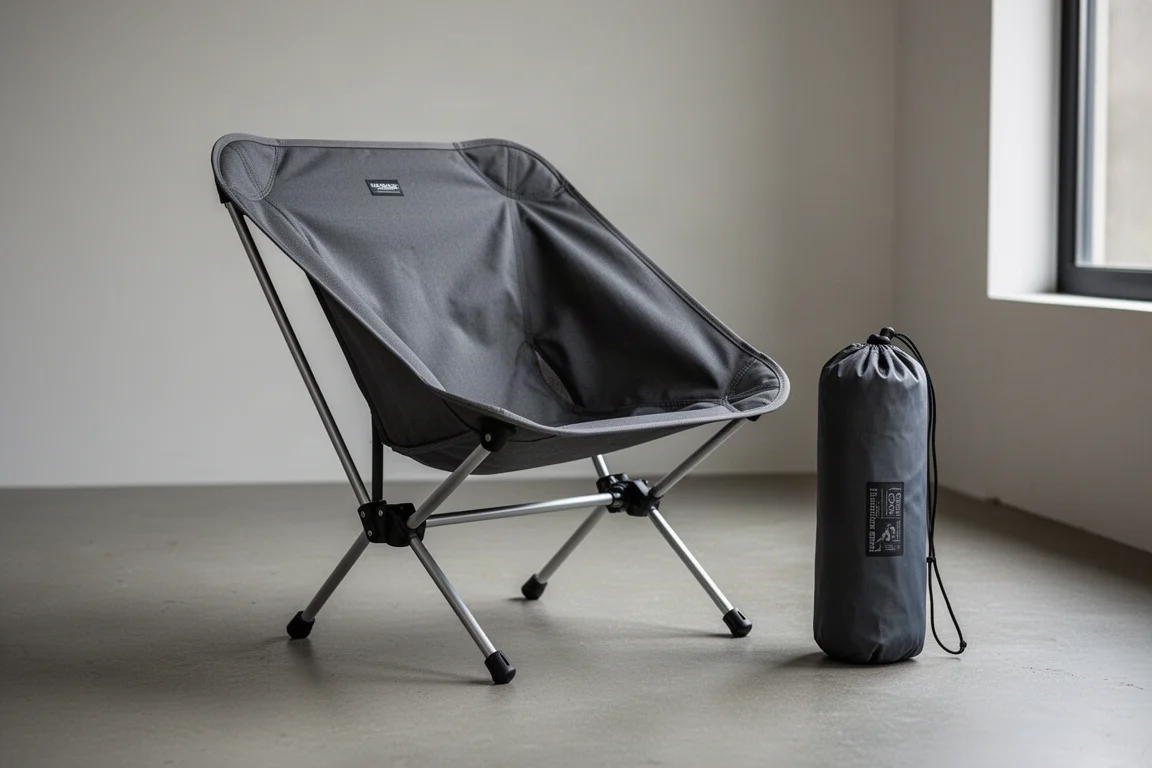
Camp chairs are common. A camp chair that reclines is not. The Moonlite Elite uses two toggles on the side of the frame. Pull them back and the backrest reclines, which turns a simple seat into something you can actually relax in at the end of a day.
It weighs just over a pound, so the comfort does not come with a punishing weight penalty. The carry case doubles as a footprint, which keeps the legs from sinking into sand or soft ground.
If your evenings revolve around sitting at camp rather than lying in a tent, this is one of the most direct comfort upgrades in the whole kit.
Rab Mythic G: Warmth Without the Weight
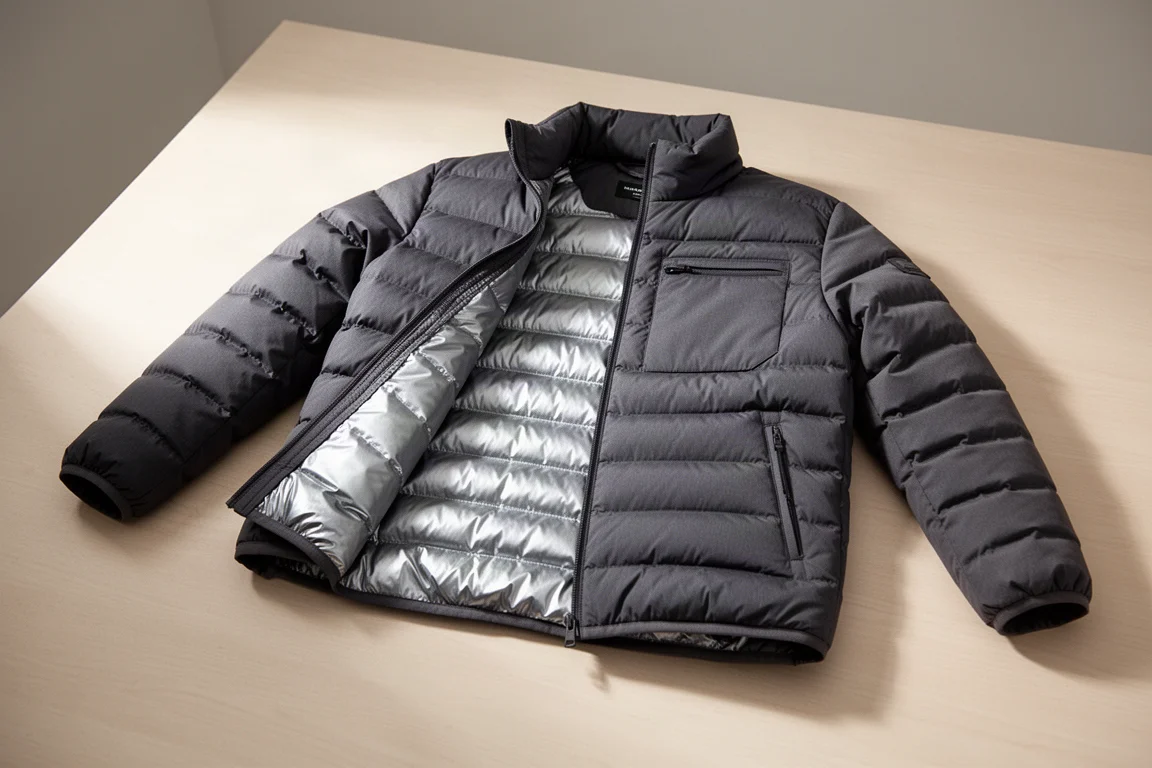
The Rab Mythic G is a down jacket with a reflective lining on the inside that bounces heat back toward your body. That reflective layer means it runs warmer than a jacket relying on down insulation alone.
It weighs 277 g, which is remarkably light for the warmth it provides, and it is built for shoulder-season conditions where temperatures dip just below freezing. If warmth-to-weight ratio is the priority, this is about as good as it gets.
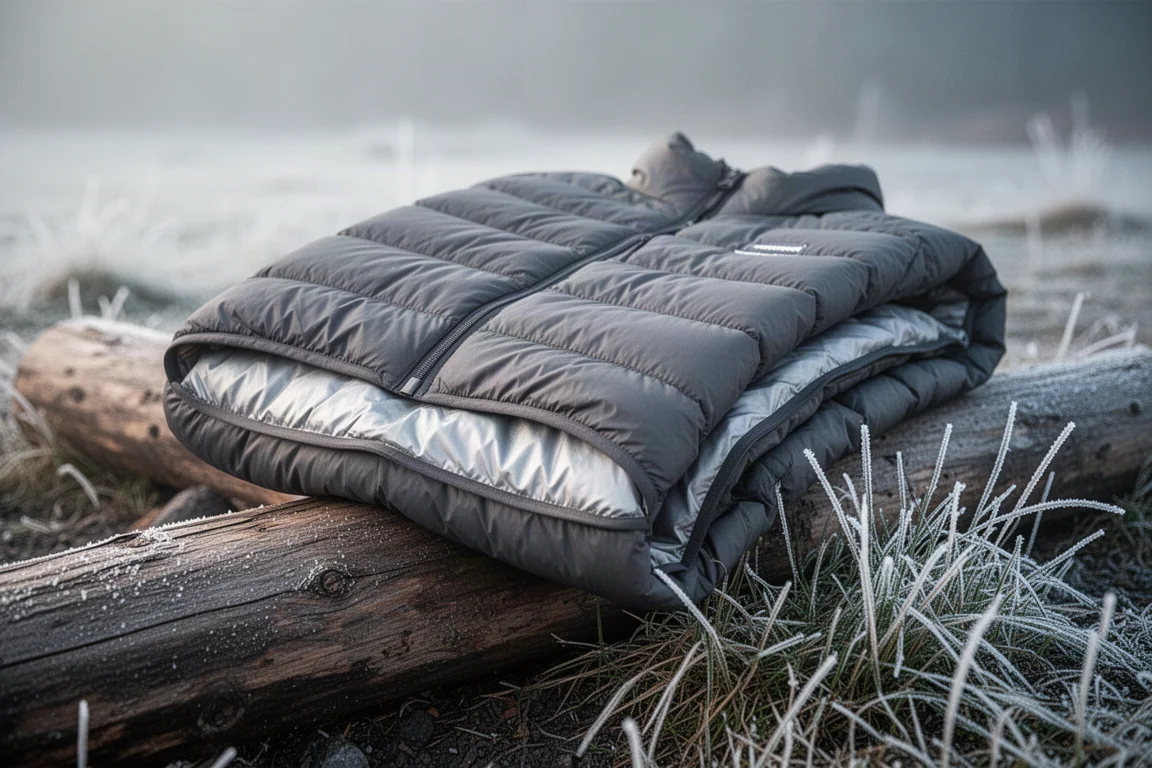
The catch is cost. This jacket is very expensive, and it is the clearest example in this list of paying a premium for performance rather than for extra features. For a narrow temperature window that sits just below freezing, that premium buys a layer you barely notice in your pack.
Durston X-Mid 2: A Roomy Tent That Pitches Fast
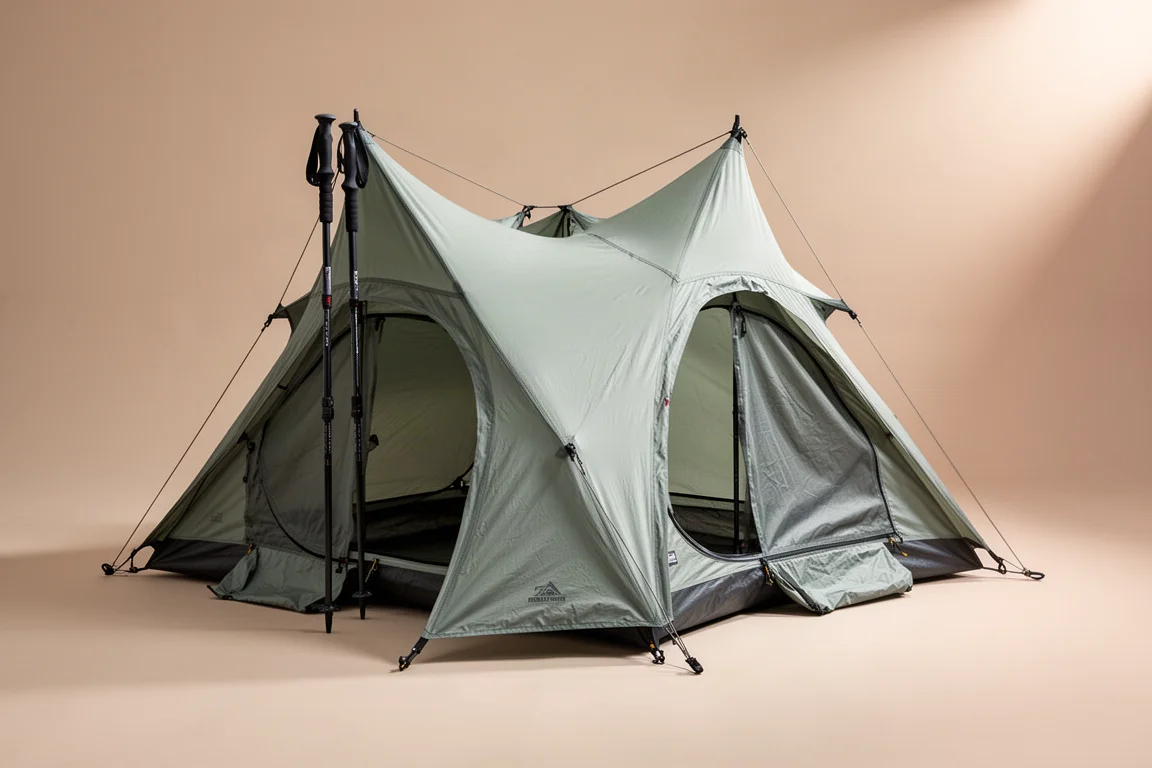
The Durston X-Mid 2 is a shelter that handles almost any conditions short of the most extreme, and it does so without a complicated setup. The all-in-one pitch goes up quickly and keeps the interior dry if it starts raining during setup.
Interior space is the other reason it belongs here. The two-person version leaves room to spread out gear, and the one-person version is roomy in its own right. The two-person model fits two 25-inch wide pads. If one person brings a 30-inch wide pad for extra comfort, the other will need to use a 20-inch wide pad.
That is a useful detail to plan around, because the widest pads are exactly the ones a comfort-focused trip tends to attract.
ZenBivy Zip Bed Trek: A Sleep System That Feels Like Bedding
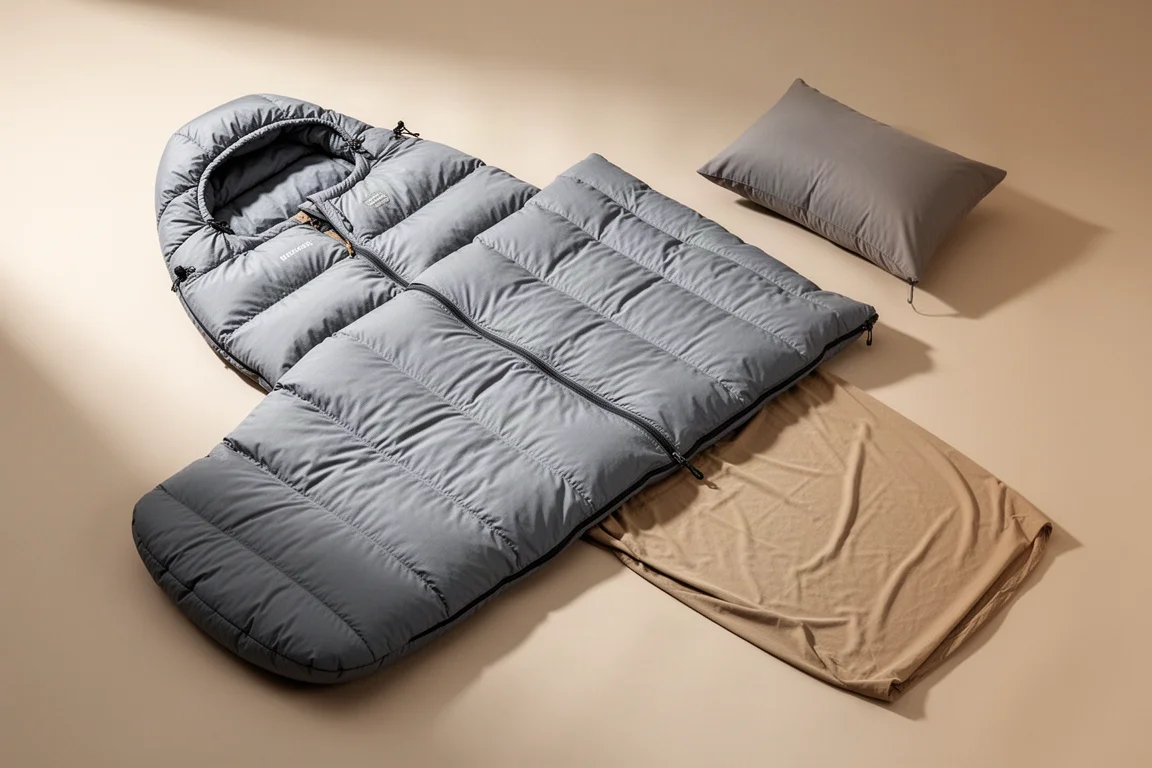
The ZenBivy Zip Bed Trek is the top insulation half of the sleep setup, and it behaves much more like bedding than a sleeping bag. A full-length sheet replaces the half-length sheet used on lighter versions, and the 50-denier fabric runs through the sheet, the hood, the inside of the quilt, and the pillow, so every surface you touch is soft.
The quilt zips onto the sheet rather than clipping, which makes getting in and out easier and adds draft protection. You can roll over underneath the quilt without the tangling a traditional bag often produces.
At the head end there is a hood for warmth and a pillow that attaches to the sheet. The pillow combines an inflatable bladder for structure, a down topper for warmth, and a soft pillowcase that clips in place so it stays put overnight.
All of that adds weight: the system is over 1 kg. The quilt is rated to 10 degrees Fahrenheit, and at a campsite that dropped to -6 degrees Celsius, or 20 degrees Fahrenheit, no heat loss was felt through the top insulation.
Exped MegaMat Ultra: Thick, Supportive, and Wide
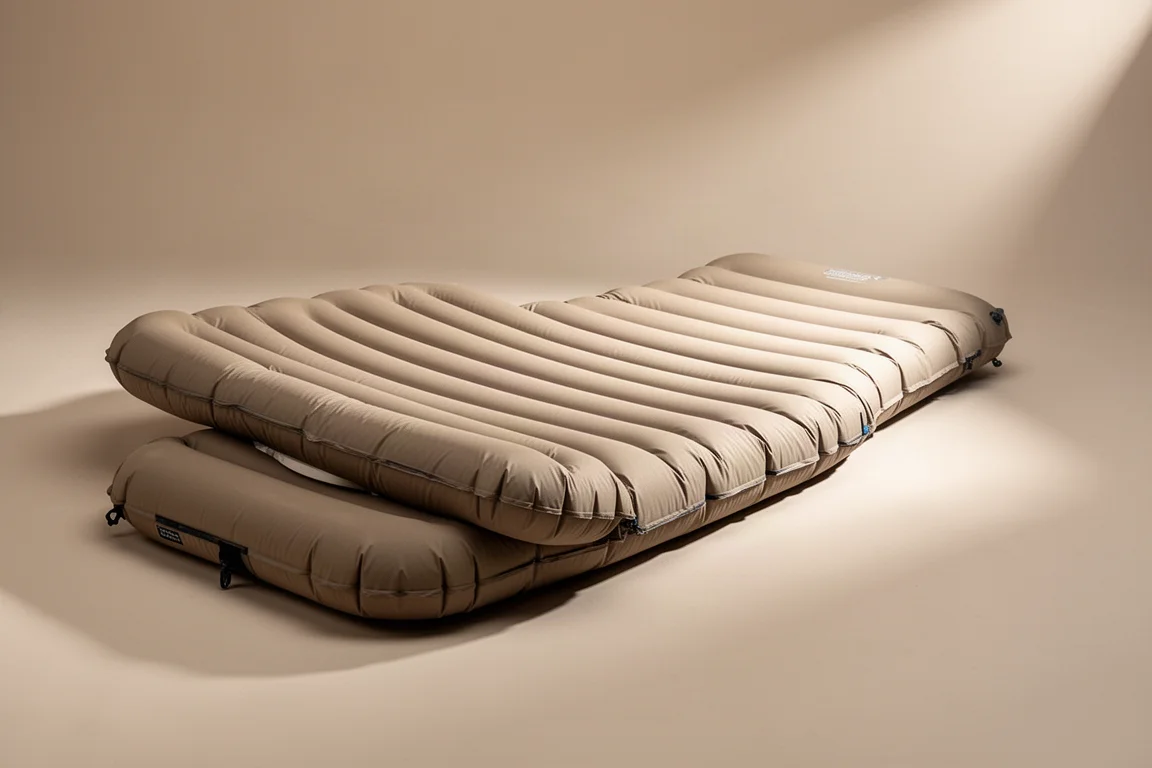
The Exped MegaMat Ultra is 4 inches thick, and its box wall construction makes it feel even thicker than that. The top surface is stretchy and soft, so you sink in slightly, while vertical baffles keep the pad supportive rather than balloon-like.
The standout option is the 30-inch wide version, which is rare among backpacking pads and adds a noticeable amount of comfort. It weighs 1.1 kg and costs $270 in that width.
One honest limitation: the pad has an R-value of 4.4, which is a good match for freezing conditions or slightly below, but not for a night that drops to -6 degrees Celsius, or 20 degrees Fahrenheit. On that colder night, heat loss came entirely through the pad. Inflating it to roughly 70 percent of maximum was the sweet spot between sinking in comfortably and staying stable.
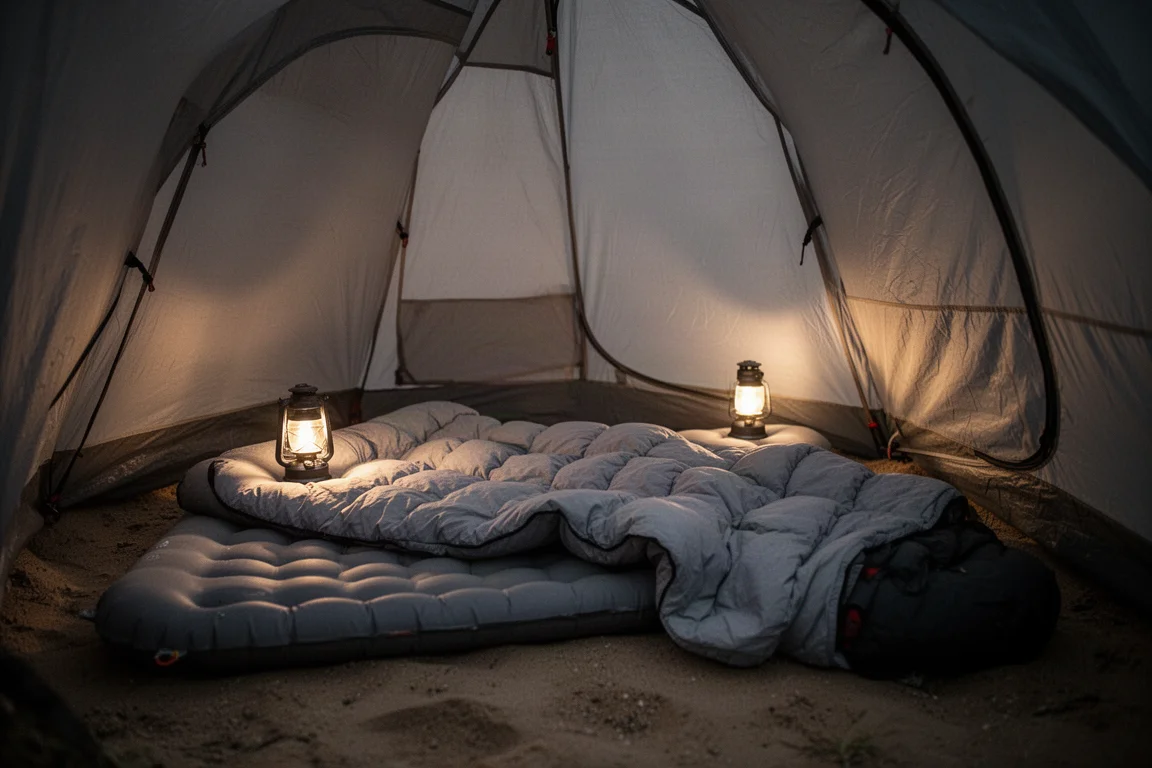
For most three-season comfort trips, that R-value is a reasonable match, and the width and thickness are the reasons it stands out in this kit.
MSR WindBurner Stove System: Fast, Efficient, and Quiet
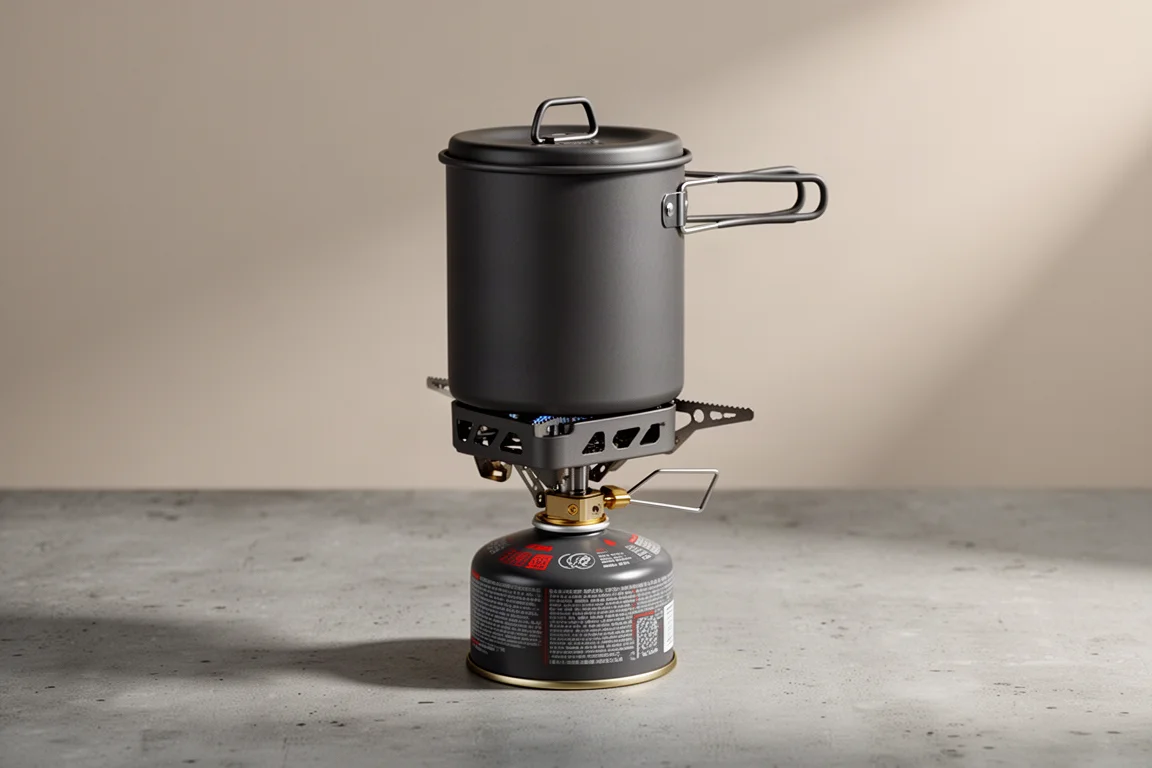
The MSR WindBurner is an all-in-one stove system: the burner attaches to a fuel canister and the pot locks onto the assembly. Two qualities set it apart. It boils water quickly while using relatively little fuel, and it runs quietly.
Quiet matters more than it sounds at camp. A loud, jet-like stove cuts through conversation, and on a trip where the point is to sit around and enjoy the evening, a stove you barely hear is a genuine comfort feature.
The system also accepts a skillet accessory with a heat exchanger that fits onto the stove, with a folding handle that packs down. That opens up meals beyond boiling water for anyone who wants to cook properly at camp.
Flextail Max Pump 3: Quick Inflation Plus a Lantern
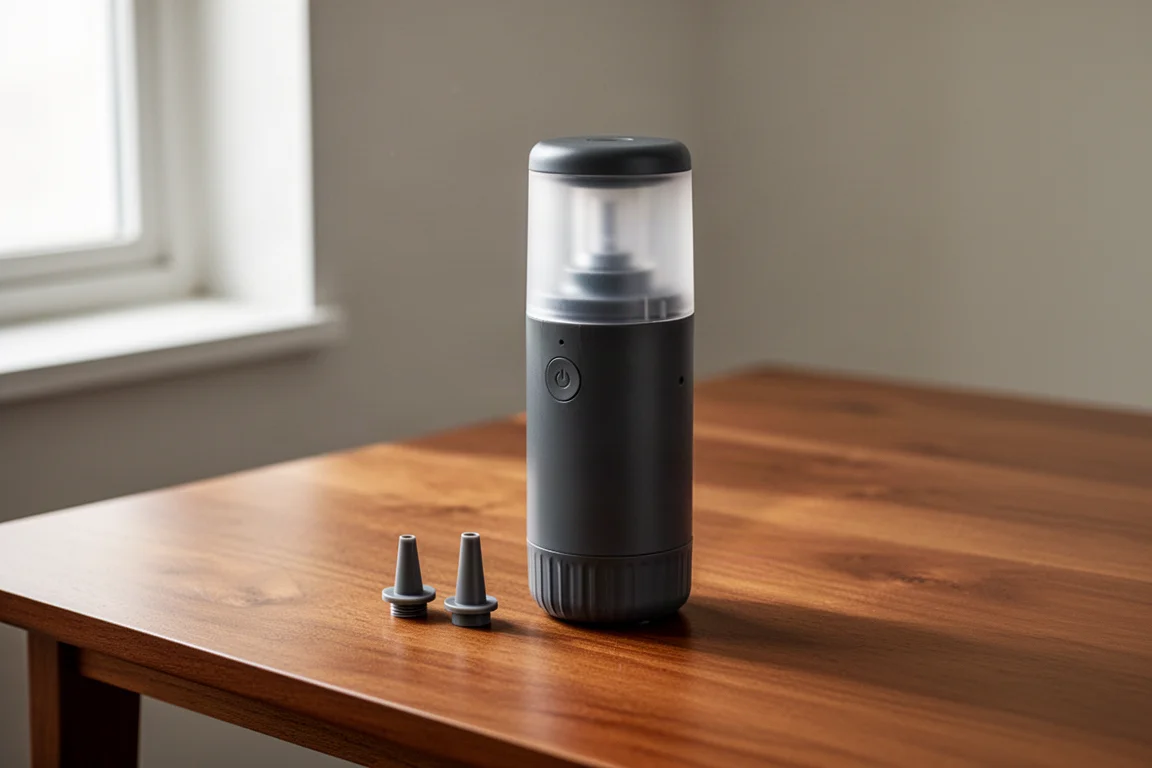
The Flextail Max Pump 3 is a rechargeable pump that inflates a sleeping pad quickly, quietly, and firmly, including a large 30-inch wide pad. Because it has its own battery, there is no need to connect it to a power bank.
It also includes a small lantern. You can clip or hang it inside a tent, or set it on a table at camp for light while eating or playing games.
For anyone using a thick pad, this is the kind of item that quietly removes a chore from every evening.
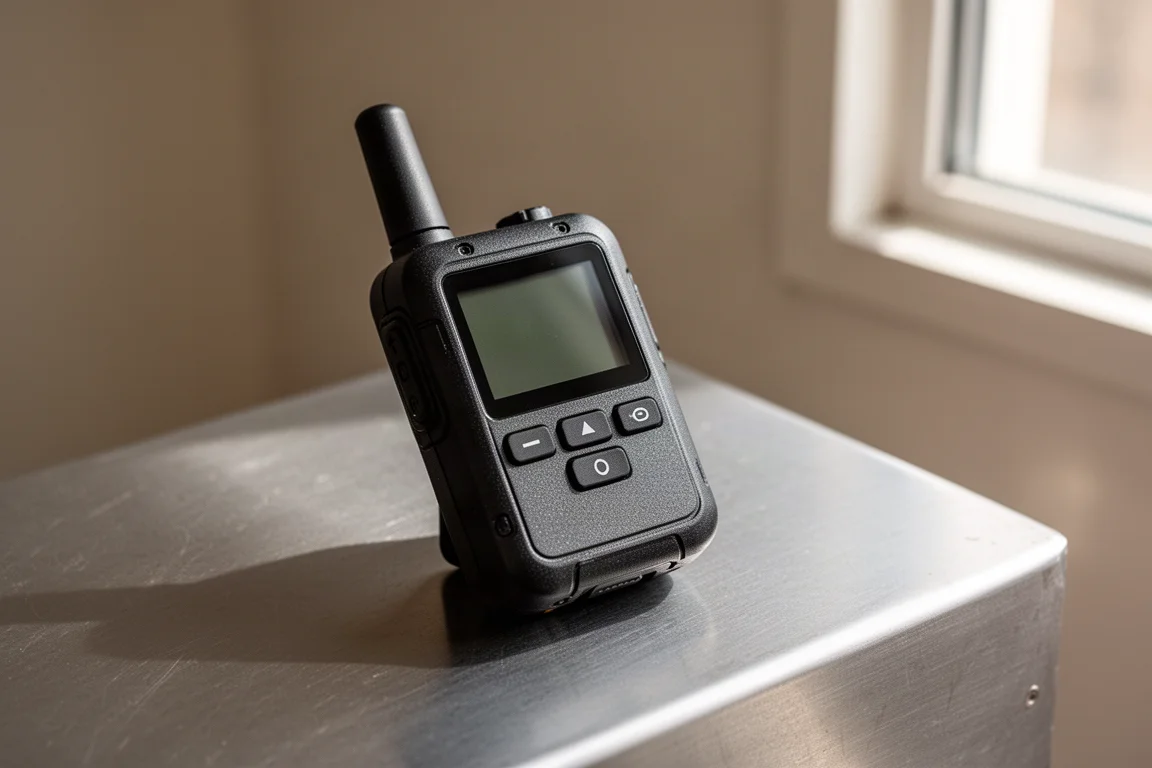
Garmin inReach Messenger Plus: Satellite Messaging and an AI Assistant
The Garmin inReach Messenger Plus covers the essentials first: SOS capability and two-way messaging with people at home. The Plus model also sends and receives pictures and voice memos.
What pushes it into luxury territory is a companion backcountry AI service. You message a number with a question and get an answer back, which is genuinely useful for settling debates around camp or pulling up a fact on the trail. The service is also reported to deliver accurate, up-to-date weather, which can be more precise than the forecast available directly from a Garmin device. Access to that AI tool is currently free, though that may not last.
SOS functionality is not a luxury, and it should not be treated as one. Everything above it is what makes the device enjoyable rather than merely essential.
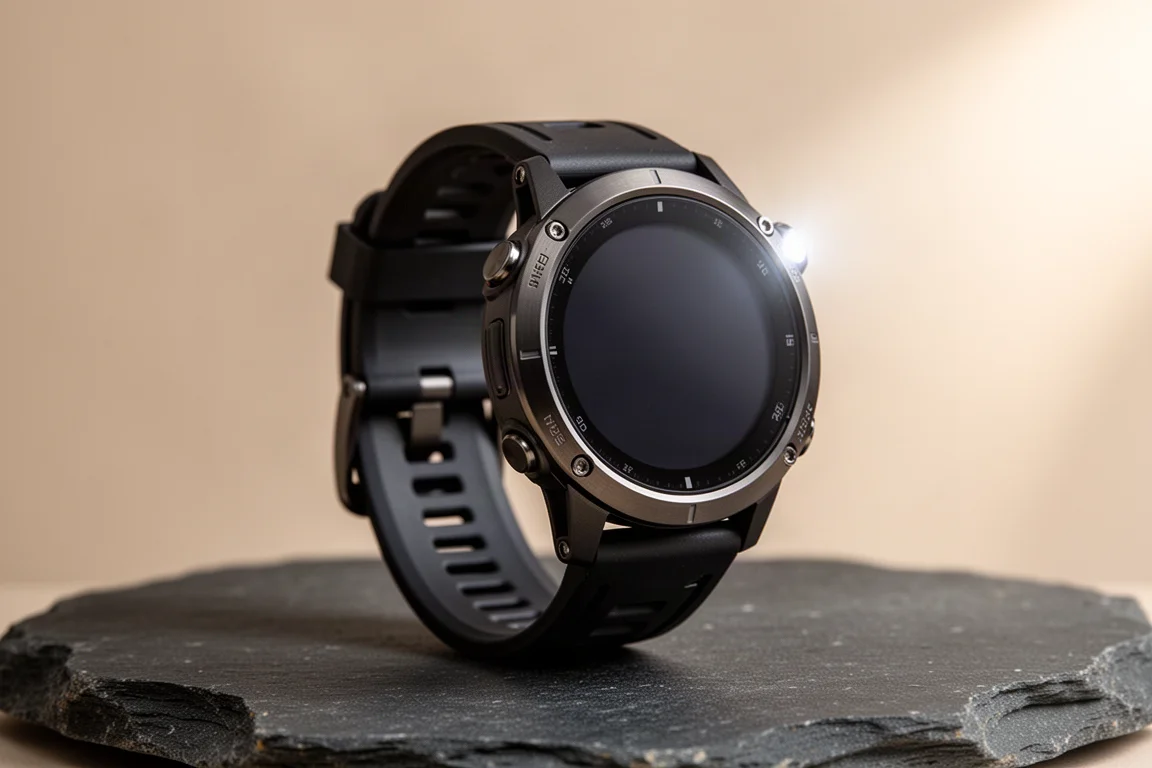
Garmin Fenix: Navigation, Stats, and a Built-In Flashlight
The Garmin Fenix is the most expensive item in this list at $1,200 US, and its value on a comfort-focused trip comes from navigation and information. On-device navigation shows your pace, distance, and elapsed time, and it can tell you how far off trail you have drifted.
A bright flashlight built into one side of the watch is one of those features that seems minor until you are walking around camp after dark. The watch can also pair with the inReach and trigger an SOS from the wrist, which is a meaningful backup if you are separated from your pack.
If you already carry a satellite communicator, the watch adds convenience rather than a new capability. If you want navigation and stats on your wrist, it delivers both.
Other Luxuries Worth Knowing About
Not every comfort item needs a full section. A lightweight folding camp table weighing 737 g and costing around $37 earns its place through cup holders, a cooking surface, and a shared spot for games. A double-walled titanium mug keeps drinks warm, and a squeeze-style wine pouch preserves wine by letting you push the air out while cutting weight compared with a bottle. The WindBurner skillet and a long-handled titanium spoon, around 17 g with a perforated head that adds grip, round out the cooking side.
Camp clothing follows the same logic. Octa fabric layers, including a hooded top and a pair of camp pants with pockets, stay warm for their weight and avoid the see-through problem of Alpha Direct. Insulated slippers with a fuzzy lining, an insulating sole, and good grip weigh close to 500 g, which is heavy, but they make cold, frozen ground far more pleasant. Alpha Direct socks add warmth for very little weight.
Hygiene is where luxury gets debatable. A battery-powered electric toothbrush cleans noticeably better than a manual brush, at the cost of extra weight and bulk. An all-in-one battery-powered backcountry bidet with a built-in water bladder is powerful, accurate, and easy to use, though it is bulky and not lightweight, and the water supply runs out quickly if you are not careful.
How to Decide What Earns a Place in Your Pack
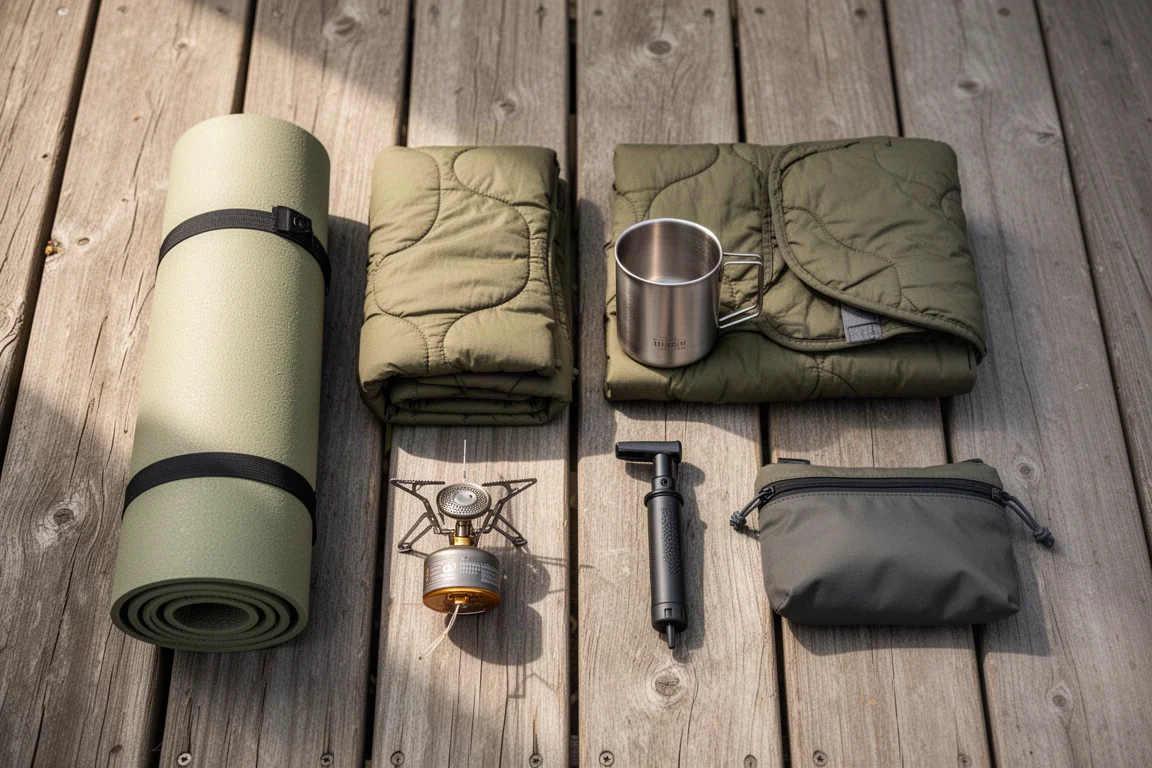
Start with the items you use every single day. A sleeping pad, a sleep system, and a warm layer affect every night, which makes them the easiest comfort purchases to justify. Camp furniture and cook upgrades affect your evenings, so they come next.
Then weigh the two costs separately. Some items cost weight, some cost money, and a few cost both. The MegaMat Ultra and the ZenBivy system are heavy. The Rab Mythic G, the Arc Haul, and the Fenix are expensive. Deciding which of those trades you can live with is more useful than chasing a single best item.
Finally, be honest about the conditions you actually camp in. A pad with an R-value of 4.4 is excellent for freezing temperatures and slightly below, but it is not a deep-winter pad. Matching insulation to the temperatures you really expect is the difference between a comfortable night and a cold one.
Conclusion
Luxury backpacking is about spending weight and money where you will feel it most. In this kit, the sleep system did the most work: the MegaMat Ultra was the standout pad for comfort, and the ZenBivy Zip Bed Trek added warmth and a bedding-like feel on top of it. The camp table took the third spot for the way it creates a shared, functional space at camp.
Everything else here earns its place in a narrower way. The Arc Haul makes a heavy comfort load comfortable to carry, the Moonlite Elite makes sitting at camp genuinely restful, the Rab Mythic G delivers warmth for very little weight, the X-Mid 2 pitches fast and stays roomy, and the WindBurner, the Max Pump 3, the inReach Messenger Plus, and the Fenix each remove a small friction point from the trip.
The practical approach is to pick two or three items that affect every night, then add one or two that improve the evenings. That is enough to change how a trip feels without turning a backpack into a moving truck.
Further reading
Related Reviews

Backpacking Gear
Building a 10 lb Base Weight: An Ultralight Backpacking Gear List
A practical walkthrough of the ultralight pieces behind a 10 lb base weight, from a 765 g pack and a roomy one-person tent to a full camp chair and a dependable water filter.
Backpacking Gear
A 15-Pound Lightweight Backpacking Gear List for Solo Trips
A beginner-friendly 15-pound backpacking setup built from easy-to-find gear, with notes on what each piece does, how it packs, and where to spend your attention.
Backpacking Gear
8 Ultralight Backpacking Gear Upgrades Worth Carrying
Eight small, affordable backpacking upgrades that solve real trail annoyances, from a pillow that stays put to a fuel valve that rescues leftover canister gas.