Backpacking Gear
Luxury Backpacking Gear Worth the Weight: Three Comfort Upgrades for Camp
Three luxury backpacking items that add real comfort at camp, plus the cold-weather extras worth packing, and the trade-offs to weigh first.
Introduction
Backpacking gear is usually judged on a single question: is it necessary? Most of what goes into a pack earns its place by being essential, and everything else is weight carried for a reason. A few items sit in a different category. They are not required, they are not ultralight essentials, and they still change how a trip feels once camp is set up and the walking is finished.
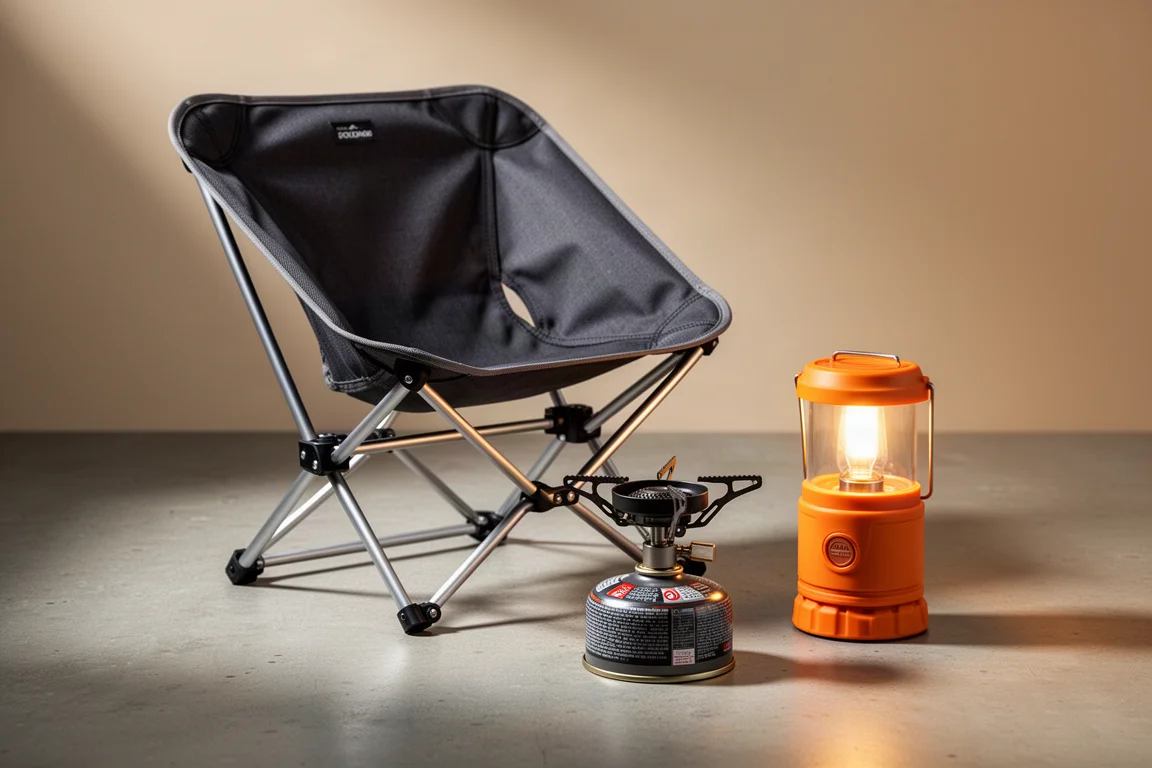
This guide covers three of those items: a backpacking chair built around comfort, a regulated stove that holds up in cold temperatures and at elevation, and a canister lantern that brings warm light to camp. Each one is a deliberate luxury, and each one has clear conditions where it makes sense.
Why Luxury Gear Changes a Trip
Cold weather and long evenings are where luxury gear proves itself. Sitting on the ground after a long day is uncomfortable, and for anyone who already deals with back aches, a proper seat is the difference between an evening spent shifting around and an evening spent actually relaxing. The same logic applies to cooking and lighting. A stove that keeps a steady flame when conditions are poor, and a light source that is not a headlamp beam, both make camp feel less like a chore.
The trade-off is weight and cost, and it is worth thinking about honestly. A luxury item should solve a problem you genuinely have on the trips you genuinely take.
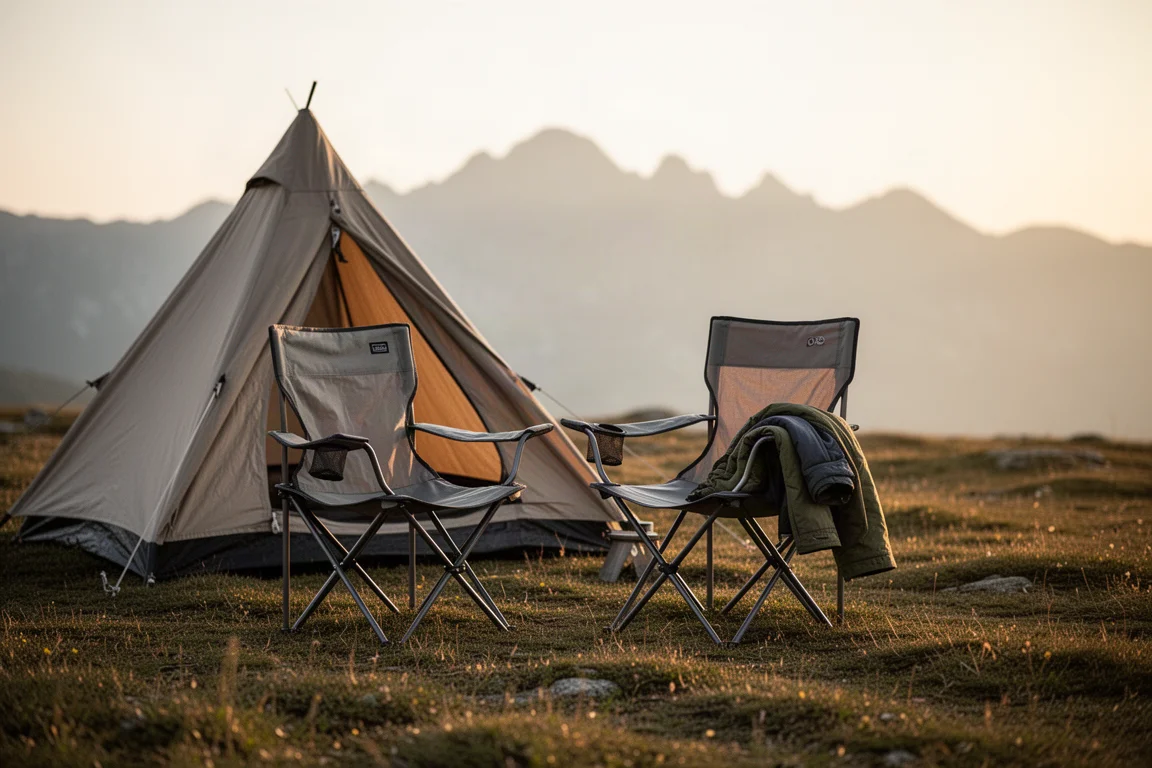
For backpackers who mostly head out in mild weather and short daylight, these items stay optional. For anyone travelling in cold conditions, at elevation, or on trips with long hours in camp, they tend to earn back their weight quickly.
Big Agnes Skyline UL: A Better Seat at Camp
The Big Agnes Skyline UL is a backpacking chair built around comfort rather than pure minimum weight. Its sitting height is a little taller than some ultralight options, and the seat itself is noticeably more comfortable. It is a better design overall, and that shows up in how an evening at camp feels.
The reason a chair matters is straightforward. Sitting on the ground is uncomfortable, posture suffers, and backs start to ache. A chair removes that problem, and it changes the tone of a trip by more than its weight suggests.
At around $150, the Skyline UL is not a cheap addition to a kit, and it is worth being clear about that. What the money buys is a high-quality chair that stands out as the best backpacking chair option for most people who decide they want one.

Fire Maple Polaris Stove: Regulated Performance in Cold and Altitude
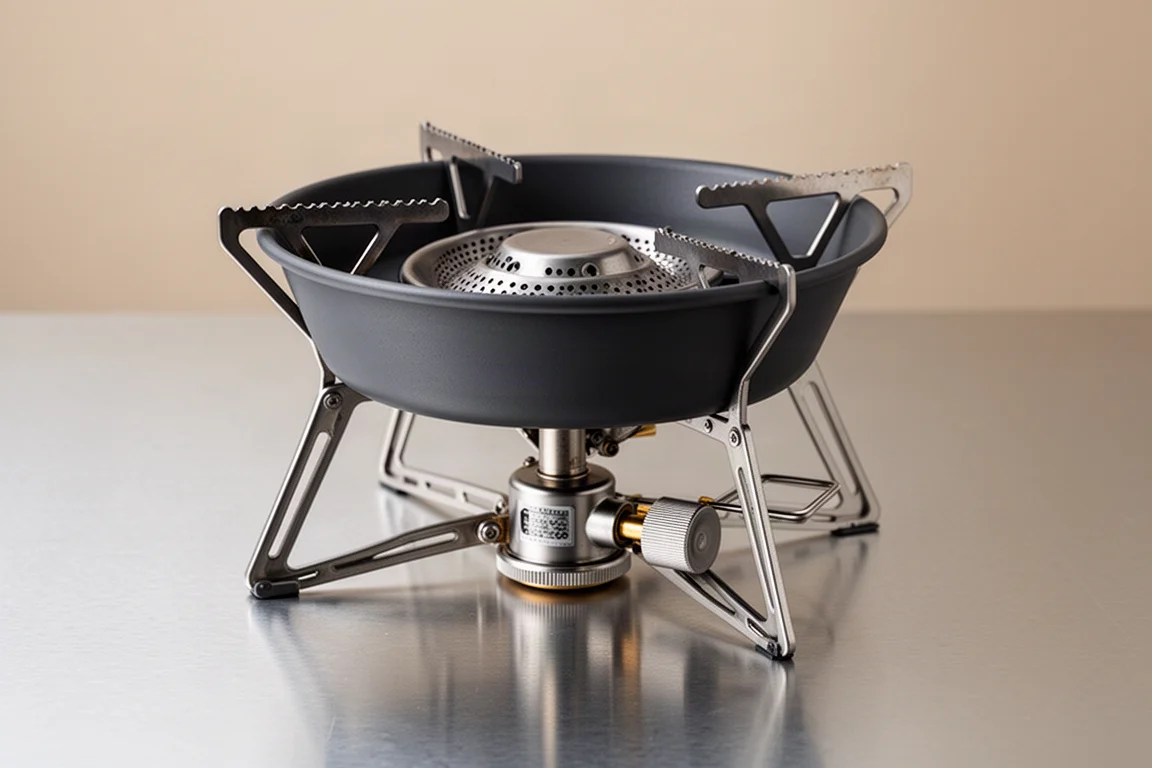
A stove is essential gear for most backpackers, but not all stoves behave the same way. The Fire Maple Polaris includes a built-in regulator, which matters most in cold temperatures and at high elevation, where canister stoves without one can lose output as pressure drops.
That regulator is what pushes the Polaris toward luxury territory. It is a high-quality stove with performance characteristics that go beyond a basic canister burner, and on trips where cooking conditions are difficult, the difference is easy to appreciate.
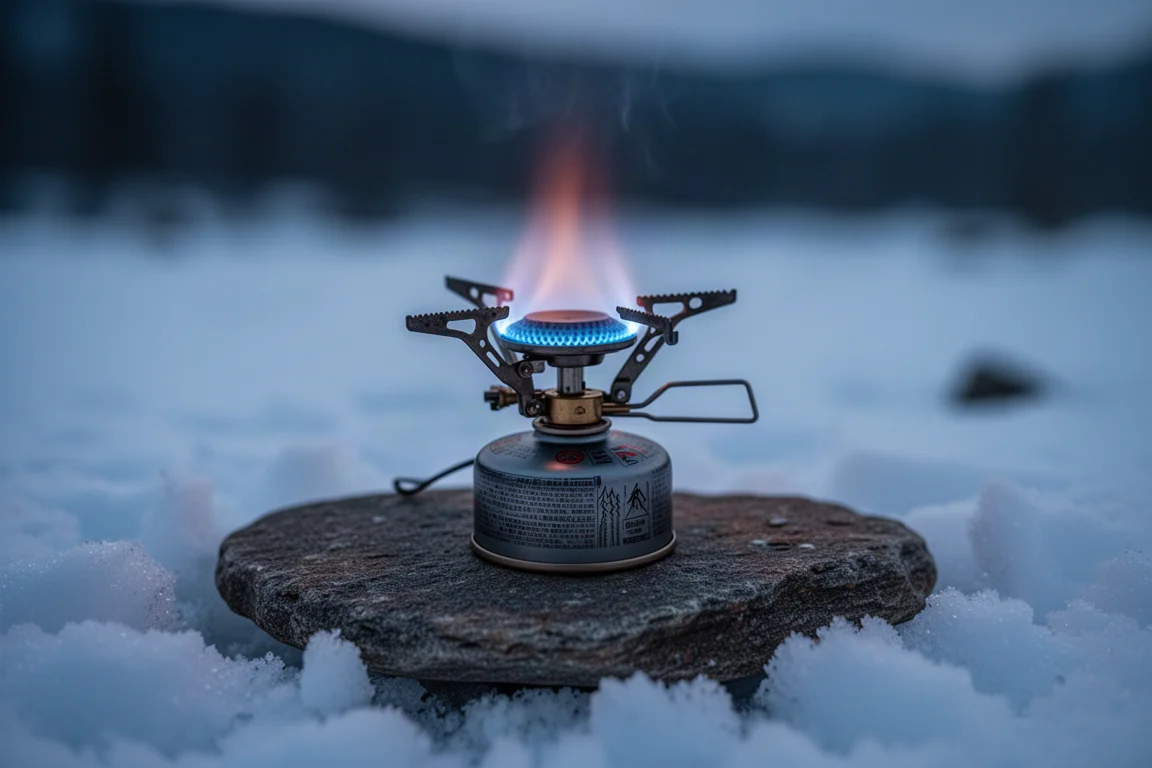
It suits backpackers who cook in demanding conditions rather than everyone who simply needs hot water. For fair-weather weekend trips, a simpler stove remains perfectly adequate, which is exactly why a regulated model reads as an upgrade rather than a requirement.
Fire Maple Orange Lantern: Warm Light Around Camp
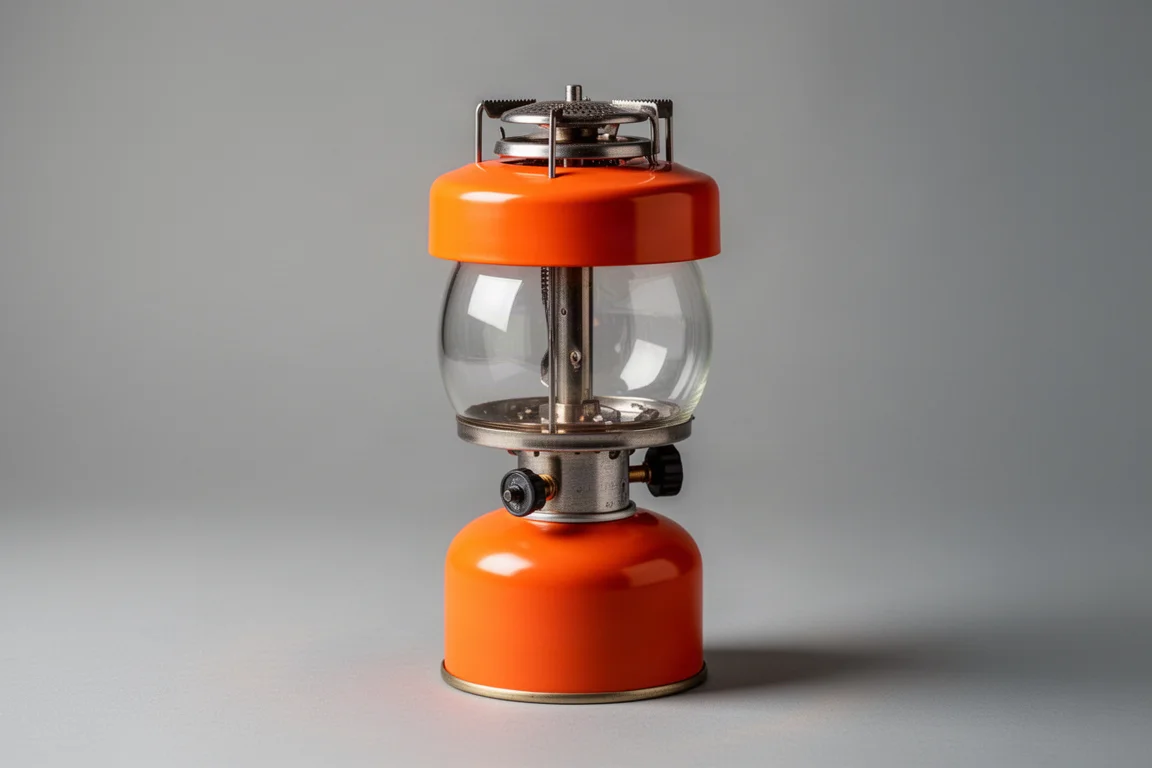
The Fire Maple Orange Lantern is a different kind of camp light. It runs on butane canisters, and with an adapter it can also be attached to a one-pound propane canister, which makes it flexible depending on the fuel you already carry.
It is absolutely not a necessary item for backpacking. It is, however, a genuinely enjoyable one. A lantern gives you a lighting source other than a headlamp when you are sitting around camp, and it adds a little ambiance to an evening outdoors.
For backpackers who already carry a canister stove, the lantern shares a fuel type, which keeps the packing list simple. For anyone who likes the idea of camp feeling a bit more settled in the evening, this is an easy luxury to justify.
Cold-Weather Comfort Extras
Three more items fall into the same luxury category, and all of them are cold-weather specific.
Down booties and down pants are the pair that surprises people most. Both are very lightweight and pack down small, with booties compressing to roughly the size of a tennis ball, and both add a significant amount of warmth and comfort in cold conditions. They make a real difference to how well you sleep and how comfortable you are while moving around camp in the evening.
An insulated meal sack is a simpler idea with an outsized effect. Essentially a koozie for dehydrated or freeze-dried meals, it keeps a rehydrating meal warm for longer so everything inside rehydrates properly. The version worth considering uses insulated foam on the inside with a Tyvek outer shell, which keeps it very light, and while it was not built specifically for backpacking, it works well for the job.
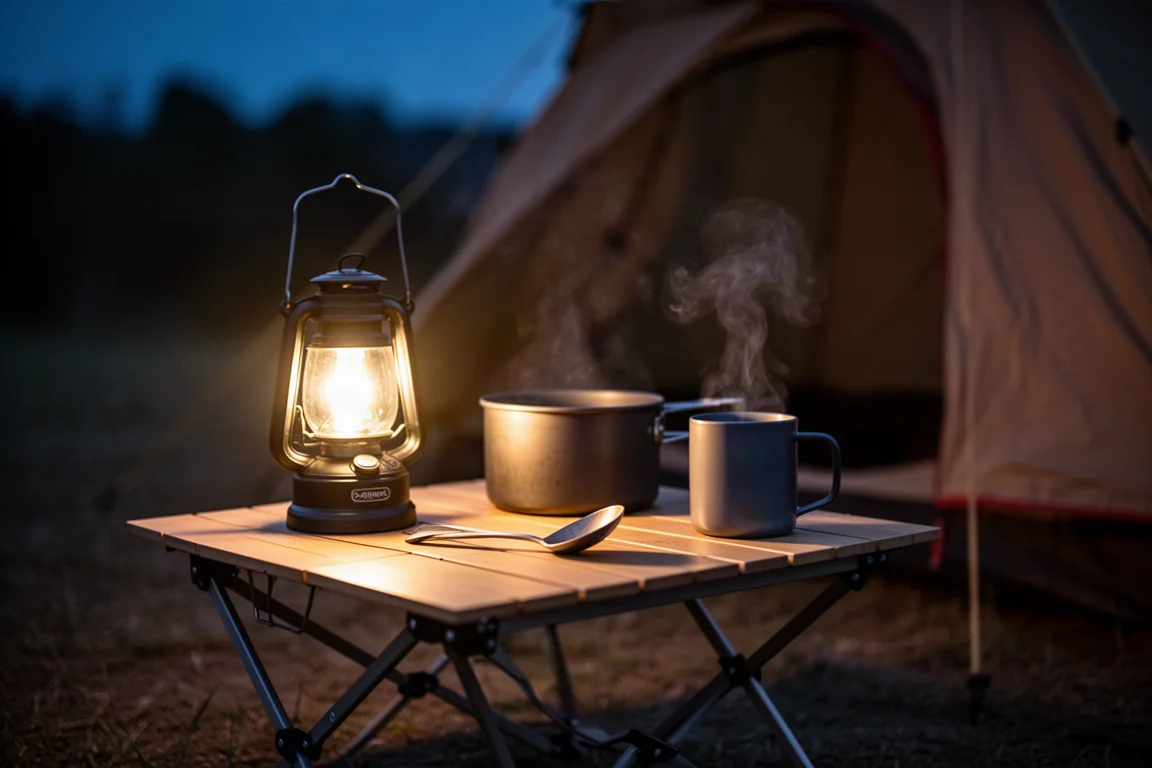
Finally, a small folding camp table rounds out a cold-weather kit. It gives you a stable surface for a cook pot, a stove and a spoon, and it keeps a canister off cold snow, which helps the stove perform better. The package is minimal and light, and the same table is just as useful in desert conditions where sand gets into everything.
Buying Advice: What Is Worth the Weight
The honest way to decide on luxury gear is to look at the trips you take most often and the discomfort you notice most.
A chair is the easiest item to justify if you dislike sitting on the ground or deal with back discomfort, and the Skyline UL is the strongest all-round option among these three picks. A regulated stove like the Polaris earns its place on cold-weather and high-altitude trips where a basic burner struggles, and it matters less for fair-weather weekend cooking. The Orange Lantern is the purest luxury of the group: nothing about it is required, but it changes the feel of an evening at camp, and it shares fuel with a canister stove.
The extras follow the same rule. Down booties, down pants, an insulated meal sack and a small folding table all make the most sense for cold-weather outings, where warmth and a stable cooking surface matter more than a few saved grams.
Conclusion
None of these items are necessary for a backpacking trip, and that is exactly the point. They are the pieces that make a night out feel comfortable rather than merely survivable: a seat that supports your back, a stove that keeps performing when conditions get difficult, a lantern that warms up camp, and a handful of cold-weather extras that add warmth where it counts. If your trips run cold, high or long, these are the upgrades most likely to be worth carrying.
Further reading
Related Reviews
Backpacking Gear
Building a 10 lb Base Weight: An Ultralight Backpacking Gear List
A practical walkthrough of the ultralight pieces behind a 10 lb base weight, from a 765 g pack and a roomy one-person tent to a full camp chair and a dependable water filter.
Backpacking Gear
A 15-Pound Lightweight Backpacking Gear List for Solo Trips
A beginner-friendly 15-pound backpacking setup built from easy-to-find gear, with notes on what each piece does, how it packs, and where to spend your attention.
Backpacking Gear
8 Ultralight Backpacking Gear Upgrades Worth Carrying
Eight small, affordable backpacking upgrades that solve real trail annoyances, from a pillow that stays put to a fuel valve that rescues leftover canister gas.