Backpacking Gear
Luxury Backpacking Gear: 10 Extravagant Items That Earn Their Weight
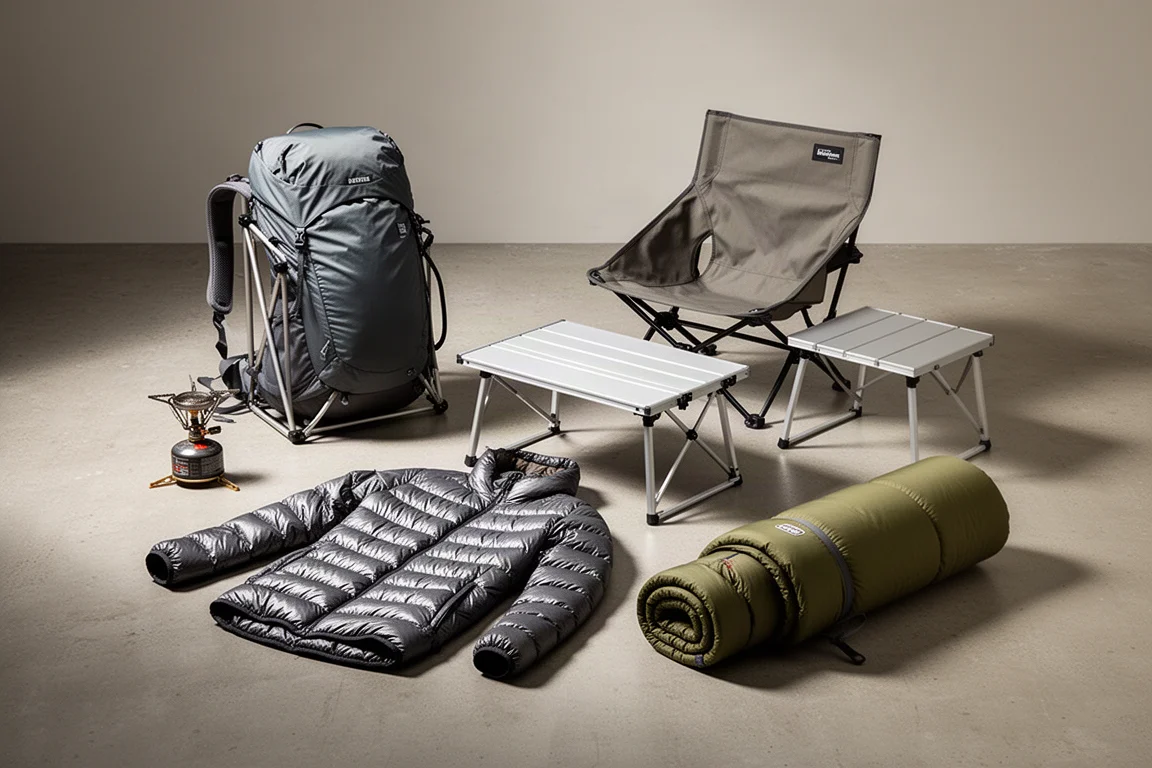
A comfort-first backpacking kit built around a 50-liter pack, from a reclining camp chair and a $37 table to a quilt-and-pad sleep system that feels close to a real bed.
Introduction
Luxury backpacking sounds like a contradiction, and it partly is. The premise is simple: choose the items that make time at camp genuinely comfortable, then accept the weight or the cost that comes with them. Everything below fits inside a single 50-liter pack, which keeps the exercise honest.
Some of these pieces are good enough to come along on almost any trip. Others are comfort experiments, worth testing precisely because camp is where the payoff shows up. Weight and price are the two currencies you spend, and the better buys are the ones where you can see exactly what you get in return.
How These Luxury Picks Were Judged
Three questions shaped this list. Does the item make camp measurably more comfortable or more enjoyable? Does it still work as functional gear rather than decoration? And does it fit into a 50-liter pack alongside everything else, including food, water and a shelter?
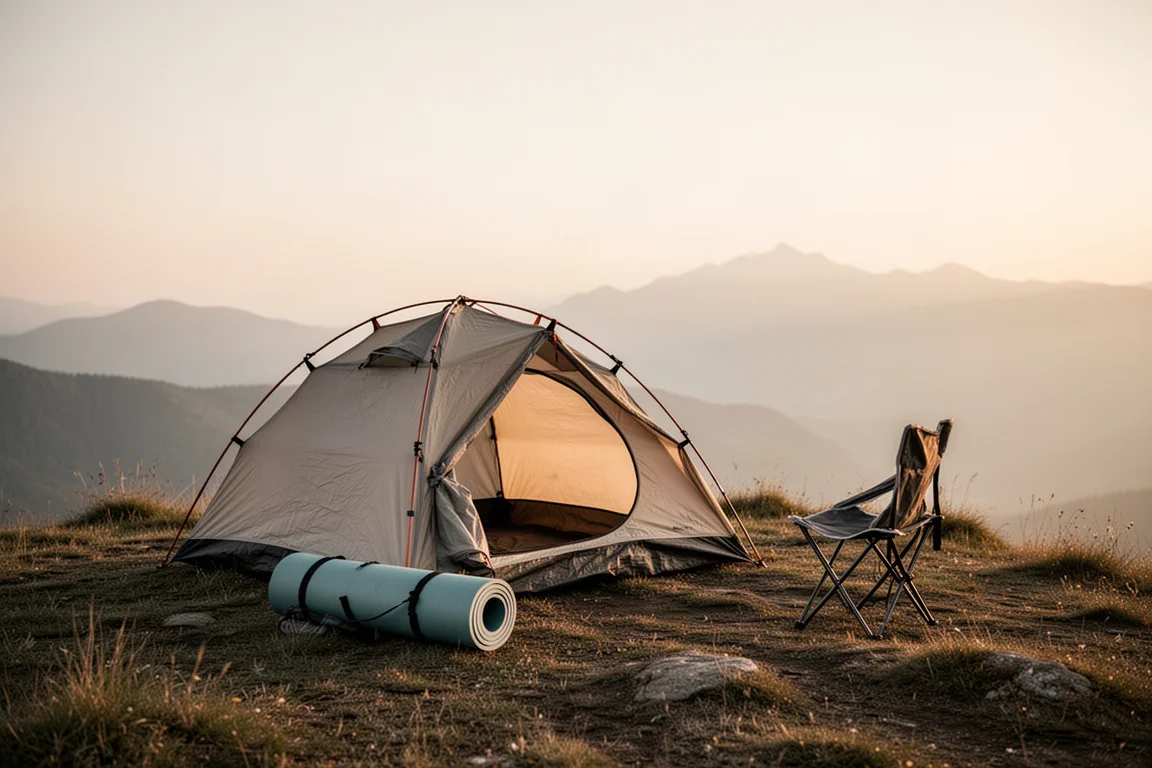
The trade-offs matter as much as the benefits. A reclining chair is heavier than a foam sit pad. A thicker sleeping pad is warmer to lie on but costs more and packs larger. A full-length quilt system adds grams that an ultralight setup avoids. Where an item only makes sense in specific conditions, that is stated directly rather than glossed over.
Zpacks Arc Haul: An Ultralight Pack With Full Features
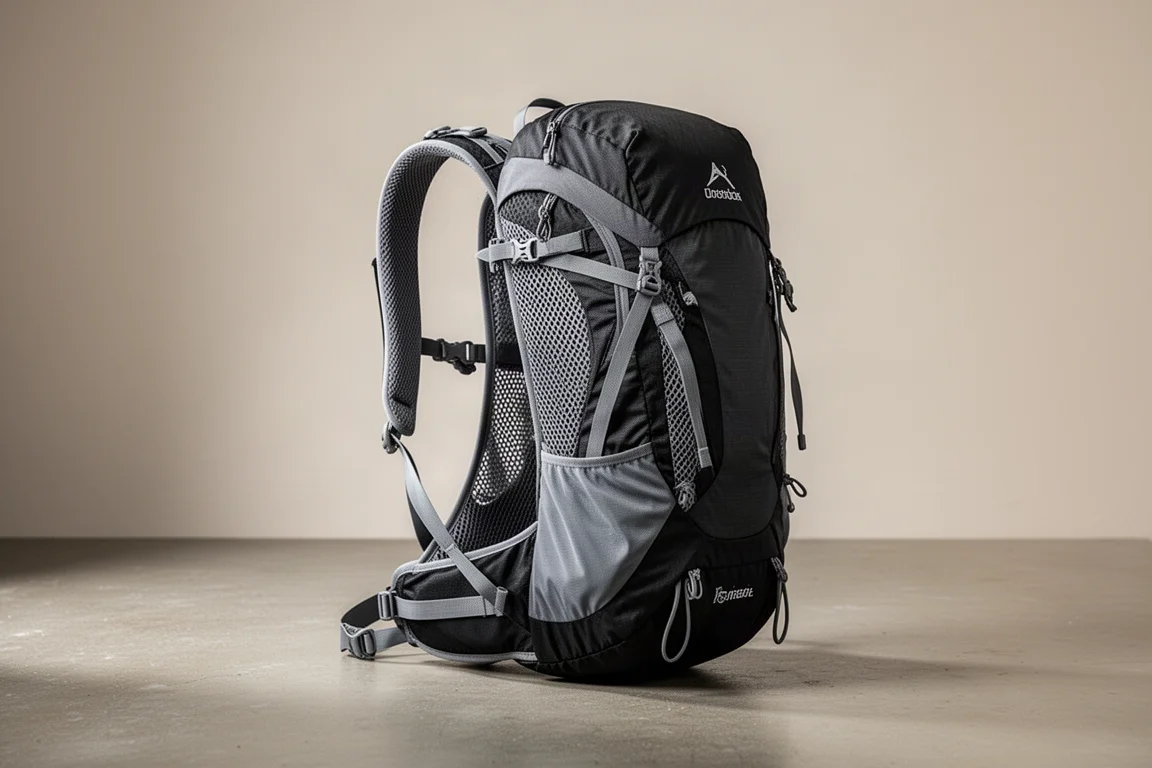
The Arc Haul anchors the whole setup, because everything else has to fit inside it. At roughly 700 g it sits in ultralight territory, yet it carries features that ultralight packs usually skip: a full frame with a hip belt, hip belt pockets, a trampoline back panel, adjustable torso length, side pockets you can reach while wearing it, a mesh front pocket, and straps underneath for attaching a camp chair.
Adjustable torso length is the standout, since it lets the pack fit a wider range of bodies without a custom build. The chair straps are a small detail with an outsized effect on a comfort-focused trip, because a chair is the one luxury item that is awkward to carry any other way.
The trade-off is price. At over $400, the Arc Haul is a serious purchase, and it is the clearest example here of paying for weight savings rather than for a feature you can feel on the first night.
Moonlight Elite Chair: Reclining Comfort at Camp
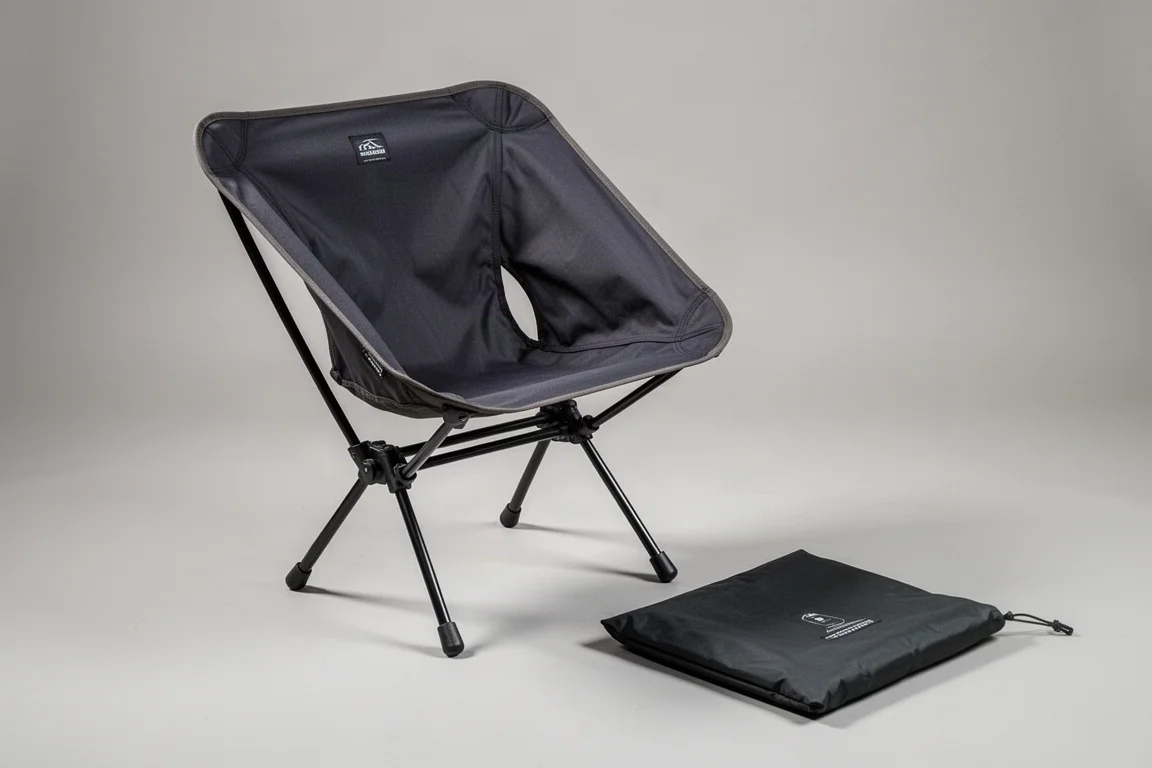
Sitting around camp is most of what a luxury trip actually consists of, which is why a chair earns its place. The Moonlight Elite reclines: two toggles on the side release the backrest so you can lean back rather than perch upright.
At just over a pound it stays light enough for backpacking, and the case it ships in doubles as a footprint, so the feet do not sink into sand or soft ground. That second function is a genuinely practical touch, since a chair that sinks is a chair that wobbles.
Naturehike Table: A Proper Camp Surface
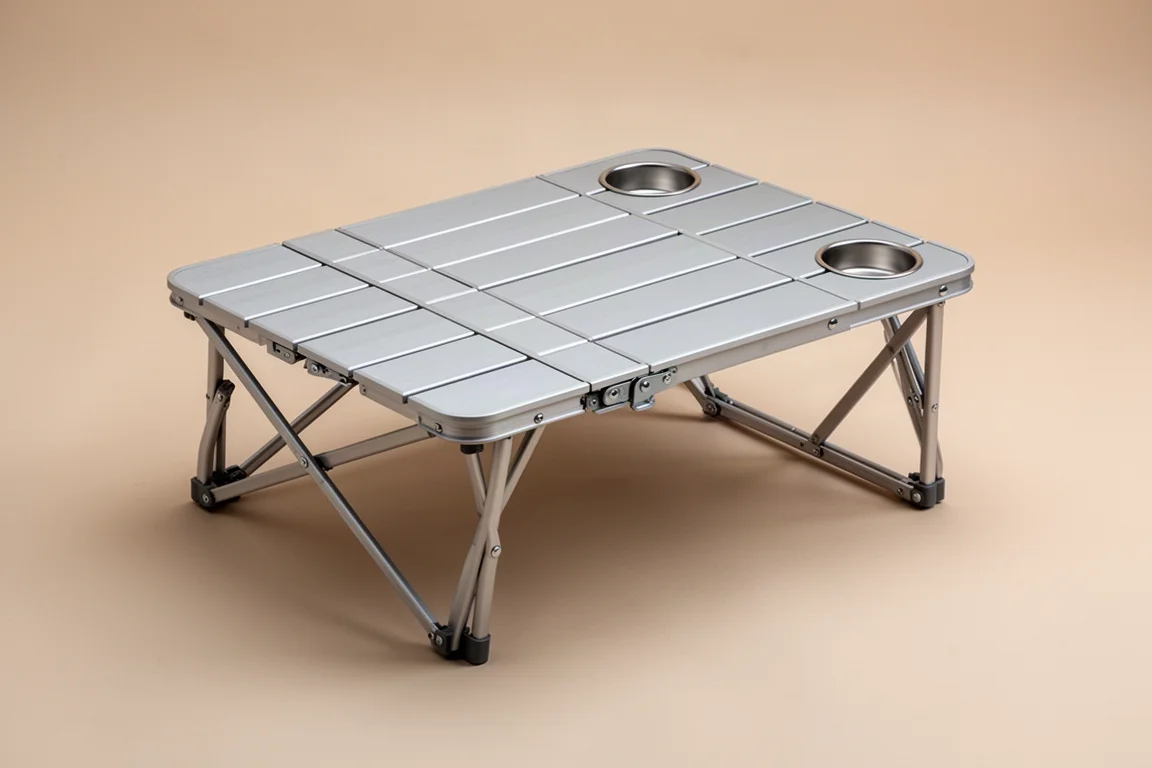
A table is the item most backpackers leave at home, and the one that changes camp the most when it comes along. The Naturehike table weighs 737 g and costs $37, which makes it the least expensive luxury on this list by a wide margin.
Cup holders keep a drink and a bear spray canister upright and off the ground, and the surface is sturdy enough to cook on when there is no picnic table around. The height works well for sitting, and the flat top becomes a shared space for games and drinks when there is more than one person at camp.
Its only real compromise is weight. Shorter, lighter tables exist, but 737 g is a reasonable middle ground for a surface you will use every evening.
Rab Mythic G: Warmth Without the Bulk
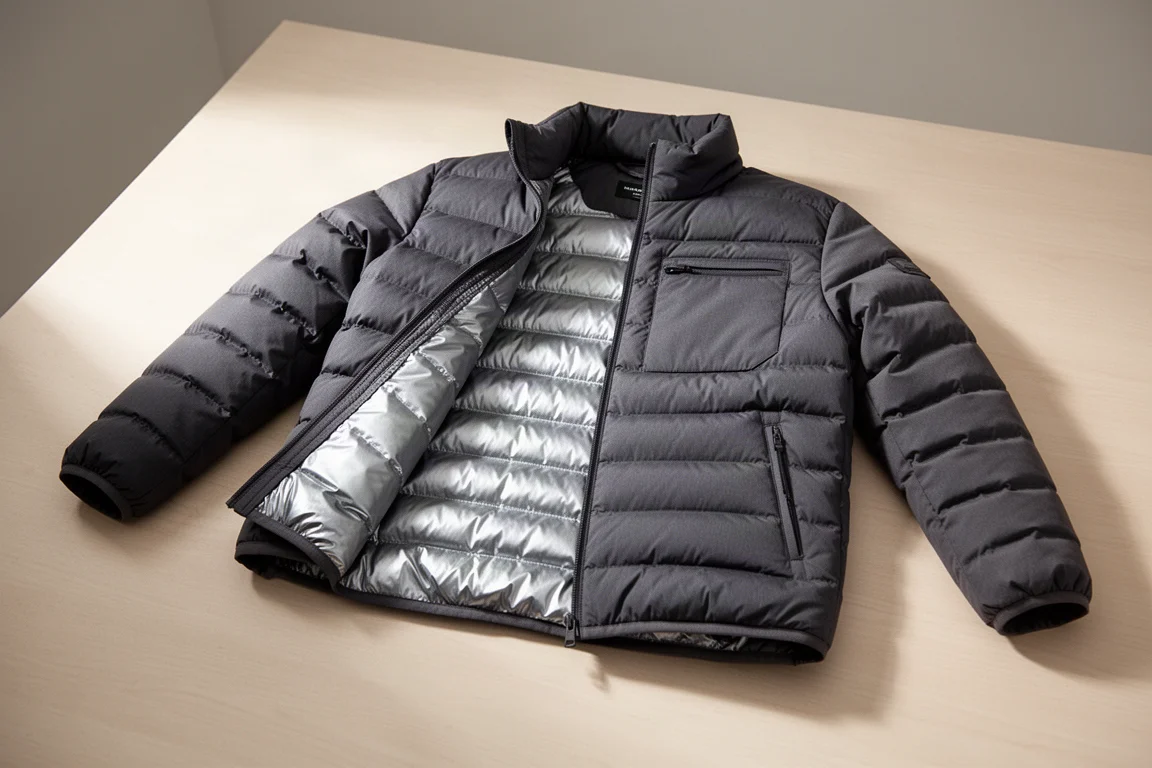
Shoulder-season camp time is cold, and the Mythic G is built for exactly that window. A reflective lining inside the jacket bounces heat back toward the wearer, adding warmth on top of what the down insulation already provides.
The weight is the impressive part: 277 g for a jacket that handles temperatures dipping just below freezing. For warmth per gram in shoulder season, this is about as good as it gets.
The catch is cost. This is an expensive jacket, and the reflective layer is a large part of the reason. If your trips are mostly summer trips, the premium is hard to justify.
Durston X-Mid 2: Fast, Roomy Shelter
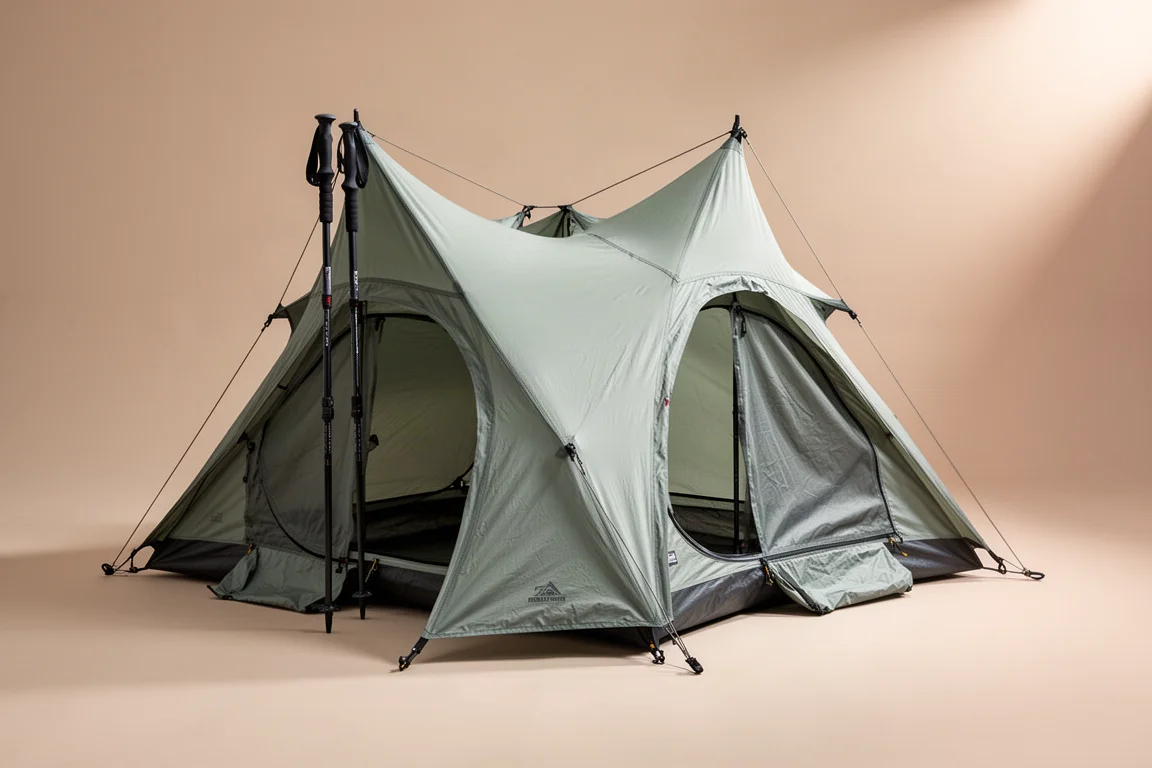
The X-Mid 2 is the shelter that makes the rest of the trip easier. It pitches all in one, so setup is quick and the interior stays dry even if rain starts while you are putting it up.
Inside, it is roomy for one person with gear spread out, and it takes two 25-inch wide pads if you are sharing. The one-person version is also spacious for solo trips. The width math matters if you want maximum comfort: a 30-inch pad works only if the second person drops to a 20-inch pad.
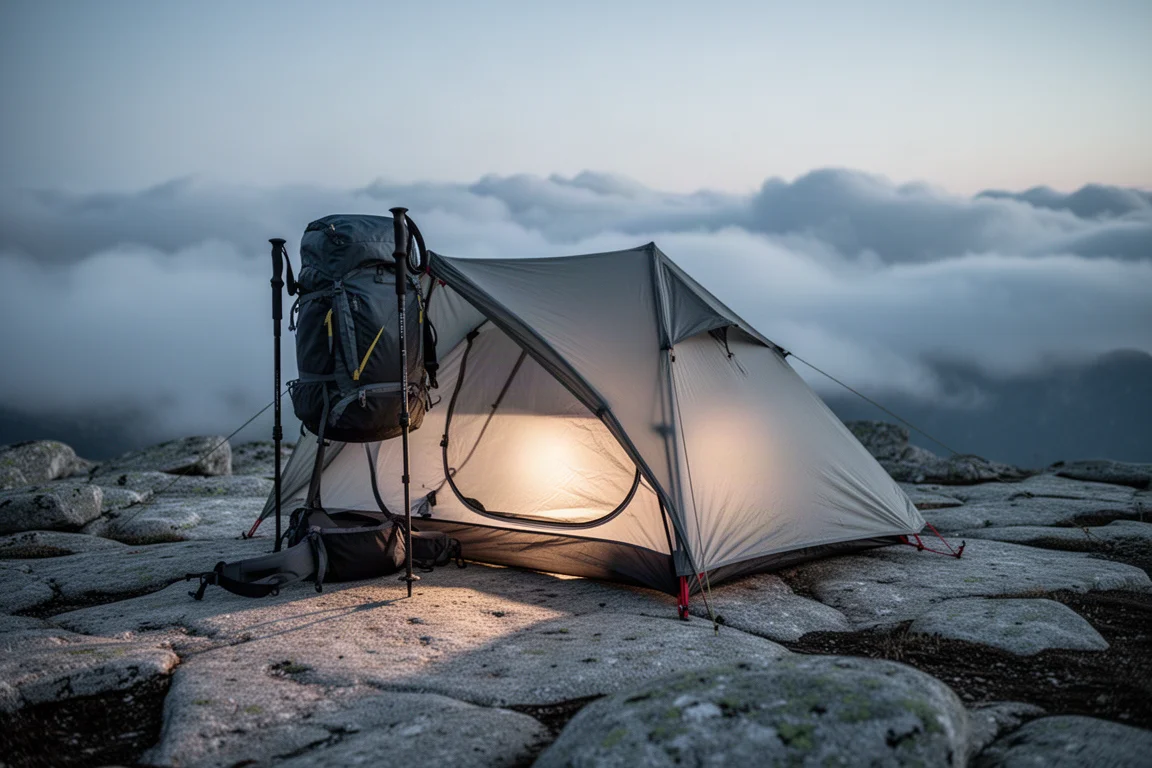
That flexibility is what makes it a sensible luxury choice. It performs in all but the most extreme conditions, so the comfort it adds does not come at the cost of capability.
ZenBivy Zip Bed Trek: A Bed-Like Sleep System
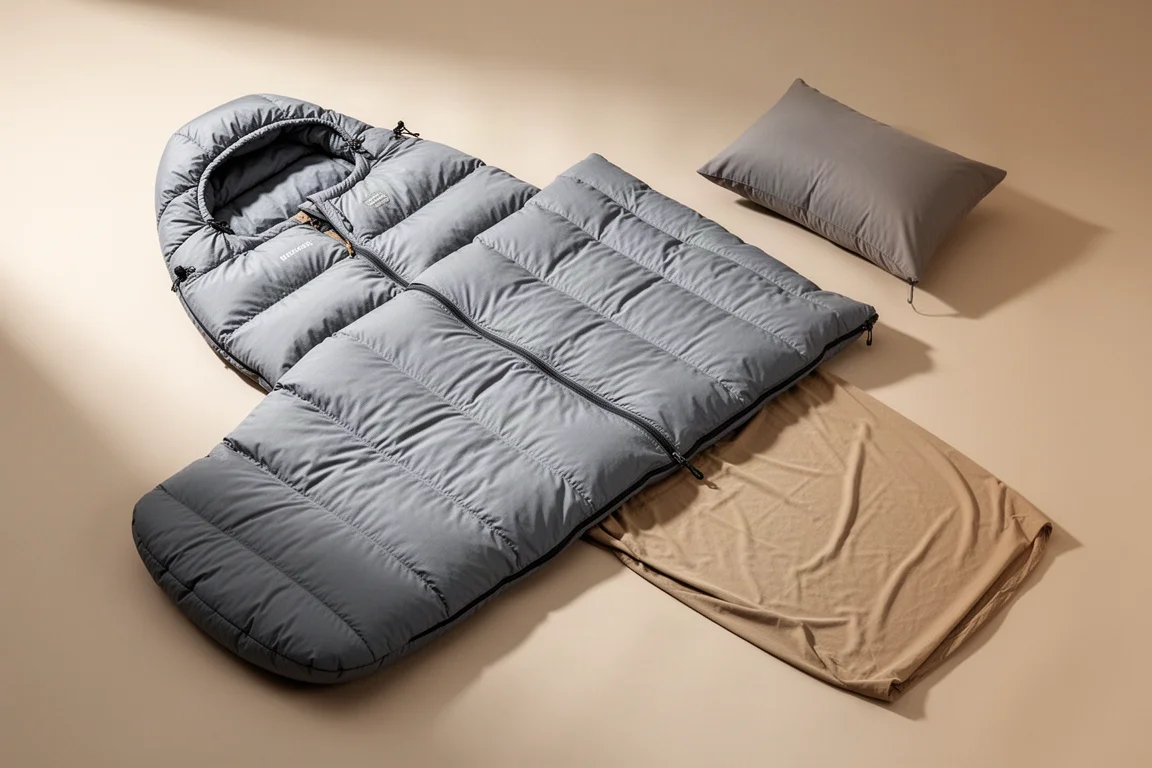
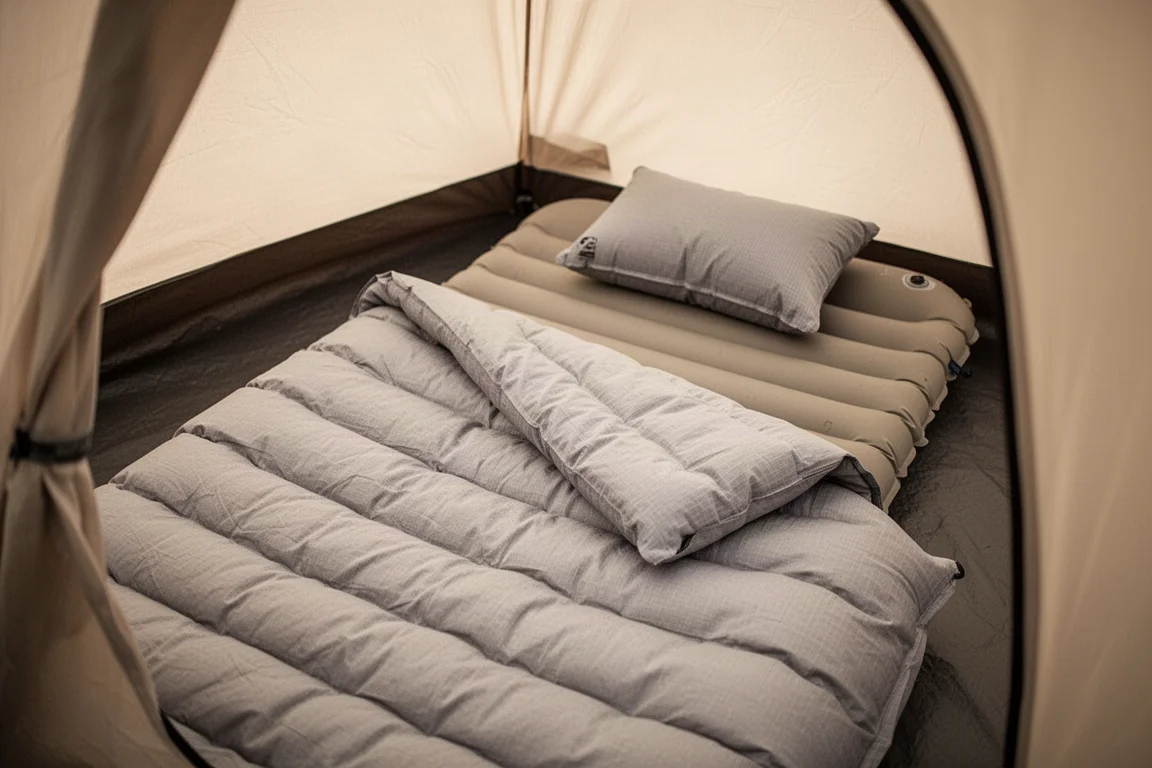
The Zip Bed Trek is where the sleep system gets serious. Instead of a sleeping bag, it pairs a full-length sheet with a quilt that zips onto it, so you can get in and out easily and move around underneath without dragging the insulation with you.
The sheet runs the full length of the system rather than stopping halfway, and the soft 50-denier fabric covers the sheet, the hood, the inside of the quilt and the pillow. The hood keeps your head warm, and the pillow is a three-part design: an inflatable bladder for structure, a down topper for warmth and softness, and a pillowcase that clips to the sheet so it stays put overnight.
The zip attachment also provides solid draft protection, which is the main reason a quilt system like this feels closer to a bed than a bag. The cost is weight, since the full system is over 1 kg and heavier than the lighter ZenBivy options. The full-length sheet and the zipper are both part of that penalty, and both are also part of why it feels so comfortable.
On top insulation, the quilt is rated to 10 degrees Fahrenheit and showed no heat loss on a night that dropped to -6 degrees Celsius. All of the heat loss on that night came through the pad underneath rather than through the quilt.
Exped MegaMat Ultra: Thick, Stable, Supportive
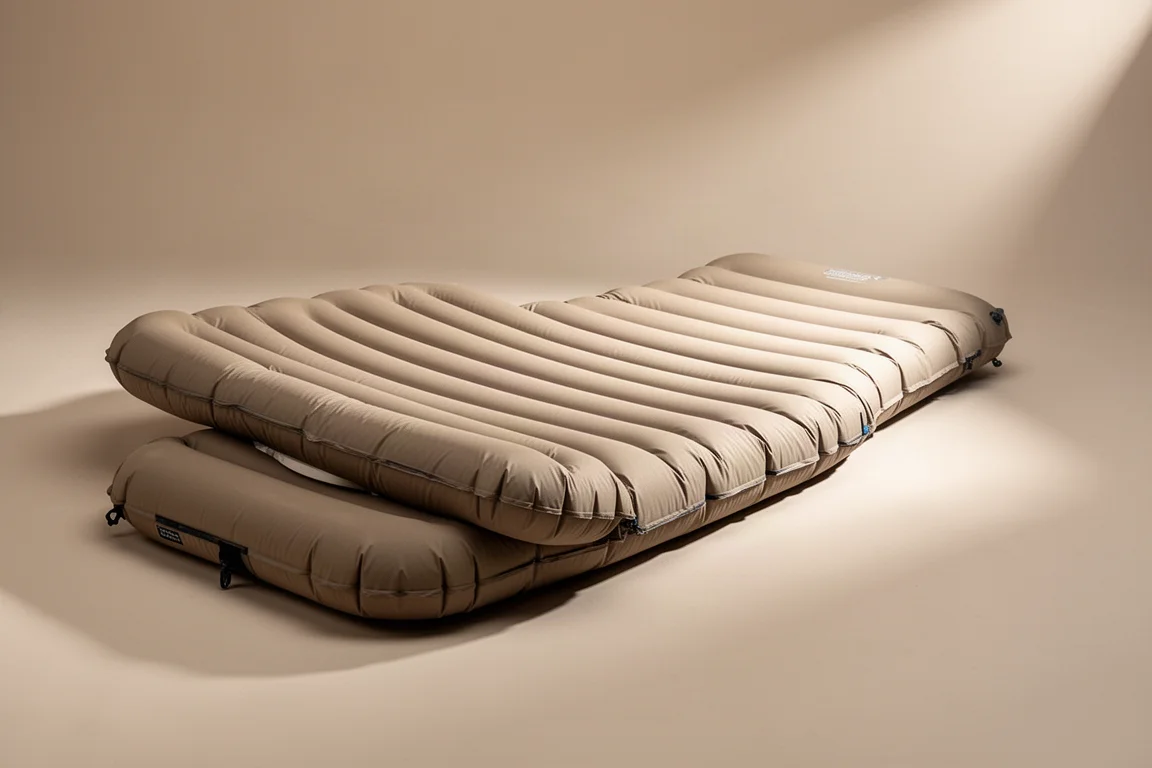
Underneath the quilt, the MegaMat Ultra is the most comfortable sleeping pad in this lineup. It is 4 inches thick, and the box-wall construction makes it feel even thicker than that number suggests.
The top surface is stretchy and soft, so you settle into it slightly rather than perching on top, and the vertical baffles keep it supportive. It does not feel like lying on an inflated balloon, which is the usual problem with thick pads. It is also available in a 30-inch wide version, a rarity that adds a noticeable amount of room.
Two numbers define the limits. The R-value is 4.4, so it suits conditions around freezing rather than deep cold, and on a night at -6 degrees Celsius the heat loss came through the pad rather than through the quilt above it. At 1.1 kg and $270, it is also heavier and more expensive than a standard pad. Inflating it to roughly 70 percent of maximum pressure is the sweet spot between sinking in comfortably and staying stable.
MSR WindBurner: Quiet, Efficient Cooking
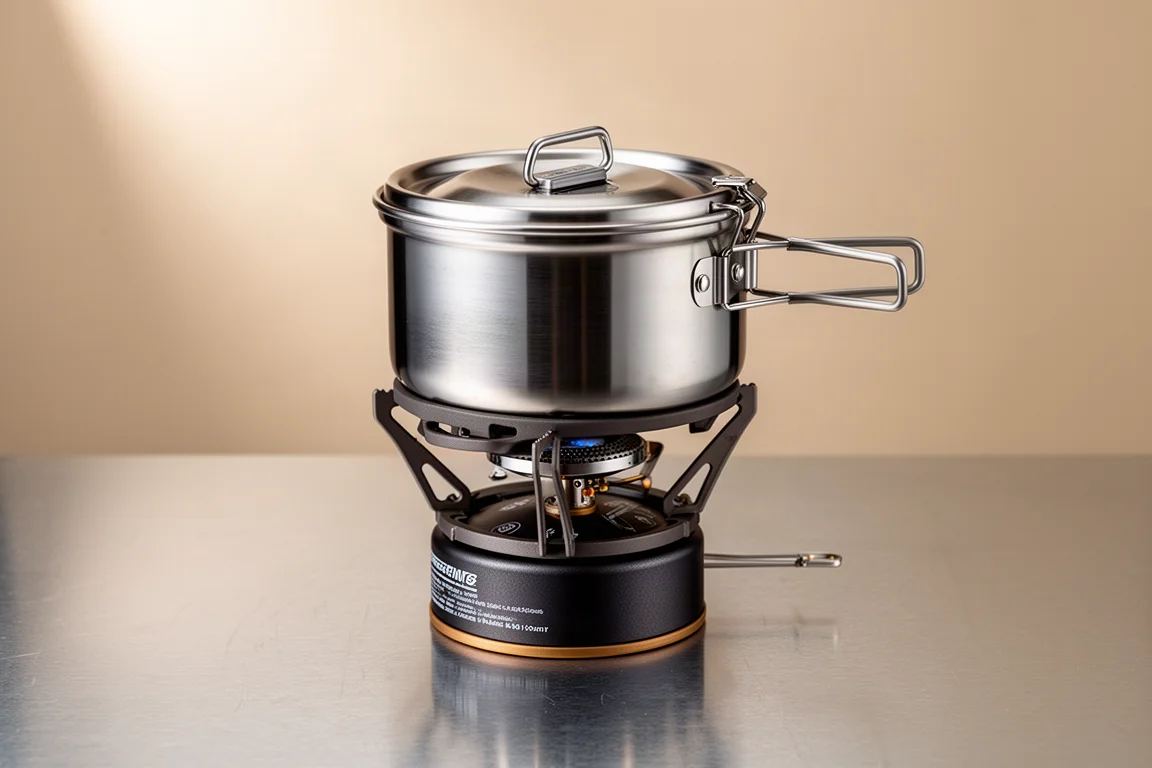
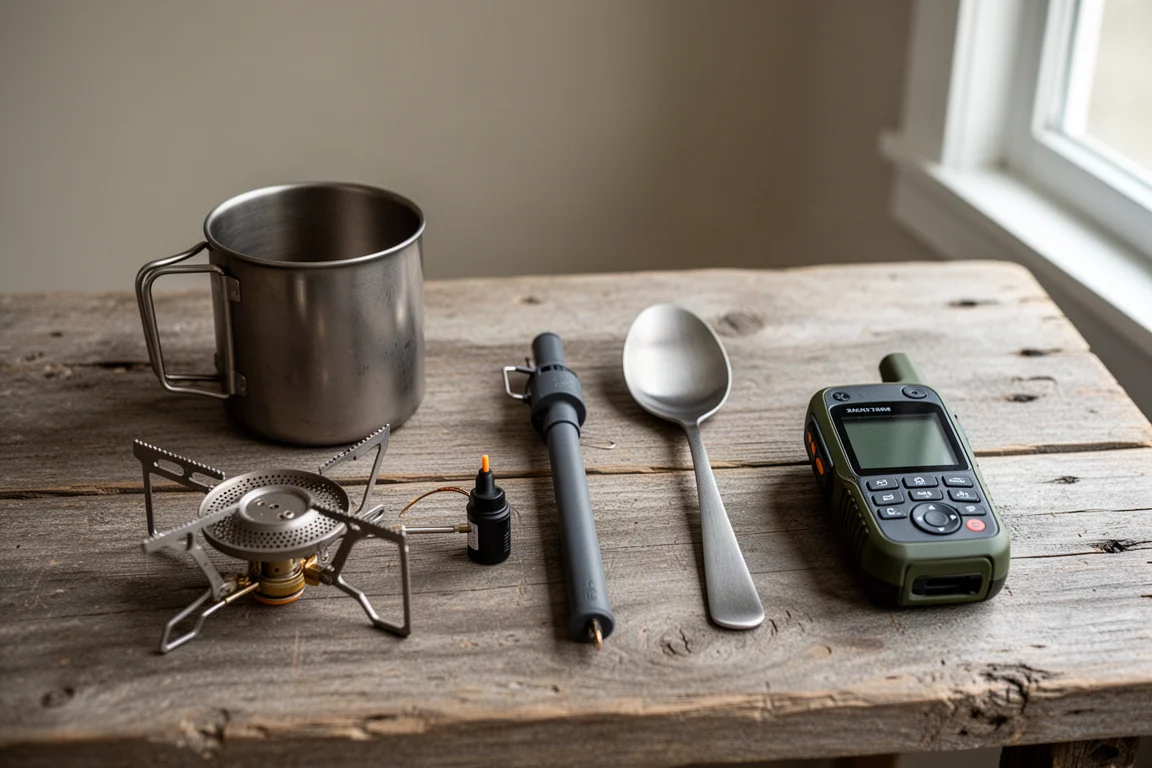
The WindBurner is an all-in-one stove system: the burner attaches to a canister and the pot locks onto the assembly. Two qualities stand out. It boils water quickly without burning through much fuel, and it runs quietly.
Quiet matters more than it sounds. A jet-engine stove cuts through conversation at camp, and on a trip where the point is to enjoy the evening, a stove you can talk over is worth something.
For anyone who wants to cook rather than just rehydrate, an optional skillet with a heat exchanger fits the same burner, and its handle folds for packing. Steak and potatoes at camp are within reach, at the cost of carrying one more piece.
Garmin inReach Messenger Plus: Messaging Beyond SOS
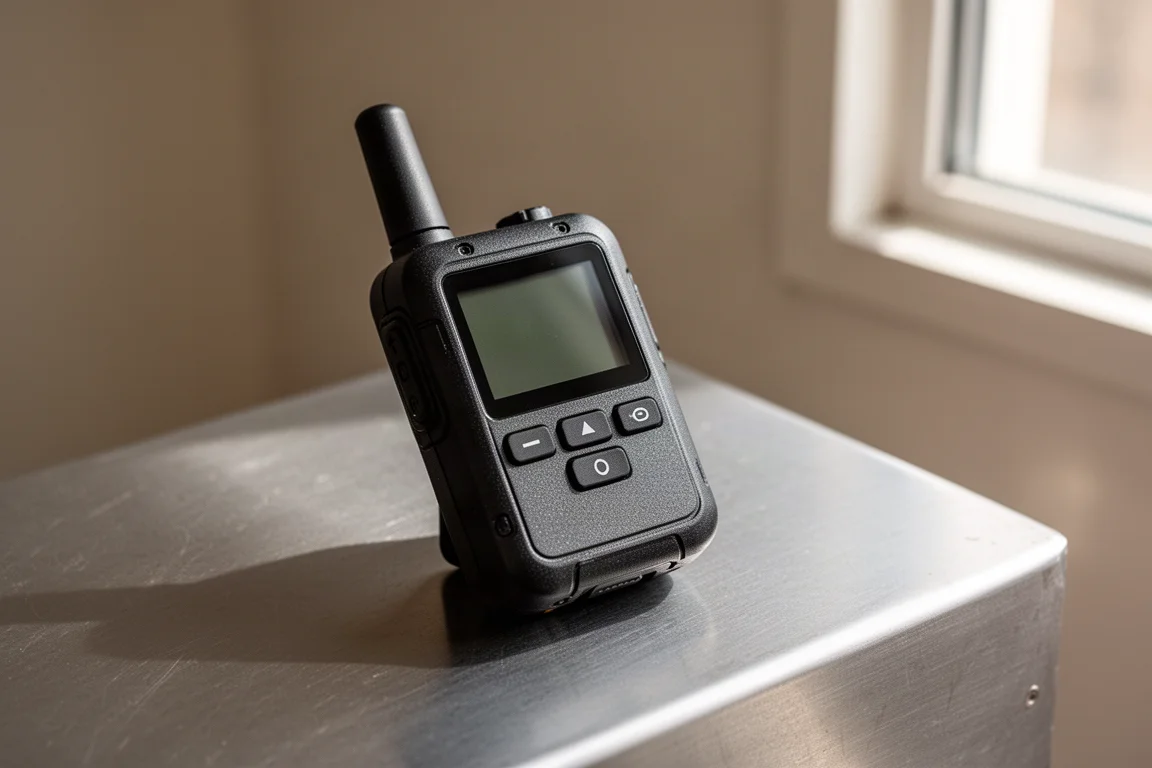
Satellite SOS is not really a luxury. It is closer to essential equipment. What makes the Messenger Plus interesting here is everything around that core function: two-way messaging with people at home, plus the ability to send and receive photos and voice memos.
The feature that pushes it into luxury territory is a companion backcountry AI tool. You message a number and ask questions, and it answers with information. It can be used for quick facts at camp, and it pulls weather that is more current and more local than a standard forecast. The tool is free at the moment, though there is no guarantee that it stays that way.
The practical value is social as much as technical. A group arguing over a detail can settle it with a message instead of a debate.
Flextail Max Pump 3: Fast Inflation and a Lantern
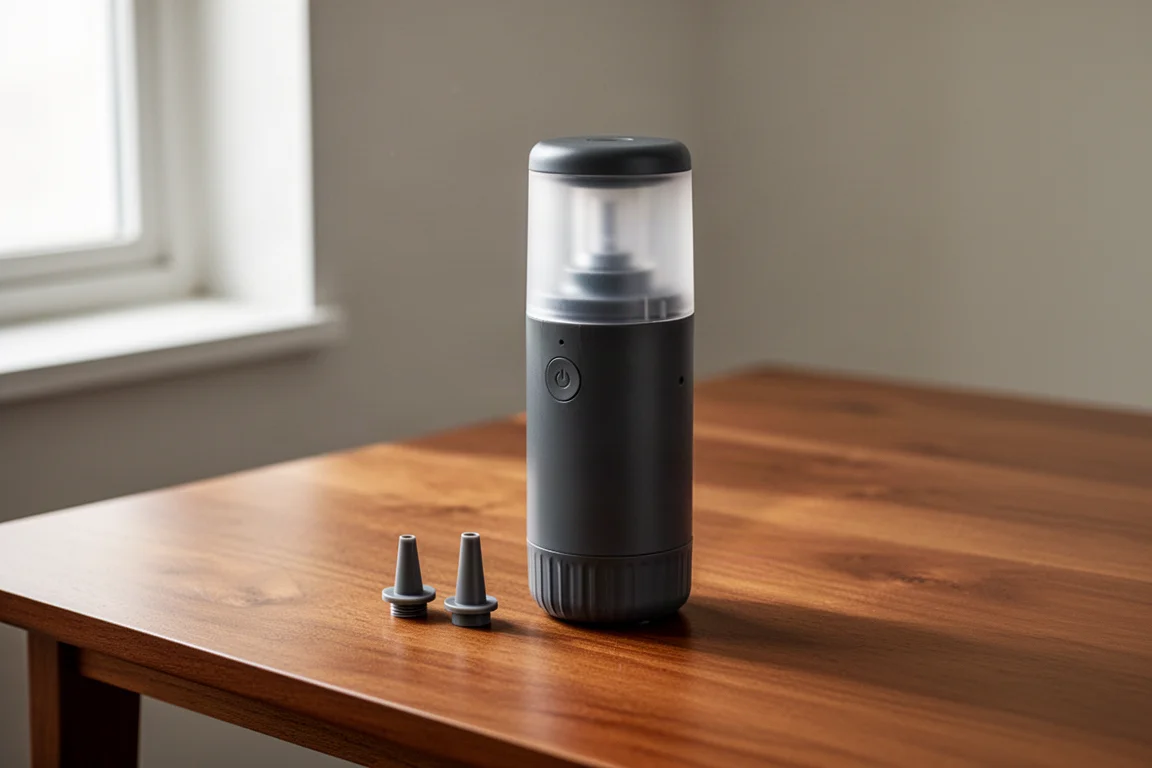
A thick pad is only as good as the effort required to inflate it, and the Max Pump 3 removes that effort. It fills a large pad quickly, runs quietly enough not to bother anyone nearby at camp, and gets the pad firm rather than half-inflated.
The rechargeable battery is the key convenience: no power bank, no cables, no waiting around. It also includes a small lantern, which can be clipped inside a tent for light or set on a table for a bit of ambiance during an evening of games.
Overall Buying Advice
Start with the sleep system and the shelter, because those two decide how the trip actually feels. The MegaMat Ultra and the Zip Bed Trek are the pieces that turn a night outside into something close to comfortable, and the X-Mid 2 makes the shelter side effortless. If the budget allows only one upgrade, choose the pad.
The pack is the next decision, and it carries the clearest price premium. The Arc Haul earns its cost by staying near 700 g while still offering a frame, a hip belt and an adjustable torso, but it only makes sense if the rest of your kit is already reasonably light. Camp furniture and clothing come after that. The reclining chair, the $37 table and the Mythic G are the items you will notice most on a cold shoulder-season evening.
One rule keeps a luxury load manageable. Choose the comforts that serve the way you actually spend time at camp, and leave the rest at home.
Conclusion
Luxury backpacking gear is not about bringing more. It is about bringing the right few things and accepting the weight or the price they cost. The sleep system is where the money goes furthest, the pack is where the engineering shows, and camp furniture is where small purchases deliver the most pleasure per dollar. Match the trade-offs to your own trips, and the extra grams will feel well spent.
Further reading
Related Reviews

Backpacking Gear
Building a 10 lb Base Weight: An Ultralight Backpacking Gear List
A practical walkthrough of the ultralight pieces behind a 10 lb base weight, from a 765 g pack and a roomy one-person tent to a full camp chair and a dependable water filter.
Backpacking Gear
A 15-Pound Lightweight Backpacking Gear List for Solo Trips
A beginner-friendly 15-pound backpacking setup built from easy-to-find gear, with notes on what each piece does, how it packs, and where to spend your attention.
Backpacking Gear
8 Ultralight Backpacking Gear Upgrades Worth Carrying
Eight small, affordable backpacking upgrades that solve real trail annoyances, from a pillow that stays put to a fuel valve that rescues leftover canister gas.