Backpacking Gear
Luxury Backpacking Gear: 15 Comfort-First Picks for Shoulder Season
A comfort-focused backpacking kit that still fits in a 50-liter pack, from a reclining camp chair and a full-length quilt system to a quiet stove and a satellite messenger.
Introduction
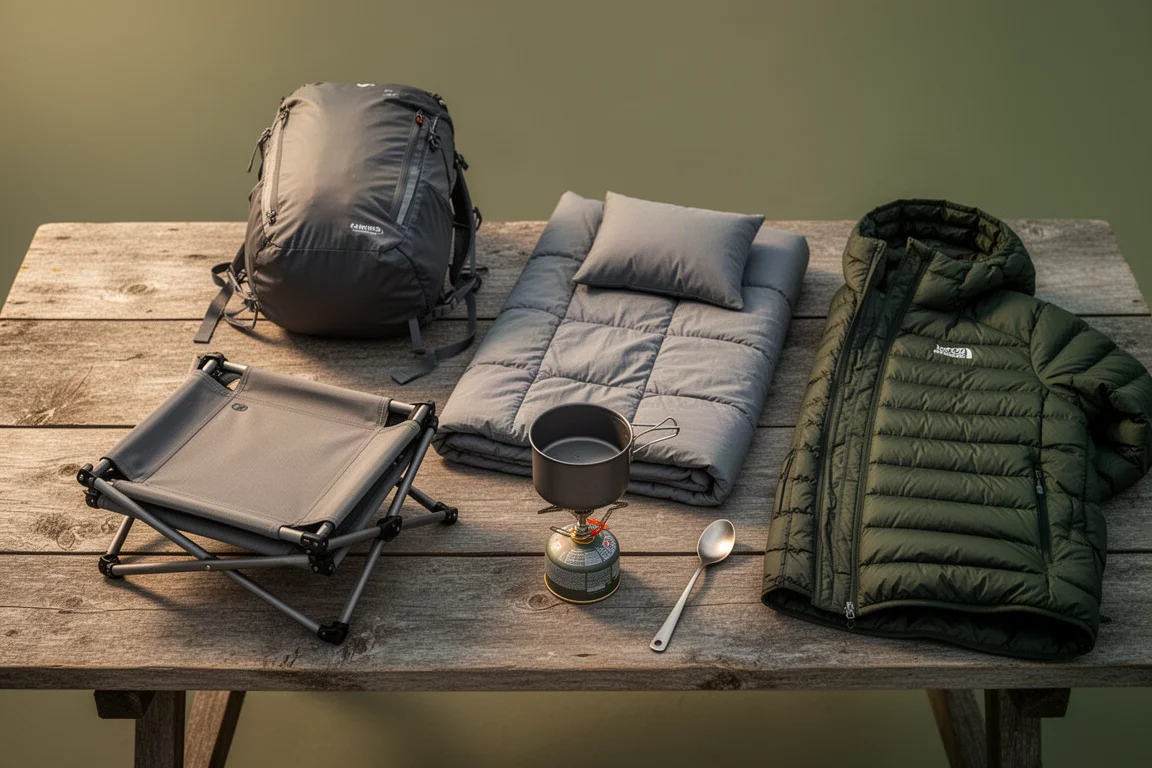
A luxury backpacking kit is not about packing more. It is about packing the things that make camp genuinely pleasant while still fitting into a single 50-liter pack and staying light enough to carry up a ridge. The list below collects the most extravagant comfort items that still earn their place on a shoulder-season trip, where evening temperatures drop toward freezing and camp time stretches longer than it does in midsummer.
Some of these items are proven favorites that come along on nearly every trip. Others are newer additions brought specifically to find out whether they justify the extra grams and the extra dollars.
What Counts as Luxury Gear
Two trade-offs dominate this category: weight and price. Most of the gear here gives up one or both in exchange for comfort, and the honest question is whether that comfort shows up where you actually notice it, which usually means around camp in the evening and in bed at night.
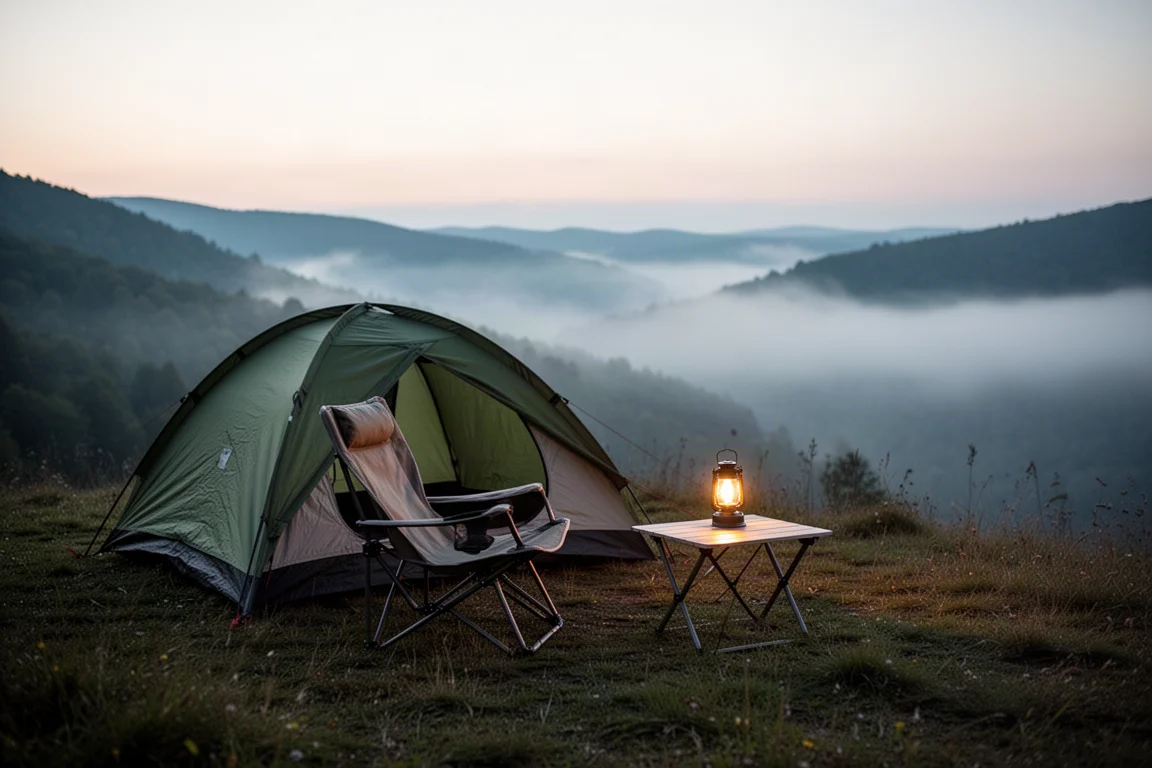
A useful test is whether an item changes how you spend time rather than simply adding bulk. A reclining chair, a small table, a full-length quilt sheet, and a mug of wine are all small decisions that shape an evening. The picks below are grouped by where they fit into a trip: the pack, lounging and clothing, shelter, sleep, cooking, and electronics.
The Pack: Zpacks Arc Air
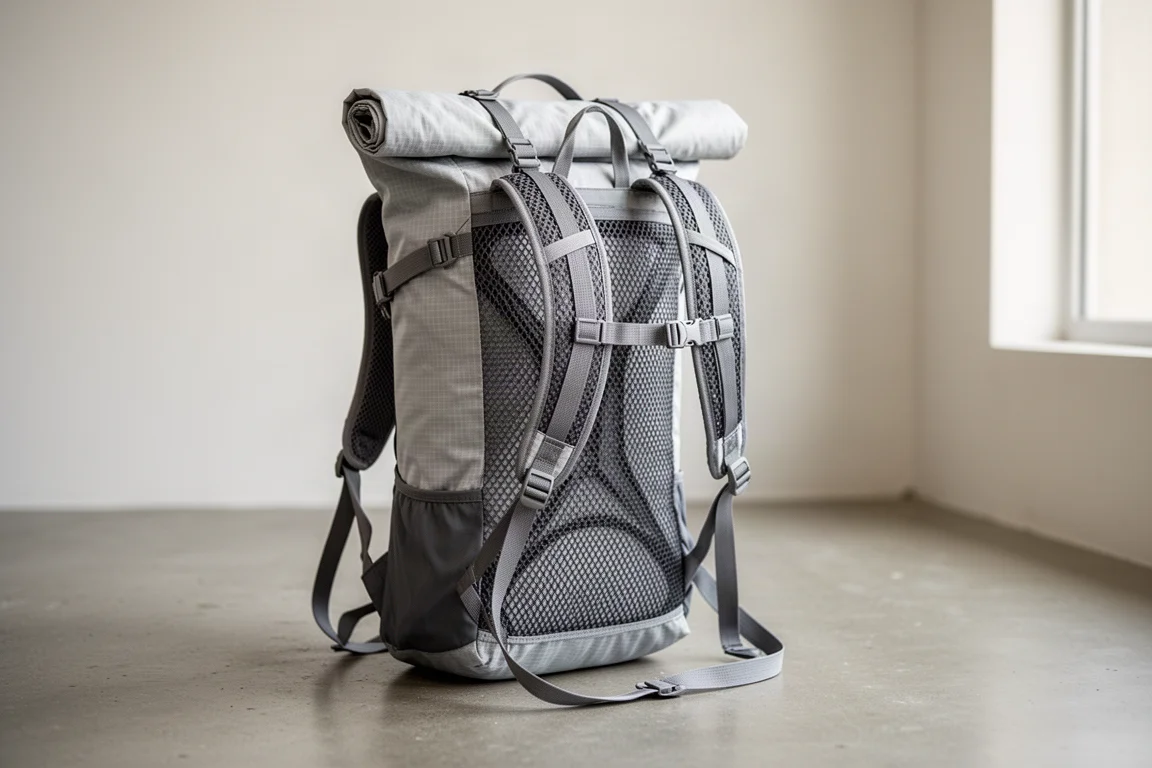
The Arc Air weighs just 700 g, which puts it in ultralight territory, yet it carries features that ultralight packs usually drop: a full frame with a hip belt, hip belt pockets, a trampoline back panel, and adjustable torso length. Adjustable torso length is rare on a pack this light, and the side pockets can be reached while the pack is worn. There is also a mesh front pocket and straps underneath for attaching a camp chair.
The trade-off is price, and it is a steep one at over $400. For backpackers who want a fully featured carry without the usual weight penalty, that is the entire point of the design.
Camp Comfort: NEMO Moonlite Elite Chair
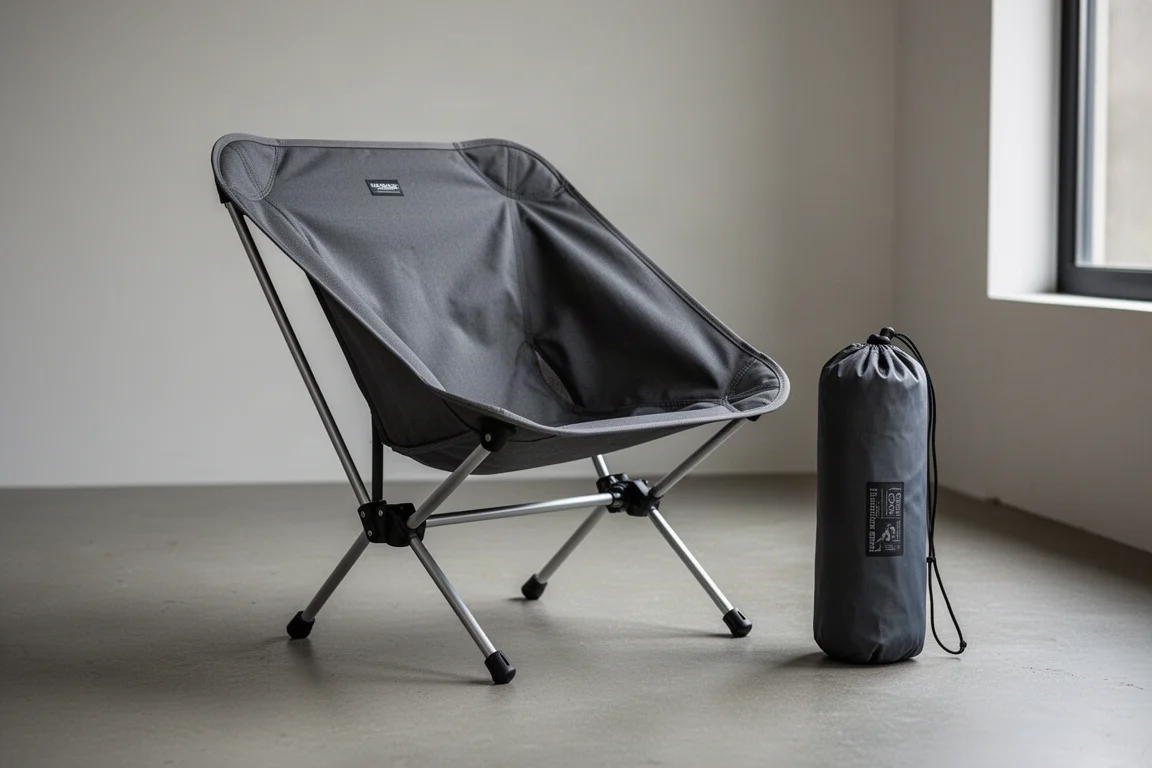
The Moonlite Elite is a reclining camp chair that weighs just over a pound. Two toggles on the sides release the backrest so you can lean back and stay there, and the carry case doubles as a footprint to keep the feet from sinking into sand or soft ground. It pairs naturally with a lightweight folding camp table, which adds cup holders, a cooking surface when there is no picnic table, and a shared spot for games in the evening; at 737 g and $37, that table is one of the least expensive luxury items on this list.
For anyone who spends three or four hours at camp each evening, the chair changes the whole rhythm of the trip.
Warmth Around Camp: Rab Mythic G
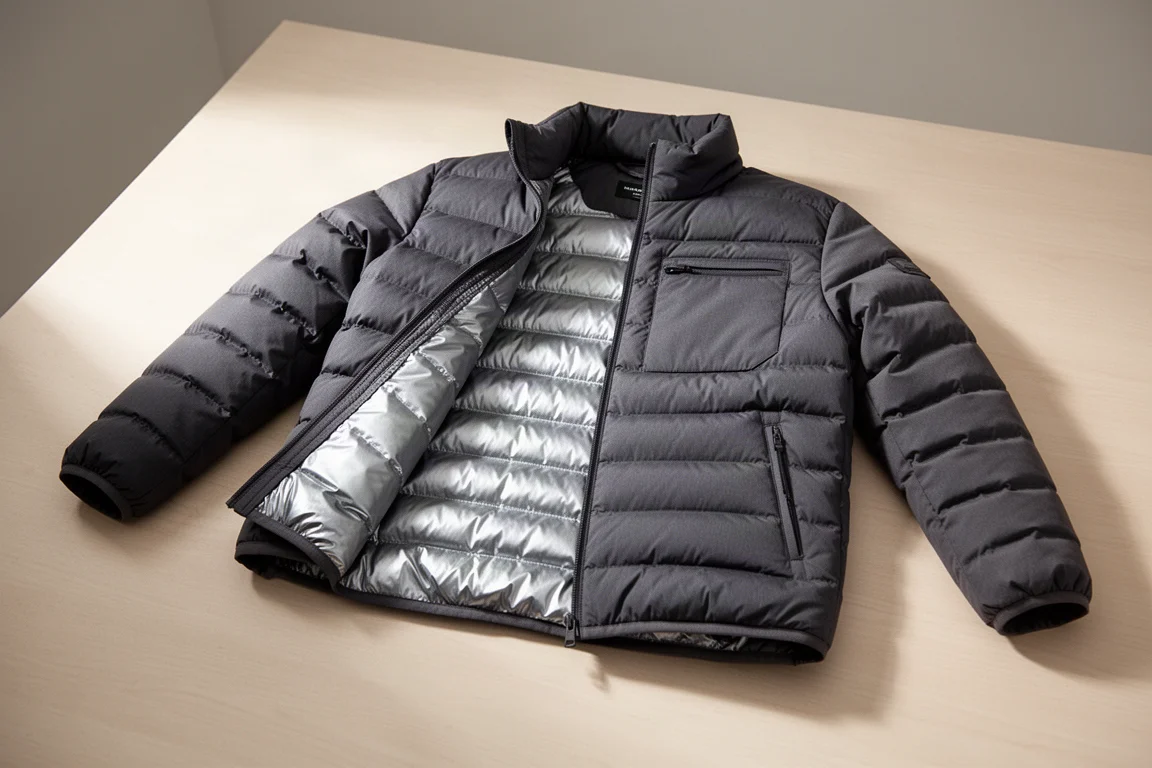
Layers matter more than usual on a shoulder-season trip, when camp time happens in the cold. The Mythic G is a down jacket with a reflective lining that bounces heat back toward the body, which makes it noticeably warmer than a jacket relying on down alone. It weighs 277 g, an unusually low figure for the warmth on offer, and it is at its best when temperatures sit just below freezing.
The catch is cost. This is one of the most expensive items in the kit, and the premium buys warmth per gram rather than features or durability.
Lightweight Layers: Mountain Hardwear AirMesh
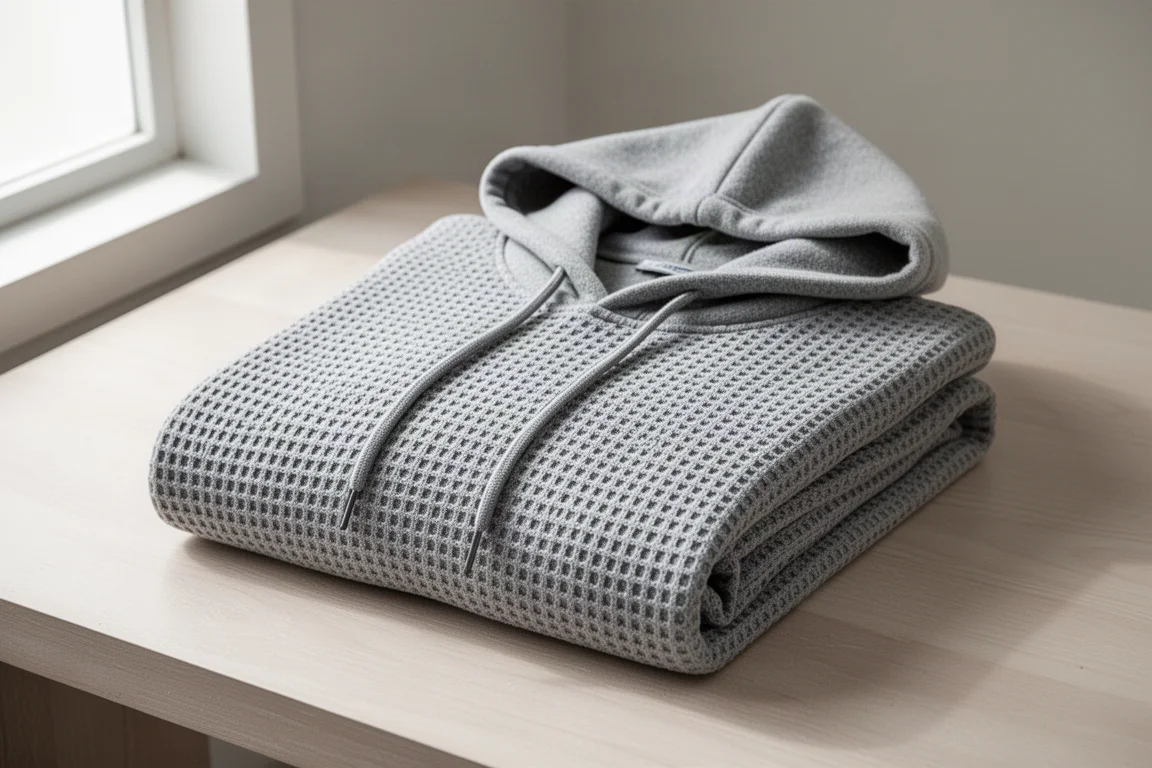
The AirMesh hooded layer is built from Octa fabric, a knit that behaves similarly to Alpha Direct: very light, very warm for its weight, and quick to dry. Octa adds a more abrasion-resistant face, so it holds up better to everyday camp use, and it is not see-through, which matters when you are wearing it while sitting around rather than underneath a shell.
Matching Octa-fabric pants with pockets and a pair of warm Alpha Direct socks complete the camp layer, giving you somewhere to keep a phone and small items while walking around camp.
Camp Footwear: The North Face ThermoBall Slippers
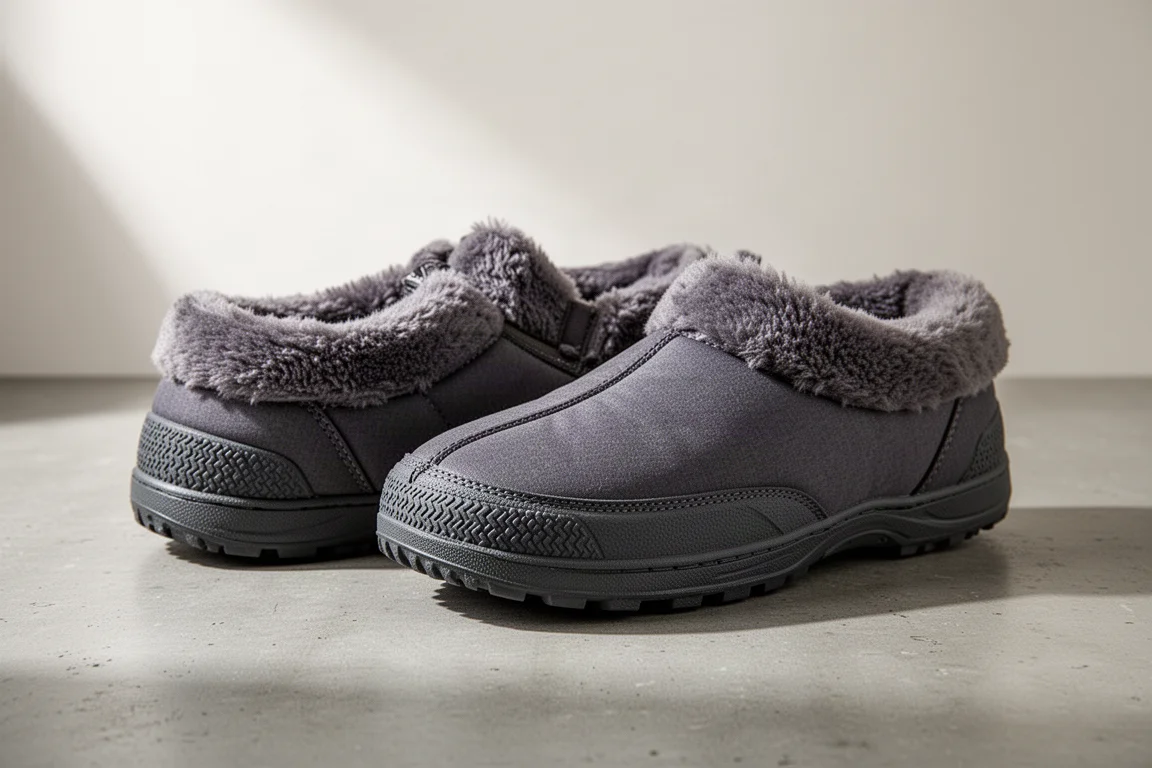
Camp slippers are the clearest example of a luxury item that pays off. The ThermoBall slippers have a fuzzy lining, a sole that insulates the foot from cold or frozen ground, and enough grip and durability to walk around camp without thinking about it. They weigh close to 500 g for the pair, which is heavy by backpacking standards and light by any other measure.
If you spend long evenings sitting still in near-freezing temperatures, that weight buys a lot of comfort.
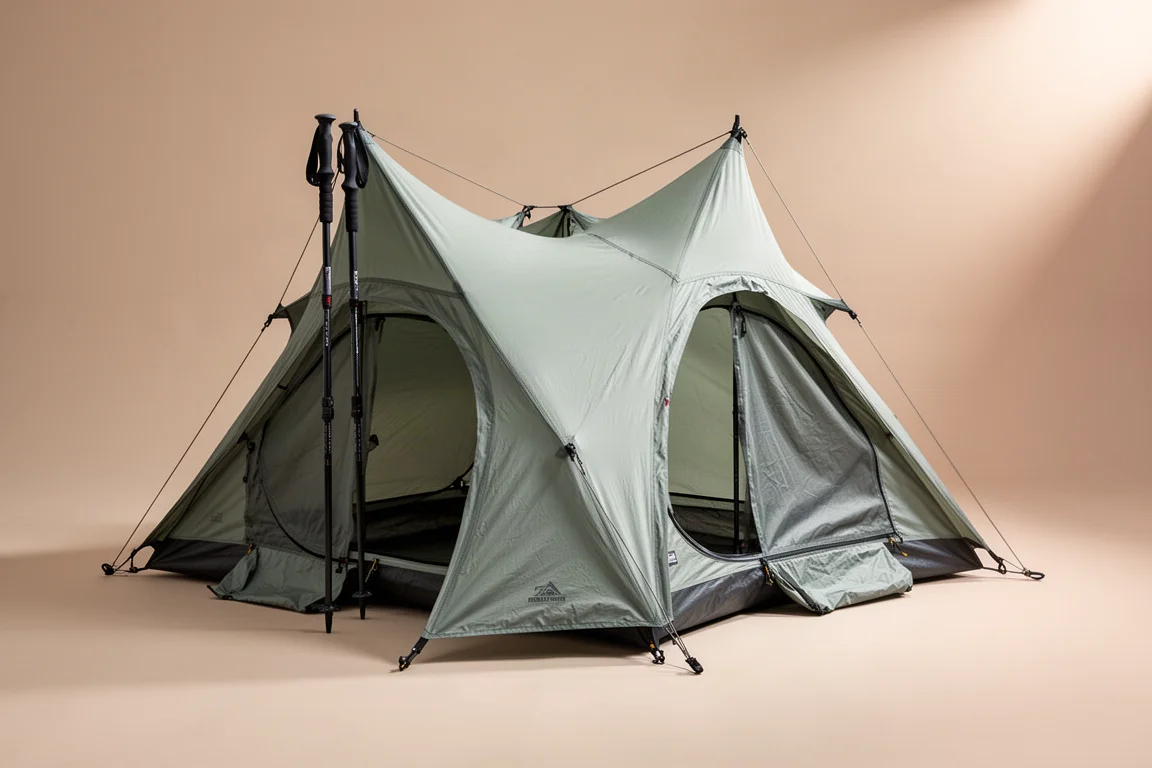
Shelter: Durston X-Mid 2
The X-Mid 2 pitches in one piece and goes up quickly, and because the inner stays connected during the pitch, the interior stays dry if it is raining while you set up. The two-person version used here is roomy enough to spread gear out inside, and the one-person OnePlus version is generously sized as well.
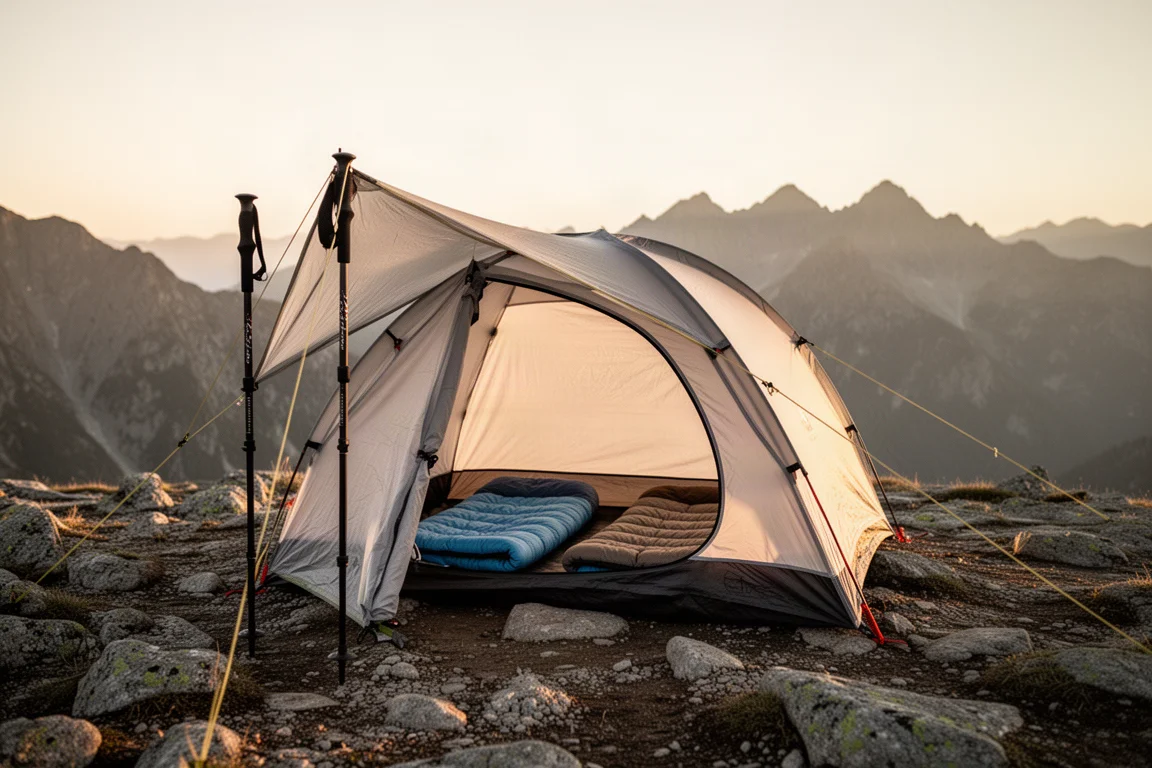
Pad width is the one number to check. Two 25-inch wide pads fit side by side, but if one person uses a 30-inch pad for extra comfort, the other has to drop down to a 20-inch pad. Beyond that, the tent handles everything except the most extreme conditions.
Top Insulation: ZenBivy Zip Bed Trek
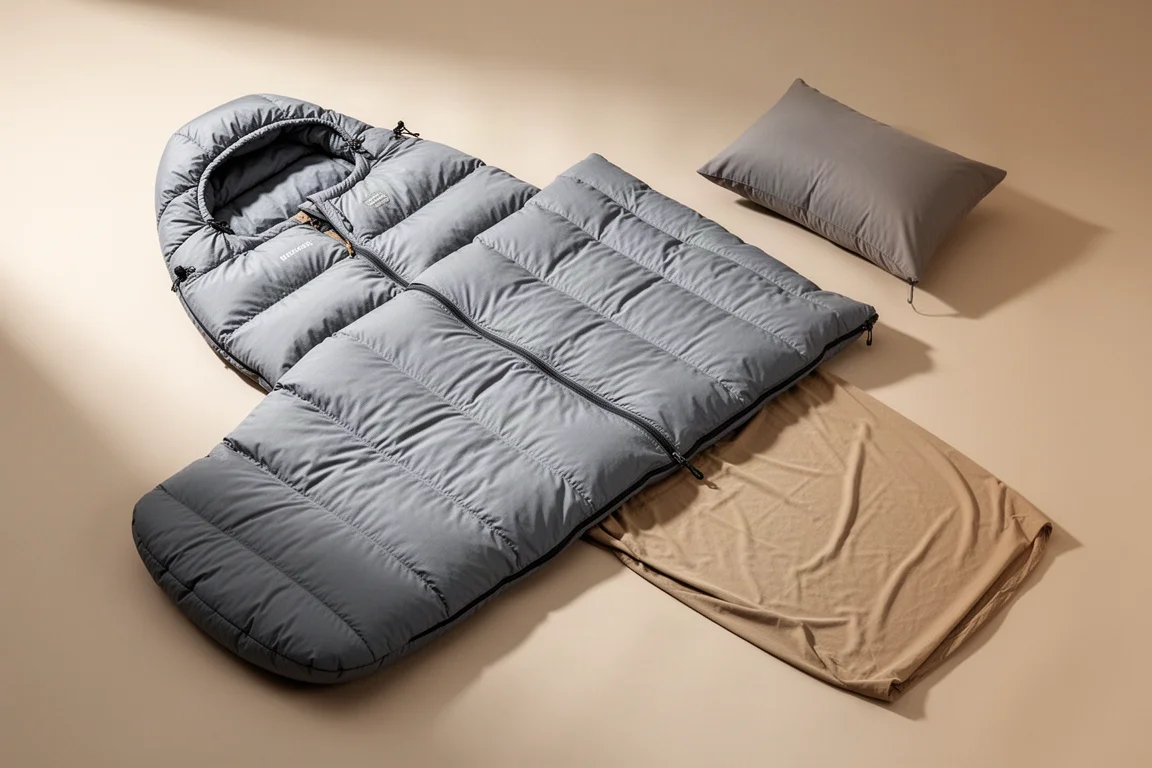
The Zip Bed Trek is a quilt-and-sheet system rather than a sleeping bag. A full-length sheet in soft 50-denier fabric runs the entire length of the bed, and the same material appears in the hood, on the inside of the quilt, and on the pillow, so every surface you touch is soft. The quilt zips onto the sheet, which provides draft protection and makes it easy to get in and out, and you can roll over underneath it without getting tangled the way you can in a sleeping bag.
The hood keeps your head warm, and the pillow is a three-part design: an inflatable bladder for structure, a down topper for warmth, and a soft case that clips to the sheet so it stays put overnight. The system weighs over a kilogram, which is the price of that comfort, and the top insulation is rated to 10 degrees Fahrenheit.
Sleeping Pad: Exped MegaMat Ultra
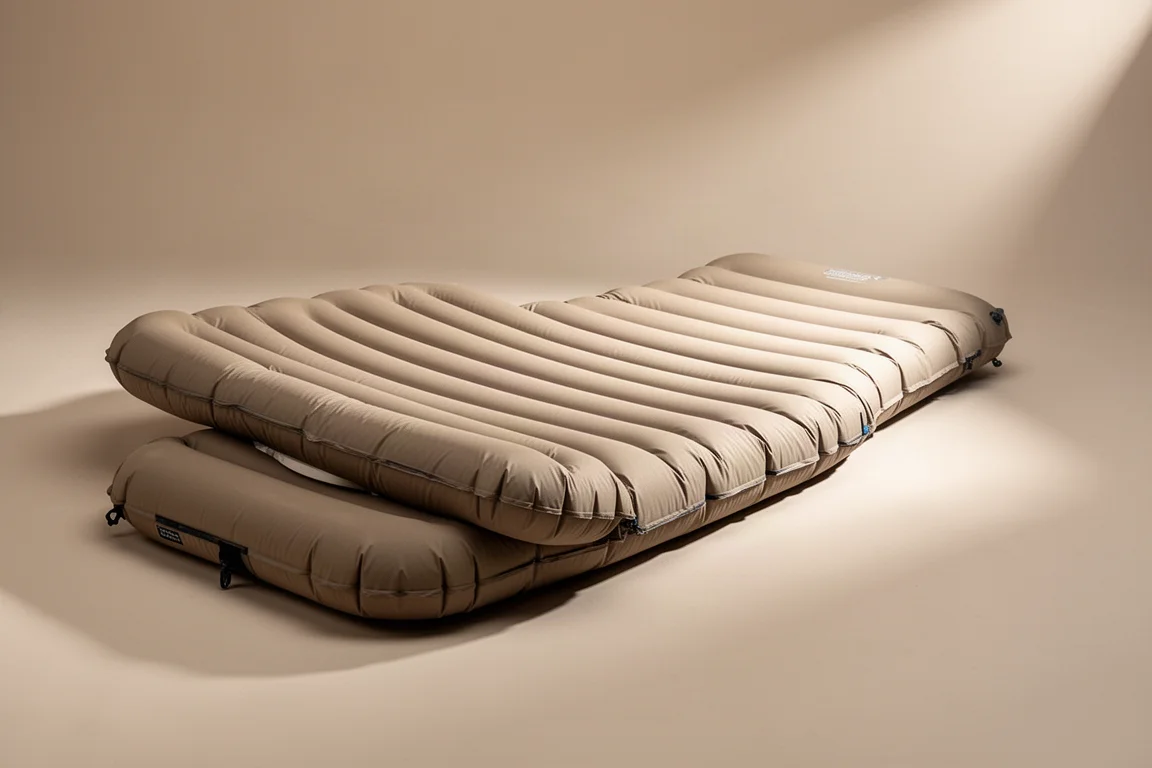
The MegaMat Ultra is 4 inches thick, and its box-wall construction makes it feel thicker still. The top surface is stretchy and soft, so you settle into it slightly, and the vertical baffles keep it supportive rather than balloon-like. It is available in a 30-inch wide version, which is rare and adds a meaningful amount of room for side sleepers and anyone who moves around at night.
The numbers to know are 1.1 kg and $270 for the 30-inch version, plus an R-value of 4.4. That rating suits nights around freezing or slightly below, and it is the first thing to consider if you plan to camp in deeper cold.
Cook System: MSR WindBurner
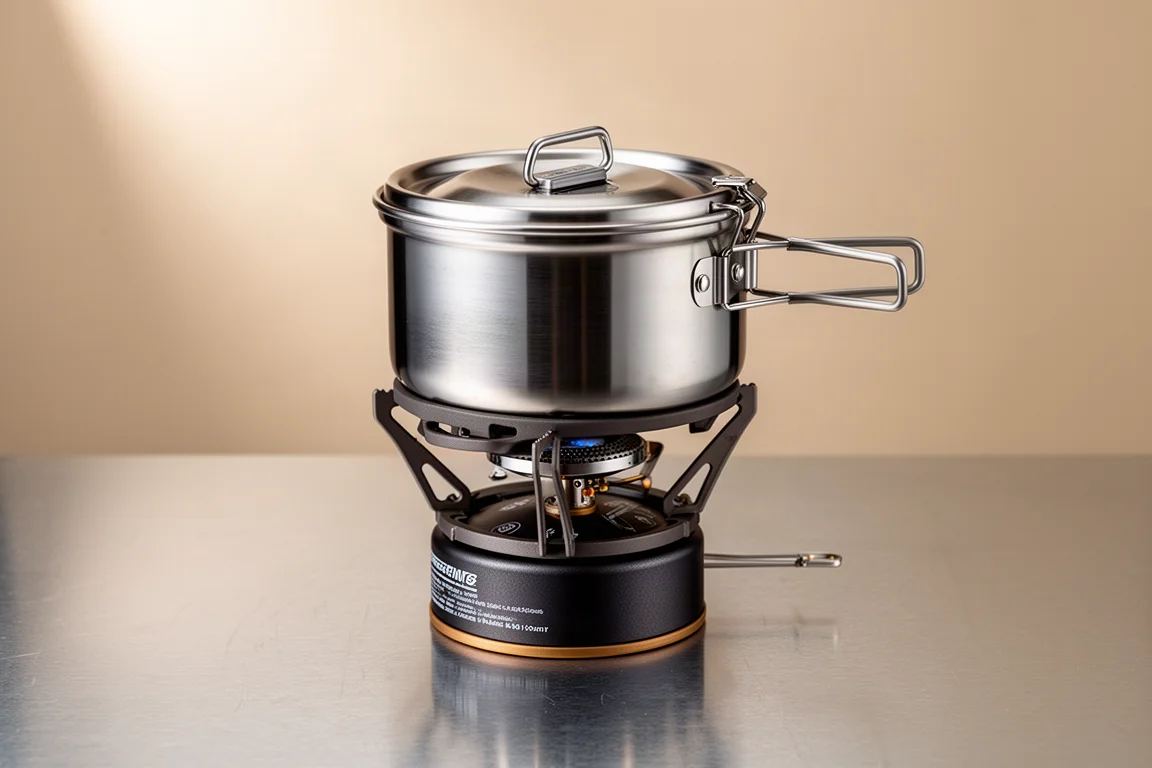
The WindBurner is an all-in-one stove system: a burner unit that attaches to a canister, with a pot that locks onto the assembly. Two things stand out. It is efficient, boiling water quickly without burning through fuel, and it is quiet, which matters more than expected when a group is sitting around camp talking and a jet-engine stove would end the conversation.
The integrated design also means fewer loose parts to manage at the end of a long day.
Cooking Extras: MSR WindBurner Skillet
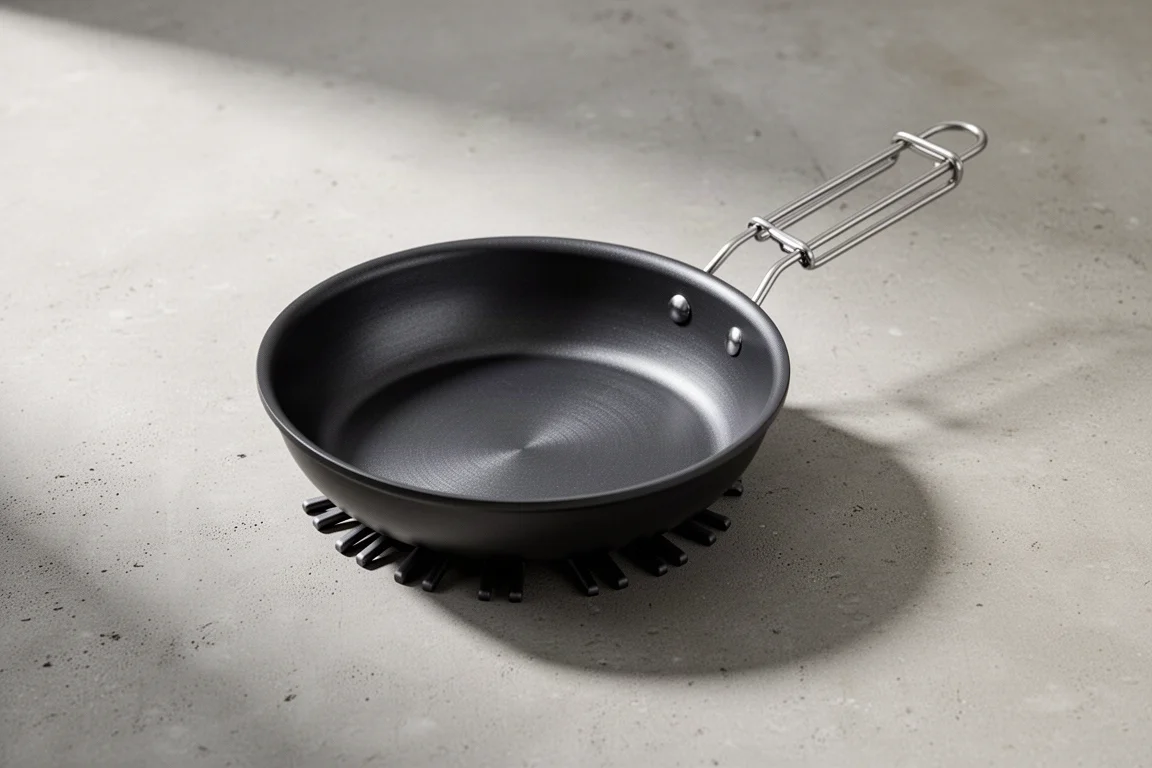
For anyone who wants to cook rather than just rehydrate, the matching skillet adds a heat-exchanger base and fits onto the WindBurner stove. It handles real food, steak or potatoes, and its folding handle lets it pack flat. It is light enough to justify if you already carry the stove system and you like the idea of a proper meal at camp.
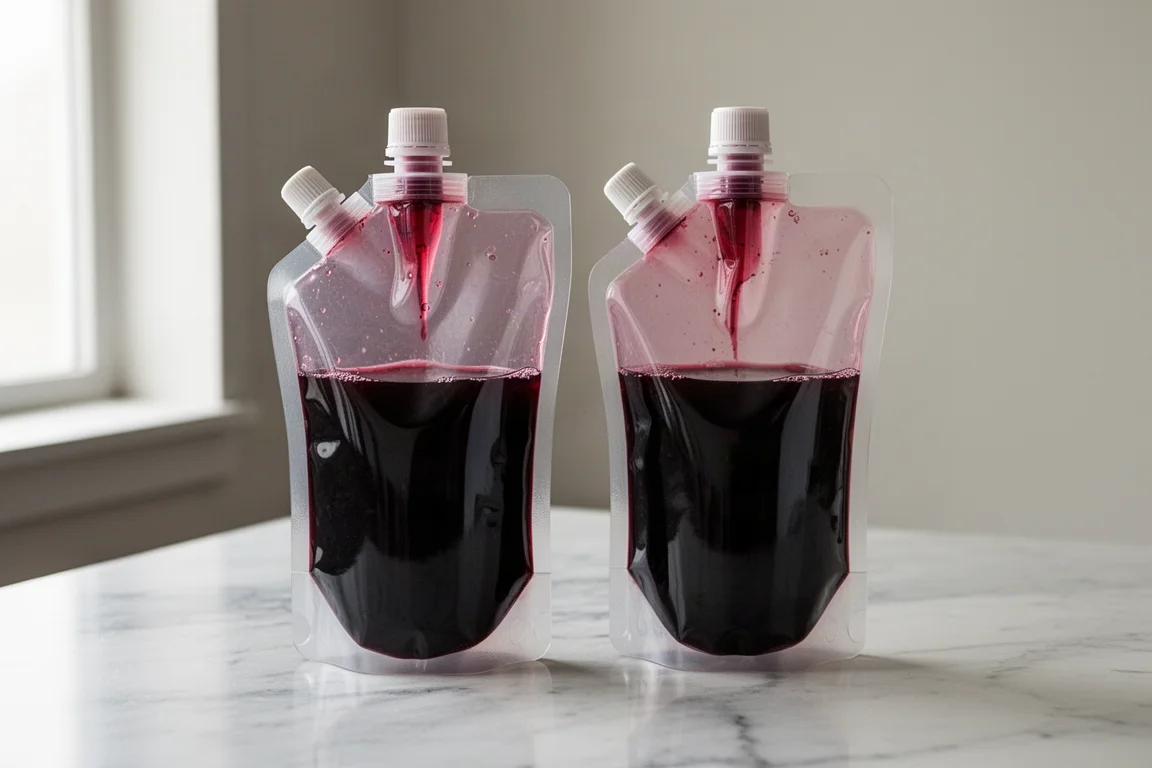
Wine in the Backcountry: Platypus PlatyPreserve
Carrying wine is easier with a flexible reservoir than with a bottle. The PlatyPreserve weighs far less than glass, and squeezing the air out before sealing helps keep the wine fresh over several nights. It is the kind of item that seems indulgent until you are sitting at camp on the second evening with a glass that still tastes right.
The Spoon: Broadum Titanium Spoon
A spoon is not usually the item that gets called fancy, but this one earns it. The Broadum titanium spoon has a longer handle than other long-handled titanium spoons, which lets you reach the bottom of a freeze-dried meal without getting your hands dirty, and small holes in the handle cut weight while adding grip. It weighs about 17 g and comes in a purple finish.

Electronics: Flextail Max Pump 3
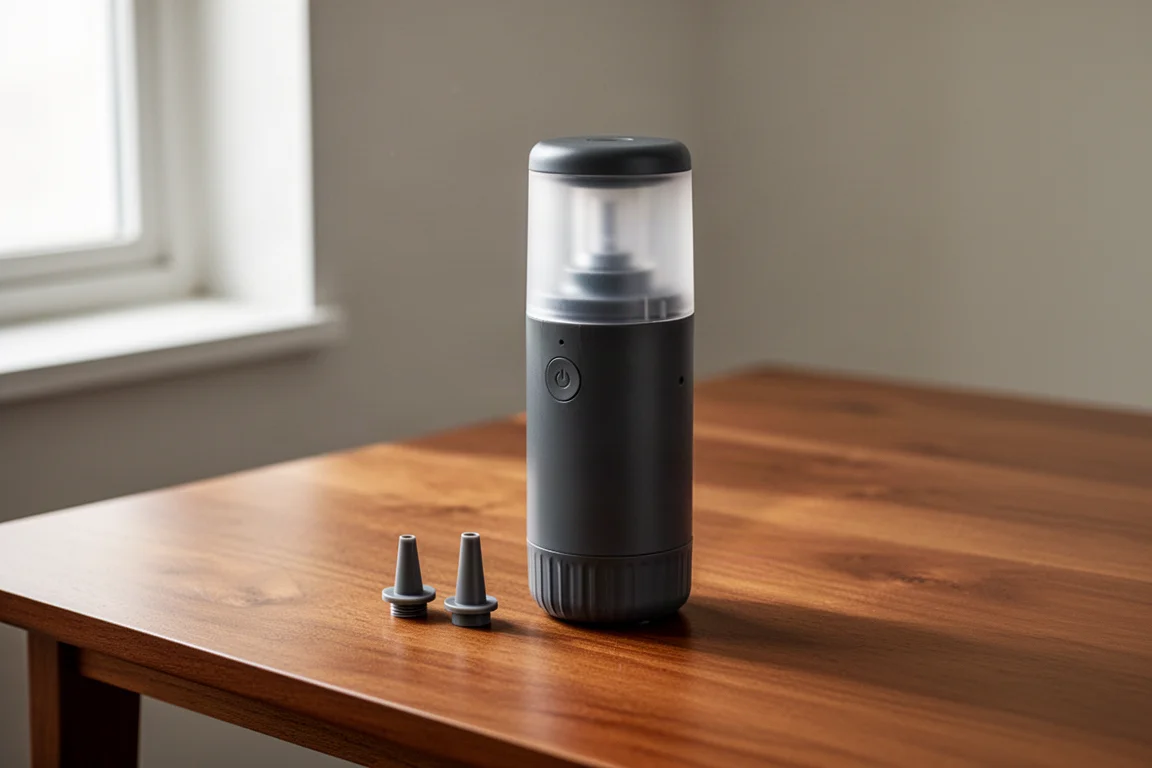
Inflating a large pad by mouth at the end of a long day is the least luxurious part of backpacking. The Max Pump 3 is a rechargeable pump that fills a pad quickly, including a 30-inch wide MegaMat Ultra, and it does so relatively quietly and firmly. Because it runs on its own battery, there is no need to route a power bank into it.
It also includes a small lantern, which can be clipped inside a tent or set on a table for light and a bit of atmosphere around camp.
Electronics: Garmin inReach Messenger Plus
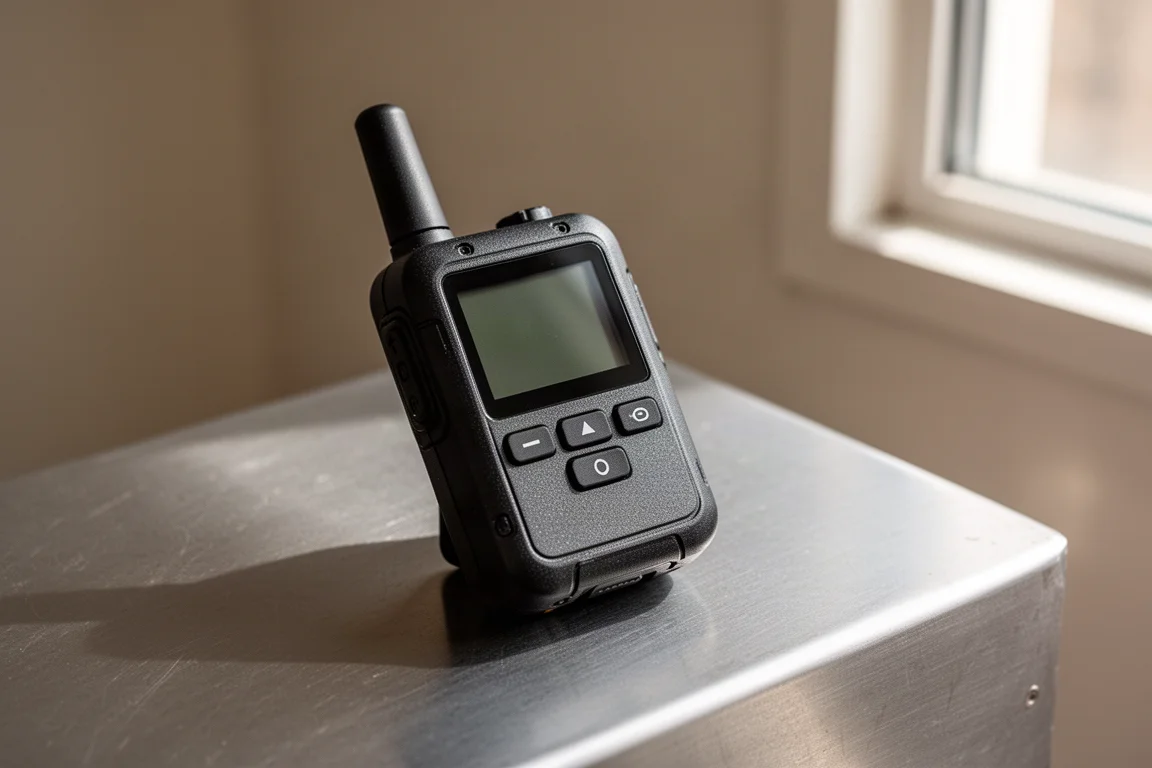
Satellite SOS is essential rather than luxurious, and so is the ability to message family from the backcountry. What pushes the Messenger Plus into luxury territory is that it can send and receive photos and voice memos, and that it works with an AI assistant you can message for quick answers, facts, and weather information.
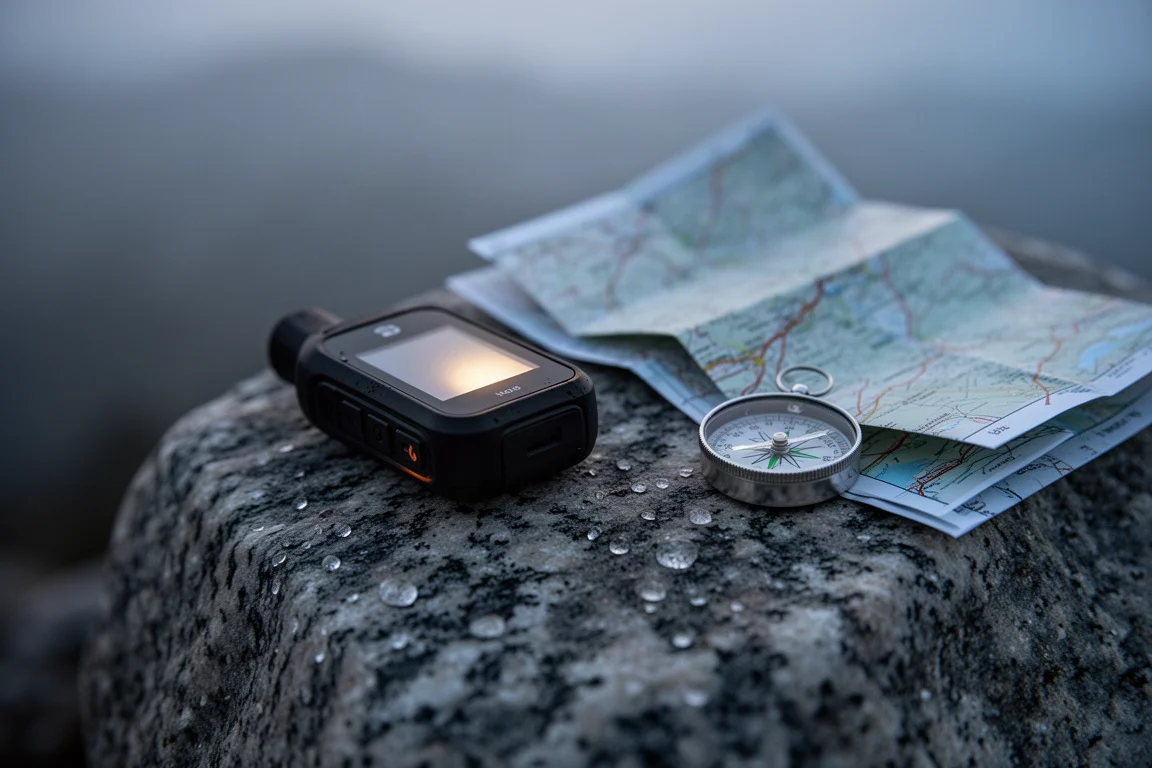
Weather is the practical standout, since the assistant can pull more current information than a watch alone. The AI tool is free at the moment, and that may not last given how useful it is, so it is worth trying while it is available.
Electronics: Garmin Fenix Watch
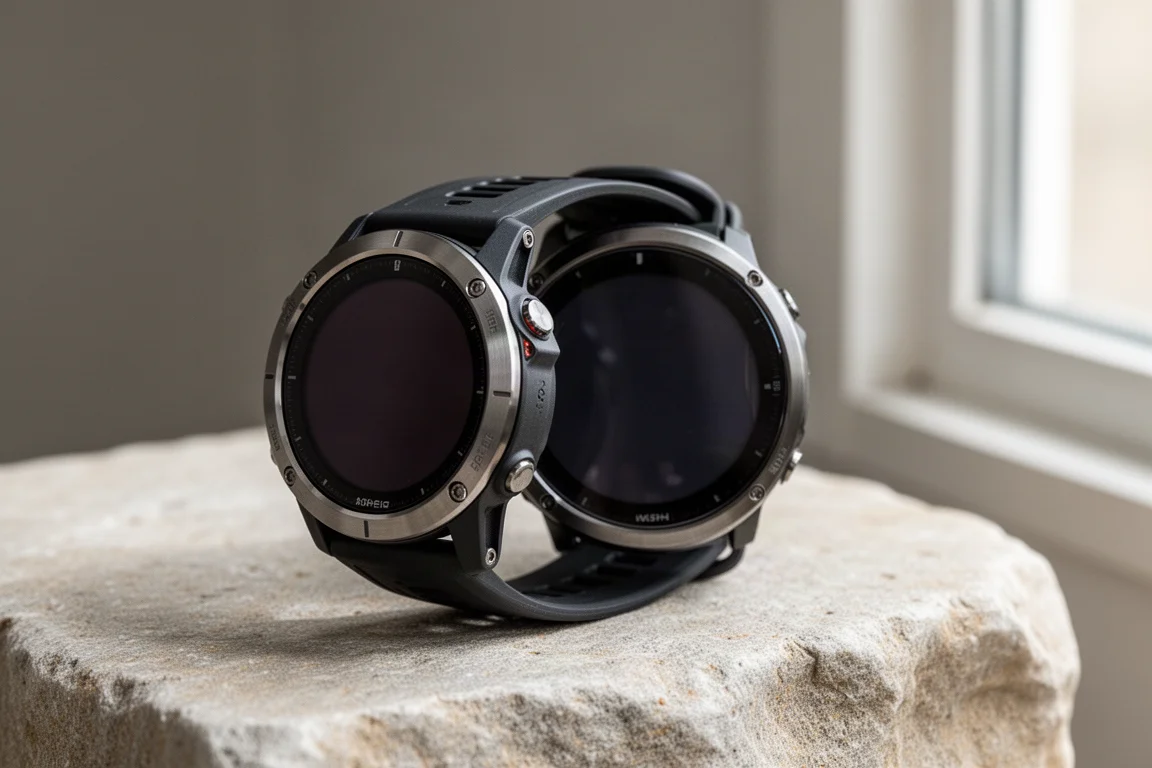
The Fenix watch is the most expensive item on this list at $1,200, and it earns the label by doing things a basic watch cannot. On-device navigation shows how far off trail you have drifted, and the watch tracks pace, distance, elapsed time, and speed while you hike. A bright flashlight sits on one side of the case, which is genuinely useful in camp and on early starts.
It also pairs with the inReach, which means an SOS can be triggered from the wrist. In a situation where you have to move quickly, that shortcut is worth more than any of the comfort features.
Buying Advice: Matching Gear to the Trip
Start with the sleep system and the shelter, because that is where comfort is felt most and where a bad choice ruins a night. Then decide which camp comforts you will actually use. A chair, a table, and a mug of wine change an evening; an item you never take out of the pack is just weight.
Watch the two currencies of luxury backpacking: grams and dollars. The MegaMat Ultra and the Arc Air are both expensive and both heavier than their minimalist equivalents, and both make sense only if you value what they do. It also helps that a lightweight backpacking kit doubles as a compact car-camping setup, since a full sleep system that packs small fits easily into a wagon alongside the rest of the family’s gear.
Field Notes from a Freezing Night
The test night dropped to -6 degrees Celsius, or 20 degrees Fahrenheit, with Octa fleece layers, a toque, and a buff as the only clothing. Sleep was cold, and all of the heat loss came through the pad. That lines up with the MegaMat Ultra’s 4.4 R-value, which is designed for around freezing rather than deep cold. Inflating the pad to about 70 percent of maximum turned out to be the sweet spot: enough sink to feel cushioned, not so much that the pad bottomed out or felt unstable.
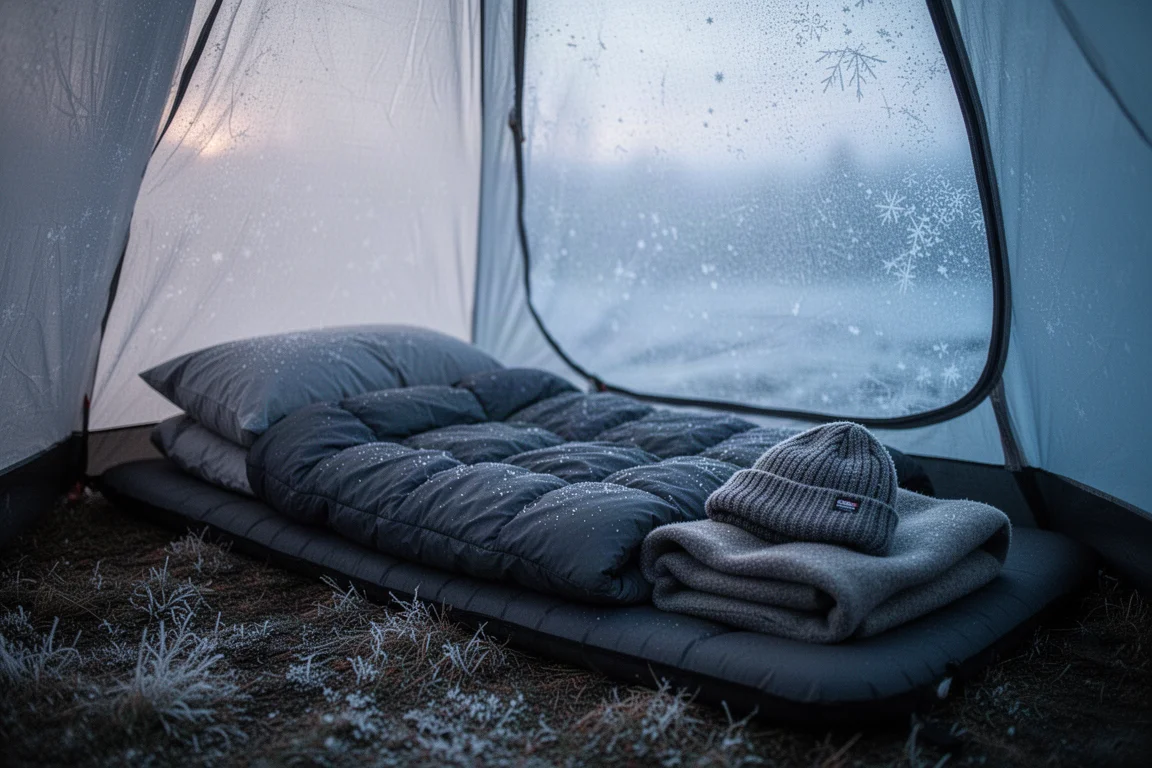
The top insulation showed no heat loss at all, and its 10-degree Fahrenheit rating held up. The full-length sheet added a little comfort, and the zipper was easier to get in and out of during the night than clips would be, though both features add weight compared with lighter quilt systems. Overall the combination worked well enough that it is a strong candidate for a family car-camping setup, where a compact, lightweight sleep system is a real advantage.
Conclusion
Luxury backpacking gear is a series of small, deliberate trade-offs. The Arc Air buys features at 700 g for a premium price, the MegaMat Ultra and the Zip Bed Trek buy comfort at a penalty in weight and cost, and the WindBurner, the reclining chair, the titanium spoon, and the satellite messenger each solve a specific camp problem well. Pick the two or three that match how you actually spend your evenings, and the extra grams will feel worth carrying.
Further reading
Related Reviews

Backpacking Gear
Building a 10 lb Base Weight: An Ultralight Backpacking Gear List
A practical walkthrough of the ultralight pieces behind a 10 lb base weight, from a 765 g pack and a roomy one-person tent to a full camp chair and a dependable water filter.
Backpacking Gear
A 15-Pound Lightweight Backpacking Gear List for Solo Trips
A beginner-friendly 15-pound backpacking setup built from easy-to-find gear, with notes on what each piece does, how it packs, and where to spend your attention.
Backpacking Gear
8 Ultralight Backpacking Gear Upgrades Worth Carrying
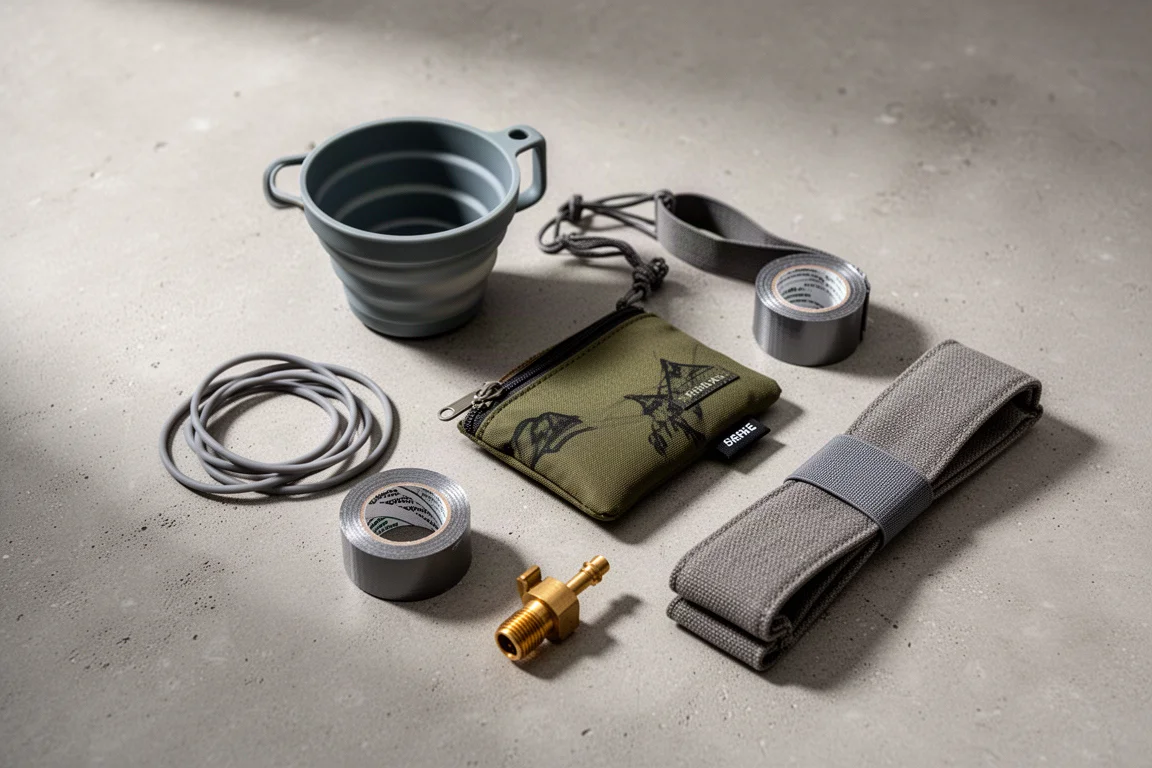
Eight small, affordable backpacking upgrades that solve real trail annoyances, from a pillow that stays put to a fuel valve that rescues leftover canister gas.