Power Amplifiers
Luxman M900u Review: A Flagship Power Amplifier Built to Drive Almost Anything
A practical look at the discontinued Luxman M900u flagship power amplifier, covering build quality, current delivery, sound character, and what to weigh before buying used.
Introduction
The Luxman M900u was the company’s flagship stereo power amplifier during its production run, and it carried a flagship price to match: $19,900 USD at launch. It has since been discontinued, which means anyone interested today is shopping the used market rather than a dealer showroom.
That changes the conversation considerably. A discontinued flagship at a fraction of its original price is a very different proposition from a new unit at full retail. The M900u is worth understanding on its own terms: what it was engineered to do, where it genuinely shines, and what a buyer gives up in return.
This article covers the design, the power delivery, the sound character, and the practical details that matter once the amplifier is sitting in your rack.
Who This Amplifier Is For
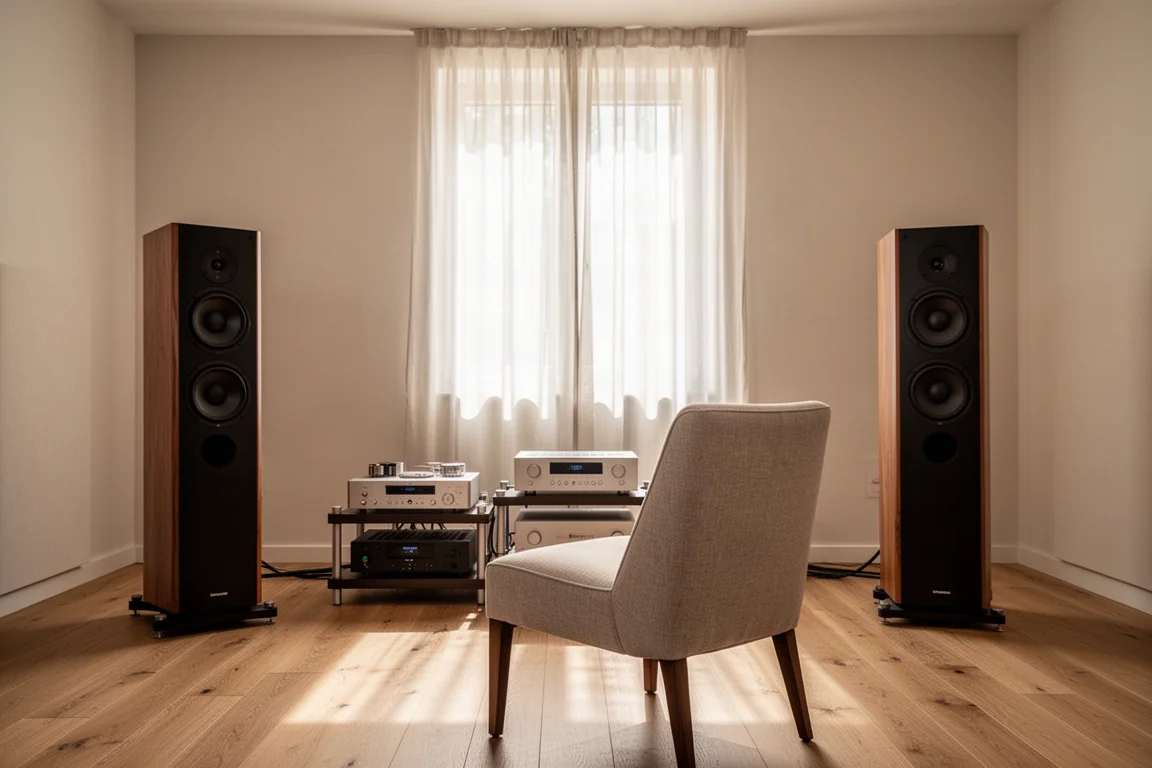
The M900u makes the most sense for listeners whose speakers ask a lot of an amplifier. Speaker impedance is not a fixed number. It swings up and down across the frequency range, and on some designs it dips as low as two ohms at certain frequencies. A nominal four-ohm or eight-ohm rating printed on the back of a speaker is an average figure used for simplicity, not a guarantee of what the speaker actually demands.
An amplifier with serious current delivery handles those dips without strain, and that shows up as easier dynamic swings and more contrast between quiet and loud passages. If your speakers are difficult to drive, or if you simply want to stop wondering whether your amplifier can cope, this is the class of product built for that job. The M900u can be connected to essentially any speaker without the amplifier becoming the limiting factor.
It is also a natural fit for listeners who care about physical craftsmanship as much as sound. The unit is a statement piece, and the fit, finish, and sheer presence are a large part of what the original price bought.
On the other hand, if you prefer a warm, dark, heavily colored presentation, or you actively dislike treble refinement, this is probably not the amplifier for you. It leans toward finesse rather than richness.
Main Strengths
The strengths here are not confined to a single frequency band or a single specification. They span construction, electrical capability, and the way the amplifier behaves in a real system.
Build Quality and Craftsmanship
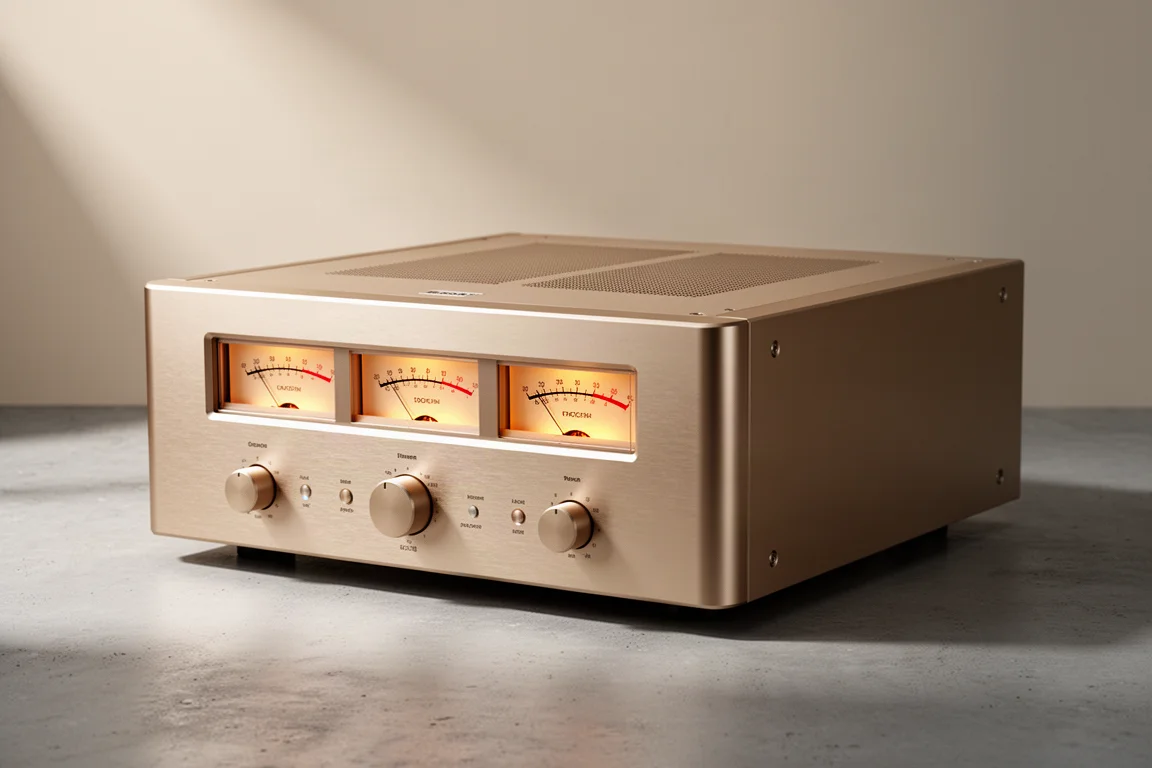
Opening a flagship amplifier from a manufacturer like Luxman is an experience in itself. The M900u is heavy, dense, and unmistakably expensive in the hand. The chassis, the finish, the analog meters, and the overall in-person presence all read as high-end in a way that photographs do not fully capture. At roughly 120 pounds, close to 54 kilograms, it is genuinely a two-person job to move.
Internally, the design uses Luxman’s ODNF circuit topology, short for Only Distortion Negative Feedback, part of the brand’s approach to keeping distortion low without the usual compromises. At this price point that level of engineering detail is expected rather than surprising, but it is part of what separates a flagship from a mid-tier model. Every design decision is documented in unusual depth, which is typical of a manufacturer’s top-of-the-line product.
Power Delivery and Speaker Matching
The rated output is 150 watts into eight ohms and 300 watts into four ohms. Those figures alone are not remarkable, since plenty of affordable amplifiers advertise similar or higher numbers. What matters far more is what happens as impedance falls: the M900u is rated at 1,200 watts into one ohm.
That headroom is the practical argument for a design like this. Watts into eight ohms tell you only part of the story. The ability to keep delivering current as a speaker’s impedance drops is what determines whether an amplifier stays composed during demanding passages. In use, the benefit is not a specific sonic trick, it is the absence of strain.
The amplifier is a Class A/B design that runs in Class A for roughly the first 12 watts before transitioning to Class B. In practice, most listening happens inside that Class A window at ordinary volumes, which is part of why the amplifier sounds as sweet as it does at everyday levels.
Sound Quality and Character
The first quality that stands out is depth. Width is strong as well, but the layering between the listener and the speakers, and beyond them, is what makes the M900u feel unusual. Recordings gain a sense of dimensional space that is hard to attribute to any single frequency band.
Tonally, it is balanced with a slight emphasis on high-frequency refinement. The treble is airy and spacious, the midrange is detailed, and the low end has grip and control rather than bloat. For most listeners this reads as a sound with nothing obvious to criticize, and it stays engaging across long listening sessions.
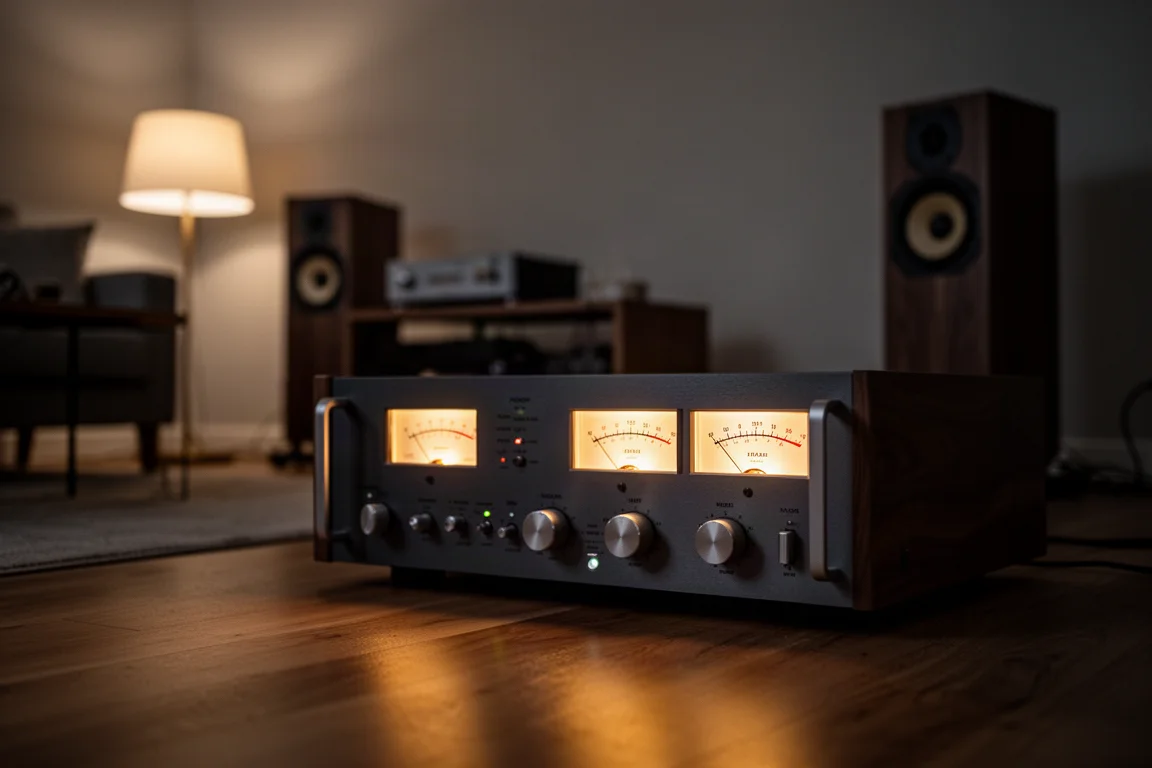
Where it differs from some high-end designs is in how little it imposes itself. Some premium amplifiers have a recognizable house sound that colors everything connected to them. The M900u tends to step out of the way and let each speaker sound like itself, which makes it a genuinely useful tool for anyone who swaps speakers regularly.
If your taste runs toward a softer, darker top end, that refinement may read as brightness instead. That is the main dividing line in how this amplifier will be received.
Things to Consider Before Buying
The most obvious consideration is availability. The M900u is discontinued, so a purchase means finding a used example in good condition rather than ordering from a dealer with a warranty and a box fresh from the factory.
Weight is the second. At around 120 pounds, this is not an amplifier you move casually. Placement decisions should be made once, with help, and with a rack or shelf that can take the load without flexing.
Price is the third, and it is worth being honest about. Even at used prices, this is a significant purchase with clear diminishing returns. The improvement over a strong mid-priced amplifier is real, but it is not proportional to the money involved.
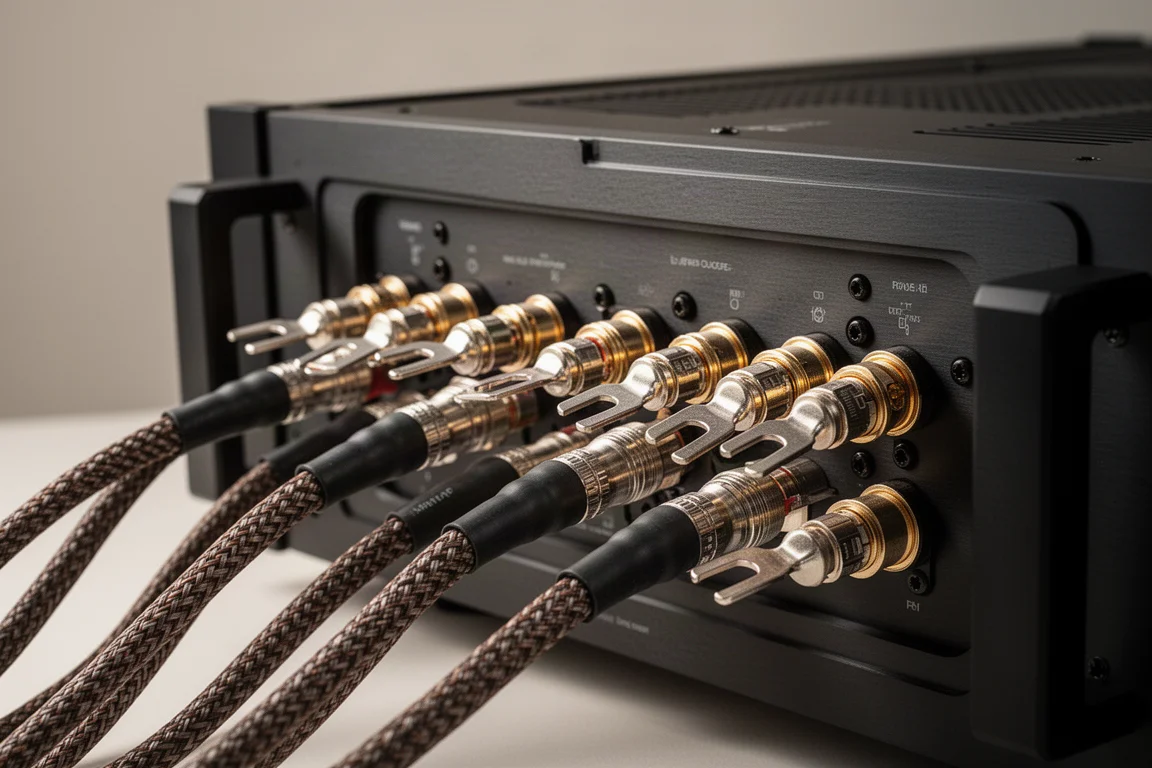
One detail deserves attention because it is easy to misjudge from photographs: the speaker binding posts look inexpensive compared with the rest of the chassis. In use, though, they are excellent. Spade connections seat tightly, and the posts have a knurled grip that lets you tighten them firmly by hand. No wrench, no fuss. Given how often high-end manufacturers require a tool for something this basic, that is a genuinely thoughtful piece of design.
Buying Advice
Used pricing is where this amplifier becomes interesting. Second-hand examples have changed hands for around CAD 15,000, roughly USD 10,000, well below the original $19,900 retail figure. At that level the value case is much stronger, and it is the price range where the M900u starts to look like a considered purchase rather than an indulgence.
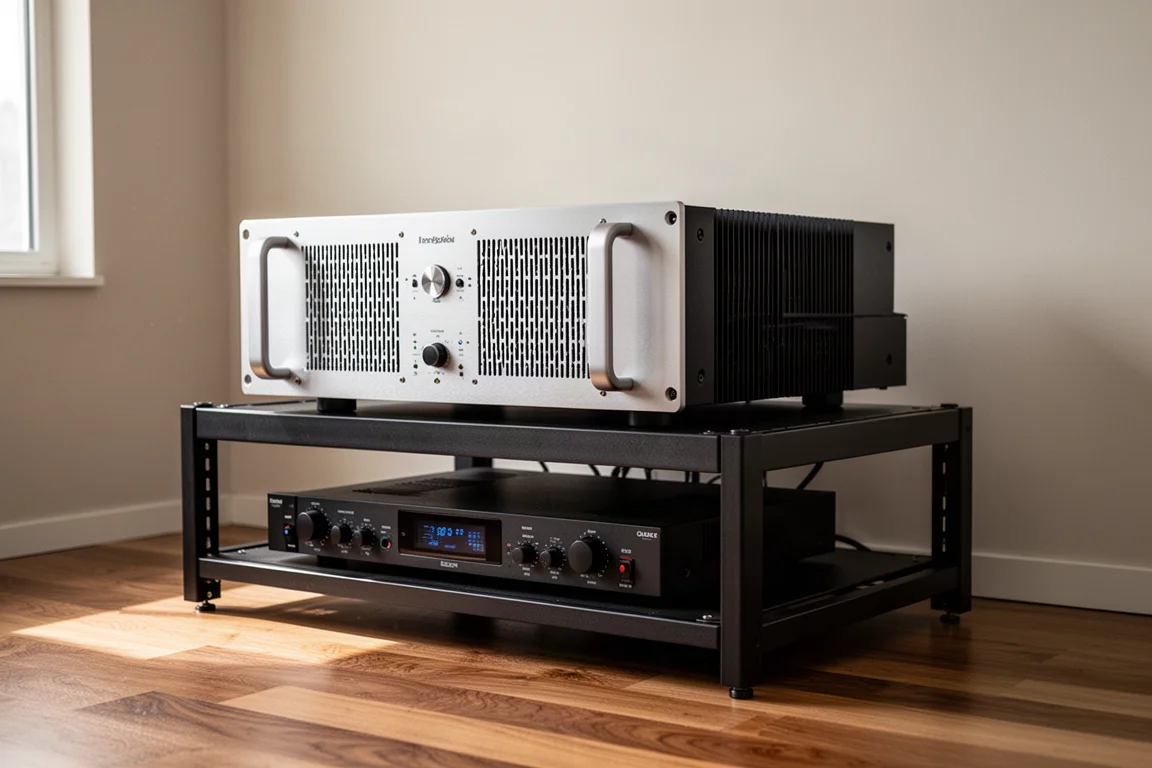
Two questions are worth answering before you commit. First, can your speakers actually use the current delivery on offer? If you run easy-to-drive speakers at moderate volumes, much of the M900u’s advantage will go unused. Second, can you physically accommodate it? The weight and the footprint are permanent facts of ownership, not temporary setup inconveniences.
If the answers are yes, and the treble-forward character suits your taste, this is an amplifier that owners tend to keep rather than cycle through.
Conclusion
The Luxman M900u was a flagship amplifier with a flagship price, and it remains an exceptionally well-built, deeply capable piece of equipment. Its combination of construction quality, current delivery, and dimensional sound is difficult to match, and at current used prices it makes far more sense than it did at full retail.
The trade-offs are equally clear: it is discontinued, it is very heavy, and its tonal balance favors refinement over warmth. Buy it for the speakers you own and the sound you actually like, and it will reward that decision for a long time.
Product link
View more details for Luxman M900u
This product is mentioned in the review. Check the specifications, options, and compatibility before buying.
View more details for Luxman M900uFurther reading
Related Reviews
Power Amplifiers
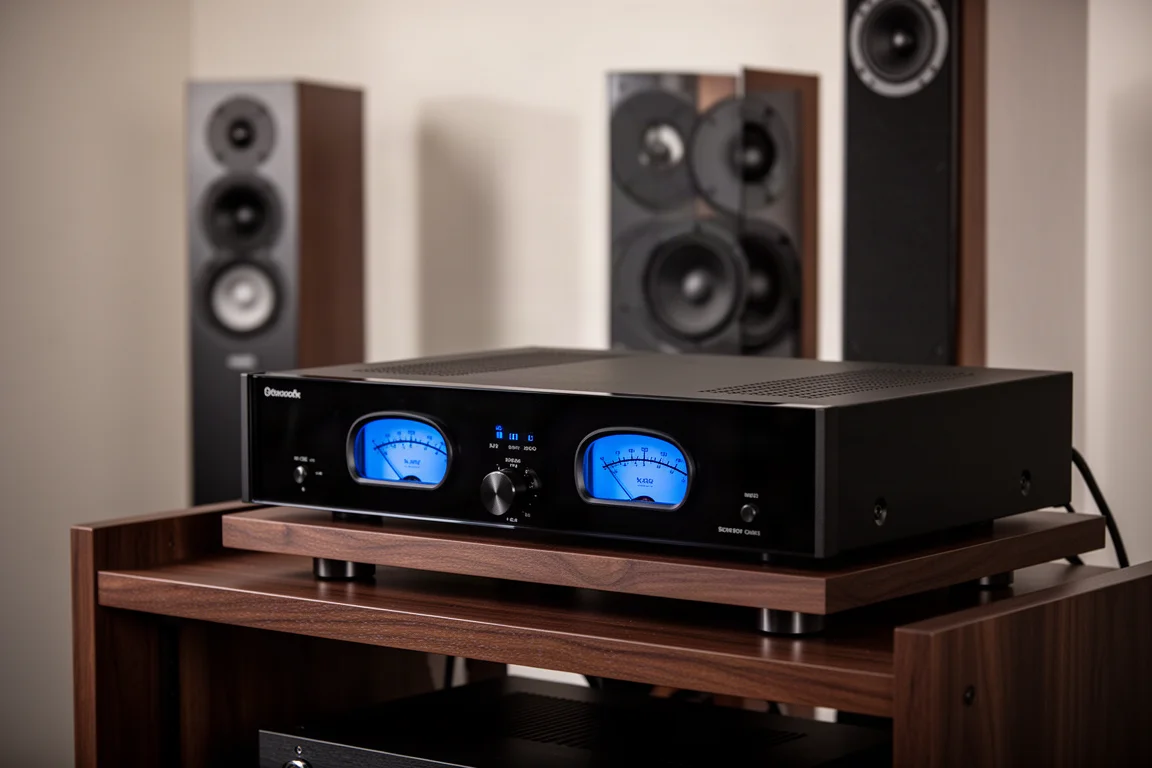
Advance Paris X-A160 EVO Review: A Focused Power Amplifier Built to Last
A $1,999 stereo power amplifier with selectable class A bias, 160 watts per channel, blue VU meters, and a build designed to be serviced for decades.
Power Amplifiers
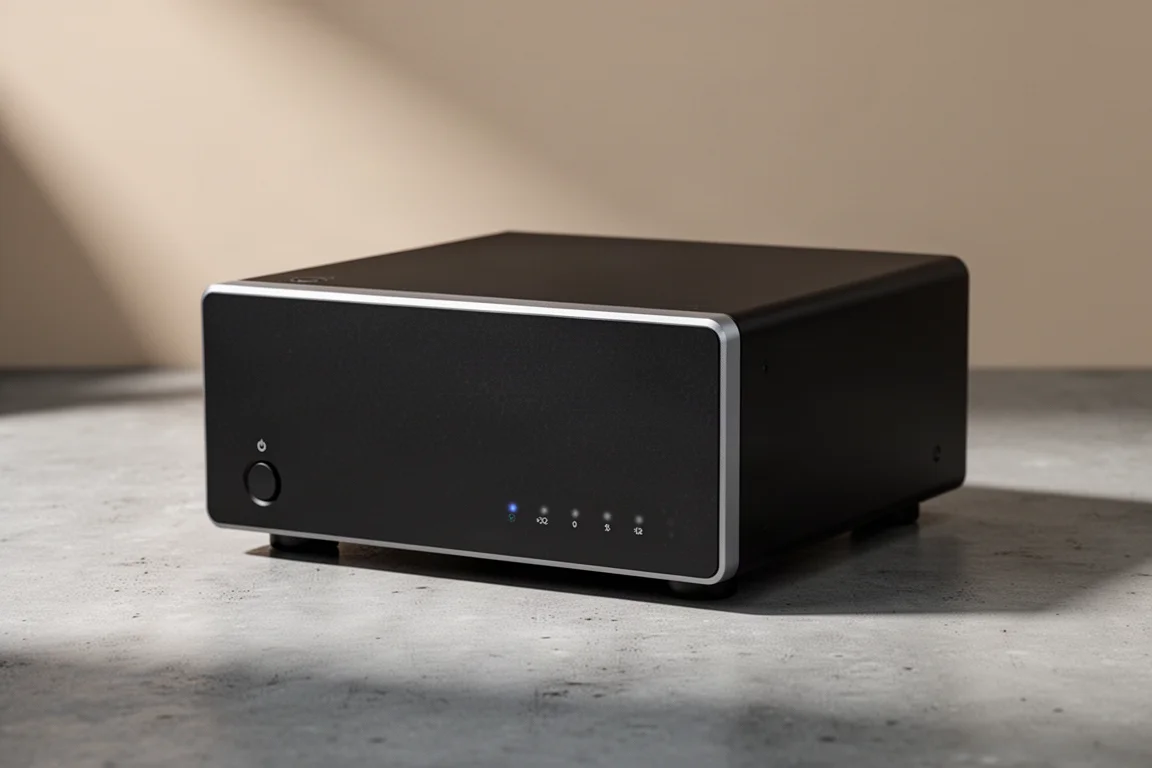
Benchmark AHB2 Review: A Compact Power Amplifier Built Around Transparency
A compact reference-oriented power amplifier with THX-patented feed-forward error correction, balanced-only inputs, and the current to drive low-impedance speakers.
Power Amplifiers
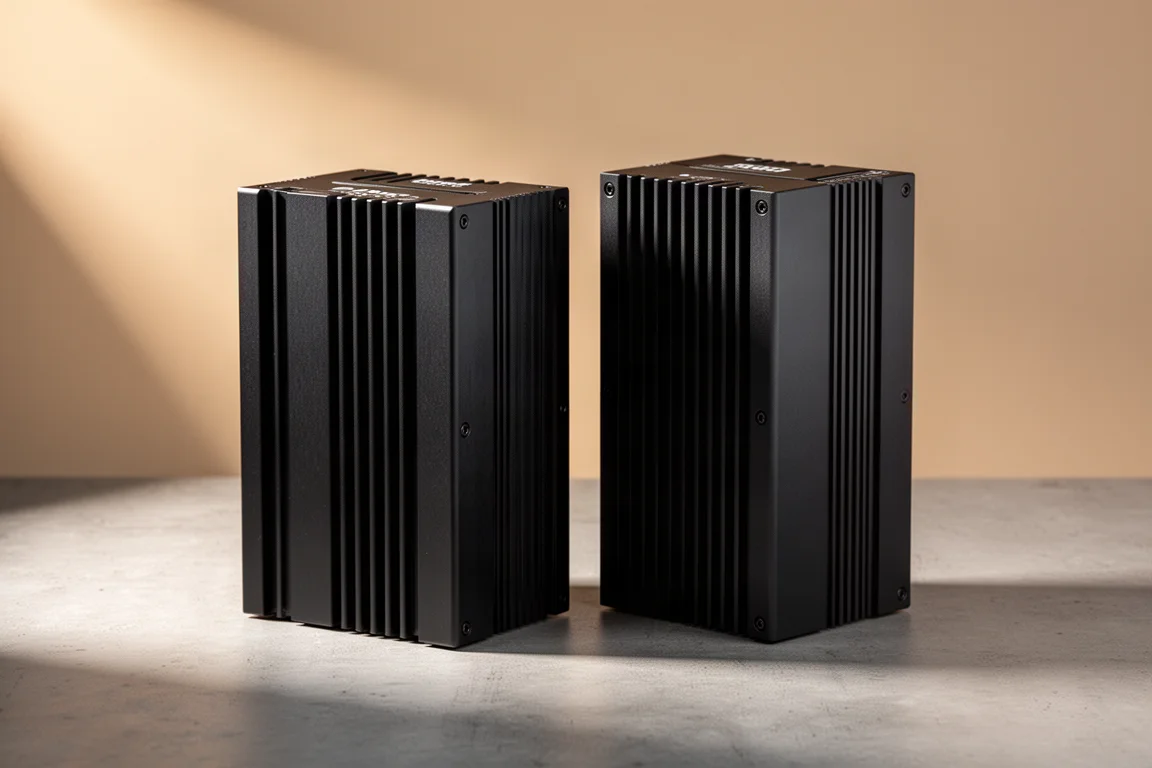
Burson Timekeeper 3X GT Review: Class A Character in a Compact Monoblock
A compact flagship monoblock with the first 30 watts in Class A, 110W into 8 ohms, pinpoint imaging, and an unusually large soundstage.