Integrated Amplifiers
Luxman L-505Z Review: An All-Analog Integrated Amplifier With Real Weight
A 100-watt all-analog integrated amplifier from a century-old Japanese brand, with backlit VU meters, a strong phono stage, and a punchy low end.
Introduction
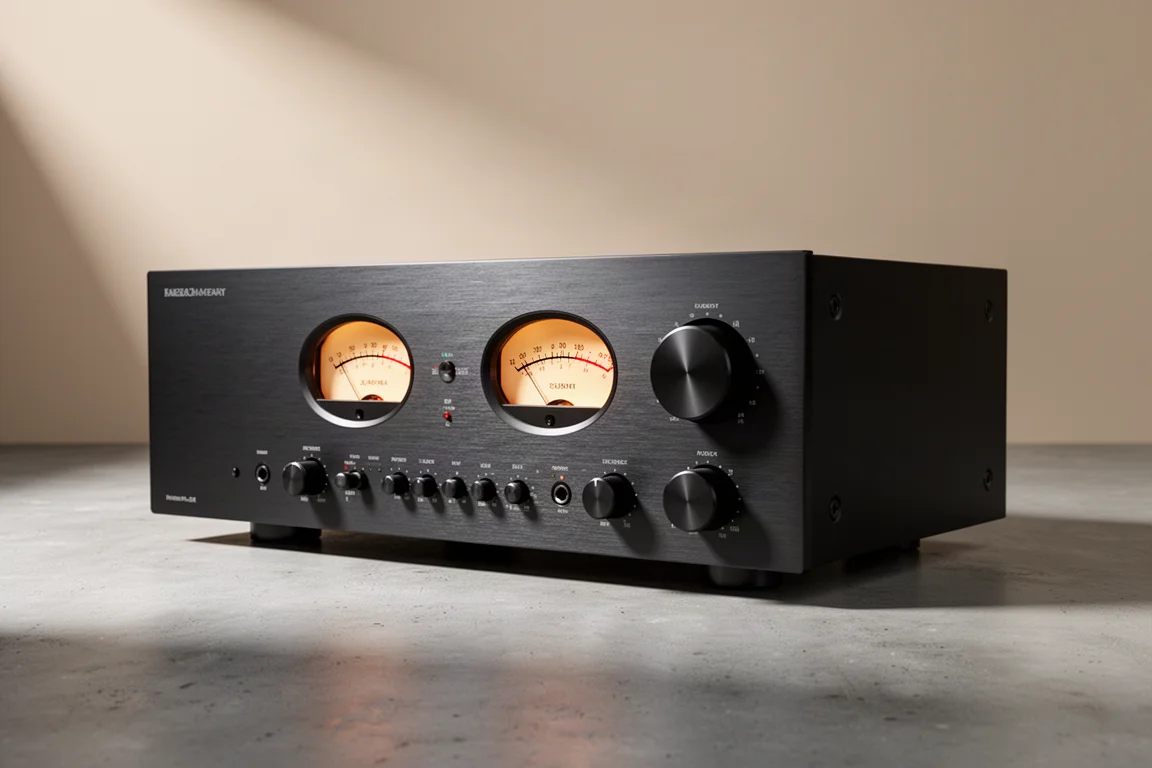
The Luxman L-505Z is a full-size integrated amplifier built in Japan by a company founded in 1925, which makes this its centenary year. It is an all-analog design rated at 100 watts per channel into 8 ohms, and up to 150 watts per channel if your loudspeakers are nominally rated at 4 ohms. That first figure is a neat coincidence: one watt for every year Luxman has been making hi-fi.
There is no DAC inside and no network streamer either. The L-505Z is the kind of amplifier you buy when your digital sources are already sorted and you want a serious analog hub to tie everything together.
Who the L-505Z Is For
This amplifier suits listeners who run a mix of sources. It offers line-level inputs alongside a balanced XLR input, so a turntable chain, a streamer, and a disc player can all live on the back panel at once. There are also two sets of binding posts, which means two pairs of loudspeakers can be connected at the same time.
Vinyl listeners get an internal phono stage that can handle both moving magnet and moving coil cartridges, although the settings for each are fixed rather than adjustable.
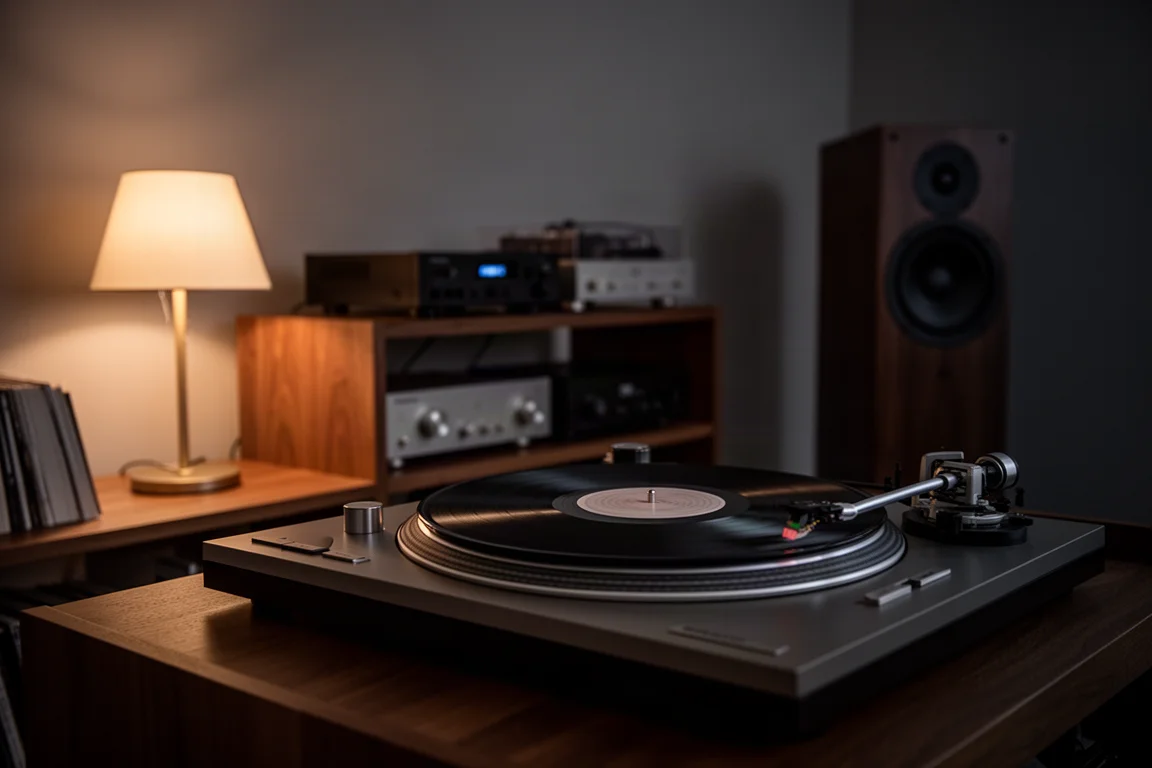
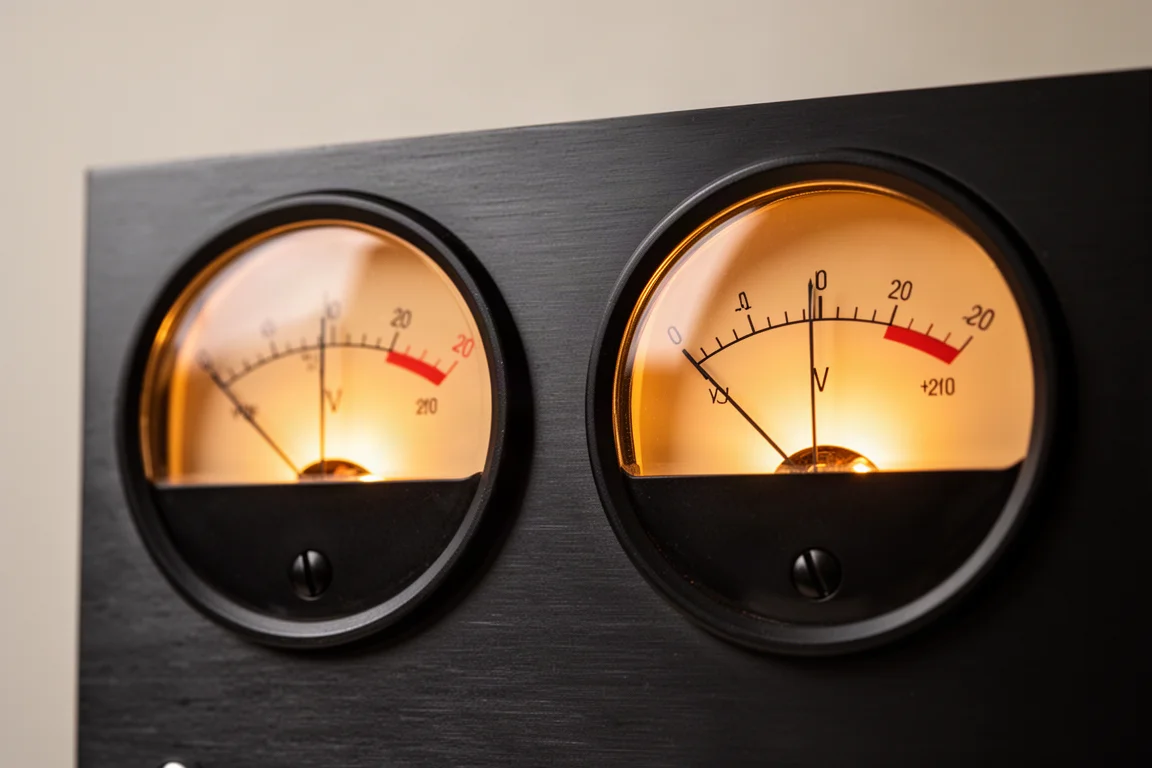
The L-505Z also appeals to anyone who wants a tactile, old-school interface. The front panel carries defeatable tone controls, a balance switch, a large source selector, and a substantial volume knob, with backlit analog VU meters as the visual centrepiece. If that description sounds like a stereo from decades past, that is very much the point.
Build, Weight, and Power Supply
The first thing you notice when unboxing the L-505Z is the weight. It puts 22.5 kilograms on the scales, which is largely down to the sizeable transformer and power supplies inside the chassis.
That power supply choice has a practical benefit. Many toroidal-based amplifiers in European homes hum because of DC on the mains, but the L-505Z does not, most likely because it uses an EI transformer rather than a toroidal one. The amplifier runs in class AB, with an output stage that Luxman describes as a parallel push-pull design using bipolar transistor elements.
Up front, the volume control is Luxman’s own LECUA design, and there is a bright LED volume display between the VU meters so you can read the level from across the room. The large source selector and volume knobs feel good in the hand, sitting somewhere in the middle of the weight spectrum rather than at either extreme. If you want to bypass the internal volume control entirely, you can connect a third-party preamp to the main inputs on the back panel, though buying an integrated amplifier and then bypassing half of it is a slightly odd move.
Tone, Dynamics, and Bass
The most immediately likeable quality of the L-505Z is how fat and punchy it sounds in the low end. Against a class A reference amplifier fed by the same preamp, it offers noticeably more bass weight, while remaining reasonably well matched on rhythmic speed, including on straight-ahead techno with a hint of trance.
Tonally, the two are hard to separate on the broader character of an acoustic guitar, but the L-505Z fleshes out the midbass more convincingly and adds extra heft to slower, heavier material. Its real advantage is what it does with small details: quieter instrumental touches are injected with far more jump factor, so brush work and piano key strikes pop out of the mix rather than sitting politely inside it.
Set against less costly all-analog separates, the difference is not subtle. Those alternatives are perfectly fine, particularly with loudspeakers that are already lively, but when it comes to listener engagement the L-505Z is a clear step up. The same microdynamic energy carries through the rest of the frequency range, which is what makes long listening sessions feel involving rather than merely pleasant.
The Internal Phono Stage
The built-in phono stage is better than what you get from less expensive integrated amplifiers. Compared side by side with a separate phono stage selling for over €3,000 in Europe, and using two different turntables with moving coil cartridges, the L-505Z comes across as slightly less airy, with a little less low-end kick and a slightly narrower stage.
Where it pulls ahead is in the mids, which sound lusher and creamier than the more matter-of-fact outboard unit. The fair summary is that the internal phono stage is different rather than weaker. It is a touch behind a dedicated high-end phono preamp, but not by a large margin, and it means a vinyl-only system can be built around the amplifier alone.
Headphone Listening
The headphone output is genuinely enjoyable rather than an afterthought. Ambient music played late at night through easy-to-drive headphones came to life without any need to reach for the balanced 4.4mm socket.

Compared with a dedicated portable player, the headphone output is not quite as crisp or as squeaky clean, but it kicks harder in the low end, which is an unusual and welcome trade. Higher-impedance headphones were not part of this evaluation, so that remains an open question for owners of harder-to-drive models.
Things to Consider Before Buying
The L-505Z is deliberately analog, so there is no DAC and no network streaming on board. If you want to play files over a network or connect a computer directly, you will need a separate streamer or DAC to feed one of the line-level inputs.
The loudness button is only available on the remote control, not on the front panel, which matters if you listen quietly at night and prefer to keep the remote in a drawer. The phono stage settings for moving magnet and moving coil cartridges are fixed, so cartridge matching is less flexible than on some dedicated phono preamps. And at 22.5 kilograms, this is a component you want to place once and leave alone. In Europe the L-505Z is priced at around €6,800, though it can be found for quite a bit less when shopping around online.
Buying Advice
The case for the L-505Z rests on what you already own. If you have a turntable, a streamer, and a DAC you are happy with, an all-analog integrated amplifier is a logical centrepiece, and the L-505Z delivers weight, drive, and a level of detail that cheaper all-analog separates do not match.
Those separates are worth considering if the budget is firmer. A comparable all-analog preamp and power amp pairing sells for roughly €4,500 combined in Europe, and it is a perfectly respectable route, especially with loudspeakers that are already lively. The L-505Z costs more and sounds more, which is the honest way to frame the decision.
If you are weighing the L-505Z against other integrated amplifiers at similar money, the deciding factors are likely to be practical rather than sonic: whether you need an onboard DAC, whether you want a streamer built in, and how much you value the tactile, meter-lit presentation. Buyers who want the analog experience without compromise and already own the digital front end will find this amplifier easy to live with.
Conclusion
The Luxman L-505Z is a heavy, all-analog integrated amplifier with 100 watts per channel into 8 ohms, a strong internal phono stage, a punchy low end, and a front panel that makes listening feel like an occasion. It does not try to be everything: no DAC, no streaming, no adjustable phono loading. What it does, it does with real conviction, and for listeners who already have their sources sorted, that focus is exactly the appeal.
Product link
View more details for Luxman L-505Z
This product is mentioned in the review. Check the specifications, options, and compatibility before buying.
View more details for Luxman L-505ZFurther reading
Related Reviews
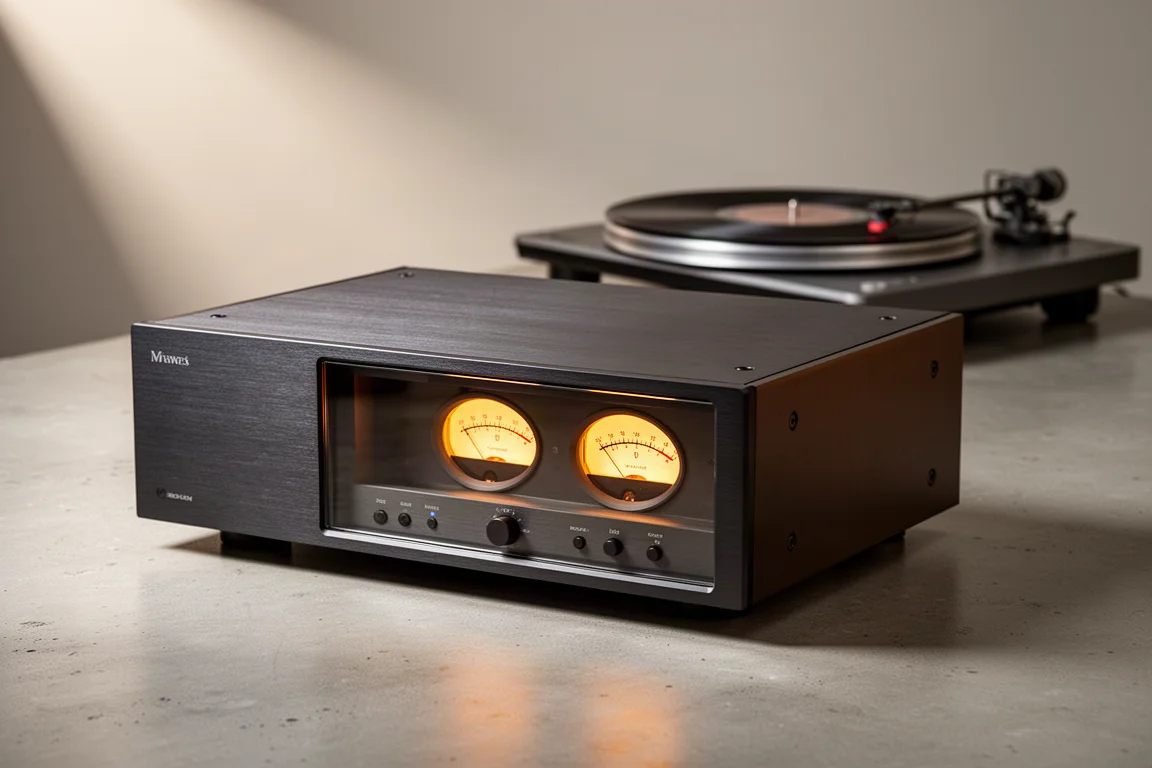
Integrated Amplifiers
Advance Paris A10 Classic Review: Vintage Looks and a Lively, Punchy Sound
The Advance Paris A10 Classic pairs glowing blue VU meters and a tube stage with one of the widest input sets on any integrated amplifier. Here is what it does well and what to weigh before spending $2,500.
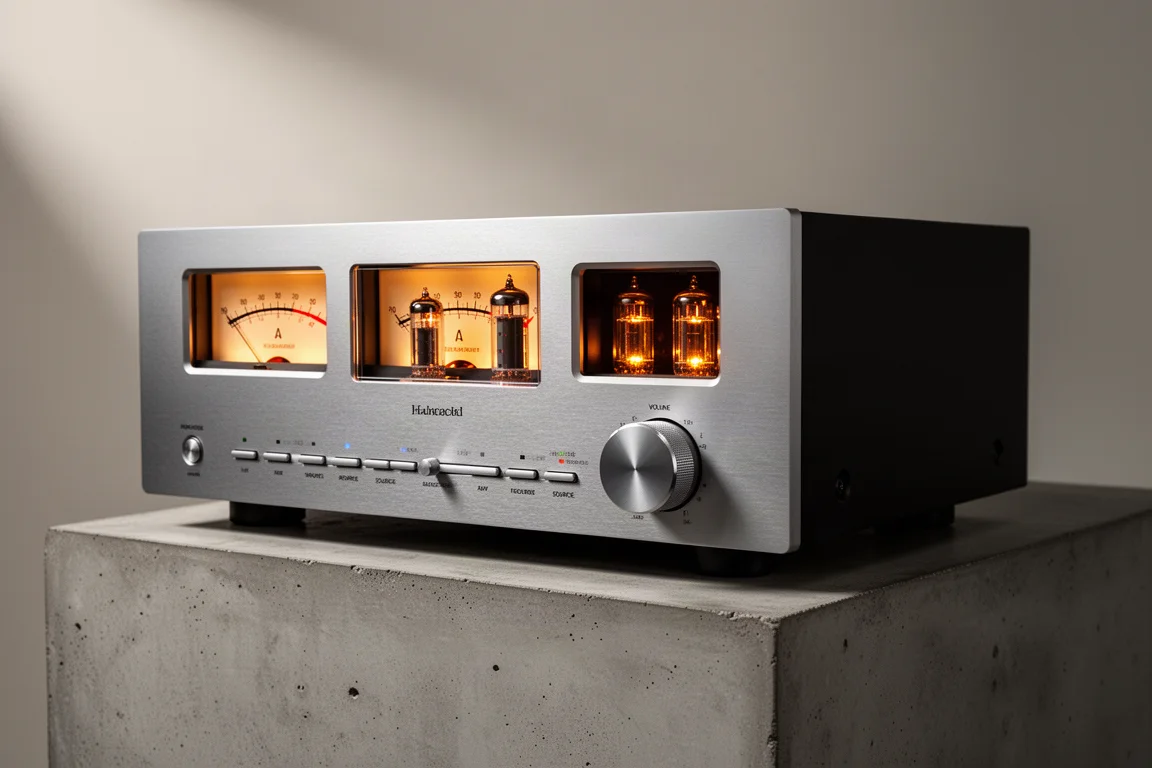
Integrated Amplifiers
Advance Paris A12 Apex Review: A Modern Integrated Amplifier With Vintage Character
A dual mono integrated amplifier with 180 watts per channel, a tube front end, VU meters, and a connectivity list that covers turntables, televisions, computers, and headphones.
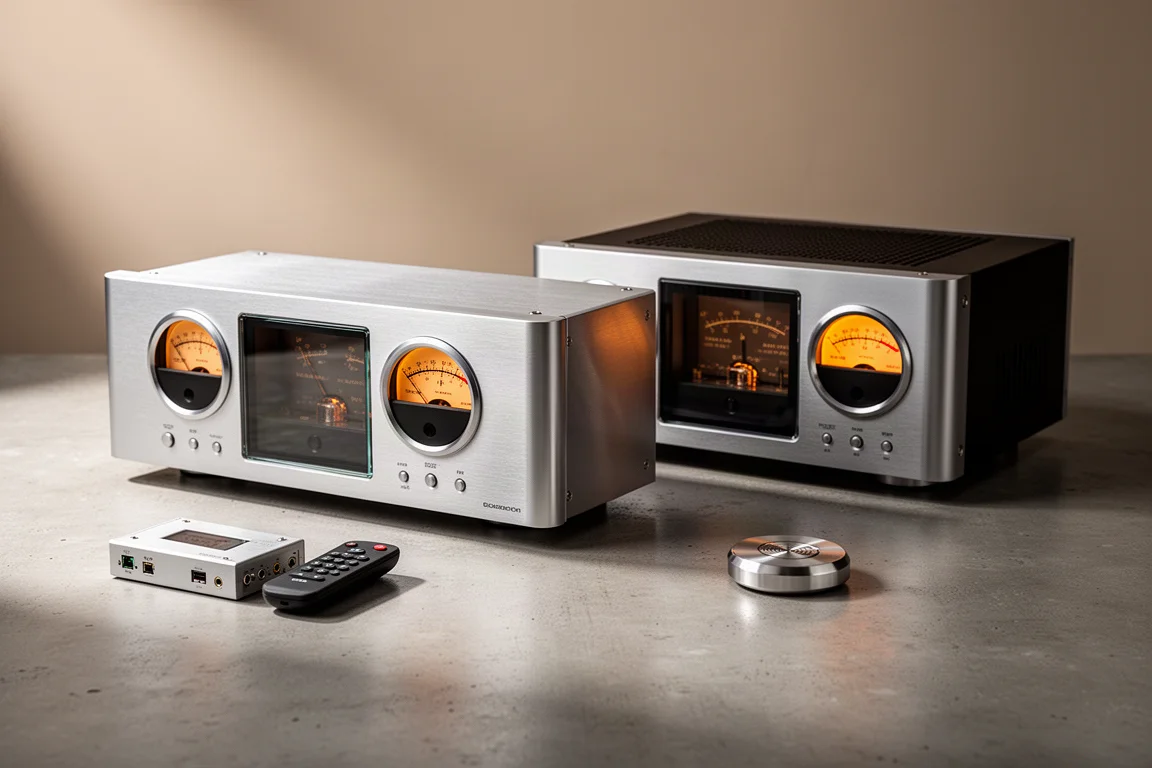
Integrated Amplifiers
Advance Paris Nova Range Review: AI130, AI190 and Modular Upgrades
A practical look at the Advance Paris Nova range, including the AI130 and AI190 integrated amplifiers and the modular streaming, Bluetooth and remote accessories that expand them.