Portable Power
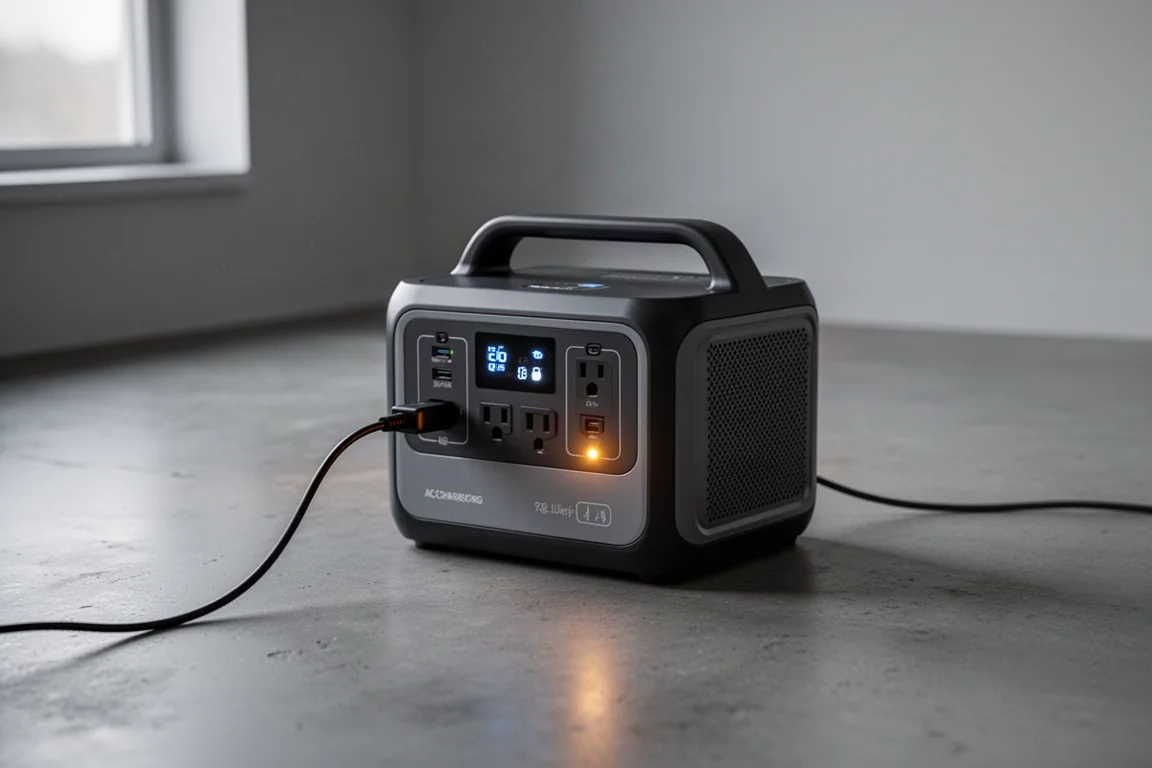
Lump Pal 1000W Portable Power Station: A Simulated Power Outage Test
We ran a full simulated blackout on the Lump Pal 1000W, from coffee and the sump pump to cooking dinner, to see what a compact power station can really handle.
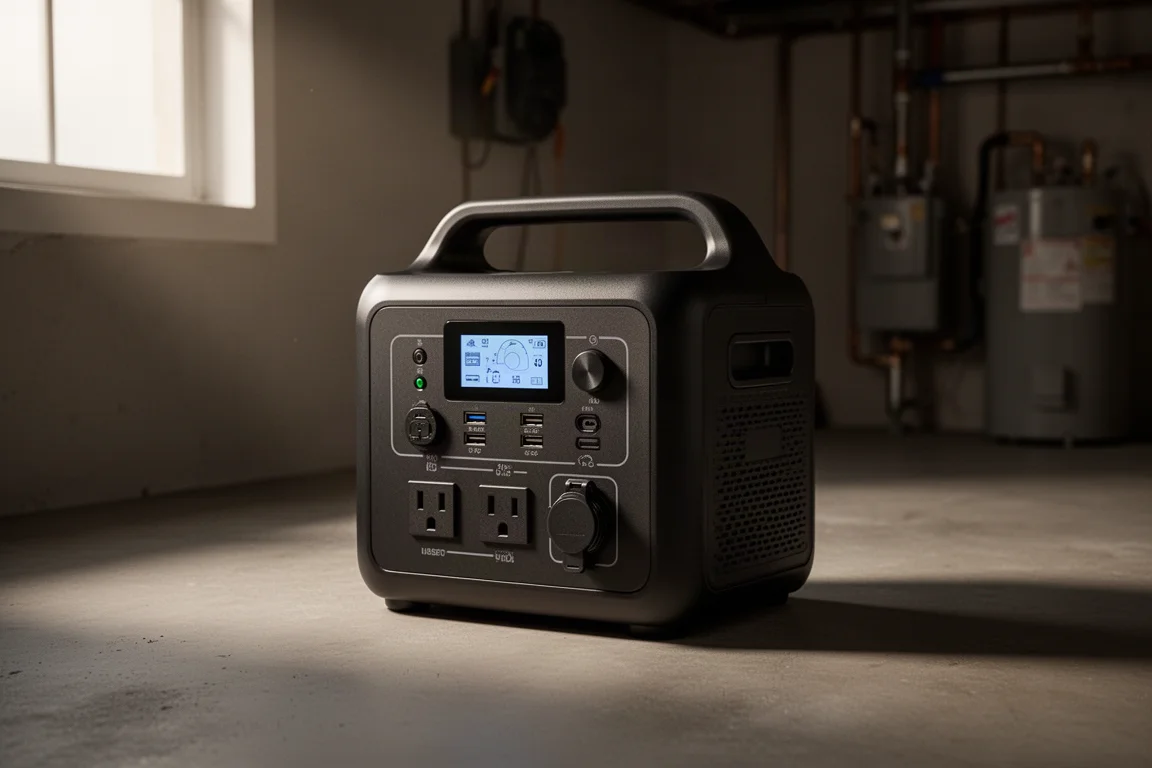
Introduction
Preparing for a power outage is arguably more important than having everything you need and not knowing what it will do. That was the thinking behind this simulated blackout: take the smallest capable unit available and push it through a full day of normal household demands. The Lump Pal 1000W portable power station is a small, easily moved unit, and it was put to work on coffee, a sump pump, a water heater, a freezer, tool batteries, and even dinner.
Who This Power Station Is For
This is a unit for people who want silent, portable backup power rather than a loud gas generator. A gas generator is noisy enough that running it overnight while sleeping simply does not work out well, so the Lump Pal fills the gap for quiet operation around the house. Because it is small and light, it can be carried to different places easily and power small items wherever needed, which is exactly what a rolling blackout test demands.
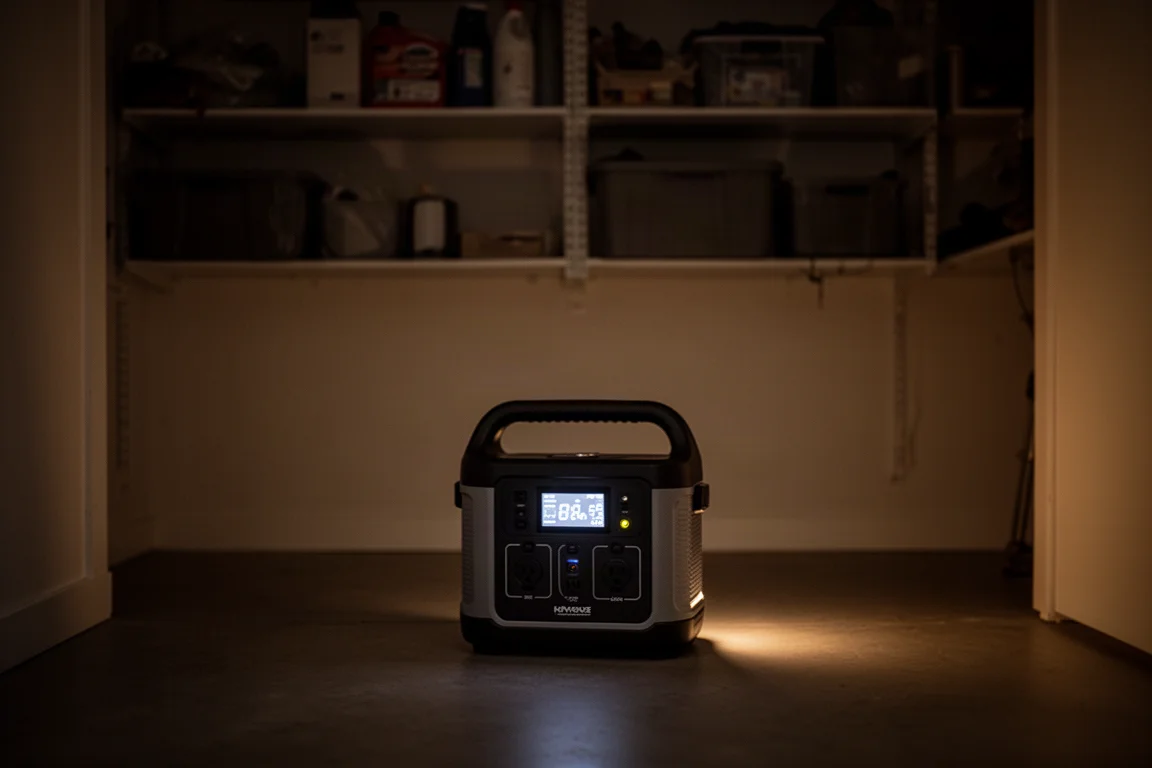
At roughly 1,000 watt hours of capacity, only about 80% is usable in practice because of conversion losses, so realistic expectations matter before you buy anything in this class.
Main Strengths
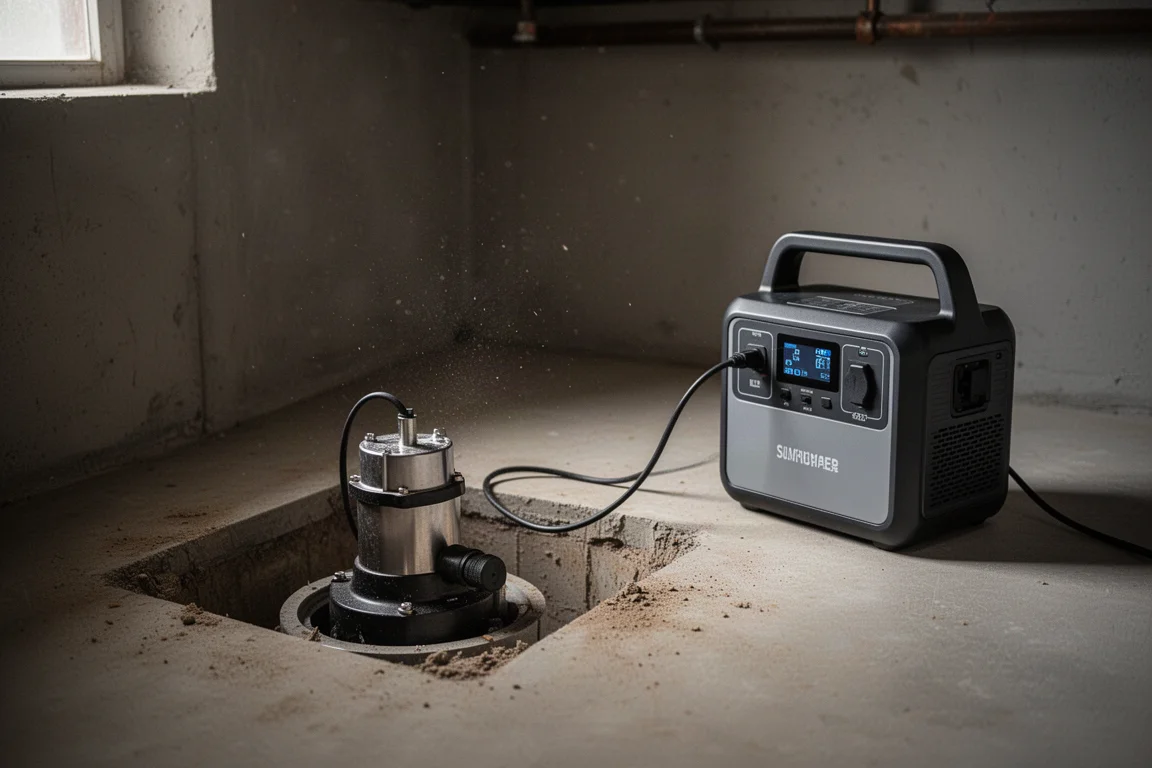
The sump pump test showed what low-draw running looks like. Kicking on at a maximum of 753 watts, the pump settled and the unit estimated around 76 hours of runtime just being plugged in and waiting for the pump to cycle. The trade-off is the 80% efficiency figure, which drags the battery down over long periods, but for keeping a sump pump alive through a storm it clearly works without issue.
The natural gas water heater was a genuine sweet spot. Its fan drew only about 115 watts, and after 20 minutes of running the display still showed 96% charge, going from roughly 8.6 hours to 8.4 hours remaining. This is where hybrid gas-plus-electric appliances shine: they need only a little electricity and deliver full performance, and a compact power station covers that gap perfectly.
The freezer test was deliberately run as a worst case, starting with a freezer that was not frozen at all. Even so, the initial 467-watt pull to begin cooling settled to about a tenth of the unit’s capacity, and once the contents were frozen the compressor would cycle off rather than run continuously. With already-frozen food, it is realistic to stretch a freezer through a 24-hour outage on this small inverter alone.
On the charging side, the port selection covers the essentials: one 100-watt USB-C output, three 2.1-amp USB-A ports, a car socket, and two other 12V outputs. Dead Craftsman and Ryobi tool batteries charged back up, flashlights and 21700 cells topped off, and by the end of the cooking test everything USB was essentially fully charged.
Things to Consider Before Buying
Not everything cooperates. The coffee maker surged right to about 1.1 kilowatts, pushing past the unit’s limit and tripping it off, so brewing a pot was the first fail of the day. If your morning routine depends on a high-wattage coffee machine, know that this size unit may not hold it.
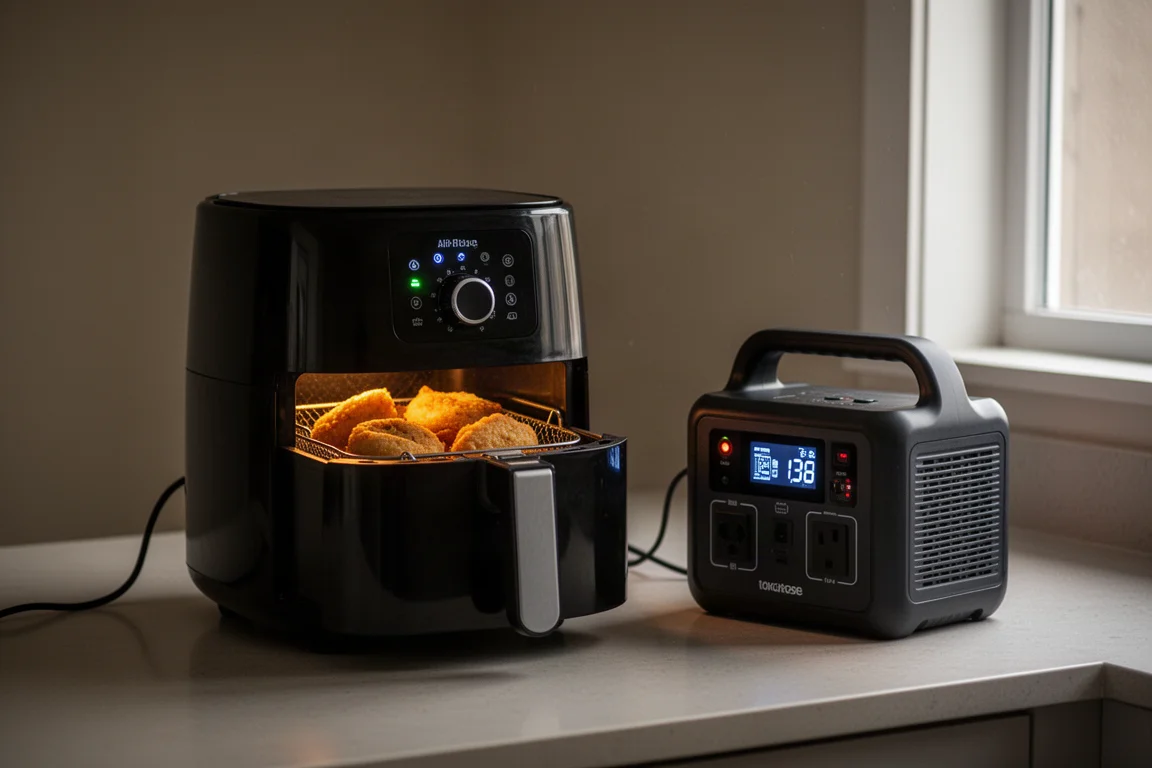
Cooking exposed both sides of the coin. An air fryer pulled around 958 watts, right at the border of the unit’s maximum, and it ran through the meal surprisingly well, cycling up and down in watts as heating elements and fans cycled. Still at 68% charge after cooking, the tester had plenty left for the rest of the day. But a longer bake in a roaster oven at 350 degrees was a different story: after a couple of hours the battery was down to 7%, the internal fan working hard to keep everything cool while the unit stayed only warm, never hot, to the touch.
Recharging is the main downside. Input power climbed only from around 130 to about 150 watts, so without a fast charger that takes 1,800 watts, a full recharge takes significant time. That is fine if a generator is plugged in, but frustrating if you are waiting on wall power. Solar charging via the PV input is possible at the same time, which adds flexibility.
Buying Advice
Know what your appliances actually draw before an outage happens, not during one. The realistic win with a unit of this size is covering the low-draw essentials: sump pump, water heater fan, freezer, phone and tool battery charging, and quick-cooking appliances like an air fryer. Avoid planning around continuous high-wattage cooking or devices that surge past 1,000 watts, and balance long-term runs against the 20% conversion loss.
If you already own a loud gas generator, this small station is a natural companion for overnight silence and for moving power room to room. Solar charging at the same time as AC input makes it easier to keep topped off over a multi-day outage.
Conclusion
The Lump Pal 1000W proved it could carry a household through most of a day without grid power: sump pump, water heater, freezer, communications, tool batteries, and even a fast cooked meal. The limits are clear too, from the coffee maker fail to slow recharge times and the 20% efficiency loss. For anyone who values silent, portable backup power and prepares ahead by testing what their appliances will actually run, it is a genuinely useful unit. Preparation is key.
Product link
View more details for Lump Pal 1000W Portable Power Station
This product is mentioned in the review. Check the specifications, options, and compatibility before buying.
View more details for Lump Pal 1000W Portable Power StationFurther reading
Related Reviews
Portable Power
Best Portable Power for Camping and Remote Work: Six Power Banks and Solar Panels Compared
A practical comparison of six portable power options, from a 500W solar generator for car camping to a one pound solar power bank built for backpacking.
Portable Power
Best Portable Power Stations 2026: Nine Models Compared for Real-World Use
We compared nine portable power stations across output, capacity, charging speed, noise, and UPS performance to find the best value and the best overall pick.
Portable Power
Best Portable Power Stations and Power Banks for Blackouts and Travel
Five portable power solutions compared: two EcoFlow power stations, a flight-friendly Zendure power bank, a see-through Shargeek, and the feature-packed Omni 20c+.