Hi-Fi Streamers
Lumin U2 Mini Review: A Streaming Transport Built Around Sound Quality
A focused look at the Lumin U2 Mini, a £1,995 network streaming transport with no built-in DAC, five digital output types and a slightly warm, detailed character.
Introduction
Streaming is a difficult market for specialist hi-fi brands. Software development is expensive, and mainstream manufacturers with far larger budgets dominate the accessible end of the market with polished interfaces and generous feature sets. That leaves a narrower path for brands chasing better sound quality at higher prices, and the Lumin U2 Mini sits squarely on that path.
It is a network streaming transport rather than a streamer with a built-in DAC, and it retails for £1,995, making it the entry point into a range from a brand usually associated with high-end audio. For listeners who already own a good DAC, amplifier and pair of speakers, it is a deliberately focused proposition: fewer conveniences, more attention paid to the parts of the chain that shape fidelity.
Who the Lumin U2 Mini Is For
This transport is aimed at listeners who treat the DAC as the centre of their digital system and want the cleanest possible signal fed into it. Because there is no onboard conversion and no Wi-Fi, the design assumes a wired network connection and an external converter. That will frustrate anyone who wants one box that does everything, and it will make immediate sense to anyone who has already invested in conversion and amplification and simply wants a better source.
It also suits listeners willing to trade app polish for sound quality. Mainstream streaming products generally win on interface design, because their manufacturers can fund large software teams. The U2 Mini competes on resolution, separation and the sense of space it creates, and those qualities matter most in a system capable of revealing them.
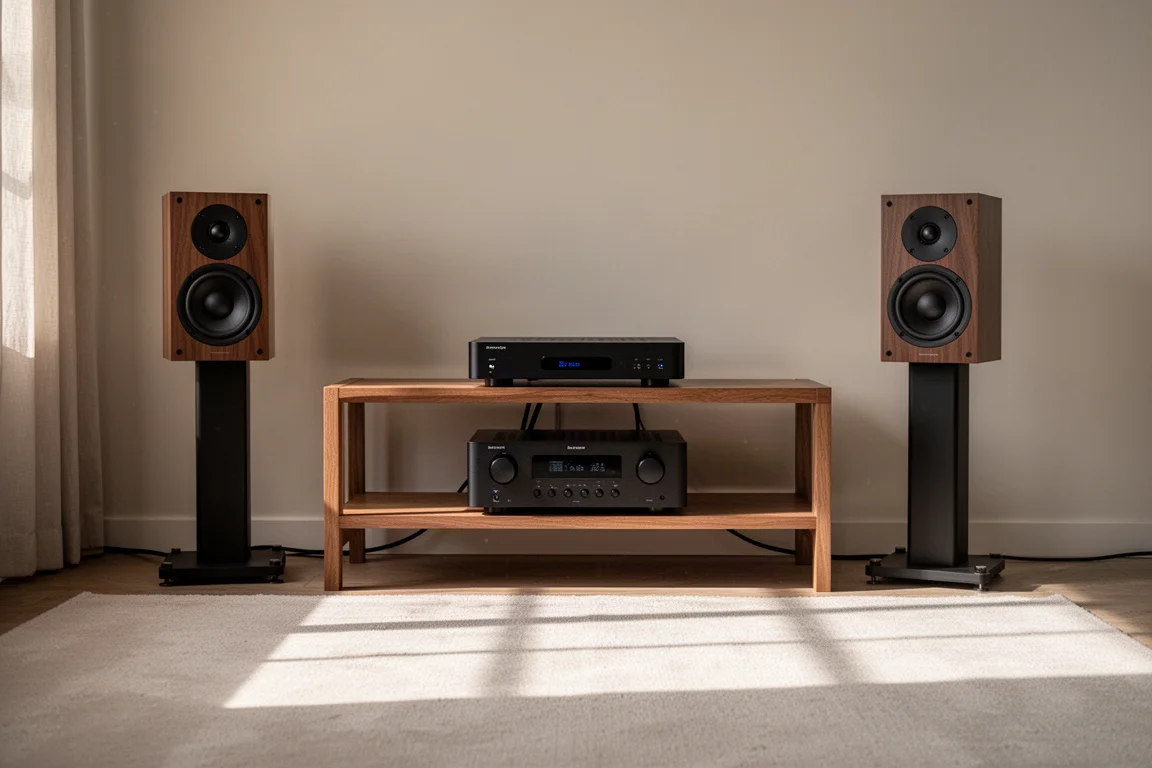
In practice, that means the ideal buyer is someone with a settled system who is chasing the last meaningful step in digital playback rather than a first streaming setup. If the rest of the chain is modest, a cheaper streamer will give up very little, and the money is better spent elsewhere.
Design, Build, and Connectivity
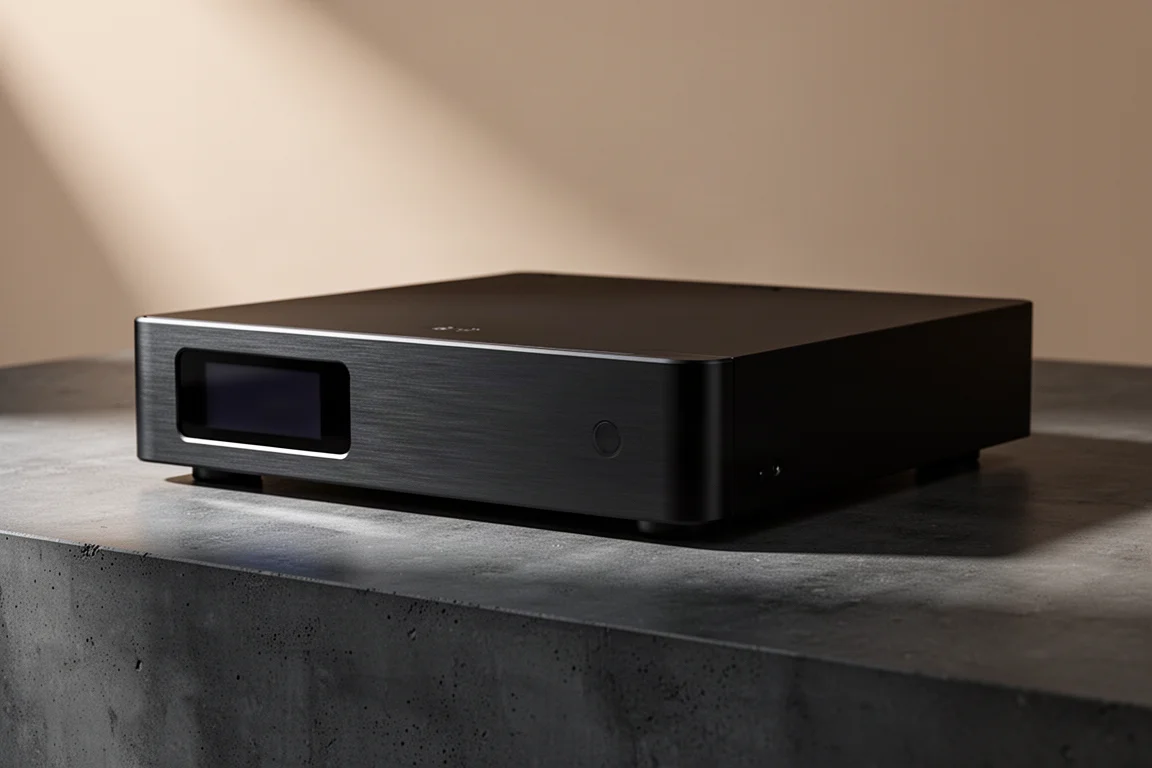
The U2 Mini is a compact, understated unit at roughly 300 by 244 by 60 mm and 2.5 kg. The front panel is aluminium and gently contoured, with a window for a clear OLED display, and the overall impression is of a tidy, purposeful piece of equipment rather than a lifestyle device.
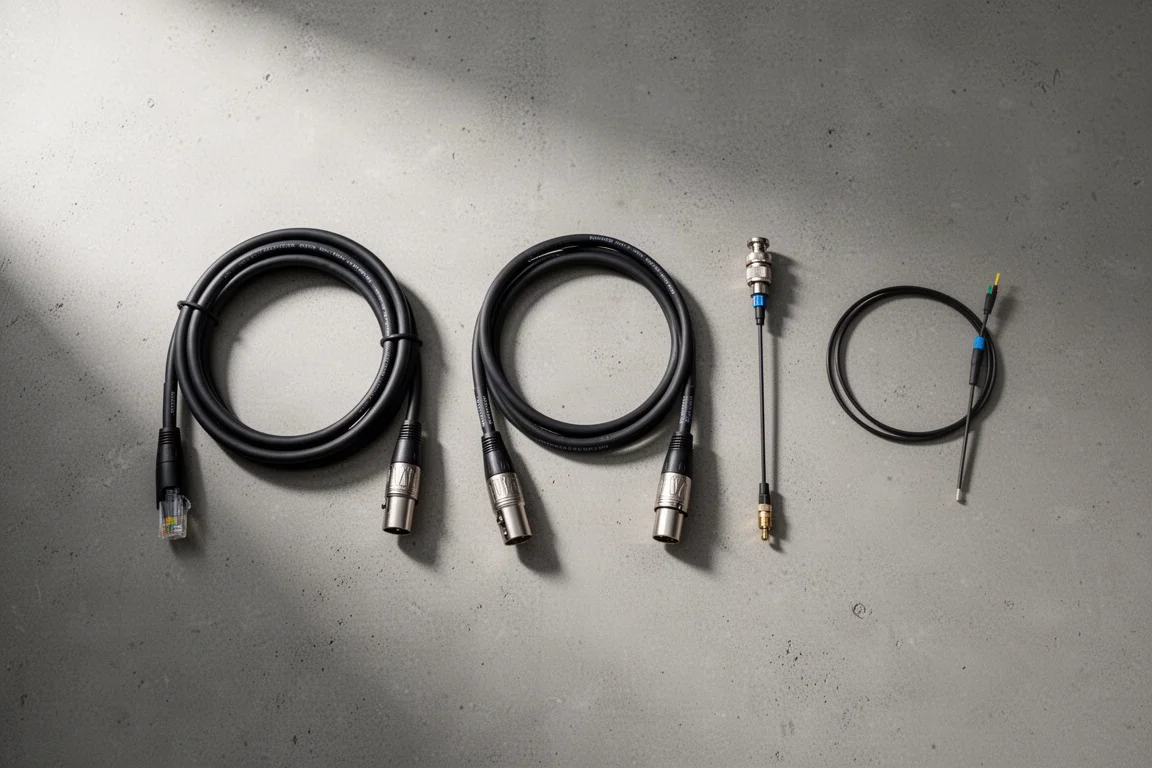
Connectivity is unusually broad for a transport. There are five types of digital output: balanced AES-EBU, coaxial on BNC, coaxial on RCA, optical Toslink, and two USB ports that can serve as an asynchronous output as well as an input for media stored on external drives. An I2S output is also provided. Networking is Ethernet only, with no Wi-Fi, a decision that favours signal purity over convenience.
Inside, a shielded switch-mode power supply from Meanwell sits alongside a neatly laid out circuit board with well-spaced components, a layout intended to keep interference to a minimum. It is not a showpiece interior, but it is a considered one.
Main Strengths: Sound Quality
The case for the U2 Mini rests on what it does with the signal. Compared with entry-level streamers, it brings more clarity, superior instrument separation and a larger sound stage. Those improvements hold across the board rather than in one narrow area, and they come with a slightly warm tonal character that takes some of the edge off harsher digital recordings.
Lumin’s digital volume control is a useful addition for listeners who want to connect a DAC directly to a power amplifier or powered speakers. The algorithm reduces rounding errors by modifying signal amplitude, which limits the losses that most digital volume controls introduce. It works well, though it is not a full substitute for a good analog volume control.
The digital output you choose also matters. In practice, USB tended to be the least clean option, optical was a step up, coaxial was cleaner again, and balanced AES-EBU offered the greatest fidelity. Those differences held consistently across several external DACs, so it is worth experimenting with the connection that suits your converter best.

The practical result is a transport that adds resolution without sounding clinical. Listeners who find some digital sources fatiguing may find the mild warmth here easier to live with over long sessions.
Streaming Features and App Experience
The U2 Mini streams through Lumin’s own app and through a wide range of third-party options, including UPnP apps, Spotify Connect, Tidal Connect, Qobuz Connect, Roon, Apple AirPlay and Amazon Music. That breadth means most listeners can keep using the platform they already prefer, which softens the impact of any single app’s shortcomings.
The proprietary app is functional and stable, with no dropouts over extended use, and it has a reputation for being less temperamental than some rival platforms. The trade-off is presentation. The interface is plain, the search bar is small, and the overall look is closer to a workmanlike utility than a polished consumer product. Listeners who consider interface design a priority will find more sophisticated software elsewhere. Listeners who mainly want playback to start reliably and sound good will find what they need here.
Things to Consider Before Buying
The obvious limitations are the absence of a built-in DAC and the lack of Wi-Fi. Both are deliberate, and both mean the U2 Mini only makes sense as part of a wider system. Budget is the second consideration. At £1,995 this is a transport, and the gains it delivers are most apparent when the rest of the chain, particularly the DAC, amplifier and speakers, is resolving enough to show them.
It is also worth being realistic about software expectations. Specialist hi-fi brands do not have the development resources of the large consumer electronics companies, and the app experience reflects that. The digital volume control, while well implemented, is not equivalent to a good analog volume control. And because digital inputs and outputs vary, results can differ from system to system depending on the converter and cables in use.
None of these points are flaws in execution so much as consequences of the design brief. The U2 Mini is built to prioritise signal quality, and every convenience it leaves out is a convenience someone else will have to supply.
Where the Lumin U2 Mini Fits in a System
The U2 Mini sits in a crowded part of the market, and the alternatives make its trade-offs easier to read. Auralic’s G1 produces a similar level of fidelity and a similar character, with plenty of micro detail in an expansive, layered sound stage and a slightly warm tone.
Below it, the Volumio Rivo at around £850 sounds far better than its price suggests, though it is smaller and thinner sounding than the U2 Mini on its stock power supply. Adding the optional linear power supply, at roughly £350, expands the sound field to almost the same extent, but the Rivo still lacks the scale and acoustic mass of the Lumin. The £1,100 Rivo Plus adds an I2S connection and a better internal clock, and with its stock supply it sounds cleaner than the standard Rivo with the linear supply, with a wider and deeper sound stage that is on a par with the Lumin. In systems where a richer tone and softer edges are preferred, the U2 Mini remains the appealing choice.
At the accessible end, the WiiM Ultra at around £350 includes a built-in DAC, extensive connectivity and a display, while the Bluesound Node Nano, at roughly £300, offers greater resolution than the WiiM Ultra and a more natural sound than the Eversolo DMP-A6 MK2. What those products cannot match is the resolution and scale of a dedicated transport at this level.
Buying Advice
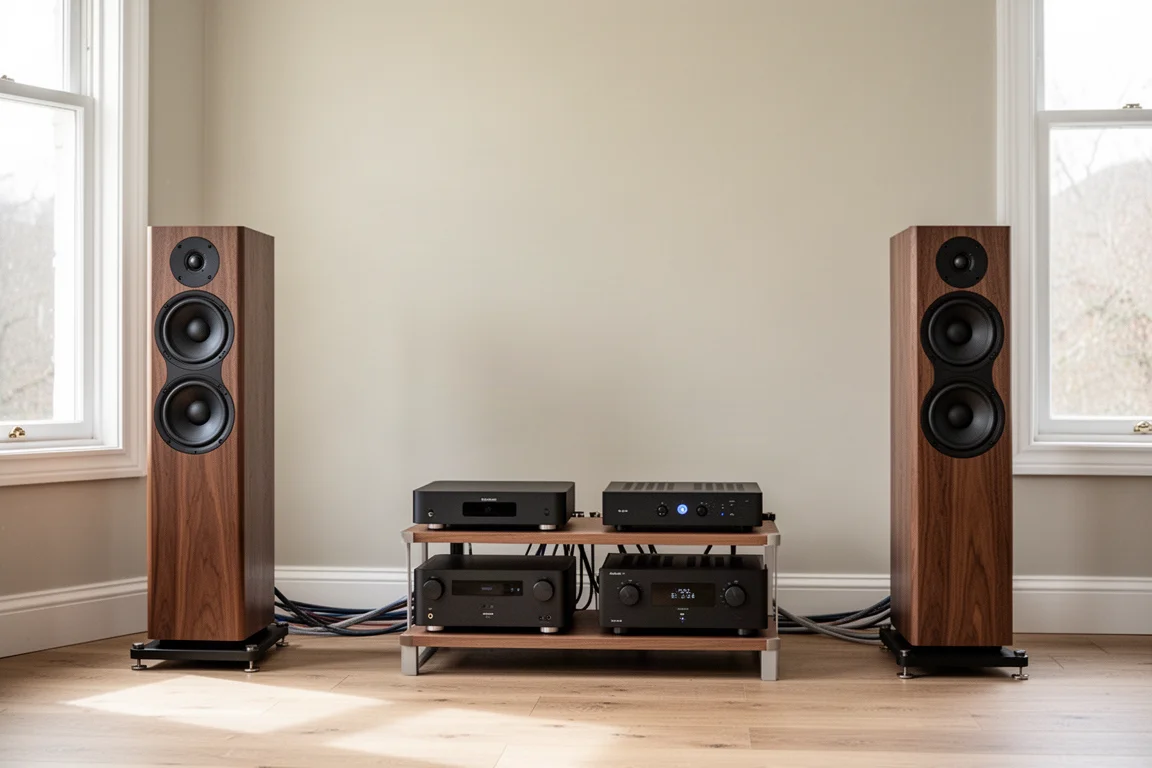
The U2 Mini rewards a system that is already sorted. If you own a DAC you trust, an amplifier and speakers that resolve detail, and you stream from a wired network, this transport is a straightforward upgrade over sub-£1,000 streamers. Connect it over balanced AES-EBU if your DAC supports it, and try coaxial or optical as alternatives if the result suits your room and taste better.
If you need Wi-Fi, a built-in DAC, or an interface as polished as a mainstream consumer product, look elsewhere. If you accept the compromises in exchange for a slightly warm, detailed and spacious presentation, the U2 Mini delivers on its promise.
Either way, the decision comes down to what you value more: a frictionless interface or the last few percent of fidelity. The U2 Mini is unambiguously built for the second group, and it is the stronger choice for listeners who have already built the system to hear the difference.
Conclusion
The Lumin U2 Mini is a tasteful, understated transport with a clear purpose. Its contoured front panel, unfussy OLED display and robust chassis give it an appeal that grows with familiarity, and its digital output selection is generous for the category. The proprietary app will not win prizes for design, but Lumin supports a wide range of other streaming protocols, so a slicker experience is available to anyone who wants it.
The real argument is sound. Stepping up to a specialist streaming transport at this price does not buy the software smarts of the mainstream brands, but it does buy better sound quality, delivered here with a slightly warm tone that softens the harsher edges of digital recordings. For listeners with the system to appreciate it, that is the right trade.
Product link
View more details for Lumin U2 Mini
This product is mentioned in the review. Check the specifications, options, and compatibility before buying.
View more details for Lumin U2 MiniFurther reading
Related Reviews
Hi-Fi Streamers
Best Music Streamers Under £1,000: Cambridge Audio CXN 100 vs Eversolo DMP-A6 vs Bluesound Node X
Three sub-£1,000 network streamers compared on sound character, connectivity, build and app experience, with clear guidance on which one suits which system.
Hi-Fi Streamers
Bluesound Node X vs Eversolo DMP-A6: Two Standout Streamers Below £1,000
A close comparison of two sub-£1,000 music streamers: one focused on app quality and everyday flexibility, the other on build, display and resolution.
Hi-Fi Streamers
Cambridge Audio CXN 100 Review: A Streamer and Digital Preamp in One Box
The CXN 100 replaces a multi-award-winning streamer with a full redesign, adding a better DAC, a 100-step volume control, balanced outputs, and digital preamp flexibility.