Cycling Components
LTWOO GRT Review: A Budget 12-Speed Gravel Groupset Worth Building Around
A practical look at the LTWOO GRT gravel groupset: what the alloy kit includes, how the hydraulic shifting and braking behave, and the costs to plan for before you buy.
Introduction
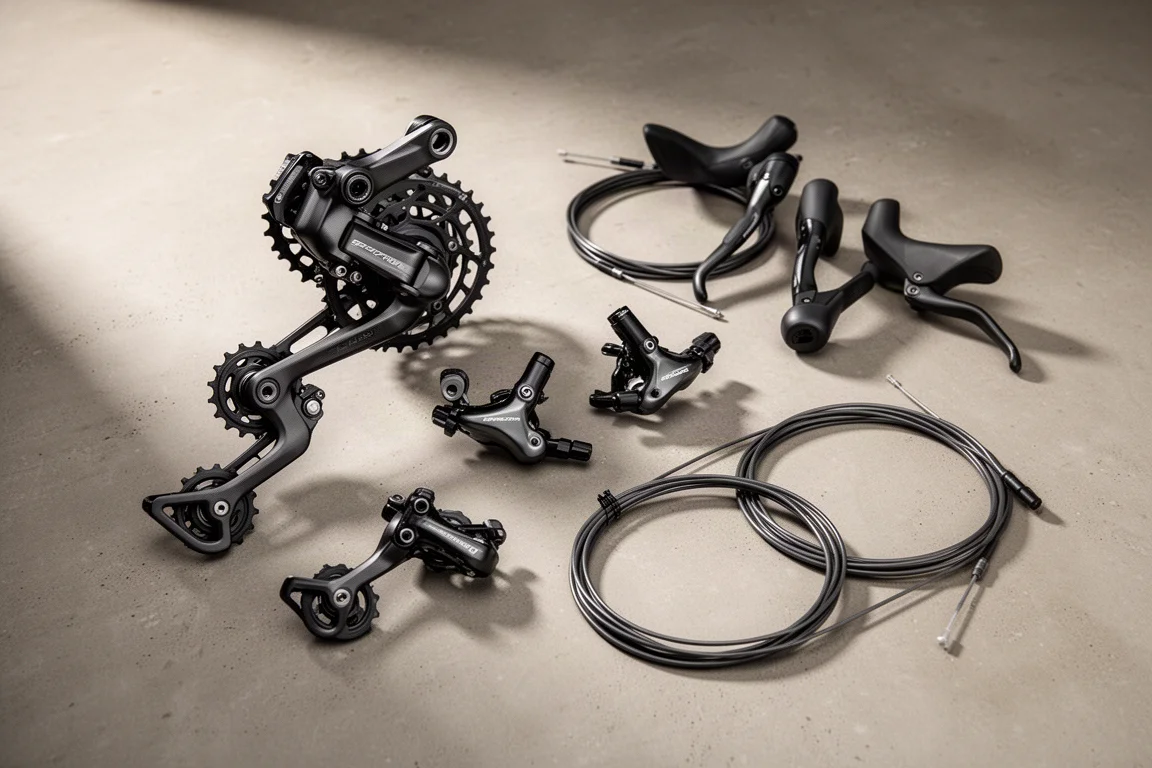
The LTWOO GRT is a gravel-specific hydraulic groupset built around a 12-speed drivetrain, and it is sold as a partial kit rather than a complete set of components. The alloy version sits at roughly £200 and covers the rear derailleur, a pair of shifters, a pair of hydraulic brake calipers and hoses that arrive with fluid already inside them. A carbon version is also available, costing a little more and weighing a little less.
That packaging is the heart of the proposition. It is an inexpensive way to get a modern gravel drivetrain onto a frame, but it only makes sense once you have accounted for everything else the build still needs. This review covers what the groupset includes, how it shifts and brakes on a real gravel build, and the practical costs and quirks to weigh up before ordering.
Who the LTWOO GRT Is For
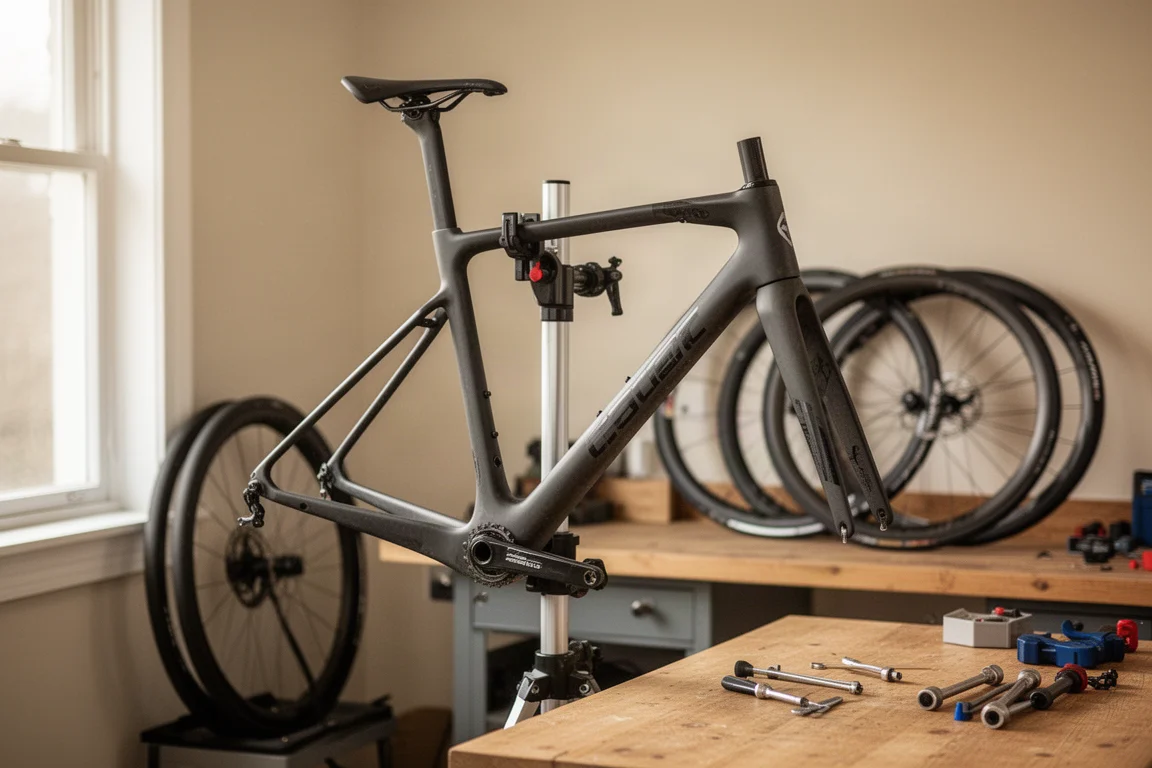
This groupset suits riders building up a gravel frame on a tight budget, particularly those who already own a compatible crankset, wheels and cassette and only need the hydraulic shifting hardware. It is also a reasonable entry point for anyone assembling a second bike or a winter gravel build where outright refinement matters less than getting a rideable 12-speed drivetrain for modest money.
It is a less natural fit for riders who want a single purchase that covers everything, or for anyone expecting the feel of a premium groupset. The GRT is best understood as a value proposition rather than an upgrade in shift quality over established hydraulic groupsets. Riders who already run a well-sorted setup on their main bike will find little here that pulls them away from it, while first-time builders get a workable path into 12-speed gravel gearing without a large outlay.
What the Groupset Includes
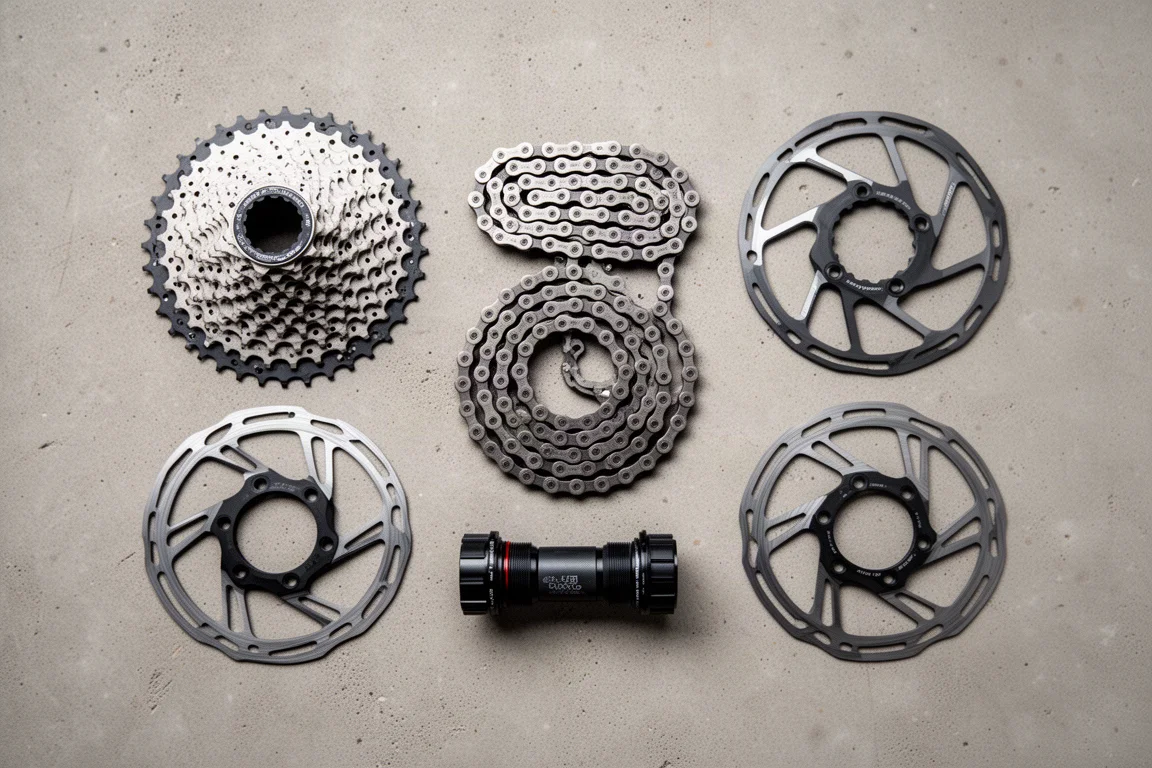
The kit delivers the rear derailleur, a pair of hydraulic shifters, a pair of brake calipers and pre-filled hoses. Everything else is down to you: crankset, chain, bottom bracket, rotors and cassette all sit outside the box, and those additions add up quickly.
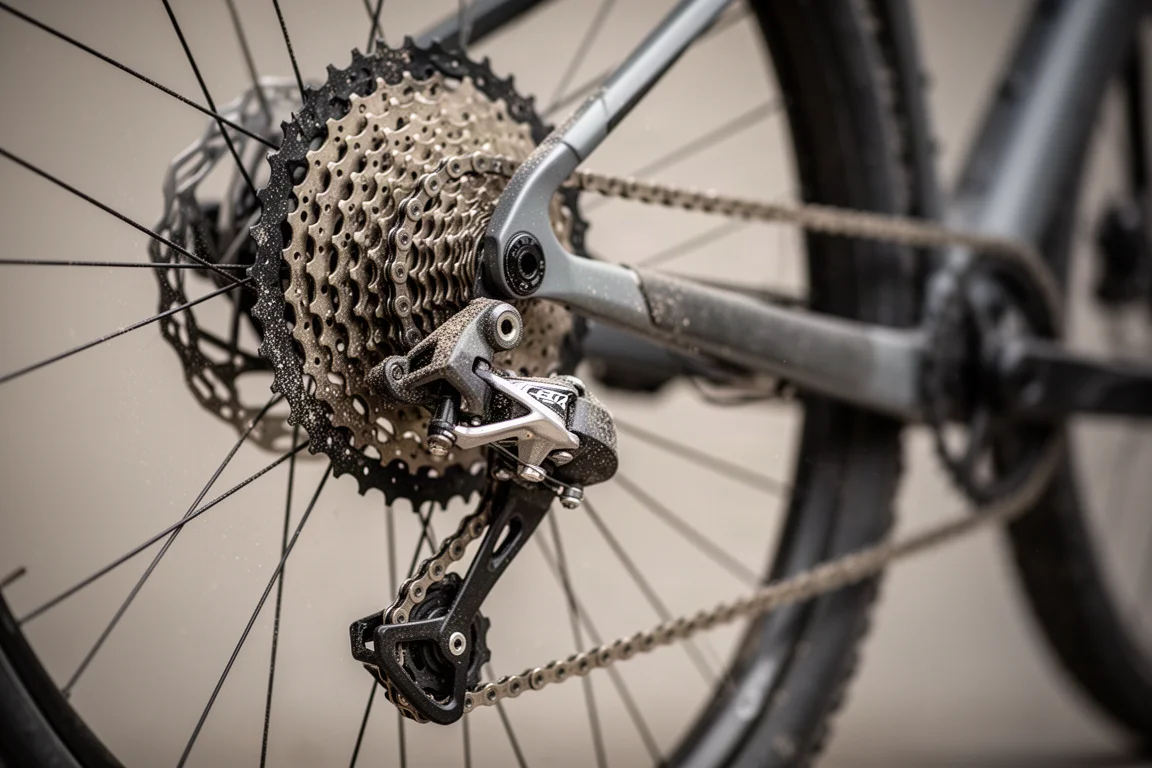
Two versions exist. The alloy option is the more affordable of the pair, while the carbon version costs more and trims some weight. The rear derailleur is the most interesting piece of the package. It is rated to handle cassettes up to 50 teeth and includes a built-in clutch, which takes up slack in the chain so it is less likely to drop off on rough ground. For gravel riding, that clutch is a meaningful inclusion rather than a marketing line, and the derailleur’s clearance turned out to be more generous than expected, which opens the door to larger cassettes for climbing-heavy routes.
Shifting and Braking Performance
In a mixed build using a third-party 12-speed cassette, a chain from another brand and a full-length outer housing through the frame, the groupset still shifted fairly well. It has not missed a shift, and the drivetrain has behaved predictably despite the fact that the housing routing is not the ideal setup for crisp cable-driven shifting.
Braking performance is a clear strength. The hydraulic calipers feel consistent and powerful, matching the standard set by other hydraulic disc systems, and there is nothing here that gives away the low price when you are pulling hard on the levers. On shifting, the honest summary is that the GRT is broadly as good as other groupsets rather than better than them. It is not spectacular, and it is not trying to be. Against a mainstream benchmark such as Shimano 105, it does not shift more precisely, and some of the twitchiness experienced early on appeared to come from setup rather than the hardware itself.
Comfort and Ergonomics
Shifter shape is a split verdict. The main hand area on the hoods is genuinely comfortable, with a shape that supports long days on mixed surfaces. The trade-off is a raised section toward the heel of the hand, which sits noticeably higher than expected and becomes noticeable over distance. For riders planning long gravel events or regular multi-hour rides, a pair of gloves is a sensible addition.
Things to Consider Before Buying
Setup sensitivity is the first thing to plan for. The shifting felt slightly twitchy on the initial build, and the likely cause was adjustment rather than the components themselves. Budget time to work through the setup properly, ideally with the instructions to hand, rather than assuming the groupset is at fault.
Parts sourcing is the second consideration. Pairing the GRT with inexpensive third-party cassettes and chains keeps the total cost down, but those parts often ship from overseas with waits measured in weeks. If a cassette or chain wears out mid-season, a replacement may not be a same-day purchase at a local shop. Buying spares in advance is a reasonable precaution. There is also a branding note worth mentioning: the logo and naming lean close to established gravel groupsets, which will bother some riders more than others. It has no effect on performance, but it is part of the ownership experience.
Setup and Compatibility
The build combined the GRT with a 12-speed cassette from a different manufacturer and a chain from another brand, and the combination worked on paper and in practice. Cable routing matters more than usual here, since running a full outer housing through the frame, which some framesets require, degrades shifting slightly compared with a more direct path. Even so, the result remained usable and consistent.
Gearing range deserves early attention. The rear derailleur’s wider-than-expected clearance allows a larger cassette than the initial 34-tooth unit used in this build, and moving up to something in the 42 to 44-tooth region makes a real difference on steep, long gravel climbs. If your riding involves significant elevation, plan the cassette choice around that rather than around the smallest option available.
Buying Advice
The headline price of around £200 covers less than a complete drivetrain, so it is worth totalling the full build before deciding. A chain adds roughly £30 to £40, rotors around £20 each, a bottom bracket another £30 to £40 depending on the frame, and then there is the cassette and crankset on top of that. Once those are included, the gap between the GRT and a complete hydraulic groupset bundle narrows considerably. Complete 11-speed hydraulic bundles including a bottom bracket and rotors have been seen for roughly £425 to £450, and for pure budget builds that kind of all-in package is often the better value, even without the extra gear.
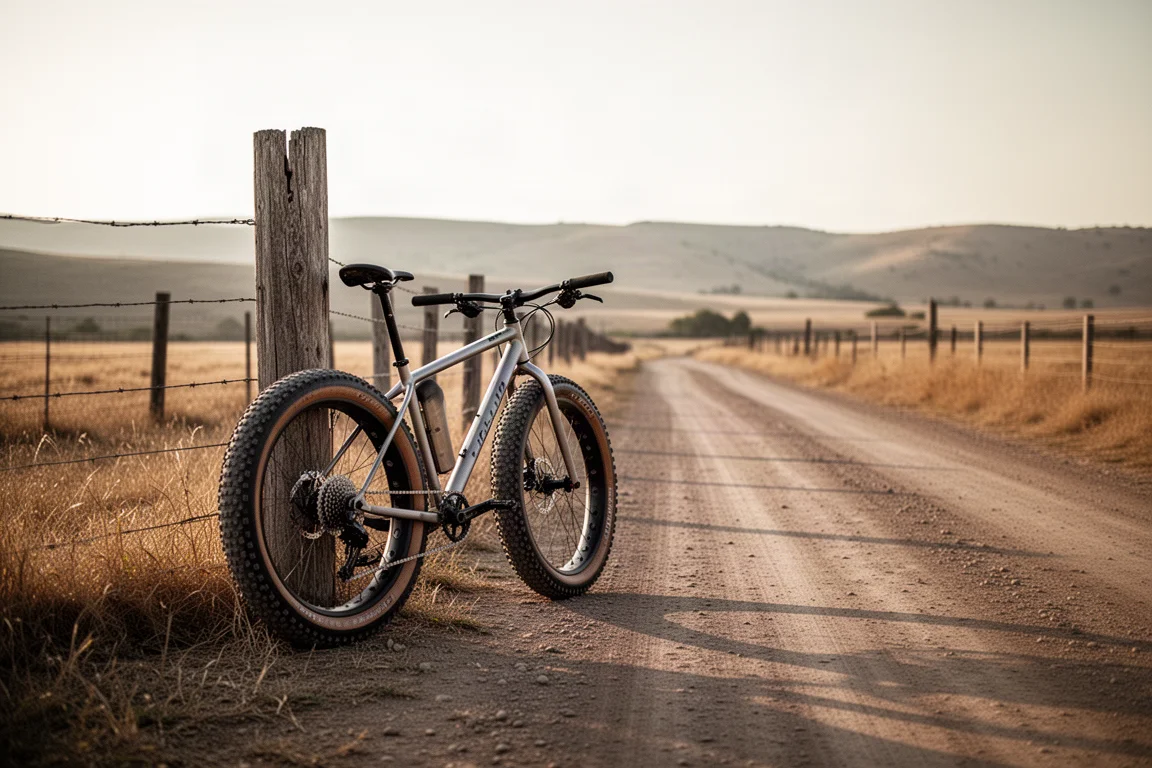
The case for the GRT rests on two things: 12-speed gearing and the ability to reuse parts you already own. If you have a crankset and wheels waiting to be used, the arithmetic works in its favour, and the clutch-equipped derailleur with its generous cassette clearance gives you room to build a genuinely capable gravel drivetrain. If you are starting from nothing and simply want the lowest total cost, compare carefully against complete groupset bundles before committing.
Conclusion
The LTWOO GRT is an honest budget gravel groupset. It arrives as a partial kit, it needs a thoughtful setup, and it does not out-shift the established names. What it does deliver is dependable hydraulic braking, a clutch derailleur with room for wide-range cassettes, and 12-speed gravel gearing for riders who are willing to source the remaining parts themselves. Buy it with the full build cost in mind, and it makes a sensible foundation for a value-focused gravel bike.
Product link
View more details for LTWOO GRT
This product is mentioned in the review. Check the specifications, options, and compatibility before buying.
View more details for LTWOO GRTFurther reading
Related Reviews
Cycling Components
A 20,000-Mile Budget Race Bike Build: Five Parts Worth Knowing
A rim brake race bike assembled from low-cost components and ridden for 20,000 miles. Here is what delivered real speed, what caused problems, and what to weigh before copying the formula.
Cycling Components
7 Bike Fit Products Fitters Avoid: What to Check Before You Buy
Seven bike components that regularly cause knee, foot and saddle problems, with the specific concerns behind each one and what to look for instead.
Cycling Components
Four Affordable Bike Upgrades That Improve Ride Feel
Four low-cost cycling products that make a real difference to ride feel, plus the free setup changes worth trying first.