Ski Resorts
Loon Mountain Review: New Hampshire's Convenient Boston-Area Ski Resort
Loon Mountain pairs strong lift infrastructure and reliable snowmaking with real crowd problems. Here's what to know before you go.
Introduction
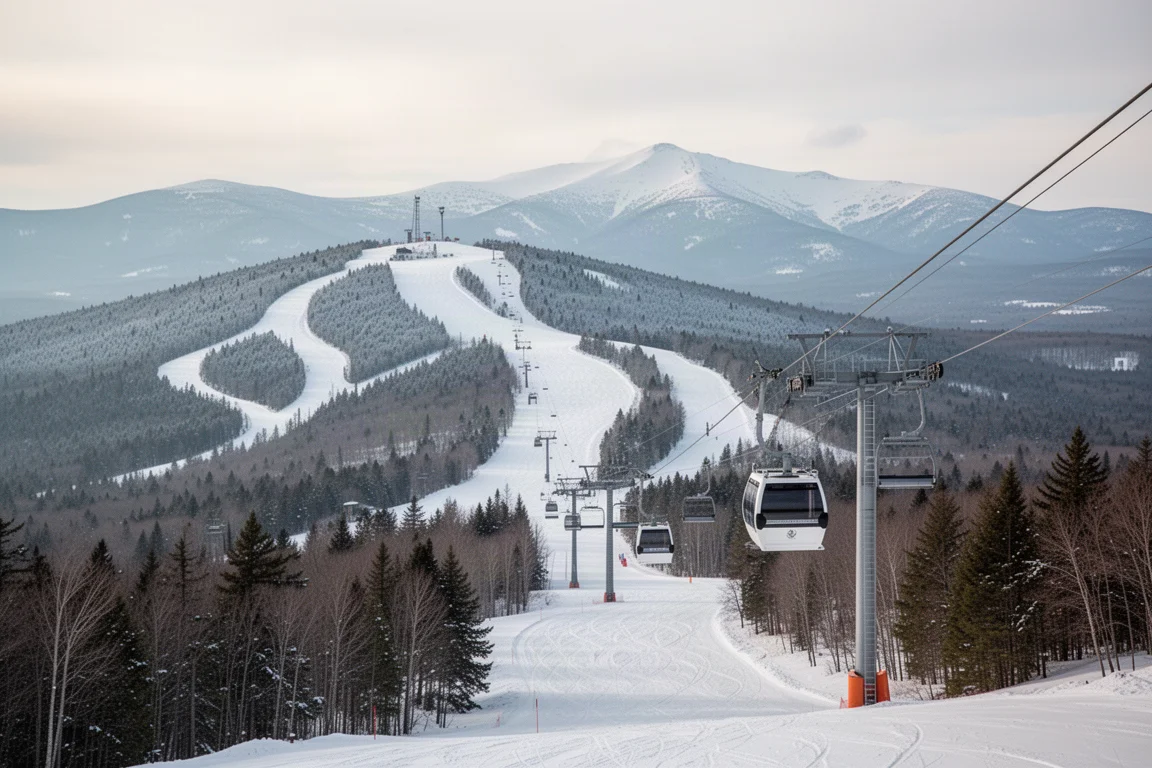
Looking for decent skiing close to Boston? New Hampshire’s Loon Mountain has long been a go-to answer. The resort stands out for its lift infrastructure, decently varied terrain, and a lively nearby town, and it has seen a significant wave of investments over the past couple of years. But Loon has real drawbacks as well, and not every regional skier or rider will find it the best choice.
This review walks through Loon’s overall mountain experience and how it stacks up in East Coast rankings, so you can decide whether it’s the right mountain for you.
Terrain: What You Get Across the Mountain
With 403 acres of skiable terrain, Loon is one of the biggest ski resorts in New Hampshire, although it still falls well short of the biggest New England resorts size-wise. The resort mainly offers typical below-treeline trails, with a few unique glade areas scattered throughout. Loon is made up of two distinct mountain areas: the North Peak side, which hosts the majority of the terrain along with a decently competitive vertical drop, and the smaller South Peak side, which is typically less crowded. The two sides are connected by a quad lift, but there is no physical trail connection between them.
For beginners, Loon still isn’t the best ski resort, though the experience has significantly improved in recent winters. Up until a few years ago, the only publicly accessible green trails existed on the North Peak side, where the upper half has only a single green-rated route. That creates congestion and stressful on-mountain conditions for lower-ability guests. The new Timbertown terrain expansion on South Peak substantially overhauls this: it brings true beginner terrain to South Peak for the first time, with several beginner trails that let newer skiers spread out. The catch is that there’s no contiguous beginner route between the two peaks, so guests need intermediate proficiency or better to move between them.
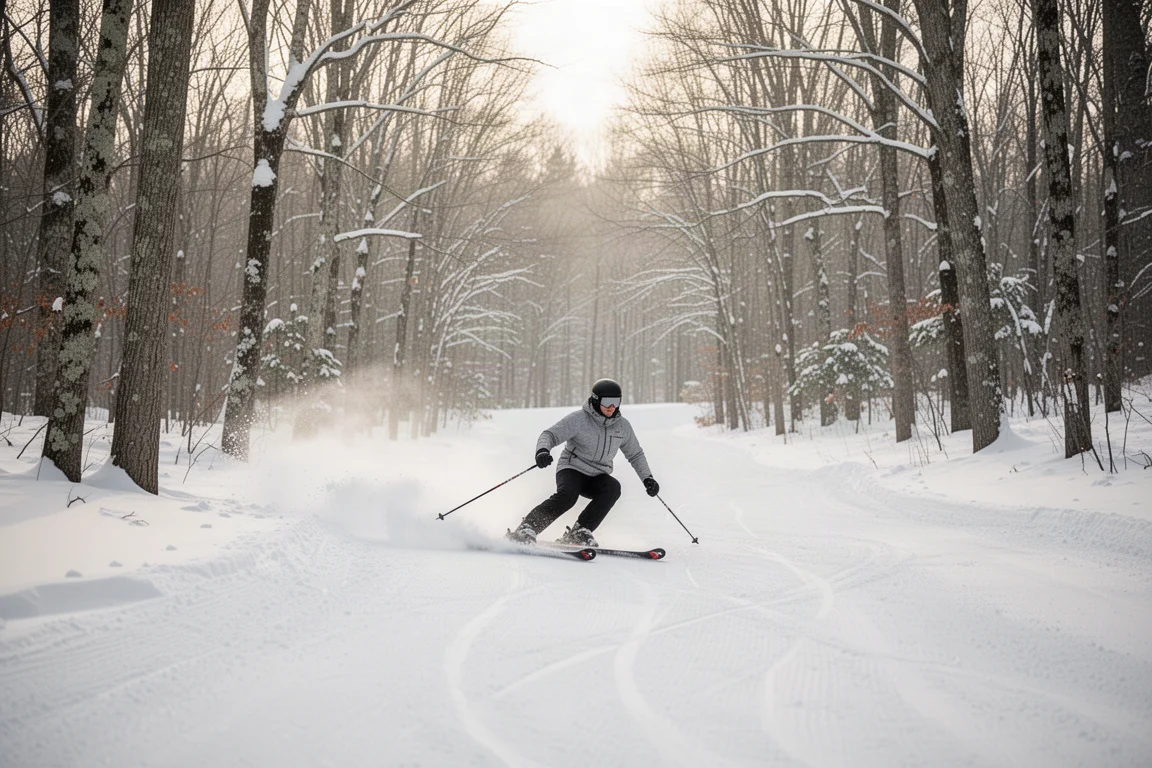
Intermediate skiers are where Loon shines most. The resort hosts ample moderately sloped cruising trails, with blue groomers to choose from across every mountain area, plus a handful of unique intermediate woods areas. That said, Loon’s blue runs are not created equal: trails on South Peak and upper North Peak feel reasonably unique, while the dozens of groomers on lower North Peak have straight, monotonous profiles that get repetitive quickly.
Advanced and expert riders will find some reasonably difficult terrain, but Loon is not the hardest resort out there, and other New England mountains offer more strenuous challenges. Several black diamond runs receive regular grooming, and some might be rated as blues at other East Coast resorts. Even the double black Rip Saw trail is perennially groomed, though it is steep enough to let you build up serious speed. Loon’s toughest challenges arguably sit in its mogul and tree runs on upper North Peak: ungroomed blacks that are fairly long and make for properly taxing endurance terrain, and woods areas full of natural obstacles, including some lift-accessed out-of-bounds woods at the top of North Peak that the resort has announced plans to officially absorb in future seasons.
Freestyle skiers get a competitive terrain park for New Hampshire, with features for various abilities designed around progression. Beyond the typical boxes, rails, and jumps, there’s a small stash park with wooden features and an 18-foot super pipe when conditions allow. Loon has five official terrain parks plus a handful of “top secret” parks that pop up on random trails each winter; their locations are listed on the resort’s website, so they’re secret in name only.
Lifts: One of the Flashiest Fleets in New England
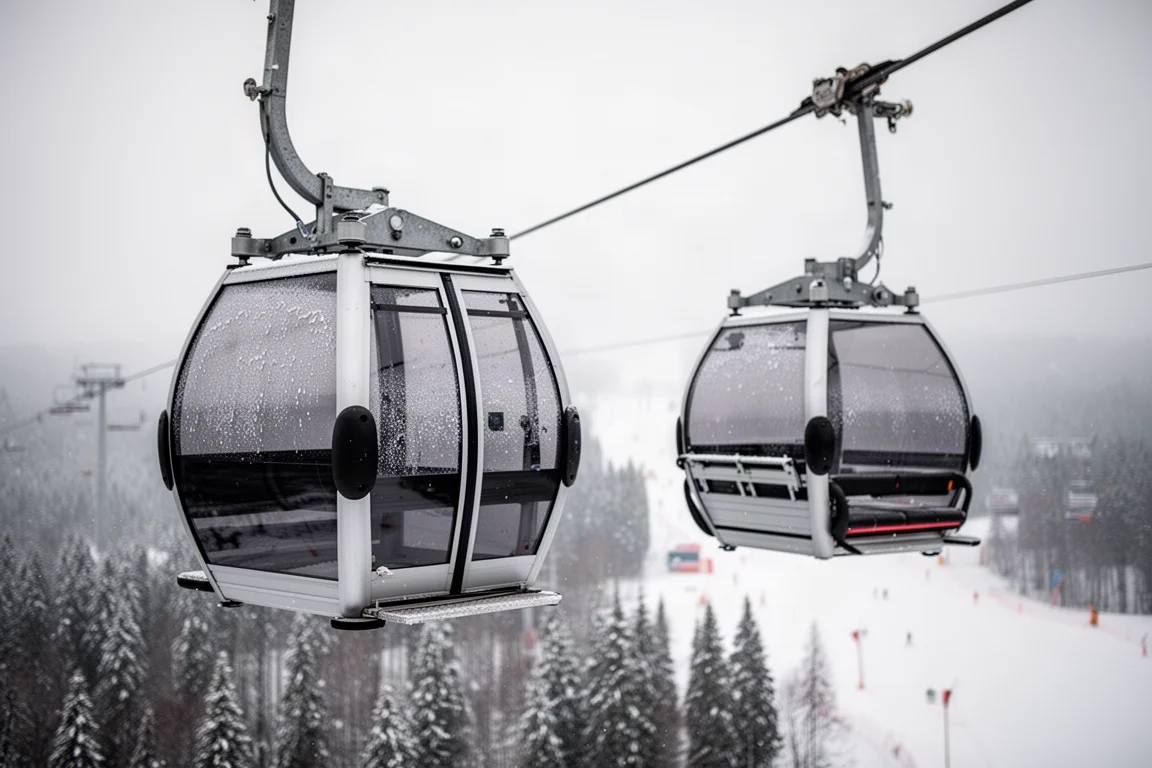
With a gondola, a bubble eight-pack, and several high-speed quads, Loon boasts one of the flashiest lift setups in New England. The gondola and bubble chair do a great job protecting guests from the elements on the cold, windy days Loon sees plenty of, and the predominantly high-speed network moves guests uphill quickly.
There are a few quirks. Several notable lifts are still slow fixed-grip chairs. Most serve in helper capacity or aren’t too long, but the Tote Road quad, which provides the only connection between the North and South Peak sides, feels sluggish along its essentially flat lift line. Installing the new Timbertown quad as a fixed-grip lift rather than a high-speed also feels like a missed opportunity for a chair meant to draw beginners away from North Peak.
Crowding is Loon’s biggest lift-related weakness. As one of the closest ski resorts to Boston and the closest one on the Ikon Pass, the mountain gets packed on weekends, especially on the North Peak side. Loon’s gondola sees heavy demand thanks to its enclosed nature and base-to-near-summit service, and unlike gondolas at most North American resorts, its cabins fit only four guests each, compounding the problem. This lift even sees lines on off-peak weekdays, a notorious rarity in the Northeast. The cabins are warm but comically tiny, so be prepared to buddy up. The Seven Brothers Express Quad, which serves lower gondola terrain as a helper, tends to see far fewer crowds and can be a godsend on busy days. Fortunately, Loon intends to replace the gondola with a higher-capacity machine within the next couple of years.
The Kancamagus eight-pack bubble chair theoretically offers the highest uphill capacity of any lift at Loon, but even after a few seasons the resort hasn’t consistently figured out how to load eight people at a time, so it often runs below its intended capacity. That’s annoying if you start your day at the Governor Adams Lodge, since there are no direct helper lifts for it. Crowds on the smaller, isolated South Peak side remain much more reasonable, and a shuttle system runs between the base areas, so you’re never truly stuck if a lift goes down.
Snow, Lodges, and On-Mountain Facilities
Loon posts commendable snowfall totals for New Hampshire, just under 150 inches annually, though not as high as some northern Vermont and Maine competitors. There’s often enough cover to fill in ungroomed terrain naturally, but thin cover with rocks and dirt makes regular appearances throughout the season. Near-universal snowmaking coverage gives Loon one of the more reliable operating schedules in the East, although some terrain still falls victim to variable opening schedules. The mountain isn’t especially susceptible to wind by regional standards, but it does get quite cold and windy at times. Fortunately, beyond its two enclosed lifts, the resort offers a variety of on-mountain lodges, especially on North Peak, where the two base areas boast sizable lodges with full dining facilities and indoor and outdoor seating.
Food prices could be worse, although the quality of the available items is pretty bland. Two mid-mountain lodges provide convenient quarters but lack sufficient seating during peak times. The South Peak side’s facility setup could use work: guests there get a single base lodge, and while it serves food and drink, its temporary tent structure doesn’t provide the comfort of a permanent building.
Getting Around and On-Mountain Atmosphere
Loon’s modest size makes it pretty easy to get around overall, with a few minor issues. Signage could use work: on the North Peak side it’s not always clear which base lodge or lift you’ll end up at, and the signs themselves could use more contrast to distinguish trails and ability levels. Having to take a lift between the two peaks is a minor annoyance, but most guests will figure the mountain out within a day or so.
Topographically, Loon doesn’t explicitly stand out versus nearby competitors, but it’s surrounded by gorgeous scenery, including views of Mount Lafayette and Mount Liberty from various North Peak trails and vistas of Mount Washington from upper-mountain areas. On the flip side, you’ll rarely feel isolated: the resort’s popularity and moderate size contribute to high trail density and an aura of commercialization, particularly in the lower and mid-mountain areas of North Peak.
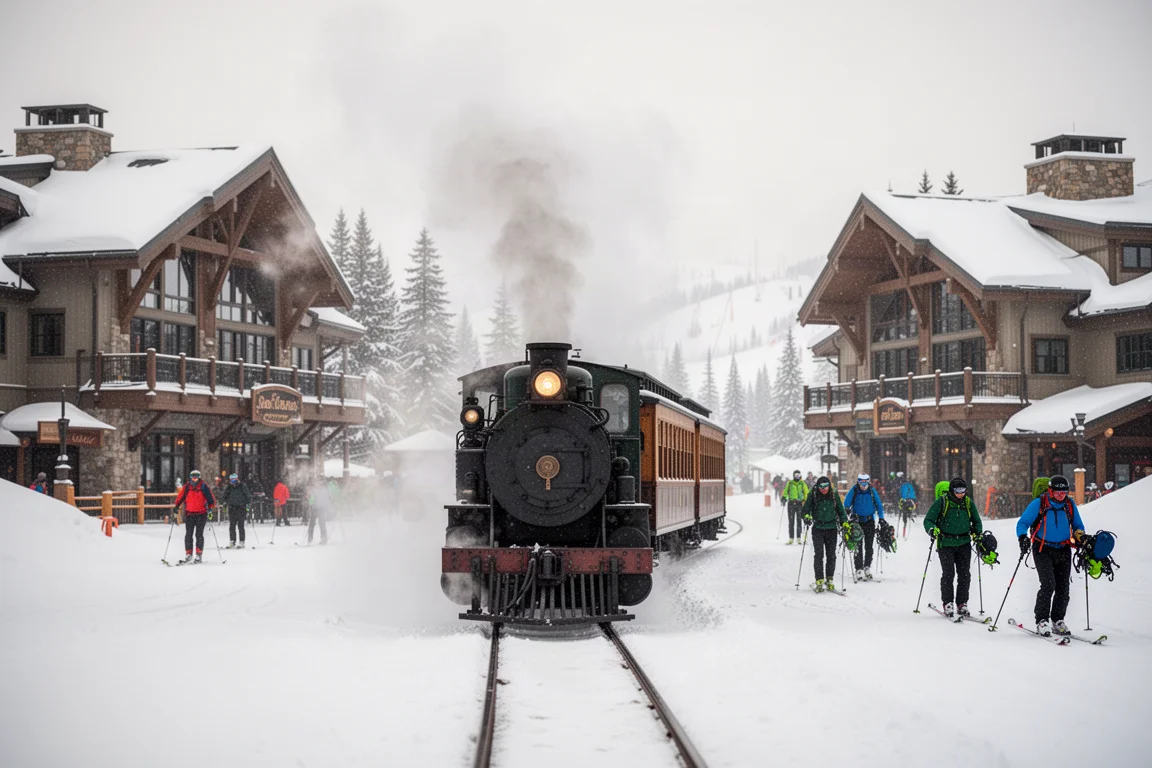
One genuinely unique feature is Loon’s train. It’s the only ski area in the United States with a steam-powered locomotive connecting two parts of the resort, running between the two North Peak base lodges. The train doesn’t serve any terrain, but riding it is a one-of-a-kind experience you won’t find at any other nearby mountain. The locomotive operates on weekends and holidays during the core winter season.
Passes, Pricing, and the Boston Factor
Loon is a member of the Ikon Pass. It comes with seven unrestricted days with no blackouts on the full Ikon Pass, five days with holiday blackouts on the Ikon Base pass, and a 2-to-4-day membership on the day-ticket-like Ikon Session Pass. As of late 2026, Loon requires reservations for Ikon passholders, though very few days have historically filled to capacity.
Perhaps the most appealing feature of Loon is its proximity to Boston. With no traffic, the resort is just two hours from New England’s largest city. No official public transit runs between Loon and Boston, but private bus companies run day trips from downtown and the Boston suburbs. If you drive, convenient parking can be a serious problem on the North Peak side during peak times, so arrive early on weekends and holidays. The South Peak side’s Escape Route lot tends to offer far more availability, and with the recently installed Timbertown lift, guests parking there finally have direct mountain access without a shuttle.
Core-season lift ticket rates aren’t terrible for off-peak weekdays, but with one-day adult rates hitting $150 for peak weekends and holidays, the cost of entry gets steep at the most popular times. If you plan to visit multiple mountains this year, an Ikon Pass or Bousquet-style regional product may be the most economical route.
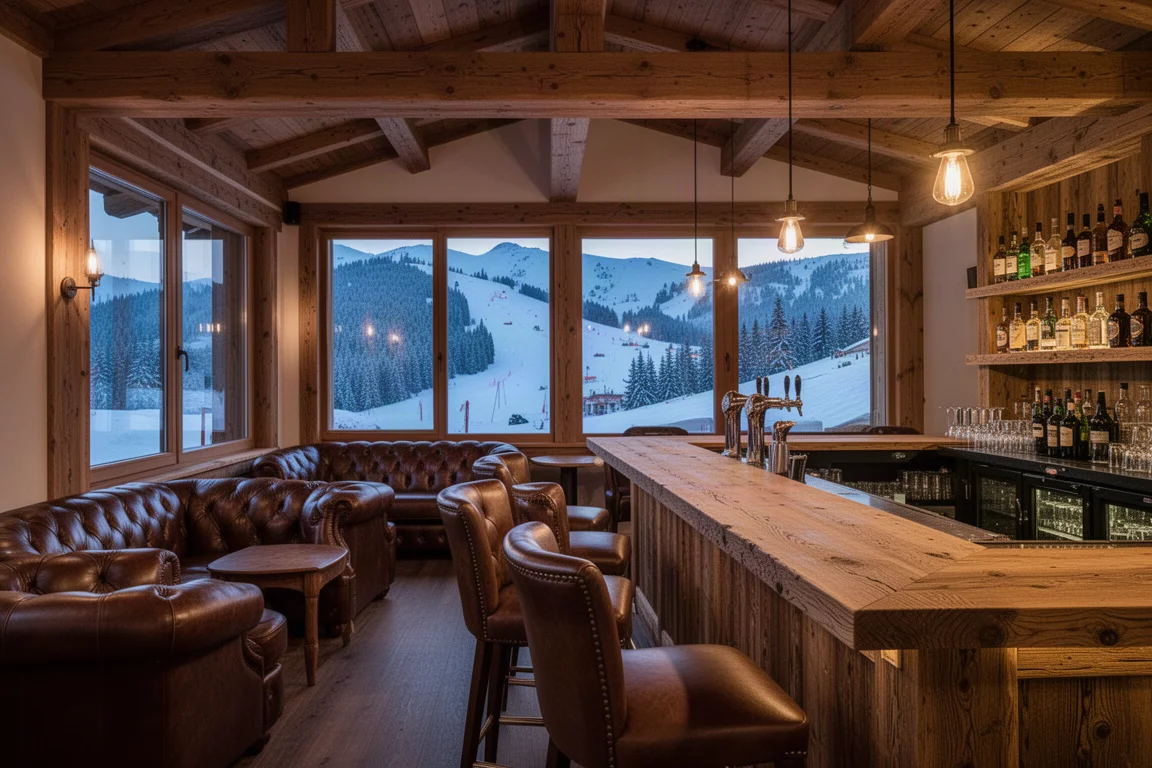
Loon offers several lodging options on site and nearby, including the high-end slopeside Mountain Club on Loon hotel, ski condos on both peaks, and a few North Peak options within a short walk of the slopes. A range of budget-friendly choices sits in the nearby town of Lincoln, most less than 10 minutes from the resort. Many local condos are served by Loon’s shuttle, so you don’t necessarily need to drive to the slopes even if you’re not staying directly on them. The drive is easier than most East Coast ski resorts, with Loon sitting a very short distance from Interstate 93 and essentially no sketchy mountain roads required.
Loon is more of a family-oriented resort than a party mountain, but there’s plenty to do after the slopes close. Lincoln hosts an extensive variety of bars, restaurants, and breweries, some of which offer tours and tastings. If you can’t wait until you’re off the mountain, both North Peak base lodges offer plenty of seating and enjoyable bars.
Rankings: How Loon Scores
Loon earns a five for snow, with respectable accumulation for the Northeast that falls short of the region’s best. Its impressive snowmaking arsenal delivers one of the most consistent operating schedules in the East, earning a seven for resiliency. Just over 400 skiable acres yields a three for size. Decent intermediate and low-advanced terrain but some fairly vanilla trails gives a four for terrain diversity, and a handful of nice steeps and woods areas with little that’s technical or bump-focused gets a four for challenge.
The mostly high-speed lift fleet, despite a few quirks and slow shorter lifts, scores a seven. Crowding holds Loon back: packed-to-the-gills busy days and capacity flaws that create significant waits at peak times earn a four for crowd flow. A good number of break spots, including two sizable North Peak base lodges, but smaller mid-mountain lodges and the South Peak tent structure result in a six for facilities. Signage that could use refinement but rarely gets you lost earns a seven for navigation, and lower-mountain commercialization offset by fantastic summit views gets a four for mountain aesthetic.
These categories add up to an overall score of 51, placing Loon fifth in New Hampshire and 26th in the East overall.
Buying Advice: Should You Visit Loon?
Loon offers a competitive lift setup and great snowmaking, putting together a more reliable package than you might expect from other resorts in the state. But it’s hurt by weekend crowding, and it doesn’t stand out aesthetically versus some nearby competitors, many of which are among the most picturesque anywhere in the East.
Ultimately, a visit comes down to what you care about. If ease of access and a dependable footprint are priorities, Loon will probably deliver. If you want a local feel and limited crowds, you’re likely to be disappointed. For those who don’t benefit from the convenient Boston access, there isn’t much of a reason to choose it over competitors offering more unique terrain, a larger footprint, and substantially better crowd conditions.
Conclusion
Loon Mountain is a well-invested, convenient, and dependable East Coast resort that shines for intermediates, families, and Boston-based skiers who value an easy drive and reliable operations. Its gondola and bubble-chair fleet, strong snowmaking, and the revamped South Peak beginner terrain make for a solid package. Just plan around weekend crowds, start your days early or head to South Peak, and you’ll get the most out of what this New Hampshire staple has to offer.
For more information on Loon and over 100 ski resorts around the world, resources like PeakRankings are worth checking out.
Product link
View more details for Loon Mountain
This product is mentioned in the review. Check the specifications, options, and compatibility before buying.
View more details for Loon MountainFurther reading
Related Reviews

Ski Resorts
Alyeska Resort Review: Alaska's Largest Ski Resort, Worth the Journey?
A deep look at Alyeska Resort: heavy snowfall, expert terrain, an Icon Pass connection, and the trade-offs of a near-sea-level mountain in the Last Frontier.

Ski Resorts
Bear Valley Ski Resort Review: Northern California's Quiet Sierra Alternative to Tahoe
A lesser-known Sierra resort with over 1,300 skiable acres, surprisingly strong expert terrain, and crowd levels Tahoe can only dream of. Here is what to know before you go.

Ski Resorts
Colorado Ski Resorts Ranked: The Best Destination Mountains for Overall Experience
A ranked guide to Colorado's destination ski resorts, covering terrain, snow, logistics, crowds, and cost so you can pick the right mountain for your trip.