Backpacking Gear
Long-Term Backpacking Gear List: Field-Tested Essentials Still in Service
A decade of backpacking gear in one loadout, from a load-hauling pack and a two-pound tent to a pump filter and satellite messengers, with the strengths and trade-offs of each piece.
Introduction
Most gear lists chase what is new. This one is about what has stayed.
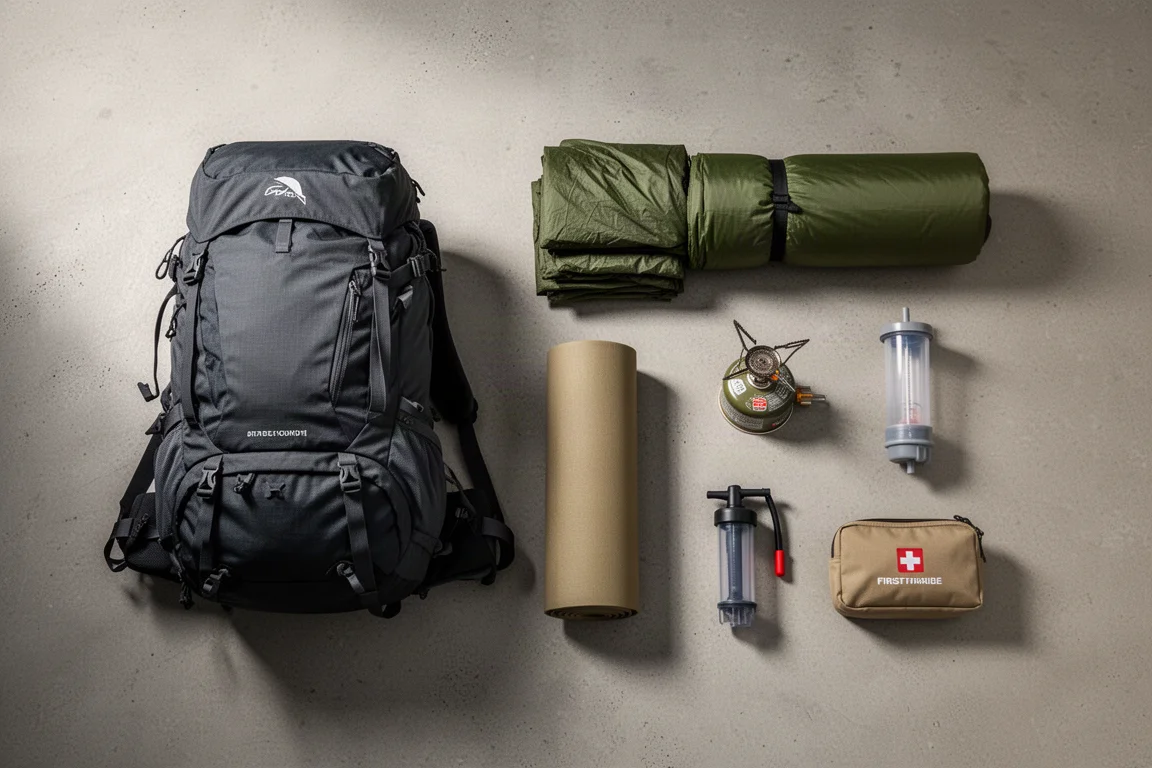
Everything below has traveled together for years, and in several cases for more than a decade. Between them, these pieces cover the pack, the shelter, the sleep system, the kitchen, water treatment, first aid, rain protection, insulation, and emergency communication. None of it is exotic. None of it is the lightest option on the market. What the items share is a track record: each has been used repeatedly in real conditions and has kept earning its place.
The complete loadout, including a few small items not covered in detail here, comes in just under 20 lb. Several pieces are now candidates for replacement, and that is part of the story too.
How to Read This Gear List
Each entry notes roughly how long the item has been in service, what it does particularly well, and where it falls short. The trade-offs matter as much as the strengths, because gear that suits one hiker’s priorities can be the wrong call for someone else.
Three themes run through the list. Durability comes first: several items are still going after ten years or more, which is a different kind of value than a low purchase price. Comfort under load comes second: a pack that carries weight well changes how long a day feels. Honest weight comes third. This is not an ultralight kit, and the heaviest item here, the pack, is also the one most likely to be replaced.
Weight is the easiest thing to measure and the hardest thing to optimize. Shedding a pound usually costs money, and it sometimes costs comfort or durability as well. The approach behind this loadout has been to accept a little extra weight where it buys a noticeably better experience, and to look for savings only where they do not.
The Pack: Arc’teryx Altra 75
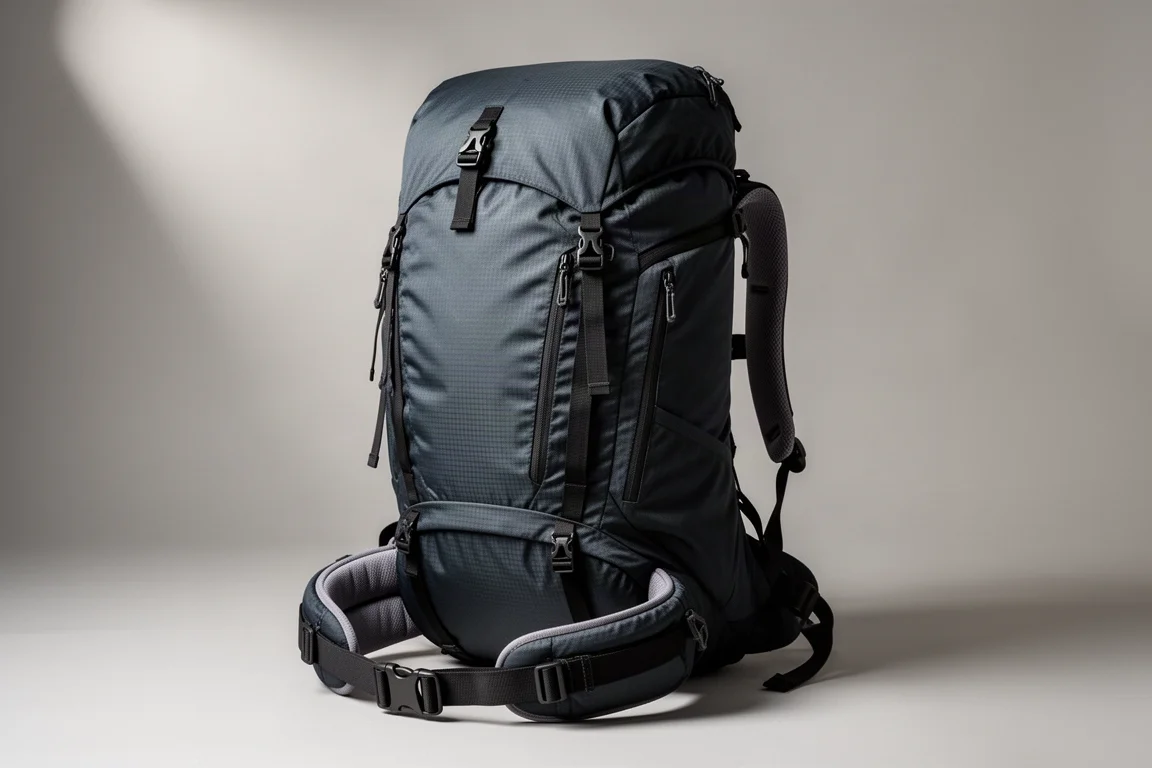
This pack has been in service for seven or eight years and remains the most comfortable pack in the loadout. It is large, it is heavy at over 5 lb, and it was expensive at around $500 at the time of purchase. It has also carried heavy loads with far less discomfort than anything else that has been used alongside it.
Two design decisions explain most of that. Every pocket is zippered rather than mesh, which keeps small items secure and holds up over years of abrasion. The suspension is built around an articulating hip belt that moves with the hips instead of fighting them, and that is what makes a heavy load feel manageable over long distances.
The obvious drawback is weight. At over 5 lb it sits well outside ultralight territory, and the plan is to add a second, lighter pack that can still handle a heavy load when a trip demands it. That does not make the Altra a mistake. It makes it a specialist.
The Shelter: Nemo Hornet Elite 2-Person Tent
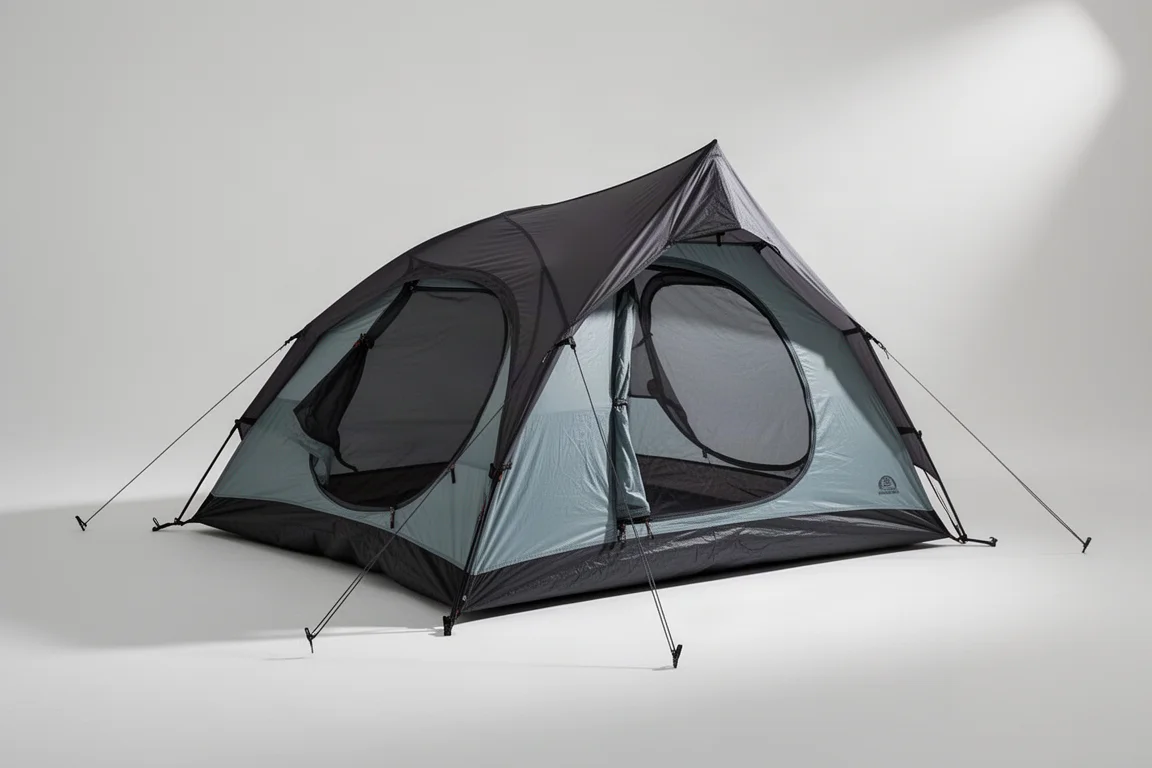
This tent was bought a couple of years ago to replace an older shelter whose zipper had failed. At the time it was the lightest two-person semi-freestanding tent on the market, and that still appears to be true.
It weighs right at 2 lb, which is remarkable for a tent that stands up with its own poles. The interior is genuinely cramped with two people inside, and yet two people sleep in it on almost every trip. That is the honest summary: it is a two-person tent in name and a very comfortable one-person tent in practice.
It cost around $500, and low weight is what that money buys. For backpackers who count grams, the trade is usually easy to justify.
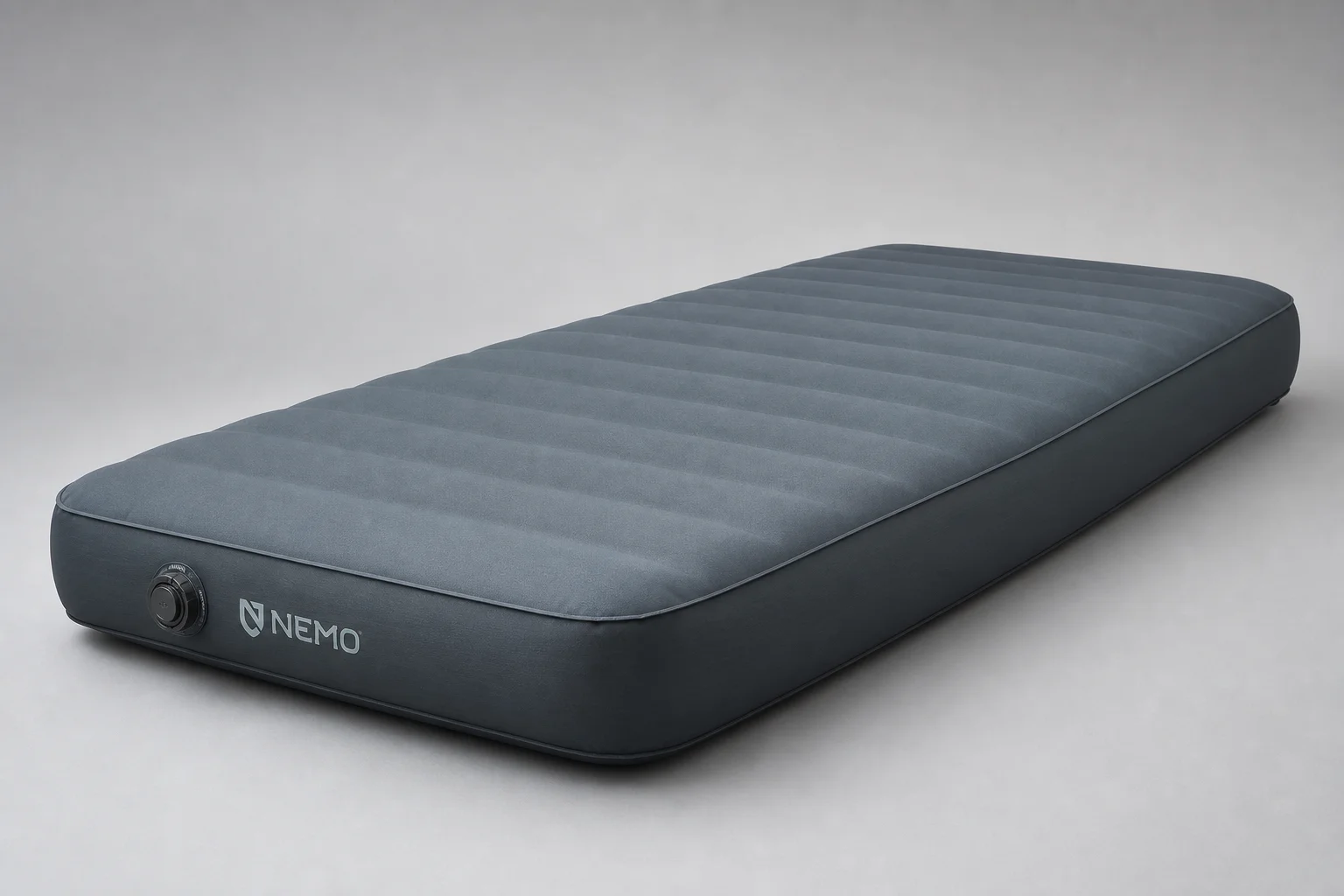
The Sleeping Pad: Therm-a-Rest NeoAir
This pad is roughly ten years old and was one of the first models sold under the NeoAir name, before the Xlite and Uberlite variants existed.
It still inflates, still holds air, and still sleeps well. That reliability is the entire reason it has not been replaced: there is no functional problem to solve.
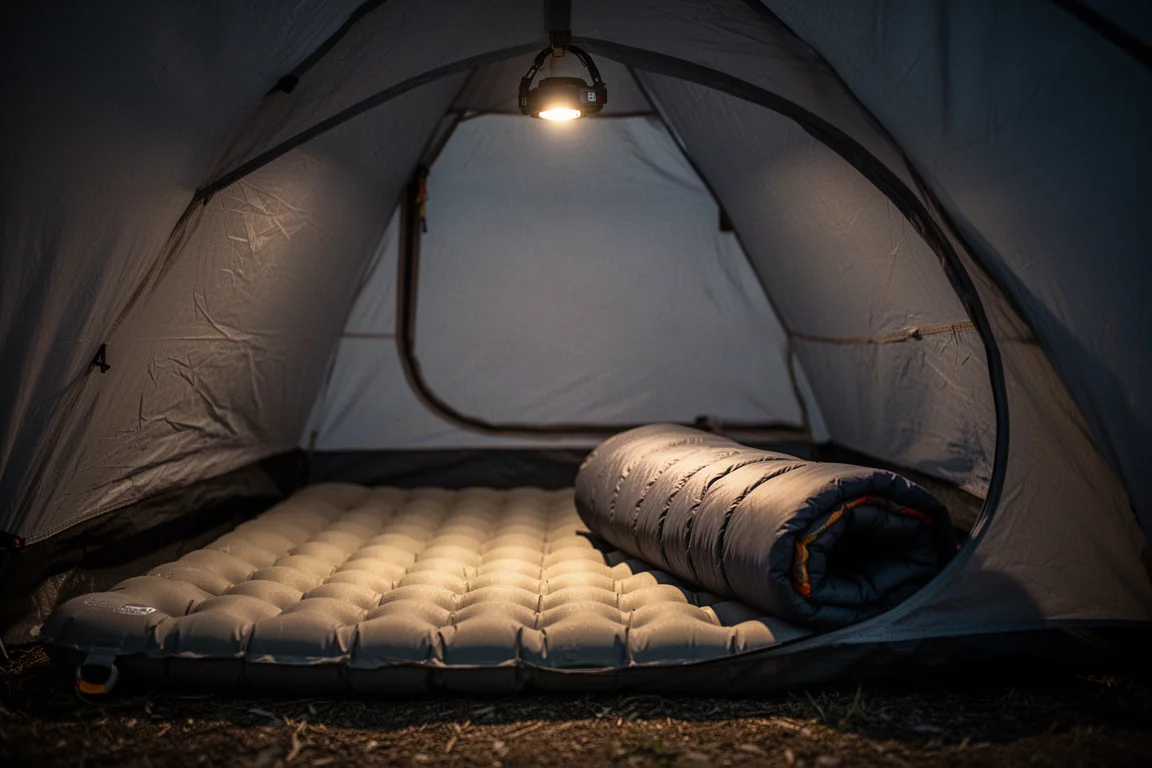
The trade-off is that it is an early design, and newer pads offer more insulation for the same weight. Even so, replacing gear that works is hard to justify, and this pad has given no reason to.
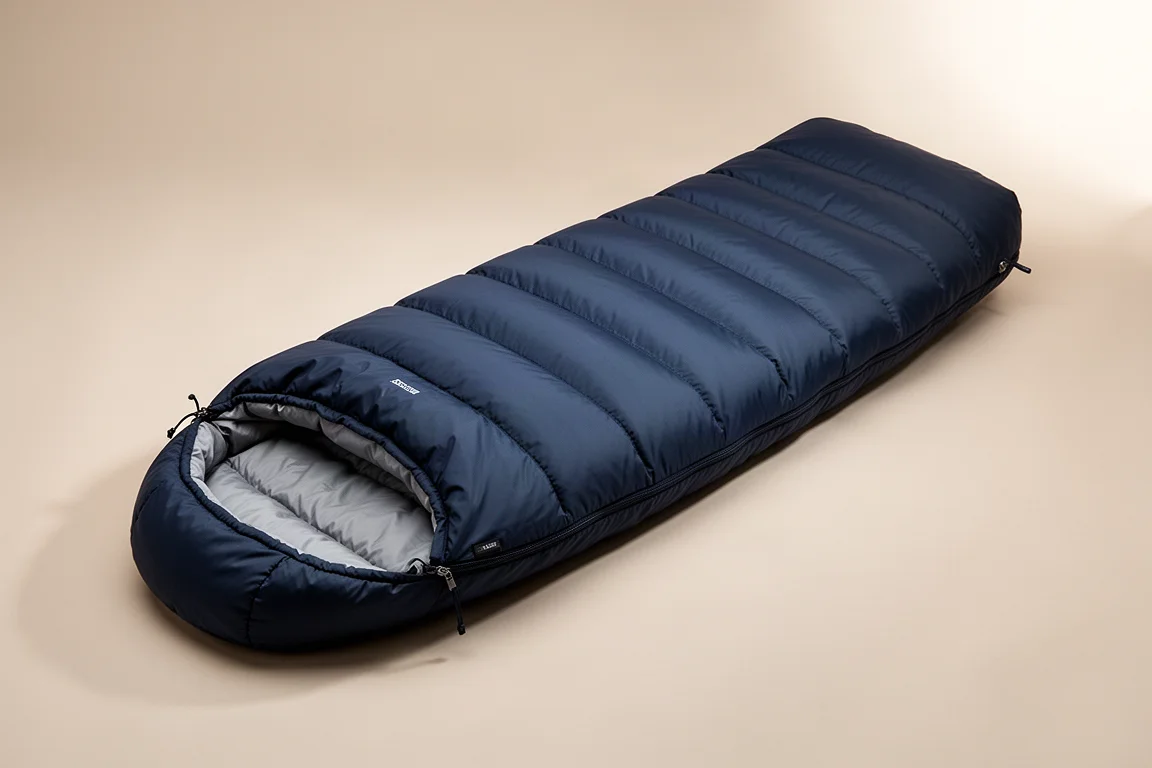
The Sleeping Bag: The North Face Eco Trail Down 20
This bag replaced a long-serving 20-degree down bag whose insulation had started to lose its loft. The replacement is a down bag that costs under $200, which puts it in a very practical part of the market.
Recycled materials were the main draw, and the down insulation delivers warmth without much bulk. It is the newest item in the sleep system, so it has less field time behind it than the pad or the tent.
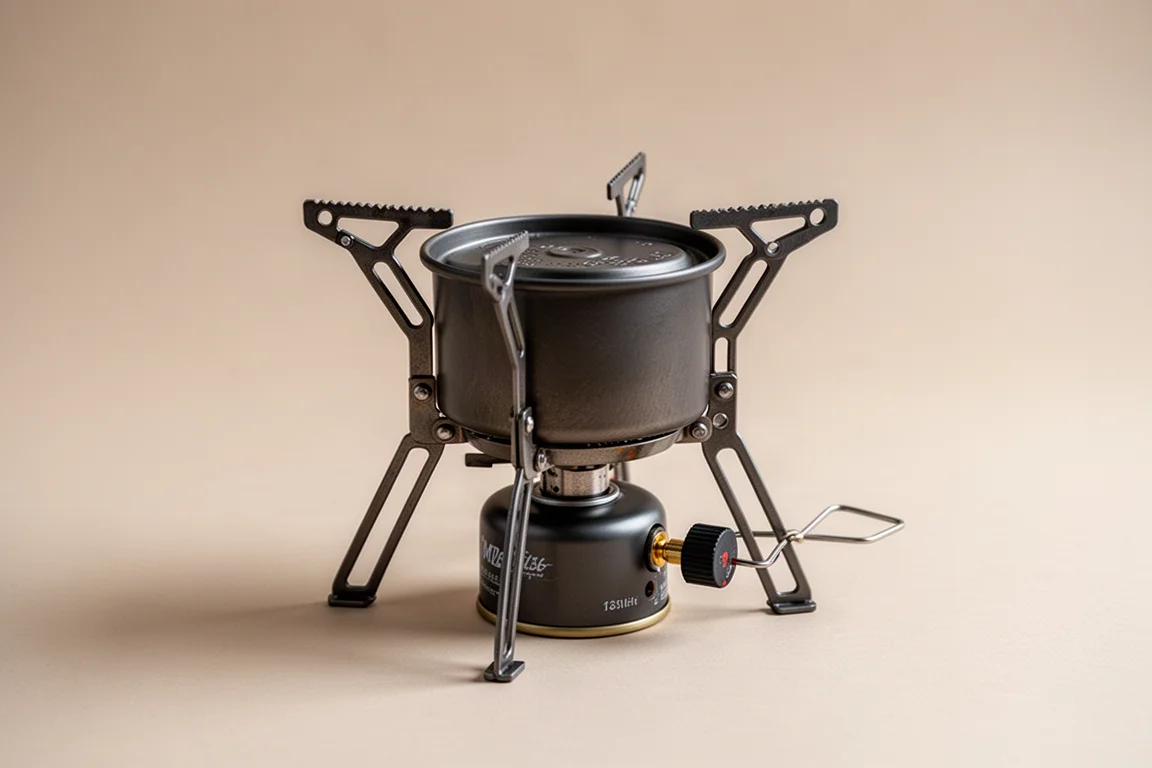
The Stove: MSR PocketRocket
This stove was picked up over a decade ago and still works well. It is lightweight, compact, and simple, which is most of what a backpacking stove needs to be.
The case is a small design win of its own: a mini lighter fits inside it perfectly, so ignition lives with the stove. A replacement would have to be genuinely impressive to earn a place in the pack.
The Water Filter: Katadyn Hiker
Four or more of these pump filters have been used over the years, and they have handled everything from solo trips to filtering for groups of about 14 people with one or two units running at once.
That group capability is the reason to choose a pump over a squeeze filter. It moves water quickly, it does not depend on a specific bottle thread, and it keeps working when the source is less than pristine.
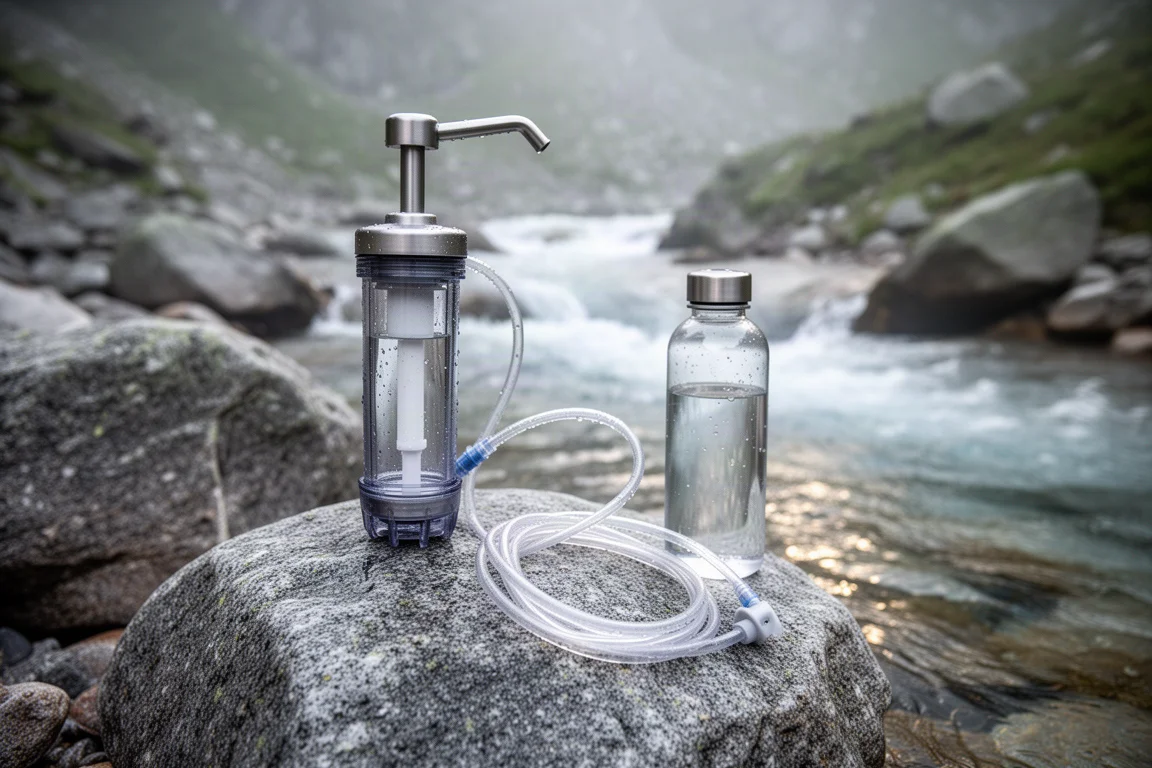
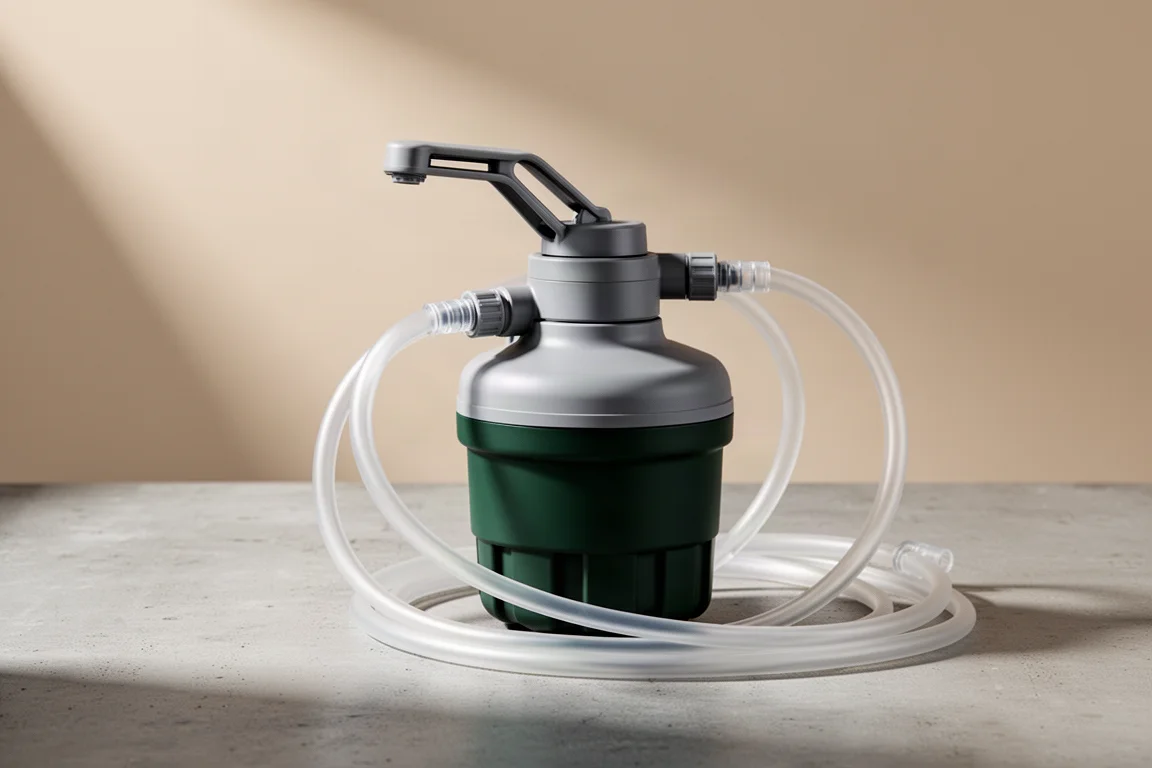
The trade-offs are real. It is not a squeeze filter, so it takes up more space and more effort than the alternatives many hikers now prefer. One early unit also developed a small pinhole leak on the side of the housing, which did not affect filtration at all but did spray water while pumping.
The First-Aid Kit: Adventure Medical Kits Ultralight Paddler
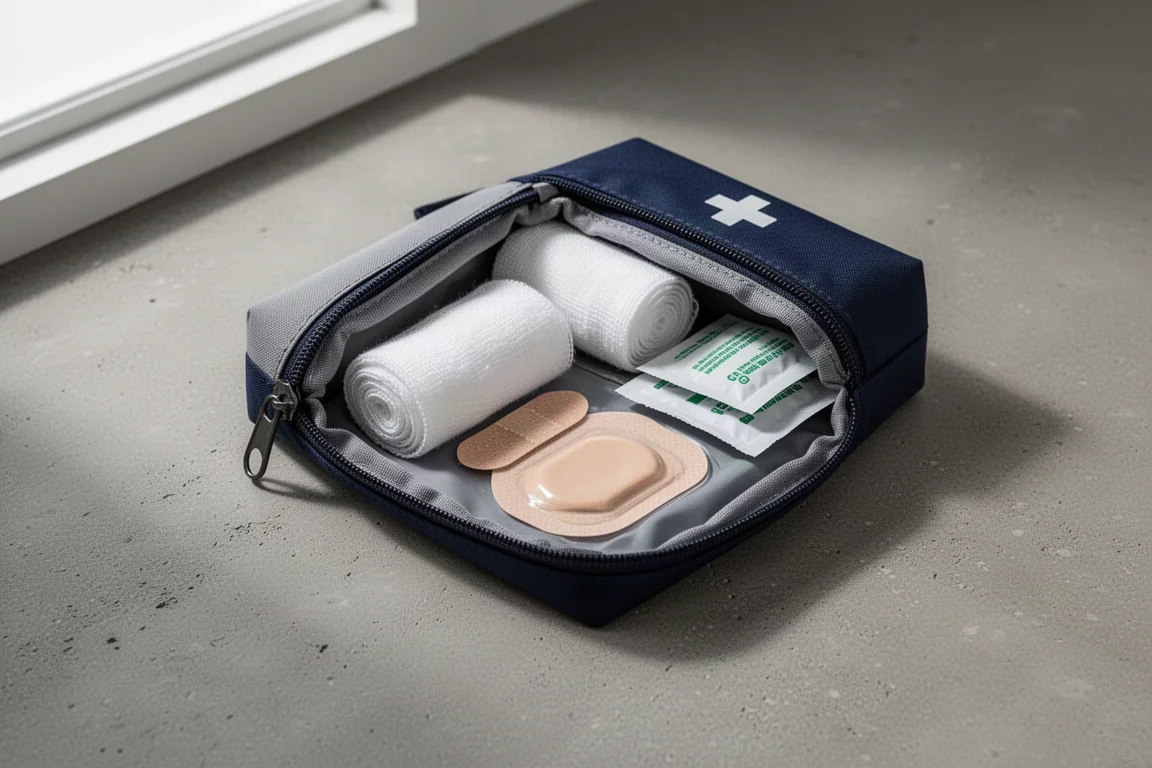
This is the oldest item in the loadout, in service for more than ten years. It was originally bought for kayak camping, which is how the backpacking kit started in the first place: overnight paddling trips needed gear that would fit through a kayak hatch, and the collection grew from there.
It has since gone on day hikes, overnight trips, and paddling trips, and its contents have been supplemented over time with moleskin and a few extras. In all those years, only bandages and a little pain relief have been needed. That is exactly what a well-chosen kit should look like.
The Rain Jacket: Montane Atomic Rain Jacket
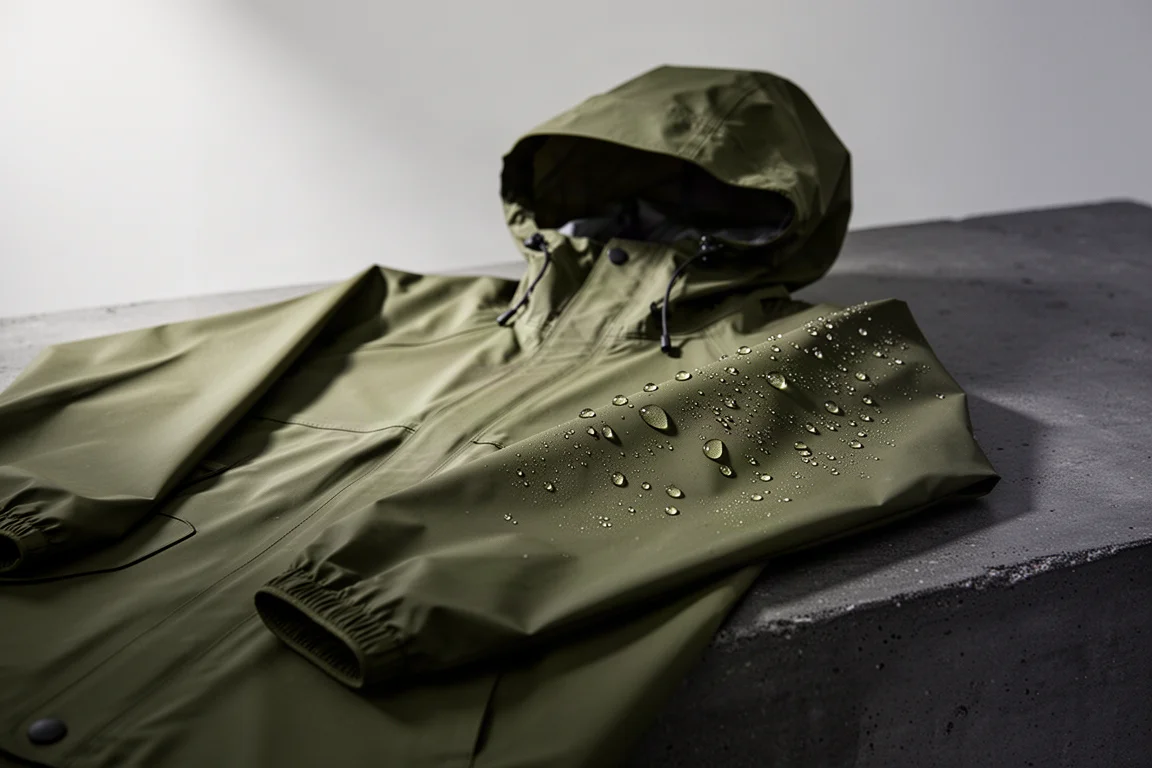
This is the go-to shell. It keeps rain out, it breathes well enough to wear while moving, and it has stayed dependable trip after trip.
It is a European model, which means the main zipper sits on the opposite side to most jackets sold in the United States, and some hikers consider it heavy for what it does. In practice, the protection has been worth the few extra grams.
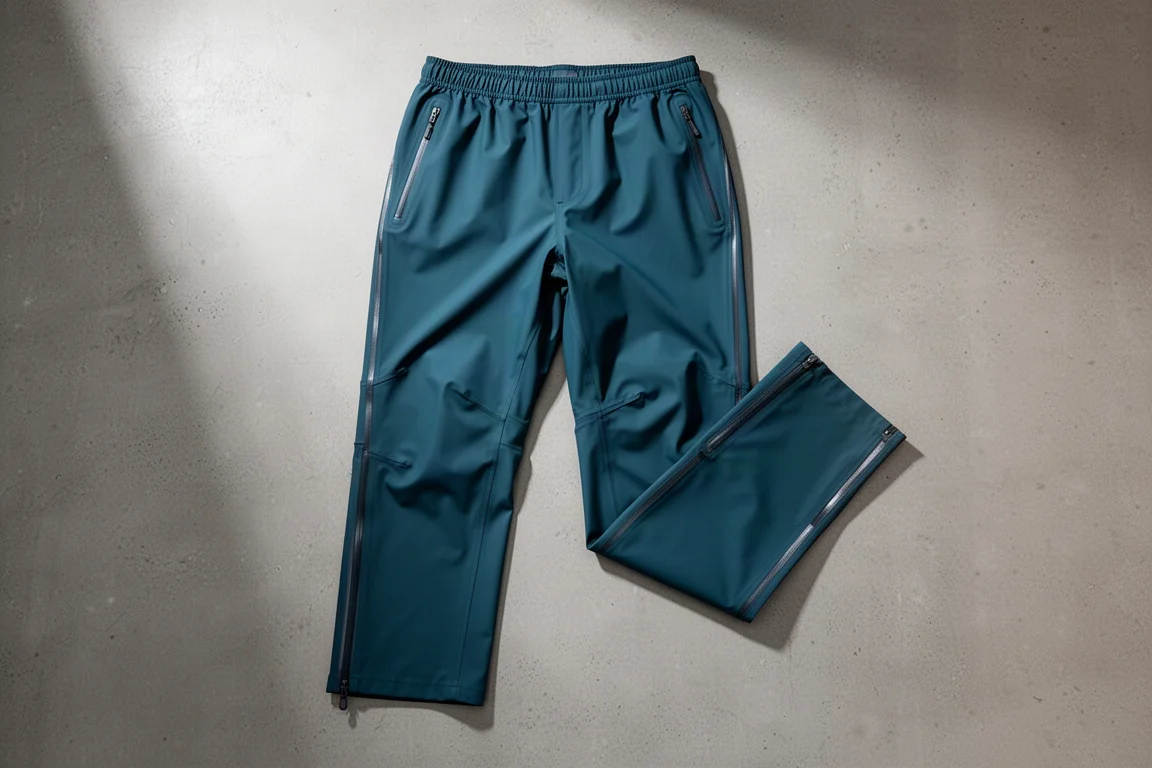
The Rain Pants: Montane eVent Rain Pants
These rain pants are exceptionally breathable and do the one thing that matters most in wet weather: they keep legs dry.
The feature that sets them apart is a long side zipper that runs all the way up to the upper thigh, so they can be pulled on and taken off without removing boots. That makes them useful in a way that most rain pants are not, and they double as an extra insulation layer when the temperature drops.
They are no longer available to buy new. Anyone looking for a substitute should prioritize breathability and full-length zippers, since those are the qualities that made these worth carrying in the first place.
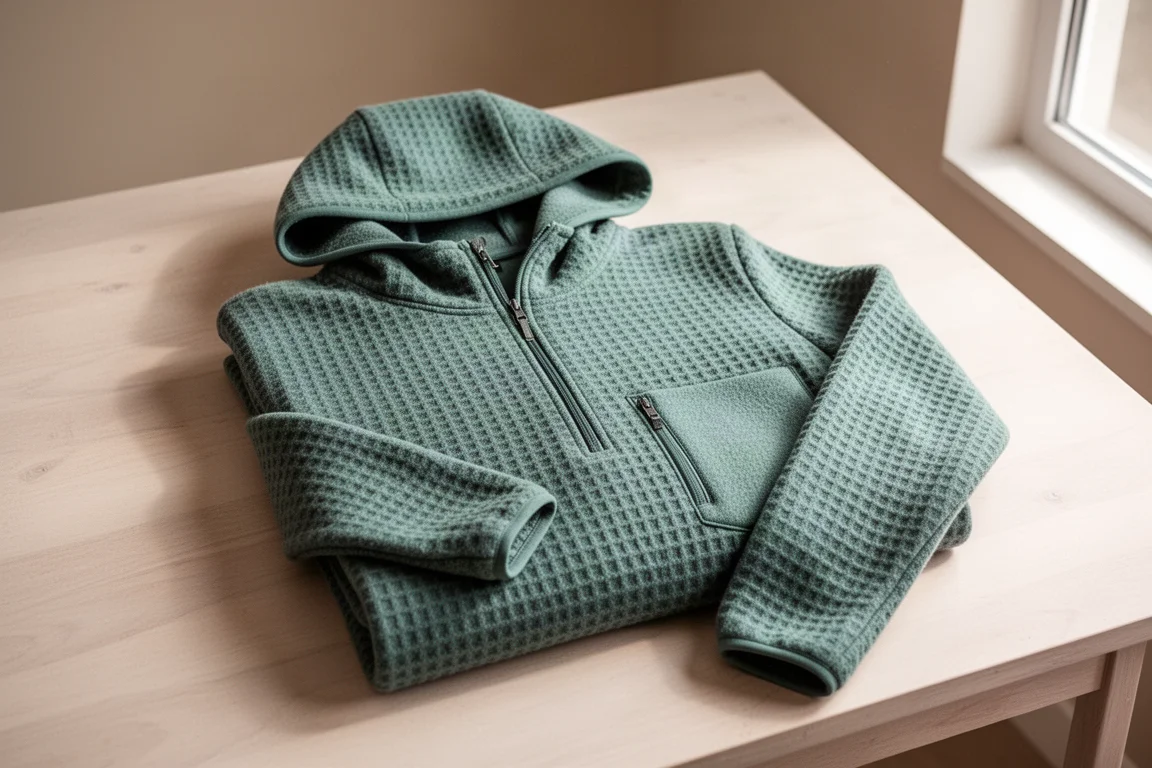
The Midlayer: Melanzana Micro Grid Fleece
Melanzana is a small cottage brand based in Leadville, Colorado, known for micro grid fleece pullovers and hoodies. The company sells in store only and does not offer online ordering, which has given the brand a devoted following rather than a mass market.
The grid fleece pattern is what makes these worth seeking out: it holds warmth while staying light and breathable, which is exactly the balance a midlayer needs. The hoodies have become common enough on trails that spotting one is a small event of its own.
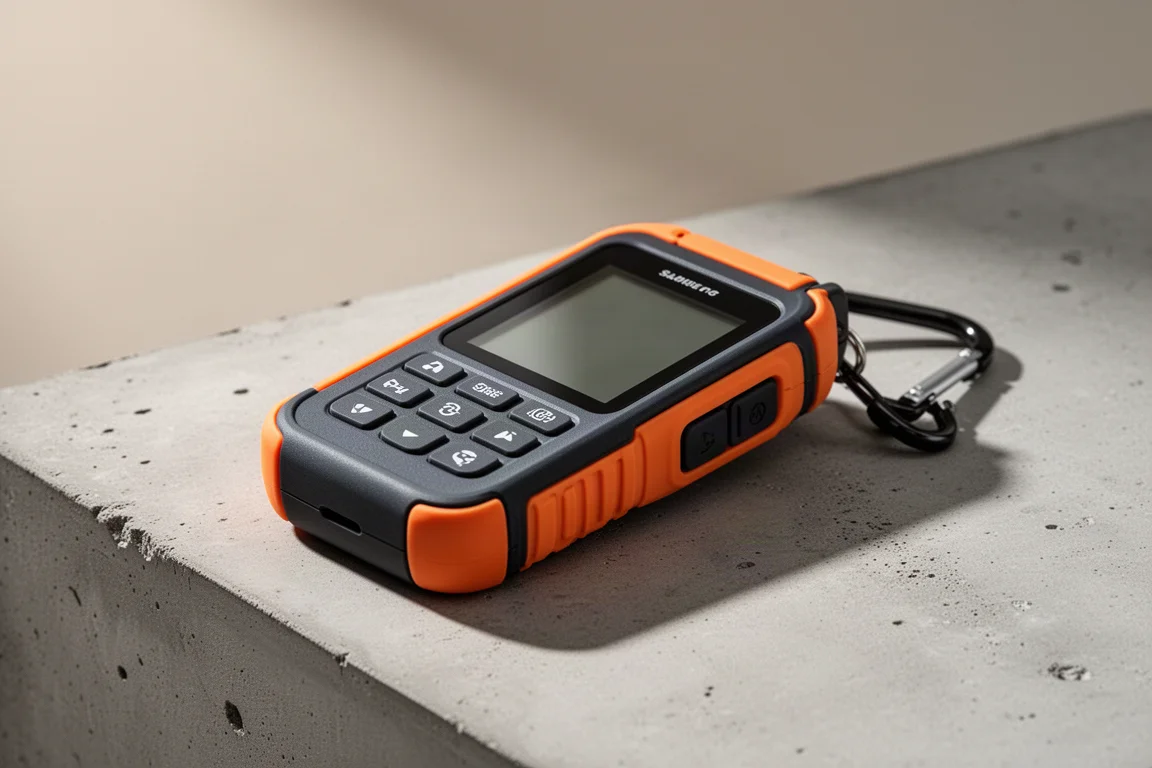
The Satellite Messenger: Spot X
Spot devices have been part of this kit since the second generation, and the Spot X is the current model in that line. It is the piece that turns a remote trip into a manageable risk rather than a gamble.
For routes far from reliable phone coverage, a dedicated satellite messenger remains the simplest way to stay reachable when something goes wrong. The trade-off is carrying one more device with its own charging routine.
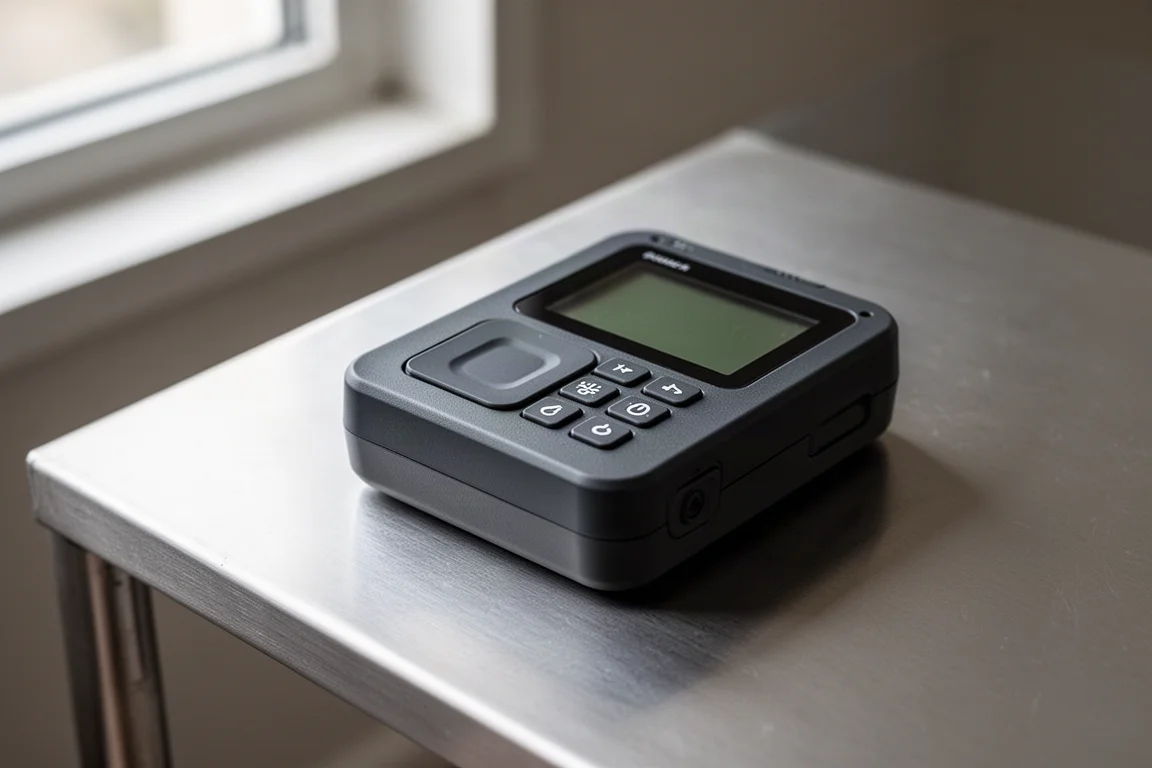
The Satellite Communicator: Zoleo
The Zoleo satellite communicator is currently being evaluated alongside the Spot X. It occupies the same role in a loadout: off-grid communication on trips where phone coverage ends.
Because it is still early in its time with this kit, there is not much long-term field experience behind it yet. It is worth watching, particularly for hikers who are comparing satellite options and want to see how the newer generation performs.
Other Items in the Pack
A few smaller pieces round out the loadout without needing much explanation. The cook set is a nonstick aluminum two-pot set that has been in use for over ten years, and its coating is finally wearing thin, though the small measuring cup that came with an earlier set is still along for the ride. A mini lighter lives inside the stove case. The water reservoir is an early wide-mouth design with a slide closure, and it has never leaked; it now runs a CamelBak insulated tube and a Hydrolink adapter that allows water to be pumped straight into the drinking tube without pulling the bladder out of the pack. There is also an ultralight pillow that turned out heavier and bulkier than expected, a second pillow that has developed a slow leak, and a lightly insulated jacket that packs down small and keeps the chill off. None of these are glamorous, and all of them have earned their space.
What to Upgrade First
If one item in this loadout is due for replacement, it is the pack. At over 5 lb it is the single heaviest piece, and the goal is a lighter option that can still carry a heavy load when a trip demands it, then strip down when it does not.
The rest of the kit argues for patience rather than a shopping spree. The pad is a decade old and still works. The tent and the sleeping bag already sit in sensible weight brackets for their price. The rain pants cannot be replaced directly, so any substitute should be judged on breathability and full-length zippers rather than on brand or color.
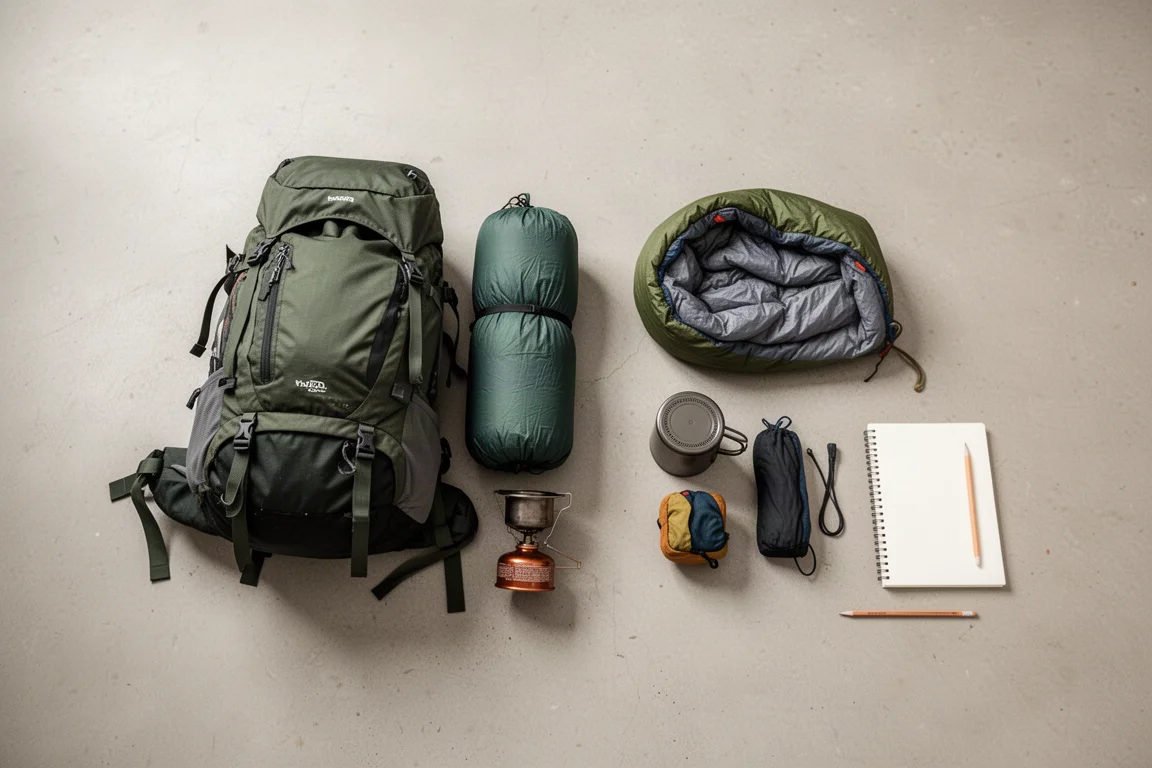
Budget matters here as much as weight. The sleeping bag shows that a down bag under $200 can hold its own, while the pack and the tent show what a $500 outlay buys in comfort and weight savings. The useful question is not which item is the most expensive, but which item is currently costing the most in discomfort or in unnecessary carried weight.
Conclusion
Gear choices are personal, and this loadout is a snapshot of one set of priorities: comfort under load, weather protection that actually works, and a willingness to keep using something until it stops doing its job.
That approach has produced a kit that weighs just under 20 lb with everything included, and a handful of items that have lasted a decade or more. Some of it is now ready to be retired in favor of lighter options, which is a natural next step rather than a correction. If there is one takeaway, it is that the best gear is usually the gear that has already proven itself, and that replacing it is a decision worth making slowly.
Further reading
Related Reviews

Backpacking Gear
Building a 10 lb Base Weight: An Ultralight Backpacking Gear List
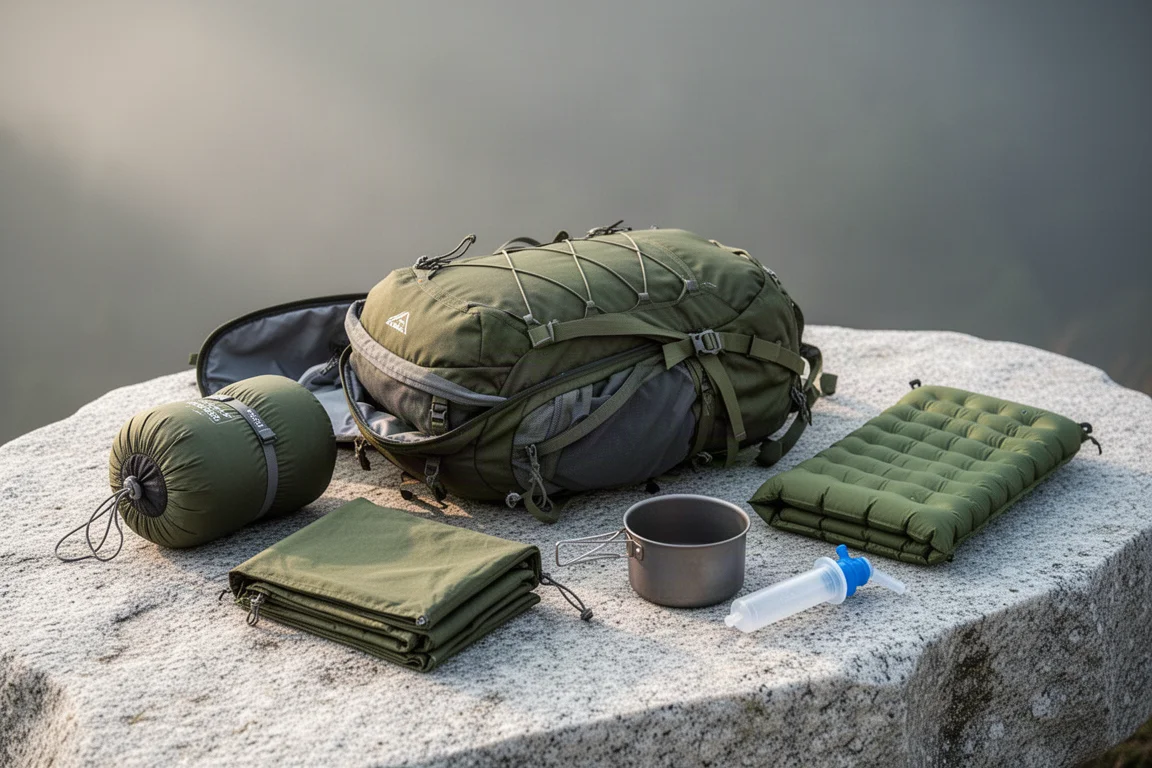
A practical walkthrough of the ultralight pieces behind a 10 lb base weight, from a 765 g pack and a roomy one-person tent to a full camp chair and a dependable water filter.
Backpacking Gear
A 15-Pound Lightweight Backpacking Gear List for Solo Trips
A beginner-friendly 15-pound backpacking setup built from easy-to-find gear, with notes on what each piece does, how it packs, and where to spend your attention.
Backpacking Gear
8 Ultralight Backpacking Gear Upgrades Worth Carrying
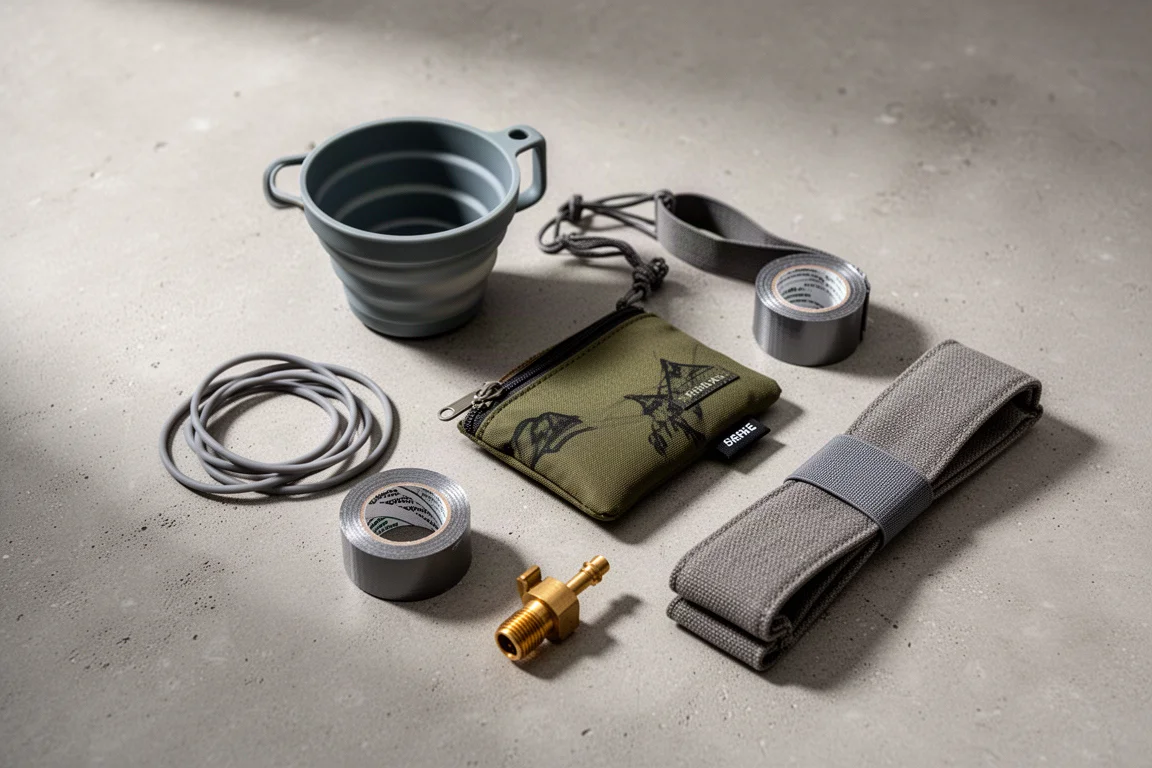
Eight small, affordable backpacking upgrades that solve real trail annoyances, from a pillow that stays put to a fuel valve that rescues leftover canister gas.