Hi-Fi Audio
Live U DAC Review: A Compact R2R Converter With High-End Build Quality
The Live U DAC pairs exceptional CNC aluminium build quality with a warm, forgiving R2R character, plus a few practical caveats worth knowing before you buy.
Introduction
Compact converters usually ask you to accept a list of compromises: a lighter chassis, a simpler layout, and a sound that feels like a scaled-down version of something better. The Live U DAC, an R2R digital-to-analog converter priced at around $1,000, takes a different route. It keeps the footprint small while pushing materials and construction well beyond what its price suggests, and it has already earned enthusiastic feedback from owners who value an inviting, warm presentation.
That combination is unusual enough to deserve a careful look. This guide covers how the U DAC is built, how it sounds, where it falls short, and how to get the most out of it.
Who This DAC Is For
The U DAC is aimed at listeners who want the classic R2R virtues: strong layering, pinpoint imagery, a spacious stage, and a tonality that carries a touch of warmth. It is detailed and nuanced without becoming bright or aggressive, which makes it an easy companion for rock, jazz, R&B, and classical listening alike.
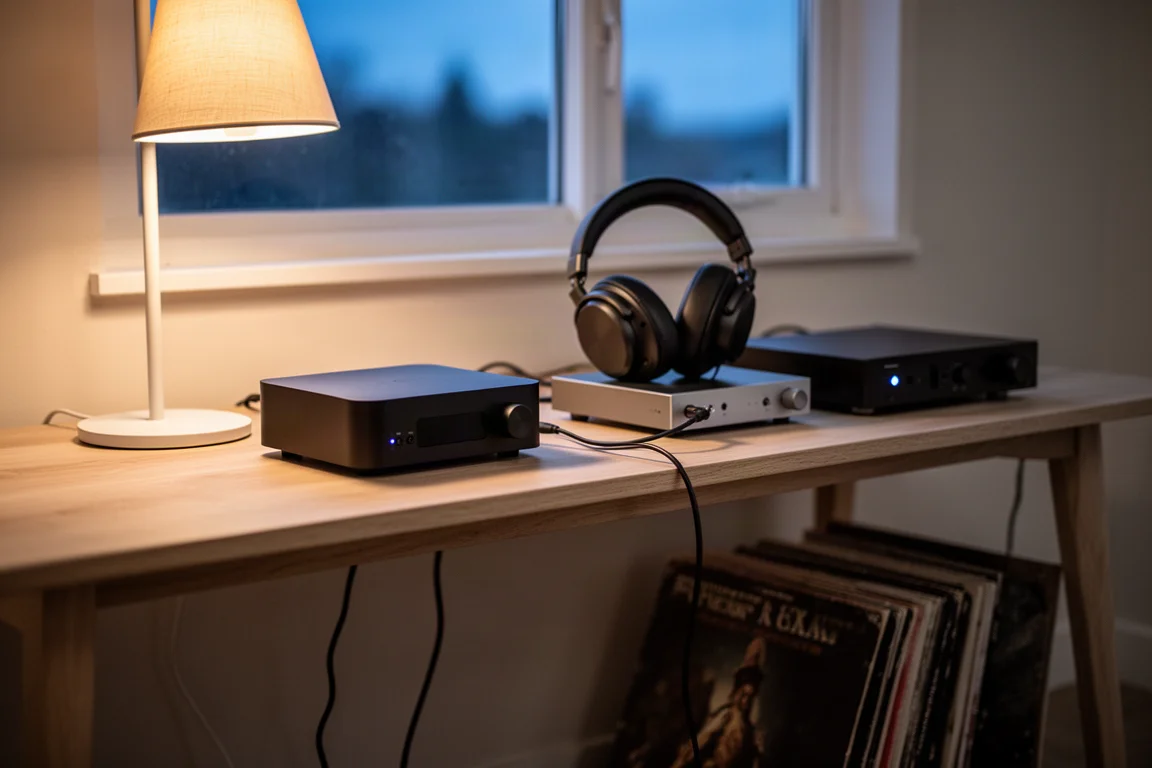
Its size also makes it a natural fit for a compact desktop system, a nearfield setup, or a headphone rig where a full-width chassis would be impractical. The shorter signal path that comes with a smaller design is part of the appeal rather than an apology.
One practical point shapes the buying decision: the U DAC offers a single analog output, and it is balanced XLR. There is no RCA output. Listeners with single-ended systems need the dedicated converter offered for the unit, because generic adapters can measurably hold the DAC back from its best performance.
If you already run balanced cables, none of that is a problem, and the compact size, the warm character, and the build quality line up neatly with what a small, high-quality system needs.
Build Quality and Design
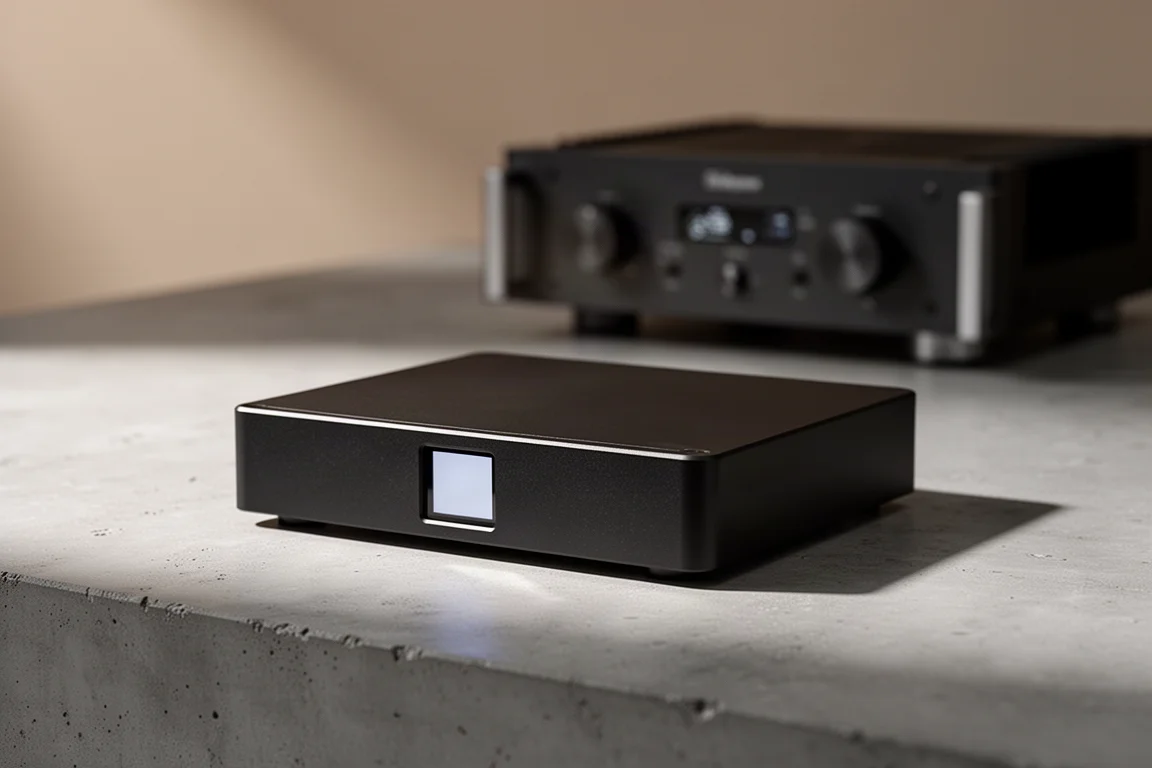
Build quality is the first thing that stands out. The packaging and presentation are among the best in this price bracket, the sort of unboxing that sets expectations before the unit is even powered on. The chassis itself is CNC machined aluminium with tight tolerances and a matte black finish that looks elegant from every angle.
Inside, the layout is equally tidy: a clean board, quality parts, and the R2R network that gives the converter its character. The tolerances and the finish are the kind usually associated with far more expensive separates rather than a compact unit at this price. The matte black industrial design is understated and confident, and the unit feels substantial in the hand despite its modest dimensions.
There is a practical benefit to the smaller format as well. A compact chassis naturally means a shorter signal path, and the value proposition holds up because the quality is visible and tactile on the outside and consistent on the inside.
Sound Quality and Character
The U DAC delivers the traits listeners expect from a well-executed R2R design: layering, focus, imagery, and a real sense of spaciousness, all wrapped in a warm and forgiving tonality. It is slightly less warm than the Live Harmony DAC, and noticeably warmer and more forgiving than the current direction of Denafrips designs, which have moved toward a leaner, airier, more detail-forward presentation.
That places the overall tonality between those two references. Compared with the Harmony DAC, the U DAC sounds a little more airy and a touch more detailed, while keeping the same house character: detailed, nuanced, smooth from top to bottom, and never fatiguing. It is neutral and balanced with a hint of warmth, resolute without ever sounding bright or aggressive, and forgiving of less than perfect recordings.
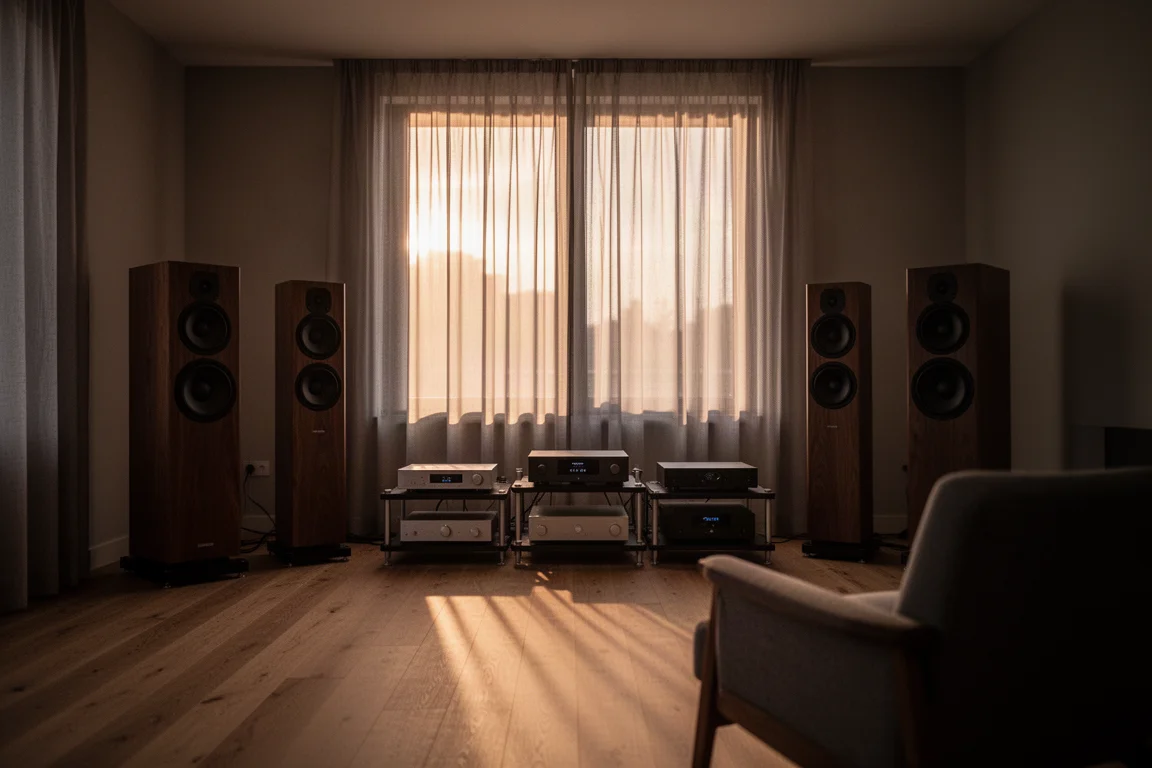
A direct comparison with the tube output stage of the Shanling SCD 3.3 is instructive. The SCD 3.3 sounds fuller and slightly warmer, and its tube stage makes the soundstage more holographic, placing performers more convincingly in the room. The U DAC answers with more pinpoint imaging, an exceptionally spacious stage, a blacker background, and greater clarity and transparency. Neither approach wipes the floor with the other; they simply prioritise different things.
One characteristic is worth knowing before you buy. With the supplied power supply, the stage can sound lean even though the tonality stays warm. That is not the usual bright-and-thin trade-off, since it keeps the nuance and detail while leaving the imagery a little less full-bodied than some listeners prefer. Whether that reads as a strength or a limitation comes down to taste.
Power, Connections and Controls
The U DAC does not have an internal power supply. It relies on an external unit, and the one included in the box is the weakest part of the package. Upgrading to a better supply, such as an S Booster, adds body and weight to the sound, and the improvement is easy to hear even if it does not fully close the gap with a fuller-sounding reference.
Because the chassis is small and light, it can be nudged off balance by thicker cables or by having several connections populated at once. That is a minor annoyance rather than a flaw, but it is worth planning for on a crowded desk or rack shelf.
The front panel display is another point of personal taste. It is pixelated and has an early-2000s feel, which sits oddly against the otherwise refined design.
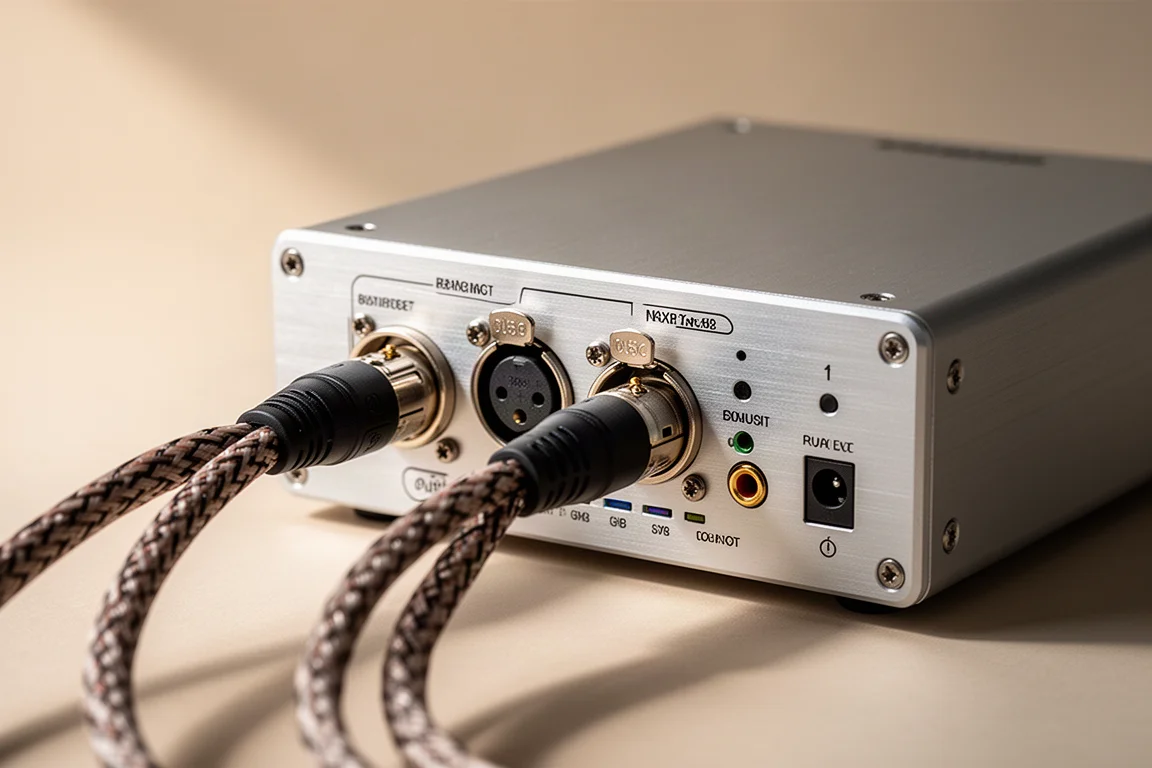
On the connection side, the digital inputs are plentiful, including I2S, while the analog output is limited to balanced XLR. Listeners who need RCA should use the manufacturer’s dedicated converter rather than a generic adapter, because the difference in measured performance is real.
For most desktop and hi-fi systems the input selection is more than sufficient, and the balanced output is the higher-quality path in any case.
Getting More From the U DAC: Upsampling and Sources
Two adjustments meaningfully change what the U DAC can do. The first is its oversampling mode, which upsamples everything to 768 kHz. It sharpens the things the converter already does well: airiness, pinpoint imagery, resolution, background blackness, and staging. The trade-off is that the sound can become slightly more fatiguing, and the unit becomes a little less forgiving of poor recordings.
Combining a better external power supply with oversampling produces the biggest shift. The presentation becomes fuller and less lean, more spacious, and smoother from top to bottom, edging close to the character of the Live Harmony DAC.
The second factor is the source. The I2S input is rated for DSD 256, a deliberately conservative figure, and it will handle DSD 512 with the right partner. Feed it DSD 512 from the wrong component and the signal can cut out, which is exactly why the published rating stays lower.
A transport with a strong built-in upsampling engine gets the most from the converter. A Shanling CT-90, at roughly the same price as the U DAC, can upsample all the way to DSD 512 and 768 kHz, and its internal engine sounded better than the converter’s own oversampling in a direct comparison. The two together make a compelling combination at around $2,000. The catch is that the CT-90 cannot play SACDs, so listeners with an SACD collection need a player such as the SCD 3.3 instead.
For listeners who prefer streaming, a network player capable of native DSD playback up to DSD 512 makes a clean partner and, in a direct comparison, delivered more musicality than the Eversolo DMP-A8. Trying DSD 256, DSD 512, and 768 kHz costs nothing and is the simplest way to find the setting that suits your system.
Things to Consider Before Buying
The U DAC is a strong package, but a few details are worth weighing against your own system before you commit.
- The supplied external power supply is the clear weak link, and a better one is a sensible part of the budget.
- The light chassis can shift when heavier cables are connected.
- The pixelated display may not match the otherwise premium look.
- Balanced XLR is the only analog output, so RCA users need the dedicated converter.
- With the standard supply, the stage is leaner than some listeners will want.
- Oversampling adds refinement but is less forgiving of poor recordings.
Buying Advice
The U DAC is easy to recommend to listeners who want a warm, inviting, highly detailed R2R converter in a compact chassis, especially those who already use balanced connections and are willing to invest in a better power supply. The materials and construction exceed expectations at this price, and the sound holds up against converters costing considerably more.
If your system is single-ended, add the cost of the dedicated XLR-to-RCA converter to your budget before deciding. If you listen mostly to standard discs and want to feed the converter the highest-resolution signal possible, a transport with a strong upsampling engine is the more flexible partner. If you have an SACD collection, that requirement changes the choice.
Spend some time with the oversampling options. The differences are subtle but cumulative, and the setting that suits one system is not automatically the right one for another.
Conclusion
The Live U DAC makes a strong case for itself. It brings R2R layering, pinpoint imagery, and a spacious, warm, forgiving character together in a compact, beautifully built chassis, and it holds up in comparisons with considerably more expensive converters. Its limitations are real but specific: the stock power supply, the lightweight chassis, the pixelated display, and the XLR-only analog output.
Listeners who plan around those points, with a better power supply and a well-matched digital source, get a converter that performs far above its price. At around $1,000, that is a persuasive combination.
Product link
View more details for Live U DAC
This product is mentioned in the review. Check the specifications, options, and compatibility before buying.
View more details for Live U DACFurther reading
Related Reviews
Hi-Fi Audio
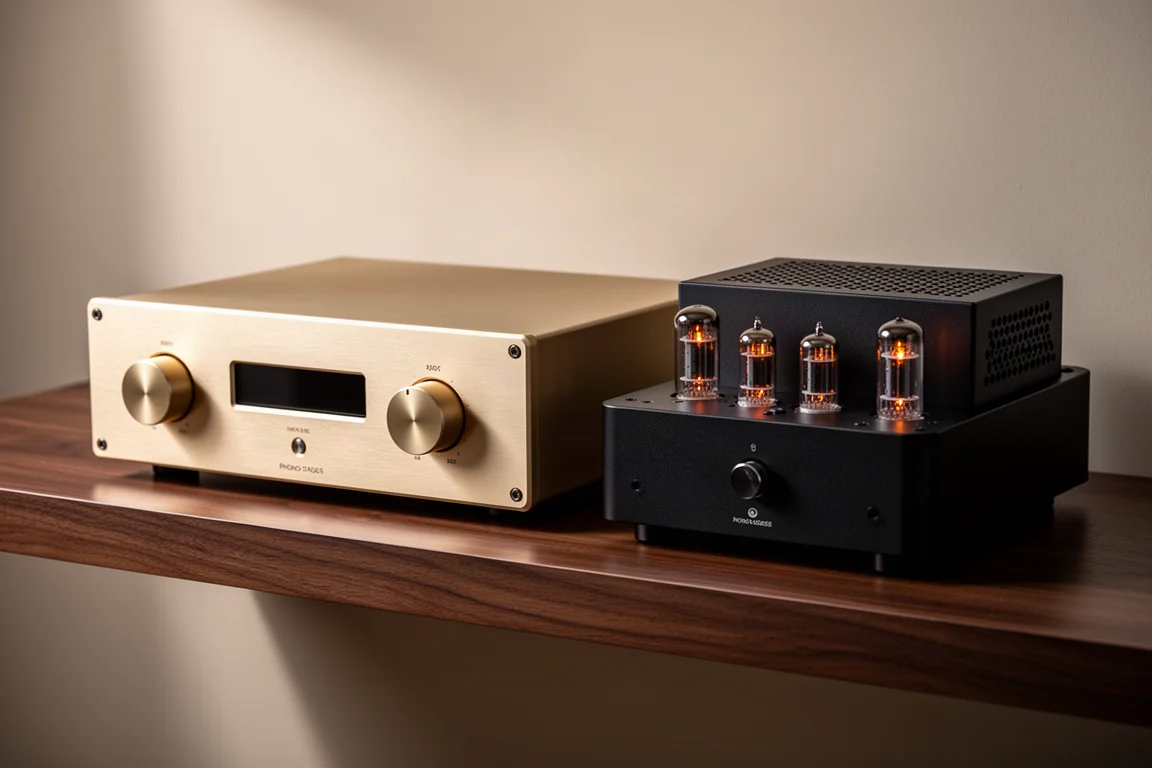
Accuphase C-57 vs Allnic H-7000V: Two High-End Phono Stages Compared
A fully balanced solid-state phono stage with a pitch-black noise floor meets a tube design built for well-loved records. Here is how to choose between them.
Hi-Fi Audio
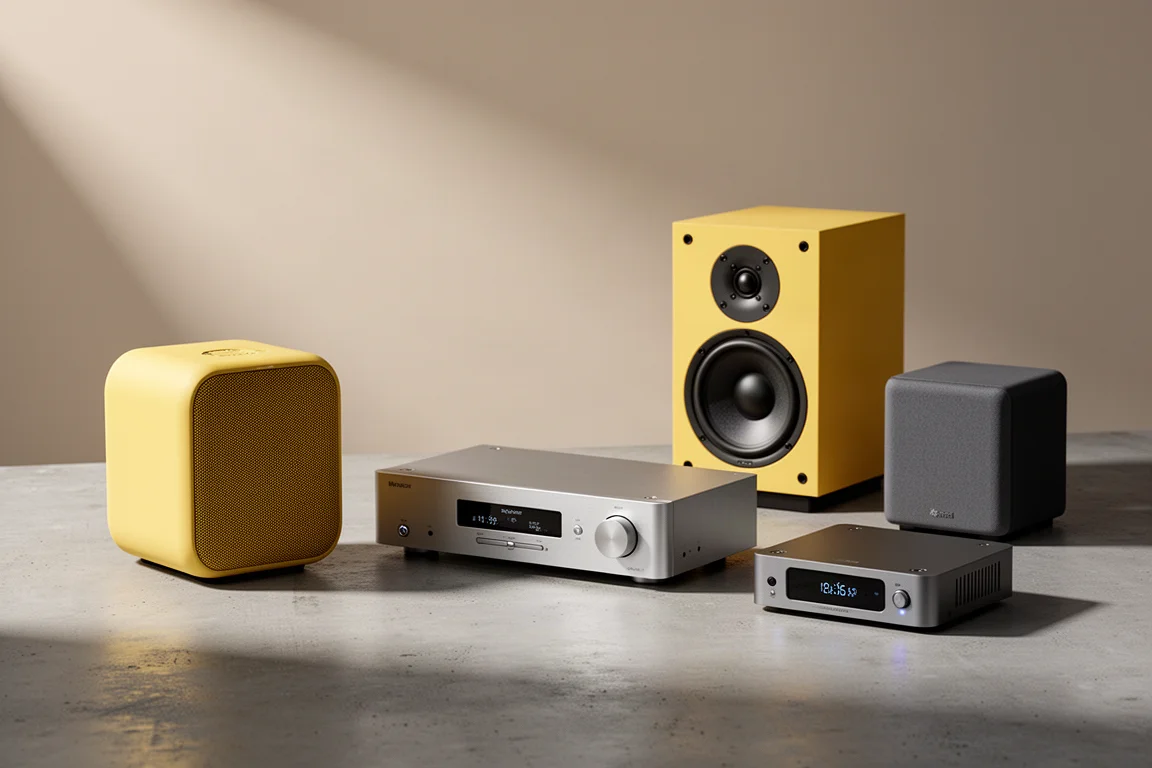
Active vs Passive Hi-Fi: Five Components for a Modern System
Five components that define modern active and passive hi-fi systems, with the strengths, trade-offs and setup details worth weighing before you buy.
Hi-Fi Audio
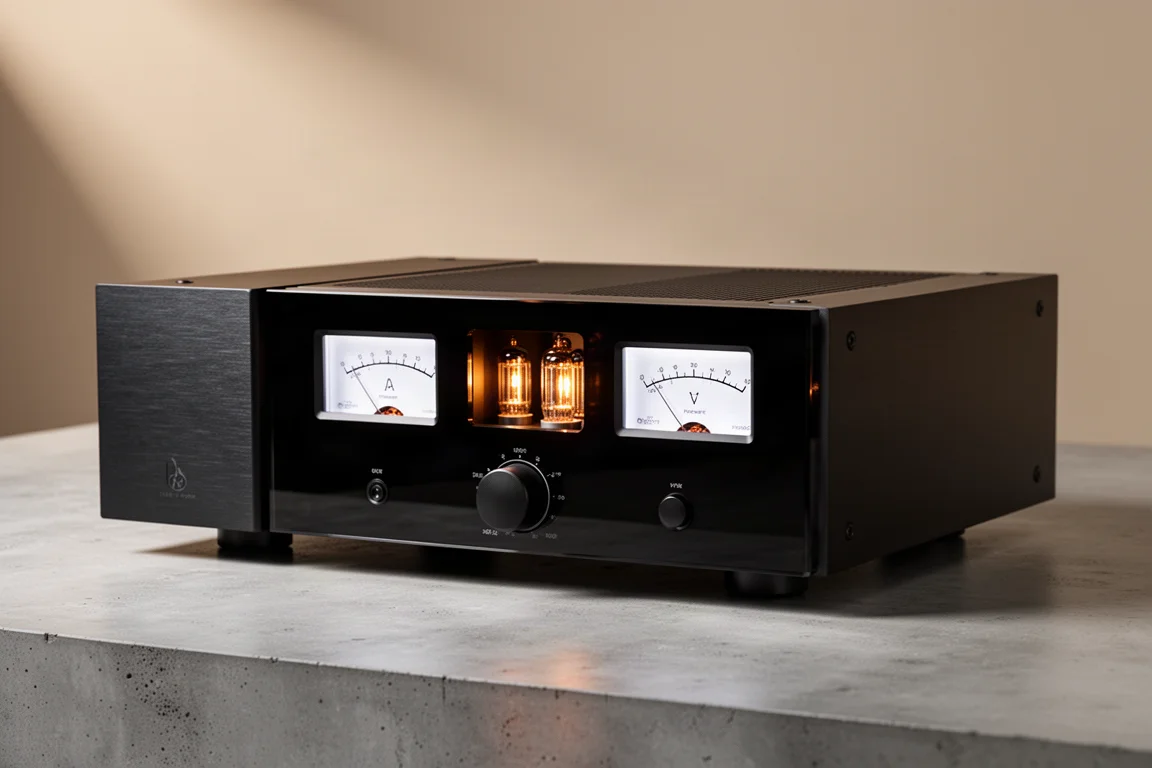
Advance Paris A10 Apex Review: A Hybrid Integrated Amplifier That Covers a Lot of Ground
A French hybrid integrated amplifier with a class A tube preamp stage, analogue power meters, and an internal DAC and phono stage good enough to make extra boxes unnecessary.