Sleeping Pads
Littour Sleeping Pad Review: A Sub-500g Winter Mat With an R Value of 5.8
A lightweight insulated sleeping pad with a 5.8 R value, a tiny packed size, and a price that undercuts the premium winter mats it competes with.
Introduction
Winter backpacking usually forces a trade-off. Warmth and comfort sit on one side, weight and pack volume on the other, and most mats make you choose which one you are willing to give up. The Littour Sleeping Pad is an attempt to bend that curve, and on paper it does so convincingly.
It carries an R value of 5.8 and is rated for conditions down to around -20°C, yet it weighs roughly 467 g and packs down to about 18 cm by 10 cm. That is only a little larger than a standard 440 ml drinks can. For a mat intended for deep winter use, that combination is unusual.

Price is the other headline. At £129 for the R 5.8 version, it sits well below the premium winter mats it clearly takes its design cues from, while using a comparable reflective construction. The R 3.5 version of the same pad is listed at £95.
Who This Sleeping Pad Is For
This is a mat for backpackers and wild campers who keep going through the colder months and want a single pad that covers winter without adding bulk or weight to the pack. If your trips run from late autumn into early spring, or you camp on exposed ground where the cold comes up through the floor, the insulation rating is the part that matters most here.
It is also a sensible option for anyone who has been put off by the cost of the established deep winter mats. The Littour pad is a fraction of the price while offering a similar shape, thickness, and reflective layer.
The one thing worth thinking about before you buy is your sleeping style. The version tested is the mummy cut, which tapers towards the feet. Sleepers who stay fairly still through the night will be perfectly happy with it. Anyone who rolls around a lot should look at the rectangular version instead.
Main Strengths: Warmth, Weight, and Packed Size
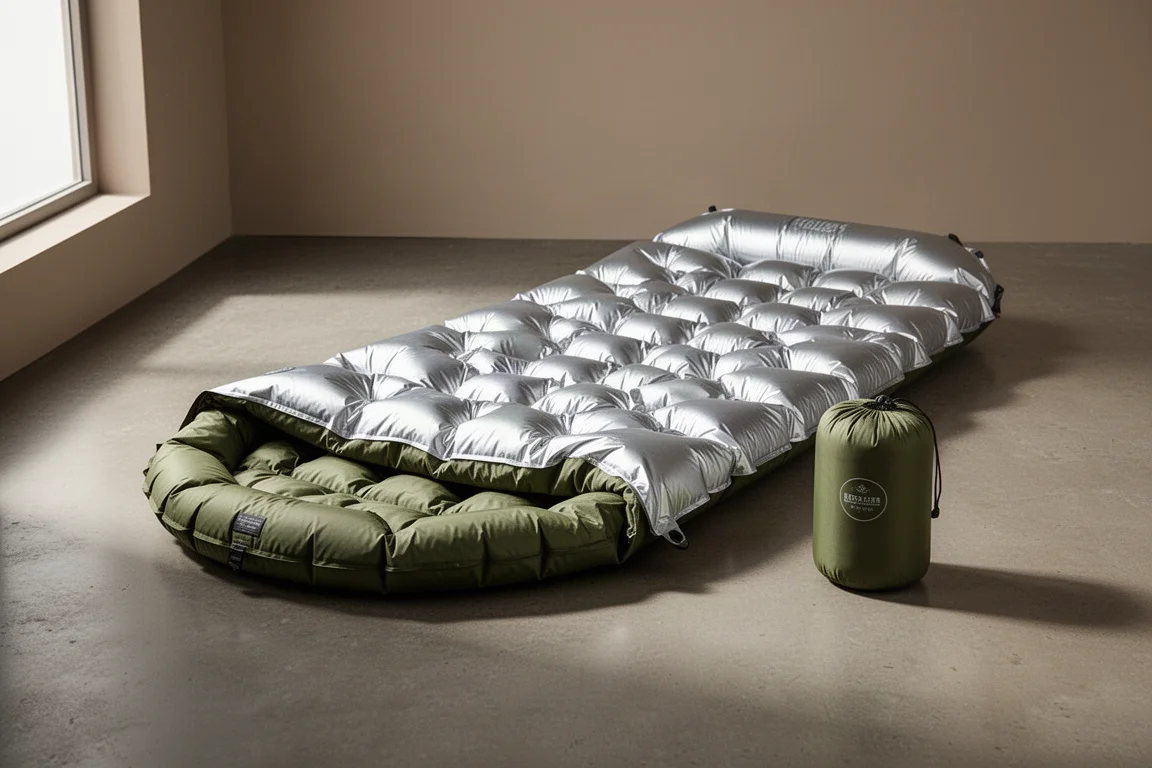
The headline figure is the R value of 5.8. That places the pad firmly in deep winter territory rather than the three-season middle ground, and the brand lists certification to back up the rating. Inside, a foil layer runs between the air pockets, trapping warmth and reflecting body heat back up rather than letting it drain into the ground.
The measured weight of about 467 g is the second strength. Staying under 500 g on a mat rated for this level of insulation is genuinely rare, and it changes what a winter pack can look like. Combined with the 18 cm by 10 cm packed size, the pad disappears into a rucksack instead of dictating how it is packed.
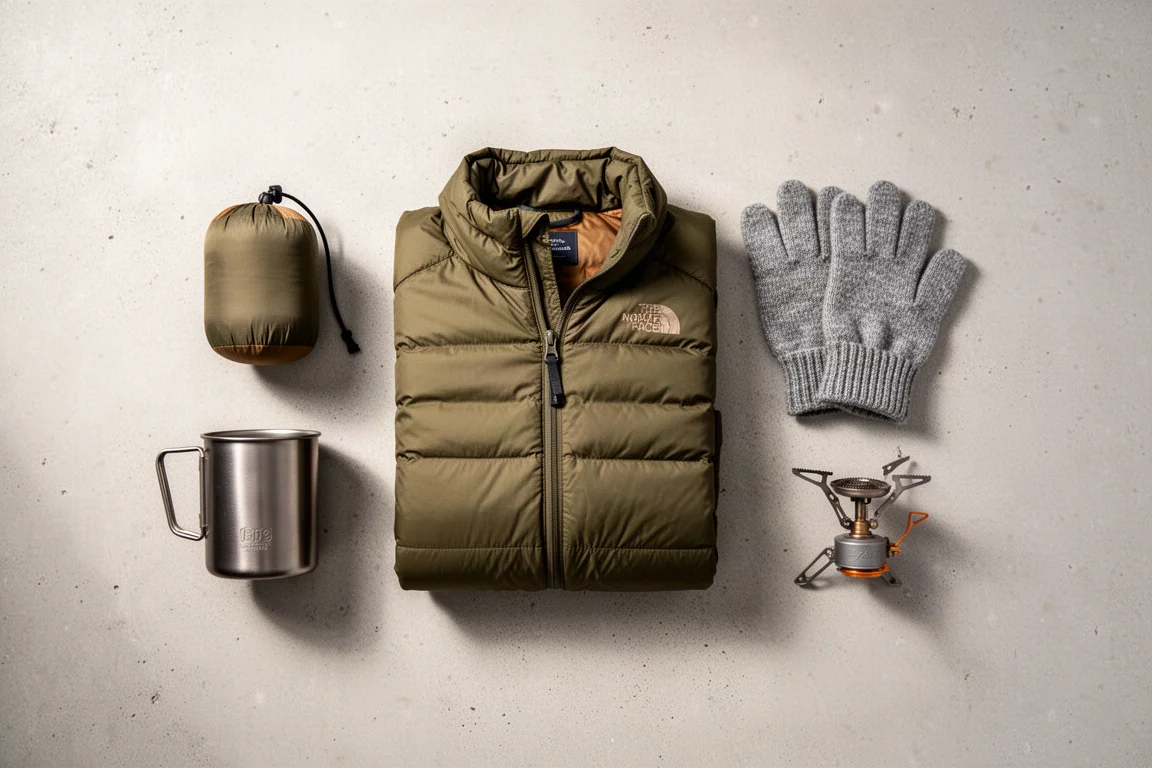
In cold-weather use on several nights, the insulation held up as expected. There was no noticeable cold seeping through at the back or the front, which is the practical test that matters more than any number on a spec sheet.
Build, Shape, and Valve Details
The pad is finished silver on the top surface and green underneath, which makes it easy to orient correctly in a dim tent. At 7 cm thick it offers a reasonable amount of cushioning, well clear of the thin mats that feel like sleeping on a sheet of foam.
Dimensions are 183 cm long and 58 cm wide at the widest point on the mummy version. The valve uses a non-return design, so air does not escape while you are inflating it, and it works with a small pump as well as by mouth. Pumping the pad up firm is worth the extra effort: a fully inflated mat is noticeably quieter and it fills the sleeping bag properly, giving you the full width and length the pad is capable of.
Comfort, Noise, and Real-World Winter Use
Once it is fully inflated, this is a quiet mat. The surface is made up of small cushioned air pockets, and they do a good job of supporting the body without feeling like a pool toy. The noise levels only rise when you deliberately let air out to soften the mat, so there is a small trade-off between fine-tuning firmness and keeping things silent.

That distinction matters, because fabric noise is one of the most common complaints about insulated mats at this level. Some premium winter mats are known for a distinctly crinkly feel in use, and the Littour pad avoids most of that when it is properly inflated. For anyone who has spent a cold night listening to their own mat rustle every time they turn over, that is a real improvement.
Things to Consider Before Buying
The mummy cut is the main thing to weigh up. At 58 cm across at its widest point, it is narrower than a rectangular mat, and restless sleepers can find a leg slipping off the edge during the night. If you move around a lot, the rectangular version is the safer choice.
Firmness and noise are linked. Inflate it hard for a quiet night and the full surface area; soften it for a plusher feel and accept a little more rustle.
The R 3.5 version is the budget alternative at £95, and it makes sense if your camping stays in milder conditions. The R 5.8 pad is the one to choose for genuine winter use. It is also worth being clear about what has and has not been tested: the pad has performed well on several cold nights, but it has not been taken down to the full -20°C figure the rating implies.
Buying Advice
The case for this pad rests on three things at once: a 5.8 R value, a sub-500 g weight, and a price that is a fraction of the established deep winter mats. Products that do all three are uncommon, and most options at this price point give up insulation or pack size to get there.

If you are equipping for winter and the premium mats feel like a stretch, this is a straightforward way to get the warmth rating you need without the weight penalty or the cost. Choose the mummy version if you sleep still and want the lightest, most compact option. Choose the rectangular version if you want more room to move and are happy to carry a little more.
Conclusion
The Littour Sleeping Pad delivers where it counts for cold-weather camping. It is warm enough for deep winter, light enough to disappear into a pack, quiet when inflated properly, and priced well below the mats it is clearly measured against. The main caveat is the tapered shape, which will not suit everyone. Pick the cut that matches how you sleep, inflate it firm, and it is a very capable piece of winter backpacking gear for the money.
Product link
View more details for Littour Sleeping Pad
This product is mentioned in the review. Check the specifications, options, and compatibility before buying.
View more details for Littour Sleeping PadFurther reading
Related Reviews
Sleeping Pads
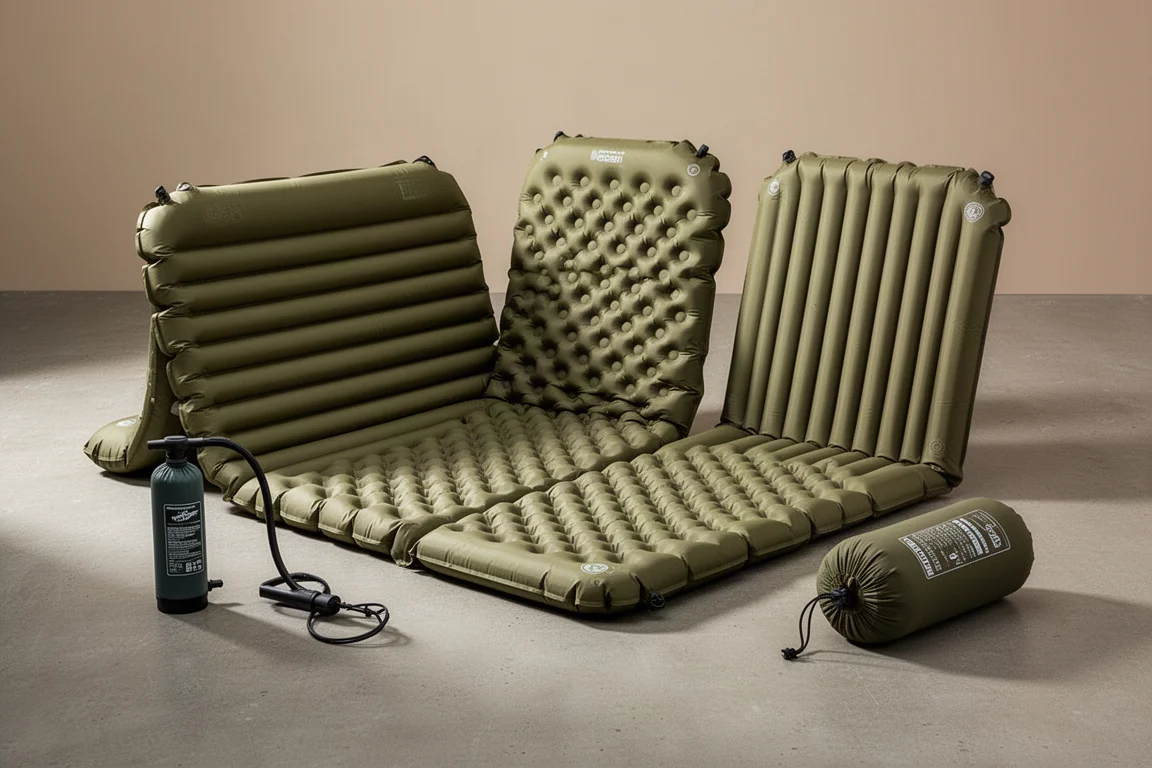
Best Backpacking Sleeping Pads 2026: Nine Pads Rated on Price, Comfort, Warmth, and Weight
Nine backpacking sleeping pads compared on price, comfort, warmth, and weight, from a $65 summer pad to a year-round option rated at R-7.3.
Sleeping Pads
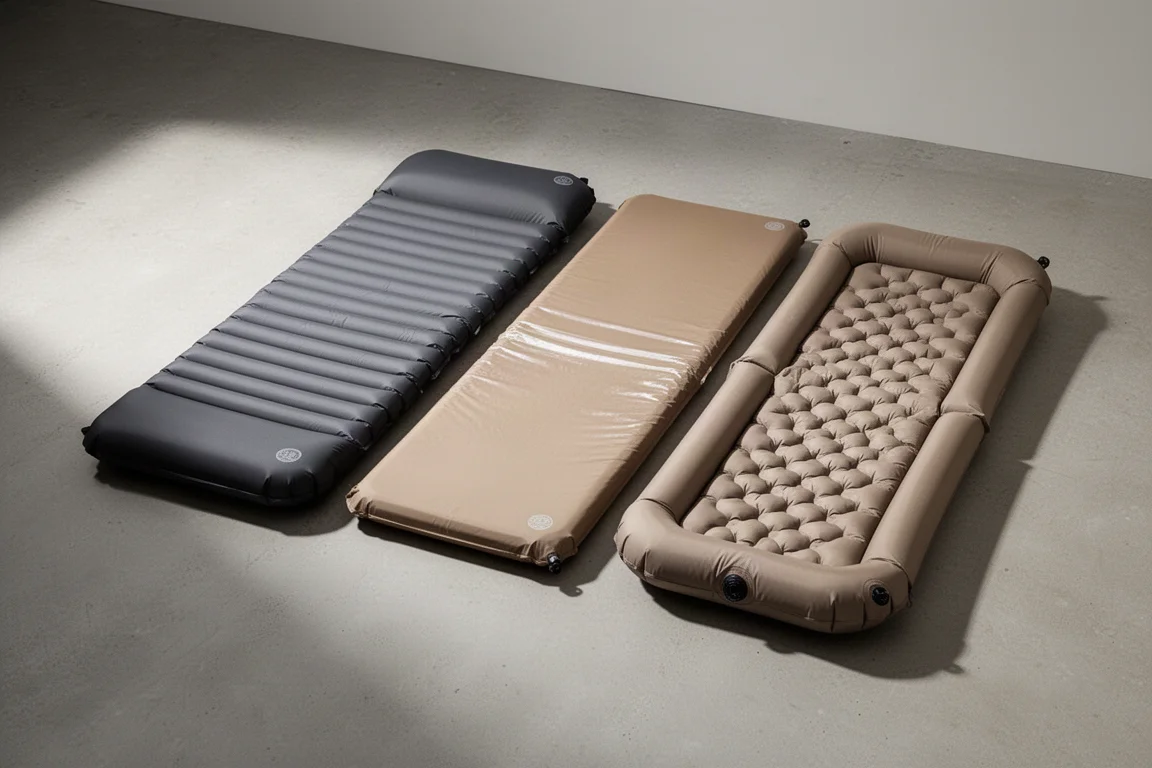
Best Backpacking Sleeping Pads: Comfort, Warmth, and Weight Compared
A practical comparison of the Nemo Quasar 3D, Therm-a-Rest NeoAir XTherm Max, and Big Agnes Rapide SL for backpackers choosing between comfort, warmth, and packed weight.
Sleeping Pads
Best Backpacking Sleeping Pads: Ultralight, Winter, Comfort and Budget Picks
A practical roundup of the sleeping pads that stand out for ultralight weight, winter warmth, pressure relief and value, plus three popular pads that fell short.