Camping Tents
LiteFighter Catamount 2 Review: A Four-Season Military Tent That Pitches Easier Than Expected
A practical look at the LiteFighter Catamount 2, a four-season military shelter with a fly-first design, oversized poles, and a modular setup that stays manageable in bad weather.
Introduction
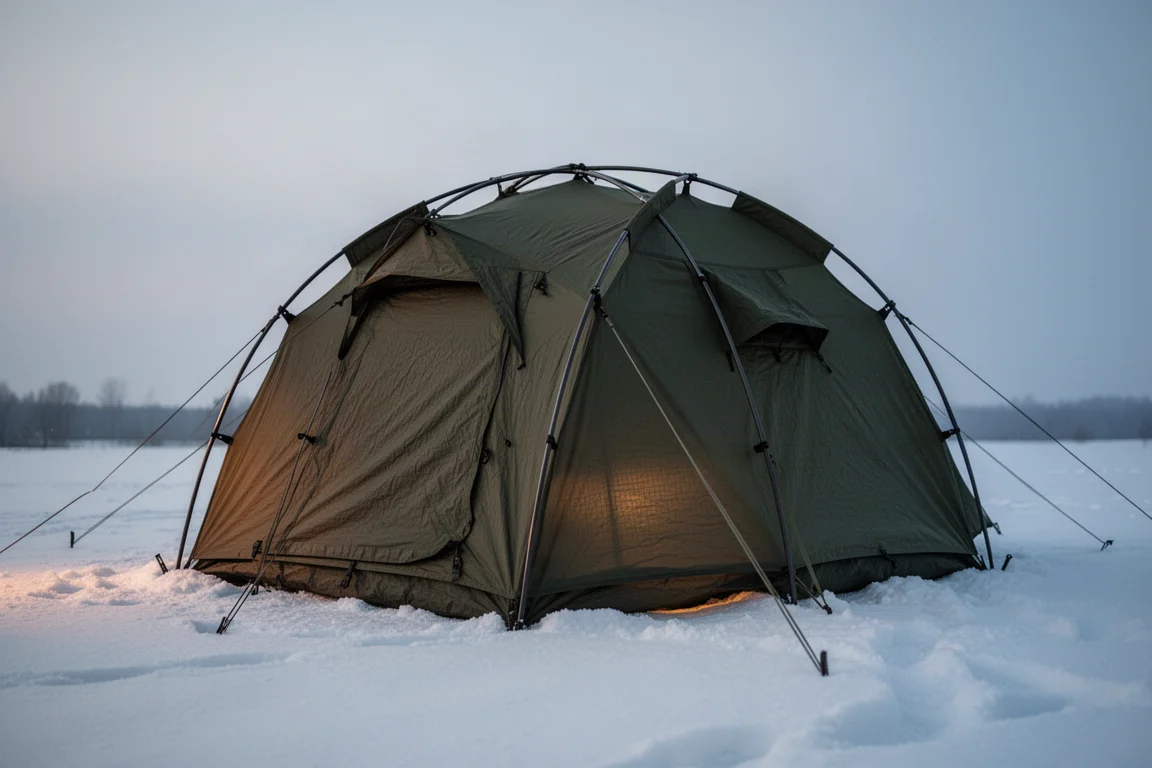
Four-season tents have a reputation problem. They are built to survive snow loading and strong wind, and that extra structure often shows up as a slow, fiddly pitch at exactly the moment the weather is worst. The LiteFighter Catamount 2 sets out to break that pattern with a fly-first design and a pole layout that goes up in a predictable order.
LiteFighter builds military shelters, and the Catamount 2 is one of them. It arrives as a complete system: body, fly, ground sheet, poles, stakes, snow anchors, and a repair sleeve, all packed into a compression sack. What matters most is whether the setup is genuinely straightforward or just marketed that way. Having worked through the full process, the honest answer is that this is one of the easier four-season shelters to pitch.
Who This Tent Is For
The Catamount 2 is aimed at campers who need a shelter that works across all four seasons and who care about getting it up quickly in rain, sleet, or snow. It is a military-pattern tent rather than a lightweight backpacking shelter, so it suits people who prioritise weather resistance and durability over saving every possible gram.
It also suits anyone who wants one shelter that can be reconfigured rather than several single-purpose tents. The full setup uses the inner, the fly, and the included ground sheet. Remove the inner and pitch it with the ground sheet for what is known as a hasty hooch configuration. Leave both the inner and the ground sheet out and you have a simple, straightforward shell for fast shelter.
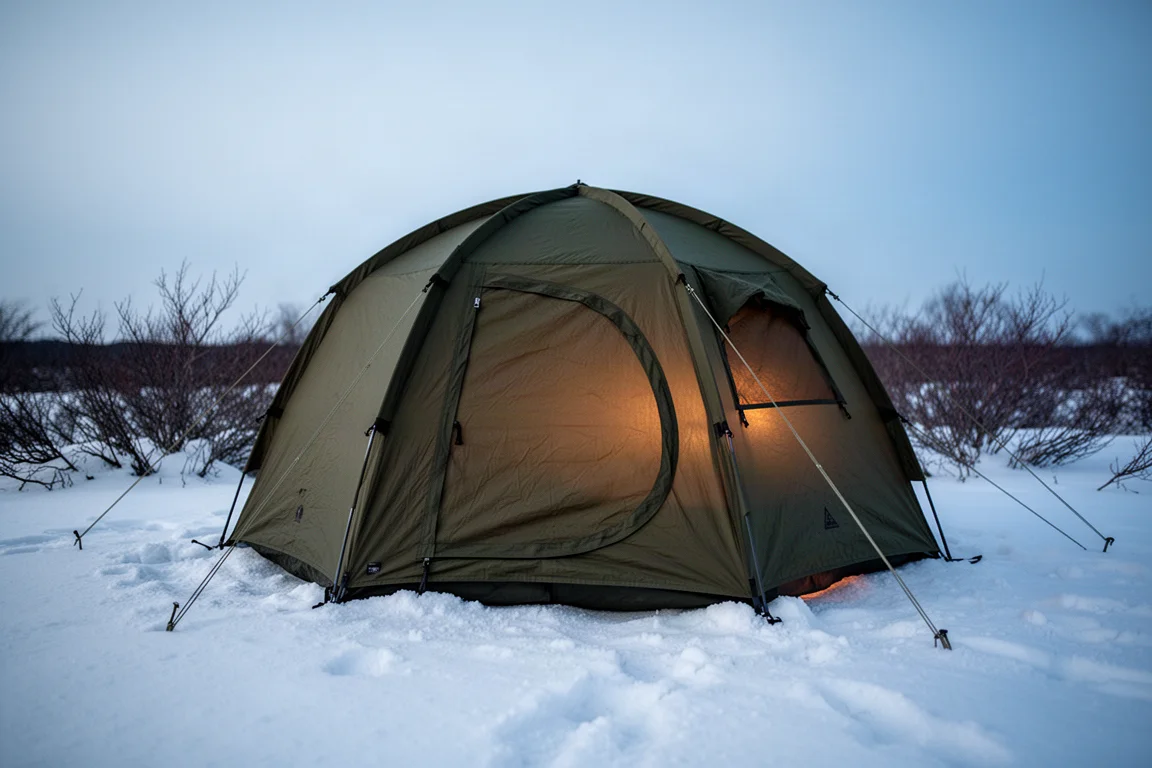
Because the fly comes up before anything else, the tent also appeals to campers who have spent a miserable morning drying out a soaked inner after pitching in a storm. That specific problem is what the design is built around.
Main Strengths
The strengths of this tent cluster around one theme: the pitch sequence is logical, and the hardware is sized for serious weather.
Fly-First Design Keeps the Inner Dry
The fly is attached to the body, so when you unroll the tent and open it out, both come up together. Staking out the fly first means the inner is protected throughout the setup rather than being exposed to the sky while you assemble poles. On a windy day, the advice is to stake the fly out before moving on to the poles. In calmer conditions you can go straight to the pole assembly.
This is the single most useful feature of the tent. Pitching in falling snow or steady rain normally means the inner gets coated in ice and moisture before the fly is ever in place, and the cleanup afterwards is part of the job. With the fly already standing, that step disappears.
The design also keeps the pitch sequence short. There is no separate fly to hunt for in the bag and no moment where you are holding three loose pieces of fabric while the wind picks up.
A Simple Setup for a Four-Season Shelter
Setup runs through a clear order. The main spider pole goes together first and is laid lengthways on top of the tent. The two windbreaker poles go together next and are set aside. Each corner has grommets, and the outermost grommet is used first, with the option to move inward over time as the fabric stretches with use.
From there you walk the body of the tent, clipping the body to the poles and connecting the side connector grommets on both sides. The windbreaker poles then go at the long ends, one on each side, sliding through the top grommet, running underneath the spider pole, through the next grommet, and into the grommet next to the ground. Three fly buckles are connected on each side. The final steps are staking out the doors and the sides, then opening the vents.
On a ten-point scale where ten is the most complicated pitch imaginable, this lands around a three. That is unusual for a four-season tent and especially unusual for a military one, a category that has traditionally been associated with long, troublesome setups.
Poles and Hardware Built for Snow and Wind
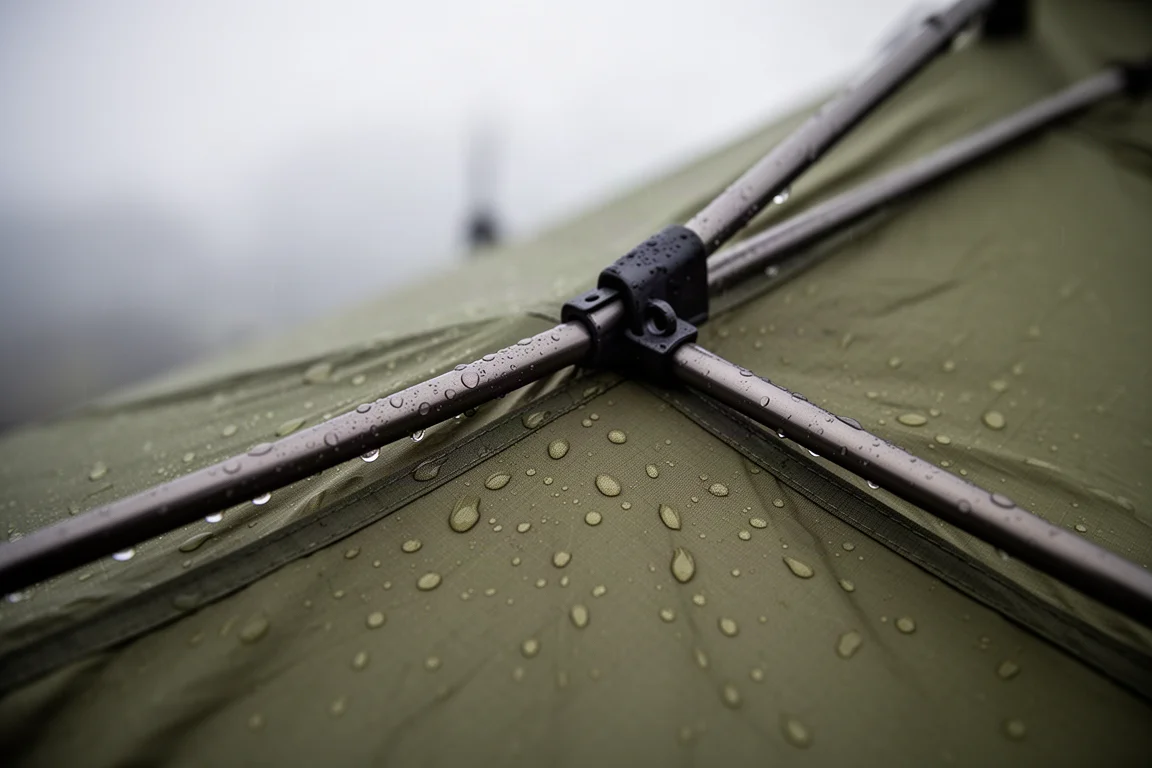
The poles are among the largest in diameter you are likely to handle on a tent of this size. That thickness is deliberate: the pole set is built for snow loading and for wind, which is why the structure feels considerably stiffer than a typical three-season shelter.
The kit is comprehensive. Sixteen tent stakes are included, along with four snow anchors, also called parachute stakes, for soft ground and snow. A repair sleeve for the tent poles is supplied, and there is an instruction manual in the bag. The ground sheet is included as standard and does a little more than the basics, which becomes relevant when you start removing components for lighter configurations.
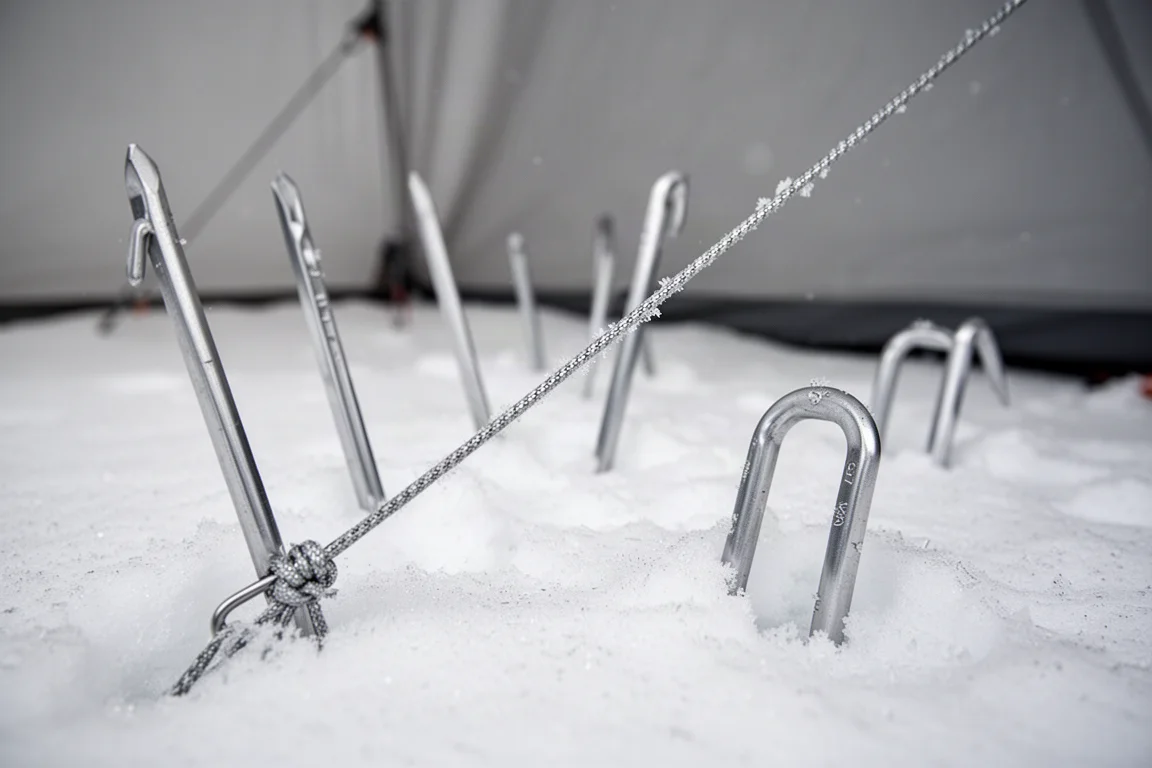
For anyone who camps in genuinely cold conditions, the combination of oversized poles, parachute stakes, and a pole repair sleeve is the difference between a shelter that holds and one that has to be abandoned.
Things to Consider Before Buying
The full kit is substantial. Sixteen stakes, four snow anchors, three poles, the body, the fly, the ground sheet, and the compression sack all travel together, and that adds up in pack space. If you are used to a minimal three-season setup, the packed volume will feel noticeably larger.
The lighter configurations require disassembly rather than a single adjustment. To pitch the hasty hooch setup you remove the inner and use the ground sheet. To go even simpler, you leave out both the inner and the ground sheet. Both options work well, but they are choices you make before you start rather than something you switch mid-pitch.
The tent is also built for strength rather than low weight. The oversized poles and the four-season construction are the point, and buyers who want the lightest possible shelter should weigh that against how much weather protection they actually need.
One practical note on the corners: the grommets are designed to be used from the outermost position first, with inward positions reserved for later as the fabric relaxes with use. Following that sequence keeps the pitch tension correct over the life of the tent.
Buying Advice
The Catamount 2 makes the most sense for campers who go out in winter conditions and want a shelter they can pitch without a struggle. The fly-first design and the logical pole sequence are the reasons to choose it, and they matter most when the weather is actively working against you.
It is also a good fit for anyone who wants a modular system. One tent covers a full four-season pitch, a hasty hooch setup, and a stripped-back shell, which reduces the need to own several shelters for different trips. LiteFighter’s wider military range follows the same philosophy, including a one-person tent with a windbreaker system and a four-season conversion kit that has handled demanding conditions well.
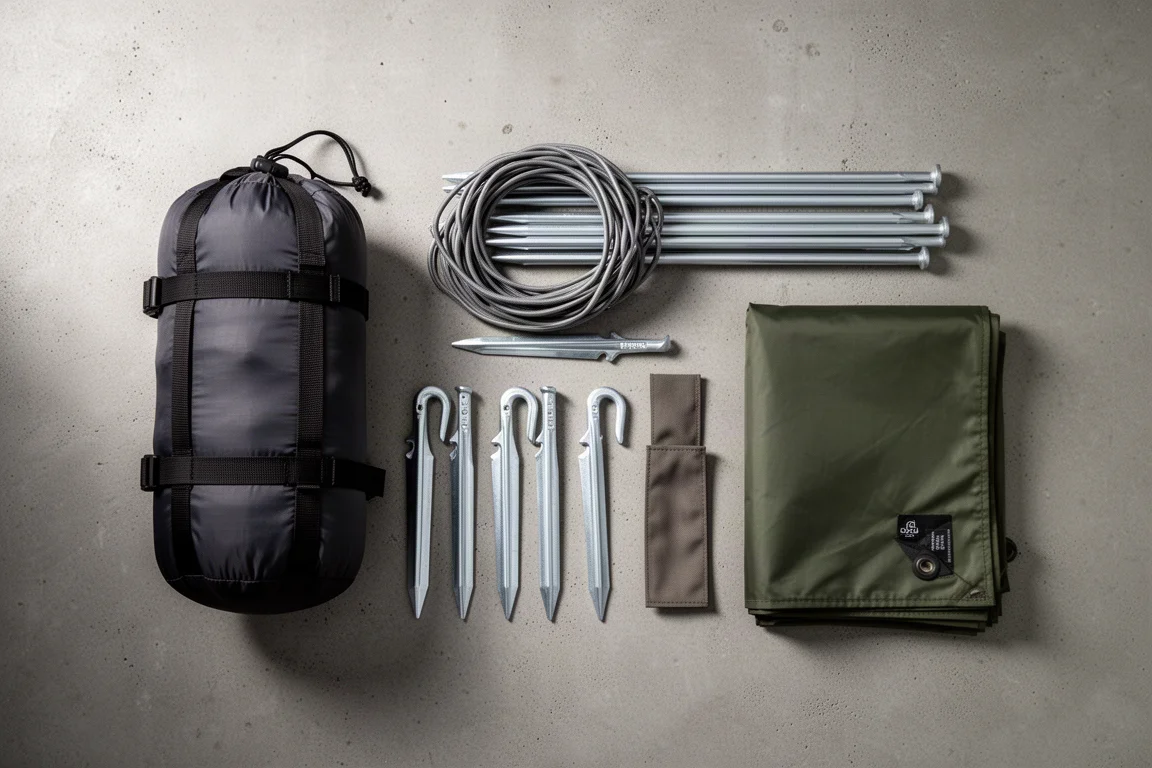
If your trips are mostly warm-weather and weight is the deciding factor, a lighter three-season tent will be easier to carry. If you need a shelter that stands up to snow and wind and still goes up quickly, the Catamount 2 is a strong candidate, and the included ground sheet, stakes, and snow anchors mean you are not buying accessories separately.
Conclusion
The LiteFighter Catamount 2 does something genuinely useful: it takes the four-season and military tent formula and makes the setup easy. The fly-first design keeps the inner dry in rain and snow, the pole layout follows a clear order, and the hardware is sized for the conditions the tent was built for.
The trade-offs are the ones you would expect from a shelter this capable. It packs larger than a minimal three-season tent, and the lighter configurations require you to leave components behind deliberately rather than on the fly. For campers who need a dependable four-season shelter and value a straightforward pitch, those are reasonable compromises.
Product link
View more details for LiteFighter Catamount 2 Military Tent
This product is mentioned in the review. Check the specifications, options, and compatibility before buying.
View more details for LiteFighter Catamount 2 Military TentFurther reading
Related Reviews
Camping Tents
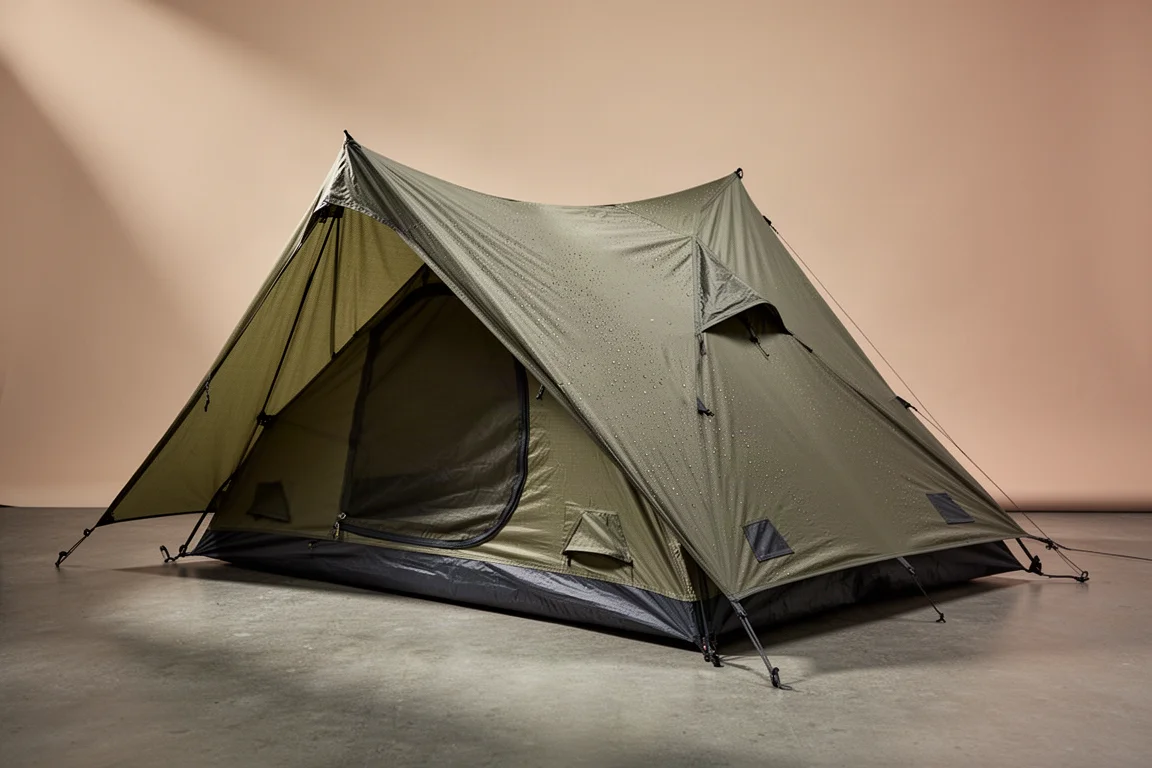
3F UL Gear Taiji Two-Person Tent Review: Field Waterproofing Results and Buying Advice
The Taiji pairs an attached fly with a removable inner, but sustained rain exposed untaped vent seams that need sealing before this shelter can be trusted.
Camping Tents
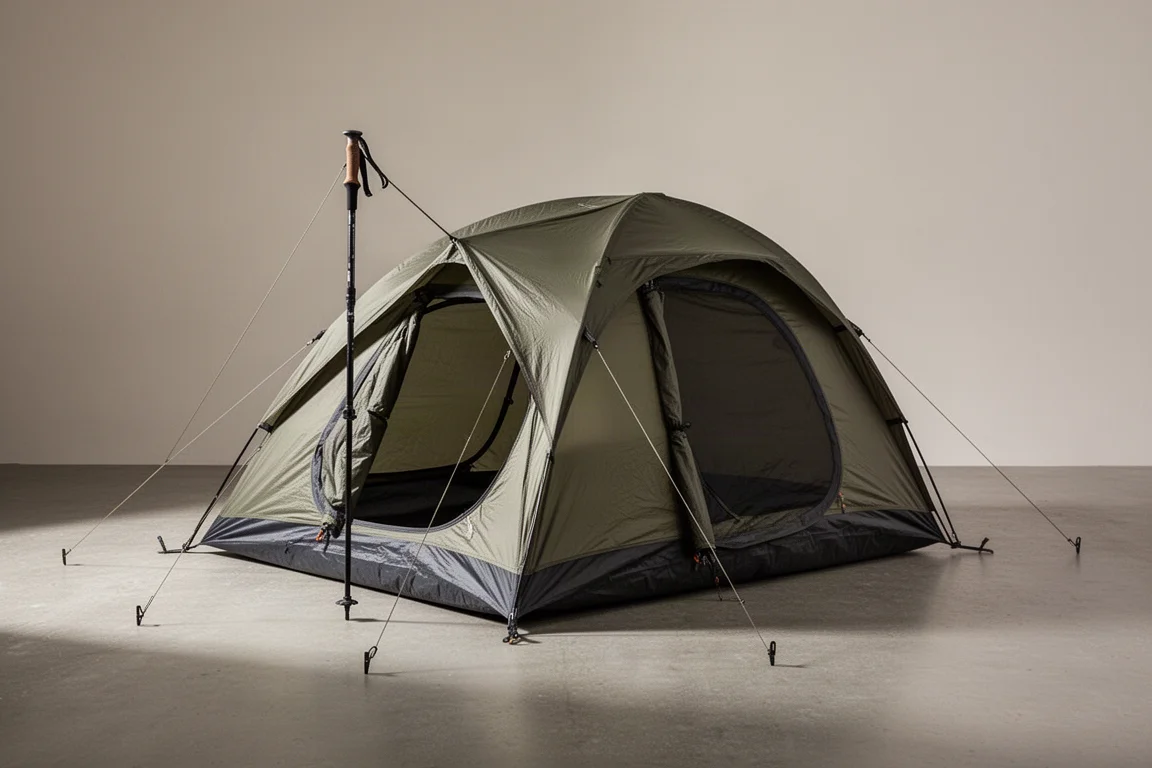
3FUL Gear Lanshan 2 Pro 4-Season Review: A Sub-$200 Single-Wall Trekking Pole Tent
An early look at the 3FUL Gear Lanshan 2 Pro 4-Season, covering its straightforward pitch, generous interior space, and the condensation and seam-sealing questions that come with any single-wall shelter.
Camping Tents
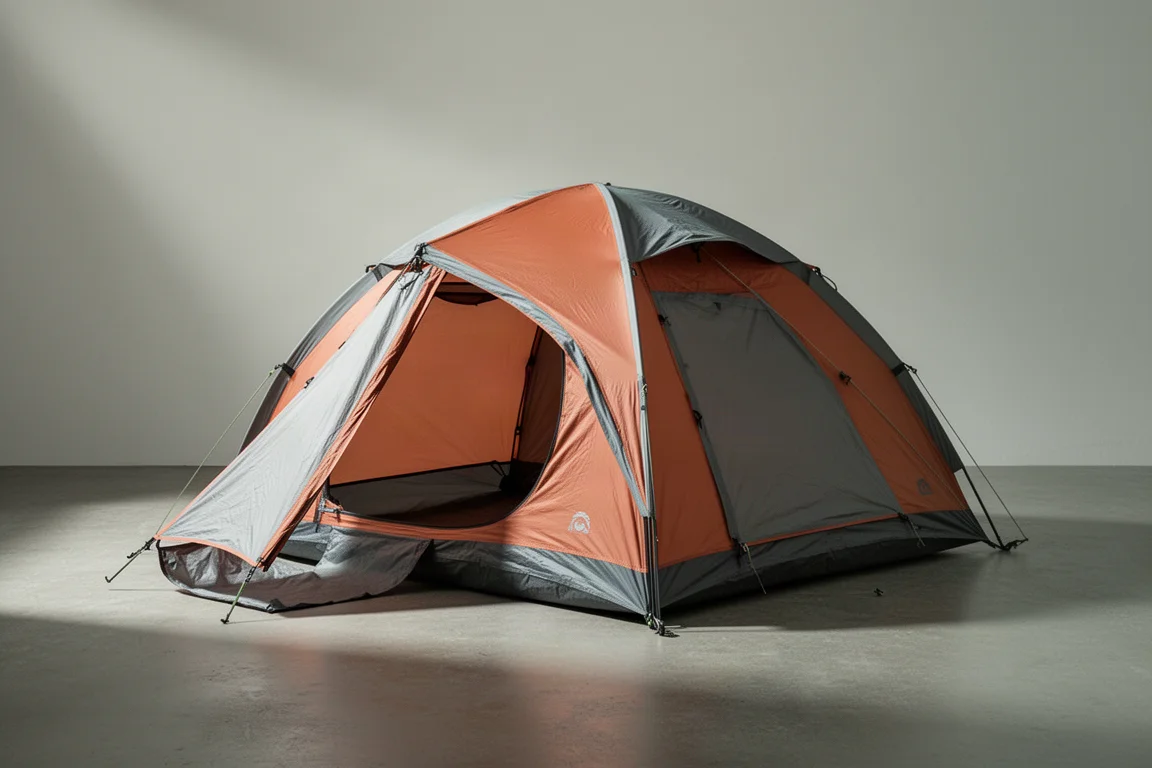
Alps Mountaineering Lynx 1-Person Tent Review: Big Value in a Small Budget Tent
A close look at the Alps Mountaineering Lynx 1-Person Tent, covering real interior dimensions, materials, setup time, ventilation limits, and who should buy it.