Backpacking Gear
Lightweight Spring Backpacking Gear: 10 Essentials for an Overnight Trip
A practical spring backpacking loadout covering shelter, sleep, cooking, water, safety, and camp comfort, with the strengths and trade-offs of each pick.
Introduction
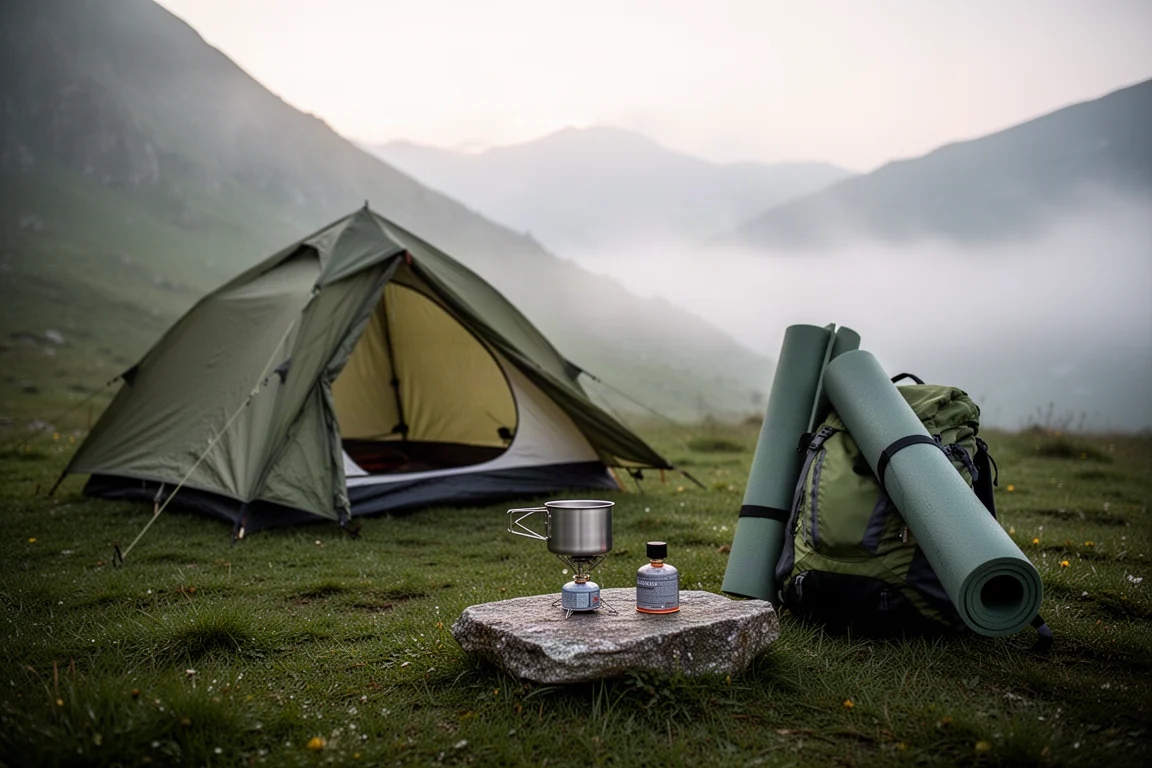
Spring backpacking is a planning problem as much as a gear problem. Weather shifts quickly, trails can still be frozen or saturated, and creeks that look like easy water sources in summer may sit locked under ice. The loadout below is built around those conditions: an overnight kit that stays light while covering the specific problems spring throws at a trip.
Ten items do most of the work here, spanning the pack, shelter, sleep system, cook kit, water treatment, safety, lighting, and camp comfort. Each entry explains what the piece does well in shoulder-season conditions and where it asks for a trade-off.
What Changes in Spring
Three things drive most spring gear decisions.
First, water behaves differently. Creeks may still be frozen, so a filter is not always the tool that gets used, but it needs to be along for the trips where open water appears. Second, the ground holds cold. Frozen or saturated soil pulls heat out of a sleeping pad, which makes insulation underneath you more important than it is in midsummer. Third, moisture is constant. Drizzle, humid air, and rain all push materials to their limits, and gear that sags or soaks through stops being pleasant very quickly.
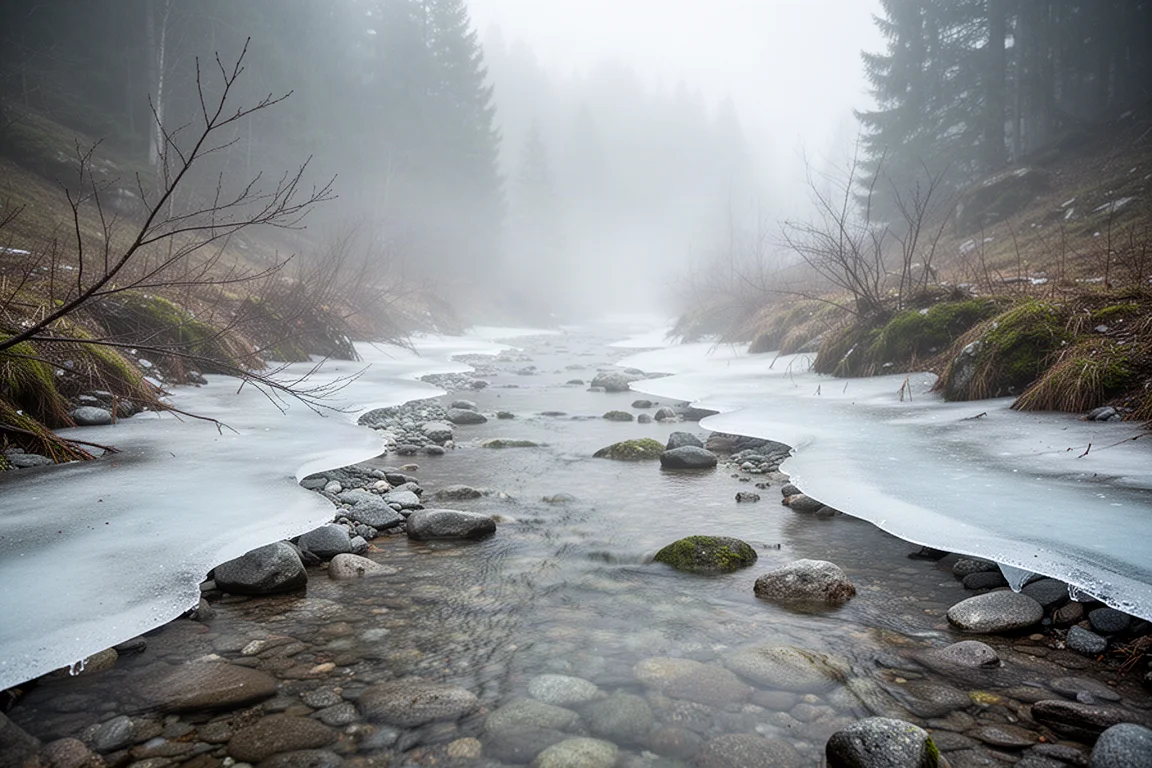
A loadout that answers those three problems tends to look heavier than a summer kit on paper, but it is far more comfortable in practice when the forecast turns.
The REI Flash 55 Pack
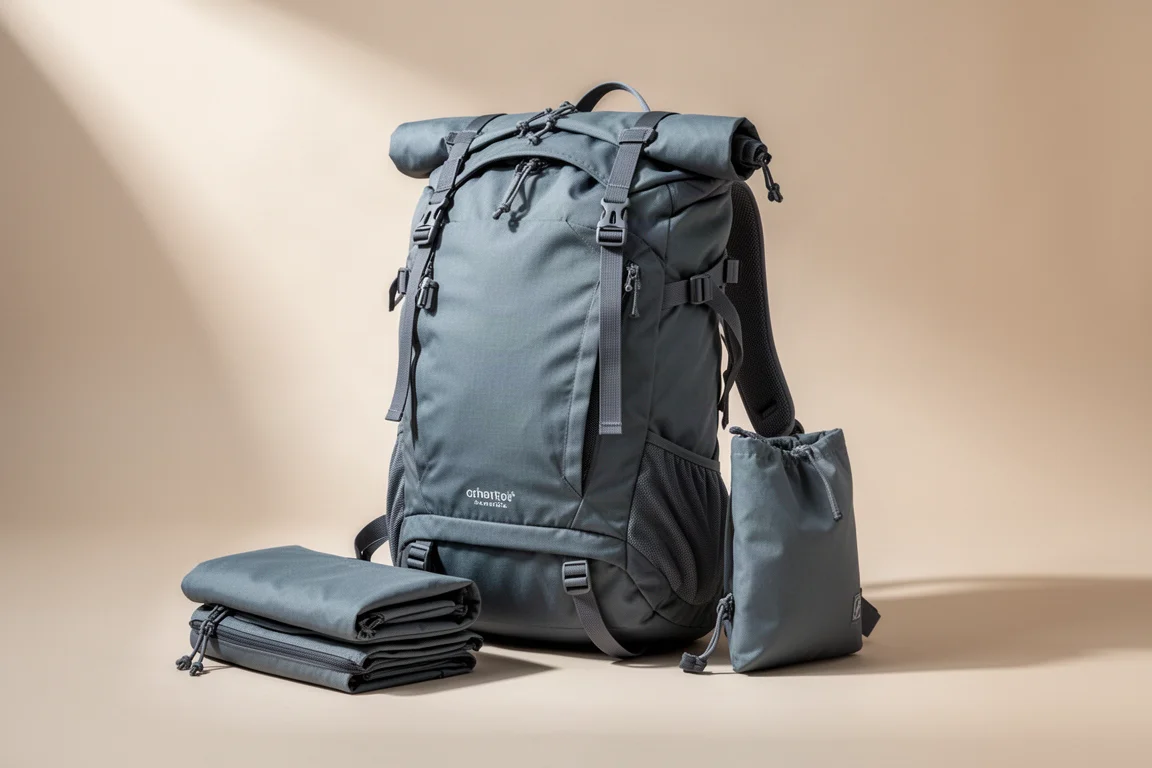
The Flash 55 carries the whole system and solves one spring problem neatly: its top lid is waterproof. That makes it the natural home for anything that cannot get wet, including a phone, first aid kit, battery charger, and hygiene supplies. The main body is water resistant rather than waterproof, so it handles light drizzle but needs a pack liner when real rain arrives.
The two water bottle pockets sit in front of the side pockets, which makes reaching back for a bottle noticeably easier while moving. Hip belt pockets handle snacks and small items, and the side pockets take items like a compact folding chair.
The Durston X-Mid 2P Tent
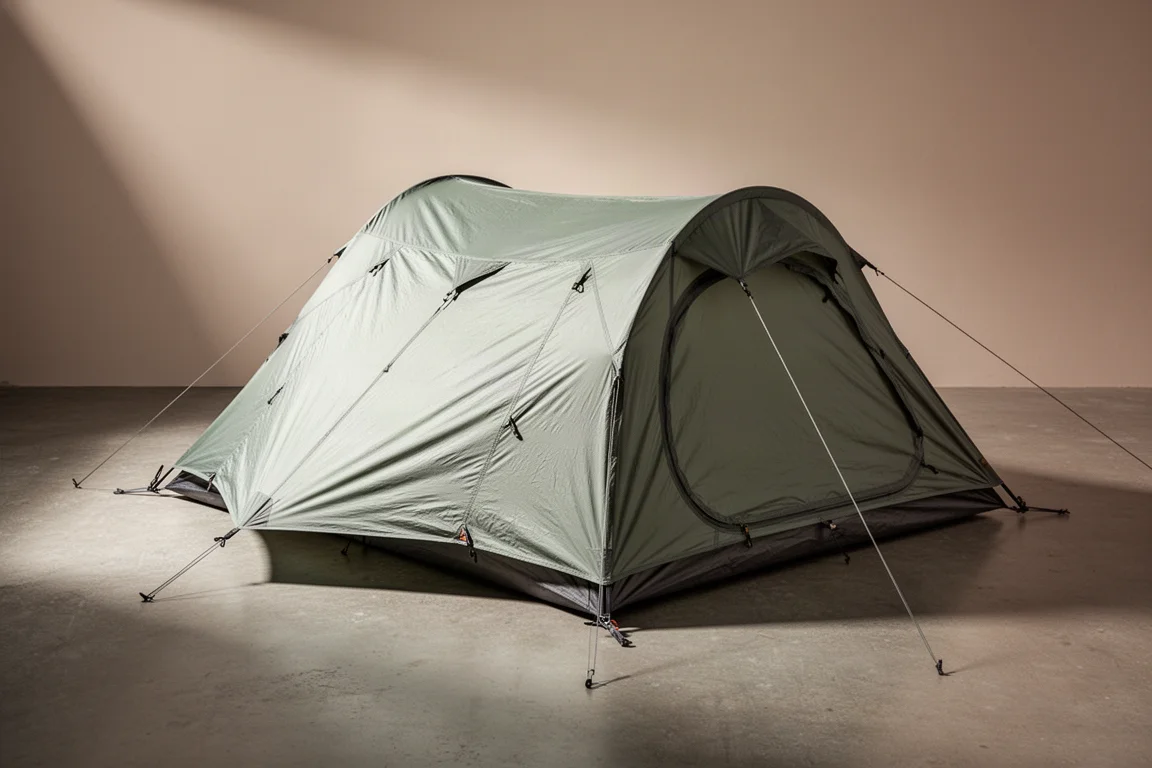
Silpoly is the reason this tent suits wet, humid spring conditions. The fabric does not sag when it gets wet and does not absorb much moisture, so it holds its pitch through a rainy night better than silnylon alternatives. The inner and the fly are attached, which means the whole shelter goes up in one step. In rain, that keeps the interior dry during setup instead of exposing it while a separate fly is added afterwards.
The X-Mid 2P works as a two-person shelter and as a roomy solo option, and the same design carries through most of the rest of the year.
The Nemo Tensor Sleeping Pad
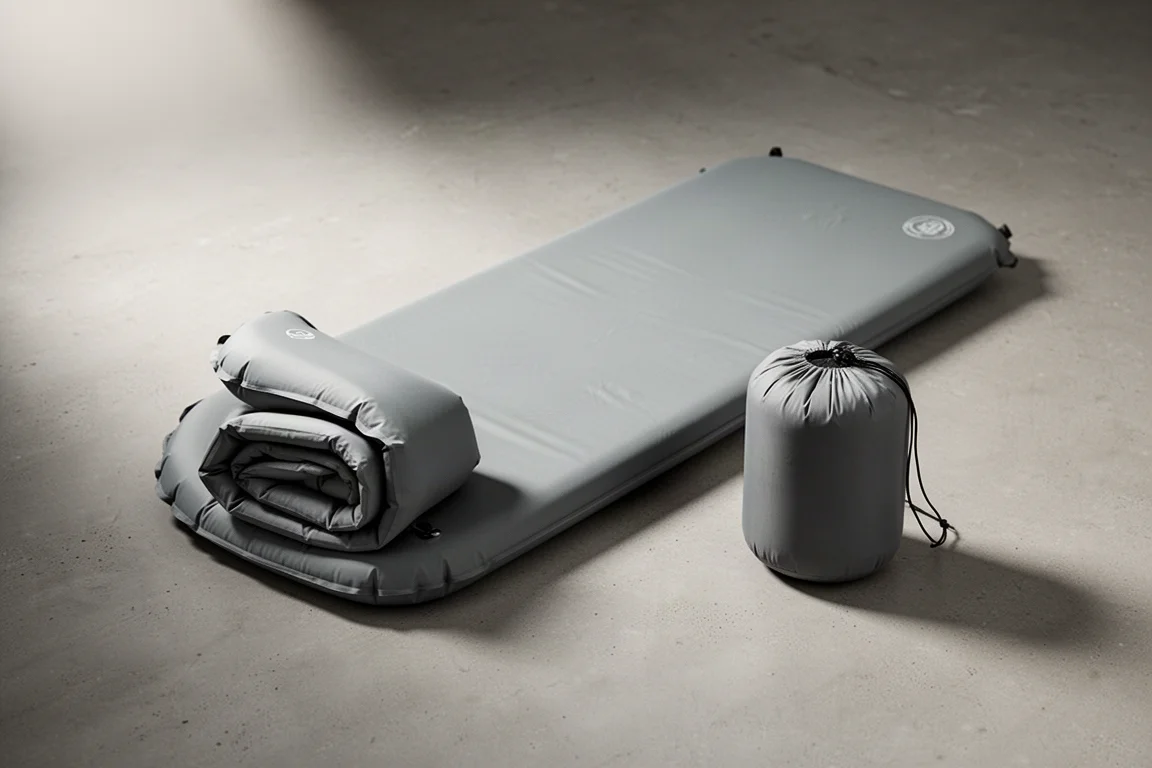
The 2022 version of the Tensor carries an R-value of 4.2, which puts it in the right range for shoulder-season nights. The useful detail is that the higher R-value did not come with a weight penalty, so the pad stays light while offering more insulation than a summer pad. Paired with a closed-cell foam mat underneath, it handles ground that is frozen or saturated.
The Sea to Summit Spark 4 Sleeping Bag
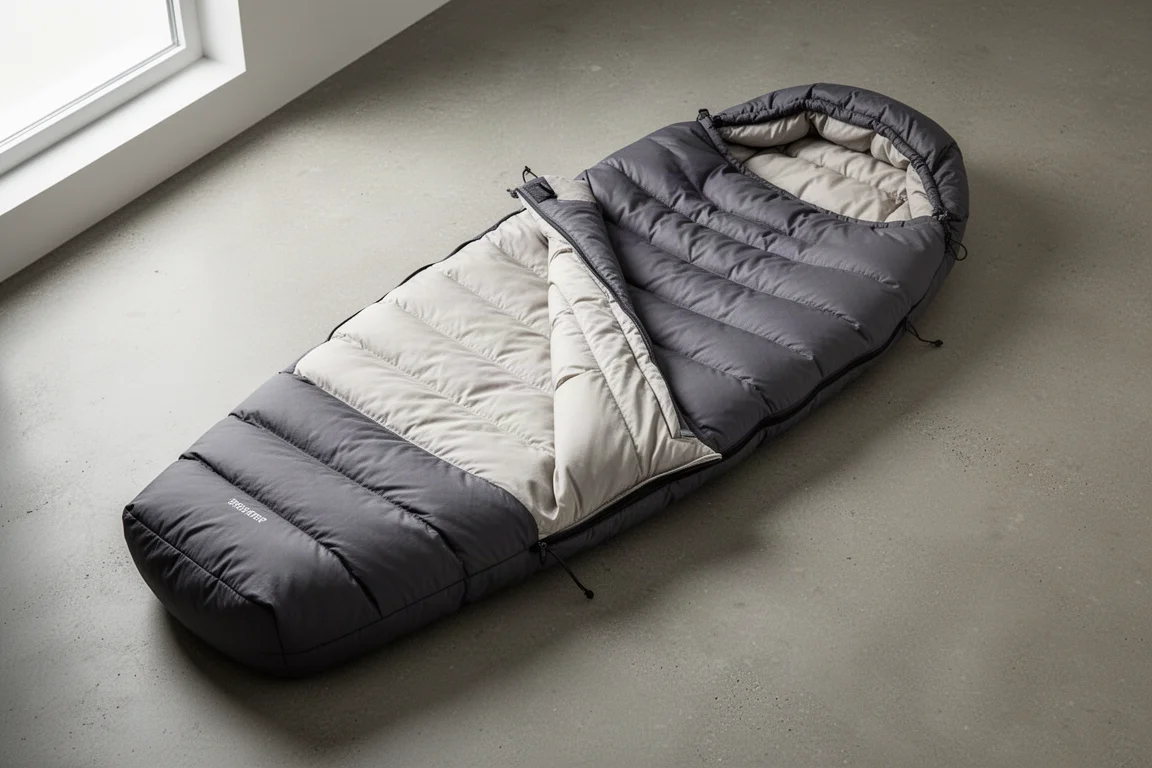
The Spark 4 is a warm bag for its weight, with a -15°C limit rating and a comfort range that works down to roughly -9°C with thin base layers. Around -6°C it stays comfortable, and adding fleece pants and a fleece sweater extends it a little colder. For spring nights that swing below freezing, that margin matters more than a few grams saved.
The MSR PocketRocket Deluxe Stove
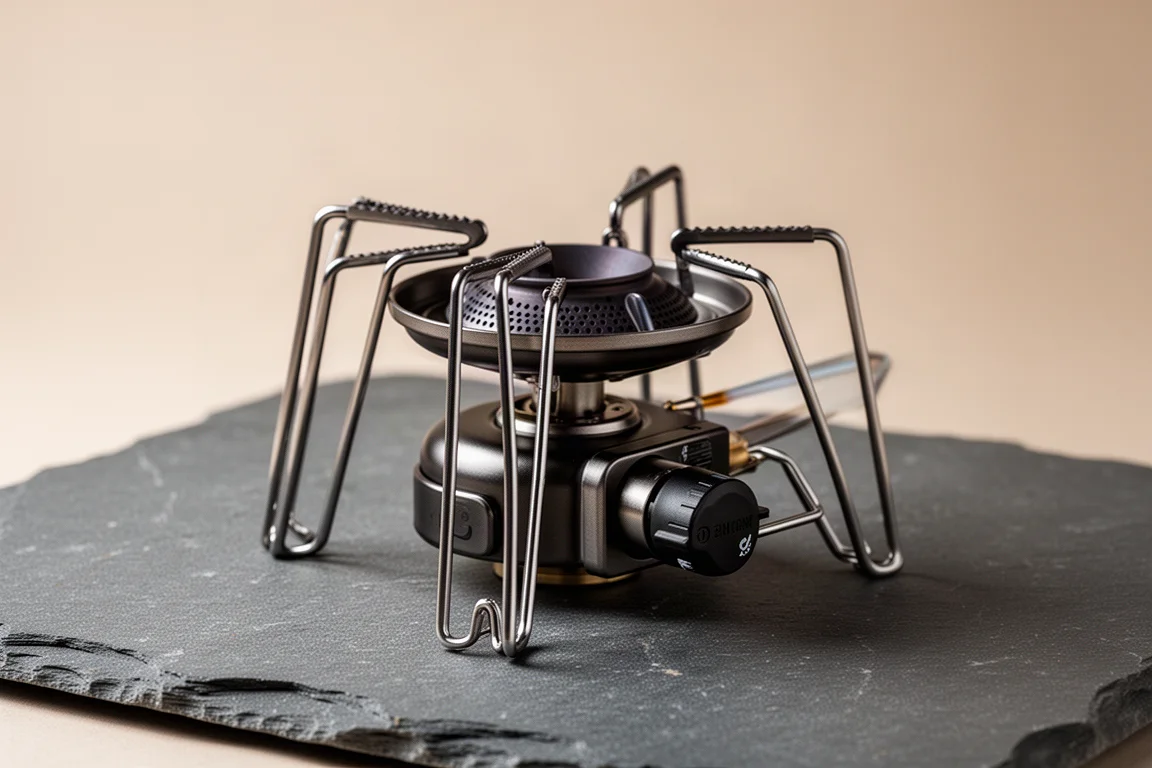
The regulator is the headline feature. Stoves without one struggle below freezing, and dinner often gets started when temperatures are already under 0°C. The PocketRocket Deluxe keeps performing in those conditions and remains a solid all-around stove the rest of the year.
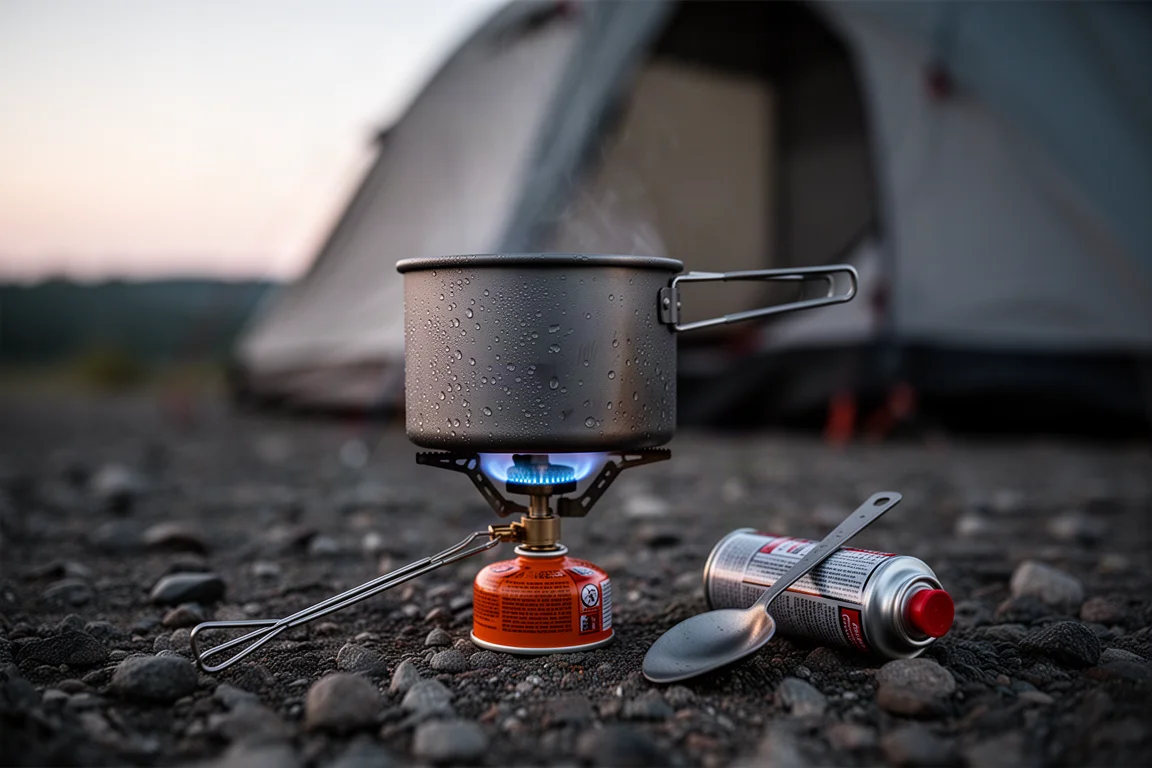
For spring trips, that reliability at low temperatures is worth more than a marginally lighter stove that only shines in warm weather. The pot supports and valve are simple to use with cold hands, which matters on a night when the temperature is dropping fast.
The Evernew Titanium Pasta Pot 1L
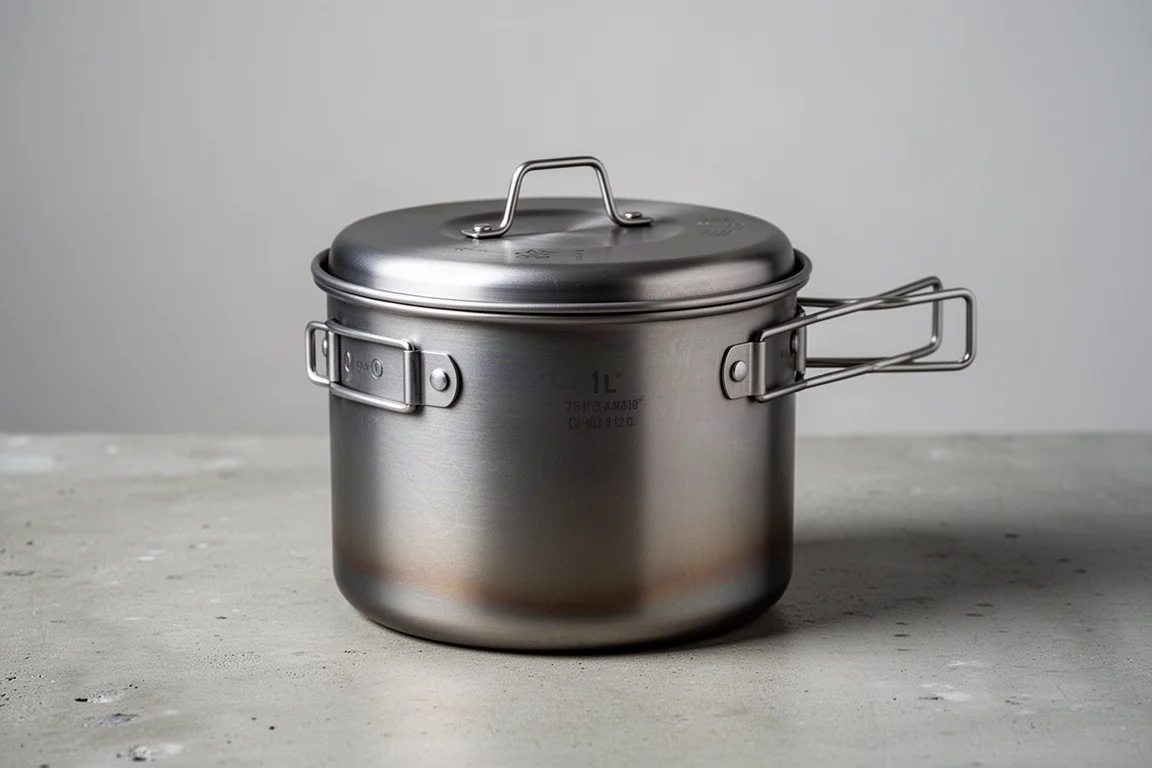
A one-liter titanium pot is compact enough to pack easily and large enough to melt snow efficiently when creeks are frozen. Smaller 650ml or 750ml pots make snow melting a much slower job. Titanium keeps the weight down, and the pot doubles as storage for a lighter, a fuel canister, and a long-handled spoon.
The Platypus QuickDraw Water Filter
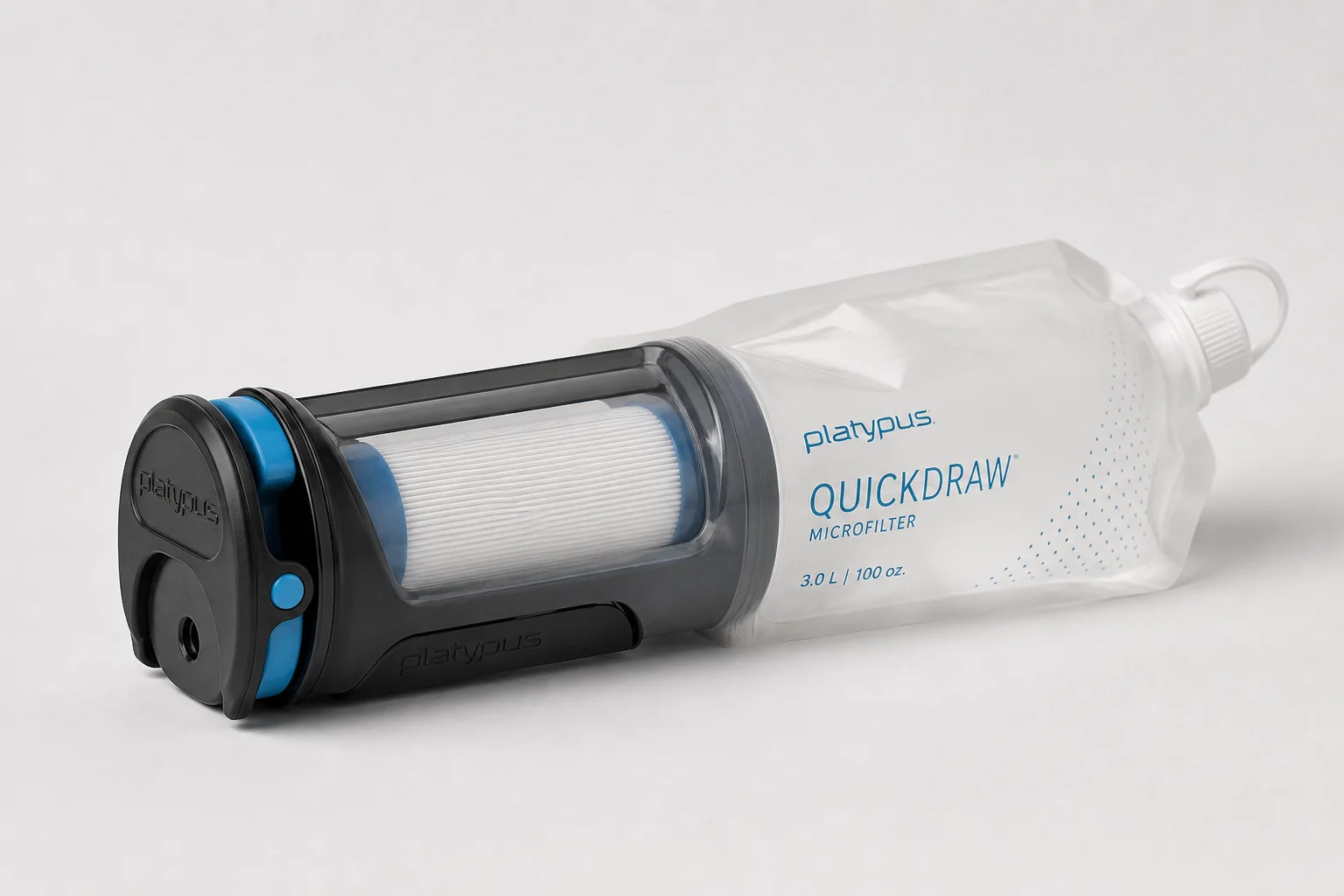
When open water is available, the QuickDraw is a robust option that has held up well over repeated use. In spring it may not come out of the pack on every trip, since frozen creeks remove the need, but it is the filter to have when liquid water appears.
The Garmin inReach Mini 2
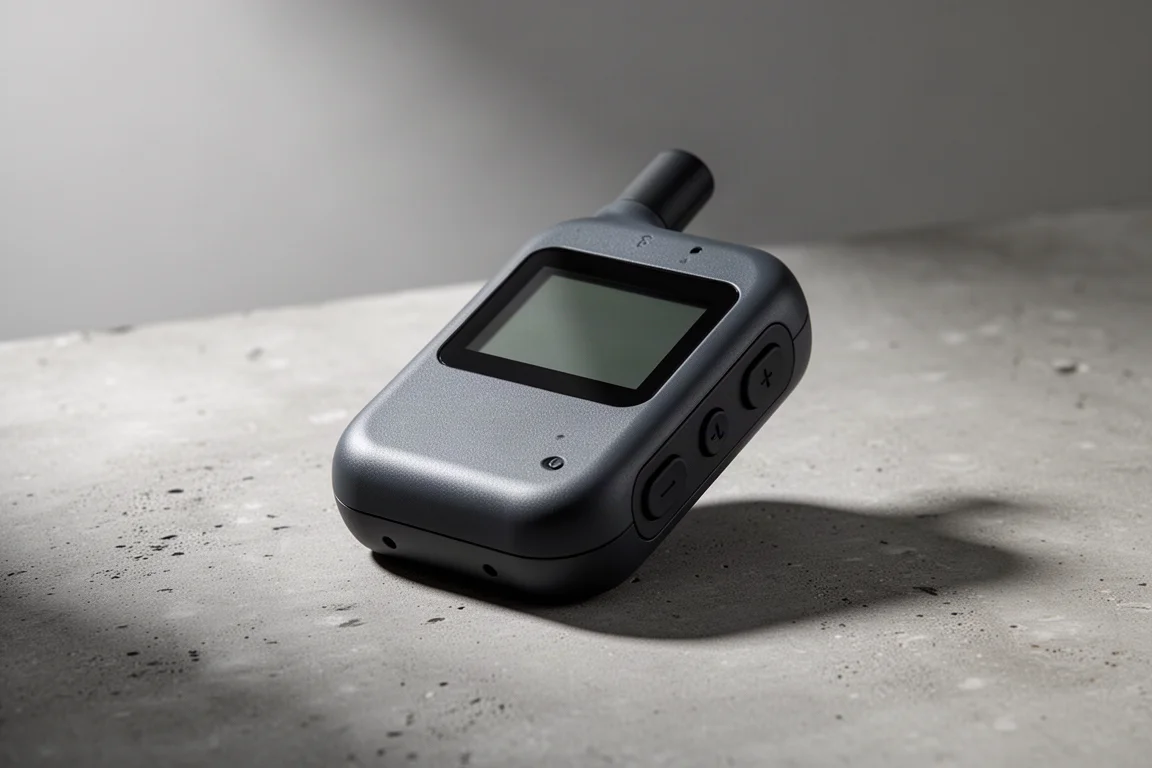
A satellite communicator with SOS capability is the piece of safety gear that earns its place on a spring overnight. Conditions change fast, trails can be quiet, and phone coverage is not guaranteed. The inReach line was updated for 2022 with a set of useful improvements, and the Mini 2 keeps the small form factor that makes it easy to carry every trip.
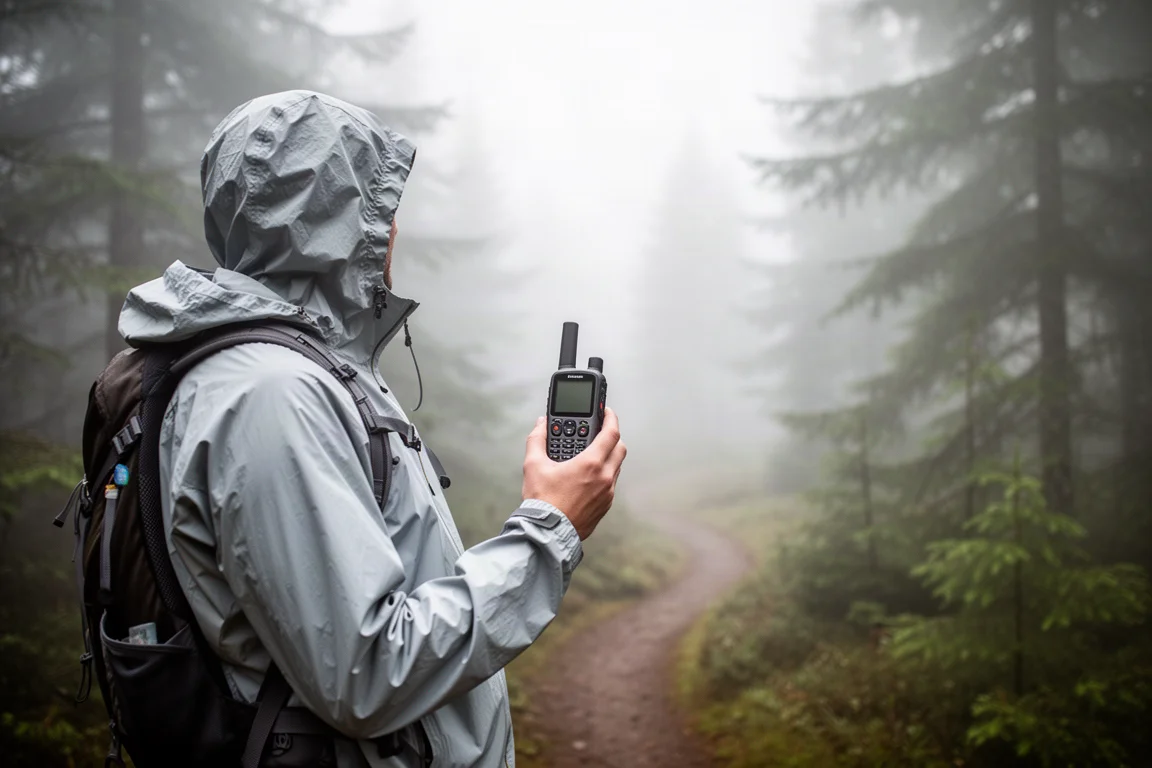
For solo trips and shoulder-season routes, the ability to send a message or trigger an SOS without cell signal is the difference between a minor delay and a serious problem.
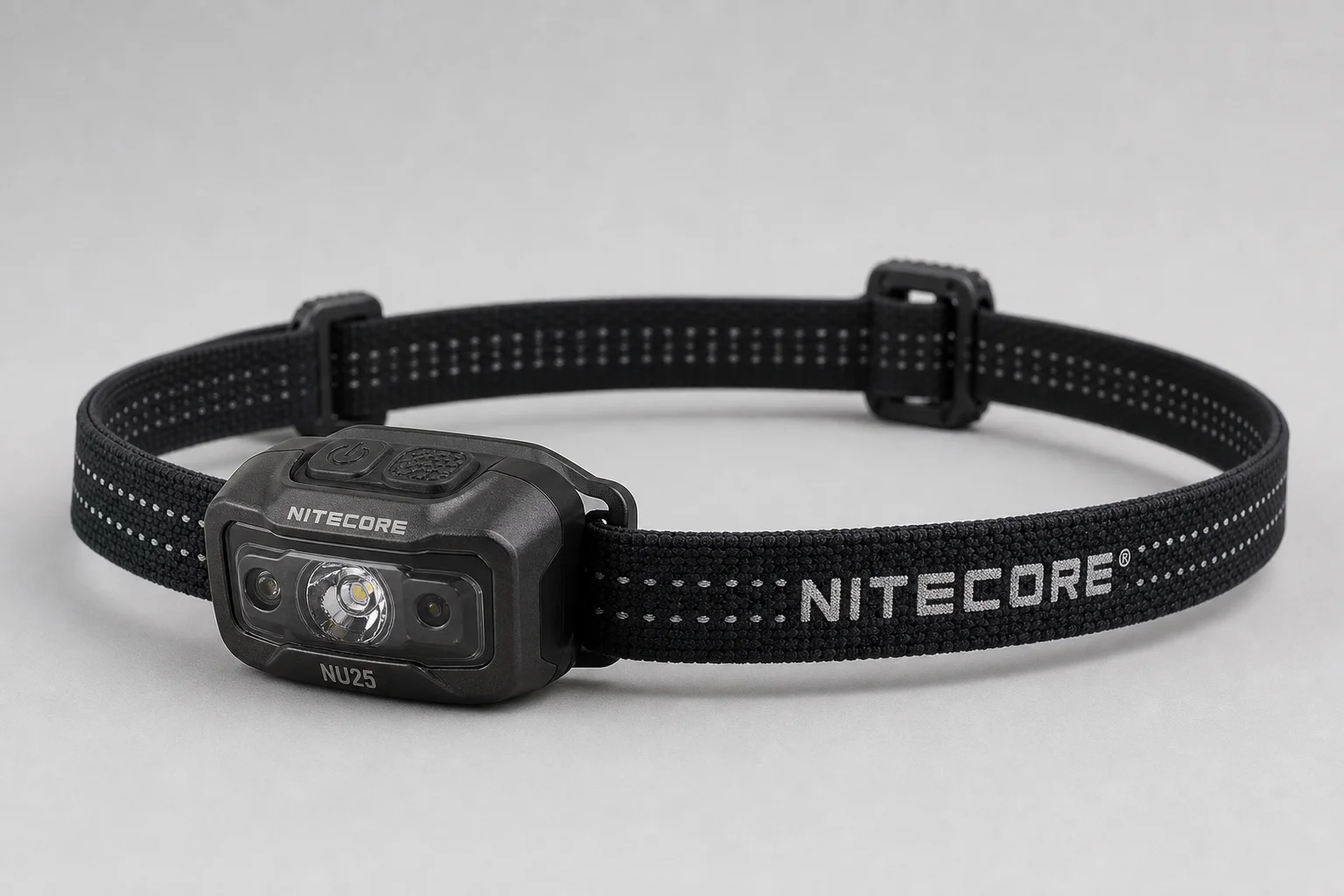
The Nitecore NU25 Headlamp
Spring nights are long, and a lightweight headlamp covers camp chores, cooking after dark, and any late arrival at a campsite. The NU25 stays small enough to live in a lid pocket, so it is always within reach when the light fades earlier than expected.
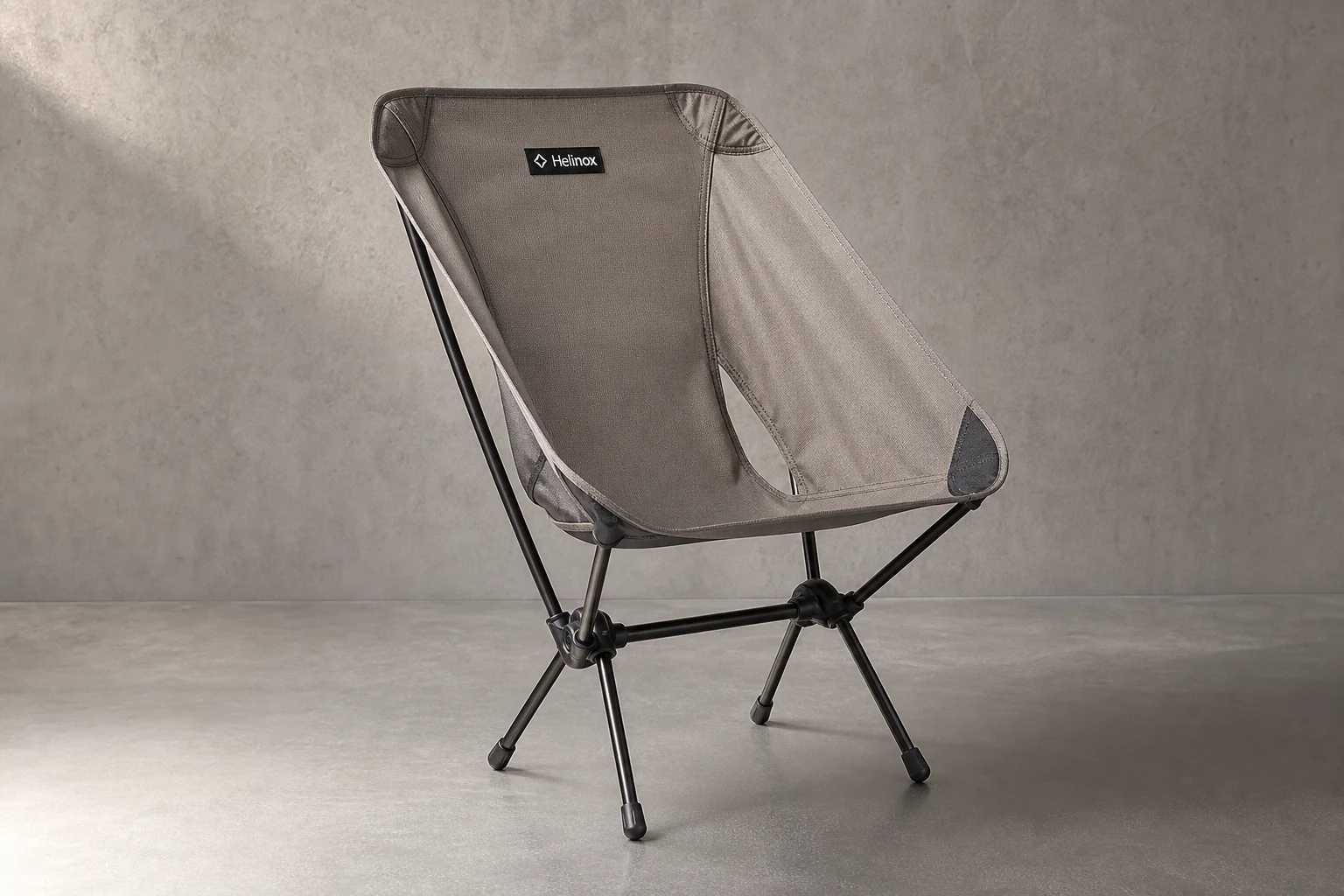
The Helinox Chair Zero
Sitting off the ground is a small luxury with a real spring payoff. When the ground is wet or saturated, a chair keeps clothing dry and takes pressure off the back at the end of a long day. It is light enough to justify carrying for an overnight.
Buying Advice for a Spring Loadout
Prioritize in this order: insulation from the ground, a shelter that handles sustained moisture, and a stove that works below freezing. Those three cover the failure modes that make spring trips uncomfortable. Safety gear comes next, and a satellite communicator is the item that most changes what a trip can safely attempt.
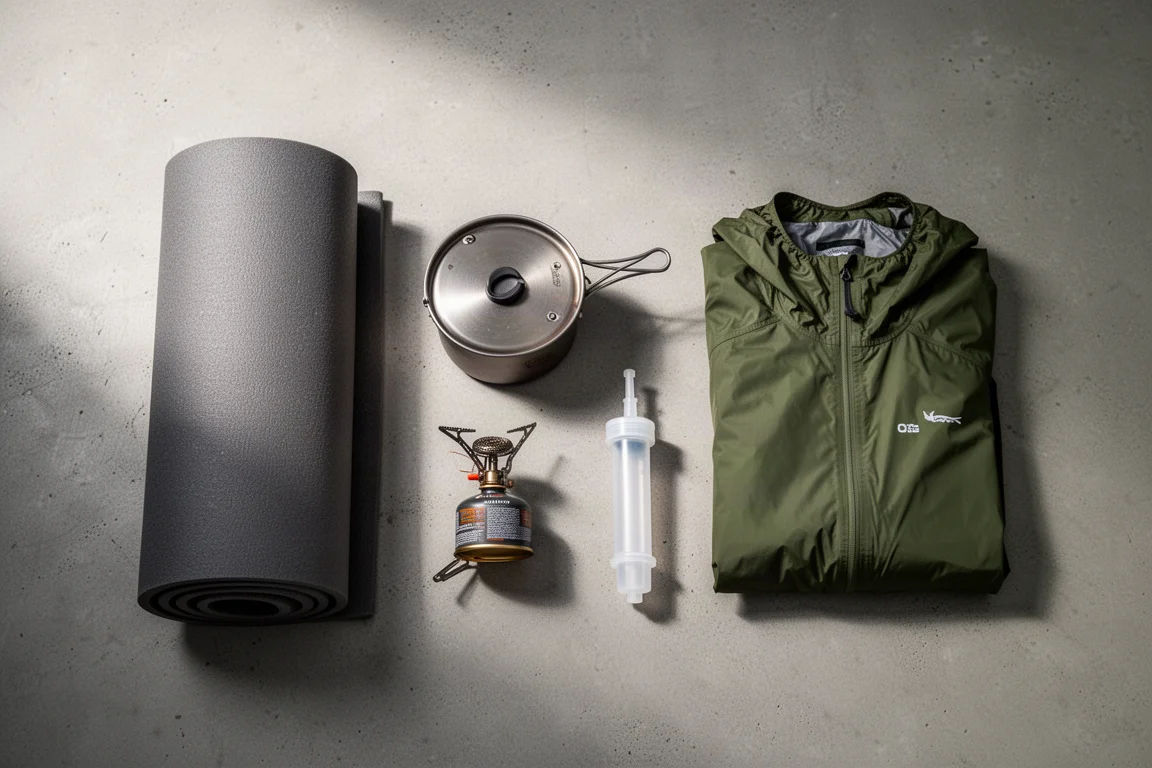
Weight can be trimmed elsewhere. A smaller battery bank is enough for an overnight, a compact foam mat adds insulation without much bulk, and a simple pot and spoon setup covers most meals. The goal is not the lightest possible kit, but the lightest kit that still handles frozen ground, wet weather, and cold evenings.
Conclusion
Spring backpacking rewards gear that addresses specific conditions rather than gear that simply weighs less. A waterproof lid for sensitive items, silpoly shelter fabric that does not sag, a regulated stove that works below freezing, and a pad with enough R-value for cold ground all solve problems that a summer kit ignores. Build around those, and the rest of the loadout can stay simple and light.
Further reading
Related Reviews

Backpacking Gear
Building a 10 lb Base Weight: An Ultralight Backpacking Gear List
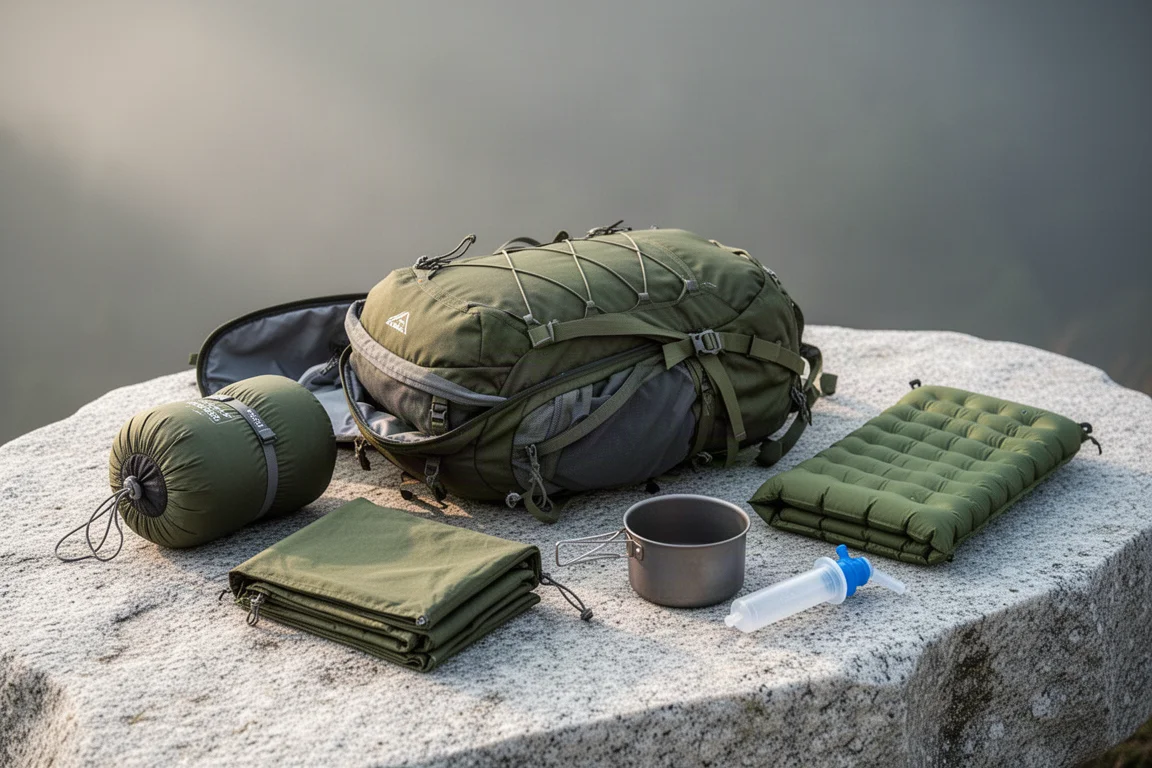
A practical walkthrough of the ultralight pieces behind a 10 lb base weight, from a 765 g pack and a roomy one-person tent to a full camp chair and a dependable water filter.
Backpacking Gear
A 15-Pound Lightweight Backpacking Gear List for Solo Trips
A beginner-friendly 15-pound backpacking setup built from easy-to-find gear, with notes on what each piece does, how it packs, and where to spend your attention.
Backpacking Gear
8 Ultralight Backpacking Gear Upgrades Worth Carrying
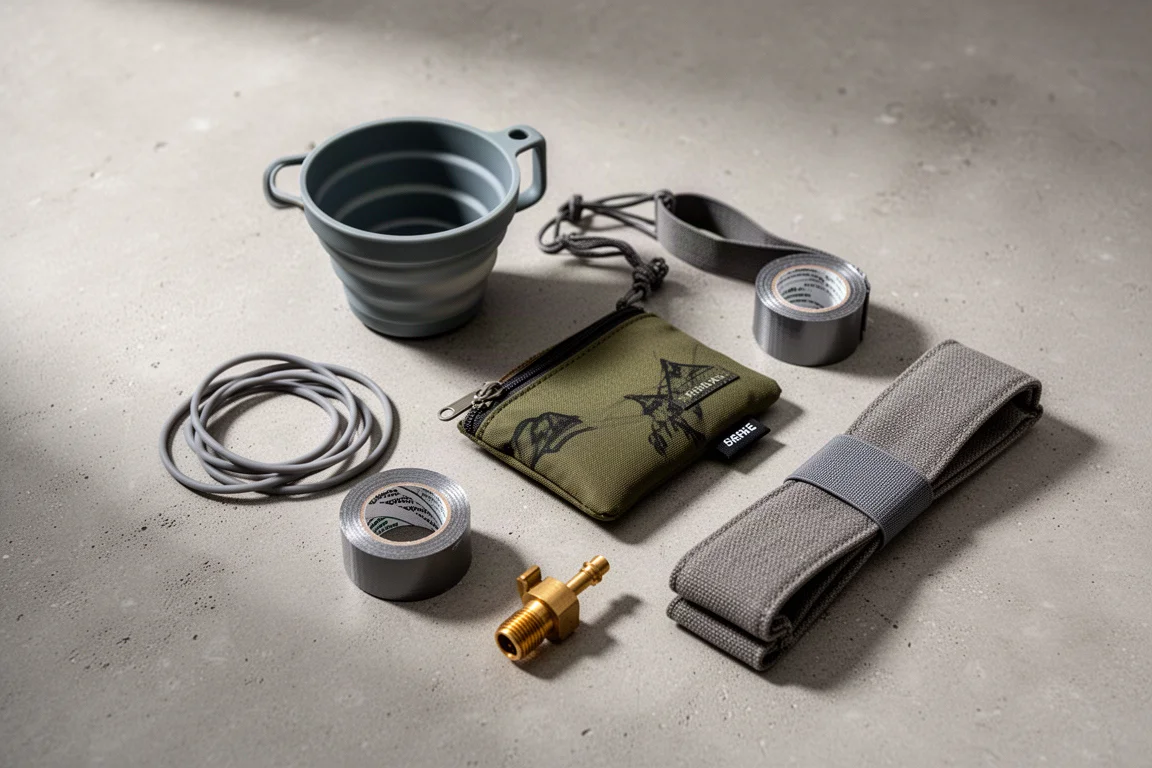
Eight small, affordable backpacking upgrades that solve real trail annoyances, from a pillow that stays put to a fuel valve that rescues leftover canister gas.