Road Cycling
Lightweight Road Bikes in an Aero World: Canyon Ultimate CFR and Selle Italia SLR
Aerodynamic claims dominate the road bike market, but on a route with thousands of metres of climbing a 6.8 kg bike and a 137 g saddle still make a clear case for themselves.
Introduction
Aerodynamic road bikes dominate the market right now, and almost every new launch arrives with a claim about watts saved at racing speeds of 40 to 45 km/h. Those numbers are real, but they are measured in conditions that most riders never actually ride in. On a long mountain day, the speeds that matter are much lower: climbing at around 10 km/h, an overall average closer to 20 km/h, and a handful of fast descents in between.
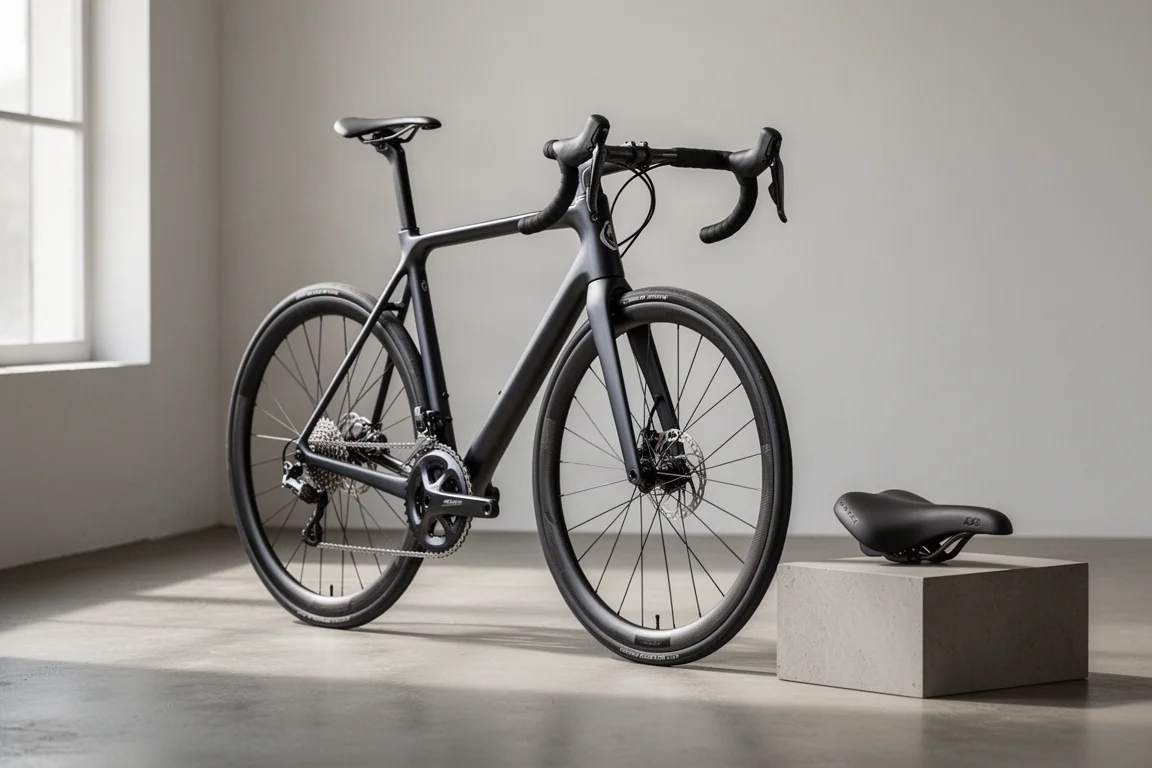
That gap between wind-tunnel speed and real-world speed is exactly why a dedicated lightweight bike still deserves consideration. The Canyon Ultimate CFR weighed 6.8 kg out of the box on this build, and it was paired with a fourth-generation Selle Italia SLR saddle that weighs just 137 g. Together they make a useful case study in whether light weight still earns its place against a market obsessed with aerodynamics.
Why Lightweight Road Bikes Still Make Sense
The simplest argument for a lightweight bike is that almost every rider feels weight directly, while aerodynamic gains are only fully realised at higher speeds. On a route with roughly 5,500 metres of climbing packed into about 170 km, with around 65 km of that being uphill, the accumulated effect of a lighter bike is felt on every ramp, every switchback and every moment where the gradient tilts upward.
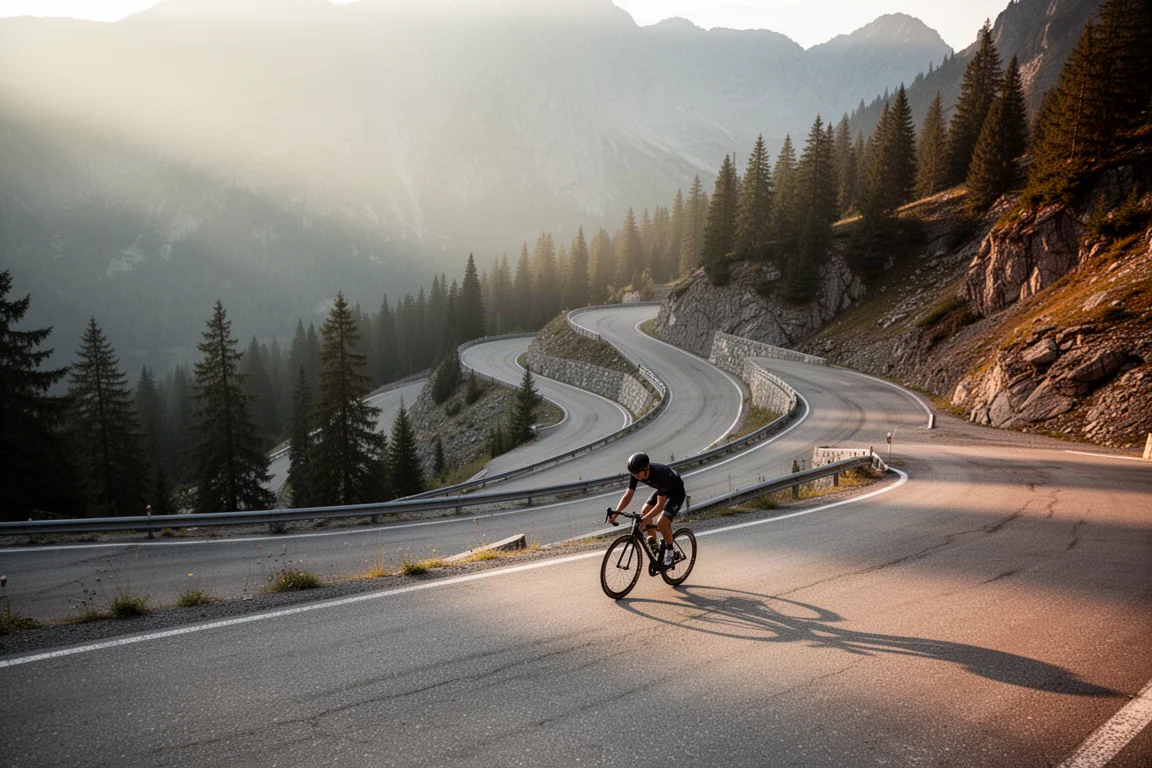
There is also the question of how a bike feels rather than what it weighs on a scale. A light, stiff climbing platform tends to feel sharp, agile and eager to respond, which matters a great deal on the long, grinding climbs where riders spend most of their time out of the saddle. That responsiveness is not something a spec sheet captures well, but it is one of the clearest reasons riders keep choosing lightweight frames.
Canyon Ultimate CFR: A 6.8 kg Climbing Bike
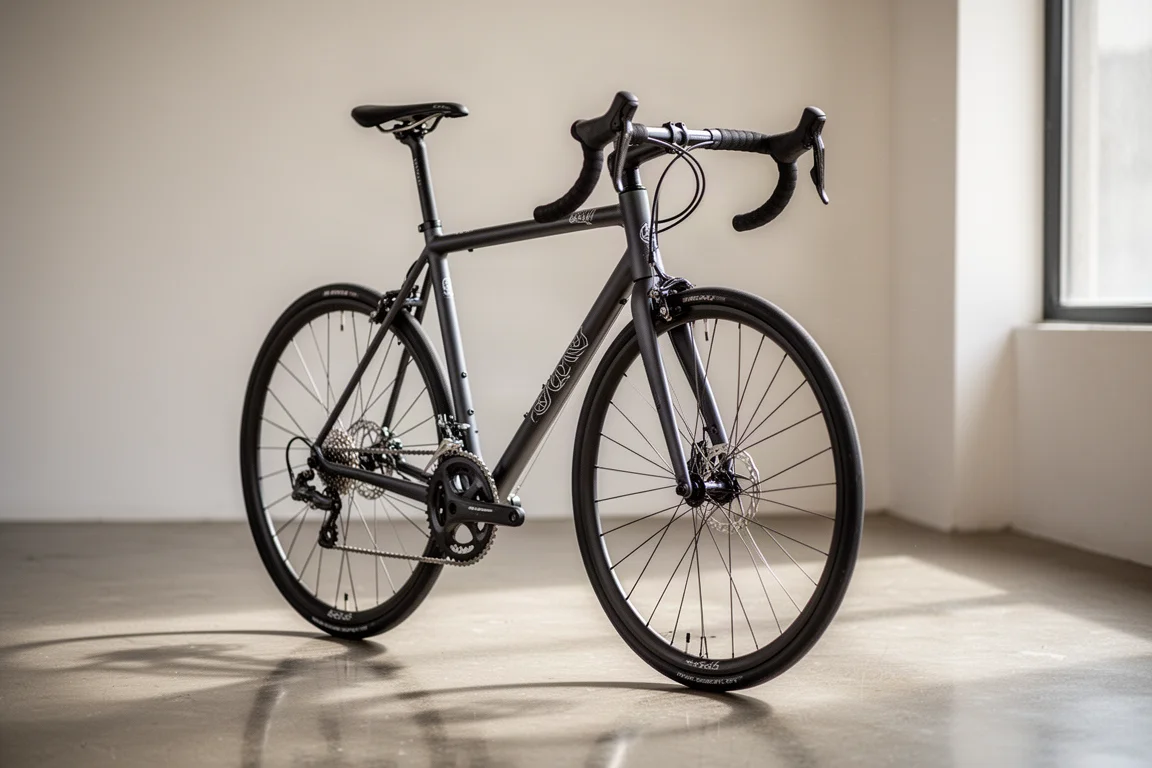
The Ultimate CFR was built to be light, and at 6.8 kg out of the box it clearly is. That low weight is the foundation of how it behaves on a hard day in the mountains. Aero bikes carry extra mass and deeper wheels, and on steep slopes that combination feels noticeably less immediate. The Ultimate CFR instead has a pointy, edgy, responsive character that comes through as soon as the road tilts up.
Out of the saddle on steep sections, the frame feels sharp and precise, with a level of agility that is hard to match on a heavier aero platform. The shallow-section carbon wheels play a large part in that. They are light, they roll smoothly, and they are far less susceptible to crosswinds than deep-section alternatives. On an exposed summit at around 2,600 metres with strong wind, the bike stayed planted and predictable, while a rider on deeper wheels was visibly buffeted around. That composure on a windy descent translates into genuine confidence.
The trade-off is straightforward. A dedicated climbing bike gives away some aerodynamic advantage on flat and rolling roads, and it is not the fastest option everywhere. Its strengths are concentrated in sustained climbing and in the feel of the ride, and how much those strengths are worth depends entirely on where the bike is ridden.
Selle Italia SLR: A Lightweight Saddle for a Climbing Build
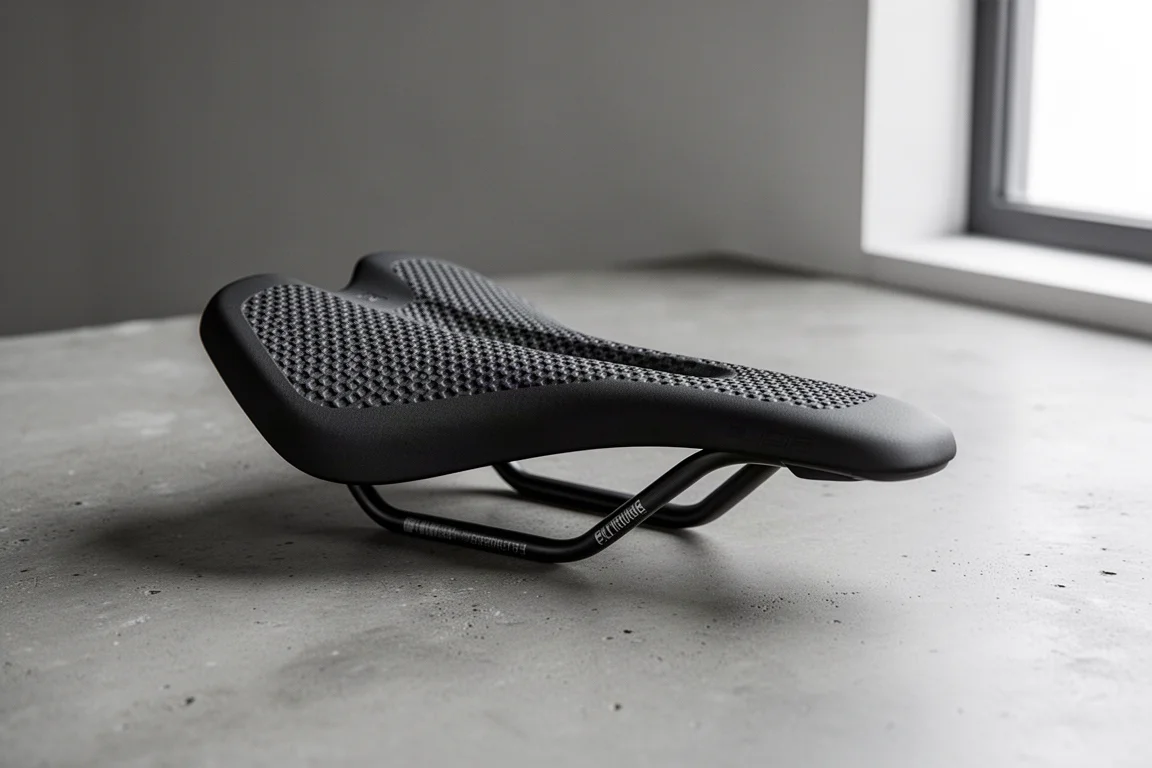
The fourth-generation Selle Italia SLR is a natural partner for a light road bike. At 137 g, it is one of the lightest 3D printed saddles available, and its appeal is not purely about the number on the scale. It offers an impressive balance of comfort and support, which becomes especially valuable on long rides where a rider might spend eight hours or more in the saddle.
The latest version is shorter and more compact than before, and it sits right at the UCI dimensional limit. The rear profile has been made slimmer and lower, which gives it a cleaner, more modern shape and keeps the saddle out of the way when moving around on the bike. Selle Italia has also increased the stack height by 4 mm, which makes it noticeably easier to fine-tune saddle position during setup. Lighter, sleeker and more adjustable, it is a fitting finishing touch to a lightweight build.
Riding a Big Mountain Route: What It Feels Like
Testing a lightweight bike properly means giving it a route that plays to its strengths. This one started gently on a fast, flat road before the first major climb arrived after just 15 km, with the legs barely warmed up. The Col du Lautaret came first, a 24 km ascent averaging around 5.2 percent that ramps up and levels off repeatedly on the way to the summit, making it a demanding opening challenge. A fast descent followed before the back-to-back pairing of the Telegraph and the Galibier.
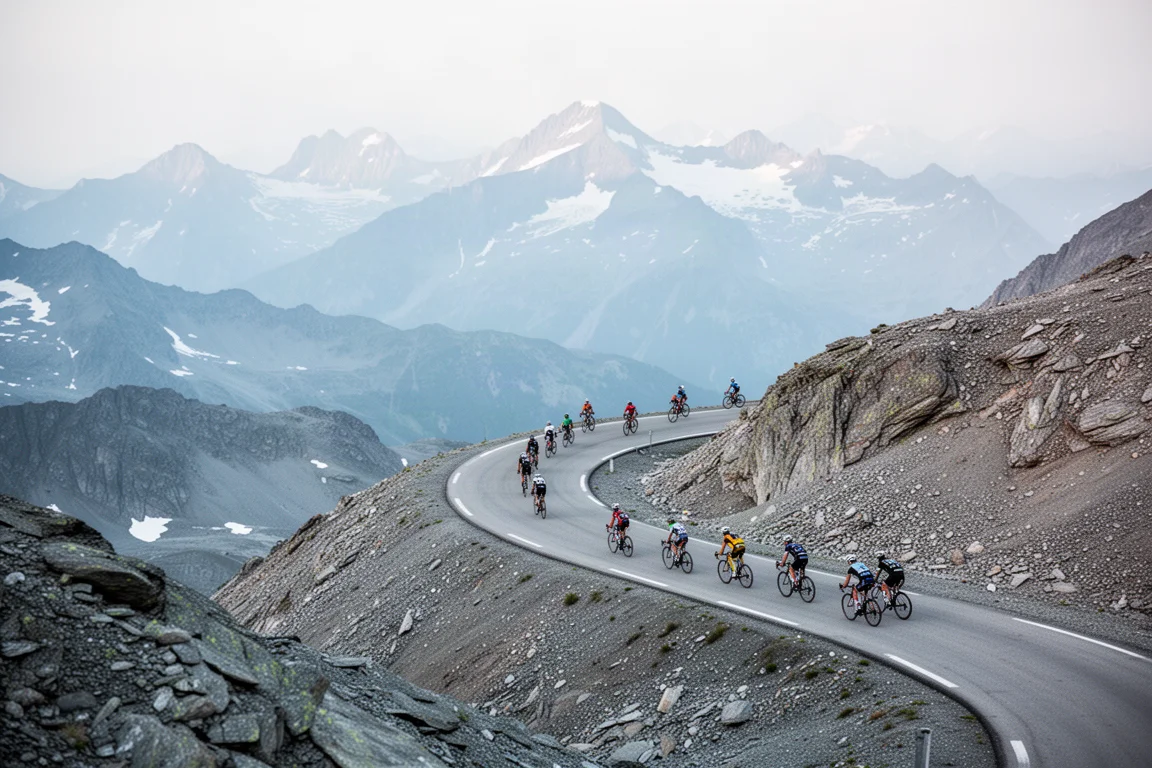
The Galibier was the hardest climb of the day. Its upper slopes are steep and climb above 2,600 metres, and the final stretch is brutal no matter what bike is underneath you. Conditions at the top were kind, without excessive cold or wind, which helped. A final climb, the Col de Sarenne, came afterwards: a narrow, bumpy and twisting road with dramatic views and gradients rising to nearly 9 percent in places, a genuine sting in the tail. The day finished with a descent into Alpe d’Huez, a total ride time of 8 hours and 12 minutes, plus roughly half an hour of stops for bottles and water.
Lightweight vs Aero: Matching the Bike to Your Terrain
The honest answer is that the right choice depends on terrain. This was not a controlled scientific comparison, and reaching a firm conclusion would mean riding the identical route again on a heavier aero bike to measure the difference. What the day did show is how the numbers stack up in practice: an average speed of around 20 km/h, climbing speeds around 10 km/h, and descents reaching 80 km/h. Aero testing happens at speeds far above that, which is why the benefits do not transfer directly.
If you live somewhere genuinely mountainous, in France, Switzerland, Germany or parts of the United States with long alpine passes, a lightweight bike retains a lot of relevance. Weight is the variable you feel most often, and on a route dominated by climbing it is the help that actually arrives. On rolling terrain with short, steep climbs, the picture changes. There, the aero advantages of a heavier, deeper-wheeled bike may outweigh the benefits of low weight, and a lightweight frame becomes a preference rather than an obvious performance gain.
Who a Lightweight Bike Suits Best
A dedicated lightweight bike suits riders who regularly take on long or repeated climbs, and riders who simply enjoy how a light bike feels when they lift it and ride it. The responsiveness and precision of a climbing platform is a daily pleasure on mountainous roads, and it keeps paying off on the steep gradients where aero gains do little to help.
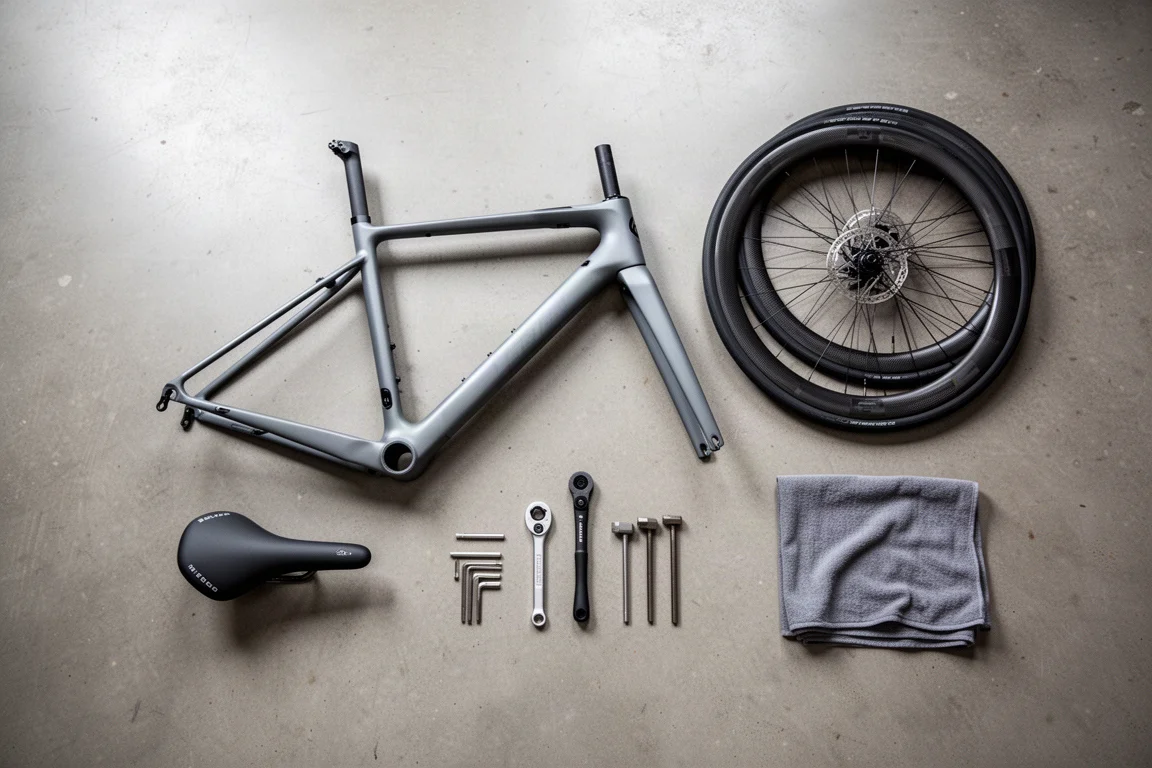
It is worth noting how the market is shifting. Some brands are consolidating their ranges around a single bike that aims to be both light and aerodynamic, while Canyon continues to develop both an aero platform and the Ultimate line. Dedicated climbing bikes remain relevant, but that relevance is narrowing rather than expanding. Plenty of riders want a light bike, plenty want a fast aero bike, and plenty want something in between, and having that choice available is a good thing.
What Else to Consider Before Buying
Weight is only one part of the decision. Wheel depth matters as much as frame weight on exposed roads, since shallow rims resist crosswinds far better on summits and descents, and that directly affects how confident the bike feels when it is moving quickly. Gearing, geometry and fit also shape how a light bike performs on a long day, because a low-weight frame only helps if the position allows you to keep pedalling.
Setup is easy to overlook. Small details make a difference over several hours, and the 4 mm stack height increase on the latest SLR is a good example: a small change that makes saddle position quicker to dial in. Anyone building a lightweight bike should budget the same attention for contact points as they do for frame weight.
Buying Advice
A lightweight bike is a strong choice if most of your riding involves sustained climbing, if you ride in mountainous regions, or if the feel of a responsive, agile bike is something you value directly. If your local roads are rolling, with climbs that are short and steep rather than long, an aero bike may serve you better and could be the more satisfying purchase.
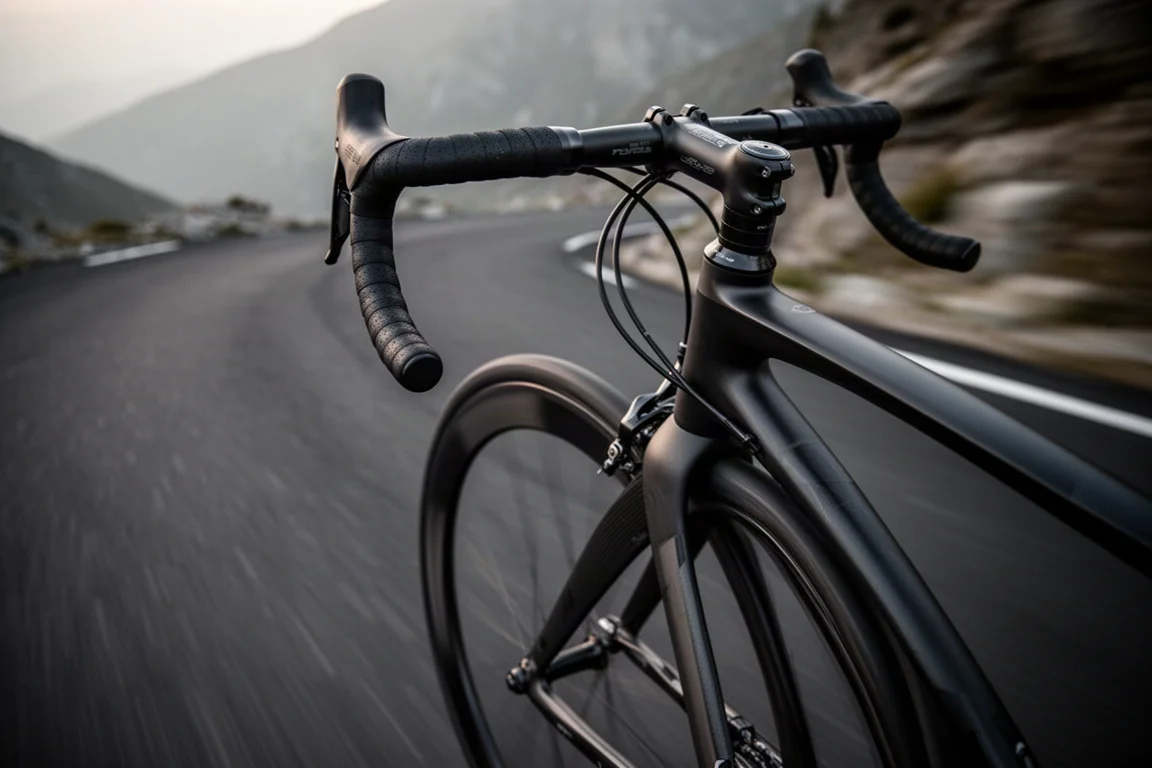
For riders who want a single bike to cover everything, an all-round platform that balances light weight and aerodynamic efficiency is a reasonable compromise, and it is a direction several brands are moving towards. On the component side, the Selle Italia SLR suits long-distance riders who want a very light saddle without sacrificing comfort and support, and its compact shape and easier adjustability make it a sensible match for a climbing-focused build.
Conclusion
Lightweight road bikes are still a valid choice, and on a route with roughly 5,500 metres of climbing in 170 km that validity is easy to feel. A 6.8 kg Canyon Ultimate CFR delivered precise, responsive climbing, shallow carbon wheels that stayed calm in strong summit crosswinds, and a ride character that heavier aero bikes struggle to replicate on steep gradients. The caveat is honest: aero bikes retain a real edge on flatter, faster terrain, and there is no single answer that fits every rider.
What is clear is that the decision comes down to where and how you ride. If your roads go up for hours at a time, weight still earns its keep, and pairing a light frame with a 137 g saddle like the Selle Italia SLR keeps the whole build consistent with that priority.
Further reading
Related Reviews
Road Cycling
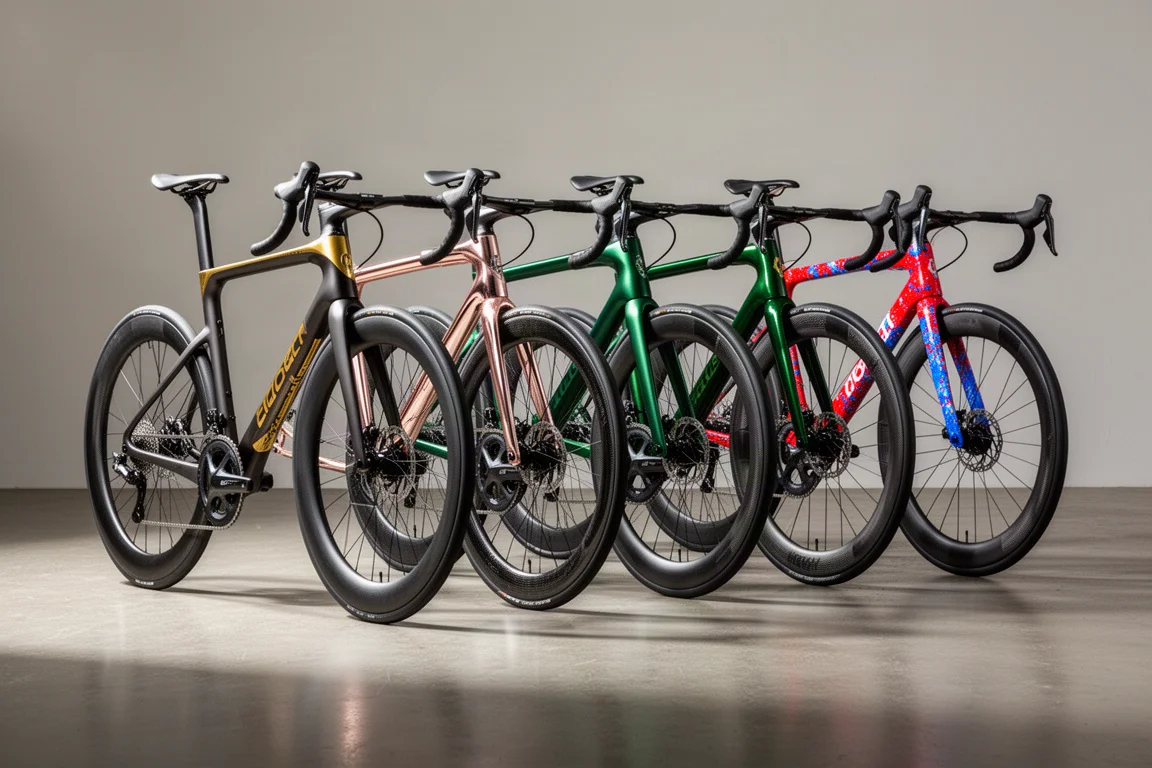
Best Looking Tour de France Bikes: Eight Race Machines and Their Paint Schemes
A closer look at eight Tour de France race bikes, from a gold-detailed presentation build to rainbow watercolours, water-transfer finishes and a clean title-sponsor livery.
Road Cycling
Best Road Bike Upgrades 2026: Clipless Pedals Compared and What to Change First
Two clipless pedal systems worth shortlisting for 2026, plus the lighter inner tubes, wheels, tires and saddles that genuinely change how a road bike rides.
Road Cycling
Best Road Bike Upgrades 2026: Five Pro-Level Picks Worth Buying
Five road cycling upgrades tested over months of hard riding, from a carbon-shell helmet and mixed-depth wheels to a tubeless race tire and a tight aero jersey.