Filmmaking Gear
Lightweight Hiking Filmmaking Kit: 12 Pieces of Gear for Solo Content Creators
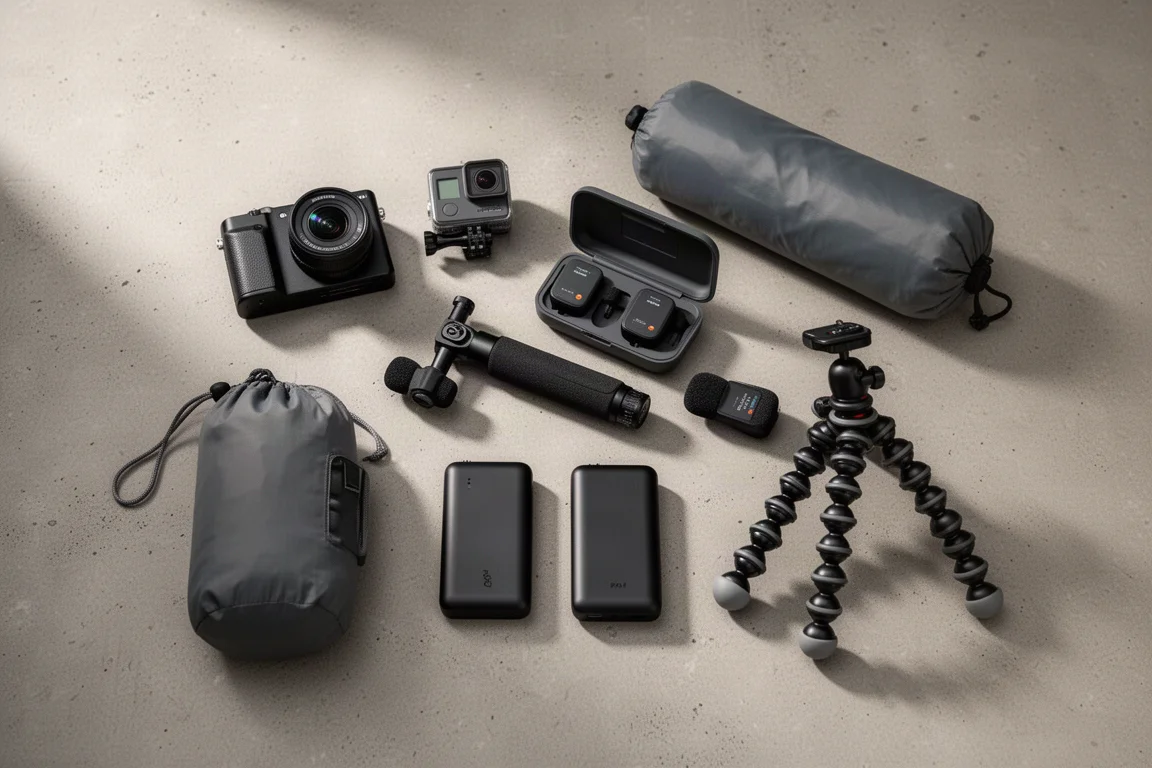
A practical, lightweight filmmaking kit for hiking and backpacking content, covering the camera, audio, power, and weather protection that make solo filming workable on trail.
Introduction
Filming hiking and backpacking content alone is a different problem from filming with a crew. There is no second operator, no cart of gear, and no dry room waiting at the end of the day. Everything has to be light enough to carry uphill, quick enough to set up with cold hands, and tough enough to survive rain, dust, and a night below freezing.
That is the logic behind this kit. It is built around one small camera, one weather-resistant second camera, a wireless audio system, and a short list of accessories that solve specific on-trail problems. Every piece here earns its place by making solo filming faster or more reliable, not by adding features that never get used.
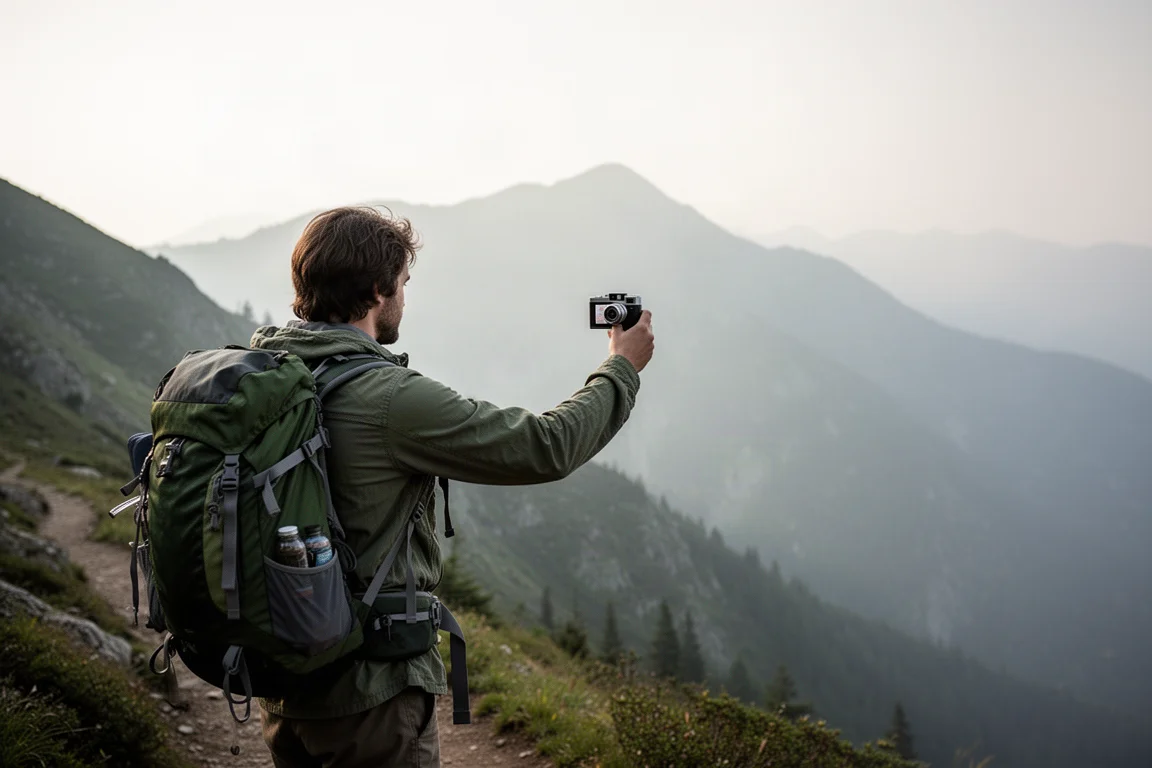
Below is the full breakdown, from the main camera through to the power banks and dry bags that keep the whole system running. Each section explains what the piece does well, where it has limits, and what kind of trip it suits best.
How This Kit Was Chosen
Weight and simplicity were the two filters. Anything that needed its own bag, its own charger, or a five-minute setup was left out. The kit had to pack into the same backpack as camping gear without turning a hiking day into a gear day.
Weather resistance mattered just as much. Rain, dust, and cold are the normal conditions rather than the exception, so how a device behaves when it is wet or freezing counted as heavily as image quality.
Finally, everything had to be operable by one person. If a piece of equipment only works with a second pair of hands, it does not belong in a solo filming kit.
Sony ZV-1: The Main Camera
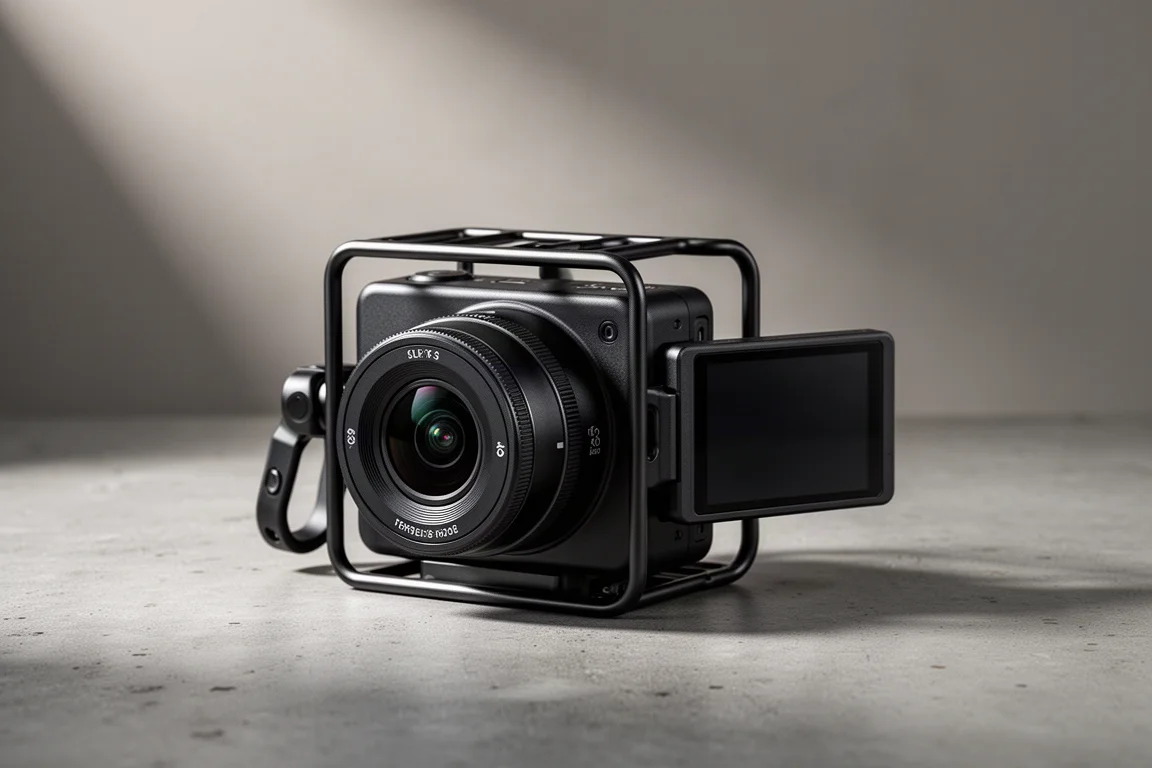
The Sony ZV-1 captures the majority of the footage in this kit, and it is the camera used for roughly 90 percent of the shots when two people are filming together. Its appeal is straightforward: the interface is friendly to beginners, and the camera body itself is very lightweight.
The lens covers a 24-105 range, which is flexible enough for both wide landscape framing and a tighter shot of a person talking. A metal frame around the body opens up mounting options, including a handle on the side. The strap that ships in the box is thin and flimsy, so a thicker, more comfortable replacement is one of the first worthwhile changes to make.
Dust, water, and fingerprints on the front element are a constant issue outdoors, so a small microfiber cloth and a rubber bulb blower live in the same pouch as the camera.
GoPro: The Second Camera
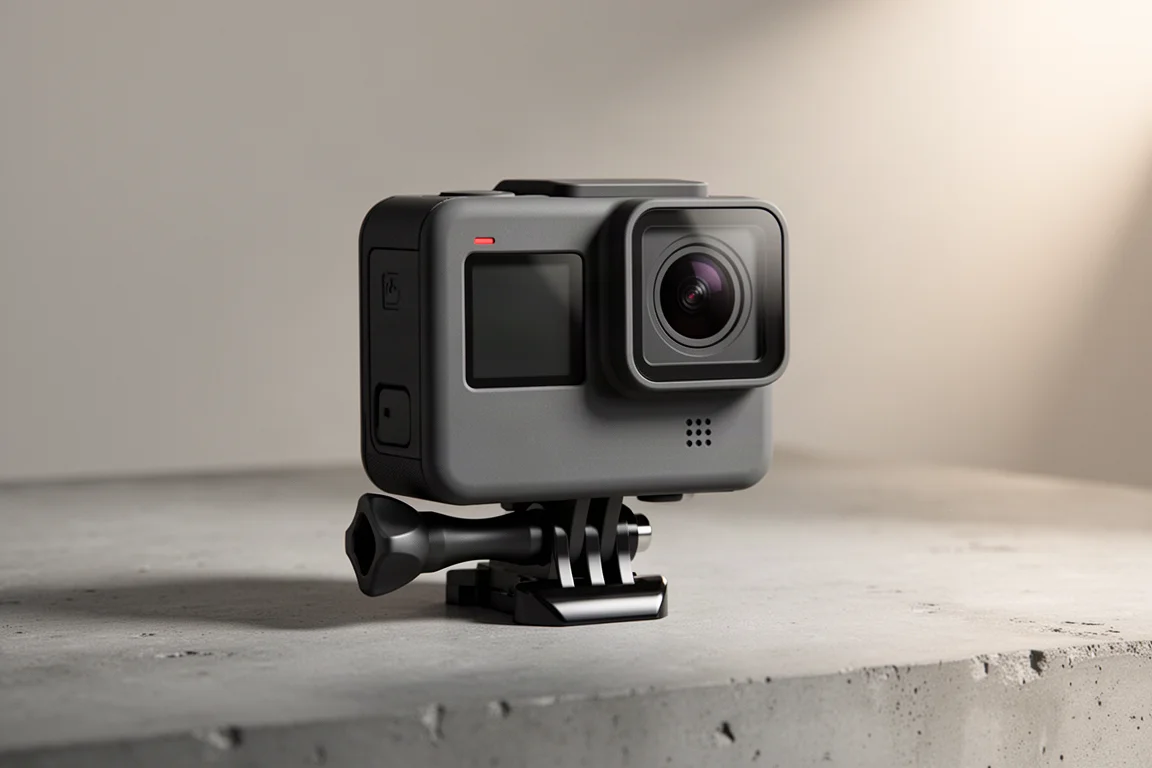
The GoPro serves as the B camera. It is what gets used for quick pieces to camera, short vlog-style segments, wide shots of a view, and any point-of-view footage. Because it is small and can be mounted almost anywhere, it covers shots that would take too long to set up on the main camera.
Its other strength is weather resistance. When rain sets in hard, the GoPro can stay out in conditions that would send other cameras into a dry bag, and it keeps working as temperatures drop.
Two limitations are worth knowing before you rely on it. GoPros handle low light poorly, so filming inside a tent at night usually needs a headlamp pointed directly at the subject to get a usable image. Cold is the second problem: batteries can die even at around 60 percent charge, sometimes mid-recording, and the only fix is to remove the battery, warm it up, and put it back in.
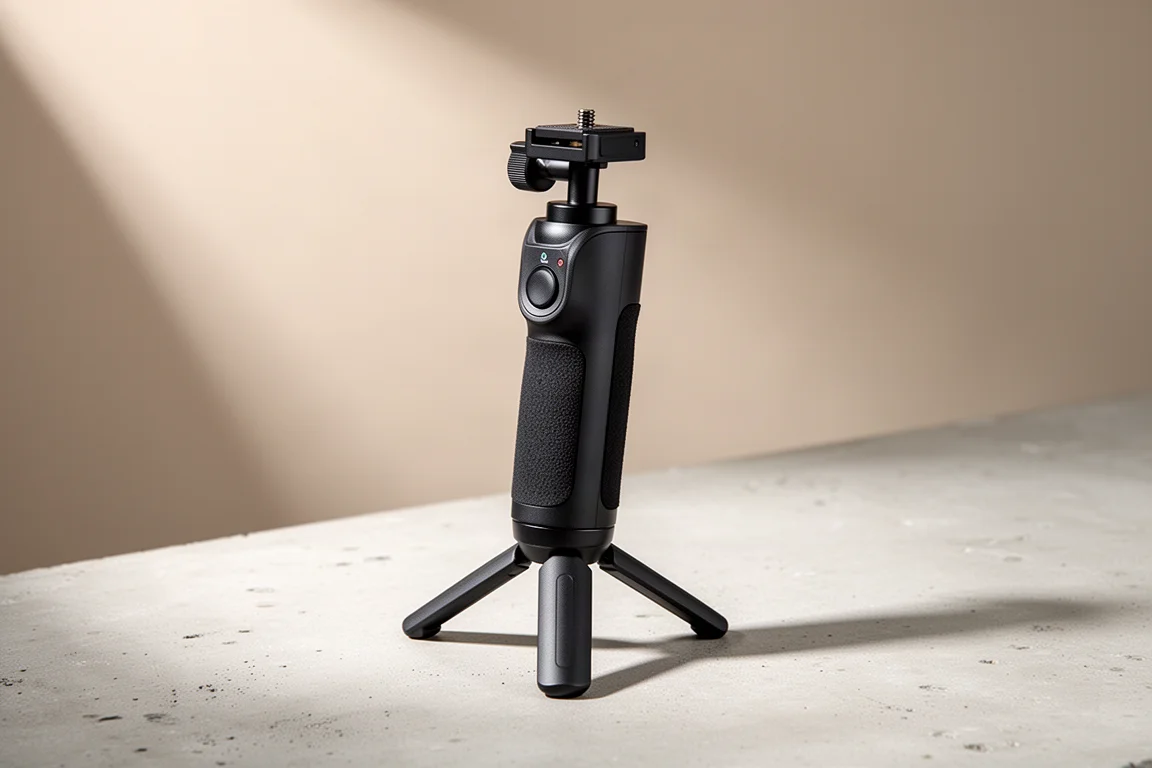
GoPro Shorty: A Grip, an Extender, and a Tripod
The GoPro Shorty is the mount that made the biggest difference to how the second camera gets used. It extends to give extra reach, so the camera can be held out and angled back toward the person filming, which is exactly what a solo shot needs.
It is very light and very small, and it has a tripod built into the base, so the same accessory works as a handheld grip and as a stand. The whole assembly, camera and mount together, is compact enough to strap to a pack’s shoulder strap, where a hook-and-loop wrap holds it in place. Arms still swing freely, bulk stays minimal, and the camera is one hand movement away.
DJI Mic: Wireless Audio That Clips On
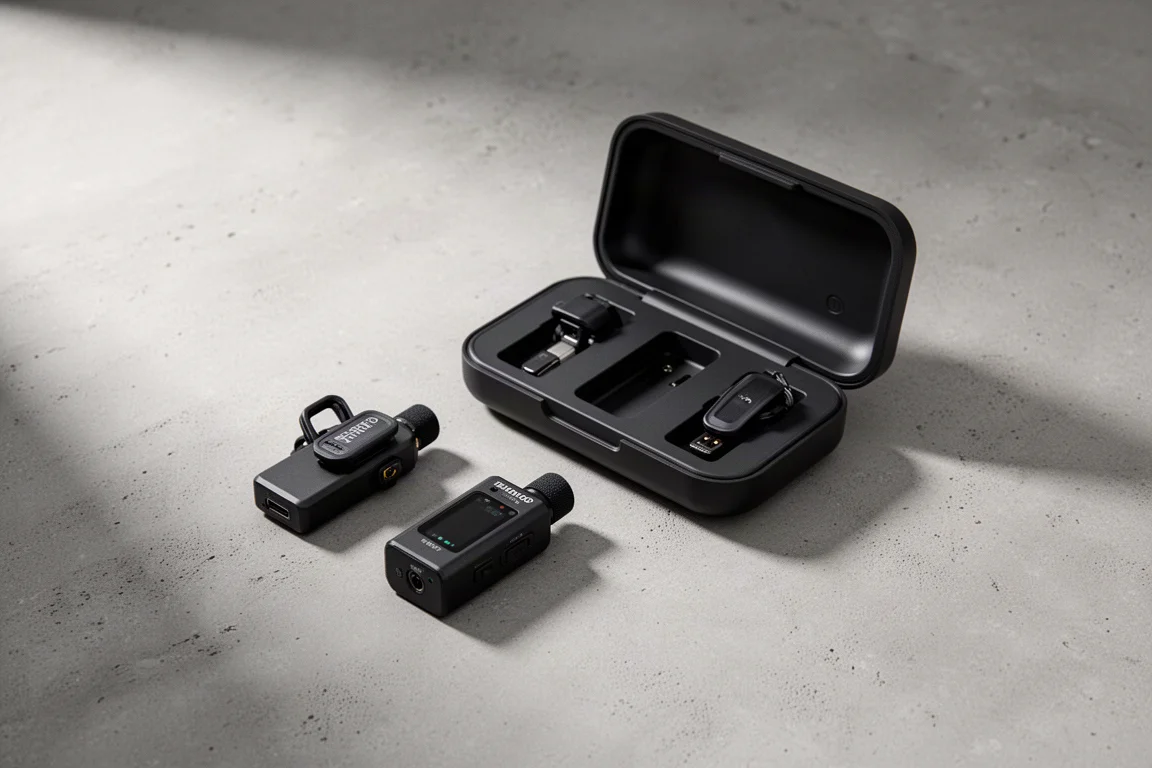
Audio comes from a DJI Mic system: two transmitters with clips on the back and magnets for mounting, plus a charging case. The case recharges the microphones, and with both transmitters and the case fully charged the system is rated for around 15 hours of recording before it needs a recharge.
On a one or two day backpacking trip, that is far more runtime than a shoot requires. For longer trips, a small recorder that runs on standard AAA batteries is the more practical option, since batteries can be swapped indefinitely on trail.
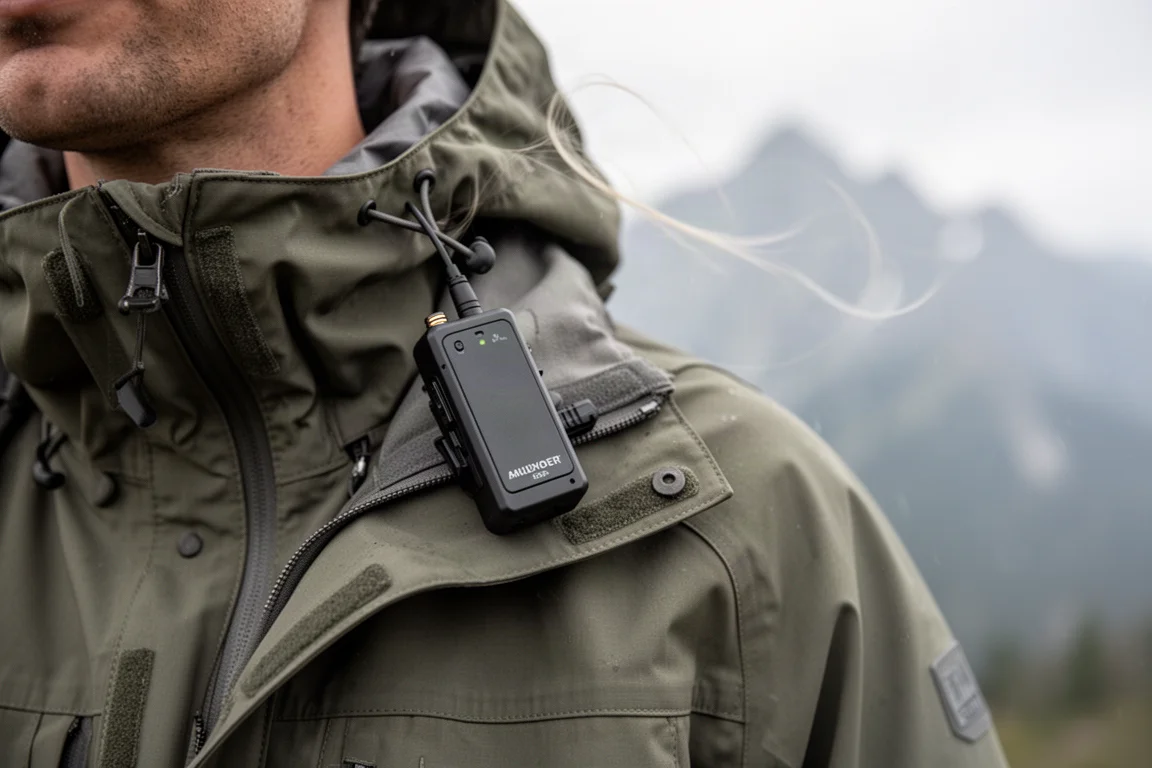
For most trips, though, the wireless mics are the system that gets used. The combination of a clip, a magnet, and a charging case makes them quick to deploy and easy to keep track of.
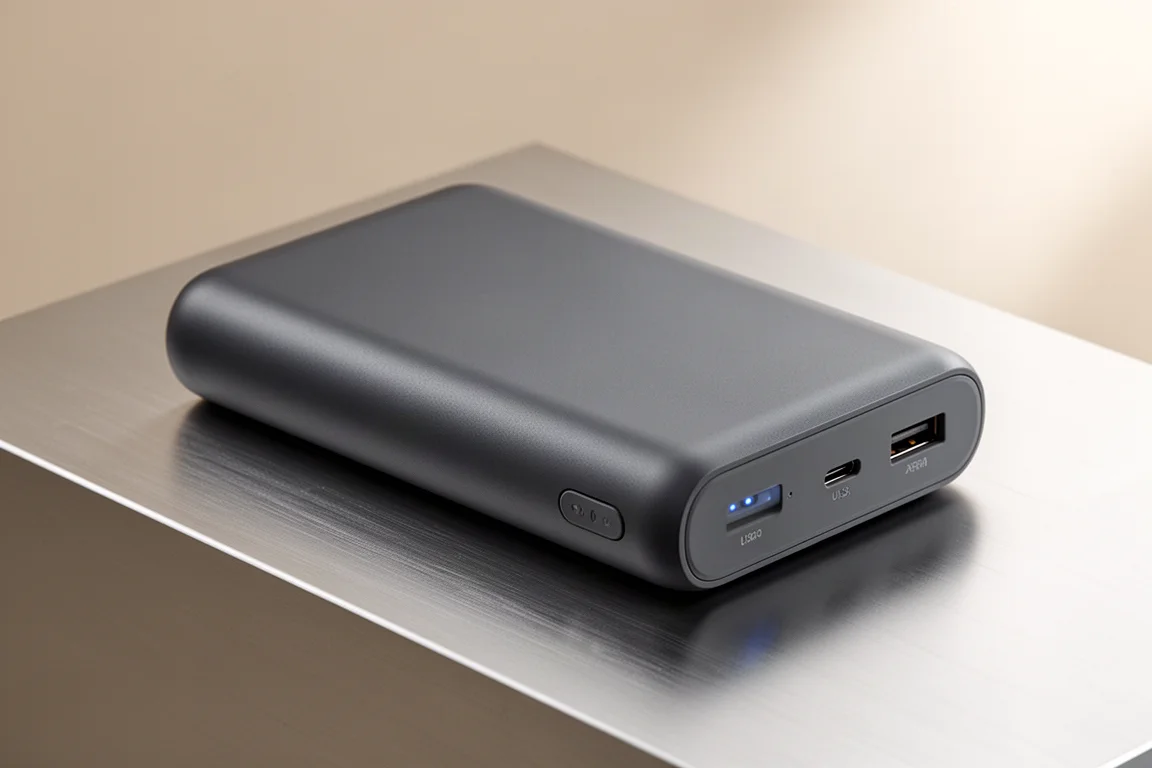
Nitecore 10,000mAh Power Bank
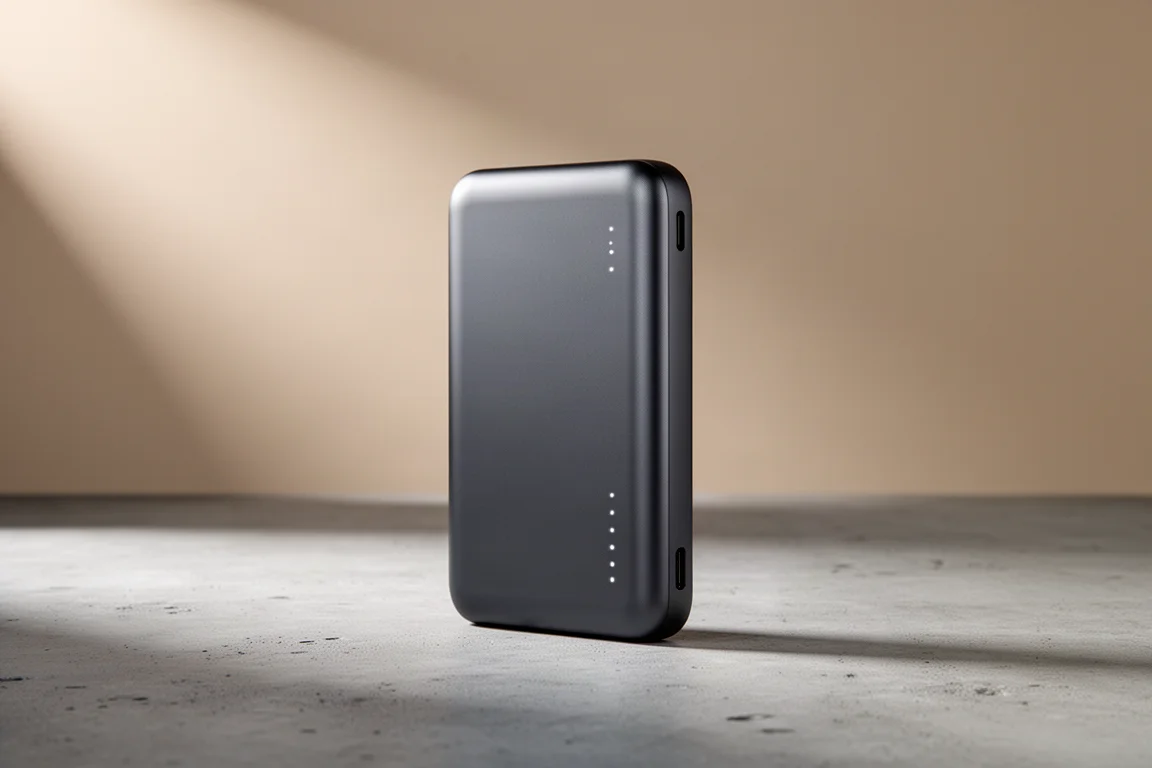
Two power banks travel with this kit, and they are split by role. The 10,000mAh unit is the lighter of the pair and typically handles phones and other small electronics, leaving the larger bank free for camera batteries.
Carrying both means two devices can be charged at the same time, which matters on days when shooting has drained batteries in both the main camera and the second camera.
Nitecore 20,000mAh Power Bank
The 20,000mAh bank is the one reserved for camera batteries. It carries enough capacity to top up the main camera and the action camera across a multi-day trip, and it pairs with the smaller bank so that phone charging never competes with camera charging.
The trade-off is straightforward: more capacity means more weight. Hikers shooting short trips may find the smaller bank alone is enough.
Osprey 3L Waterproof Sac
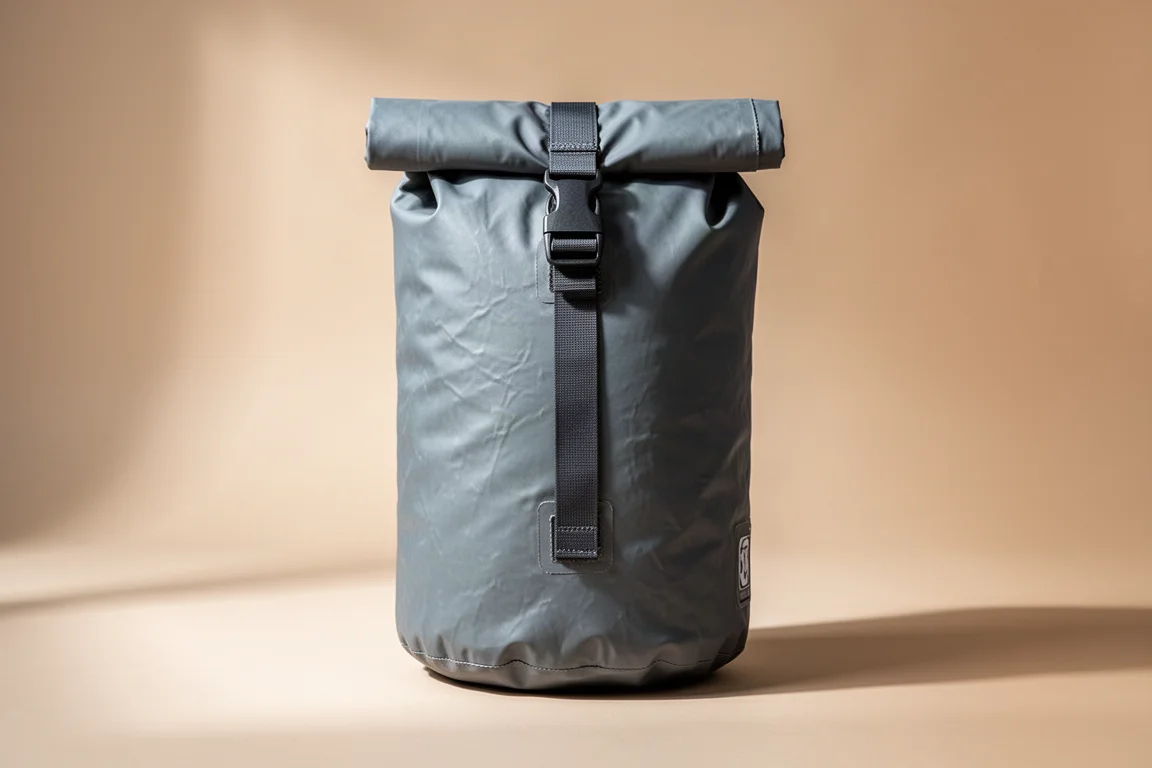
Keeping electronics dry is not optional on a backpacking shoot. The Osprey 3L waterproof sac is where accessories and audio gear go when the weather turns. It closes with a roll-top and a buckle, and once sealed it can be packed anywhere in a backpack without leaking into the rest of the load.
Its 3-litre capacity suits the small items that need protection: spare batteries, card cases, and microphone parts. Because it is soft and rolls down, it also compresses into whatever space is left at the top of a pack.
Peak Design Quick Clip: Camera Access on a Shoulder Strap
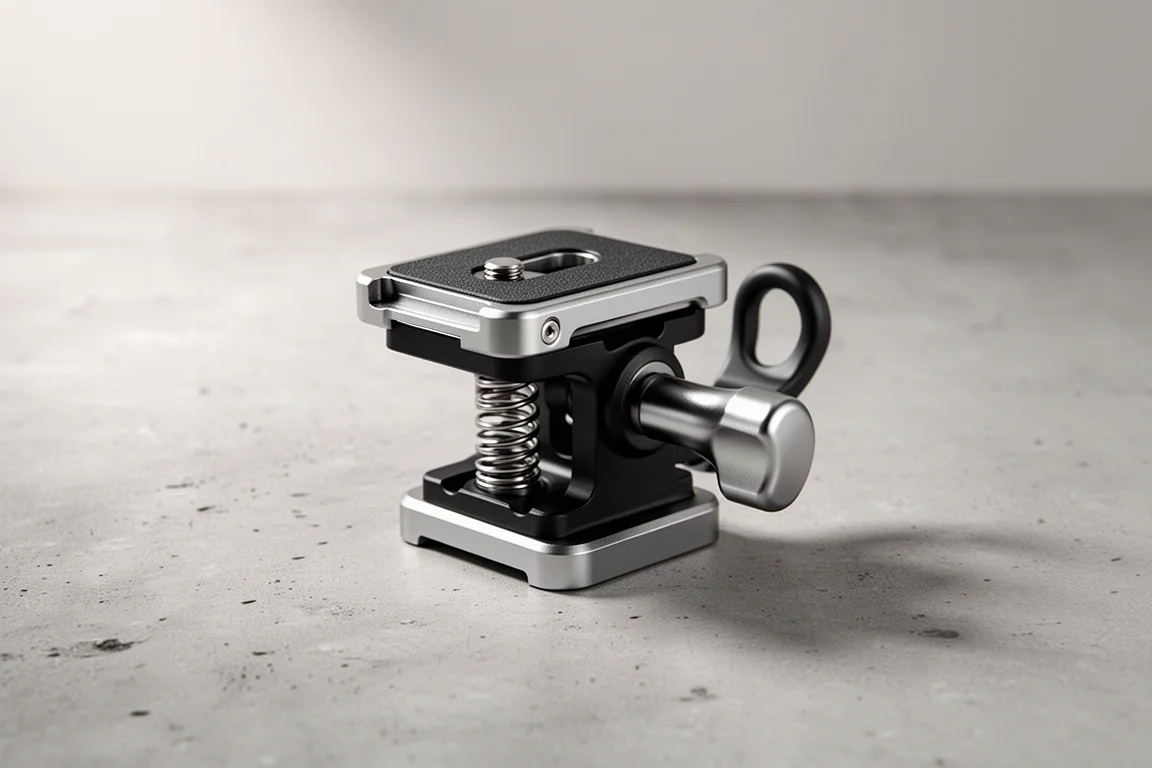
The Peak Design Quick Clip is a shoulder-strap mount that attaches the Sony ZV-1 to a backpack strap. It solves a very specific problem: what to do with the camera when both hands are needed.
On a rock scramble, the camera clips to the strap in a second and sits out of the way, then comes free just as quickly when filming resumes. That fast attach-and-release cycle is what makes carrying a real camera on technical terrain practical rather than irritating.
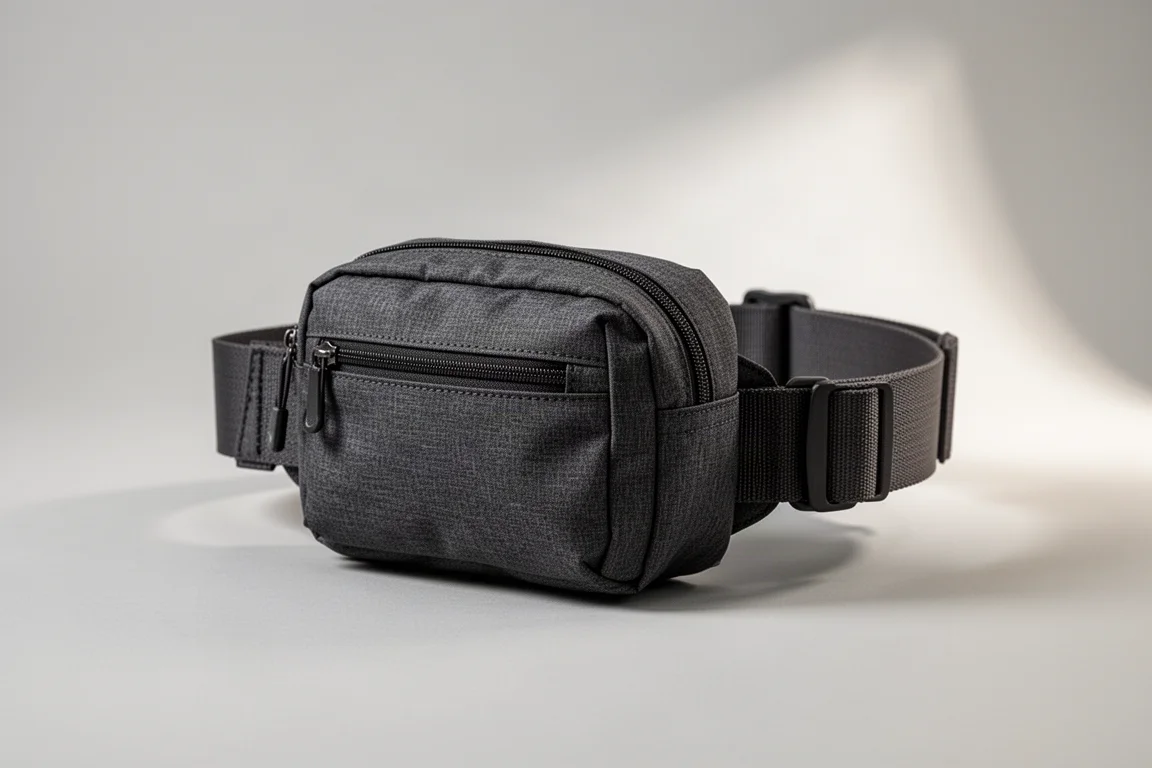
Weebo Waterproof Fanny Pack: The Mary Poppins Bag
The Weebo waterproof fanny pack is the accessory that ends up holding almost everything. It is spacious enough to carry a dry bag of batteries, a microfiber cloth, a bulb blower, the mic pack, and a power bank, plus a phone and a snack.
Because it sits at the waist, everything inside stays within reach without taking a backpack off. Batteries, memory cards, and audio gear can all be swapped in seconds, which is often the difference between catching a shot and missing it.
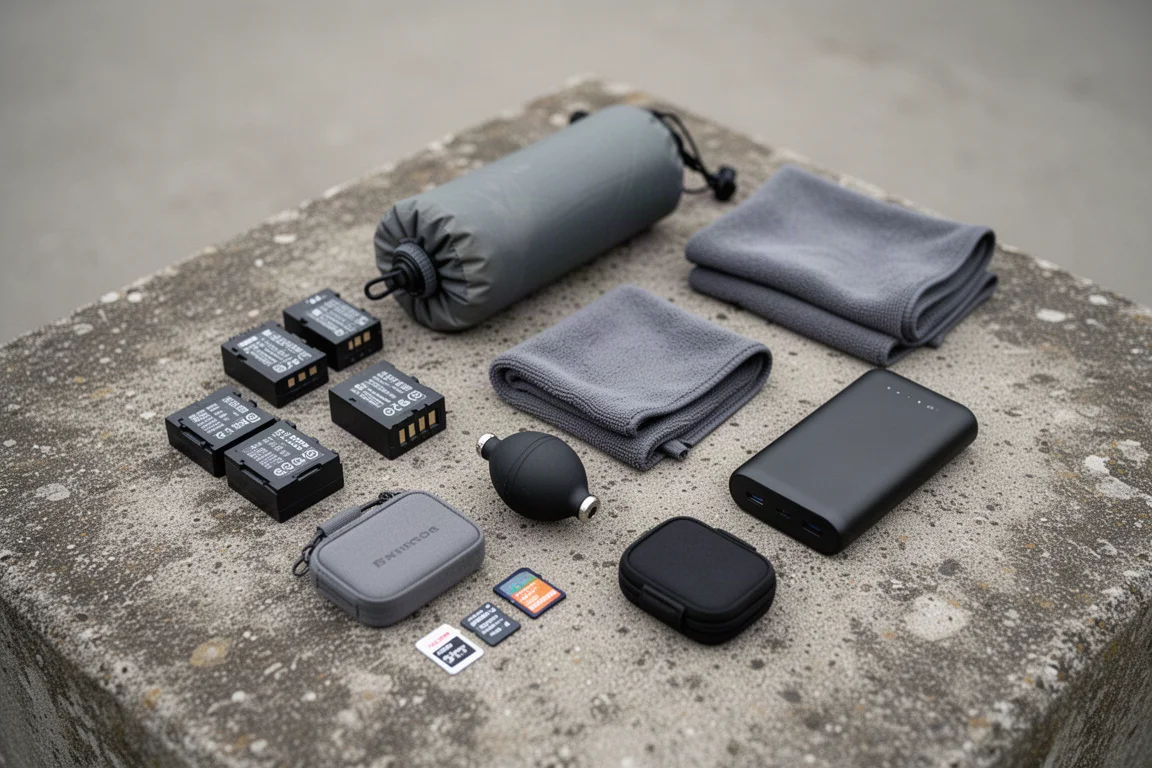
It is waterproof, which matters for the items that cannot get wet, and it keeps the small, easily lost pieces of a kit in one known place.
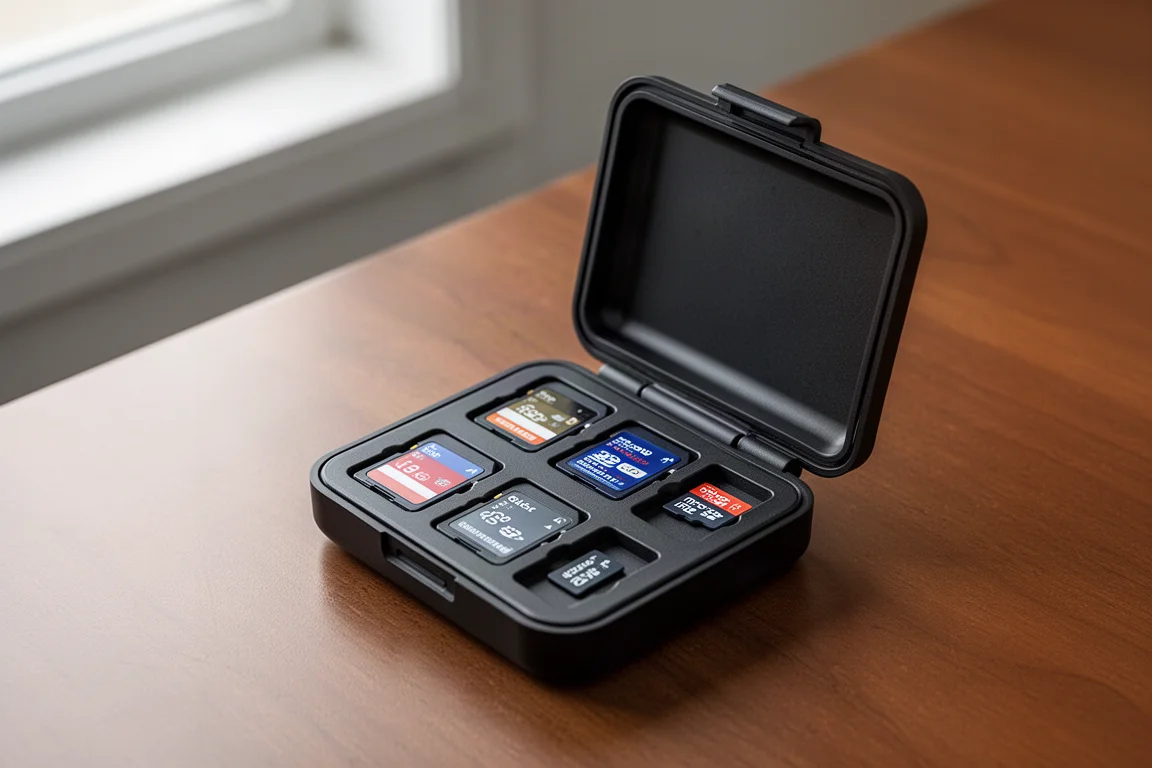
SmallRig SD and microSD Card Case
A small SmallRig case holds SD and microSD cards. It is a recent addition to the kit and a simple one: cards stay organised, protected, and identifiable instead of rattling loose in a pouch.
Given how easy it is to lose a card in a tent or on a windy ridge, a dedicated case is one of the cheapest reliability upgrades in the whole setup.
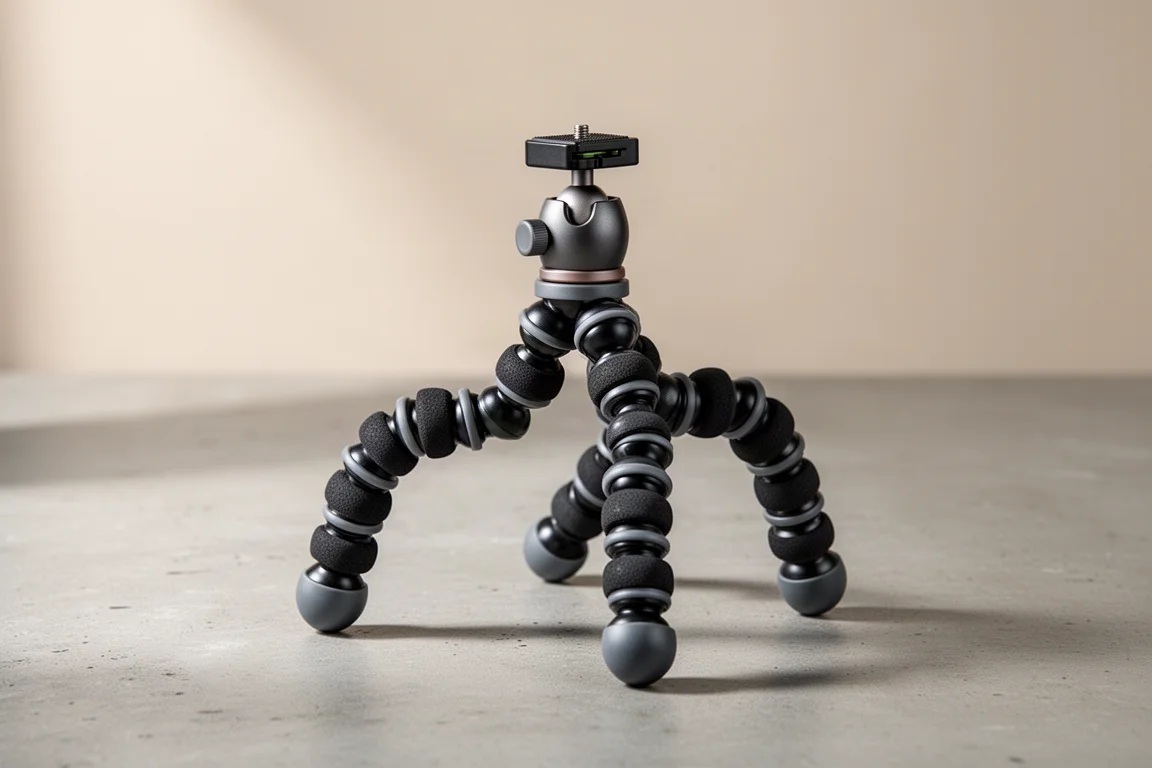
Joby GorillaPod: The Long-Time Tripod
The Joby GorillaPod is the tripod that has been used with the Sony ZV-1 for the longest time. Its flexible legs wrap around rails and branches and hold the camera steady for solo shots, which is what makes it work when there is nobody else to hold the camera. A lighter alternative for hikers who already carry poles is a trekking-pole tripod adapter, which turns three trekking poles into an adjustable, stable tripod. The same maker offers a single extendable leg that weighs less than carrying a dedicated tripod, so two poles plus that leg complete the setup.
Element Caramel Chocolate Salt: Fuel for Early Starts
Element is an electrolyte drink mix, and the Caramel Chocolate Salt flavour is the one used here. It contains no sugar, and it does double duty as a hiking electrolyte and as a morning drink.
The warm version is simple: two shots of espresso or about four ounces of strong coffee, a cup of warmed milk of your choice, and one packet of the mix. It is an easy way to start a filming day, and the electrolytes help with the cramping and fatigue that long days on trail can bring on.

Overall Buying Advice
If you are building this kit from scratch, start with the two cameras and the audio system, because those determine what the footage looks and sounds like. The Sony ZV-1 handles the bulk of the shooting, the GoPro covers wet weather and point-of-view angles, and the wireless mics make audio usable without a cable.
From there, add the accessories that solve problems you have actually run into. Power banks and a waterproof sac are the first two for anyone going out overnight, a shoulder-strap clip becomes essential the moment a route involves scrambling, and a tripod only earns its weight if you film alone.
Everything else on this list is small and easy to justify. The card case, the fanny pack, and the electrolyte mix cost very little relative to the cameras and remove a lot of daily friction.
Conclusion
This kit is not built around the most expensive gear available. It is built around gear that is light, quick to deploy, and reliable in bad weather, which is what solo hiking and backpacking filming actually demands.
The Sony ZV-1 and the GoPro cover most shooting conditions between them, the wireless mics handle audio without fuss, and the supporting accessories keep batteries charged, cards organised, and electronics dry. Together they make a setup one person can carry and operate on a long trail day.
If you are starting out, buy the core pieces first and let the accessories accumulate as your trips reveal what you need. That approach keeps the pack light and the kit honest.
Further reading
Related Reviews

Backpacking Gear
Building a 10 lb Base Weight: An Ultralight Backpacking Gear List
A practical walkthrough of the ultralight pieces behind a 10 lb base weight, from a 765 g pack and a roomy one-person tent to a full camp chair and a dependable water filter.

Road Bikes
10 New Road Bikes Worth Watching: Aero, Titanium, Steel and Endurance Standouts
A practical roundup of 10 new road bikes, from aero flagships chasing single-watt gains to titanium, steel and endurance platforms built for real roads.
Bikepacking Gear
11 Bikepacking Essentials for Long-Distance Cycling
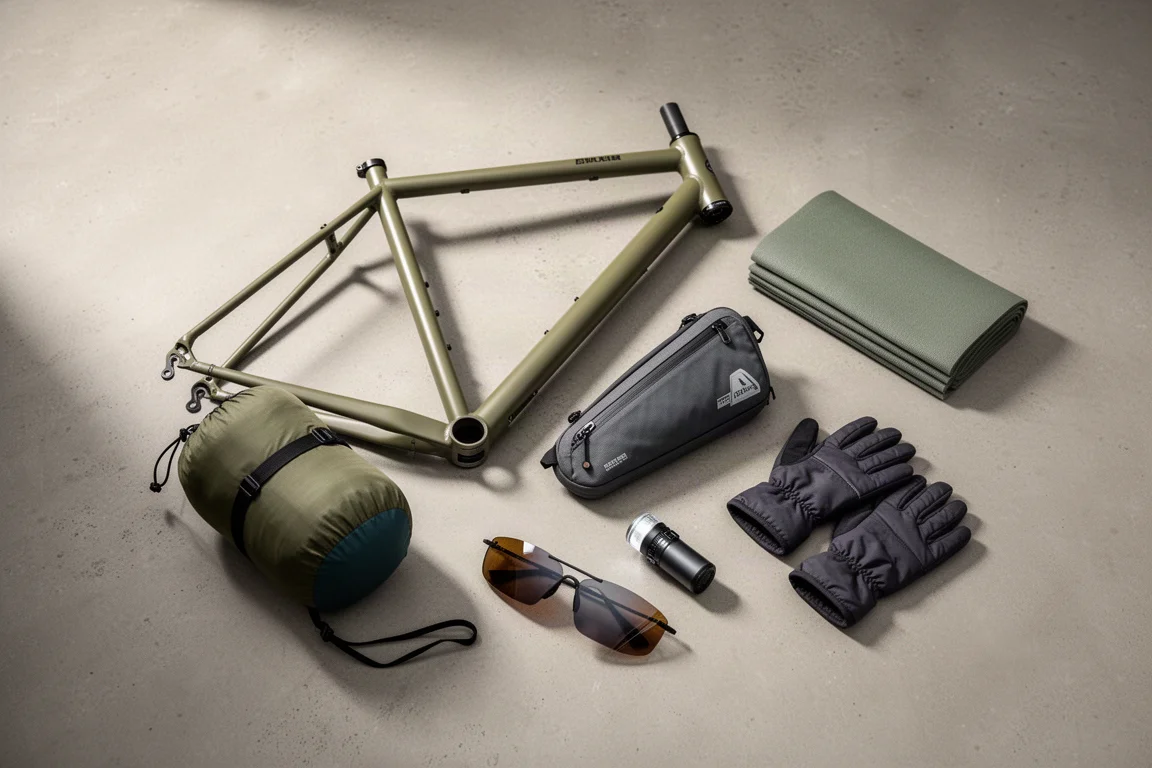
Eleven bikepacking essentials for long-distance cycling, from a steel gravel frame and a two-person tent to helmet lights, packable gloves, and a frame bag that puts weight in the right place.