Electric Mountain Bikes
Lightweight eMTBs vs Full Power and Non-Assisted Bikes: Four Specialized Models Compared
How lightweight electric mountain bikes differ from full power and non-assisted models, and how four Specialized bikes compare on weight, motor output, and ride feel.
Introduction
A lightweight electric mountain bike may sound like a contradiction, but the category has moved quickly. The latest lightweight eMTBs are lighter than ever, and the idea that powerful pedalling assistance and low weight are mutually exclusive no longer holds up.
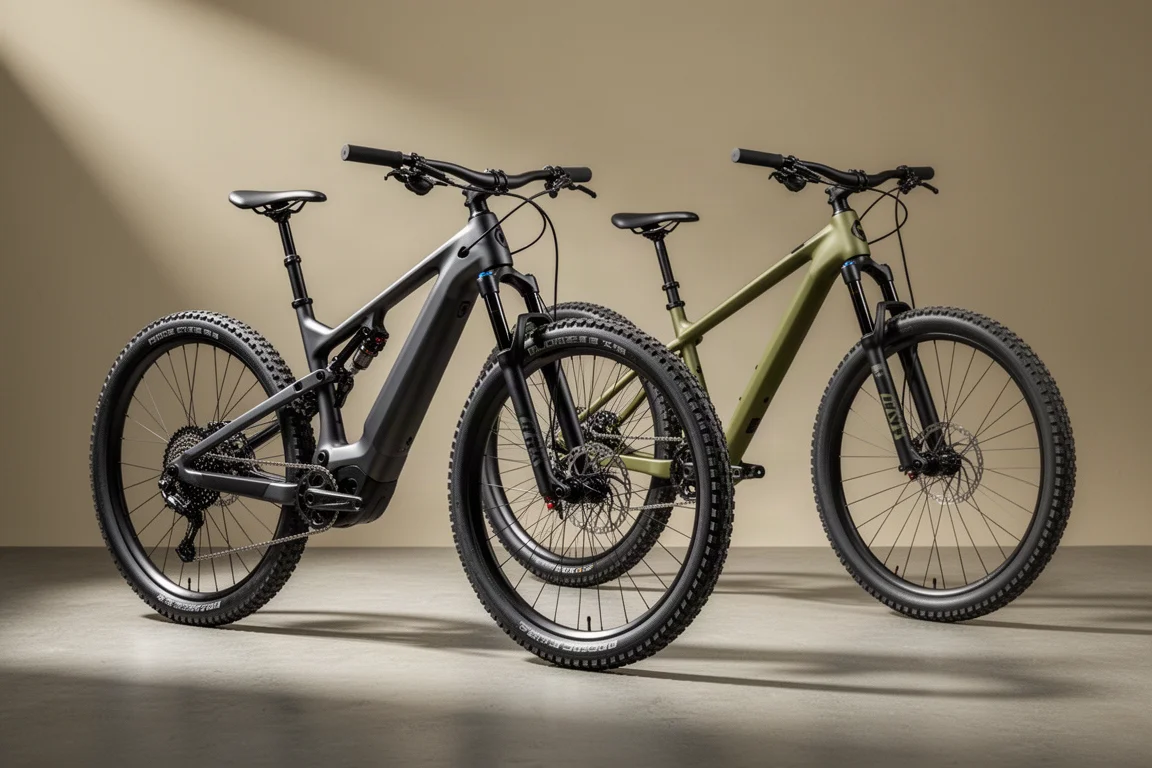
This guide looks at what a lightweight eMTB actually is, who tends to get the most from one, and how four Specialized models sit within that picture: two lightweight eMTBs, a full power eMTB, and a non-assisted bike.
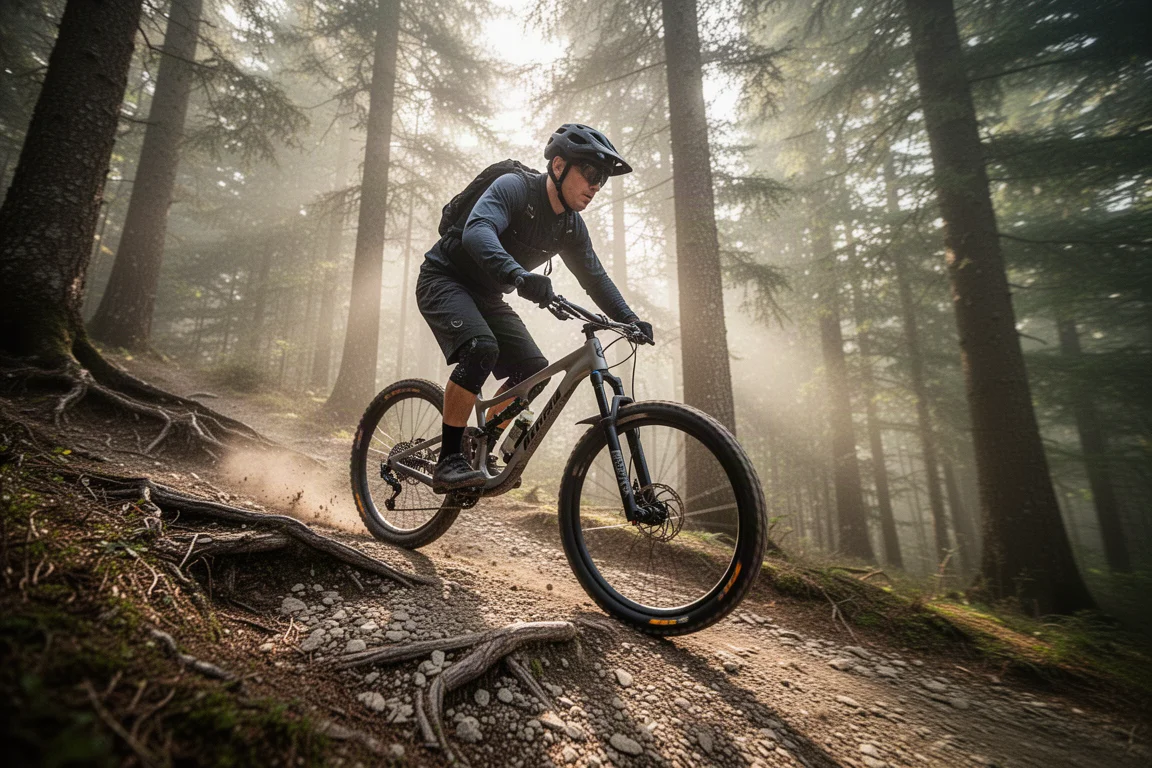
The comparison runs on three things: overall weight, motor output, and how each bike behaves on the way up and on the way down.
What Makes a Lightweight eMTB Different
Weight is the headline difference. Regular eMTBs are typically heavier machines, while the best lightweight models can fall into the sub-20 kilo club, saving a substantial amount of weight compared with their full power siblings.
Batteries are heavy, so reducing their size and capacity is one of the most effective ways to cut weight and slim down the frame. Where full power eMTBs such as the Turbo Levo carry batteries with around 700 Wh of capacity, lightweight bikes tend to offer roughly half of that. The Turbo Kenevo SL2, for example, runs a 320 Wh battery. Smaller batteries can still maintain range depending on which motor they are paired with.
Motors are the other major difference. Lightweight eMTB motors are noticeably smaller and quieter than full power units, and they deliver their power progressively, giving a helping hand on the climbs while keeping the ride feel natural. Specialized’s latest lightweight Turbo SL2 motor produces 50 Nm of torque, compared with 90 Nm from the full power Turbo system. That gentler delivery can suit riders who are new to e-bikes, or anyone who prefers assistance that stays unobtrusive.
Build components follow the same logic. Full power eMTBs need heavy-duty brakes, drivetrains and suspension that sit closer to downhill mountain bike equipment, because those parts have to withstand high motor torque, the extra weight of the bike, and the large mileage a big battery makes possible. Lightweight eMTBs can use lighter components, sometimes ones that are not e-bike specific, to keep weight down and the ride closer to a non-assisted trail bike.
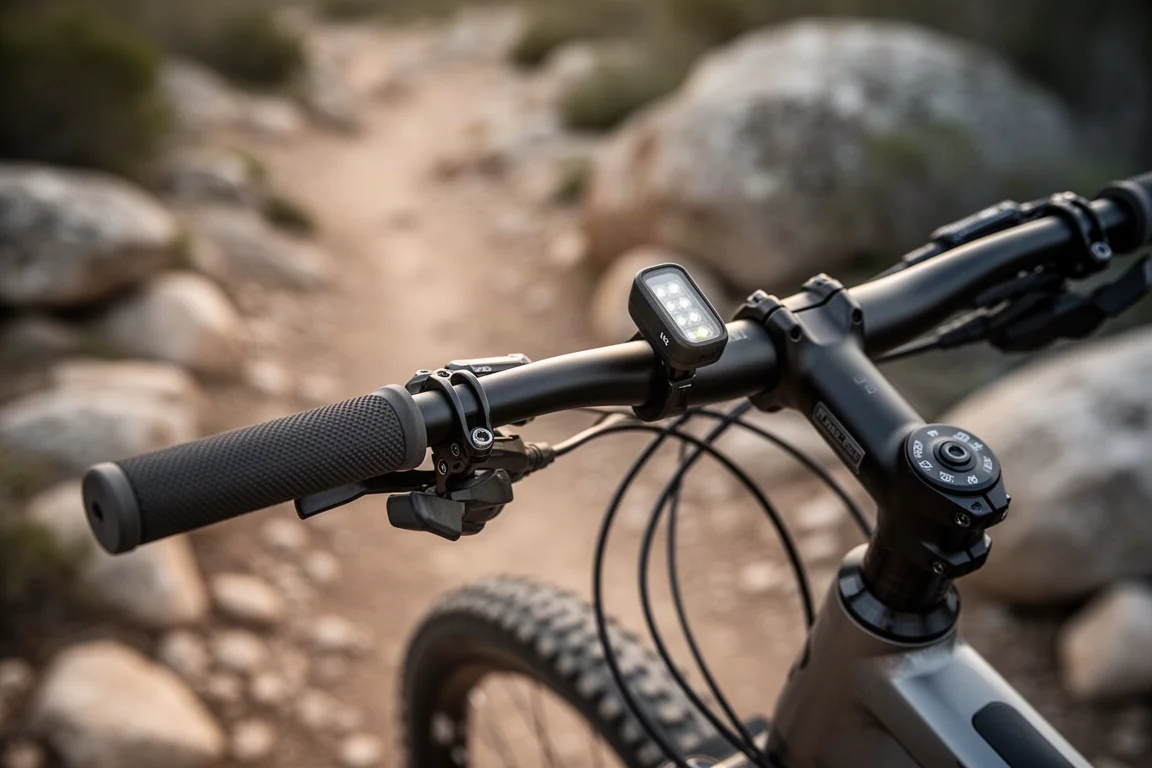
The controls reflect that too. Lightweight eMTBs typically use unobtrusive displays and small control surfaces, and some do away with a display entirely, relying on a small LED panel to show which power mode you are in and how much battery remains. That removes distraction and keeps attention on the trail ahead.
Specialized Turbo Kenevo SL2
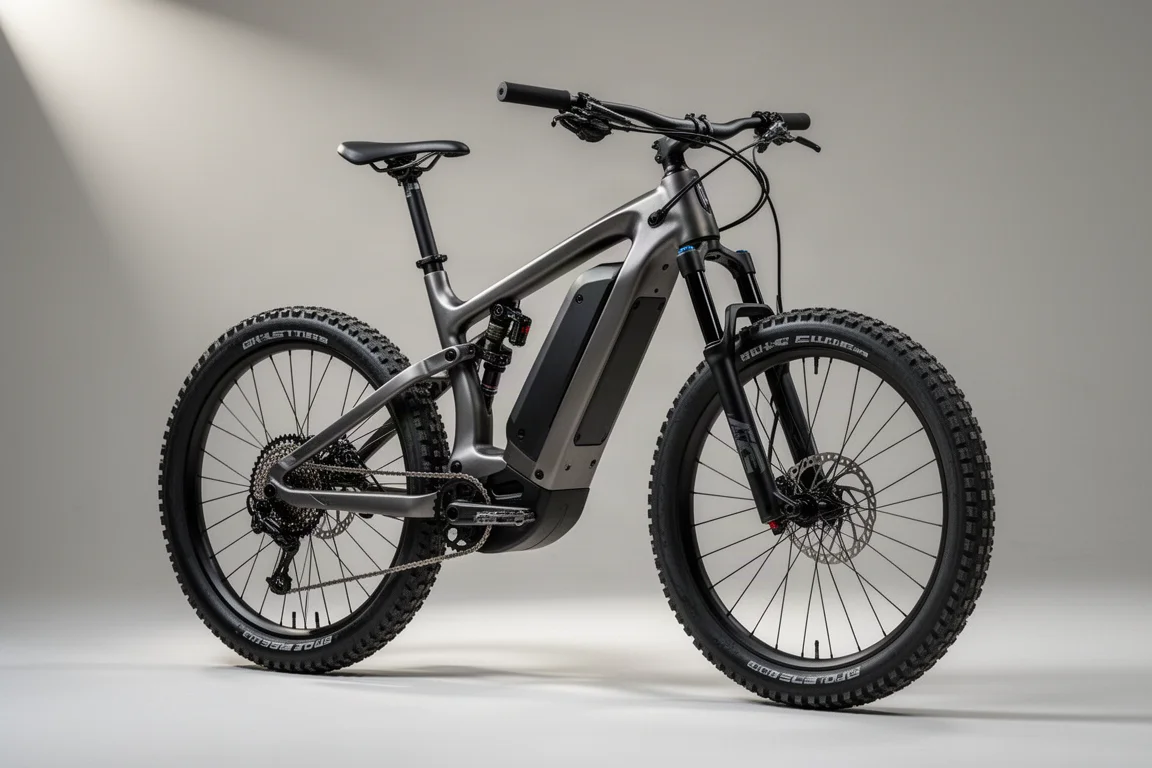
The Turbo Kenevo SL2 is the lightweight model in this group, and it tips the scales at just over 19 kilos. That is around 4 kilos heavier than the non-assisted Enduro, and a 3 kilo saving compared with the full power Turbo Levo.
On the trail, that figure translates into a bike that can cruise up steep climbs with minimal effort while still feeling manageable on the way back down. It runs the lightweight Turbo SL2 motor and a 320 Wh battery, and the assistance stays quiet and progressive rather than punchy.
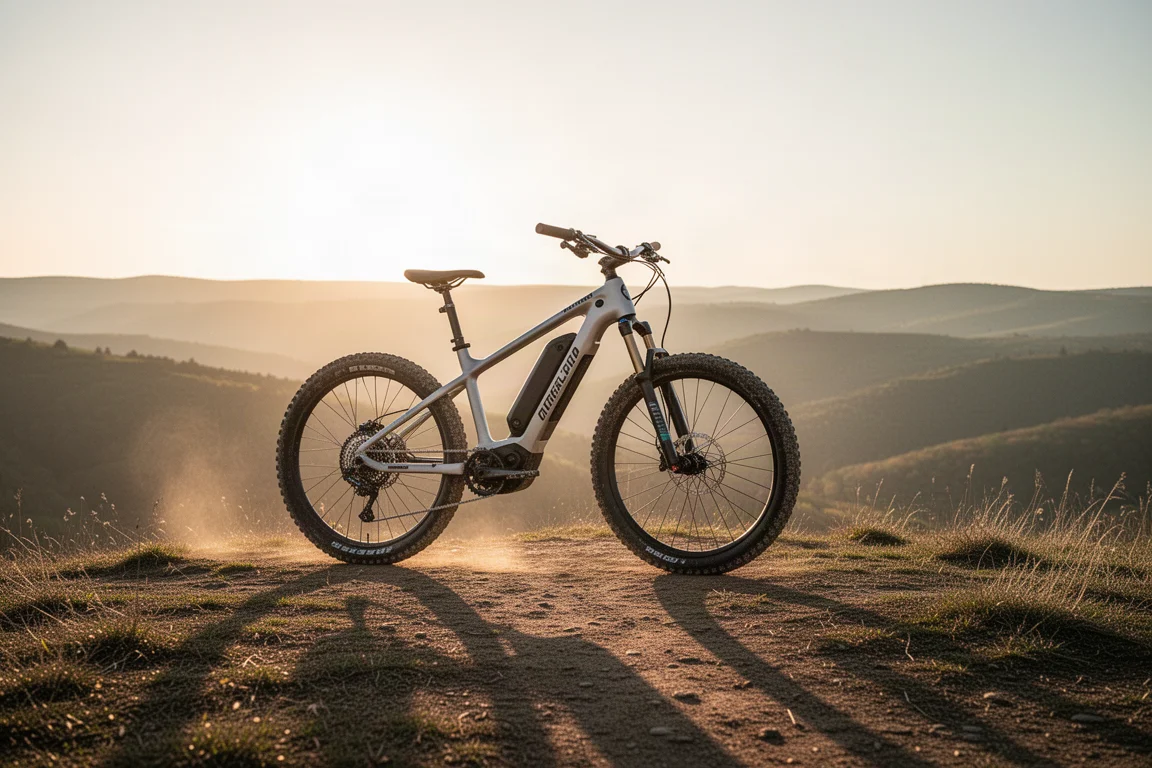
For riders who want pedalling support without the bulk of a full power eMTB, the Kenevo SL2 occupies a useful middle ground: light enough to feel like a trail bike, capable enough to take the sting out of long climbs.
Specialized Turbo Levo SL2
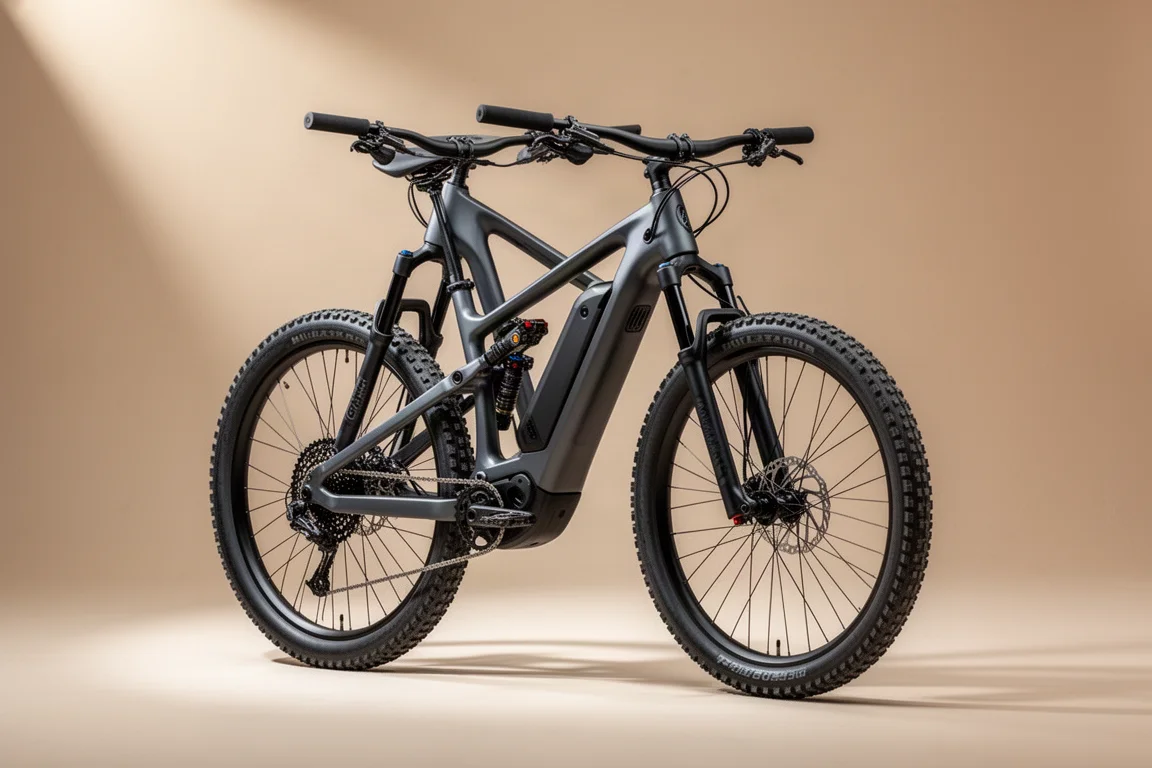
The Turbo Levo SL2 is the second lightweight eMTB here, with 150 mm of suspension travel and a mullet setup that pairs a larger front wheel with a smaller rear wheel. It uses the same lightweight Turbo SL2 motor and the same quiet, progressive assistance.
This is a configuration that suits riders who spend their time on jump lines and trail centre laps. The lighter weight combined with pedalling support means it is realistic to pedal back up and fit in more runs than a non-assisted bike would allow, which adds up to more time on the bike across a session.
Specialized Turbo Levo
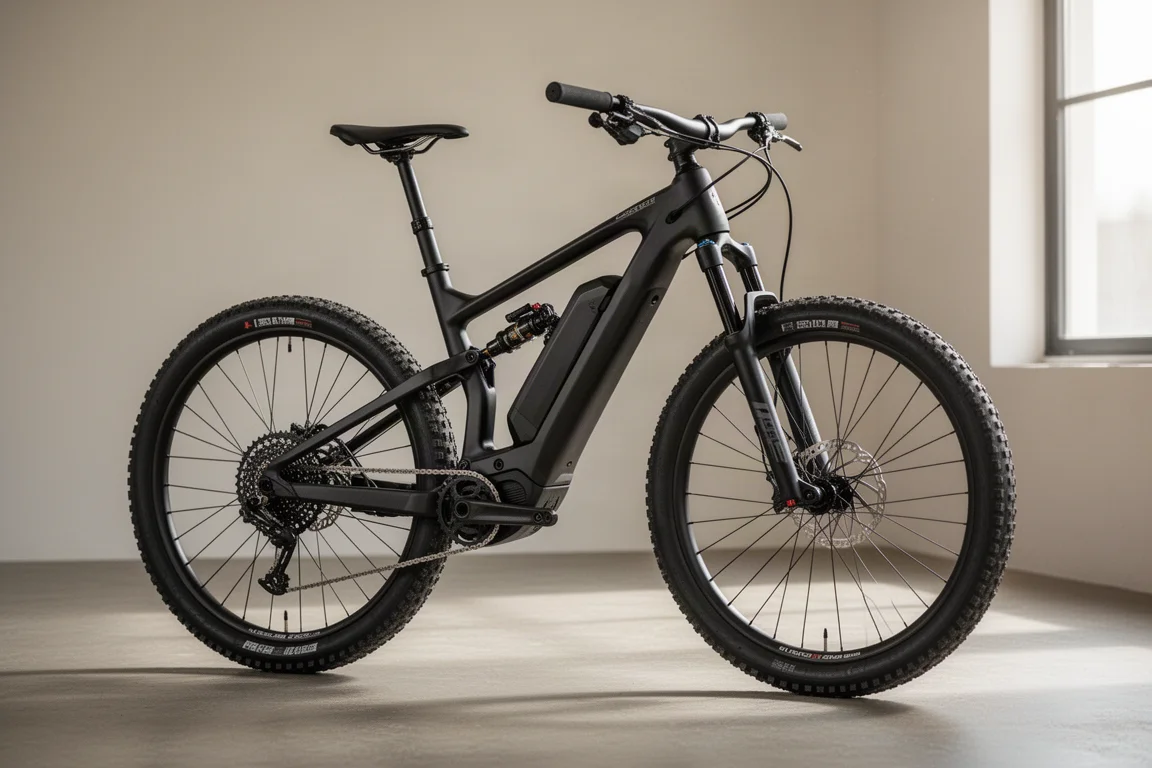
The Turbo Levo is the full power eMTB in this comparison. Its motor delivers 90 Nm of torque against the 50 Nm of the lightweight Turbo SL2 system, and it carries a battery with around 700 Wh of capacity, roughly double that of the lightweight bikes.
That combination makes climbing feel effortless. Put it in the highest assist mode and the bike will carry you up terrain that would otherwise be a serious effort. The trade-off appears on the descents, where the extra bulk is noticeable. Depending on the track, that added weight can help stability, but it does change how the bike feels compared with a lighter machine.
The Turbo Levo also makes sense for group rides, where the larger battery and stronger motor let a rider cover long distances and keep going until everyone’s battery is spent.
Specialized Enduro
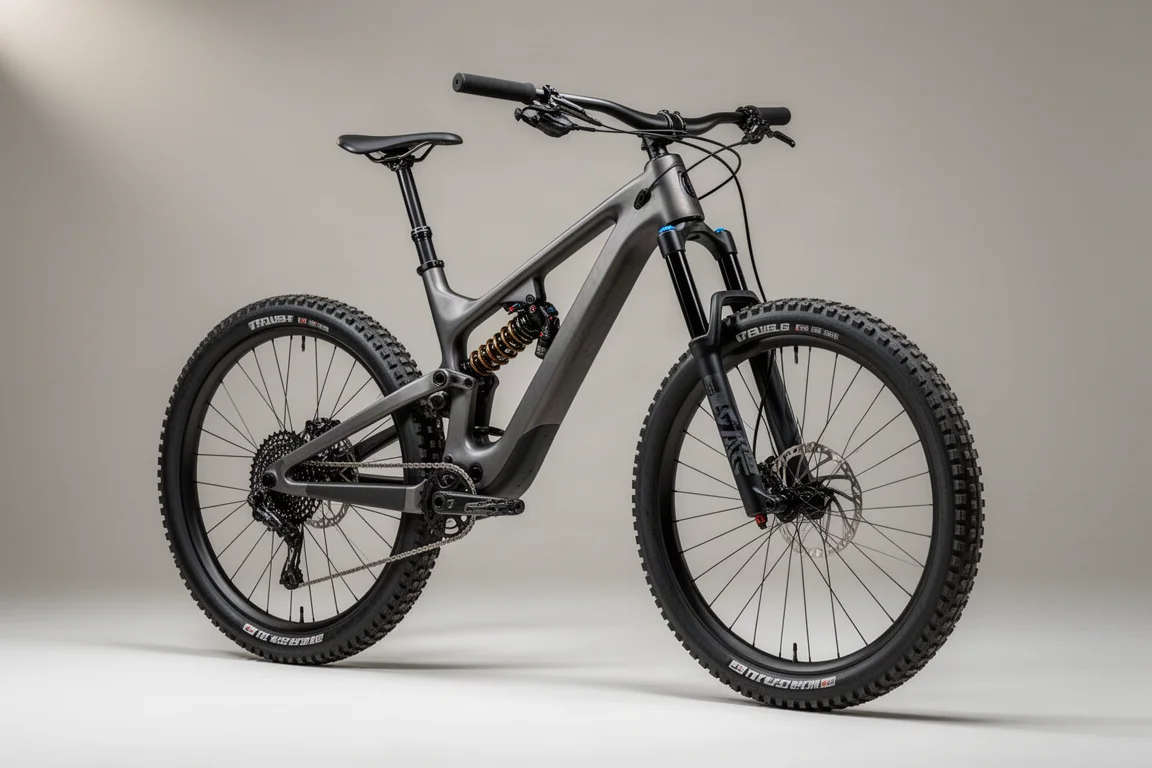
The Enduro is the non-assisted bike here, and it shows what the lightweight eMTBs are being measured against. It is around 4 kilos lighter than the Turbo Kenevo SL2, and on descents that lightness is obvious: it flicks around easily and is rewarding to push hard.
Where it gives ground is on the climbs. Without motor assistance, the uphill effort is entirely yours, and that is precisely the gap a lightweight eMTB is designed to close. For riders whose priority is the most extreme terrain and who want something burly and light, the non-assisted route still makes sense.
Which One Makes Sense for You
The choice comes down to how much you value assistance against weight, and where you ride. A lightweight eMTB is the middle path: light enough to feel closer to a non-assisted trail bike, while still taking the edge off steep climbs.
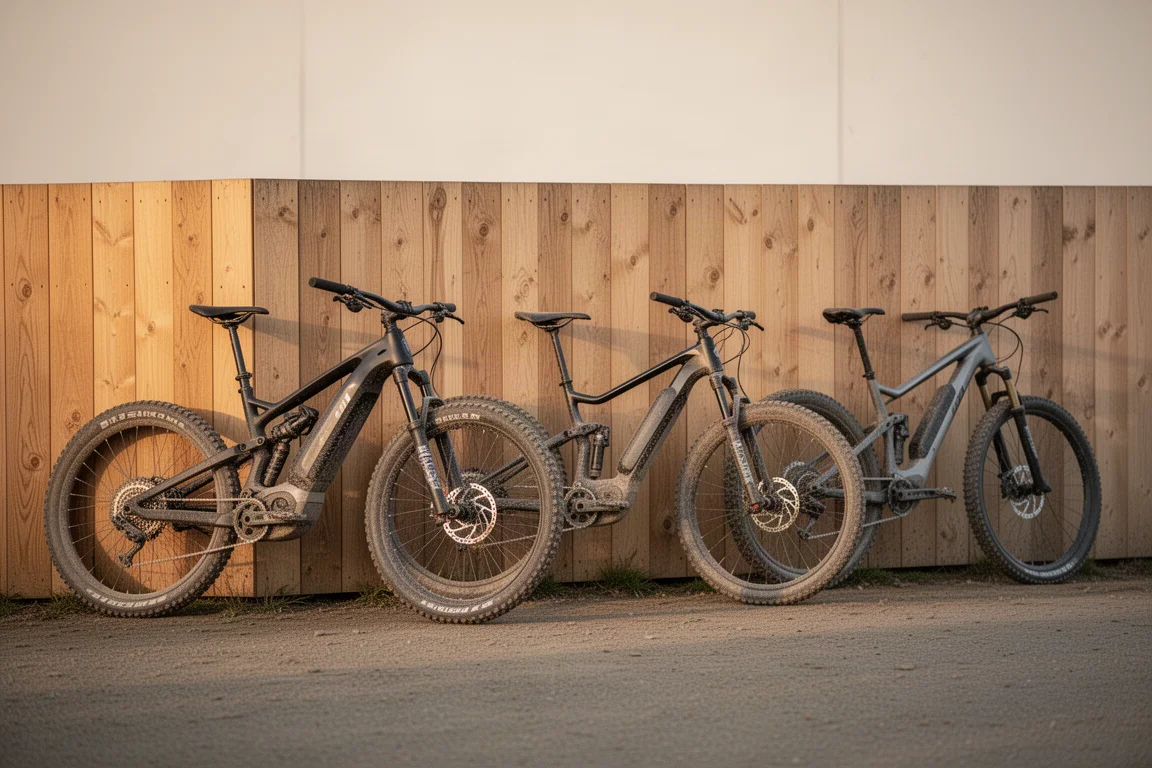
If you ride solo, or with friends on non-assisted bikes, a lightweight model such as the Turbo Kenevo SL2 or Turbo Levo SL2 lets you keep pace without working as hard, and it is easy to live with across a full day out. If your rides are long, group-based and focused on covering distance, the full power Turbo Levo’s stronger motor and larger battery make more sense, provided you accept the extra weight on the descents. And if your riding is built around the most demanding terrain and you want the lightest, most agile option, the non-assisted Enduro remains the tool for the job.
Riders who are new to e-bikes may also find the gentler power delivery of the lightweight systems easier to get along with than the stronger, more immediate output of a full power motor.
Conclusion
Lightweight eMTBs have closed much of the gap between assisted and non-assisted riding. The Turbo Kenevo SL2 and Turbo Levo SL2 show that a motor and a battery do not have to turn a trail bike into something heavy and remote, while the Turbo Levo and Enduro mark the two ends of the spectrum.
If you want assistance that feels natural, keeps the bike light and still gets you up the climbs, a lightweight eMTB is a genuinely practical choice. If maximum climbing power matters more than weight, the full power route is still the stronger option.
Further reading
Related Reviews
Electric Mountain Bikes
Best E-Mountain Bikes: Five Electric Trail and Enduro Bikes Compared
A practical look at five electric mountain bikes, from a lightweight carbon trail build to long-travel enduro machines, with the trade-offs that matter before you buy.
Electric Mountain Bikes
Best Electric Mountain Bikes 2026: Four Price Points Compared
Four electric mountain bikes from £999 to £9,999 compared on motor power, battery capacity, weight, and trail performance.
Electric Mountain Bikes
Best Electric Mountain Bikes: Five E-MTBs Worth Shortlisting
Five full-suspension electric mountain bikes compared, from lightweight trail machines to full-power enduro rigs, with the strengths and trade-offs to weigh before buying.