Cycling Components
Three Lightweight Bike Upgrades: Cadex Max 40, Berk Lupina Short 132, and Topeak Feza Cage R10
A full-carbon wheelset, a 91-gram saddle, and 12-gram bottle cages that took a two-year-old race bike from 7.94 kg to 6.85 kg.
Introduction
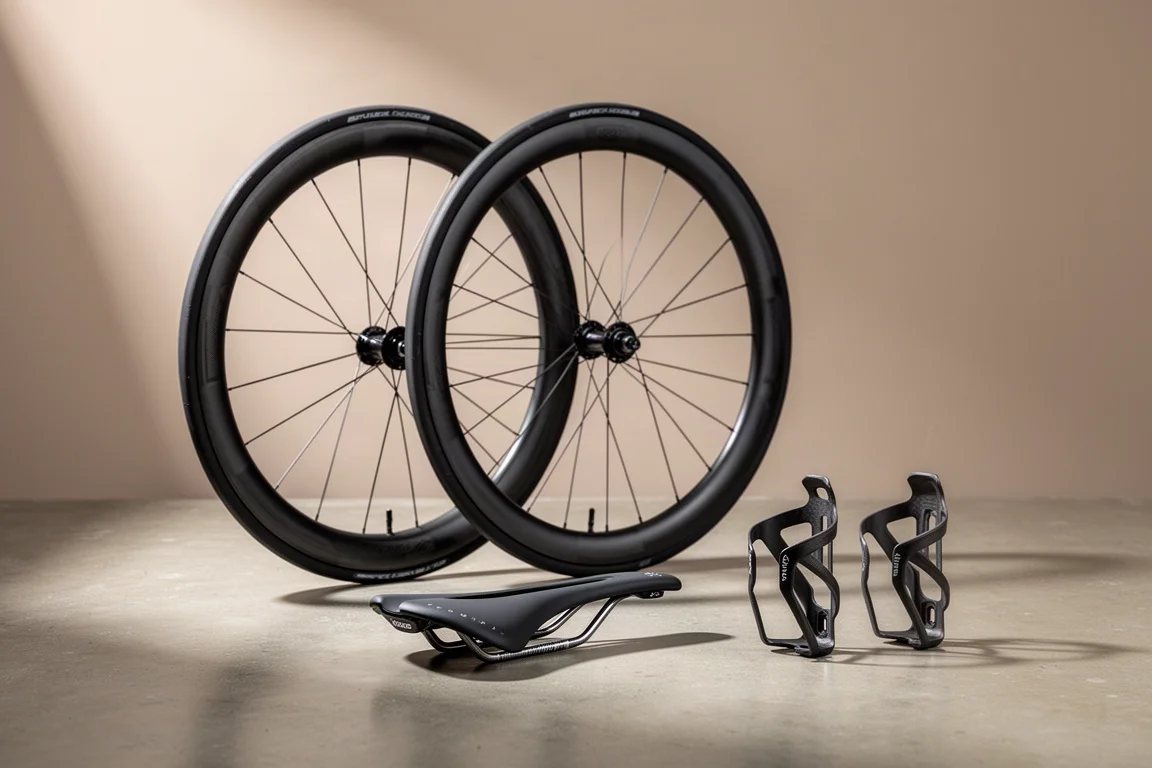
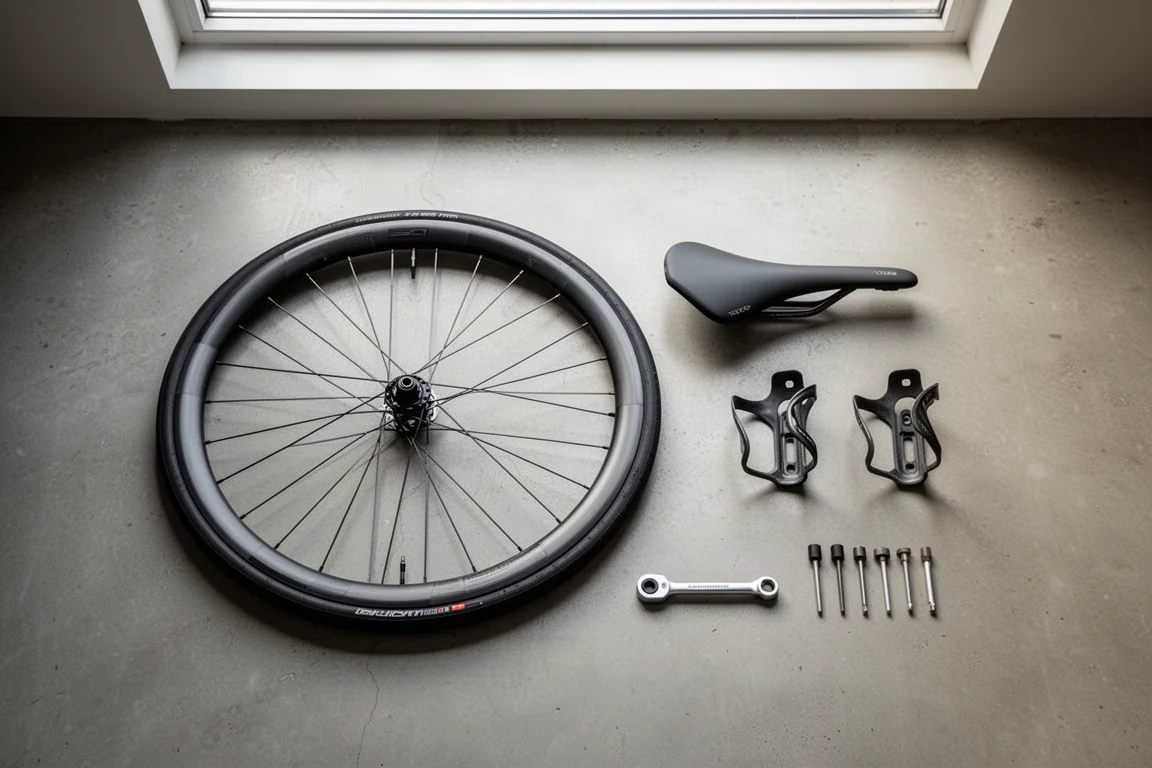
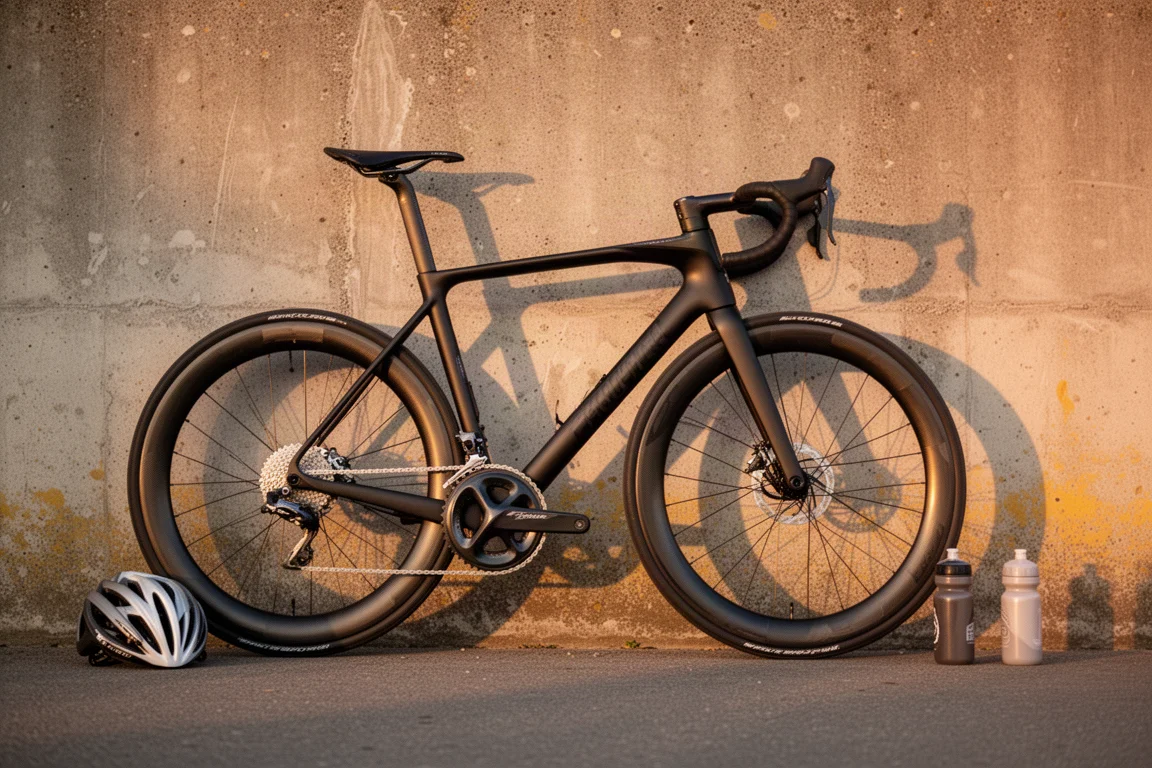
Upgrading a bike you already own can be more rewarding than replacing it. A two-year-old race bike that started at 7.94 kg came down to 6.85 kg after a focused round of changes: a new carbon wheelset, a 91-gram saddle, 12-gram bottle cages, and a switch to a single chainring drivetrain. That is roughly a kilogram removed, which puts an older frameset in the same company as current flagship race bikes.
The three components below did most of the work. Each one removes weight, but each also changes how the bike feels, and the trade-offs are different in every case.
How These Upgrades Fit Together
Every component here was judged on four things: how much weight it removes, how it changes the ride, how it holds up over time, and what it costs.
Weight is the headline. The wheelset accounts for the largest single chunk of the saving, with the saddle and cages adding smaller gains on top. The drivetrain change contributed as well, but the components are what most riders can swap without rethinking the whole build.
Ride quality matters just as much as the number on the scale. A part that is light but harsh, flexy or awkward to live with rarely stays on a bike for long, so stiffness, comfort and everyday usability all count.
Durability and support are the quiet factors. Warranty length, how easily a part can be repaired, and how the material behaves after months of riding all shape the real cost of ownership, especially on components that see hard use.
Cadex Max 40: Full-Carbon Wheels
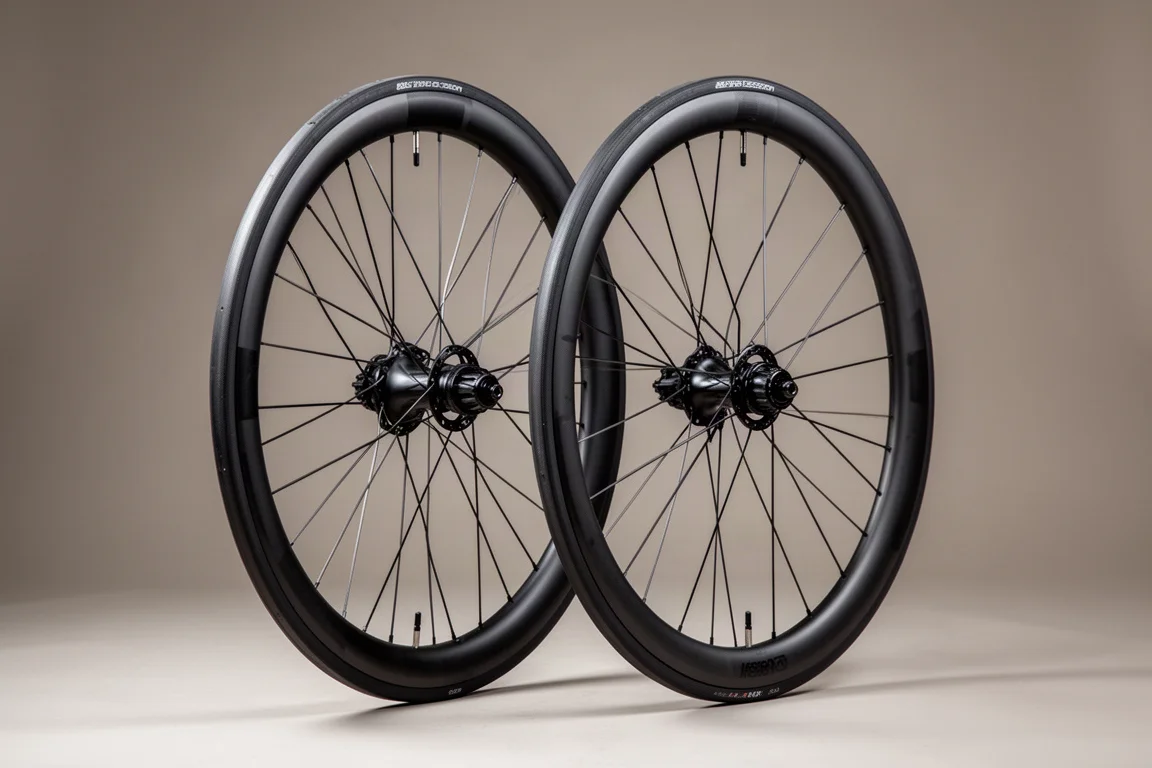
The Cadex Max 40 is a full-carbon wheelset with a claimed weight of 1,249 g. On the scales with rim tape and valves fitted, the pair measured 1,320 g, which is still very light for a 40 mm aero rim.
Carbon is used throughout: the 40 mm rim, the spokes, and the hubs and flanges front and rear. It is a construction approach that echoes the lightweight wheels of the 1990s, and it gives the wheelset a distinctive and very direct character.
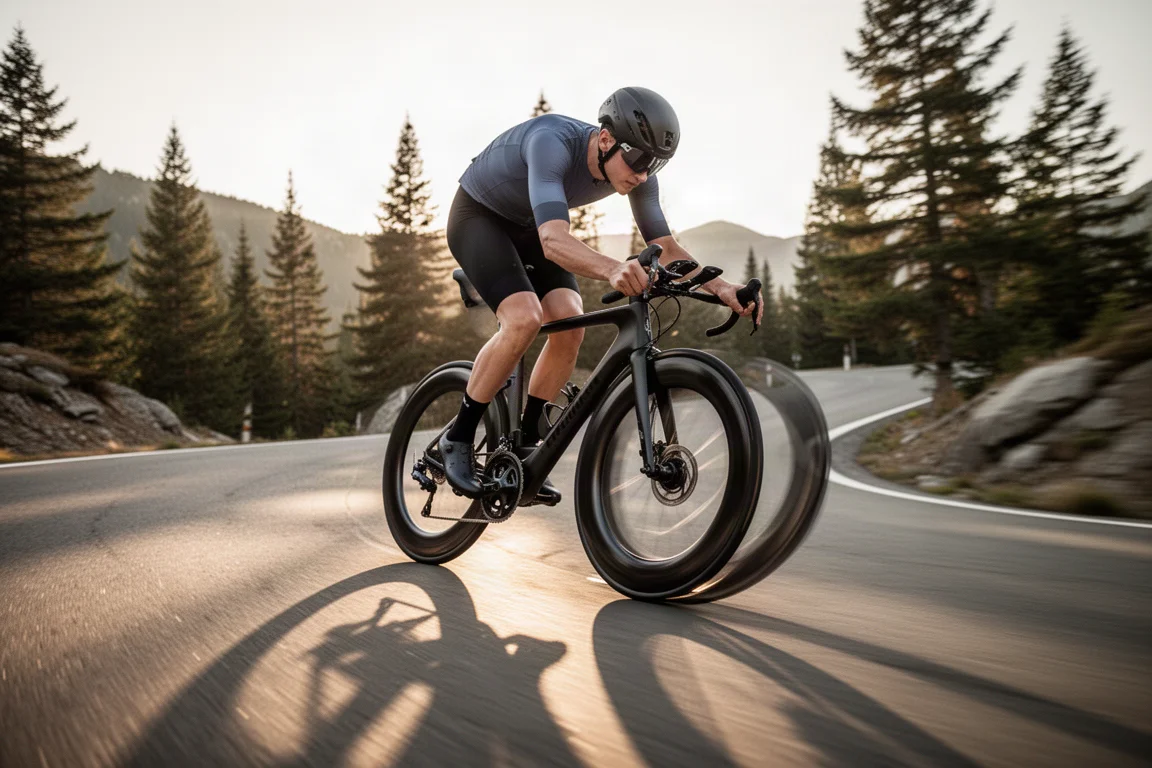
On the road, the difference shows up most in dynamic moments. Cornering hard, sprinting out of the saddle and powering up steep climbs all feel sharper and more precise, and the wheels make an older frameset feel noticeably more alive. Swap back to a more conventional carbon wheelset and the same bike feels dull by comparison.
Stiffness is the defining trait, but it is not as punishing as the construction suggests. On coarse, rough tarmac there is a noticeable amount of micro vibration through the handlebars, and a bump can send a small jolt through the front end. On smooth tarmac the ride settles immediately. That contrast is the clearest sign of just how stiff these wheels are, and it is the price paid for how good they feel under power.
Efficiency is competitive rather than compromised. On a flat road at 32 km/h, roughly 190 watts of average power was needed, which is comparable to more conventionally laced carbon wheelsets. Riders are not giving away free speed to run them.
There are practical points to weigh up. The freehub is very loud. The 22.4 mm internal rim width is narrow by current standards and is optimised for 28 mm tires, which is the size most racers use, so wider rubber is not the intended pairing. The rims are also hookless, which remains a frequent talking point, though in practice it mainly means running lower tire pressures.
The bigger consideration is repairability. The spokes are bonded into the hub flange, so a broken spoke is not a simple roadside swap. Cadex backs the wheels with a lifetime warranty against manufacturing defects and a five-year incident replacement scheme: a broken spoke in the first year means the wheel is replaced, and in years two to five a wheel is repaired or rebuilt at a 50 percent discount. Beyond five years, replacement is at the owner’s cost. Riders who want long-term peace of mind should factor that in.
Berk Lupina Short 132: A 91-Gram Saddle
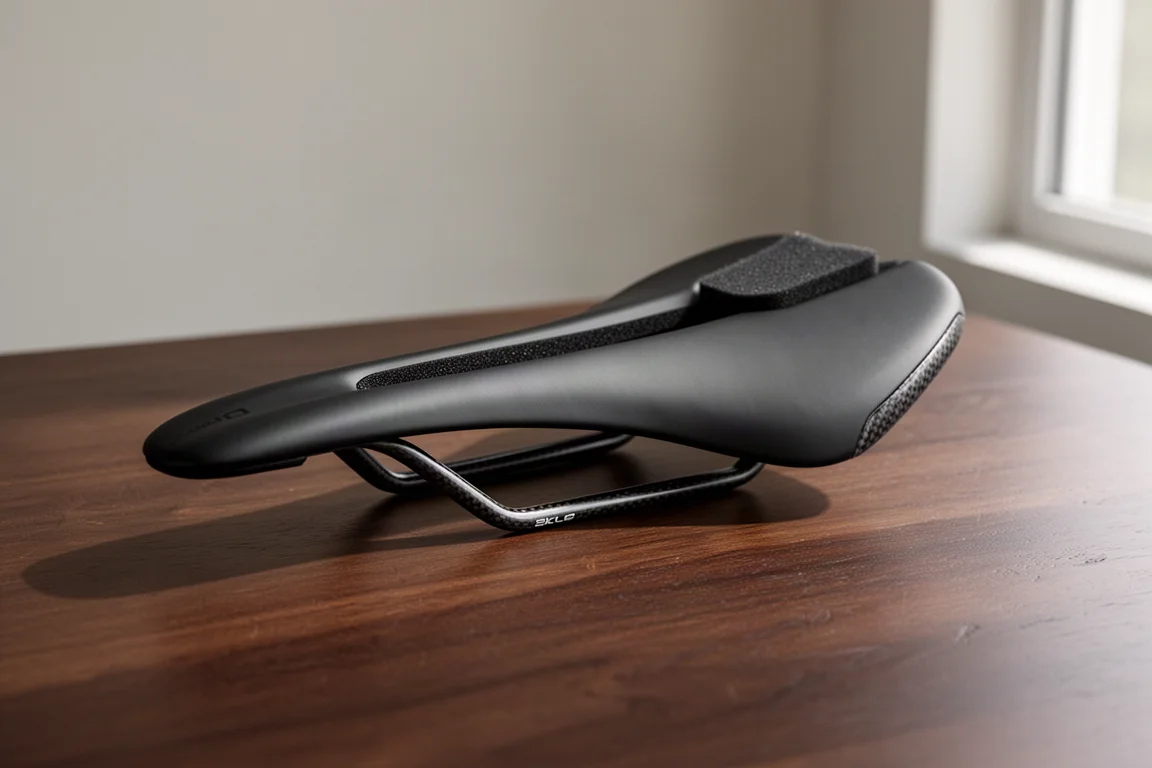
At 91 g on the scales, the Berk Lupina Short 132 is a serious weight-saving piece. Berk has been building carbon saddles for around a decade, and the Lupina is the clearest expression of that approach: a carbon shell, carbon rails and a carbon bridge, with an extremely thin layer of padding on top. The padding is available in a range of colors, and a version with no padding at all is offered for riders who want to save a few more grams. The 132 in the name refers to the saddle width, and a 143 mm version is also available.
The shape is the reason it works. It follows the outline of a classic short-nose racing saddle, with a scoop and hammock at the rear, a channel down the middle, and a small amount of flex in the base. The padding, however, is wafer thin.
Comfort is better than the looks suggest, with caveats. On a first ride, light tingling appeared after about 50 minutes and faded within 10 minutes, and the remaining two hours were comfortable. Shorter rides since then have been fine. What it does not do is disappear from your awareness the way a good 3D-printed saddle does. There is always a reminder that you are sitting on a very firm, thinly padded saddle, so it would not be the first choice for six-hour days or long sportives where the miles tick by in hundreds.
Durability has held up well so far. The saddle looks fragile, but roughly 500 miles of riding produced no issues or concerns about reliability, and it carries a two-year warranty, which is not the most generous coverage available.
Topeak Feza Cage R10: 12-Gram Carbon Cages
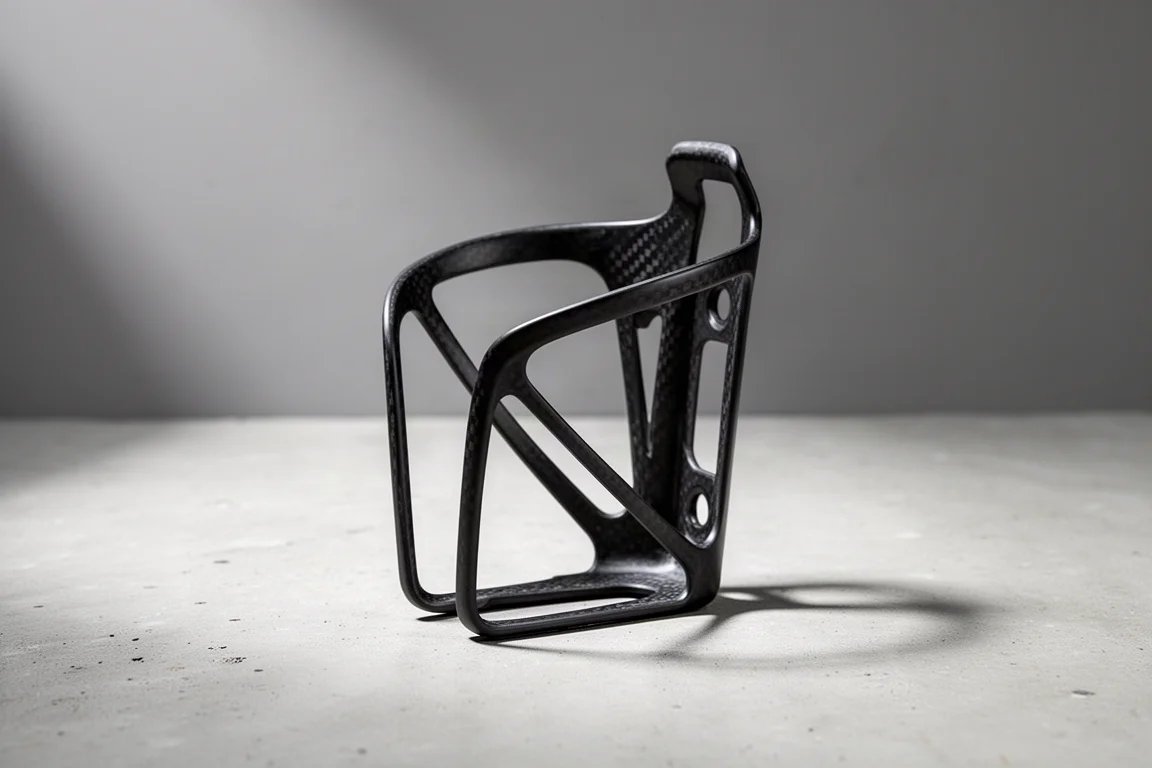
Bottle cages are already light, so it is easy to assume there is nothing left to save. The Topeak Feza Cage R10 shows otherwise. It is made entirely from carbon fiber with 5 mm hollow tubes and weighs 12 g per cage on the scales, which is about as minimal as a bottle cage gets.
The appearance matches the weight. The design is deliberately skinny and open, with a clean, minimalist look that suits a lightweight race build.
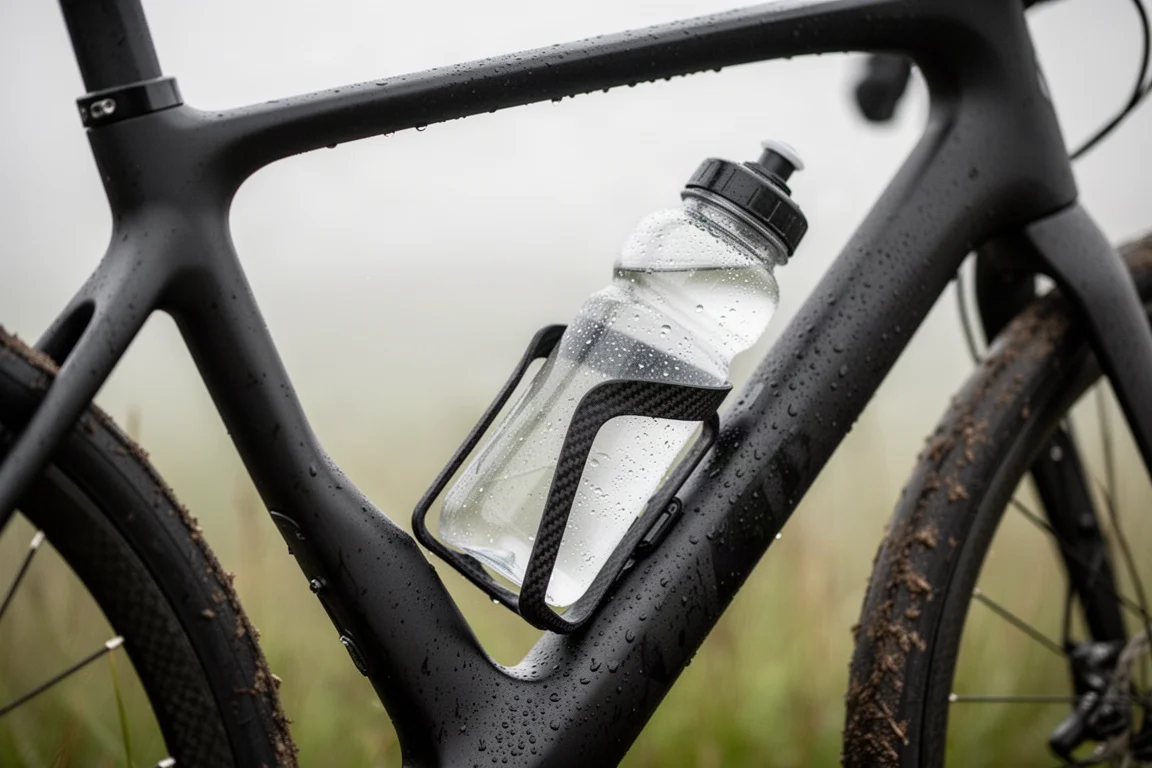
Retention is the part that matters most in real riding, and it is a genuine strength. A standard bottle sits snugly, goes back in without fuss, and stays put with no risk of ejection over rough roads or cobbles. It can also be pulled and replaced one-handed while riding.
The trade-offs are feel and price. The arms are noticeably flexible, so the cages reward careful handling rather than forceful bottle swaps, and at close to $50 each they are anything but a budget purchase. A pair saves only a handful of grams, which makes them the last stone to overturn for riders chasing the final few grams rather than an early upgrade.
Overall Buying Advice
If only one of these upgrades fits the budget, the wheelset is the one that changes the bike most. It removes the largest amount of weight, and it alters cornering, sprinting and climbing feel in a way the other two components cannot match. It is also the most expensive option here and the one with the most involved long-term ownership picture, so the warranty and replacement terms deserve a careful read before buying.
The saddle is the more affordable way to make a visible dent in the build weight, provided your rides are short to medium length. Riders who regularly spend all day in the saddle should treat the firm, thinly padded platform as a genuine consideration rather than a footnote.
The bottle cages are a finishing touch. They are secure and beautifully minimal, but they save very little and cost a lot, so they make sense only at the very end of a weight-saving build.
Taken together, the numbers are encouraging. Going from 7.94 kg to 6.85 kg on a two-year-old frame shows how much weight can be recovered by upgrading an existing bike rather than buying new, and it puts an older machine alongside current top-tier race bikes on the scales.
Conclusion
The Cadex Max 40 delivers the biggest transformation, combining very low weight with a stiffness that makes an older frame feel sharp and alive again. The Berk Lupina Short 132 proves that a 91-gram saddle can still be rideable, as long as expectations about long-distance comfort are set correctly. The Topeak Feza Cage R10 is a secure, beautifully minimal cage for riders who count every gram and accept the price that comes with it.
Choose them for what they are good at: performance feel from the wheels, low weight with a firm platform from the saddle, and a secure hold from the cages. Together they show that a well-chosen upgrade path can bring an older bike much closer to modern race-bike weight.
Further reading
Related Reviews
Cycling Components
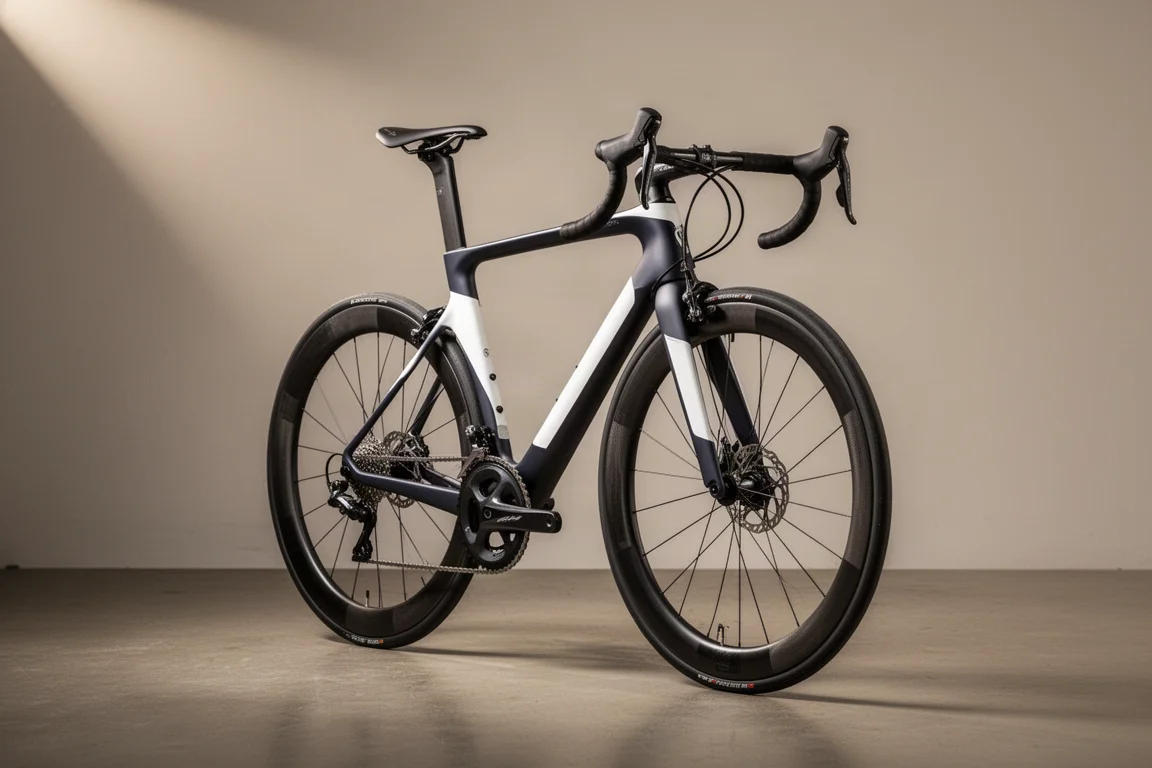
A 20,000-Mile Budget Race Bike Build: Five Parts Worth Knowing
A rim brake race bike assembled from low-cost components and ridden for 20,000 miles. Here is what delivered real speed, what caused problems, and what to weigh before copying the formula.
Cycling Components
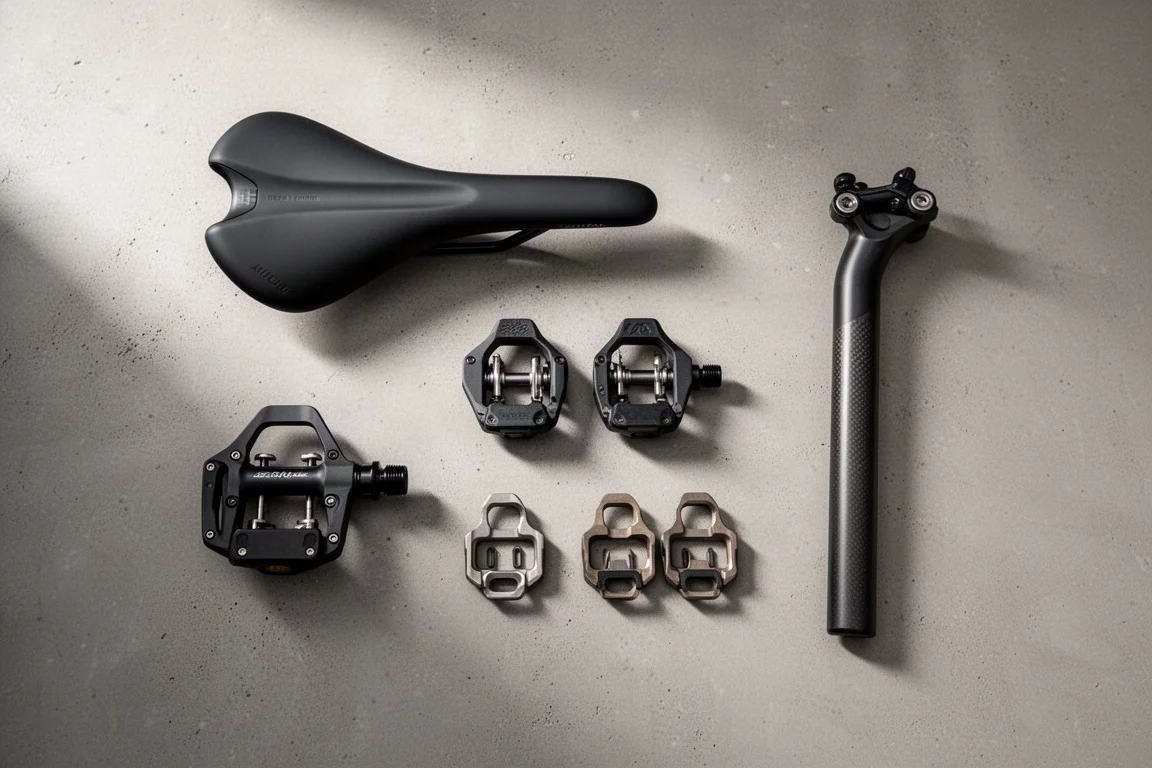
7 Bike Fit Products Fitters Avoid: What to Check Before You Buy
Seven bike components that regularly cause knee, foot and saddle problems, with the specific concerns behind each one and what to look for instead.
Cycling Components
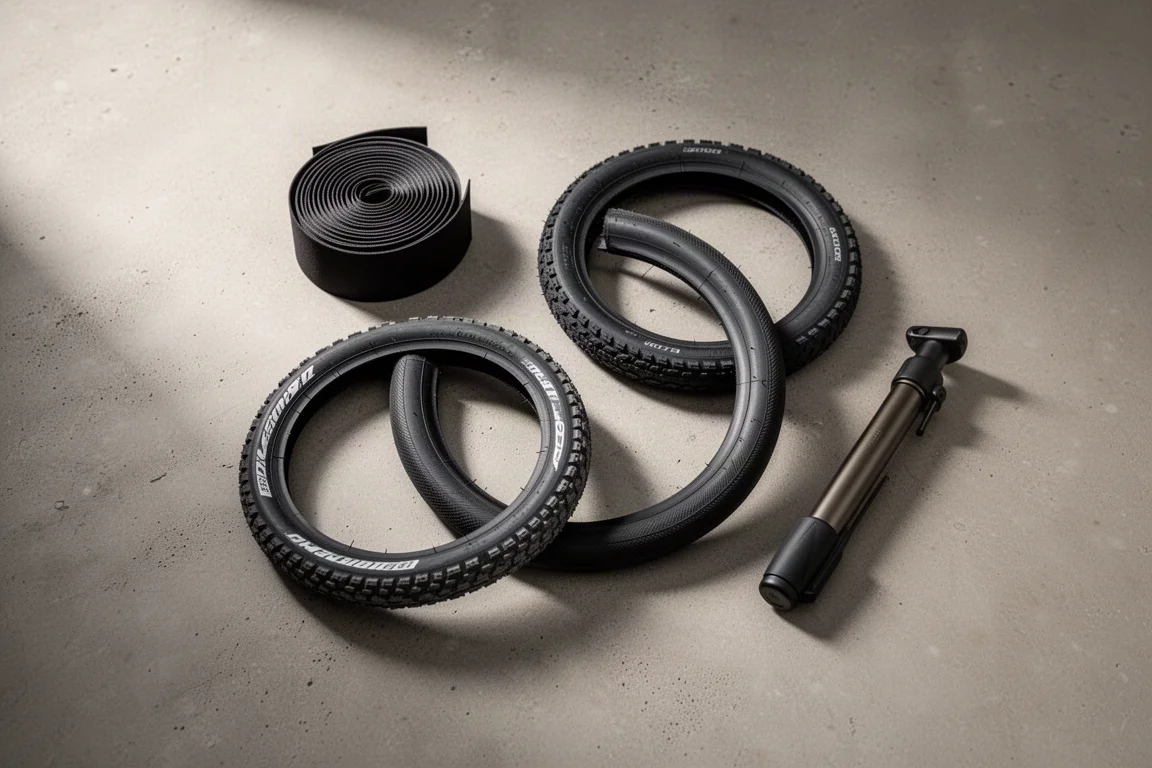
Four Affordable Bike Upgrades That Improve Ride Feel
Four low-cost cycling products that make a real difference to ride feel, plus the free setup changes worth trying first.