Backpacking Gear
Lightweight Backpacking Gear: Six Compact Essentials for Wild Camps
Six backpacking items that earn their place by cutting pack size and weight, from a pocket torch and two wood stoves to a sleeping pad, a down bag and a titanium mug.
Introduction
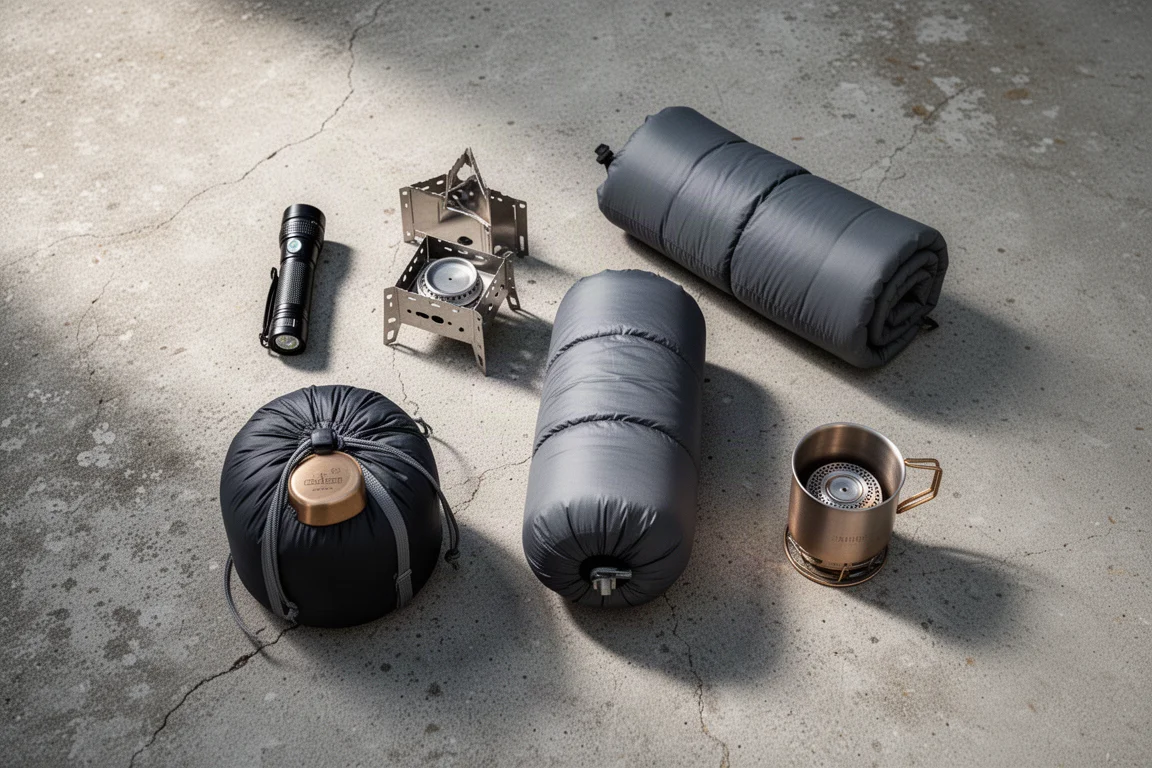
A backpack only gets lighter when every item in it earns its place. The six pieces of kit below were chosen because each one solves a specific problem on a wild camp, and because most of them reduce either weight, pack size, or both. Between them they cover the three jobs that decide whether a night out feels comfortable: light, cooking, and sleep.
Some of these items were bought at full price and some were supplied for testing. The notes below reflect how they behaved on real trips, including winter camps, rather than a first impression out of the box.
How These Backpacking Essentials Were Judged
Four things mattered more than anything else. First, pack size and weight, because a bag fills up long before it feels heavy. Second, real comfort where it counts, which in practice means the sleeping system. Third, how quickly and easily an item works in the field, especially with cold hands. Fourth, price, because a piece of gear only makes sense if the benefit is worth the money.
There is also a practical limit worth naming. Some of this kit suits summer trips best, and a few items were used alongside existing gear in colder conditions. That context matters more than a headline weight figure, so it is called out where it applies.
Olight S2R Baton: A Small Torch With Serious Reach
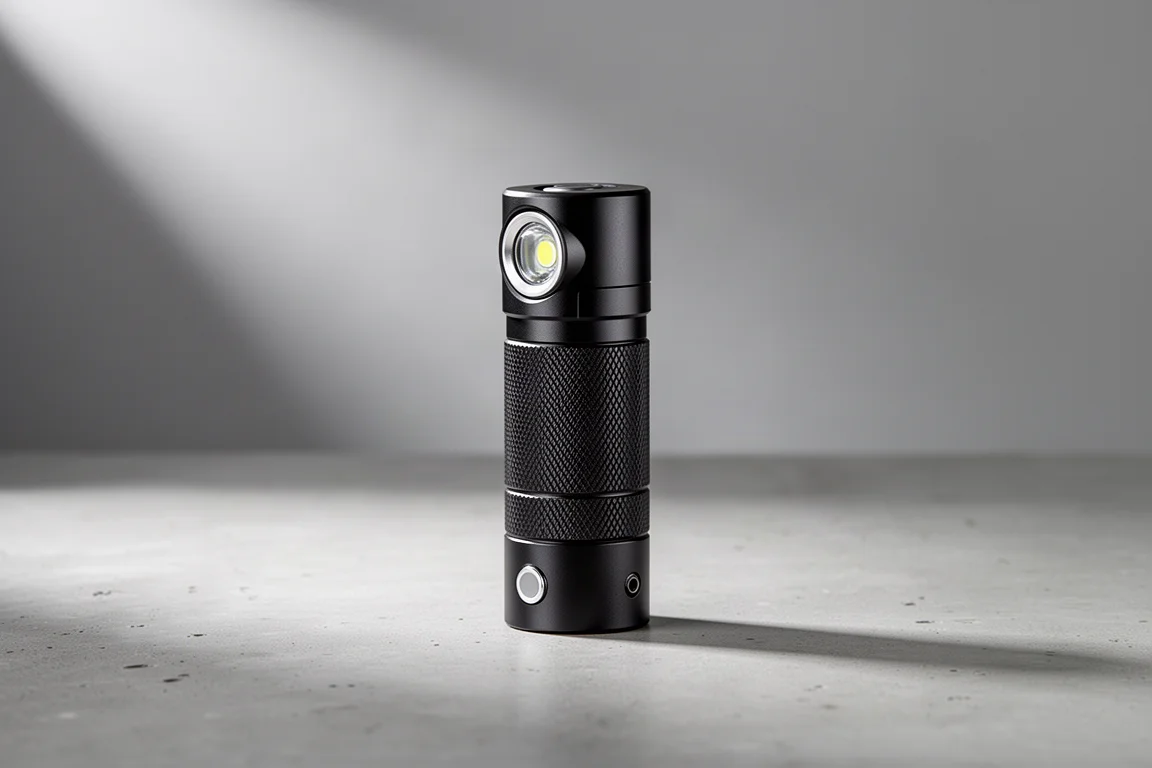
The S2R Baton is a genuinely tidy piece of kit. It is small enough to disappear into a hip belt pocket and light enough that you forget it is there, yet the beam is remarkably strong for the size. The claimed throw is 350 metres, which is far more reach than a camp really needs, and it makes the torch useful for everything from finding a path after dark to lighting up a tent from the outside for photographs.
Charging is handled over USB rather than disposable batteries, and the cable attaches magnetically to the body of the torch. The magnetic connection is a neat touch, though how well it holds up over years of use is still an open question. Colour options may not appeal to everyone either. Those are small caveats on an otherwise excellent camp light.
OneTigris Evil Eyes Stove: A Flat-Packing Wood Stove
This is a wood stove that packs down flat and assembles from individual slotted panels. Setup takes a minute or two, and the slot-together design is more fiddly than a hinged stove, particularly in cold weather when fingers are slow. In practice it still goes together quickly enough to be worth carrying.
The payoff is a larger firebox than the hinged alternative, which means you can load it up, leave it burning and get on with cooking instead of constantly feeding it. It costs around £20, and this particular unit was supplied for testing, which makes it good value for occasional bushcraft practice. As with any open fire, it belongs on trips where fires are permitted.
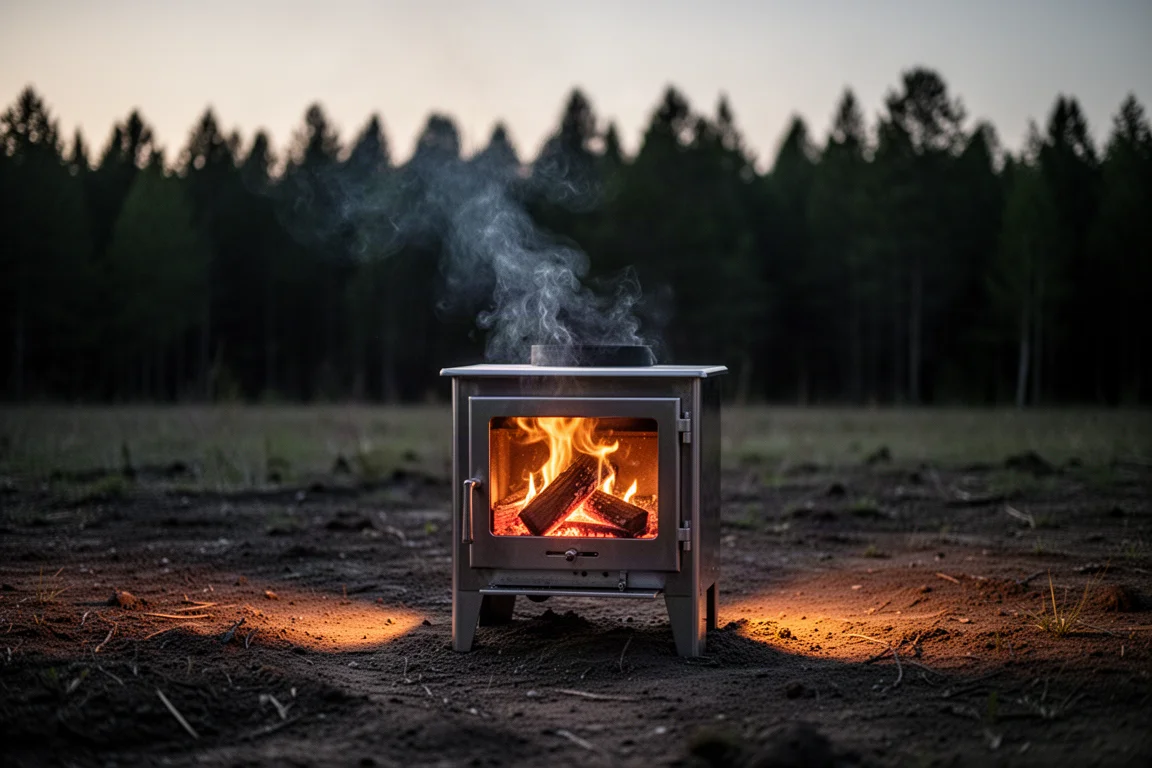
It is best treated as a fun and affordable way to practise fire lighting rather than an everyday cooking stove, and on that basis it delivers exactly what it promises.
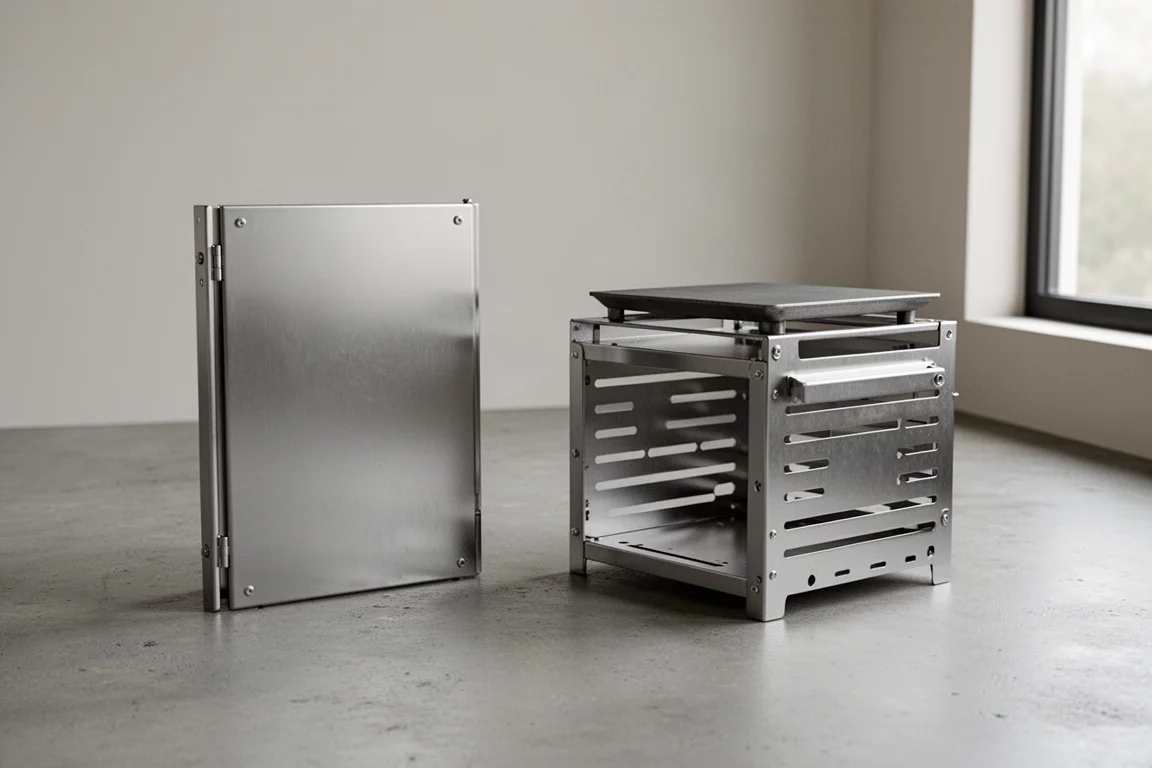
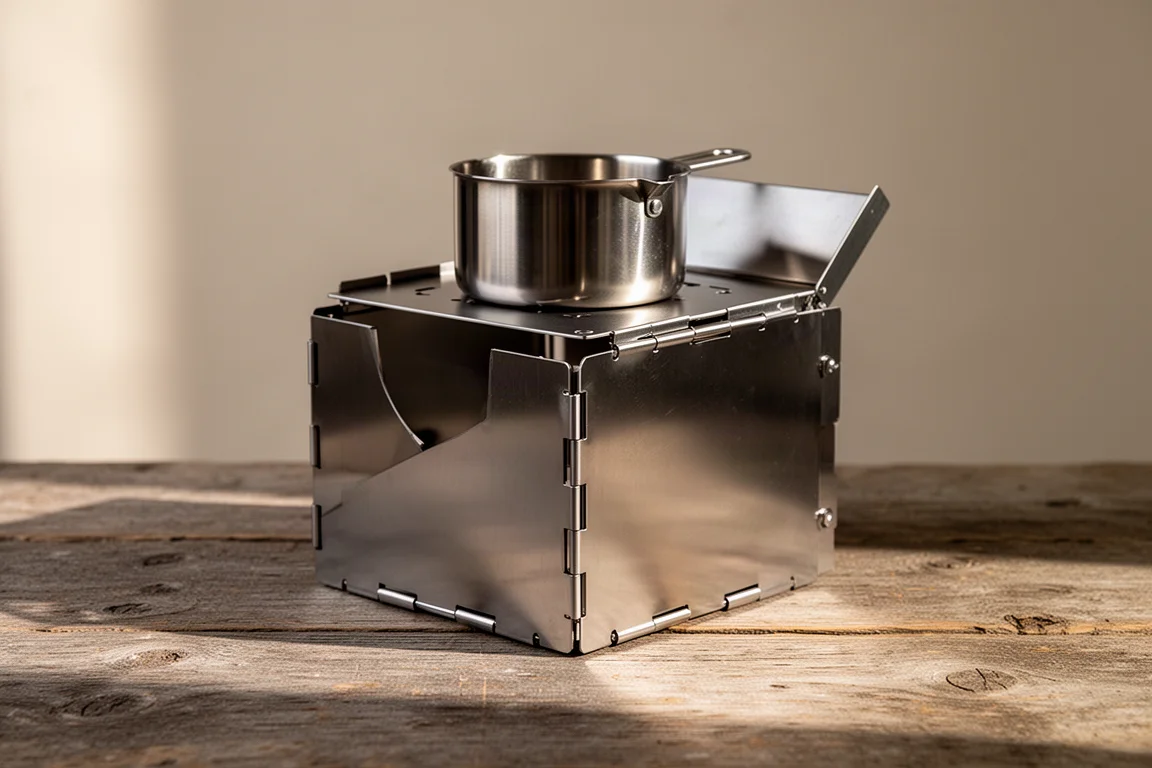
Bushbox: The Hinged Wood Stove Alternative
The Bushbox takes the opposite approach. It is a single hinged piece that folds flat and opens up in seconds, with no loose panels to line up. That makes it noticeably easier to assemble than a slot-together stove, and it feels more precisely engineered as a result.
The trade-off is size and price. The firebox is smaller, so fuel burns through quickly and the stove needs watching closely while you cook. It cost nearly £60, which is a significant step up. For anyone who wants the simplest possible setup and does not mind paying for it, the hinged design is the more convenient option.
Trekology UL80 Sleeping Pad: Compact Comfort for Cold Ground
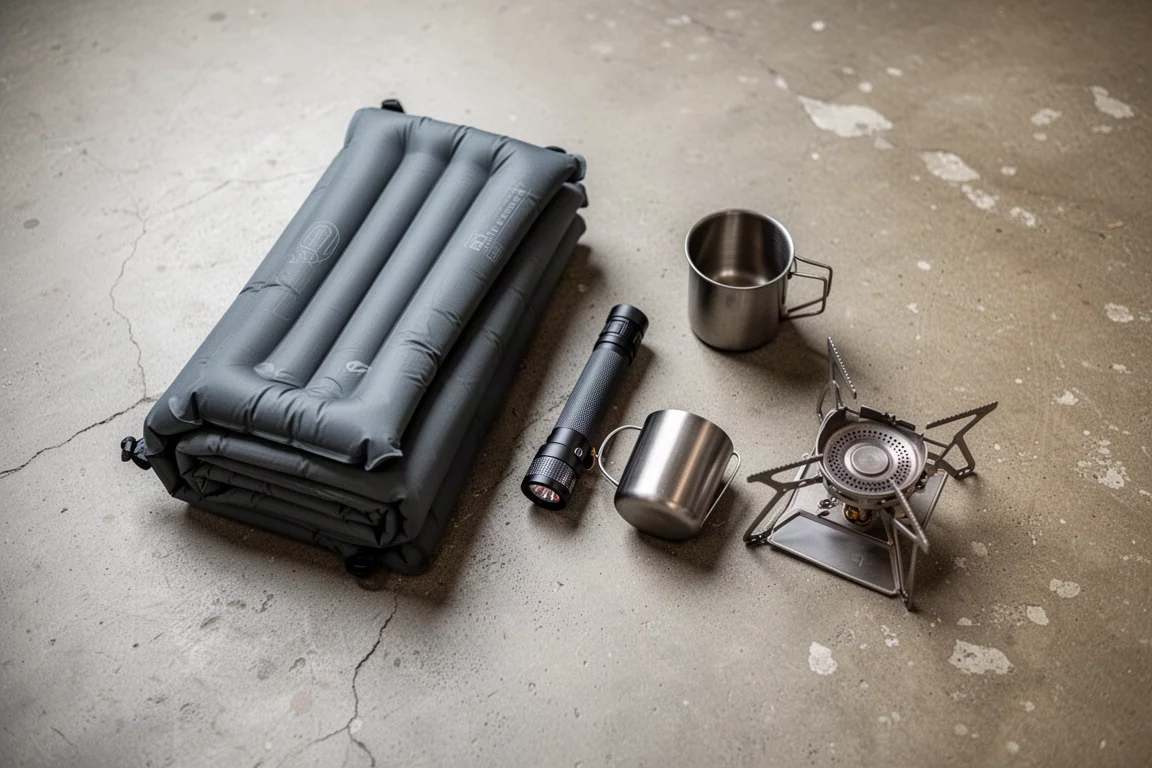
The UL80 is an inflatable pad, and the difference it makes to packed size is dramatic. Compared with the bulky foam mat it replaced, it takes up hardly any room in a pack. It cost £50, which makes it an easy recommendation for anyone curious about moving to an inflatable.
Inflated, it becomes a large and genuinely comfortable mattress. The ridged surface is designed to contour around uneven ground, and the comfort is the standout feature. On one trip in high winds, the pad made enough difference that sleep continued through the worst of the weather rather than being interrupted by it. Because it is inflatable, there is a puncture risk, though a repair kit is part of the standard kit list. Through the winter it was used alongside an additional roll mat, and in milder months it should save a substantial amount of weight and space.
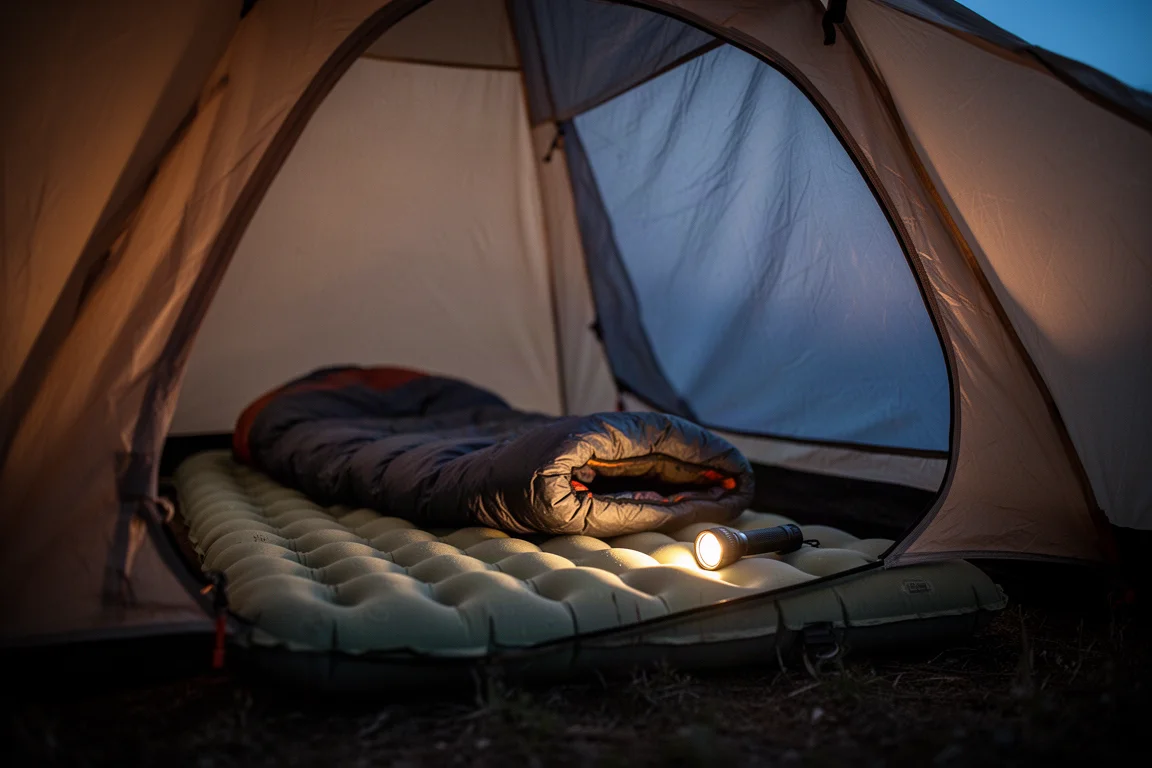
For three-season backpacking, this is one of the simplest upgrades available: the same pack suddenly has room in it, and the nights get noticeably better.
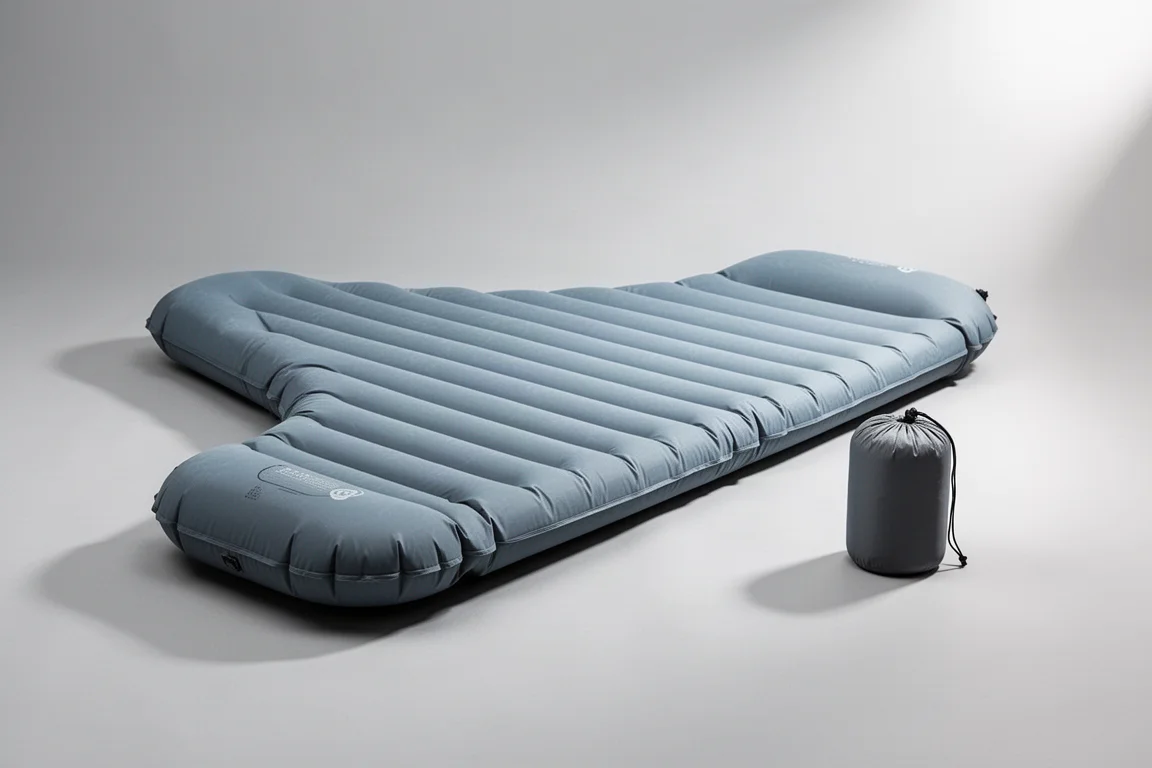
OEX Leviathan Down Sleeping Bag: Winter Warmth That Packs Down
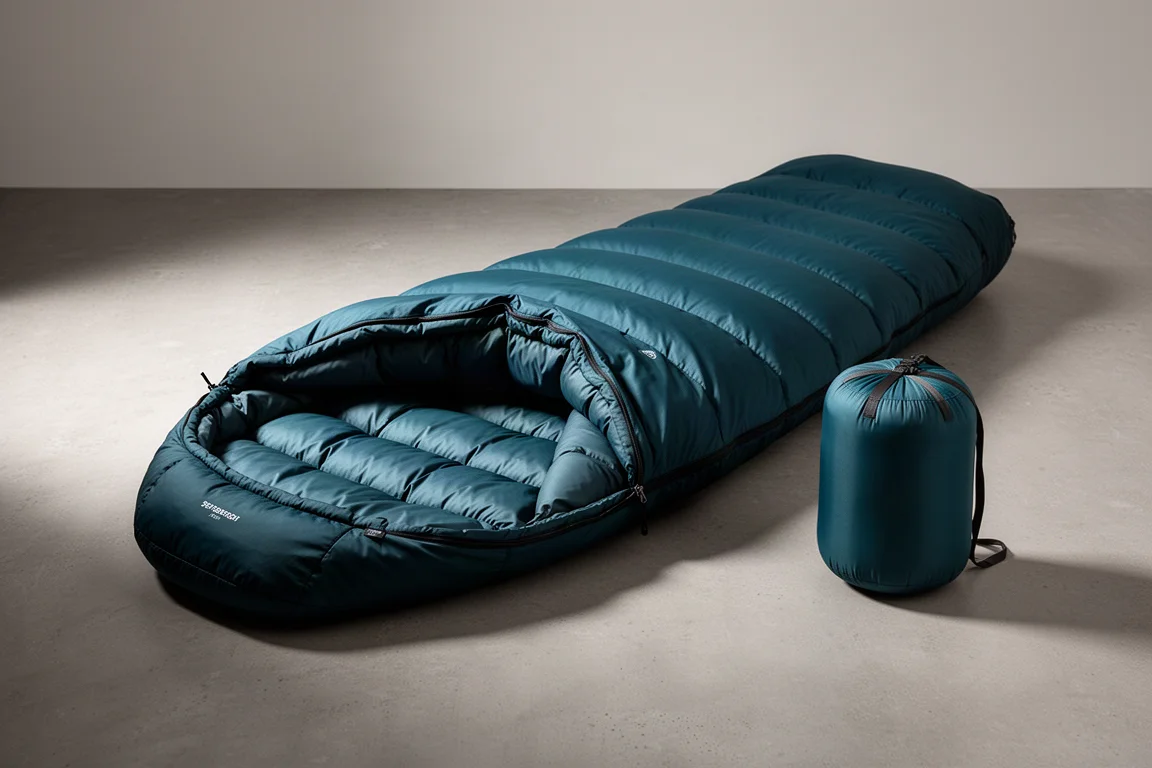
The Leviathan is a thick down bag with a comfort rating of minus nine, and that warmth is immediately obvious. Used across a couple of winter trips, it delivered the two things a cold-weather bag has to deliver: warmth and a proper night’s sleep.
The bigger surprise is how well down compresses. Despite looking enormous when it is laid out, the bag packs down smaller than other winter bags, and it is around 300 grams lighter as well. Compressed, it fits neatly into the bottom compartment of a 50 litre pack, leaving plenty of room above for everything else, which makes a tidy winter loadout possible in a smaller rucksack than expected. The one annoyance is the zip, which catches and snags on the fabric lip beside it.
Lixada 750ml Titanium Mug: A Lightweight Cook Kit
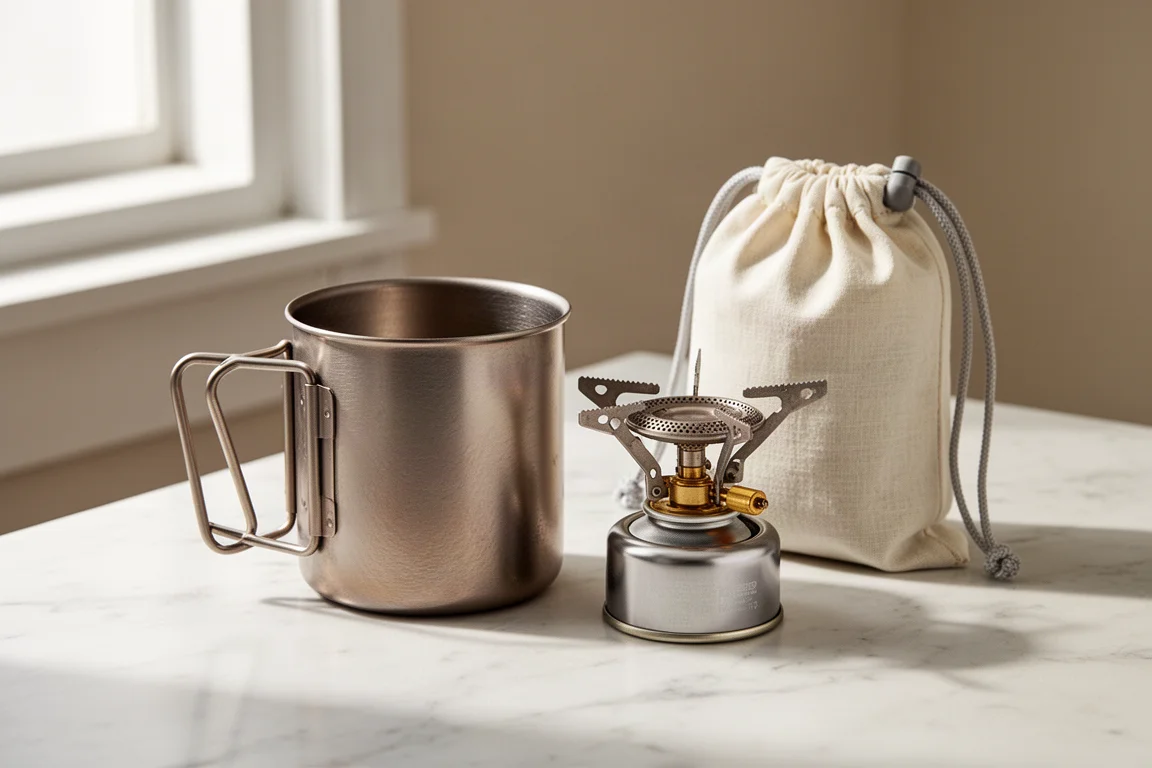
The Lixada mug is titanium, which keeps it light, and it is cleverly thought through. A small burner stove nests inside the mug, and the gas canister fits in there too, so the whole cook kit travels as one compact package inside a tidy stuff sack. It is smaller and lighter than a Jetboil-style system, and the price is reasonable for what you get.
At 750 millilitres it is still a fair size. It is best suited to boiling water for dehydrated meals or for cooking noodles rather than preparing elaborate food, but for that job it is exactly right, and it takes up very little room in a pack.
Overall Buying Advice
The pattern across this kit is worth noticing. The items that made the biggest difference were the ones that reduced weight and pack size at the same time, which is why the inflatable pad, the compressible down bag and the nesting titanium cook kit stand out so clearly. A wood stove is the exception, and it earns its place for a different reason: it is enjoyable to use and cheap to try.
Before buying, think about the conditions you actually camp in. An inflatable pad shines in three-season use, but through winter it may be paired with a foam mat for extra insulation. A wood stove only makes sense where open fires are allowed. A down bag rewards being packed carefully and compressed into the bottom of the rucksack. Matching each item to the trips you really take is what turns a list of good gear into a kit that works.
Conclusion
None of these six items is complicated, and that is the point. A small torch that charges over USB, two wood stoves with very different approaches to setup, a sleeping pad that packs down to almost nothing, a down bag that compresses far smaller than its loft suggests, and a titanium mug that swallows its own burner and canister. Together they show how much lighter and more compact a backpacking kit can become without giving up comfort.
Further reading
Related Reviews

Backpacking Gear
Building a 10 lb Base Weight: An Ultralight Backpacking Gear List
A practical walkthrough of the ultralight pieces behind a 10 lb base weight, from a 765 g pack and a roomy one-person tent to a full camp chair and a dependable water filter.

Backpacking Gear
A 15-Pound Lightweight Backpacking Gear List for Solo Trips
A beginner-friendly 15-pound backpacking setup built from easy-to-find gear, with notes on what each piece does, how it packs, and where to spend your attention.

Backpacking Gear
8 Ultralight Backpacking Gear Upgrades Worth Carrying
Eight small, affordable backpacking upgrades that solve real trail annoyances, from a pillow that stays put to a fuel valve that rescues leftover canister gas.