Backpacking Gear
Lightweight Backpacking Gear: Four Picks Worth Choosing Over the Popular Options
Four lightweight backpacking gear picks, a bare aluminium pot, a collapsible silicone cup, a squeeze filter, and a lined stuff sack, plus the trade-offs to weigh before buying.
Introduction
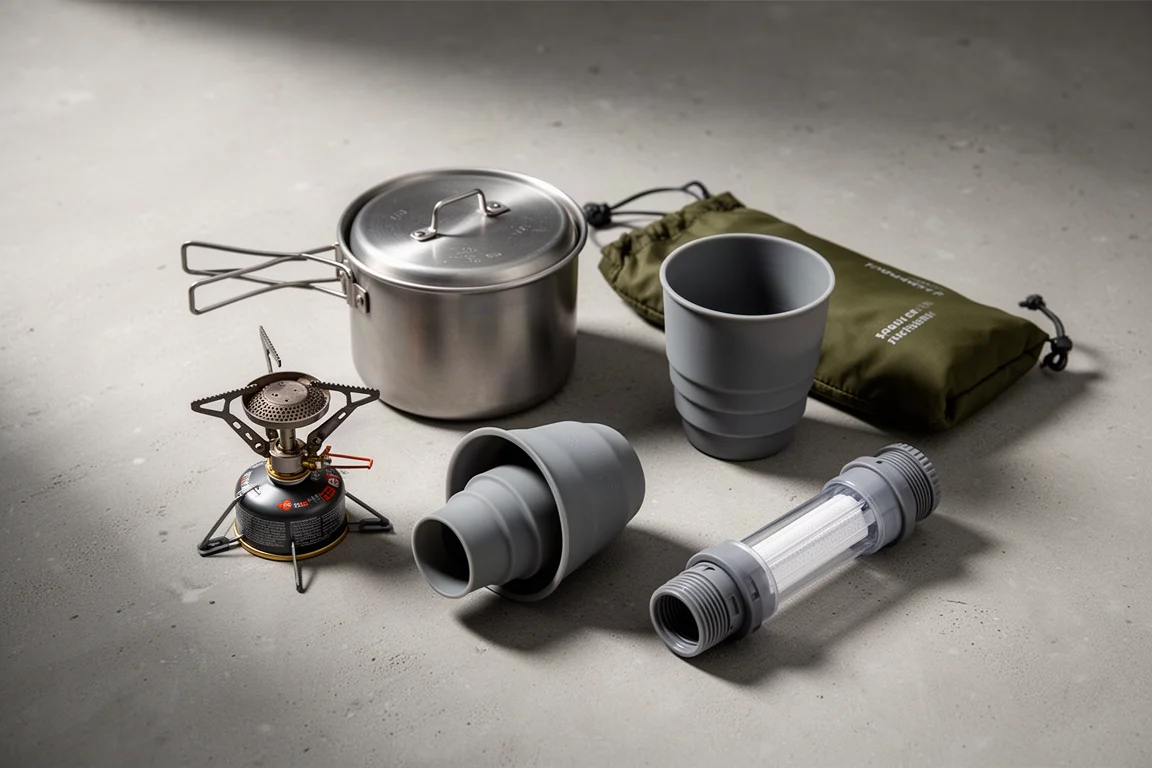
Some gear becomes popular for solid reasons. It is convenient, stable, and easy to recommend. All-in-one canister stove systems, hard-sided water bottles, and pre-built first aid kits all fall into that category. The catch is that convenience usually carries weight, and weight is the one thing a backpacker can always trim.
The four items below are the lightweight counterparts that solve the same problems as the popular picks, at a fraction of the packed weight and bulk. None of them are unusual. They simply do one job well and ask the hiker to give up a little convenience in return.
What These Lightweight Picks Have in Common
Each pick follows the same principle: do one job well, stay light, and either pack smaller than the item it replaces or serve a second purpose. A plain pot, a collapsible cup, a squeeze filter, and a lined stuff sack are about as ordinary as gear gets, which is exactly the point.
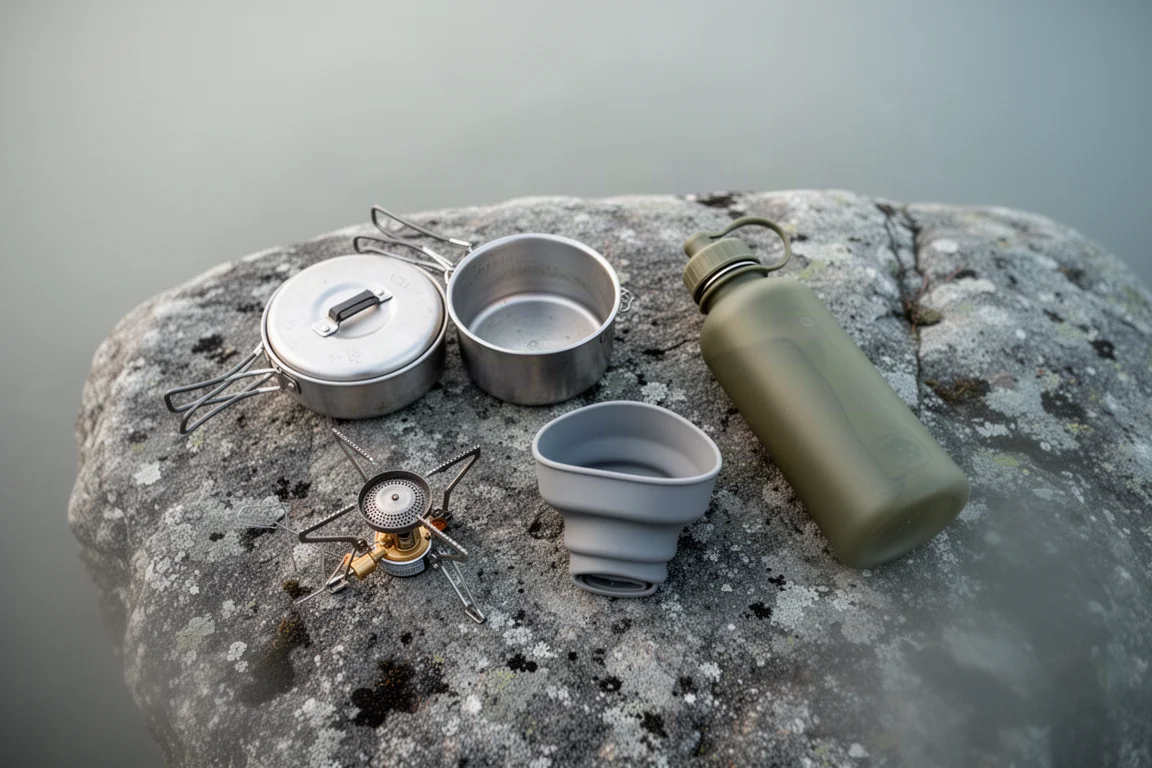
The clearest example is the kitchen. A minimalist setup built around a canister stove that weighs under an ounce and a pot of roughly 3.4 ounces comes in just under 4.4 ounces in total. The lightest all-in-one stove system currently available sits around 7.1 ounces, so the simple route saves close to half the weight before fuel is even considered.
That trade is worth naming honestly. An all-in-one system is more stable, boils water quickly, and keeps the pot locked to the burner. A separate pot and stove gives up that built-in stability and speed in exchange for a noticeably lighter pack.
Lightweight Cooking: Stanco Grease Pot
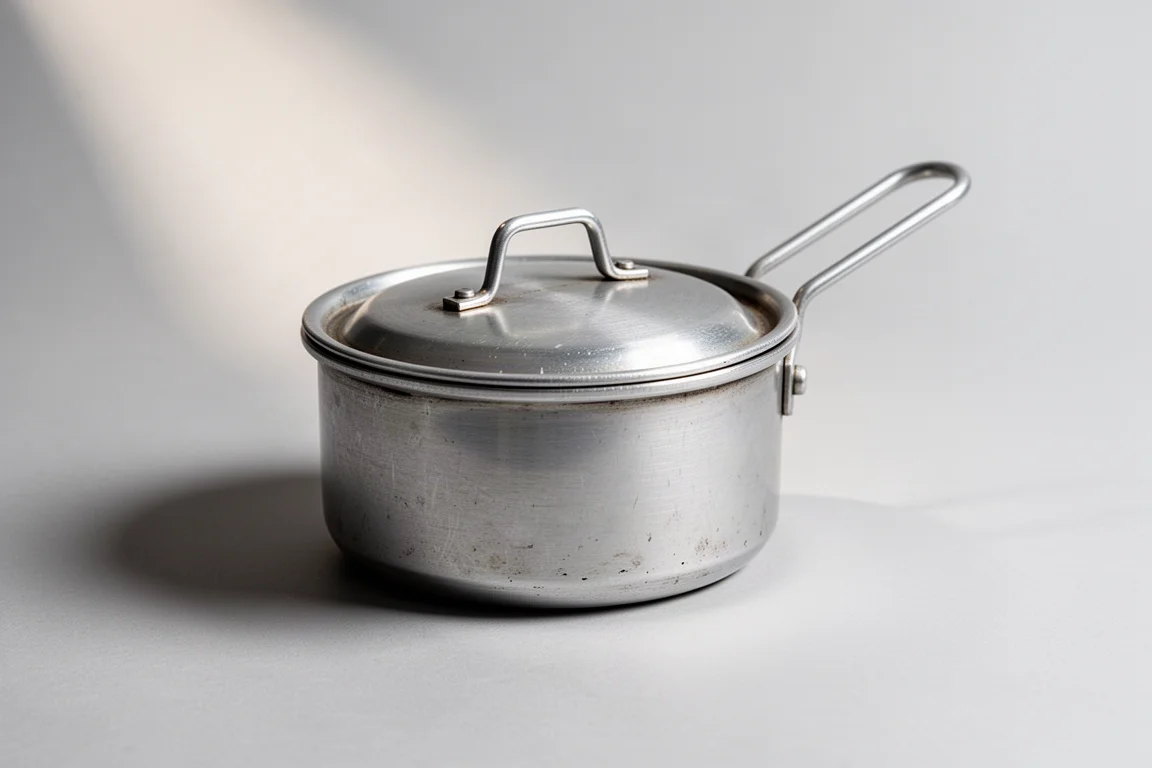
The Stanco grease pot is exactly what the name suggests: a small, plain aluminium pot with no integrated burner, no locking mechanism, and no ignition. It weighs about 3.4 ounces, and paired with a sub-ounce canister stove the entire cooking kit lands just under 4.4 ounces.
What that total buys is a kit that is roughly half the weight of the lightest all-in-one system available. What it gives up is convenience. The pot sits on the burner rather than locking to it, so it needs a flat spot and a little care, and it is not built for the fastest possible boil.
For three-season trips where dinner is mostly rehydrated meals and hot drinks, that trade is easy to accept. The pot is simple, has no electronics to fail, and takes up little room in a pack.
Packable Drinkware: Sea to Summit Silicone Collapsible Cup
Metal cups are the classic camp mug. They are often clipped to the outside of a pack, where they rattle and clank, and inside a pack they take up a surprising amount of space. When filled with a hot drink, the metal also becomes uncomfortable to hold.
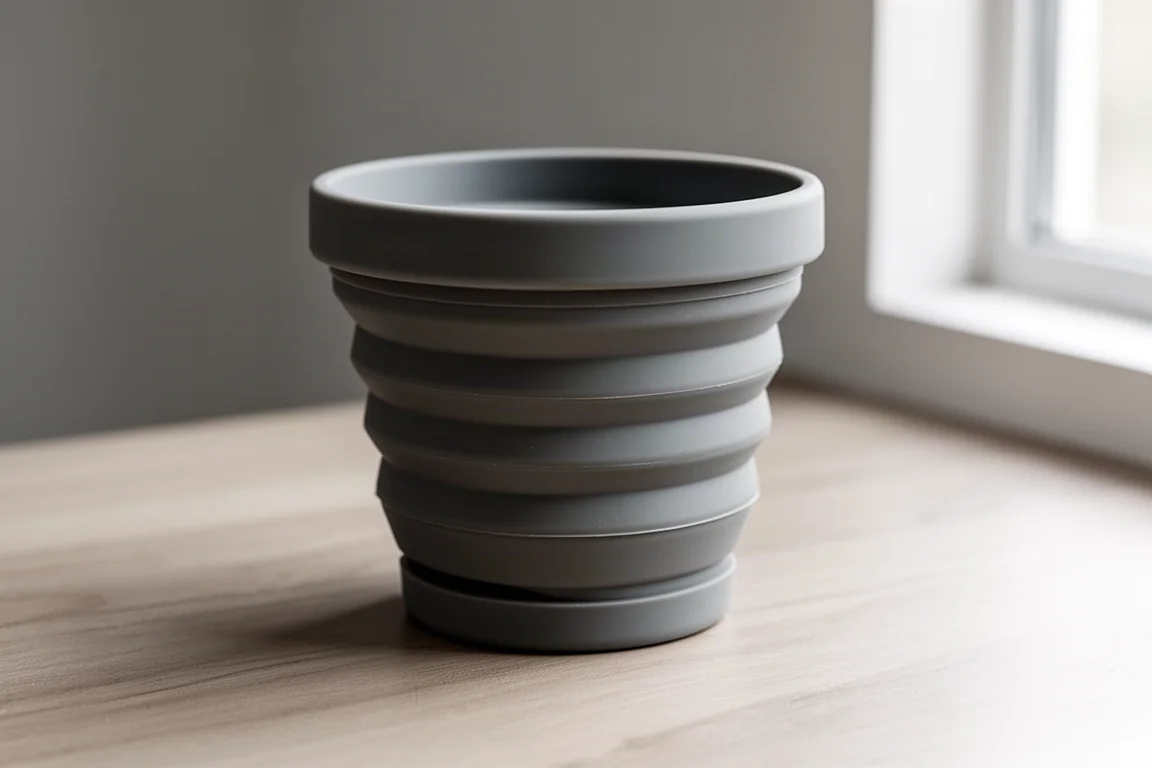
A silicone collapsible cup solves all three problems at once. It folds flat when empty, stays comfortable to hold with a hot drink inside, and the Sea to Summit version includes graduated markings on the inside for measuring water when cooking.
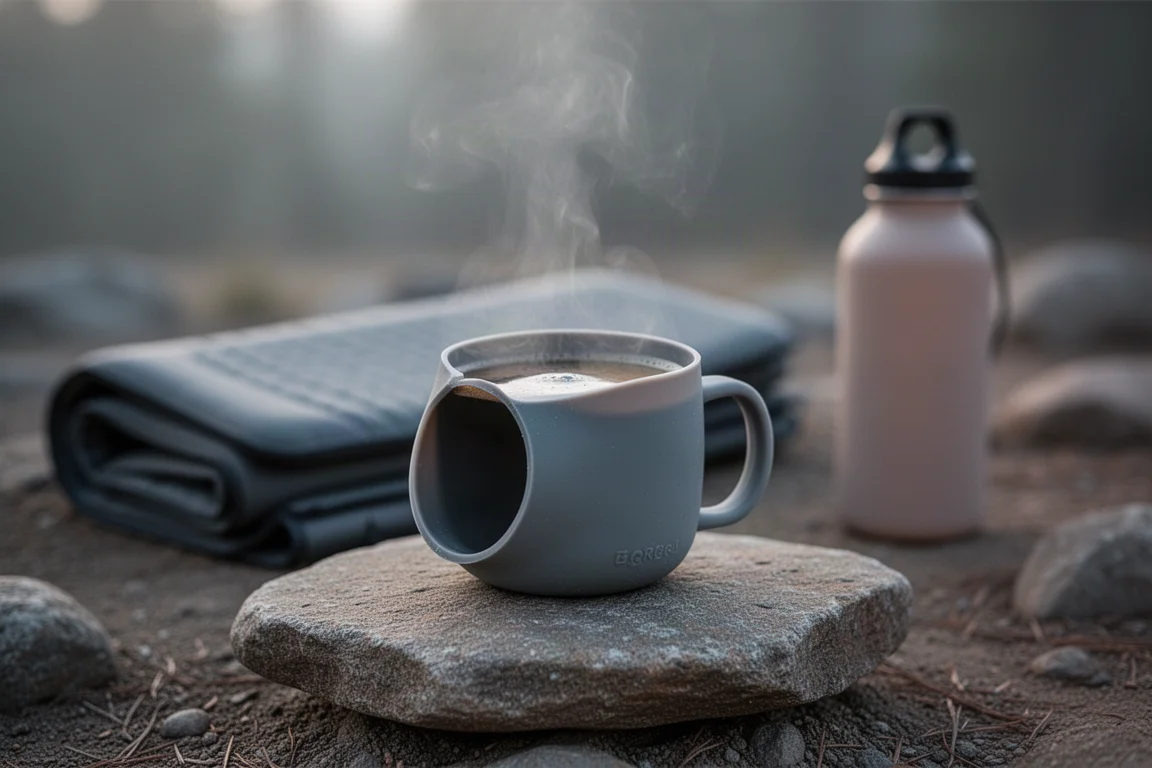
Several brands make similar cups, and they turn up at general retailers as well, so the format is easy to try. The trade-off is rigidity. A soft cup is not as stable as a metal one and benefits from being set on a flat surface, but for a dedicated hot drink cup it is a straightforward space saver.
Water Treatment: Sawyer Squeeze
Hard-sided bottles are tough, easy to clean, and ideal for collecting stickers from the places you visit. On trail, though, they are heavier than soft bottles and they do not pair with most filters. A straw-style filter can be dropped into one, but filtering and drinking through it is not especially convenient.
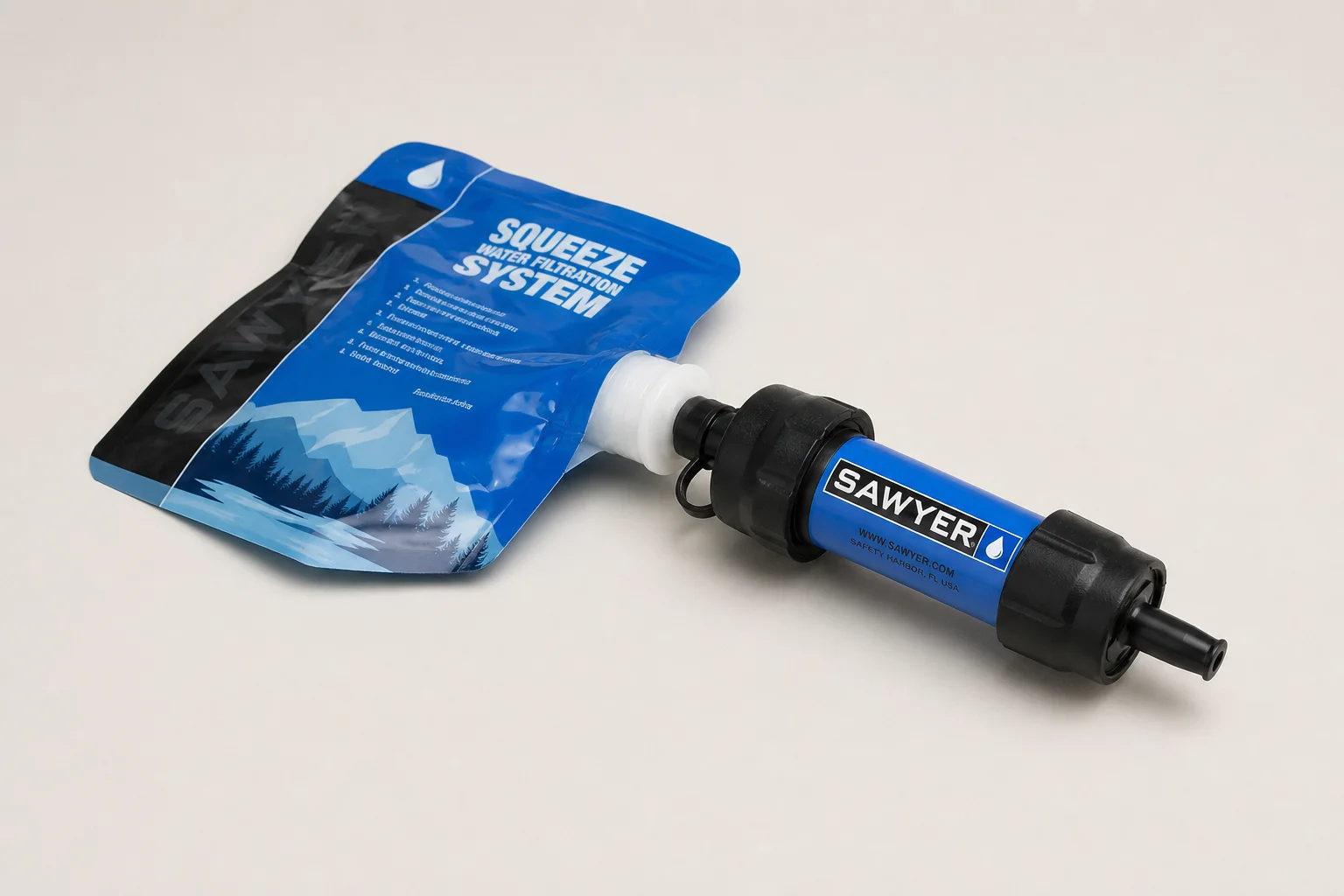
The Sawyer Squeeze is built around threaded soft bottles, including common supermarket water bottles. Fill the bottle, screw the filter on, and drink directly through it, or squeeze water into another container. The same bottle that carries water becomes the filter housing, which removes a piece of gear rather than adding one.
Water bladders are another lightweight option. They pack down small and take up less space than a hard bottle, which makes them a reasonable alternative for hikers who prefer that format.
Dual-Purpose Comfort: Zpacks Stuff Sack
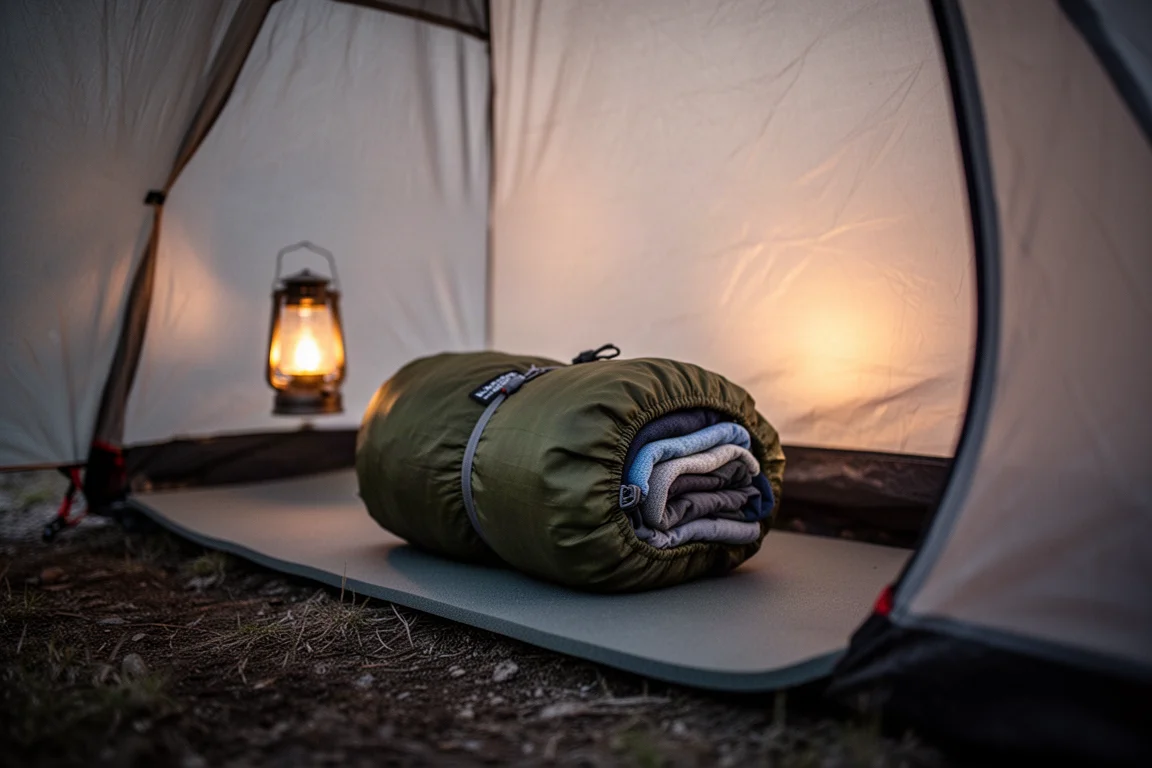
Inflatable pillows divide backpackers. Some swear by them, and others never miss them. They add weight for a single job, and for anyone who prefers a very flat pillow at home, they rarely feel right on a sleeping pad.
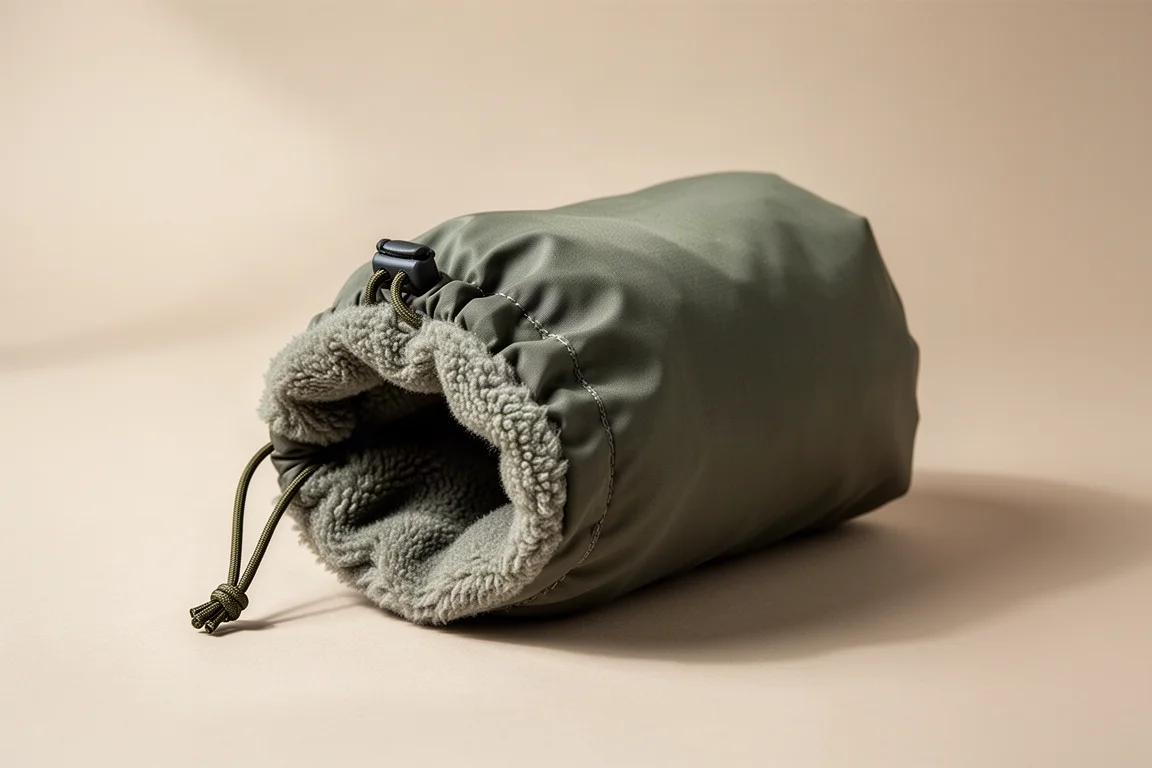
A stuff sack with a fuzzy lining covers the same need and already has a place in the pack. Load spare clothing into it during the day, then turn it inside out at night, add the clothes back in, and it becomes a flat pillow. The Zpacks version is a small technical fabric sack that works as a clothing bag first and a pillow second.
The same logic applies to electric pumps for sleeping pads. An inflator weighs only a few ounces, which can be worth it for a long, wide pad that takes real effort to fill by mouth. For a short pad that inflates in a handful of breaths, the pump is extra weight and one more thing to keep charged.
Where to Save Weight First
The kitchen is the easiest place to start, but shelter and sleep are usually the bigger wins. A freestanding tent is stable and simple to pitch, and it is also one of the heaviest ways to sleep outdoors. A trekking pole shelter is lighter and uses poles the hiker is already carrying, which turns an existing item into a dual-purpose one. A semi-freestanding tent needs its corners and vestibule staked out before it works properly, so it sits between the two approaches.
Smaller items add up as well. Gaiters are fiddly to put on and take off, and whether they keep debris out of a shoe has more to do with a person’s gait than with the terrain. Camp chairs are genuinely pleasant at camp, and some now weigh just under a pound, but a log or a rock does the same job for nothing. Pre-built first aid kits tend to be heavy and full of items that rarely get used on trail, while a bandana, some duct tape, a blister needle, and a couple of over-the-counter medications cover most situations. Alcohol stoves offer no flame adjustment and require estimating fuel before a trip, which is why a canister stove stays the more predictable choice for most backpackers.
Matching Gear to Your Trip
None of this means the heavier options are wrong. It means they need to match the trip.
A freestanding or semi-freestanding tent earns its weight in heavy snow, sustained weather, or expedition conditions where the ability to pitch without stakes matters. A camp chair is a reasonable luxury for anyone who dislikes sitting on the ground and getting back up again. An inflatable pillow makes sense for someone who genuinely cannot sleep flat. An electric pump is a fair trade for a long, wide sleeping pad. A pre-built first aid kit is a sensible starting point for anyone who would rather not assemble their own. Even an alcohol stove has a place for backpackers who are comfortable measuring fuel and do not need to adjust the flame.
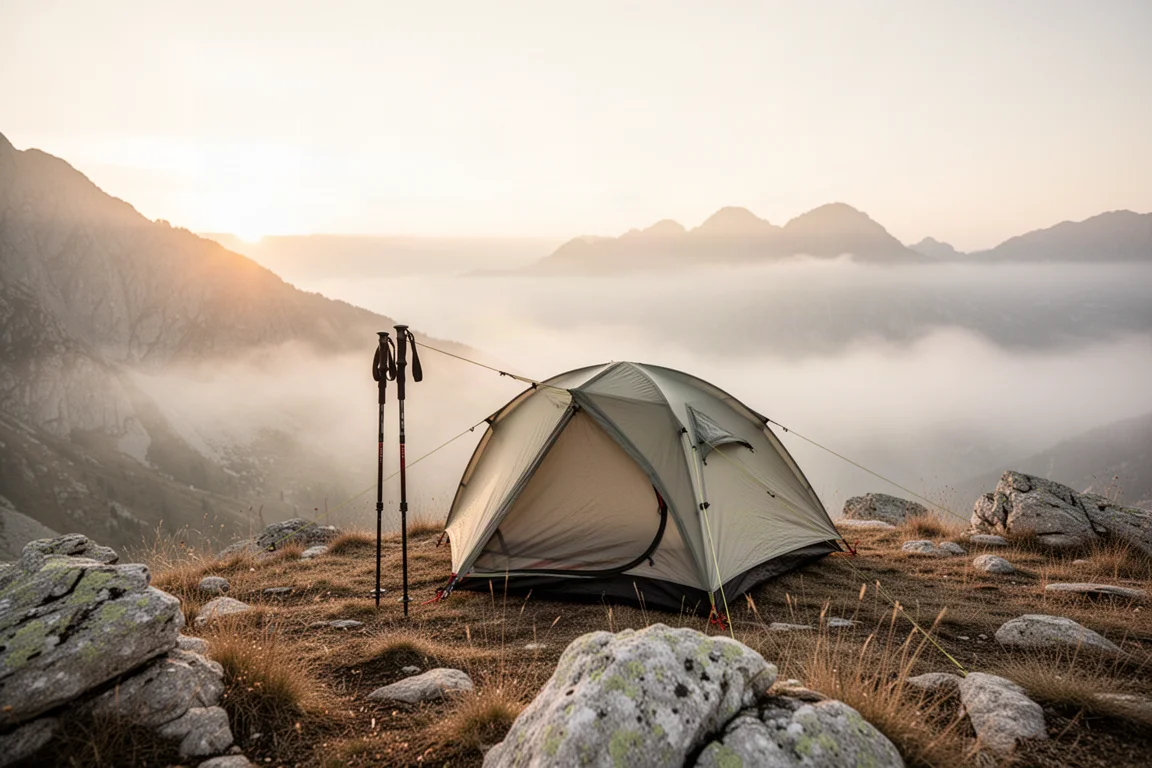
The useful question is not whether an item is popular, but whether the weight it adds buys something the trip actually needs. A pot, a cup, a filter, and a stuff sack cover cooking, drinking, water treatment, and sleep comfort in a handful of ounces, which leaves more room in the pack for the shelter and insulation that keep a trip comfortable.
Conclusion
Four ordinary items do most of the work in a lightweight kit: a bare aluminium pot, a collapsible silicone cup, a squeeze filter, and a lined stuff sack that doubles as a pillow. Each one replaces a heavier or bulkier popular option without giving up the function that matters.
Readers who want to lighten a pack can start with the kitchen and the sleep system, then decide which comforts are worth carrying for the conditions they actually hike in.
Further reading
Related Reviews

Backpacking Gear
Building a 10 lb Base Weight: An Ultralight Backpacking Gear List
A practical walkthrough of the ultralight pieces behind a 10 lb base weight, from a 765 g pack and a roomy one-person tent to a full camp chair and a dependable water filter.
Backpacking Gear
A 15-Pound Lightweight Backpacking Gear List for Solo Trips
A beginner-friendly 15-pound backpacking setup built from easy-to-find gear, with notes on what each piece does, how it packs, and where to spend your attention.
Backpacking Gear
8 Ultralight Backpacking Gear Upgrades Worth Carrying
Eight small, affordable backpacking upgrades that solve real trail annoyances, from a pillow that stays put to a fuel valve that rescues leftover canister gas.