Backpacking Gear
Lightweight Backpacking Gear Loadout: 15 Items That Earned Their Place
A roughly 7 kg base weight backpacking kit for an 80 mile trail, covering shelter, sleep, power, water, footwear and clothing that held up from warm afternoons to sub-zero nights.
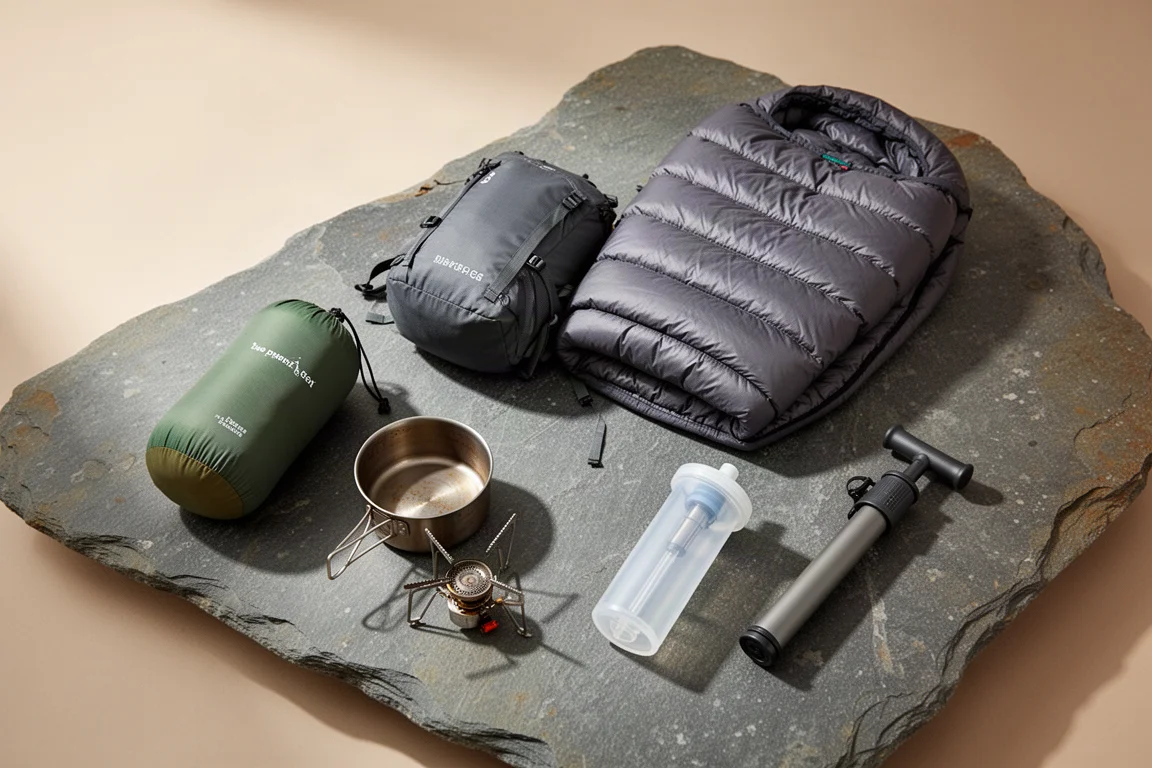
Introduction
Eighty miles of trail, daytime temperatures climbing to 17 or 18 degrees Celsius, and overnight lows dropping to -1 or -2. That combination is what shaped this kit. The goal was a light pack that still carried genuine winter insulation, rather than a summer setup stretched too far.
Everything here was carried on that route and used as intended. Including water, food, and the camera and audio kit, the total came to just under 10 kg, at around 9.7 kg. Base weight worked out at roughly 7 kg. Nothing was swapped out afterwards, and there were no regrets about the choices.
This roundup covers the fifteen items that did the most work, from the shelter and sleep system to the electronics, footwear, and cooking kit. Each entry explains what it is, what it is good at, and where its limits sit.
What This Loadout Was Built For
The route was mostly valley walking with a few gentle climbs rather than sustained elevation, so trekking poles were never really needed. That made a self-supporting shelter more attractive than a trekking pole tent. At the same time, insulation for cold nights takes up far more space than it does weight, which pushed the pack volume up to 50 litres.
Three priorities shaped the rest of the kit. First, lightweight gear that could still handle temperatures near freezing overnight. Second, a setup that stays warm when damp, which matters in UK conditions. Third, real-world reliability, meaning items that can be trusted over consecutive long days rather than only on short trips.
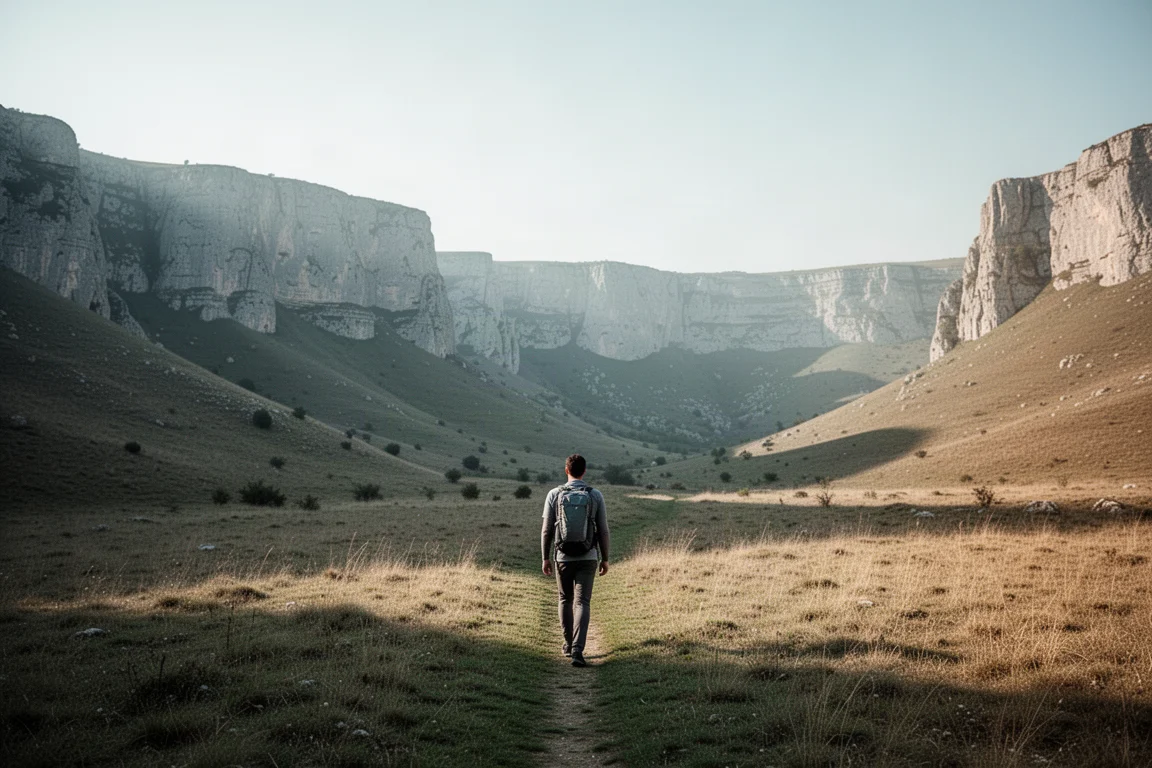
A useful lesson from this trip is that the overnight low matters more than the daytime high when you are choosing insulation. Days of 17 to 18 degrees are easy to dress for. A night at -1 or -2 demands a sleep system that actually holds warmth, and a clothing layer that works when you stop moving.
Shelter: Terra Nova Solar Photon 2
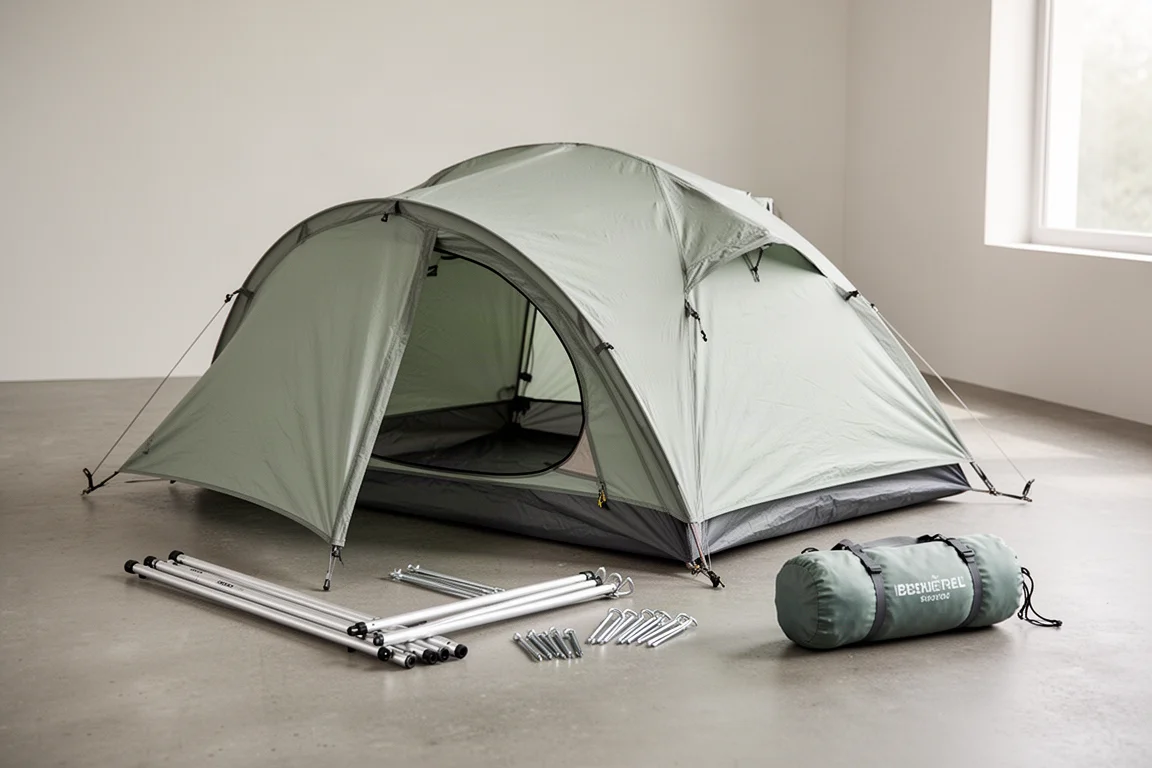
The Terra Nova Solar Photon 2 is a two-person backpacking tent that weighs under 1 kg. It has its own pole structure, so it stands up without trekking poles. That matters on a valley route where poles would otherwise be dead weight.
It currently sells for around £450. For anyone covering mixed ground where poles are not part of the plan, that self-supporting design is the main argument in its favour. It keeps the shelter light without asking you to carry or rely on anything else.
Carry: Atom Packs Pulse 50
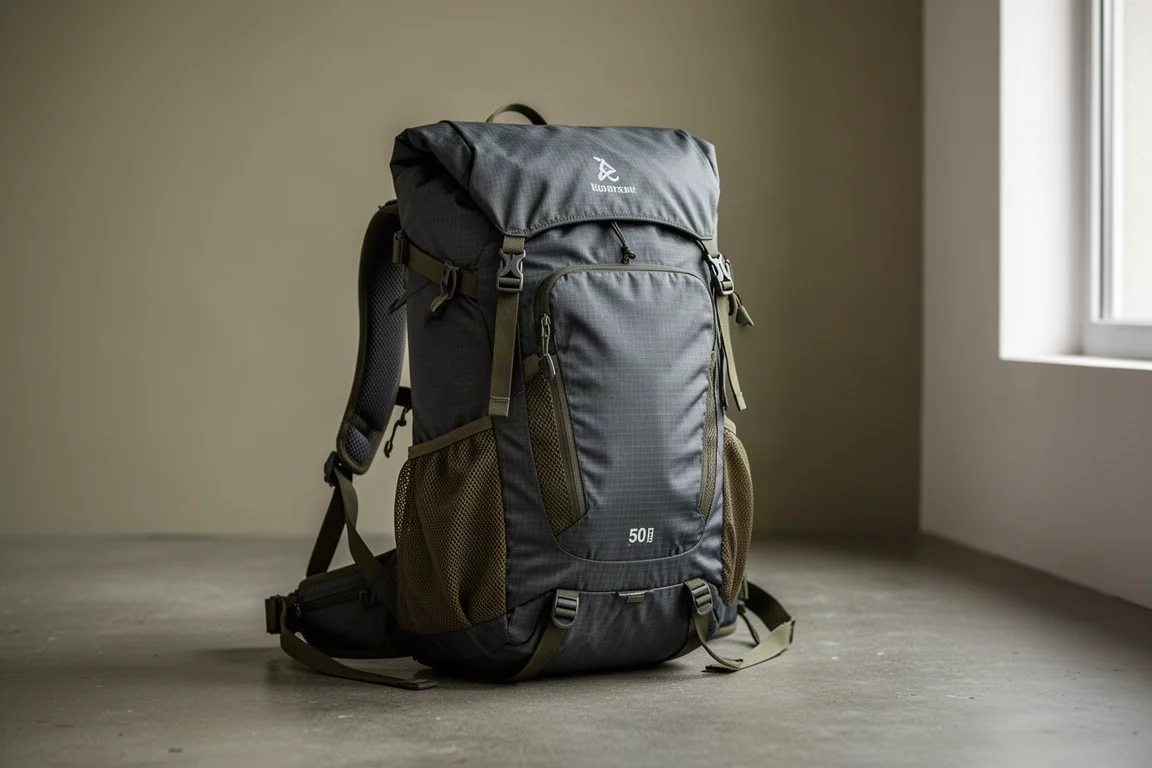
The Atom Packs Pulse 50 is a sub-one-kilogram backpack with 50 litres of capacity, made in the Lake District in the UK. It is fairly stripped down, but the build quality stands out, with hip belt pockets, large side pockets, and a front stash pocket.
The extra volume is deliberate. Insulation such as quilts, sleeping bags, and cold weather layers does not weigh much but takes up a lot of room, so having that literage makes packing far easier. Note that this pack does not take a hydration reservoir, so bottles in the side pockets are the practical option.
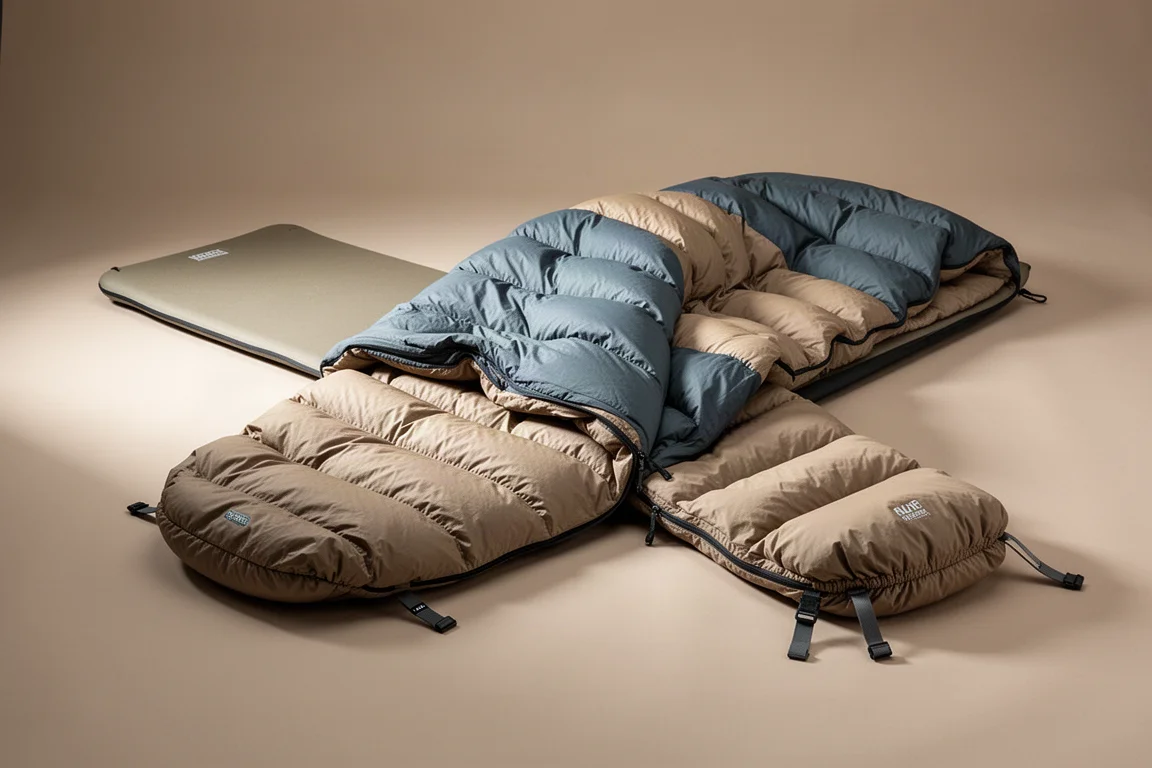
Sleep: OMM 850 Fill Power Quilt
The 850 fill power quilt from a UK company has a lot of loft, and that loft is what makes it work. It has a zip at the back, a toe box that still needs cinching, and a couple of pad straps. Wrapped around you, it holds warmth very effectively. It is priced at around £215.
A quilt like this pairs best with a high R-value winter sleeping pad. The standout lesson of the cold season was that a high R-value pad is a genuine game changer, adding warmth in a way that no amount of extra clothing quite matches. A foam core pillow is worth the pack space too: it is bulky, but it noticeably improves sleep, and it is one more reason a higher volume pack makes sense.
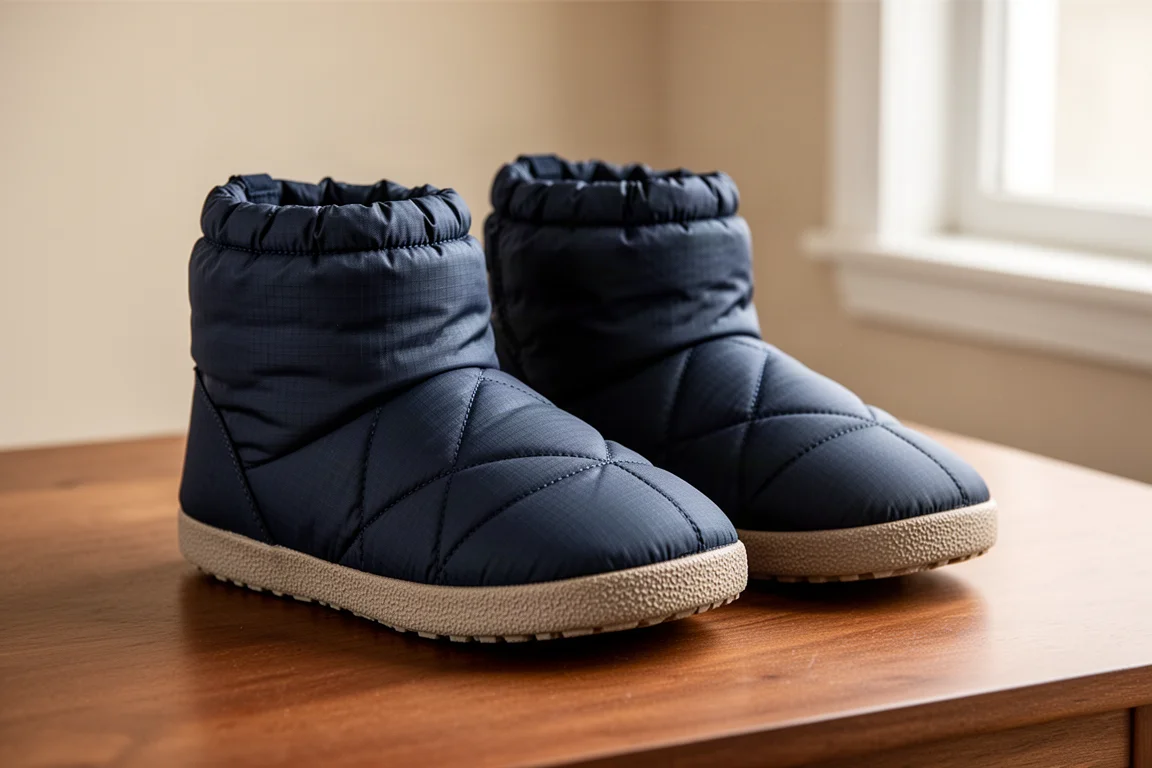
Foot Warmth: Naturehike Down Booties
The Naturehike down booties are inexpensive, and they are one of the best value items in the whole kit. Worn inside a sleeping bag or quilt, they feel like putting your feet in an oven. Anyone spending cold nights under canvas should consider a pair.
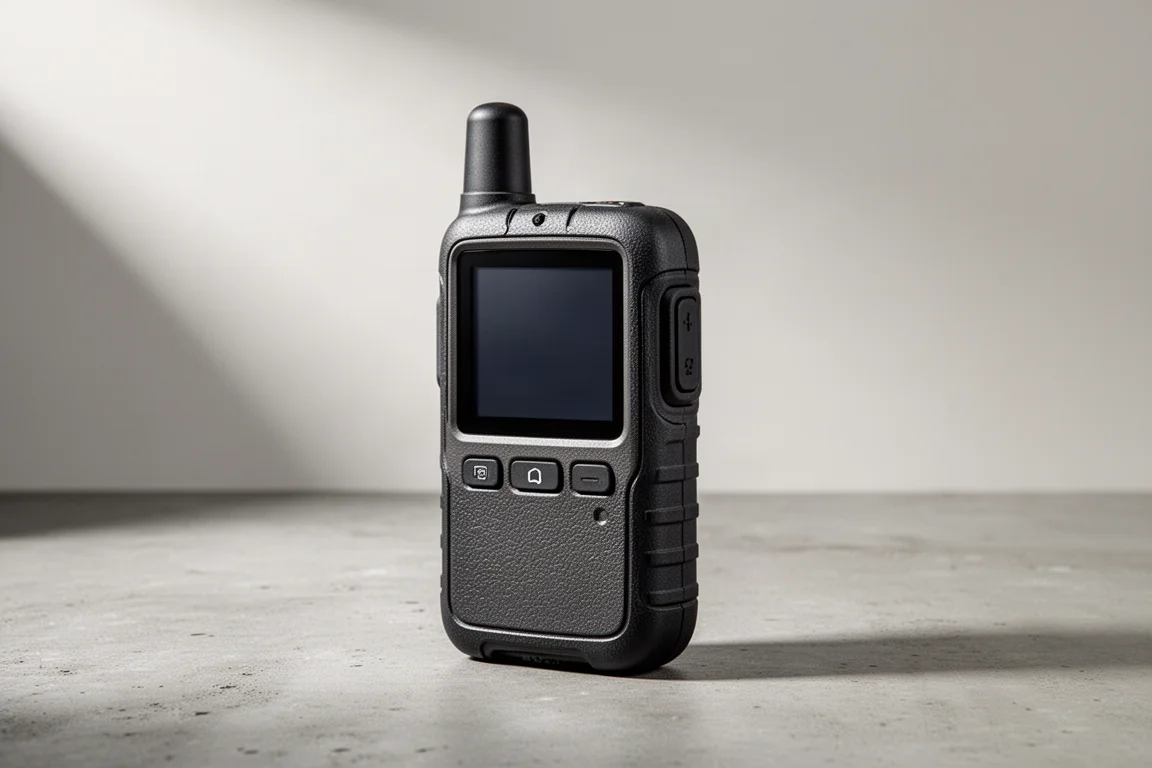
Staying In Contact: Garmin Messenger
The Garmin Messenger lets you send messages even when there is no phone signal. In practice that has made longer trips feel far more manageable, because people at home can be kept updated and there is a reliable way to reach help if something changes.
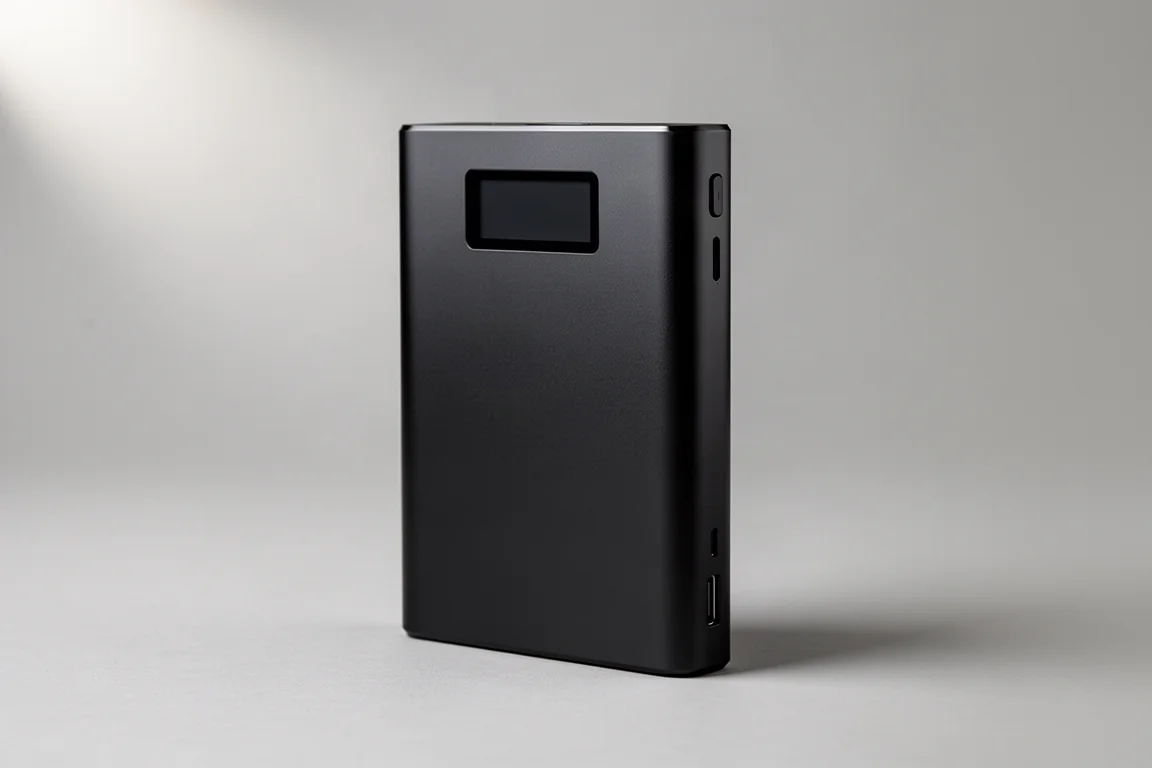
Power: Nitecore 20,000 Power Bank
This is the 20,000 mAh version of the Nitecore power bank, with 10,000 and 5,000 versions also in the kit. For the amount of charge they deliver, these banks are genuinely light. As with any power bank, keeping them warmer rather than letting them sit cold helps performance.
Pump and Lantern: Flextail Max Pump
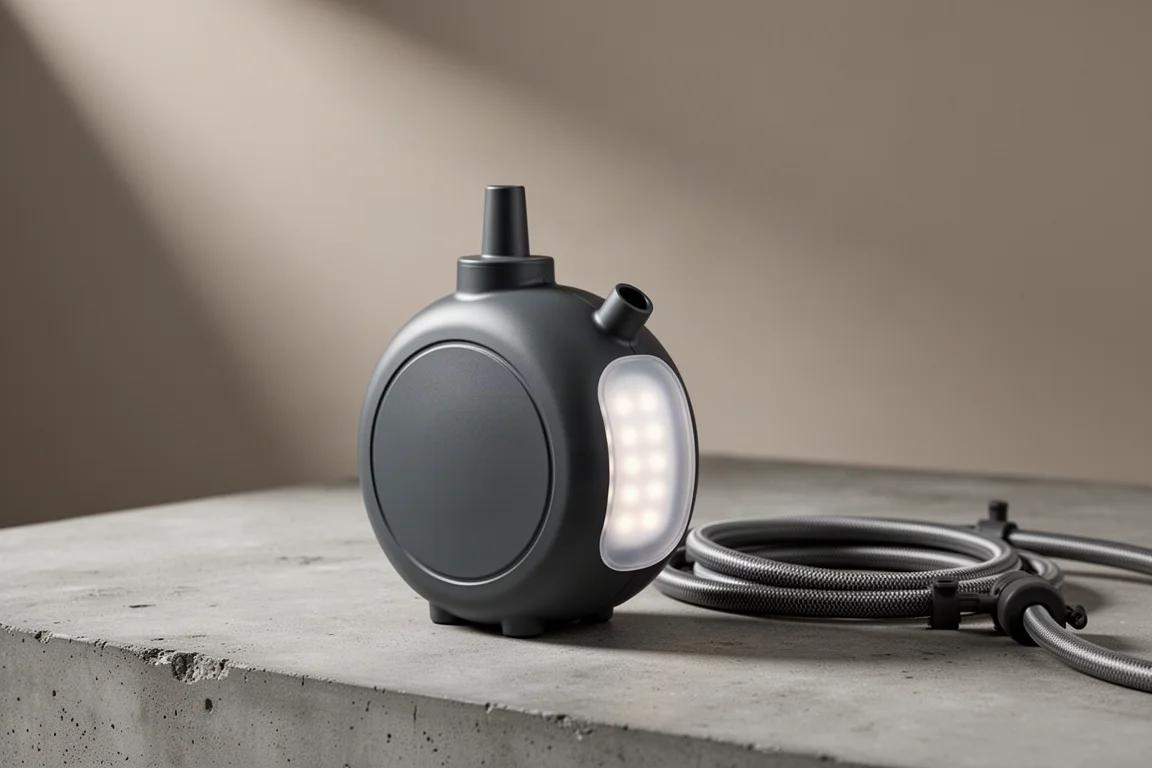
The Flextail Max Pump is the latest version and does two jobs. It has plenty of power for inflating high-volume winter sleeping pads, which is where a hand pump becomes tiring. It also doubles as a lantern, with plenty of settings to choose from, and that extra function is a real addition rather than a gimmick.
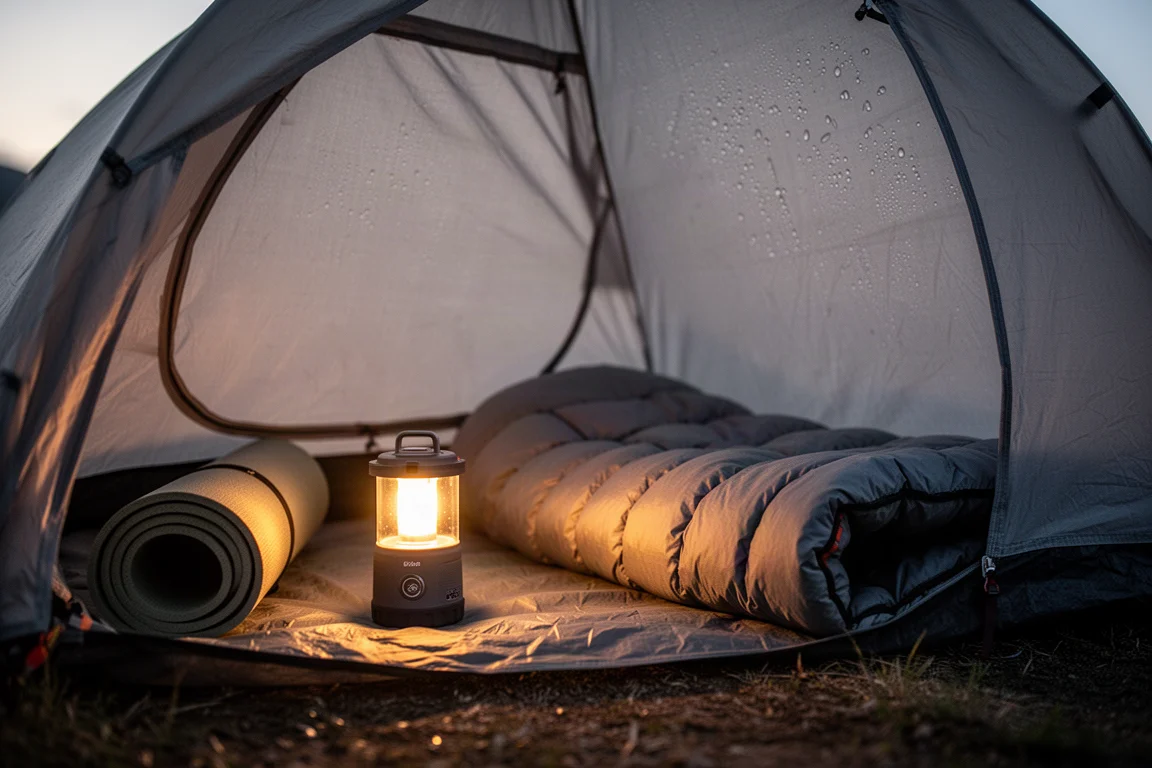
For a cold-weather setup, an inflatable pad plus a compact pump is a practical pairing. It saves time at the end of a long day and keeps the inside of the shelter tidy, with the lantern glow doing the work of a separate light.
Water Treatment: Katadyn BeFree
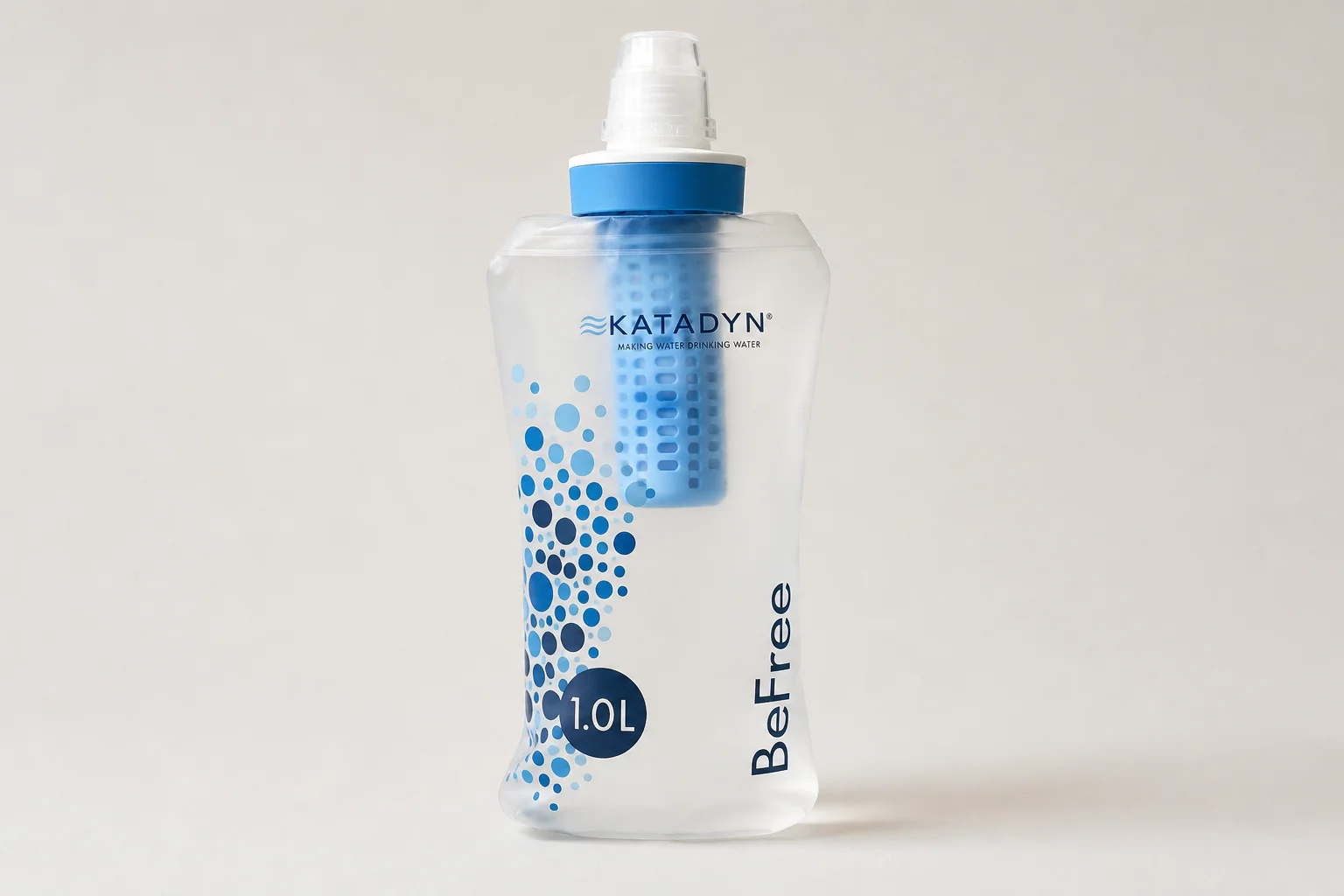
The Katadyn BeFree handles water treatment on the move. It is used with an 850 ml bottle that weighs about 32 g, the kind you can pick up in most local shops. That combination is one of the simplest lightweight tricks available, and it suits this pack perfectly since a reservoir is not an option.
A small sponge is also worth carrying for wiping condensation off the tent before packing it away. It weighs almost nothing and earns its place every morning.
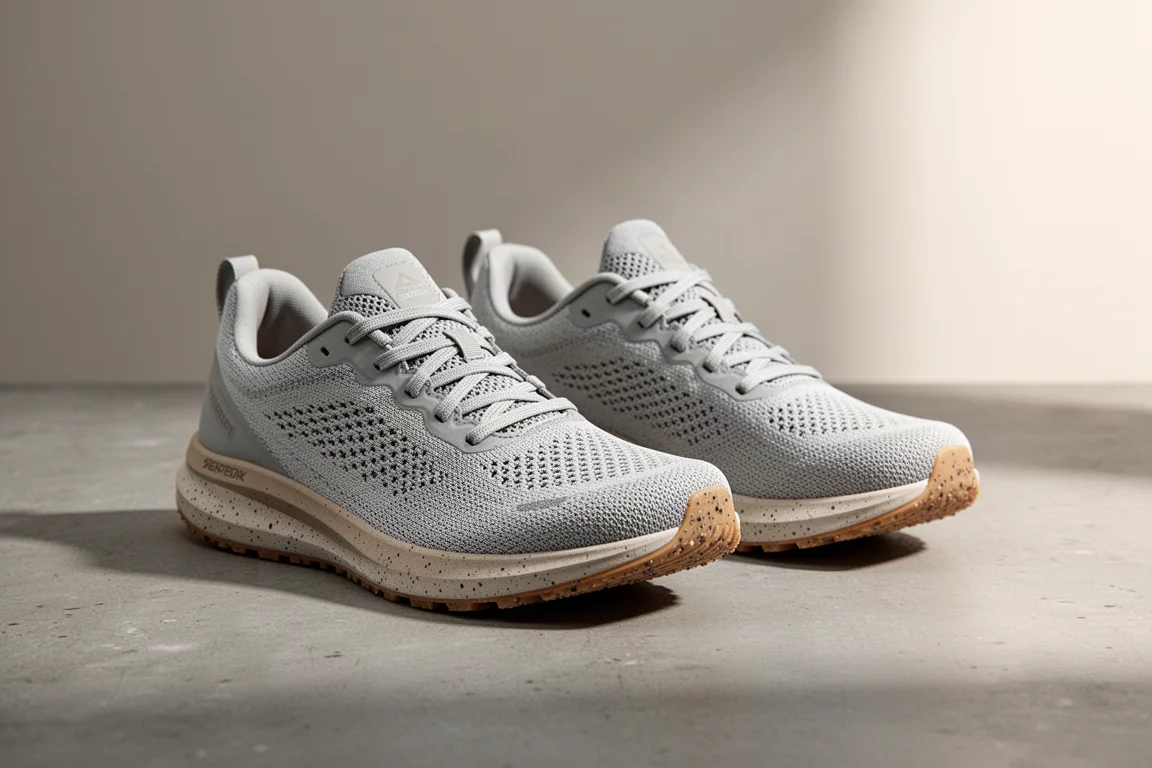
Footwear: Salomon DRX Defy Gravel Runners
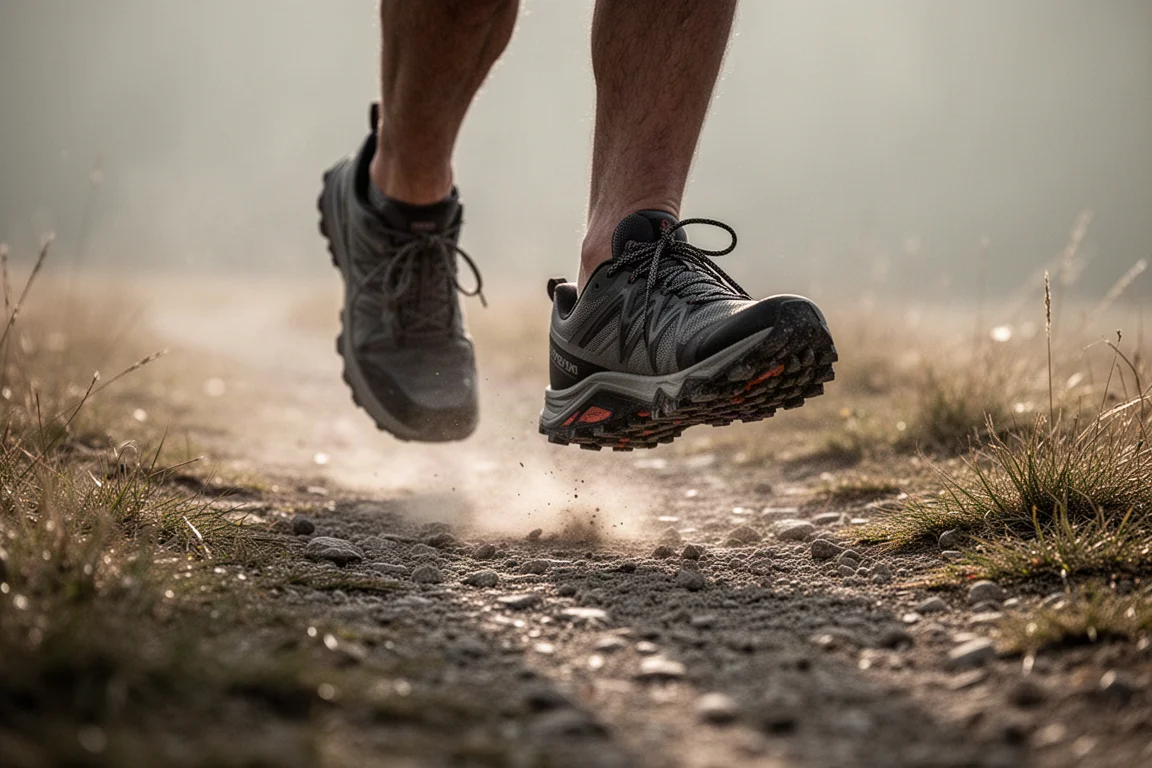
The Salomon DRX Defy gravel runners were chosen because the run-up to the trip was dry and the route itself was expected to be dry, with maybe a little morning dew and warm days. They are light, airy, and grippy in dry conditions, with a decent amount of support and an active chassis underfoot. The energy foam gives a noticeable bounce that works well when fast hiking over long distances.
One lesson learned the hard way is that feet swell significantly over high mileage days, including days of 24, 33, and 27 miles. Sizing and fit matter more than any other specification here. These shoes handled those conditions very well, but they are a dry-weather choice first.
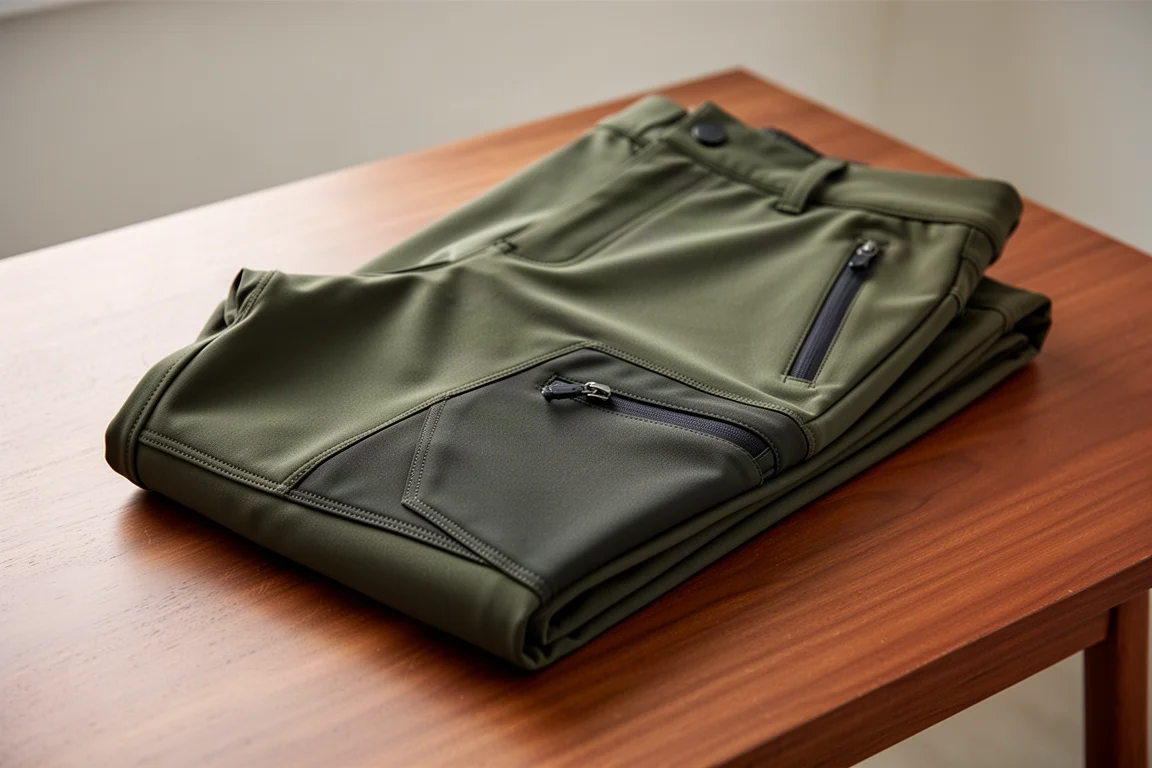
Legwear: Fjällräven Keb Agile Trousers
The Fjällräven Keb Agile trousers are a lightweight softshell with plenty of stretch, and they are extremely comfortable to walk in. They sit at the more expensive end, at a couple of hundred pounds, and are available in a short leg version, which makes a real difference for anyone who usually needs a shorter inseam.
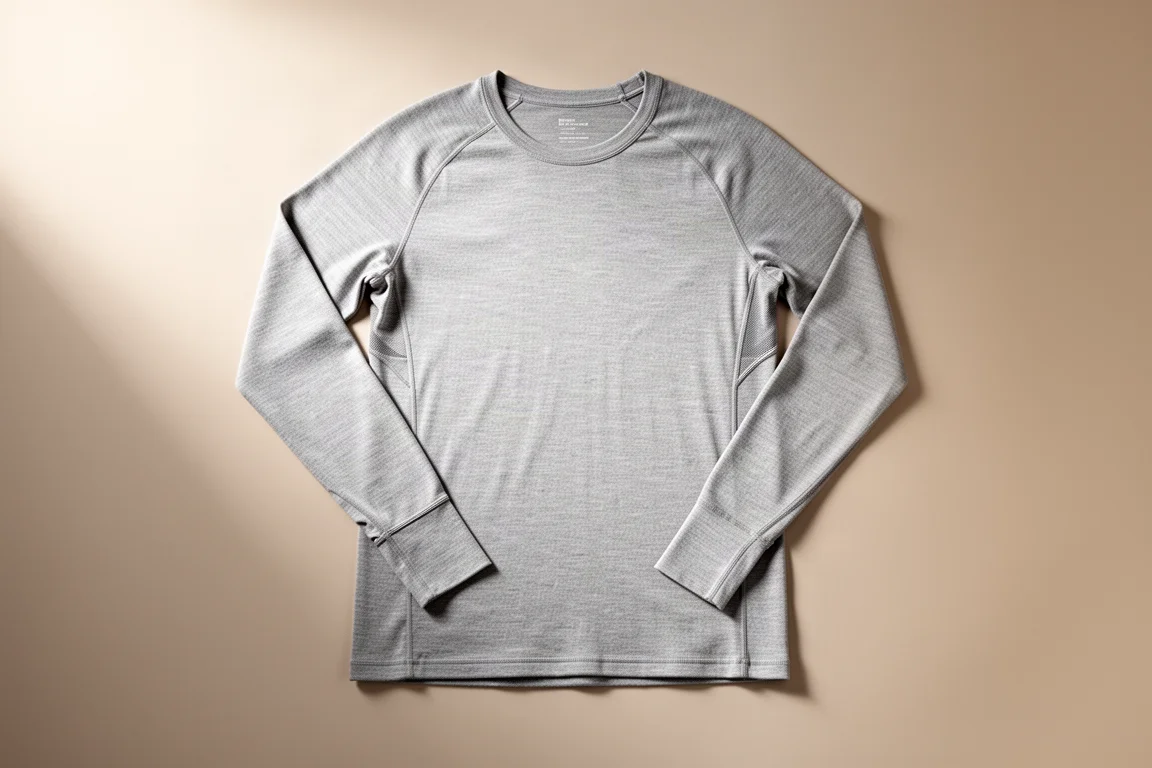
Base Layer: Artilect Boulder Merino
The Artilect Boulder Merino base layer is the lightest weight version in the range, with lighter fabric under the arms. That combination keeps you warm underneath without overheating, which makes it a strong choice for changeable conditions where you are moving and stopping throughout the day.
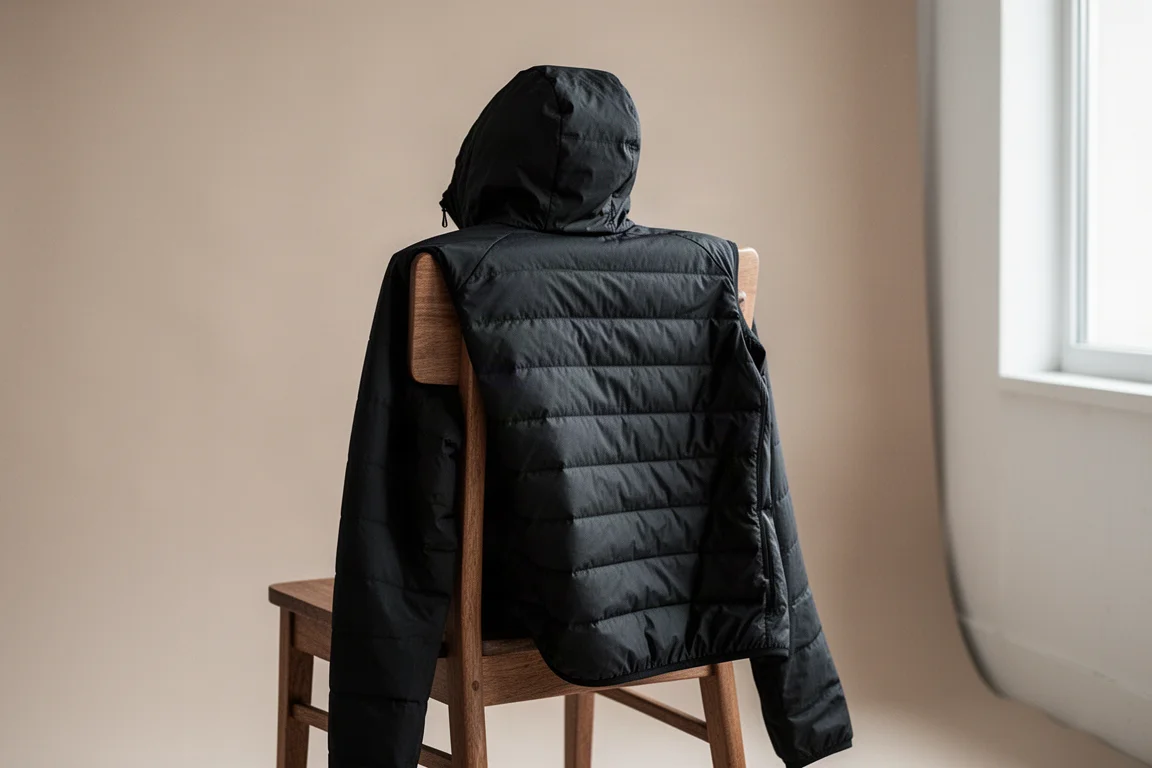
Midlayer: OMM Core Hoodie
The OMM Core Hoodie weighs almost nothing, and the warmth to weight ratio of the synthetic insulation is excellent. It is the kind of layer that disappears into the pack and then performs well when the temperature drops in the evening or on an exposed stretch.
Pack Towel: Sea to Summit Airlite
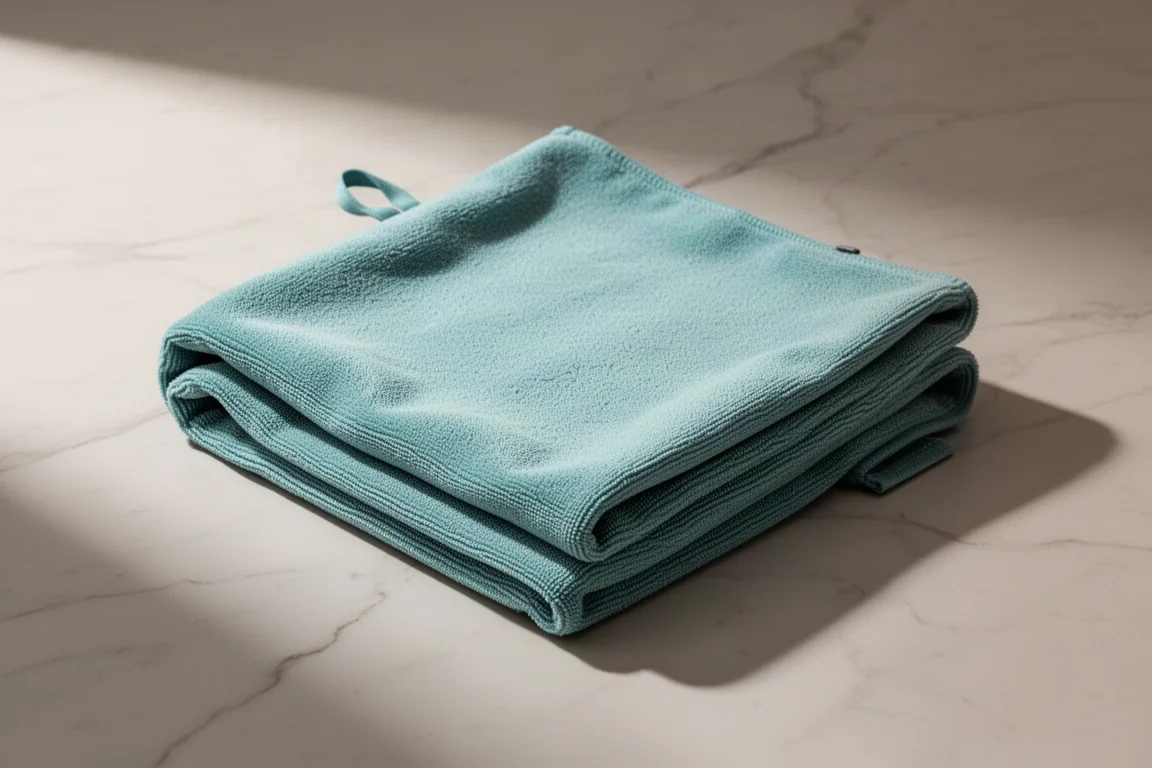
The Sea to Summit Airlite towel is large but extremely thin, and it weighs very little. It dries quickly as well, which matters when you are moving every day and cannot afford damp kit in the pack.
Cooking: Worldside Adventures Fev Light 700
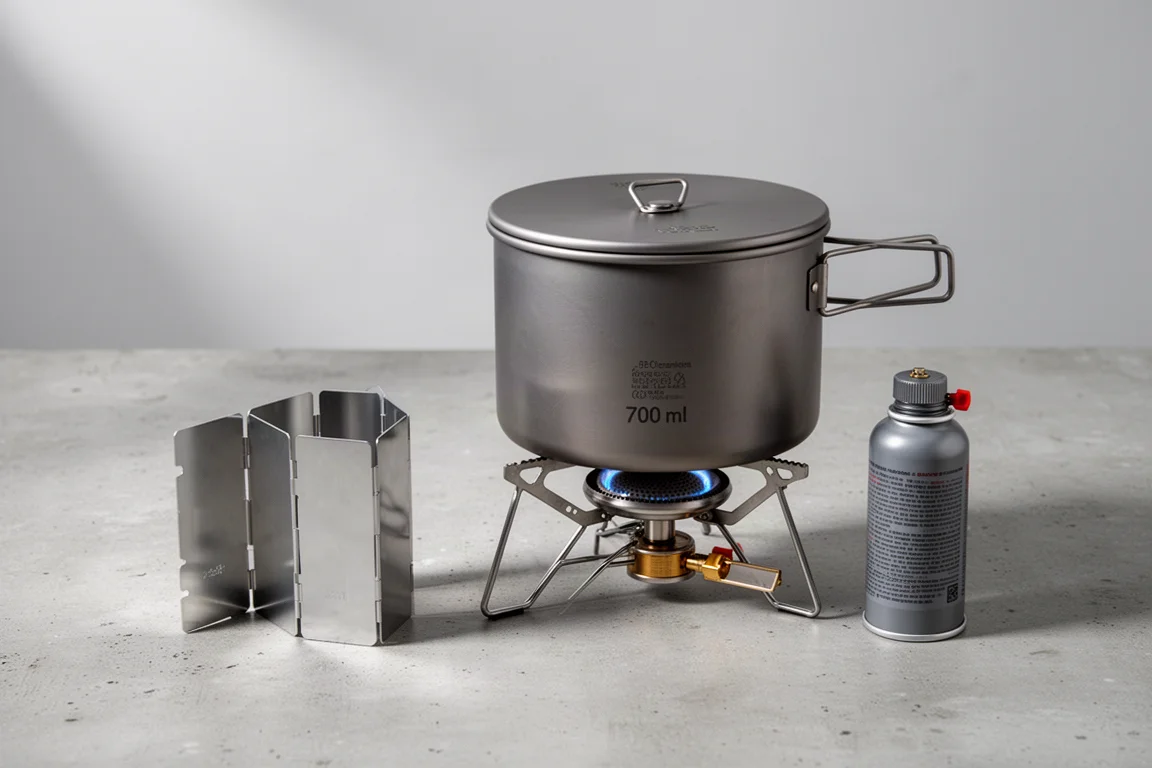
The Worldside Adventures Fev Light 700 is a spirit burner stove that comes with a 700 ml titanium pot and a lid. It was used with a 125 ml fuel bottle, and roughly two thirds of the fuel was used across the trip. A lighter completes the setup.
Spirit burners are quiet and simple, and the titanium pot keeps the whole arrangement light. It is a compact system that boils water for dehydrated meals without asking for much pack space.
Tracking: Garmin Epix Pro
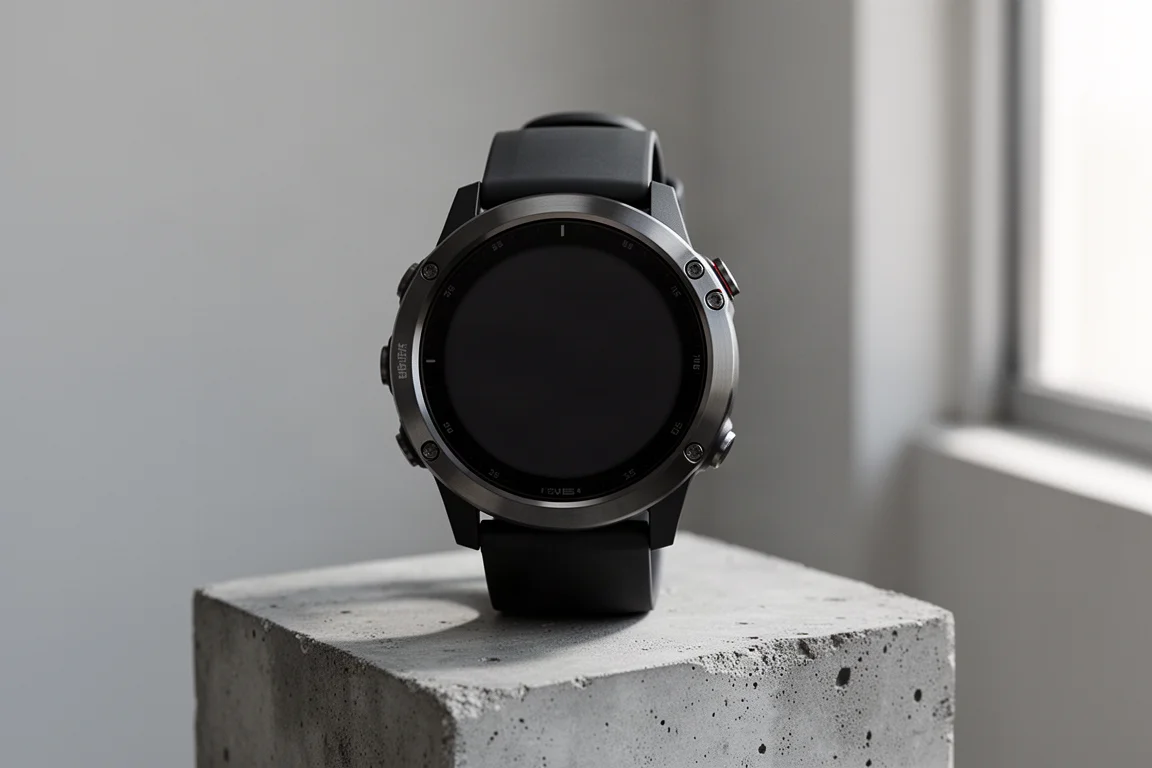
The Garmin Epix Pro logged every activity on the trip. After the full route, it still had 7 percent battery left without a single charge, which is a meaningful result for anyone who does not want to carry extra power just for a watch.
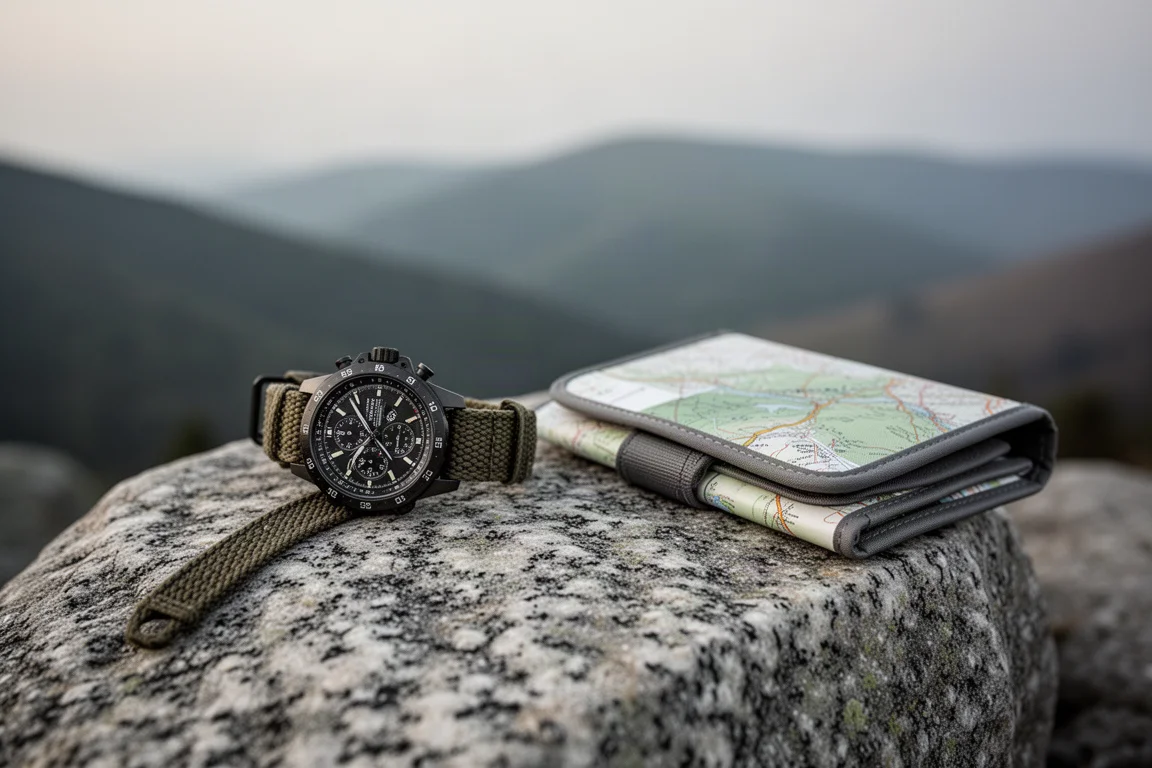
For multi-day routes, that kind of endurance removes a small but real worry. You can record the whole trip and still have charge in reserve, rather than rationing tracking to save battery.
Overall Buying Advice
The strongest pattern in this kit is that insulation and sleep quality are worth prioritising over headline weight numbers. A high R-value sleeping pad, a properly lofted quilt, and warm footwear for camp made a bigger difference to comfort than shaving grams elsewhere would have.
Capacity is the second consideration. If your insulation is bulky, a 50 litre pack keeps the load manageable without overstuffing. Third, match the footwear to the conditions you actually expect: a light, airy shoe with good grip for dry ground is a very different tool from a wet-weather boot, and long days on your feet will expose any sizing compromise.
Finally, the small items add up in value rather than weight. A pack liner, a sponge for tent condensation, a compact pump that doubles as a lantern, and a reliable way to send messages when there is no signal all made the trip easier without adding meaningful load.
Conclusion
This is a kit that stayed comfortable in warm afternoons and warm at night when temperatures fell below freezing, at a base weight of roughly 7 kg. The shelter is light and self-supporting, the pack carries bulky insulation easily, the sleep system holds real warmth, and the electronics and cooking kit stayed simple and dependable.
If you are building something similar, start with the sleep system and the pack volume, then choose footwear and clothing to match the conditions you expect. Everything else can be tuned around those decisions.
Further reading
Related Reviews

Backpacking Gear
Building a 10 lb Base Weight: An Ultralight Backpacking Gear List
A practical walkthrough of the ultralight pieces behind a 10 lb base weight, from a 765 g pack and a roomy one-person tent to a full camp chair and a dependable water filter.

Backpacking Gear
A 15-Pound Lightweight Backpacking Gear List for Solo Trips
A beginner-friendly 15-pound backpacking setup built from easy-to-find gear, with notes on what each piece does, how it packs, and where to spend your attention.

Backpacking Gear
8 Ultralight Backpacking Gear Upgrades Worth Carrying
Eight small, affordable backpacking upgrades that solve real trail annoyances, from a pillow that stays put to a fuel valve that rescues leftover canister gas.