Backpacking Gear
Lightweight Backpacking Gear List: A 15 lb Comfort-Focused Setup
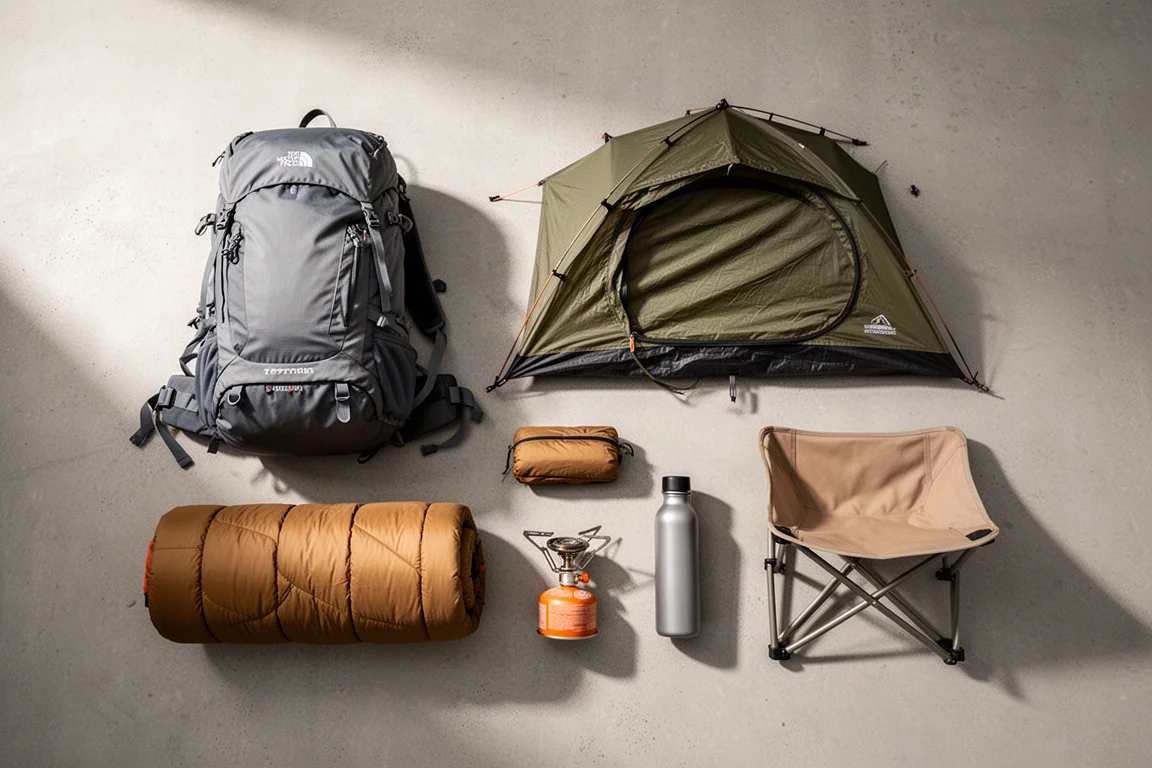
A 15 lb base weight gear list built around camp comfort, covering the pack, shelter, sleep system, kitchen, water, electronics, hygiene and a value camp chair.
Introduction
A 15 lb base weight sits in a useful middle ground. It is not the lightest setup you can carry, and it does not try to be. Instead, this list spends a little extra weight on the things that make a night out genuinely restful: a pack that carries a load well, a freestanding tent with real interior space, a quilt you can roll over under, and a chair to sit in while dinner cooks.
The trade-off is deliberate. Some items here are chosen purely for comfort, others are chosen for low weight to balance them out, and a few sit in between.
How This List Balances Comfort and Weight
Comfort items on this list include the backpack, the sleeping pad and the cook system. Weight-focused choices include the shelter, the water filter and the headlamp. The sleeping system, the water bottle and the storage bag land somewhere in the middle.
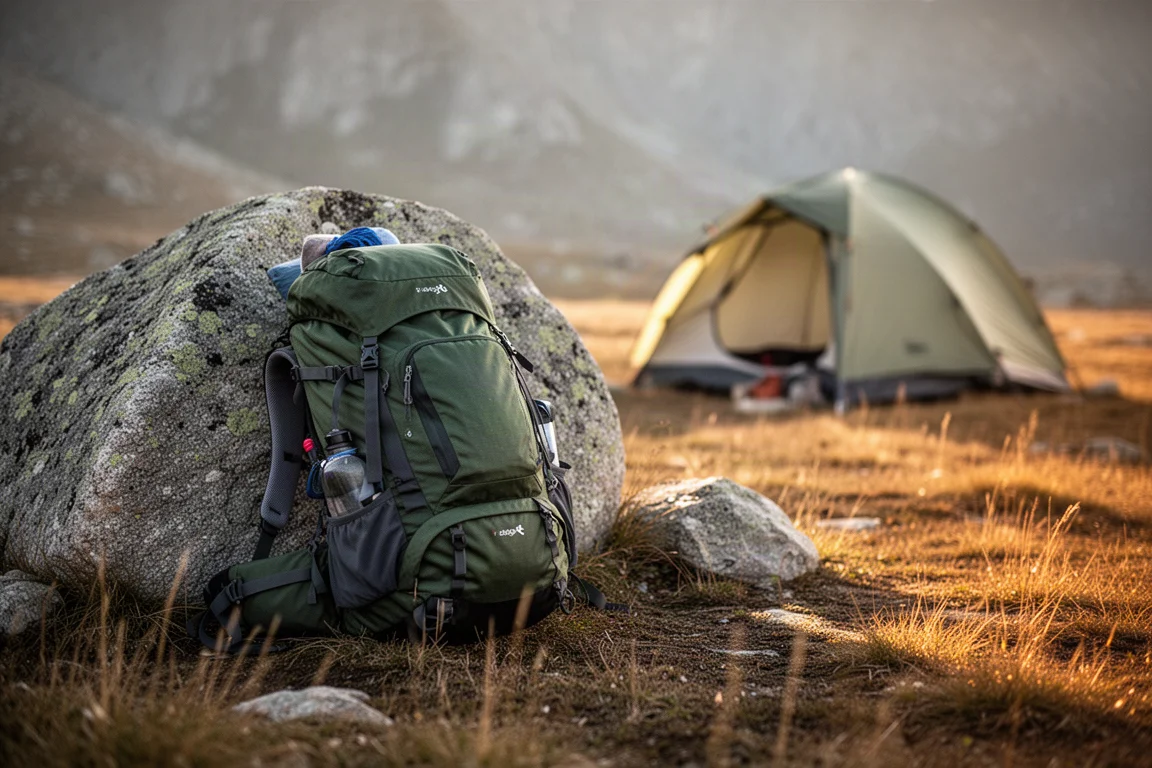
Thinking about gear in these three buckets makes the list easier to adapt. If you would rather cut weight, the comfort items are the first place to look. If you would rather sleep better, the weight-focused items still perform well enough that the swap rarely feels like a downgrade.
The Pack: REI Flash 55
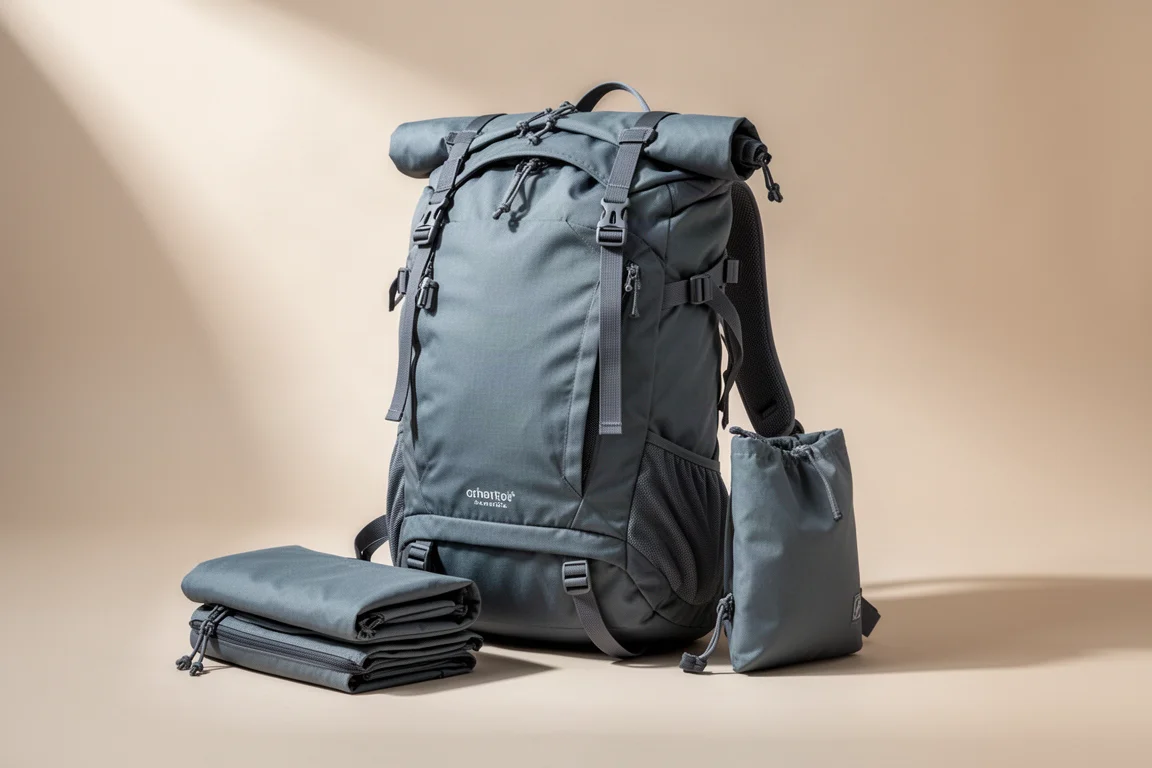
The Flash 55 is a full comfort choice. It has an adjustable torso, a strong frame, and comfortable foam through the back panel and hip belt, and it carries weight remarkably well. It has handled a 50 lb load without complaint, and in practice you are more likely to run out of interior space than to reach the pack’s carrying limit.
Storage is another strength. Water bottle pockets, side pockets, a front pocket, hip belt pockets and a top lid keep the gear you reach for most often within easy reach.
Shelter: Durston X-Dome 1+
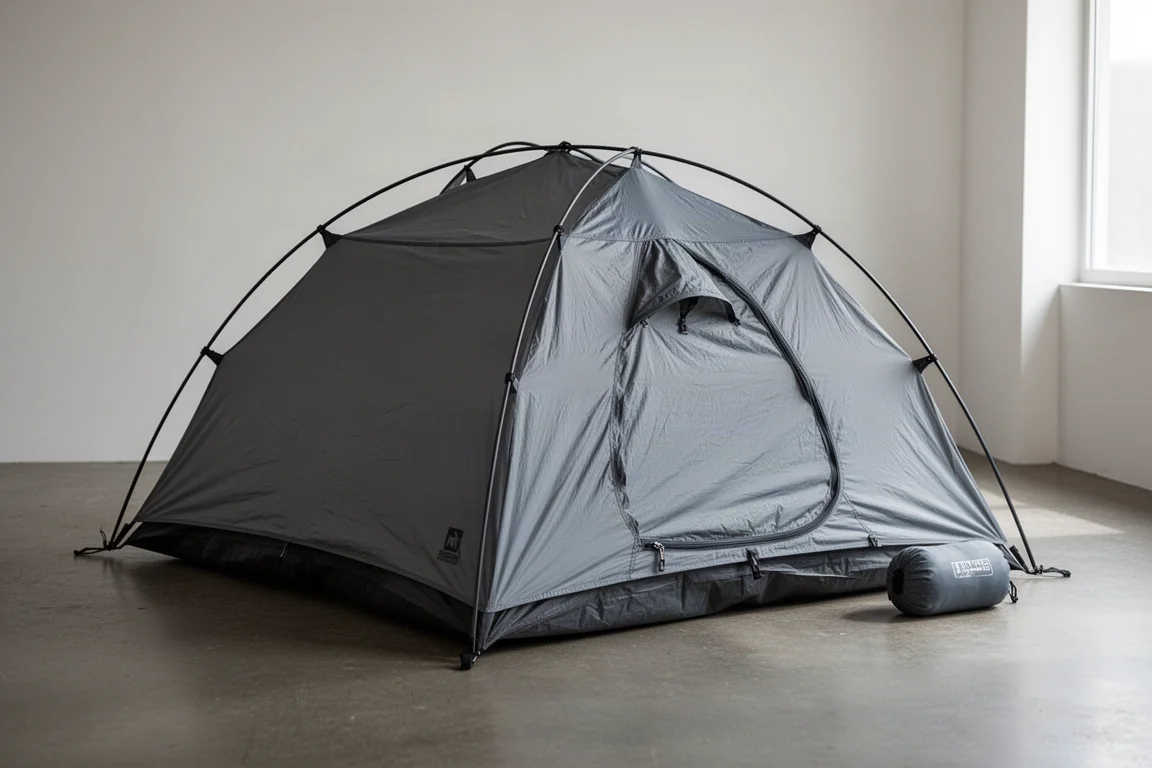
The X-Dome 1+ manages something unusual: it is one of the lightest freestanding tents available while still being roomy, stormworthy and well made. A 30 inch wide long sleeping pad fits inside with room left over for gear beside you, a level of interior space that normally means moving up to a two person tent.
Because 30 inch pads are heavy, this list pairs the tent with a regular wide sleep system instead, which keeps the shelter’s space advantage without adding pad weight.
Sleep System
Sleep is where a comfort-focused list should spend its weight budget, and this setup does.
Zenbivy Bed
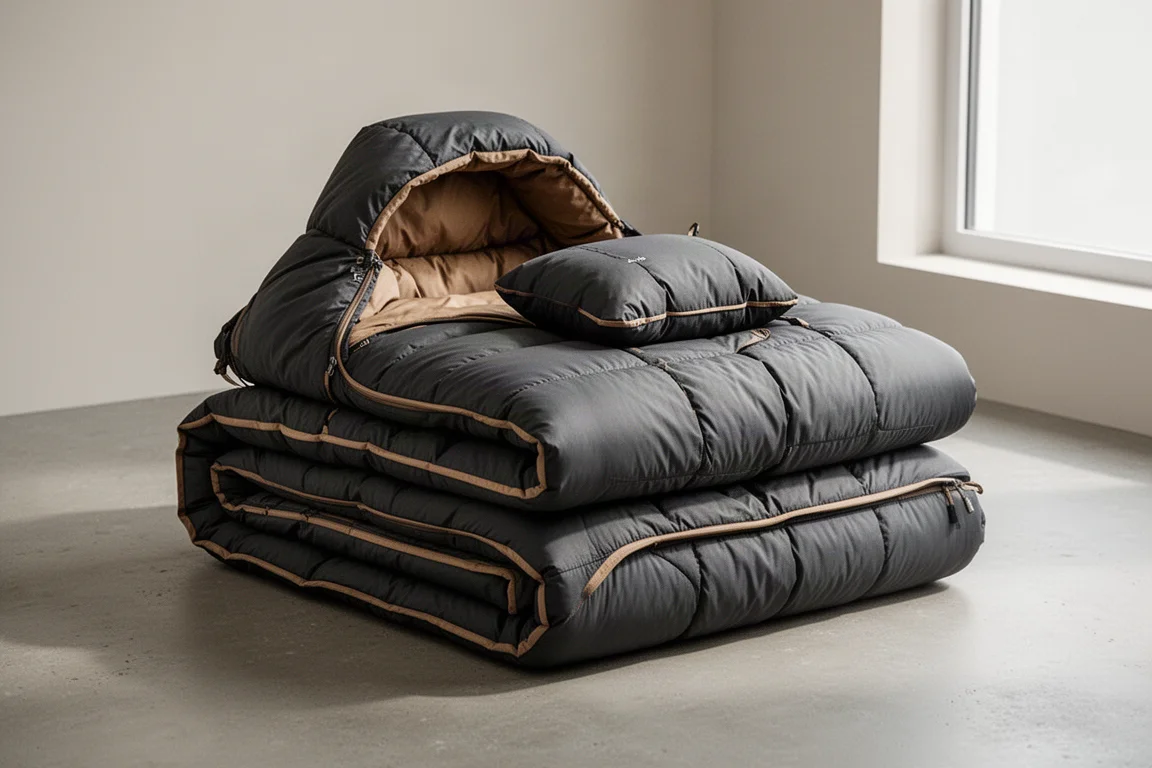
The Zenbivy Bed is built around comfort. It lets you toss and turn easily under the quilt, includes a hood for head insulation, and uses a sheet and quilt attachment system that helps keep drafts out through the night. If a lower base weight matters more than price, the ultralight version is the one to choose; other versions cost less but weigh more.
Zenbivy Zip Bed Trek
For anyone who prefers a more enclosed bag, the Zip Bed Trek adds zippered sides to the same approach along with a soft fabric that feels good against the skin.
Zenbivy Pillow
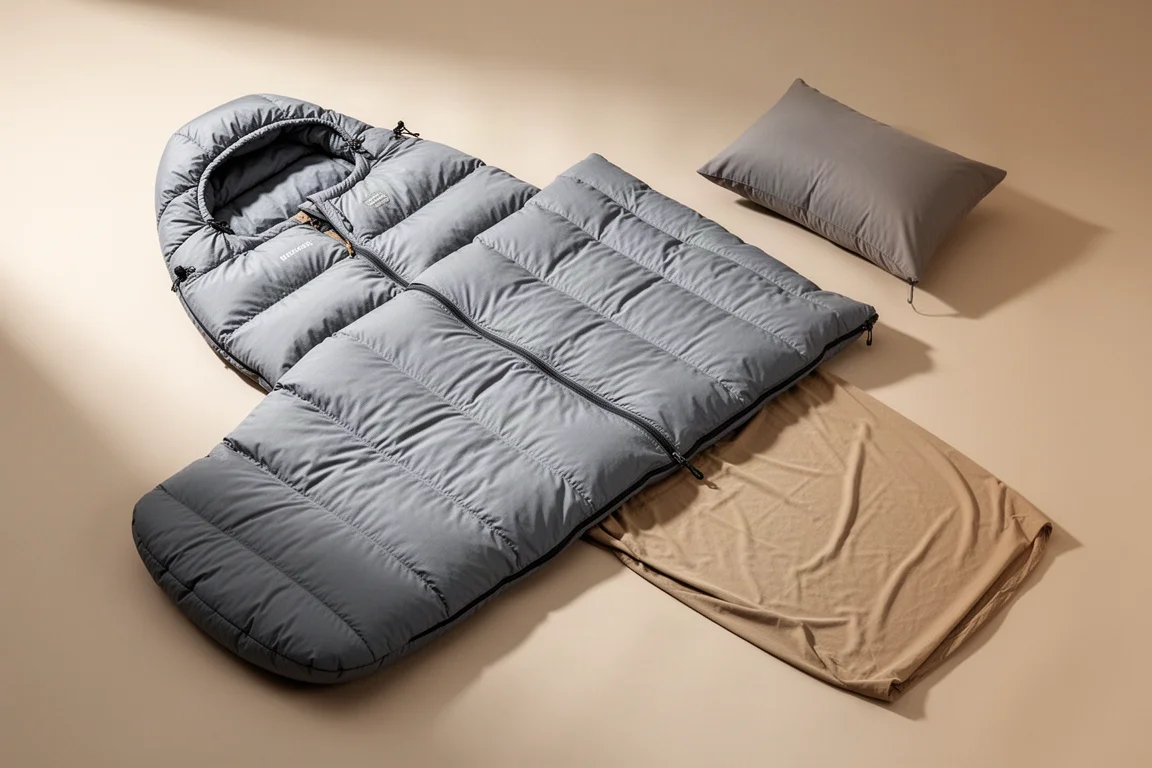
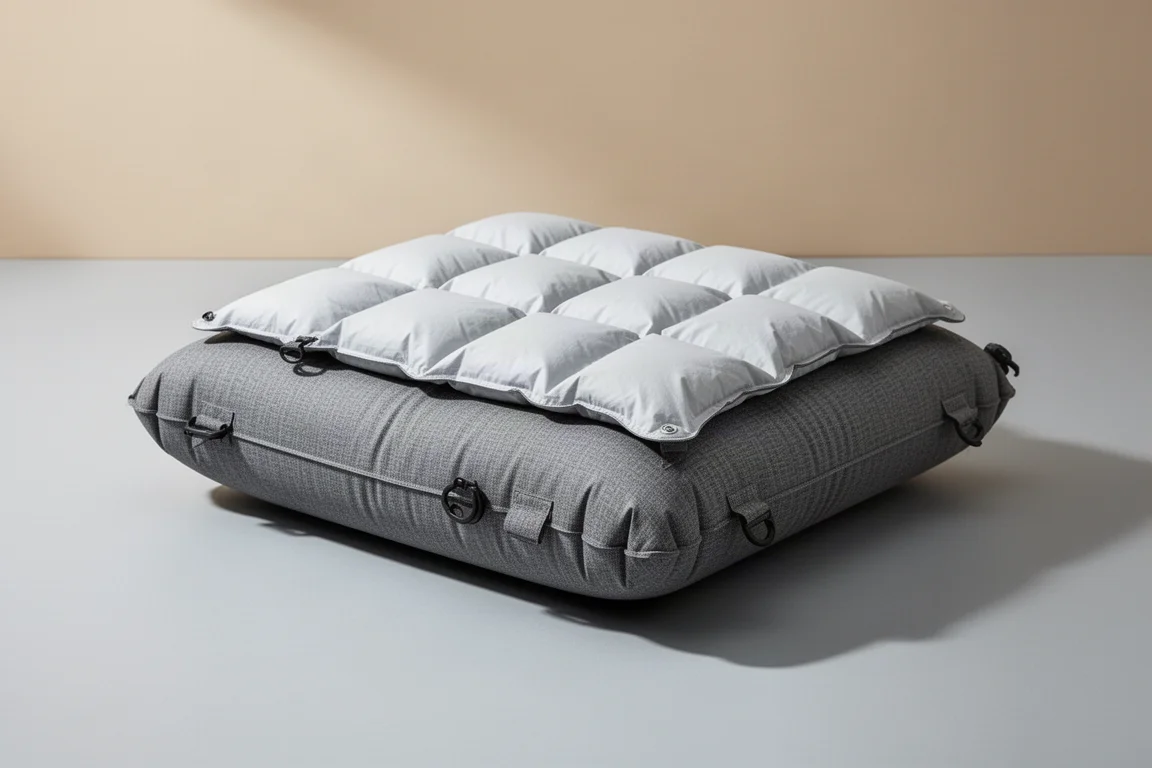
The Zenbivy Pillow pairs with the Bed: an inflatable bladder and a down topper sit inside a sheet that connects to the bed’s sheet and hood, so the pillow stays where you put it. At 268 g it is a heavy pillow by ultralight standards, but a good pillow changes how well you sleep, and this is one of the most comfortable options around.
REI Helix Sleeping Pad
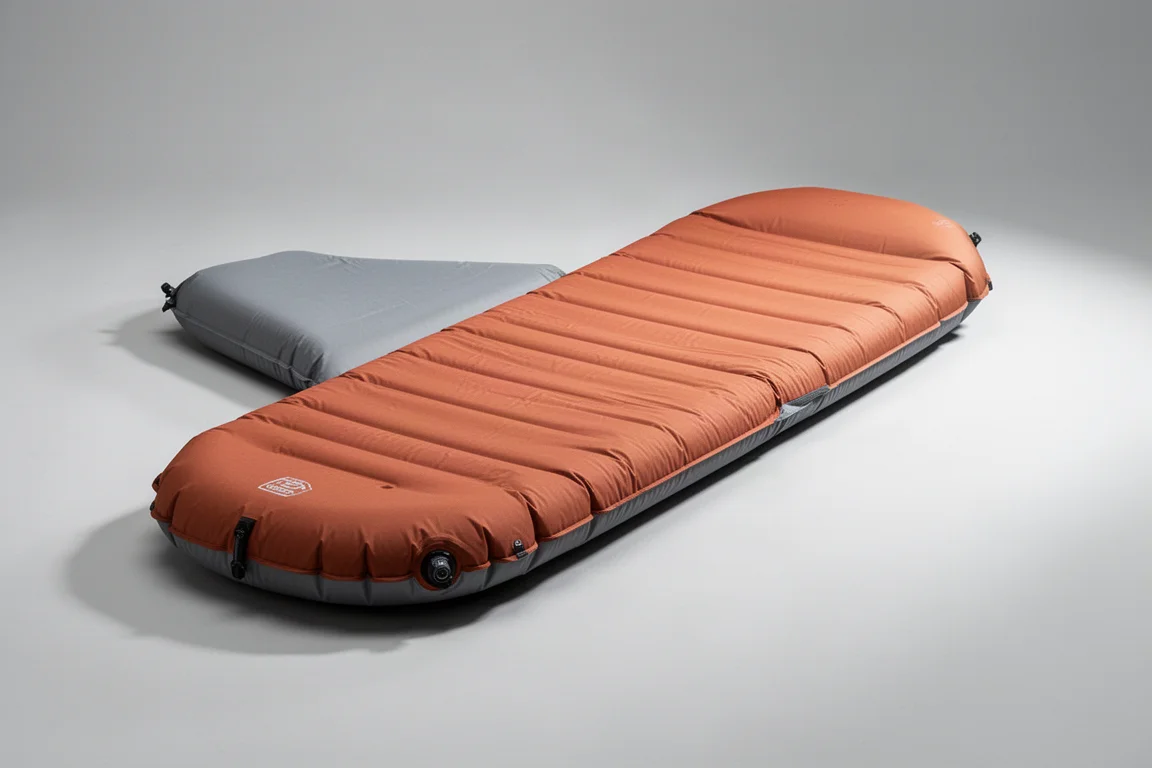
The Helix is 24 inches wide, which gives a little more room than a standard width pad. At 700 g it is a comfort item, though still lighter and more compact than the most comfort-focused pads on the market. Inflate it fully and the dimpled baffle pattern does the work: each dimple acts like a small air spring, spreading pressure instead of concentrating it. For side sleepers that means no numb arm and no hip pressure, which is why this is the pad that gets used most often.
Kitchen and Water
Cooking and water gear is where this list claws back some of the weight the comfort items add. The storage bag, filter and bottle are all light and simple, while the stove is a deliberate exception.
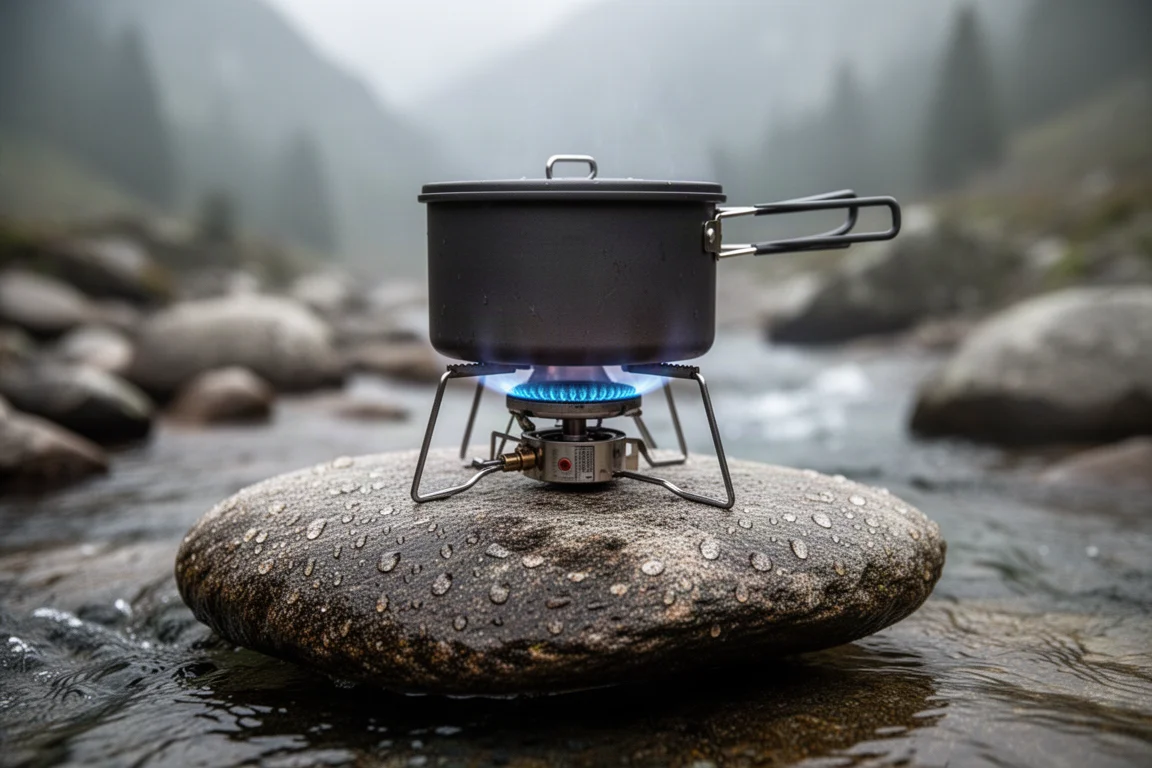
Keeping the cook kit together in one bag also makes camp simpler: one item comes out of the pack, and everything needed for a meal is inside it.
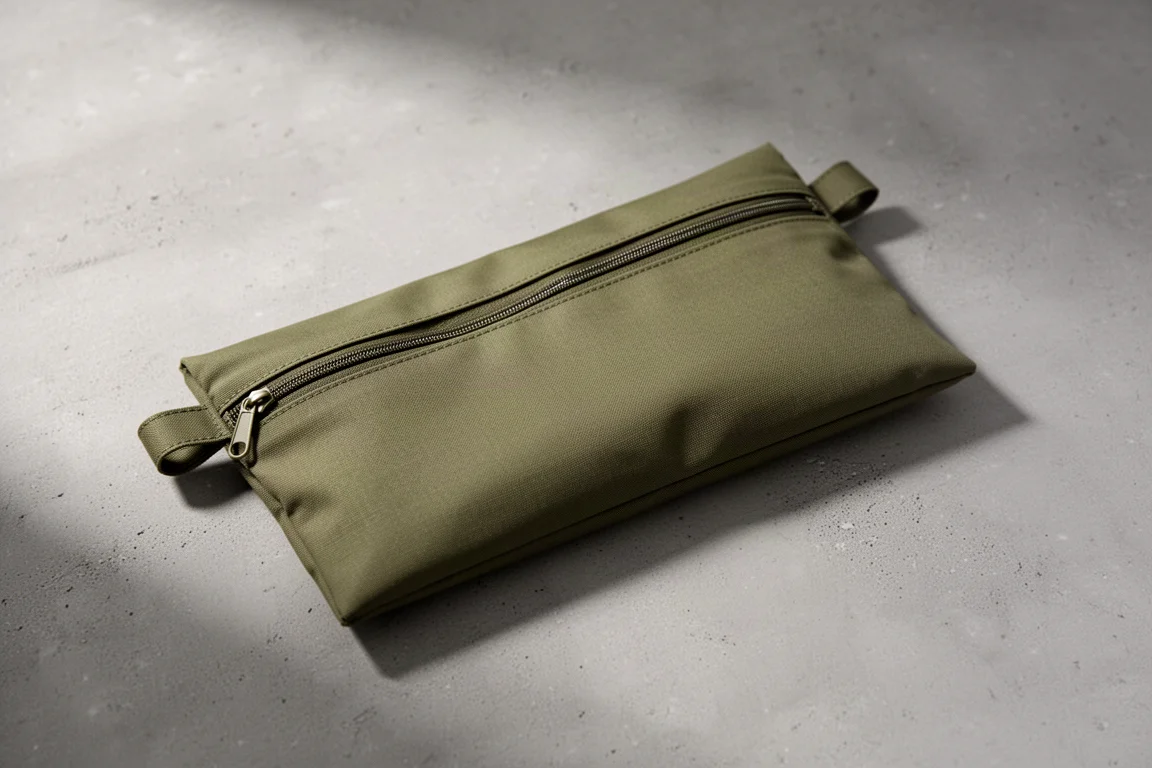
Backcountry Exposure Mesa Bag
The Mesa Bag holds a cook and food kit for roughly two to four day trips. Its wide opening makes it easy to see everything inside, and its shape lets it sit in the pack as a single layer rather than a lump.
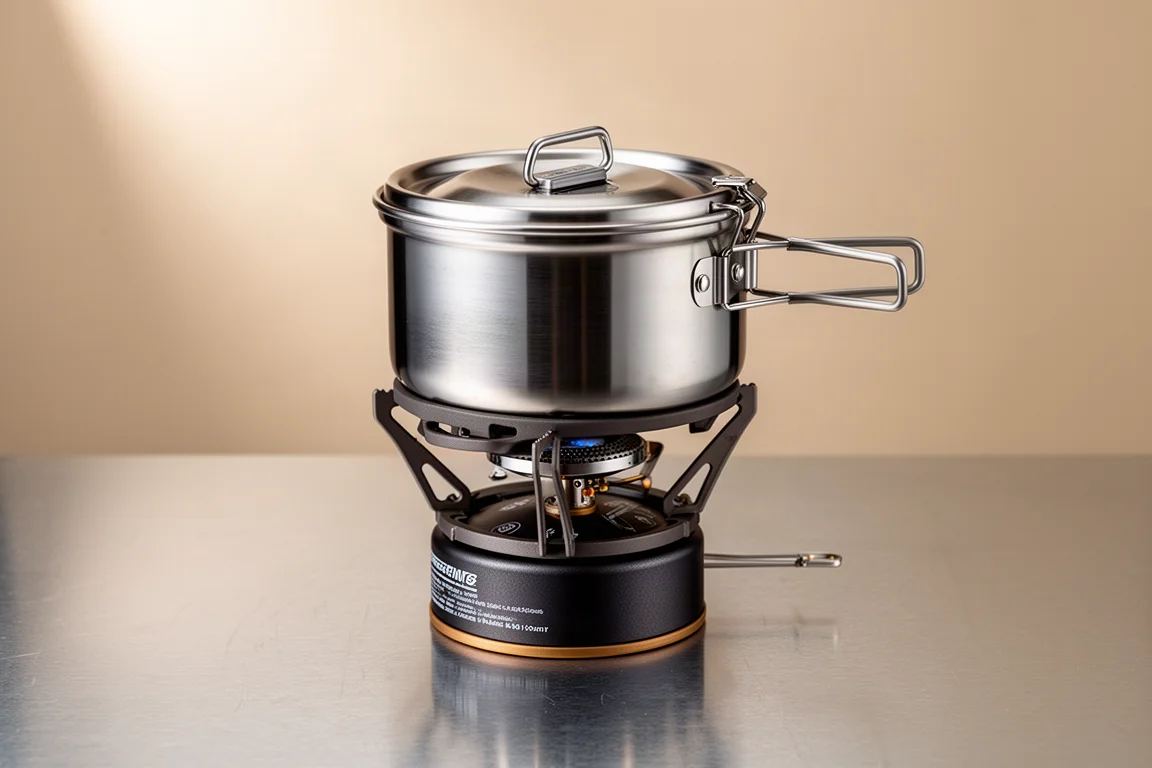
MSR WindBurner
The WindBurner is a pure comfort item at 434 g, several times the weight of an ultralight cook system. What you get for that weight is efficiency: fast boils, excellent performance in wind, and very quiet operation. The radiant burner makes a noticeable difference compared with other all-in-one systems. It is expensive and heavy, and it is hard to appreciate until you have cooked on one in poor conditions.
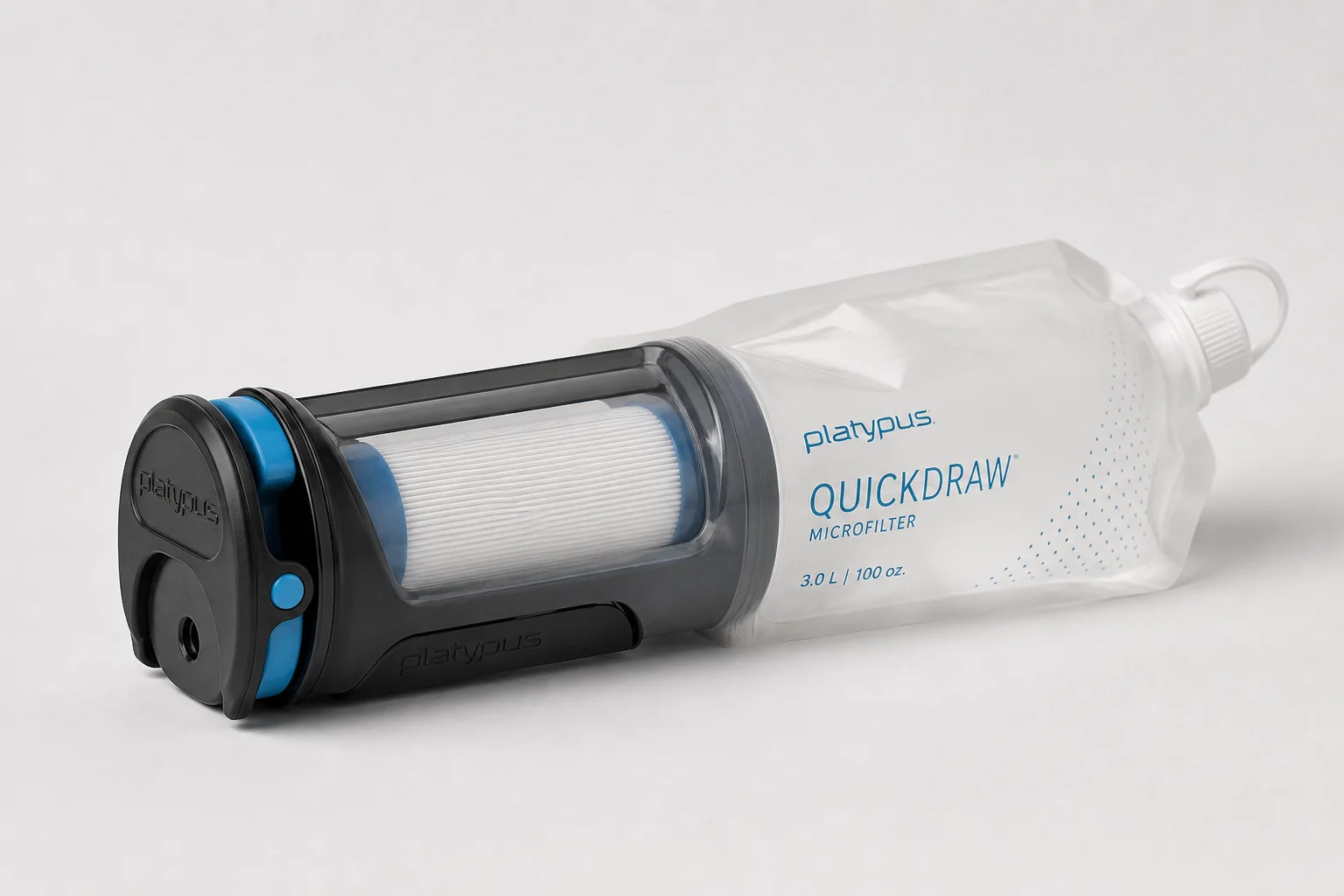
Platypus QuickDraw
The QuickDraw has been a go-to filter for years because it is reliable and fast. Compatibility is broad: it works with the bladder it ships with, screws directly onto standard bottles, and pairs well with wide mouth bladders.
Ignite Gear Novo Bottle
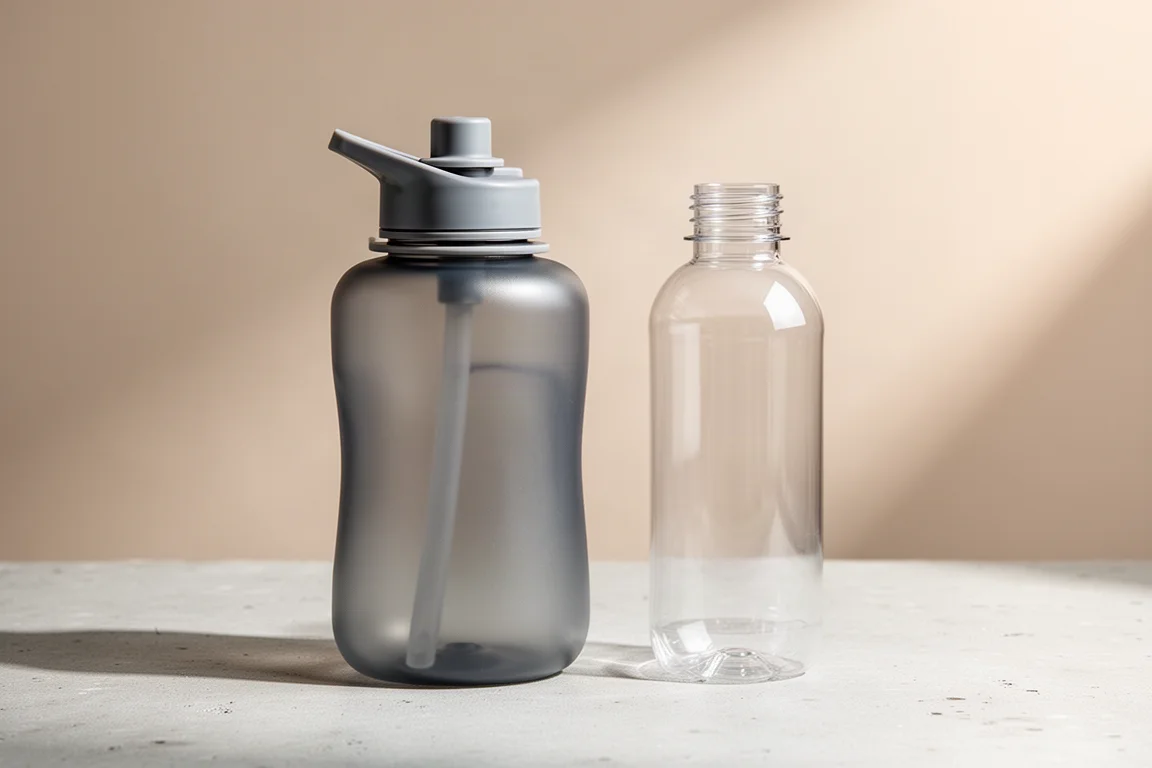
At 60 g, the Novo is the lightest reusable bottle here. Its shape is squatter and wider than a typical disposable bottle, it works with flip caps, and it closes the gap on the weight of a throwaway bottle while remaining reusable. It is still roughly twice the weight of a disposable bottle, which shows how far reusable options have come.
Electronics
Electronics on this list cover light, safety and one small convenience.
Nitecore NU20 Classic
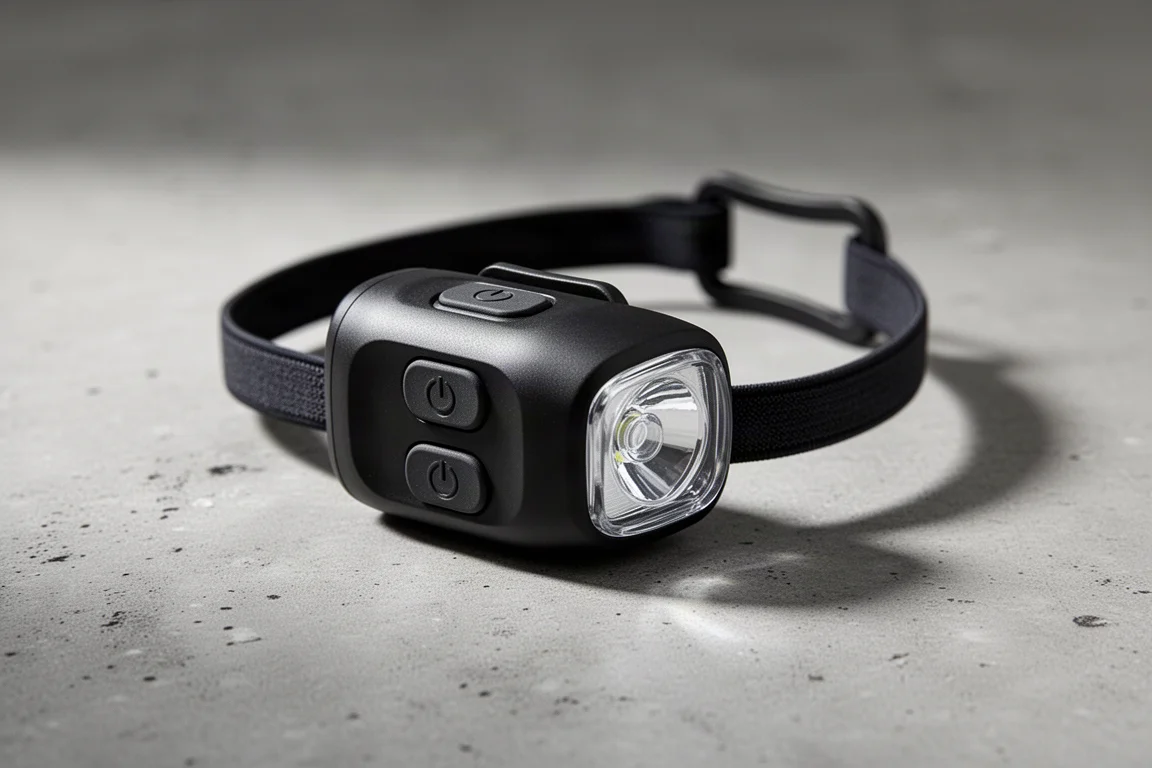
The NU20 Classic is one of the lightest headlamps available and still covers the essentials: USB charging, useful brightness, and two separate buttons, one for white light and one for red. Anyone who has cycled through every mode on a single-button headlamp will appreciate the difference.
Garmin inReach
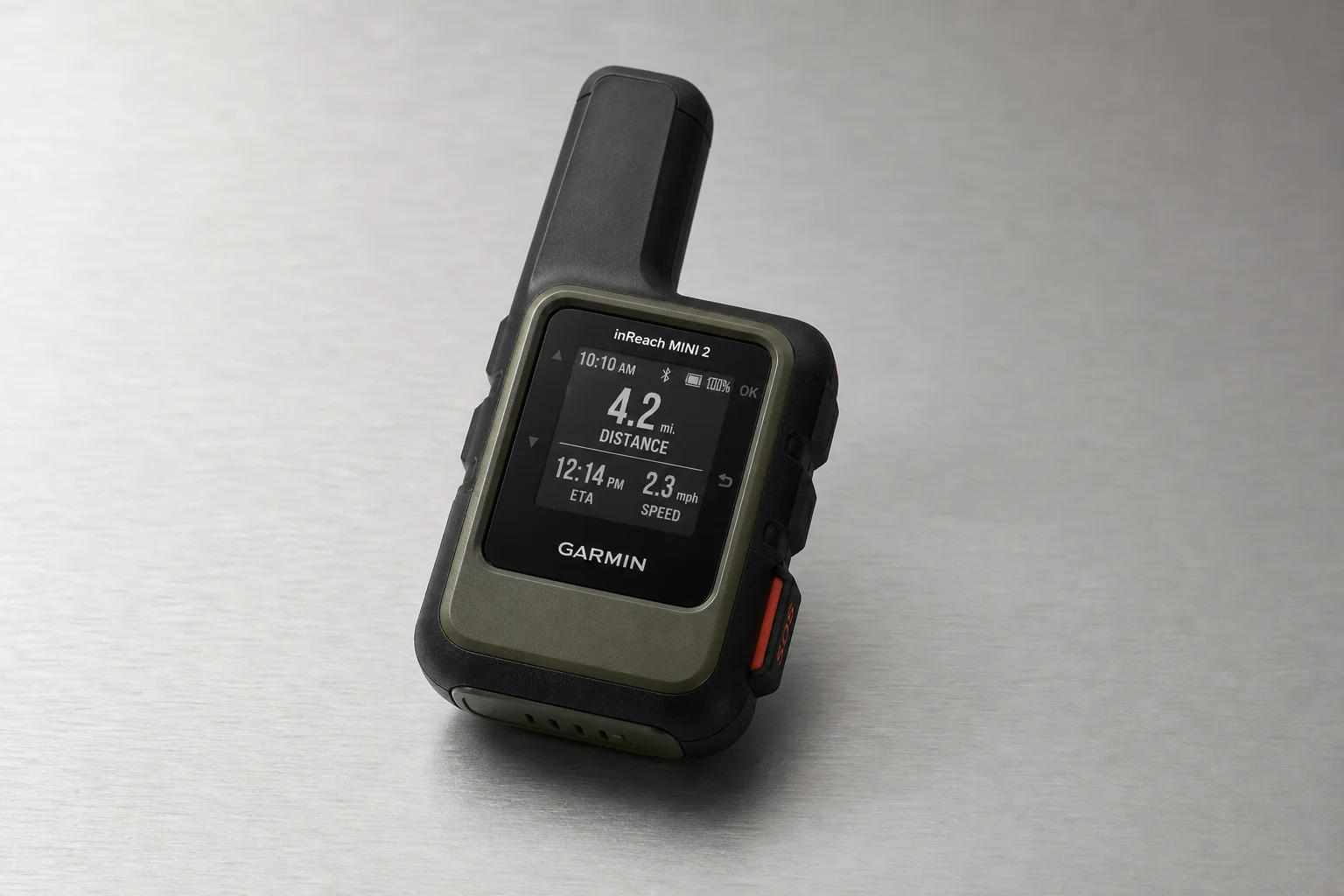
A dedicated satellite communicator is the one piece of electronics worth carrying no matter what. The inReach is the reference option: heavy compared with other electronics and potentially expensive, but it is the device you want when something goes wrong far from a trailhead. Satellite features built into phones are not a substitute for a dedicated device.
Aerogogo Giga Air Pump
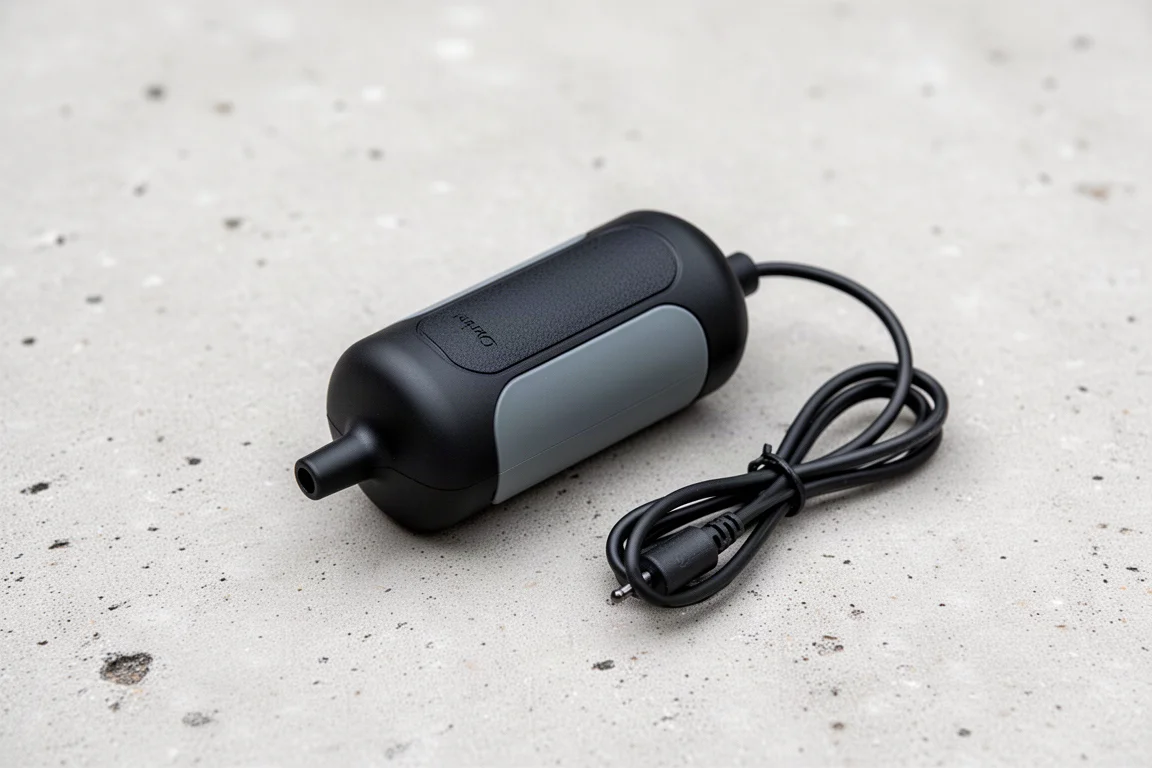
The Giga Air Pump weighs 35 g because it carries no battery of its own. It draws power from a phone or a power bank to inflate a sleeping pad, which makes it a small, light addition to the sleep kit.
Hygiene and Trail Care
Hygiene gear is easy to overlook and hard to do without on a multi-day trip. This kit stays small: a trowel for catholes, soap for washing up, and a few personal items. A backcountry bidet and toothpaste tabs round out the routine for anyone who wants to stay clean over several days.
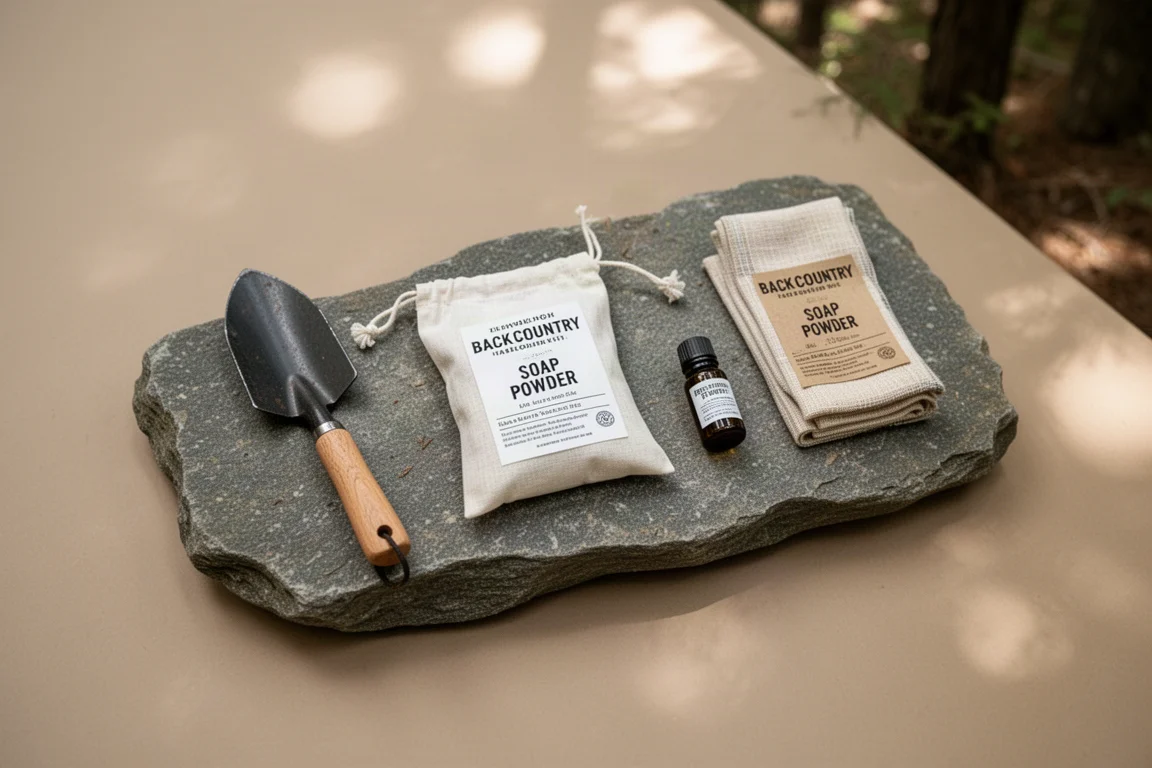
The payoff is practical rather than cosmetic. Staying clean limits chafing, smell and skin irritation, which matters more the longer a trip runs.
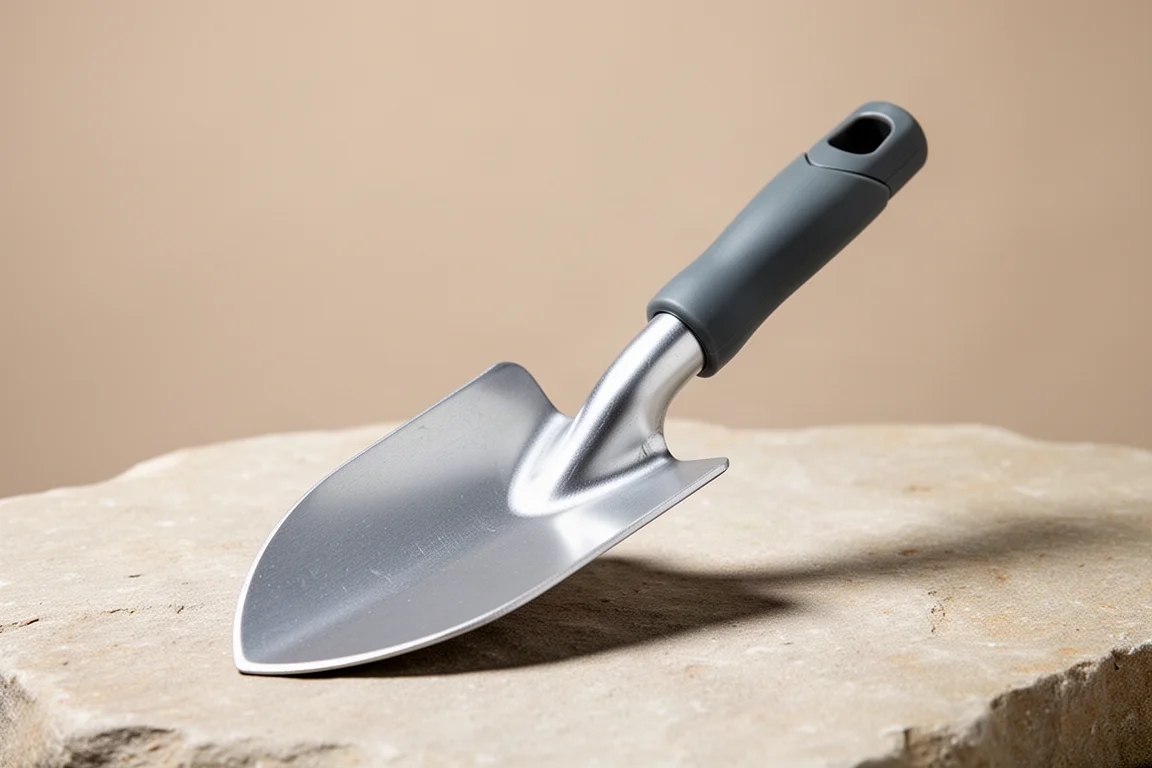
Bogler Trowel
The Bogler Trowel is the tool for digging a cat hole: simple, dependable, and small enough to disappear into a pack pocket.
Peak Outdoors Summit Suds
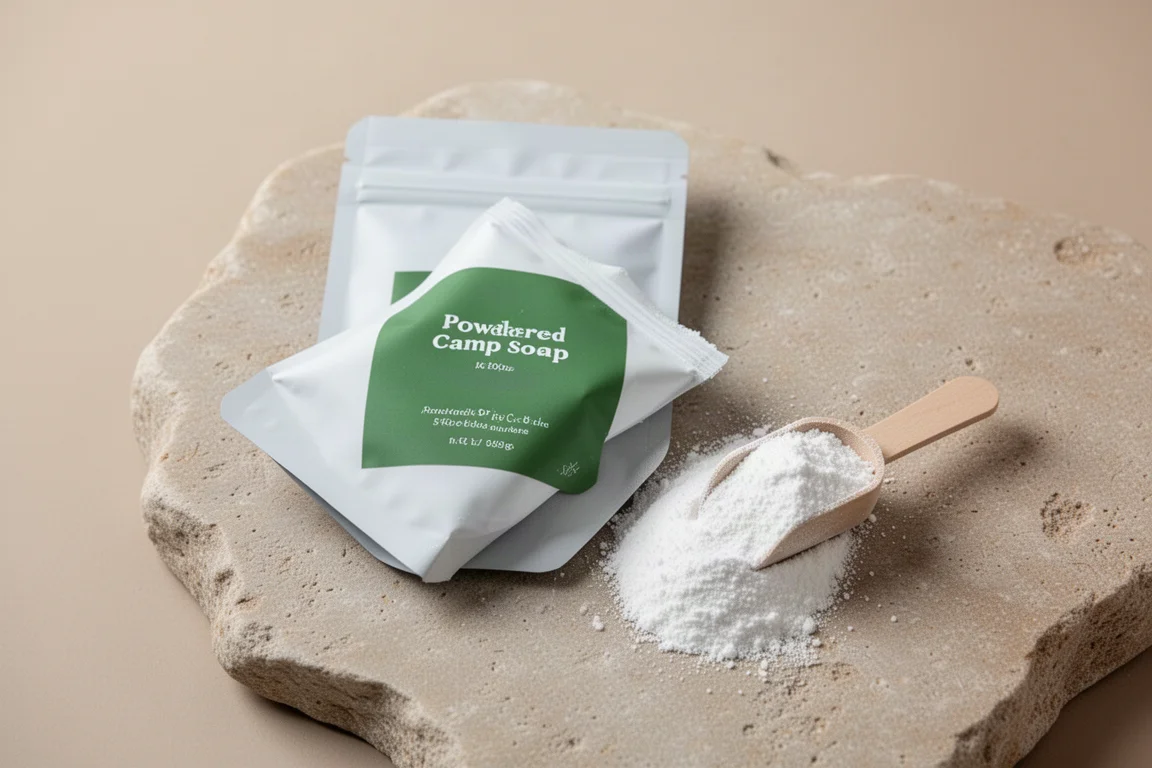
Summit Suds is a powdered soap, which makes it easy to carry only what a trip needs. It handles backcountry washing and hand cleaning after a stop.
Camp Comfort: REI Flexlite Air Chair
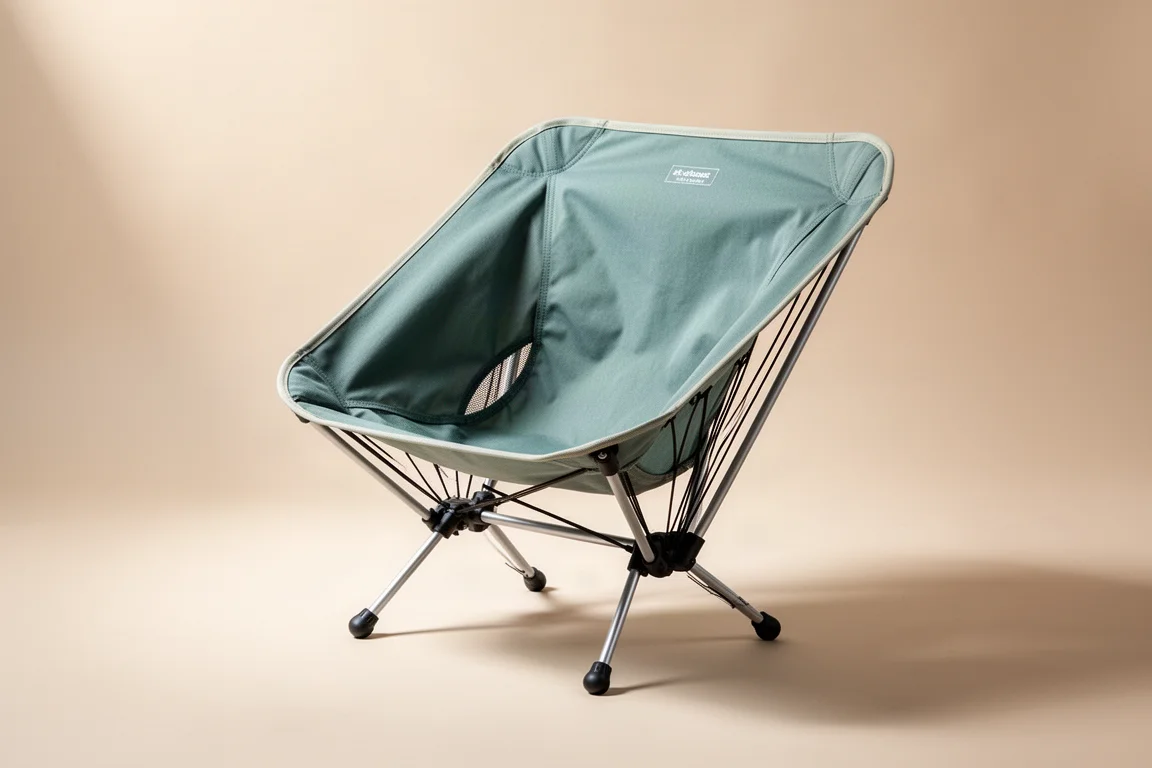
A chair is close to essential on any trip that is not a stripped-back ultralight exercise, and the Flexlite Air is the value pick. It weighs about as little as premium ultralight chairs and costs $100, roughly half the price. It may not match those chairs for comfort or sturdiness, but it removes both of the usual objections, price and weight, which makes it an easy item to justify.
Buying Advice
If you are building a setup like this from scratch, start with the items that affect sleep and load carrying: the pack, the shelter and the sleep system. Those three set the tone for how a trip feels, and they are the hardest to work around when they are wrong.
Budget is easier to manage further down the list. The filter, bottle, headlamp, trowel, soap and pump are all inexpensive, and the chair is deliberately priced to make a comfort item accessible. If you want to spend more, the ultralight version of the sleep system is the clearest upgrade path.
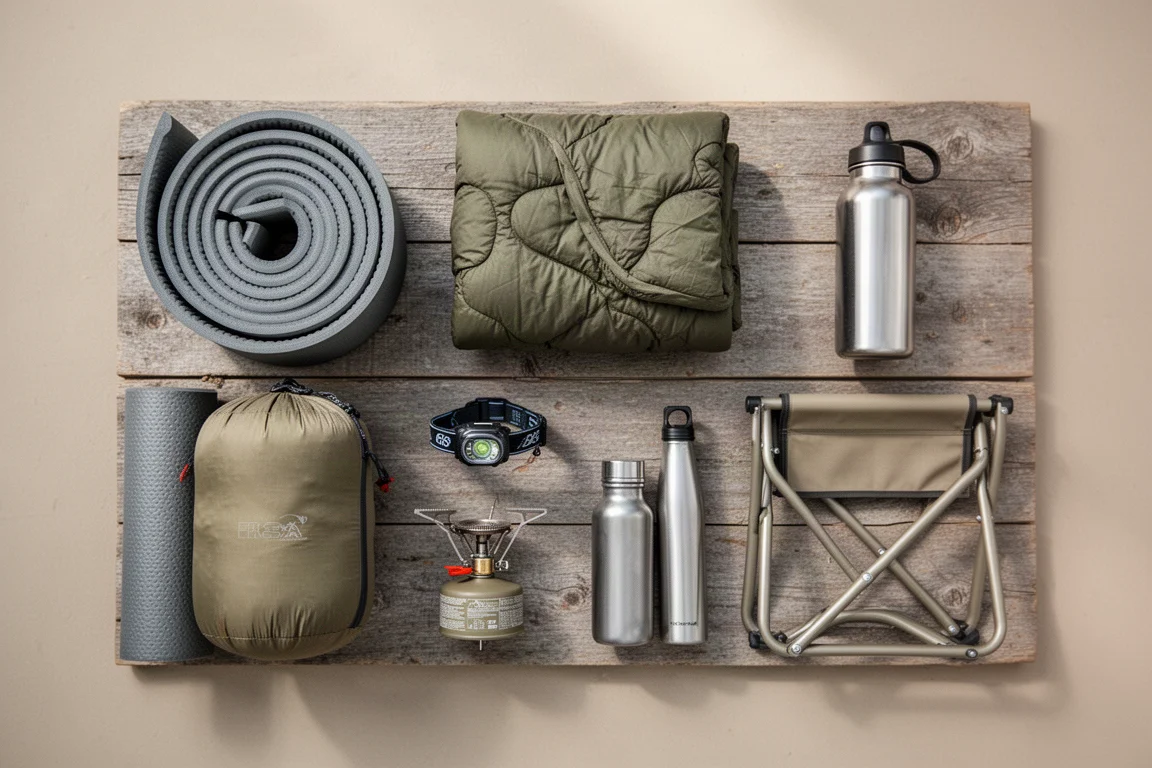
Weight is worth revisiting after a few trips. Items that never leave the pack are the easiest to drop, while anything that meaningfully improves sleep or safety is usually worth its grams.
Conclusion
This 15 lb list is built on a straightforward premise: a slightly heavier pack can be a more enjoyable one if the extra weight goes toward sleeping well and moving comfortably. The Flash 55 and the X-Dome 1+ set the foundation, the Zenbivy and Helix sleep system does the heavy lifting at night, and the smaller items, from the QuickDraw to the Flexlite Air, keep the setup practical without much penalty.
If your priority is covering more miles with less on your back, lighter gear lists exist. If you would rather arrive at camp and actually enjoy the evening, this balance is worth considering.
Further reading
Related Reviews

Backpacking Gear
Building a 10 lb Base Weight: An Ultralight Backpacking Gear List
A practical walkthrough of the ultralight pieces behind a 10 lb base weight, from a 765 g pack and a roomy one-person tent to a full camp chair and a dependable water filter.
Backpacking Gear
A 15-Pound Lightweight Backpacking Gear List for Solo Trips
A beginner-friendly 15-pound backpacking setup built from easy-to-find gear, with notes on what each piece does, how it packs, and where to spend your attention.
Backpacking Gear
8 Ultralight Backpacking Gear Upgrades Worth Carrying
Eight small, affordable backpacking upgrades that solve real trail annoyances, from a pillow that stays put to a fuel valve that rescues leftover canister gas.