Backpacking Gear
Lightweight Backpacking Gear List 2026: A Comfort-Focused Solo Loadout
A practical solo backpacking loadout covering worn apparel, shelter, sleep system, cook kit, water treatment, and emergency communication.
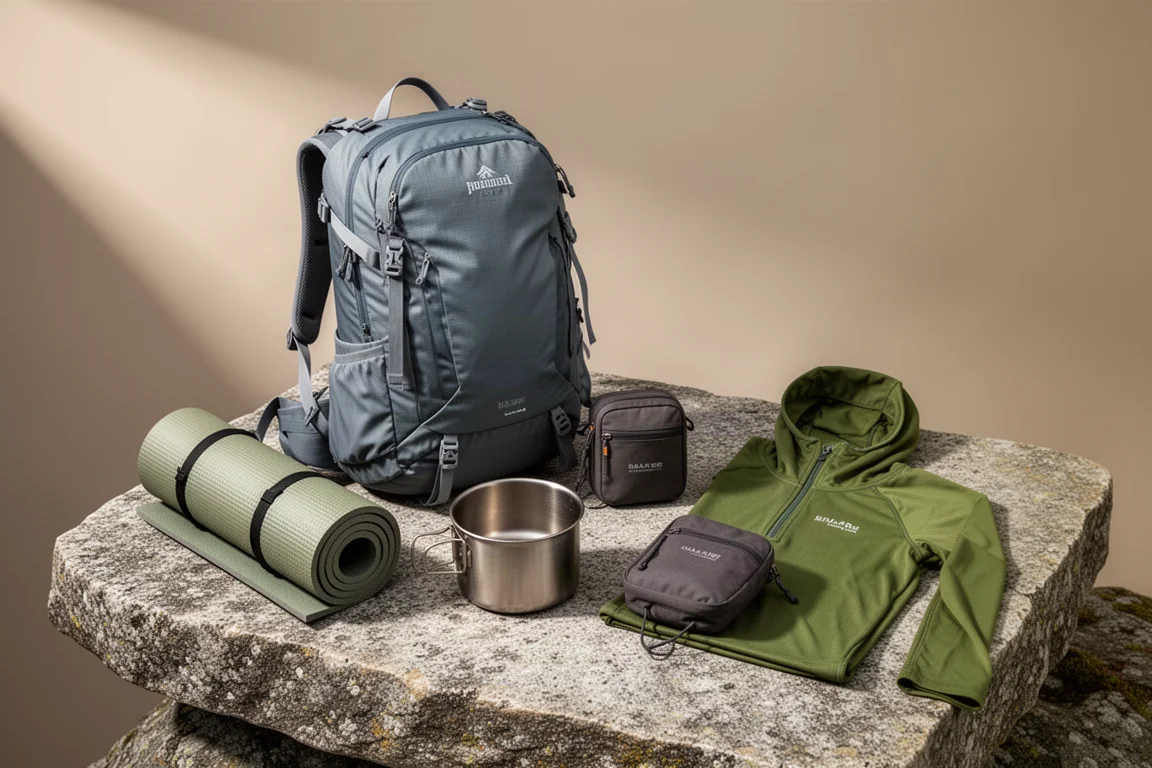
Introduction
A solo backpacking trip is an honest test of a gear list. Everything has to earn its place in the pack, and anything that does not work tends to announce itself the moment the temperature drops.
This loadout was carried on a solo overnight in the mountains, roughly four miles from the trailhead, at a campsite with a waterfall running nearby. Total carry weight sat at around 22 to 23 pounds. It is not a stripped-down ultralight setup, and it is not a heavy comfort setup either. The aim was a full-comfort, lightweight loadout: real shelter, real sleep insulation, hot food, and a few small luxuries, without a pack that turns the climb into a slog.
What follows is the reasoning behind each major piece, the smaller items that fill out the kit, and the one oversight worth avoiding on any trip with weather in the forecast.
How This Loadout Was Built
Two numbers drive almost every decision here. The first is worn weight, which never sits in the pack at all. The second is carried weight, which in this case landed around 22 to 23 pounds including food and water.
The build starts with what goes on the body rather than inside the bag. On a warm-weather trip, the worn layer does most of the work: it manages sun, insects, and sweat, and it never needs to be unpacked or repacked. From there, the carried kit divides into shelter, sleep system, cook kit, water treatment, and the accessories that keep a trip running smoothly.
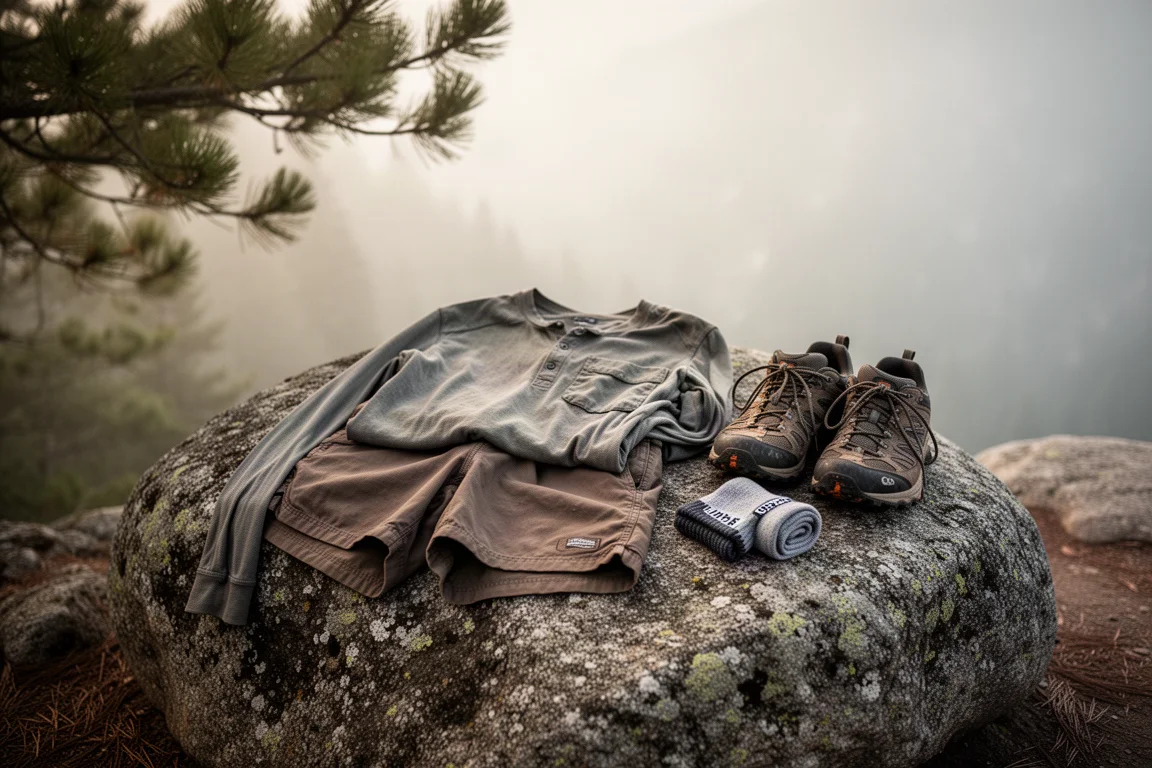
The pack itself is framed, which is a deliberate choice rather than a compromise. At roughly 22 to 23 pounds, a frame transfers load to the hips far more effectively than a frameless pack, and that extra structure is worth its weight once the trail steepens.
The last principle is redundancy where it matters and nowhere else. There is one water filter, one stove, and one shelter, but there are two lighters, a patch kit, and a first aid kit that doubles as a repair and hygiene kit.
Worn Apparel: Outdoor Vitals Altitude Hoodie
The most-used item on a warm-weather trip never leaves the body. The Outdoor Vitals Altitude Hoodie is a 100 percent polyester long-sleeve sun hoodie, and the hood is the reason it earns its place: it covers the head, ears, and neck without requiring a hat, a neck gaiter, and sunscreen reapplied every hour.
That coverage does double duty. It blocks sun on exposed ridges, and it keeps biting insects away from the neck and ears. The fabric also supports evaporative cooling, so it stays comfortable as the temperature climbs, and it takes a permethrin treatment without issue.
The rest of the worn kit follows the same logic. Stretchy hiking shorts handle warm days, trail shoes are paired with tall trail socks for long descents, and a lightweight pair of hiking pants covers cooler mornings or brushy sections. Together these pieces form something close to a uniform, which makes packing for each trip noticeably faster.
One buying note: Outdoor Vitals runs a Live Ultralight membership that accrues store credit each month, which can be applied toward apparel and other items. That is how this hoodie was purchased, at roughly $40 after store credit was applied.
Chest Carry: Hill People Gear Snubby Kit Bag
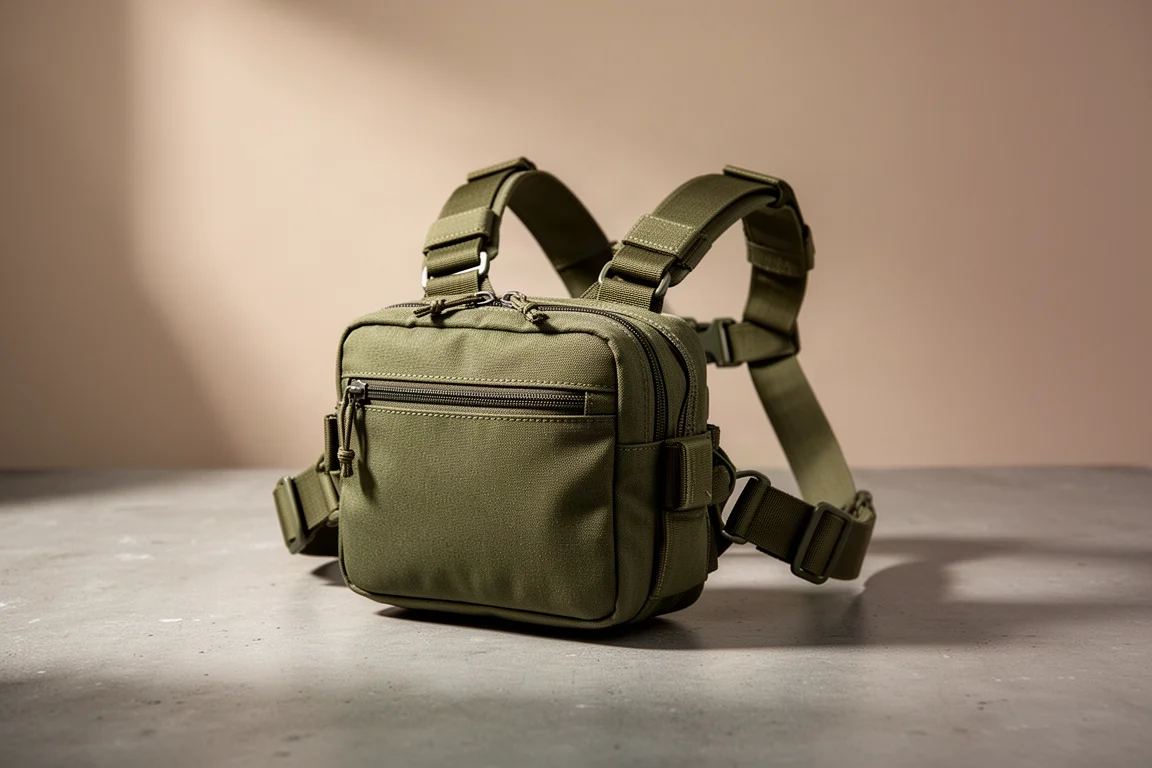
Not everything needs to live in the pack. The Hill People Gear Snubby Kit Bag is a chest-mounted utility pouch that covers the same ground as a fanny pack, but it rides high on the chest instead of bouncing around the waist.
Inside, it holds a flashlight, a lighter, chapstick, snacks, and personal protection. That is a small kit, but it is the kit that gets reached for most often during the day, and having it organized in one place rather than scattered across hip belt pockets makes a real difference.
It is a lightweight, minimal piece of gear with a narrow profile, and it adds organization without adding meaningful weight.
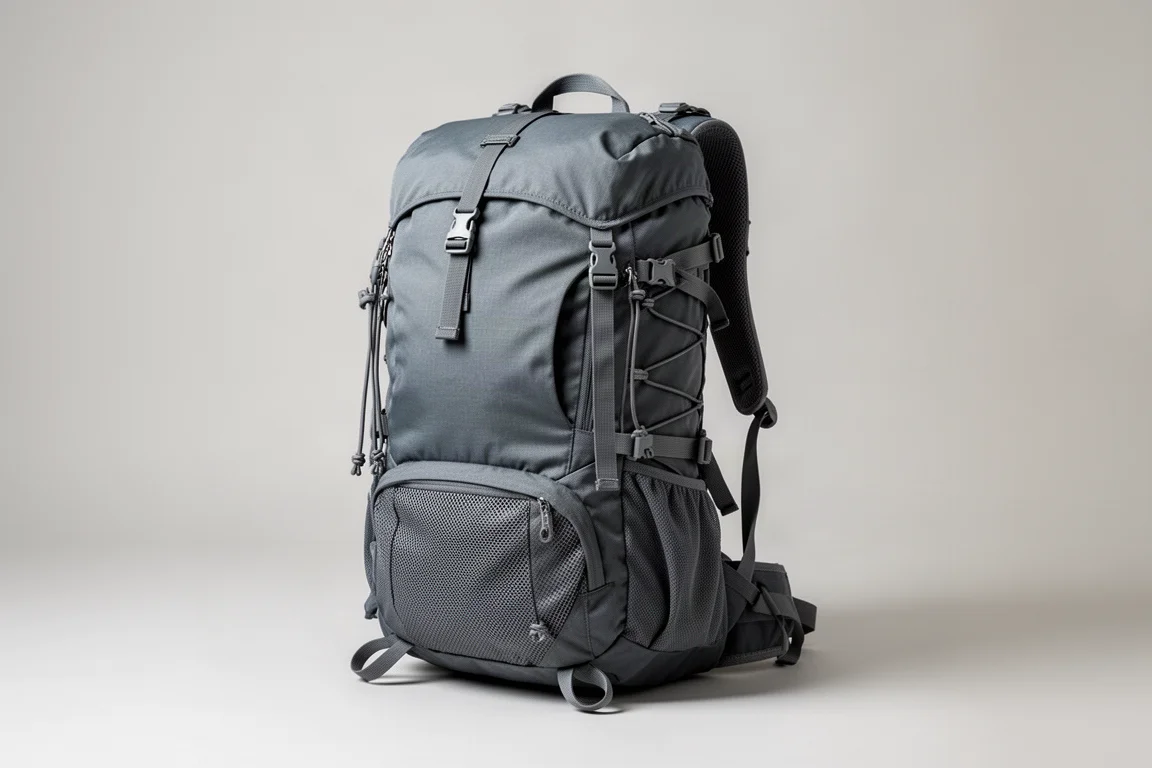
The Pack: Waymark Gear Thru 40
The Waymark Gear Thru 40 is a framed 40-liter backpack, and it carried roughly 22 to 23 pounds on this trip. That capacity is generous for an overnight, which leaves room for a full shelter, a complete sleep system, food, and a bear-aware food bag without fighting for space.
A framed pack in this class is the right call for anyone carrying more than about 20 pounds. The structure keeps weight on the hips, and the volume means the load compresses cleanly rather than bulging awkwardly.
Shelter: Tarptent Double Rainbow Li
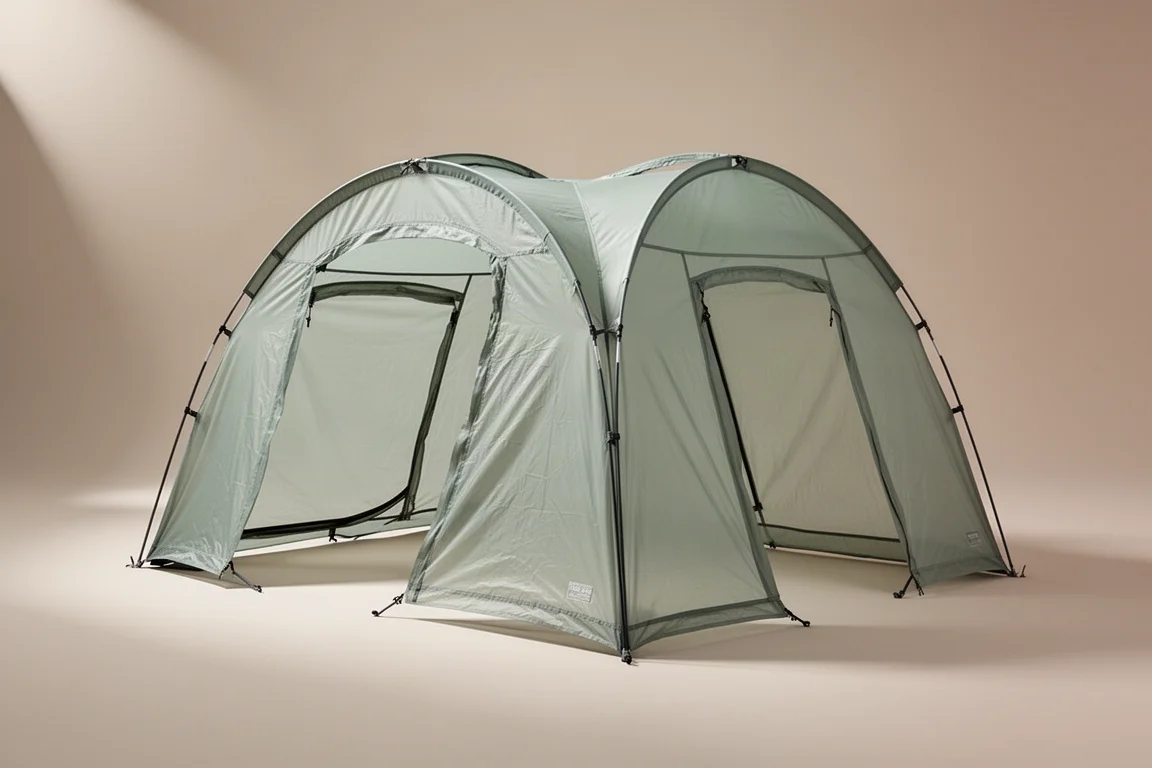
The Tarptent Double Rainbow Li is a single-wall shelter built from Dyneema. It is designed for exactly this kind of trip: maximum usable space at a weight that does not punish you on the climb.
Single-wall construction means fewer components and less packed bulk. The payoff is a wide, open, livable interior rather than a cramped cocoon, which matters on a trip where you may spend an evening waiting out weather. A matching footprint goes along with it to protect the floor.
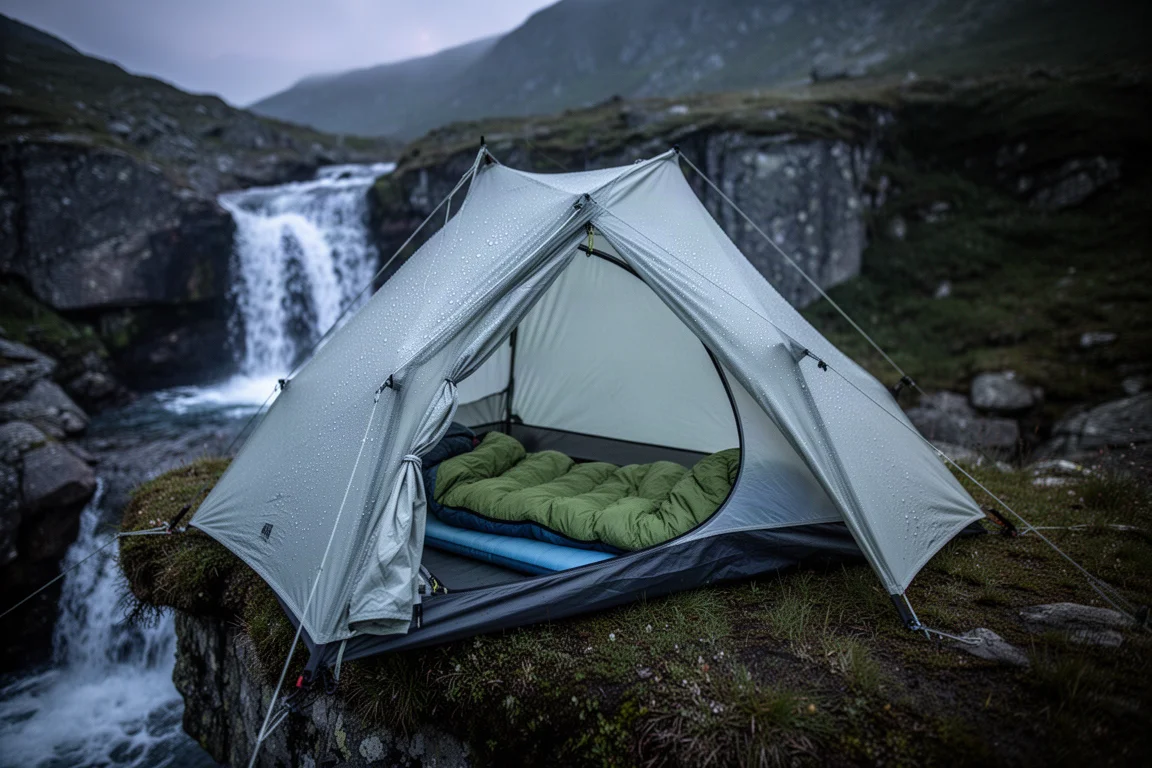
Livability is the underrated spec in shelter shopping. A tent that feels open at the end of a long day is easier to organize, easier to change clothes in, and easier to sleep in when the forecast turns. That is the trade this shelter makes: it prioritizes interior space while keeping the packed weight low.
Sleeping Pad: Therm-a-Rest NeoAir XLite
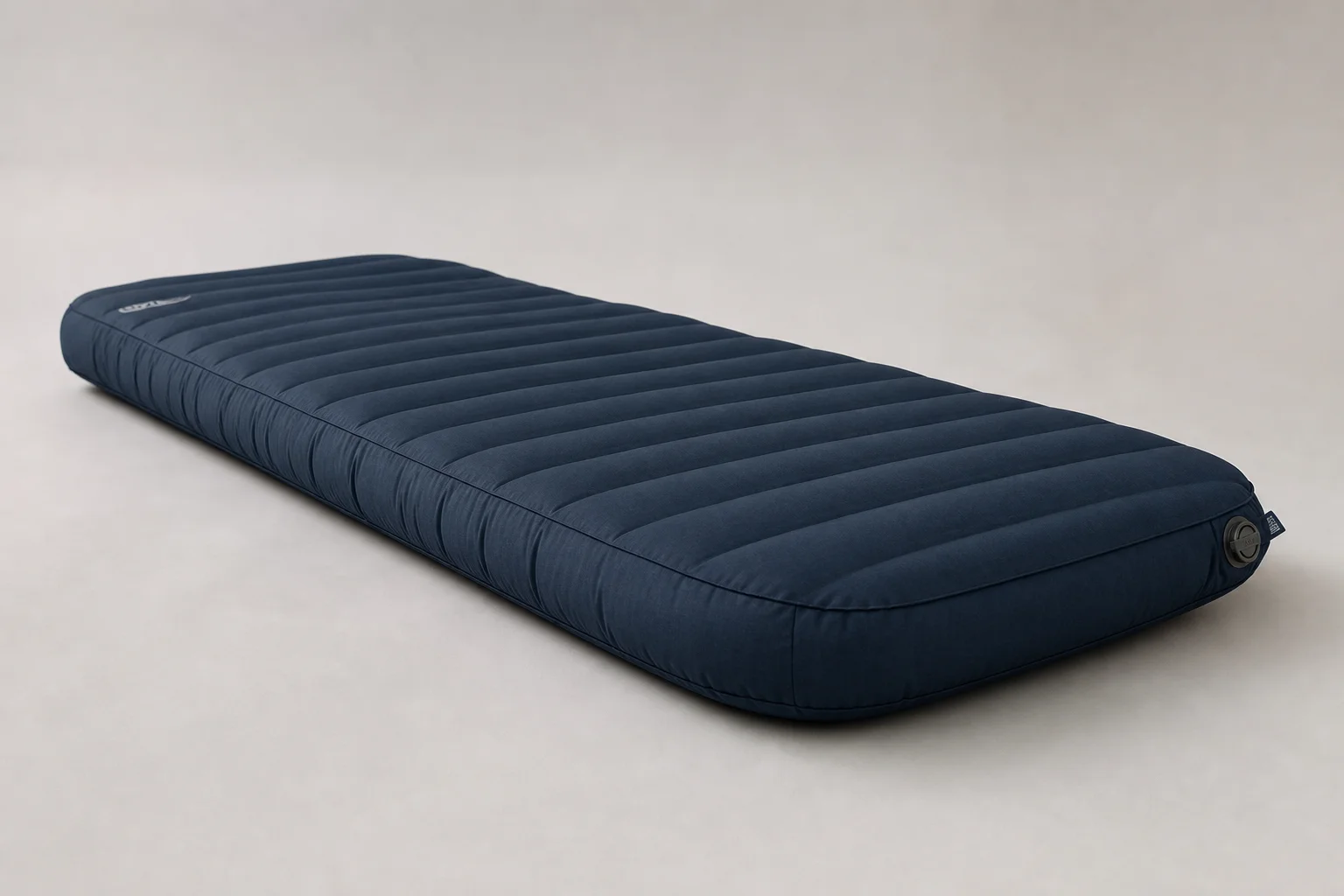
The Therm-a-Rest NeoAir XLite was chosen for one reason: weight. It is one of the lightest ways to get off the ground, and on a weight-conscious trip that matters.
It is worth being honest about the trade-off. After the first night, it was clear why this pad had been set aside in favor of other options. It is not a comfortable sleeping pad, and a full night on it is a real compromise. Anyone who sleeps poorly on thin, noisy pads should weigh that carefully, because a pad that costs you sleep costs you the next day’s hiking too.
If weight savings are the priority, this pad delivers. If rest is the priority, it is worth looking at a pad with more cushioning and accepting the extra grams.
Sleeping Bag: Western Mountaineering Ultralight 20
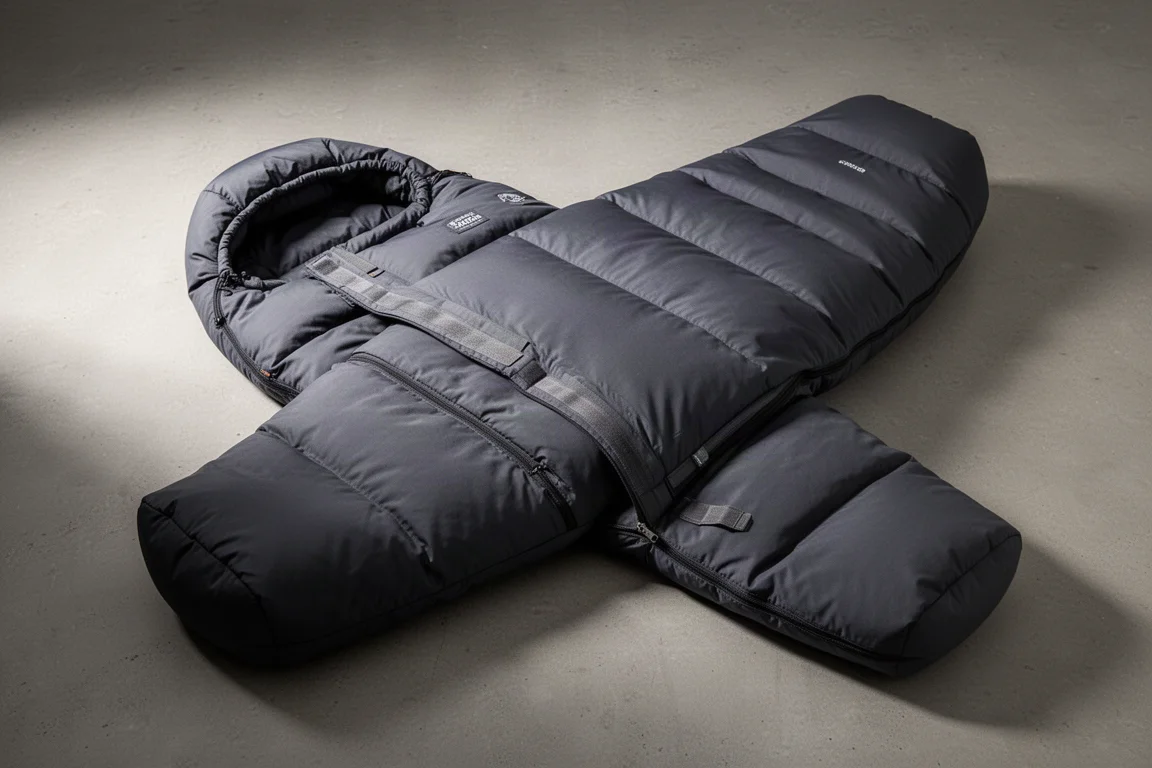
The Western Mountaineering Ultralight 20 is a 20-degree sleeping bag, and it anchors the sleep system alongside the pad and the Sea to Summit Aeros Premium pillow.
A 20-degree rating is a sensible target for three-season backpacking, where overnight temperatures can drop well below what the daytime forecast suggests. Pairing a bag like this with a lightweight pad means treating the two as one system: the pad and the bag work together, and neither one carries the job alone.
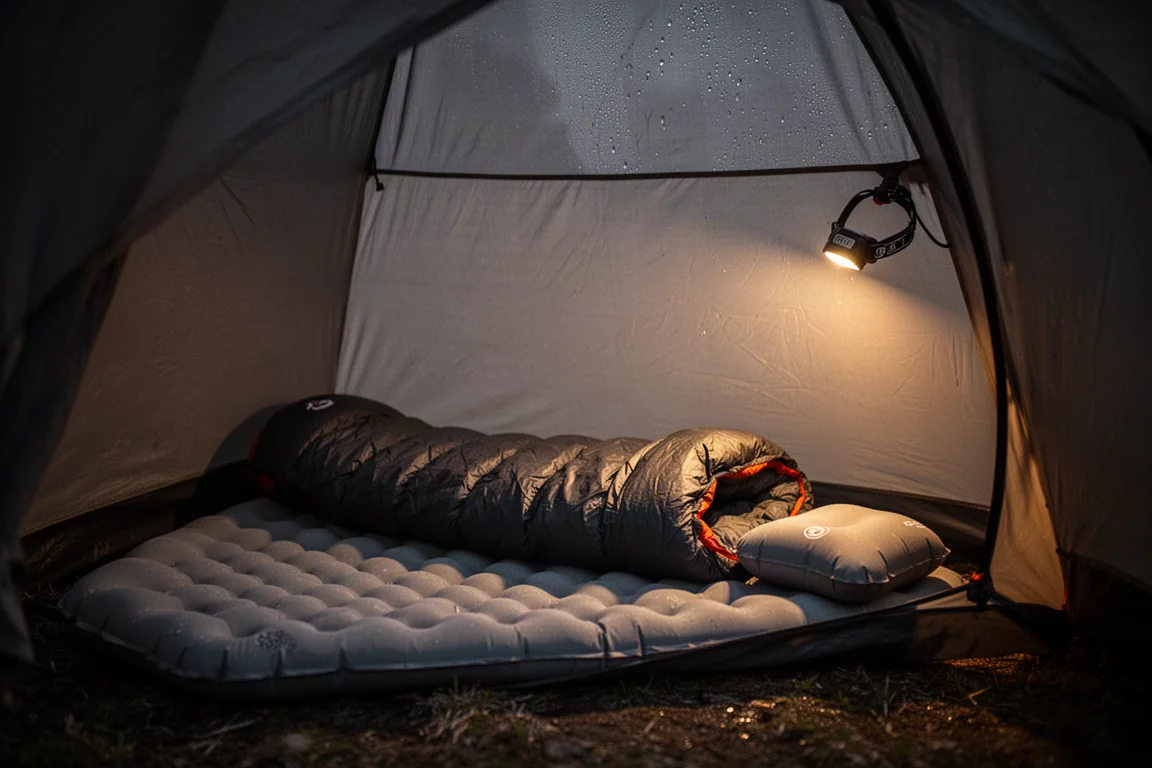
Sleep clothing rounds out the system. Lightweight thermal bottoms handle temperatures below 50 degrees, and a dry pair of socks reserved for sleeping makes a noticeable difference after a day in hiking footwear.
Cook Kit: Snow Peak LiteMax
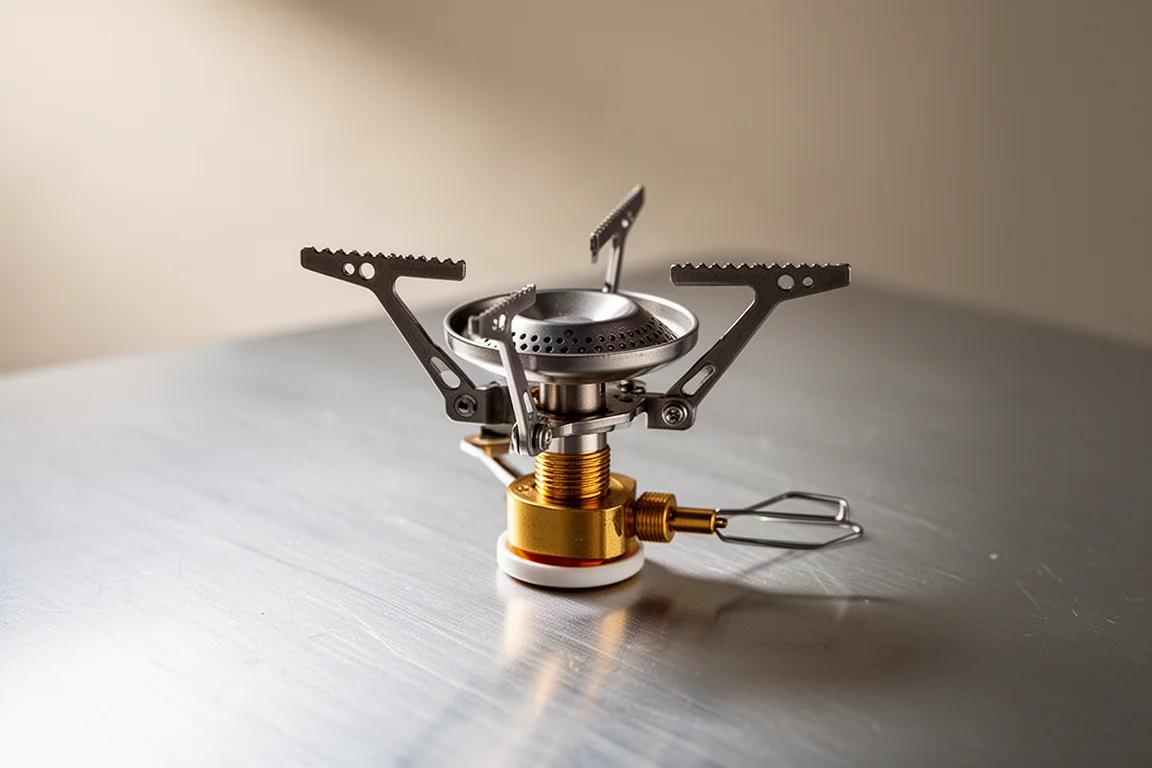
The Snow Peak LiteMax is a titanium canister stove, and it is a straightforward, lightweight answer to boiling water. Titanium construction keeps the weight down, and the standard canister format means fuel is easy to source in most outdoor towns.
It pairs with a Snow Peak Trek 700 pot, which is sized for a solo dehydrated meal and a hot drink. A small towel handles pot cleanup and doubles as a grip for the hot handles, and a long-handled titanium spoon reaches the bottom of a rehydrated meal without getting food on your fingers. A mini lighter lives in the cook kit as the ignition source.
Emergency Communication: ZOLEO Satellite Communicator
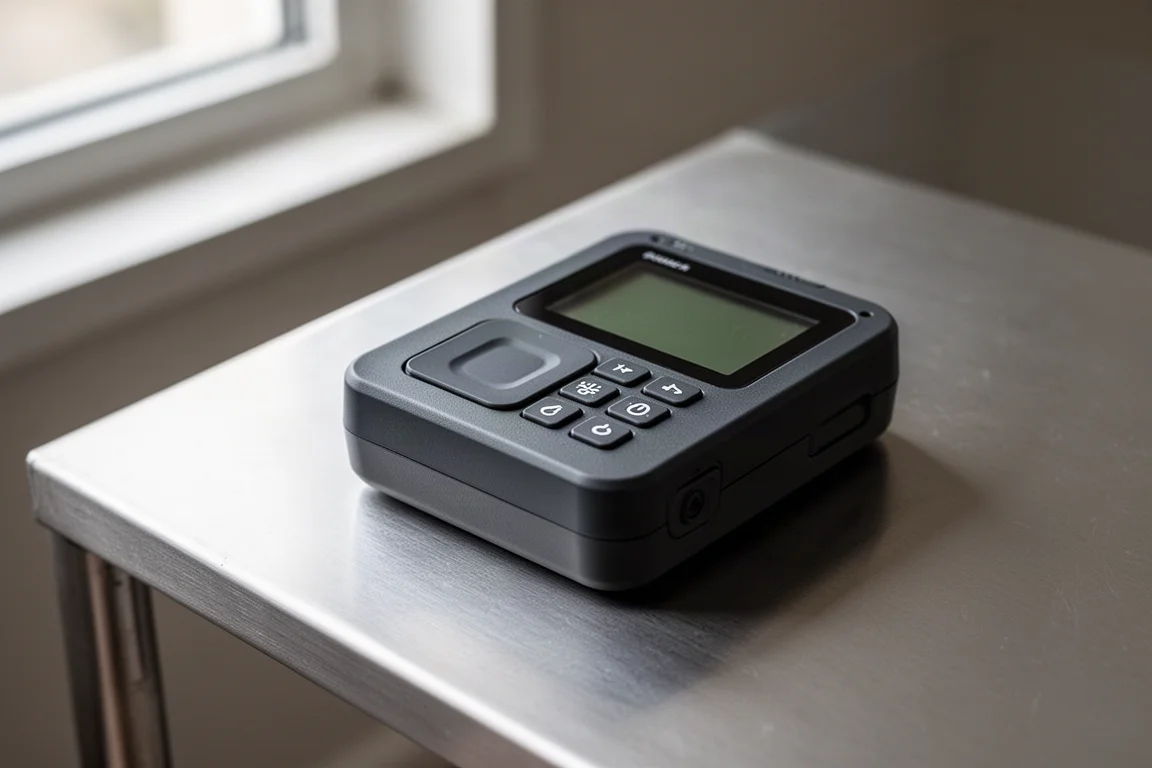
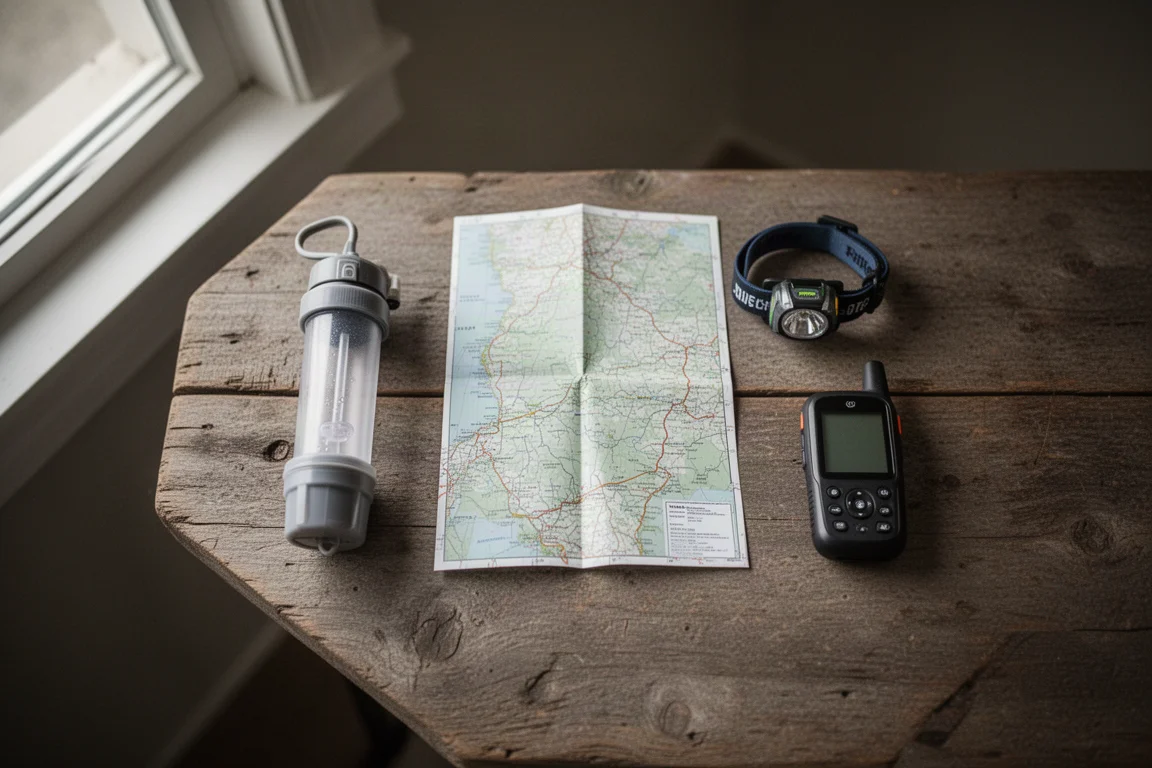
Solo backpacking changes the risk calculation. There is no one else in the group to walk out for help, which is why the ZOLEO satellite communicator travels on every trip, mounted on the pack while hiking so it is always within reach.
It is a small addition to the load that covers the scenario you hope never happens. The same logic applies to the first aid kit, which is packed with a patch kit, a spare lighter, a toothbrush, toothpaste tabs, and chafing supplies, so one pouch covers injuries, small repairs, and basic hygiene.
The Rest of the Loadout
Beyond the major pieces, a handful of smaller items round out the kit, and each one solves a specific problem.
For sleep and next-to-skin comfort, a pair of lightweight merino thermal bottoms handles cold nights, and Saxx Quest underwear earns its place by preventing chafing and breathing well over long days. A dedicated dry pair of lightweight socks stays in the sleeping bag.
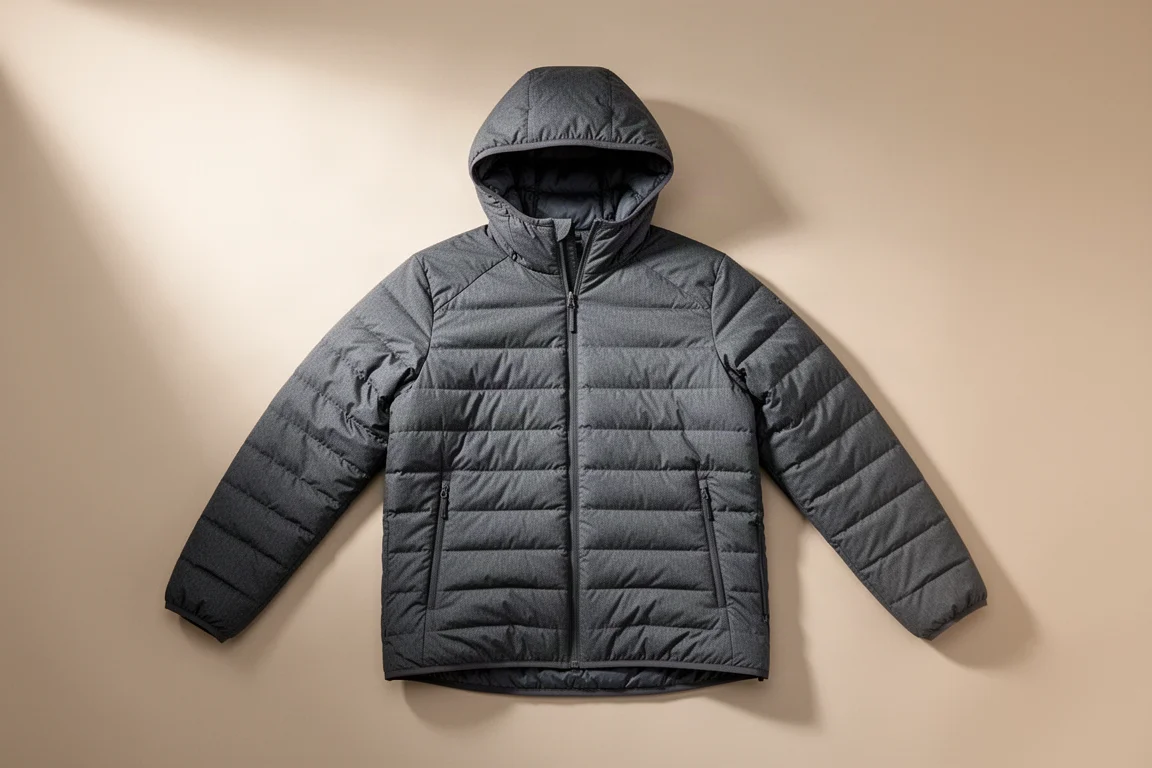
For insulation, the FarPointe Alpha Cruiser is a lightweight grid fleece that goes on around twilight when the sun drops below the ridge. When it gets colder, the Outdoor Vitals Vario Jacket takes over: a synthetic full-zip with more insulation than the Ventus hoodie, hand pockets, breathable cutouts through the armpits, and a drawstring hem. The Outdoor Vitals Tushar Rain Jacket is the new shell for this season and the piece most likely to be tested by real weather.
For water and hygiene, the Sawyer Squeeze paired with a CNOC Vecto bag remains the go-to filtration setup, and a trowel plus wet wipes covers the less glamorous end of backcountry hygiene. A Dyneema stuff sack keeps electronics organized: a battery bank, charging cables, a lantern, a pump for inflating the sleeping pad, and a small thermometer.
Finally, there is the mistake worth naming. No pack liner was brought on a trip with weather in the forecast. A liner or a dry bag is cheap insurance, and without one, a pack and a sleeping bag are one rain shower away from a very uncomfortable night.
Buying Advice
Start with the sleep system rather than the pack. A shelter, pad, and bag that you trust will do more for a trip than shaving weight off the bag you carry them in, and sleep quality compounds over multiple days.
Match the pack to the load. Around 22 to 23 pounds, a framed 40-liter pack is comfortable and efficient. Below roughly 20 pounds, a frameless option starts to make sense. Above 25 pounds, prioritize a frame and a hip belt that transfers weight properly.
Treat worn clothing as part of the system. A sun hoodie that covers the head, ears, and neck replaces several separate items and reduces how much sunscreen and insect repellent you need to carry. That is real weight and real convenience, and it costs nothing in pack space.
Do not skip the unglamorous items. A pack liner, a water filter, a repair kit, and a satellite communicator for solo trips are the pieces that decide whether a trip goes smoothly. They are also the pieces most often left behind.
Conclusion
This is a full-comfort, lightweight loadout rather than a minimalist exercise. It carries a framed 40-liter pack, a single-wall Dyneema shelter, a complete sleep system, a titanium cook kit, and a satellite communicator, and it still lands in the low 20s in pounds.
The strongest performers were the worn pieces and the shelter: the sun hoodie and shorts that never leave the body, and the wide, open tent that makes a campsite feel like a base rather than a bivy. The clearest lesson was the sleeping pad, which saved weight and cost comfort, and the missing pack liner, which is the easiest fix on the entire list.
Further reading
Related Reviews

Backpacking Gear
Building a 10 lb Base Weight: An Ultralight Backpacking Gear List
A practical walkthrough of the ultralight pieces behind a 10 lb base weight, from a 765 g pack and a roomy one-person tent to a full camp chair and a dependable water filter.

Backpacking Gear
A 15-Pound Lightweight Backpacking Gear List for Solo Trips
A beginner-friendly 15-pound backpacking setup built from easy-to-find gear, with notes on what each piece does, how it packs, and where to spend your attention.
Backpacking Gear
8 Ultralight Backpacking Gear Upgrades Worth Carrying
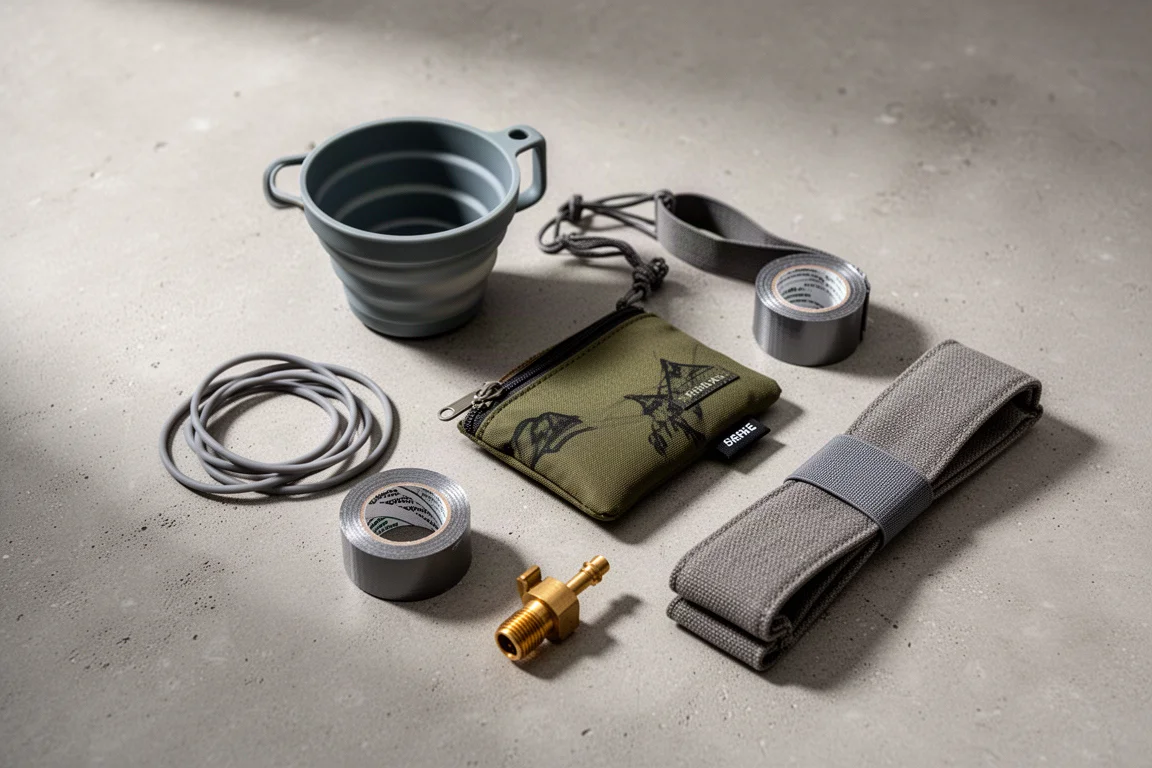
Eight small, affordable backpacking upgrades that solve real trail annoyances, from a pillow that stays put to a fuel valve that rescues leftover canister gas.