Backpacking Gear
Lightweight Backpacking Gear: Six Pieces That Earn Their Place in the Pack
Six lightweight backpacking picks for the camp kitchen, water treatment, and clothing storage, plus when a heavier all-in-one system is the better call.
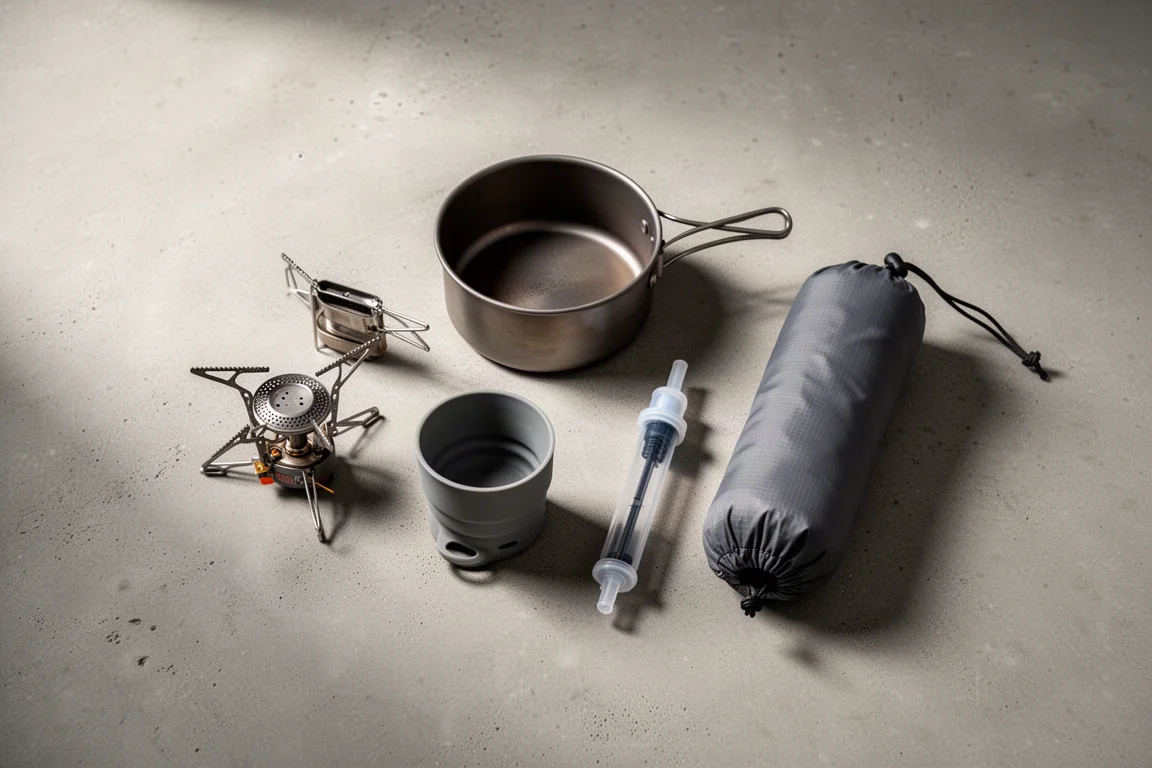
Introduction
Weight is the currency of backpacking. Every item has to justify the space it occupies and the grams it adds, and the camp kitchen is where those trade-offs show up most clearly. This guide looks at six lightweight picks that consistently earn their place in a pack, and explains where a heavier, more convenient alternative still makes sense.
The pattern behind all six is the same: fewer single-purpose items, more dual-purpose ones, and a clear idea of what actually gets used on trail versus what gets carried because it arrived in a kit.
What Makes a Piece of Gear Worth Carrying
Three questions settle most gear decisions. Does the item do more than one job? Does it replace something heavier without giving up real function? And does it suit the conditions you actually hike in, rather than the worst case you can imagine?
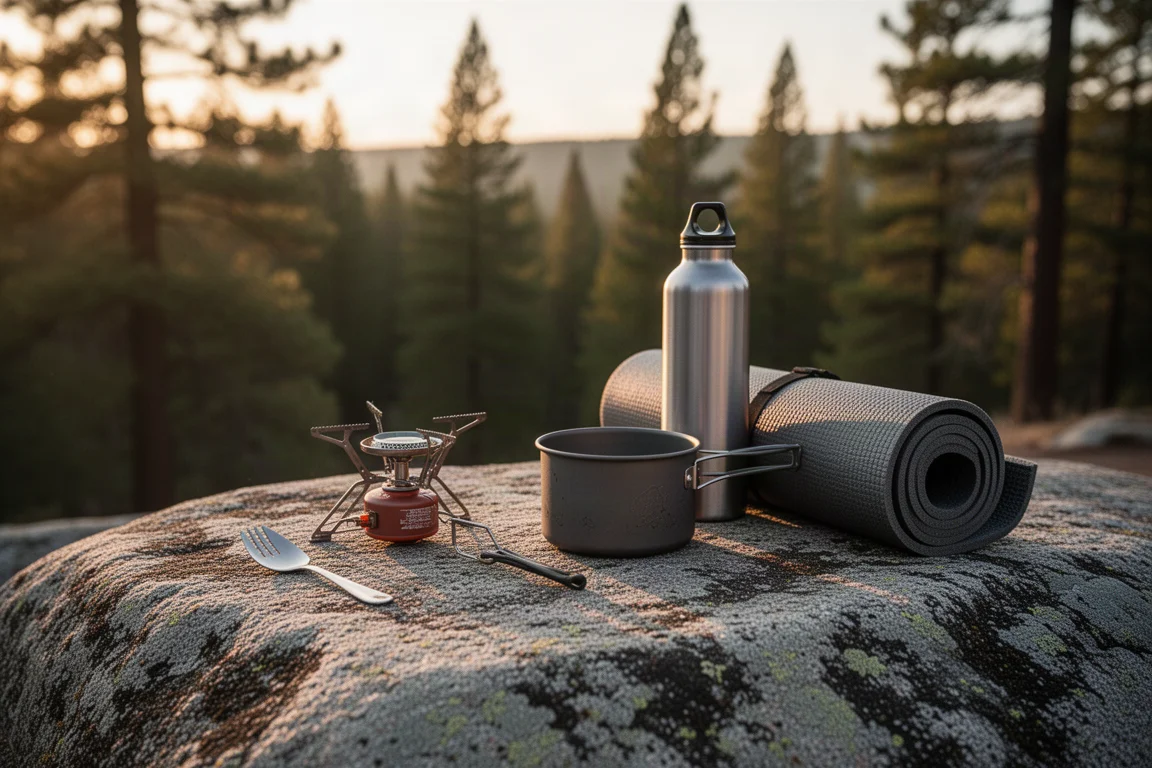
A metal camp cup is a good test of the first question. It looks simple enough, but it is bulky in a pack, awkward when carabinered to the outside and clanking against everything, and it gets hot in the hand when it holds a hot drink. A collapsible silicone cup answers the same need while packing down far smaller.
The second question covers shelters. A freestanding or semi-freestanding tent is stable and reassuring, but it carries weight that a trekking pole shelter avoids. For three-season backpacking in the United States, that extra structure is usually more than the conditions require, and the poles you already carry can do the work. The exception is genuinely severe weather or a snow-heavy expedition, where a freestanding design earns its weight.
The third question covers first aid. A pre-built kit looks thorough, but much of it is unlikely to be used on trail. A clean bandana, some duct tape, a needle for blisters, and a couple of medications cover most situations, and anything more serious than that is likely to mean calling for help. Gaiters, inflatable pillows, and electric pumps for sleeping pads fall into the same category: useful for some hikers, unnecessary fuss for others. Gaiters help if your gait throws debris into your shoes, but if you rarely stop to empty them, they are just one more thing to hook up. An inflatable pillow only helps if you sleep well on one, and a pump only helps if inflating your pad is genuinely a chore.
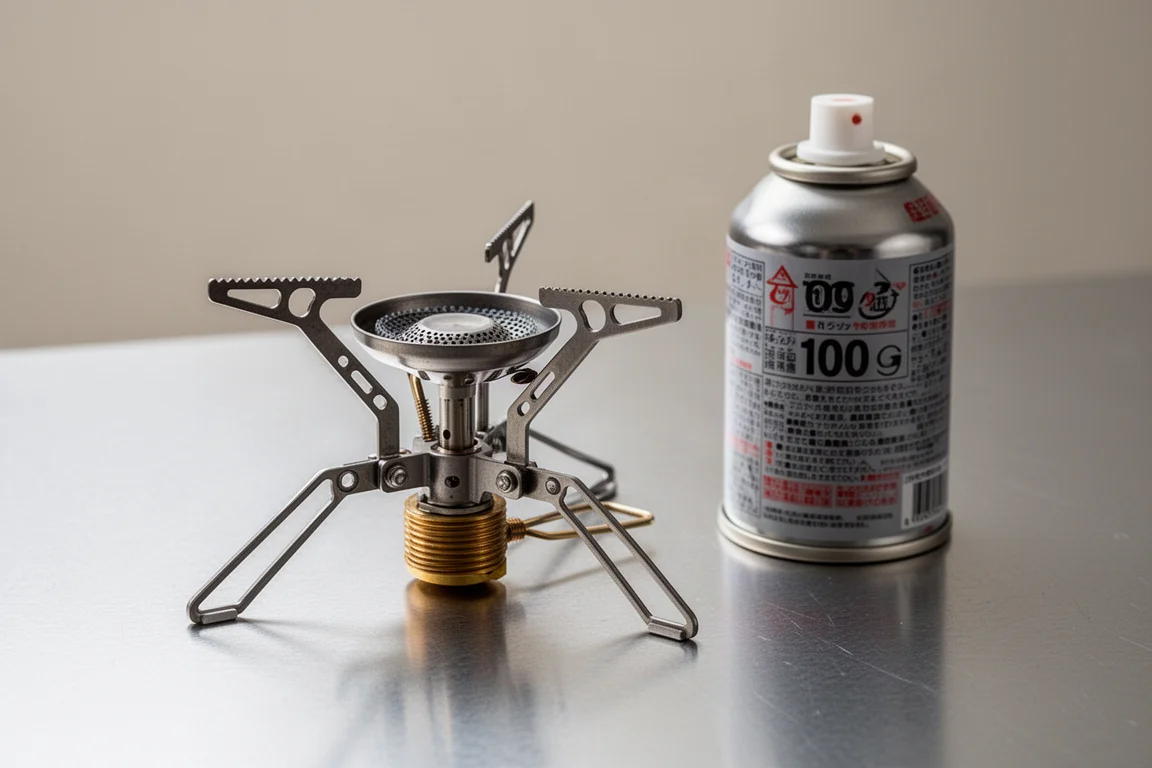
The Stove Setup: BRS Stove
The BRS stove weighs less than an ounce, and it anchors a cook setup that has stayed in use for years. Paired with a simple pot, the whole arrangement comes in just under 4.4 oz, which is roughly half the weight of the lightest integrated Jetboil system on the market.
What it gives up is convenience. There is no integrated pot, no all-in-one housing, and no single package to grab and go, so the stove lives alongside a separate pot and the rest of the kitchen. For anyone counting grams, that trade is straightforward: the stove does the one job it needs to do, and the rest of the setup is chosen separately.
The Cook Pot: Stanco Grease Pot
The Stanco grease pot is the other half of that ultralight kitchen. At about 3.4 oz, it keeps the combined stove and pot weight just under 4.4 oz, and it is sized for the meals most backpacking trips actually involve: boiling water, rehydrating a dinner, and heating a drink.
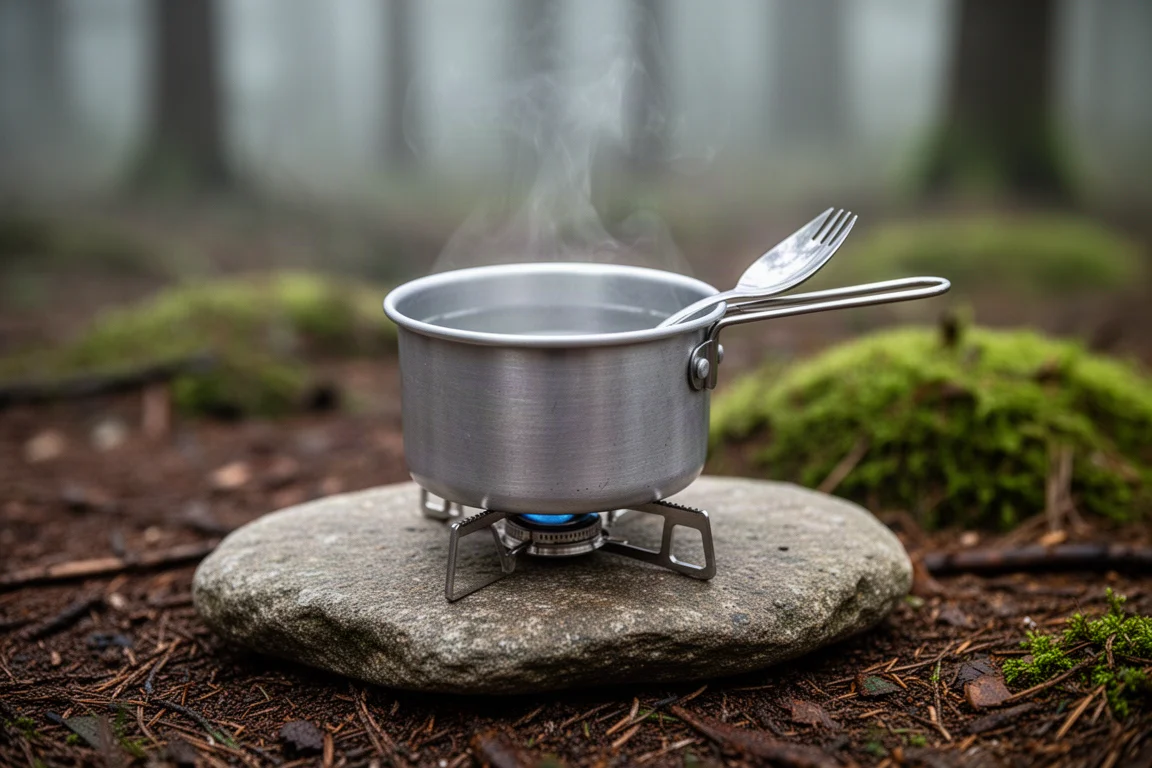
It is a pot and nothing more, which is exactly why it weighs what it does. There is no integrated burner and no added hardware, so the simplicity that keeps the weight down is the same simplicity that defines the cooking experience. If your trail cooking is mostly boiling water, that is a fair exchange.
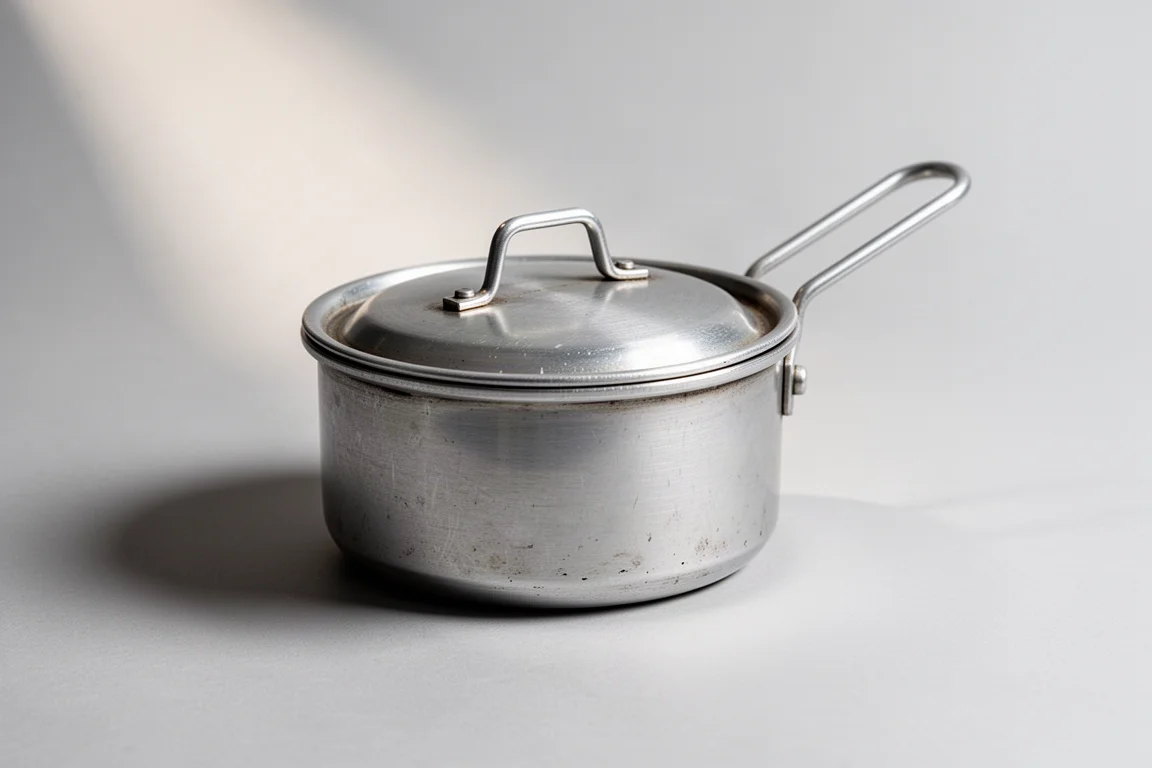
The All-in-One Alternative: Jetboil Stash
There is a real case for the other side of this trade. The Jetboil Stash combines the pot and the burner into one package, which makes it simple and convenient to use. It is also notably stable, so the pot stays put instead of sliding off mid-boil and spilling dinner, and it is very quick at boiling water.
The catch is weight. At 7.11 oz, the Stash is close to double the weight of a stove and pot setup that lands just under 4.4 oz. That gap is easy to accept if you value the convenience, stability, and speed of an integrated system, and easy to refuse if your priority is shaving weight wherever possible. Neither answer is wrong, but the trade should be a conscious one.
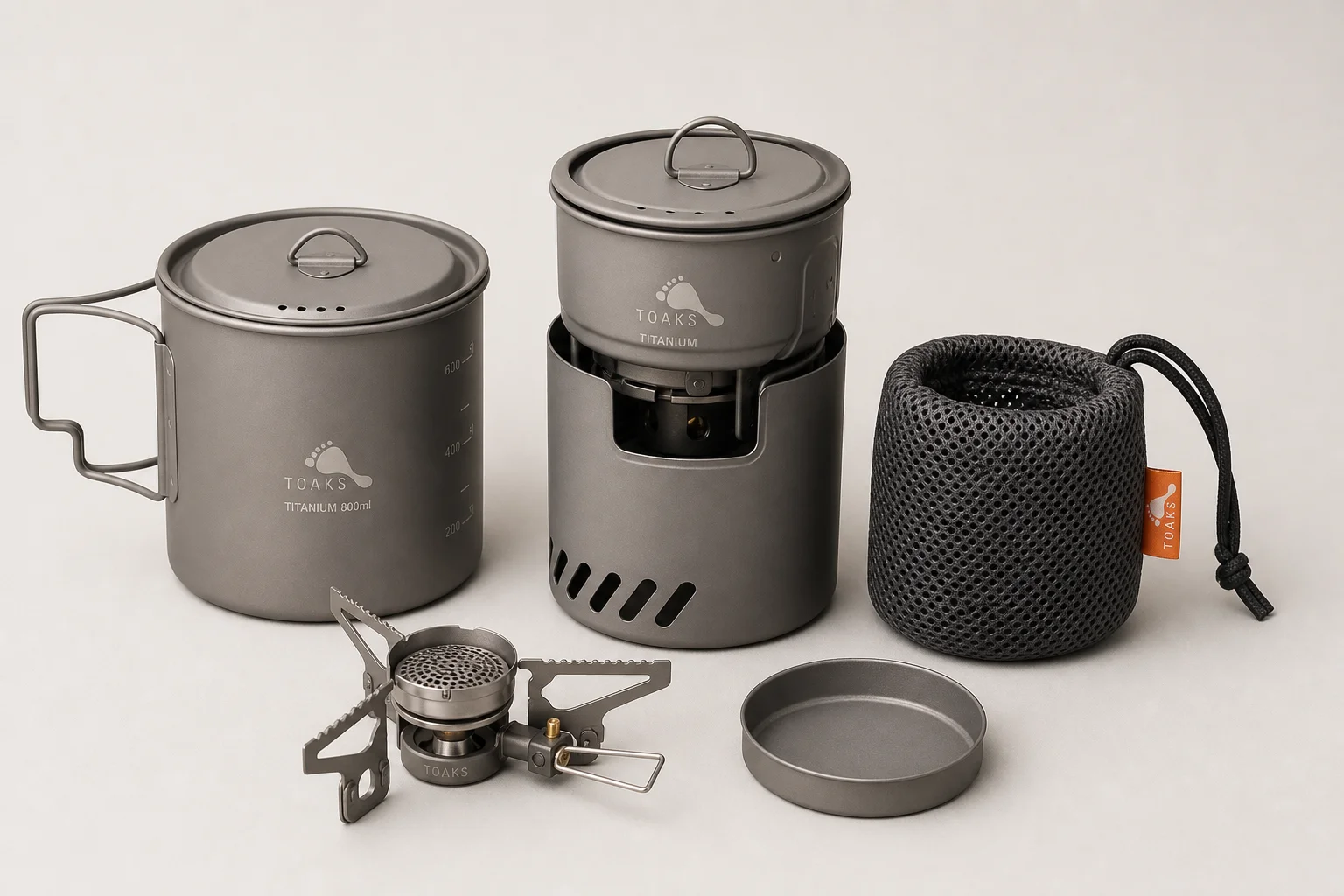
The Cup: Sea to Summit Silicone Collapsible Cup
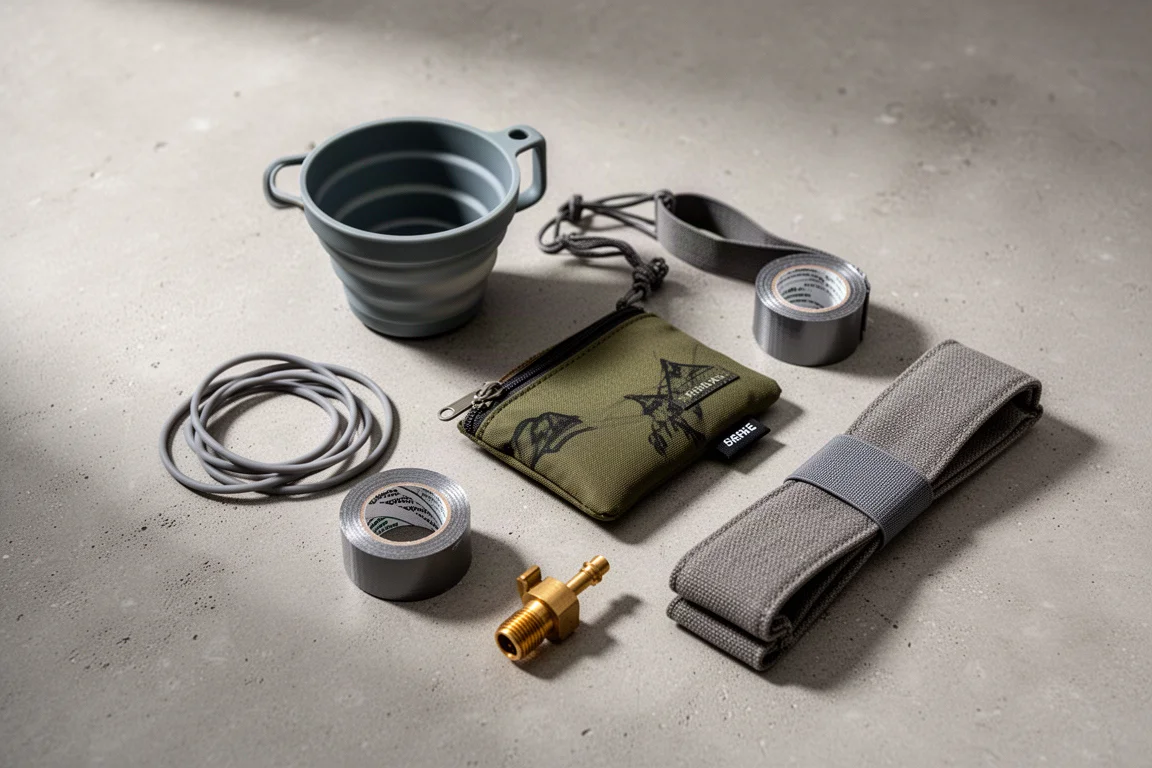
A dedicated cup is optional, but if you want one for a hot drink, a collapsible silicone cup is a far easier item to carry than a rigid metal one. It packs down small instead of taking up pack space, it does not dangle on the outside of a pack where it clanks against everything, and it stays comfortable to hold when it is full of something hot.
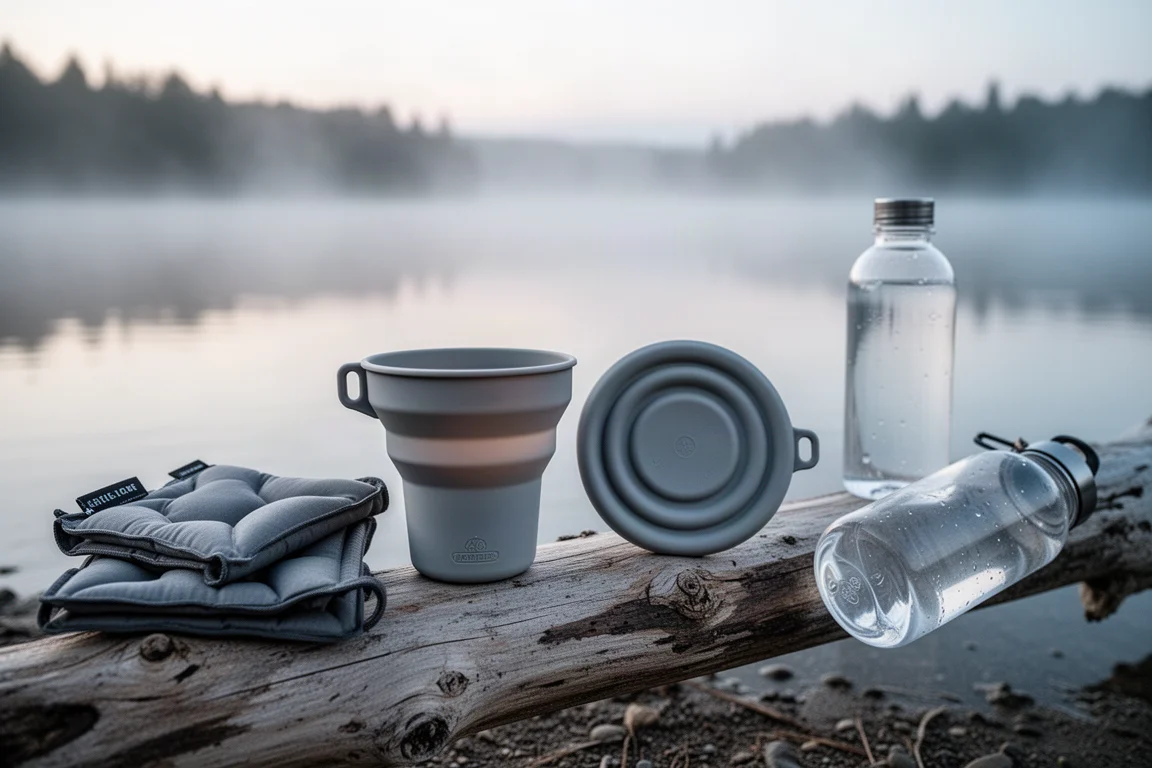
The graduated tick marks are the detail that turns it into more than a cup, because they give you a way to measure water when you are rehydrating a meal. Collapsible cups in this format are made by several brands, so the style of the cup matters more than the specific label.
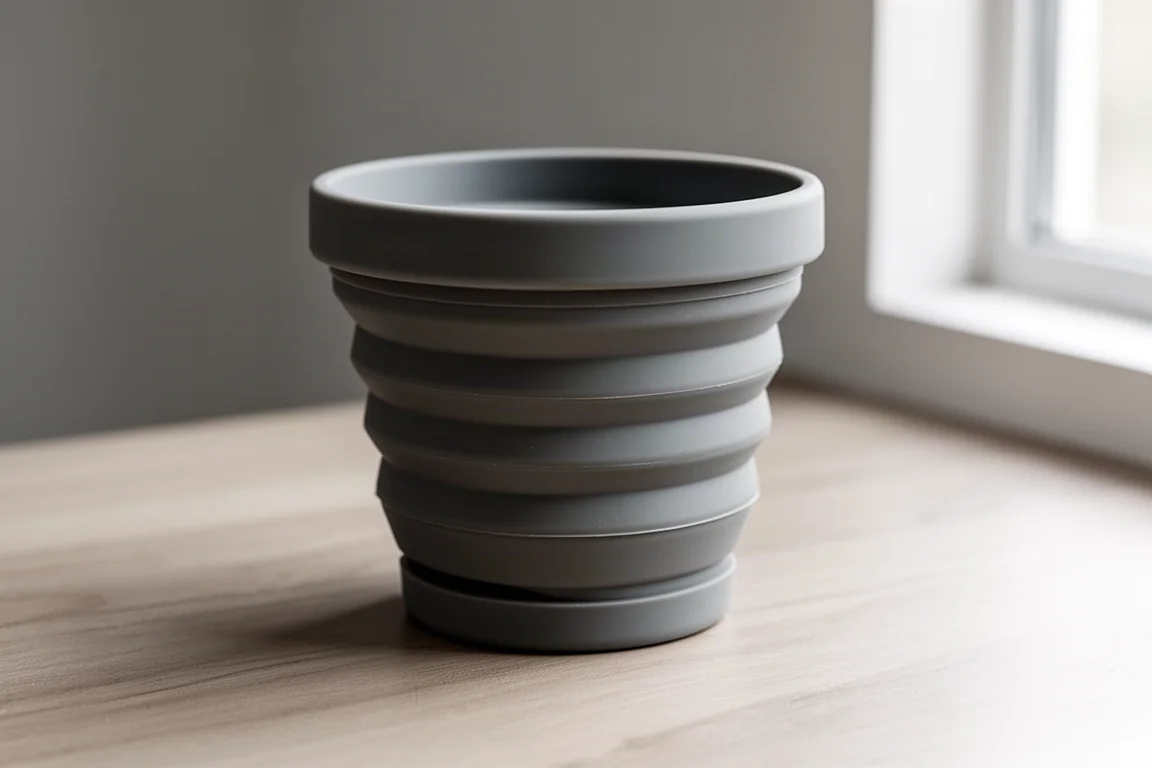
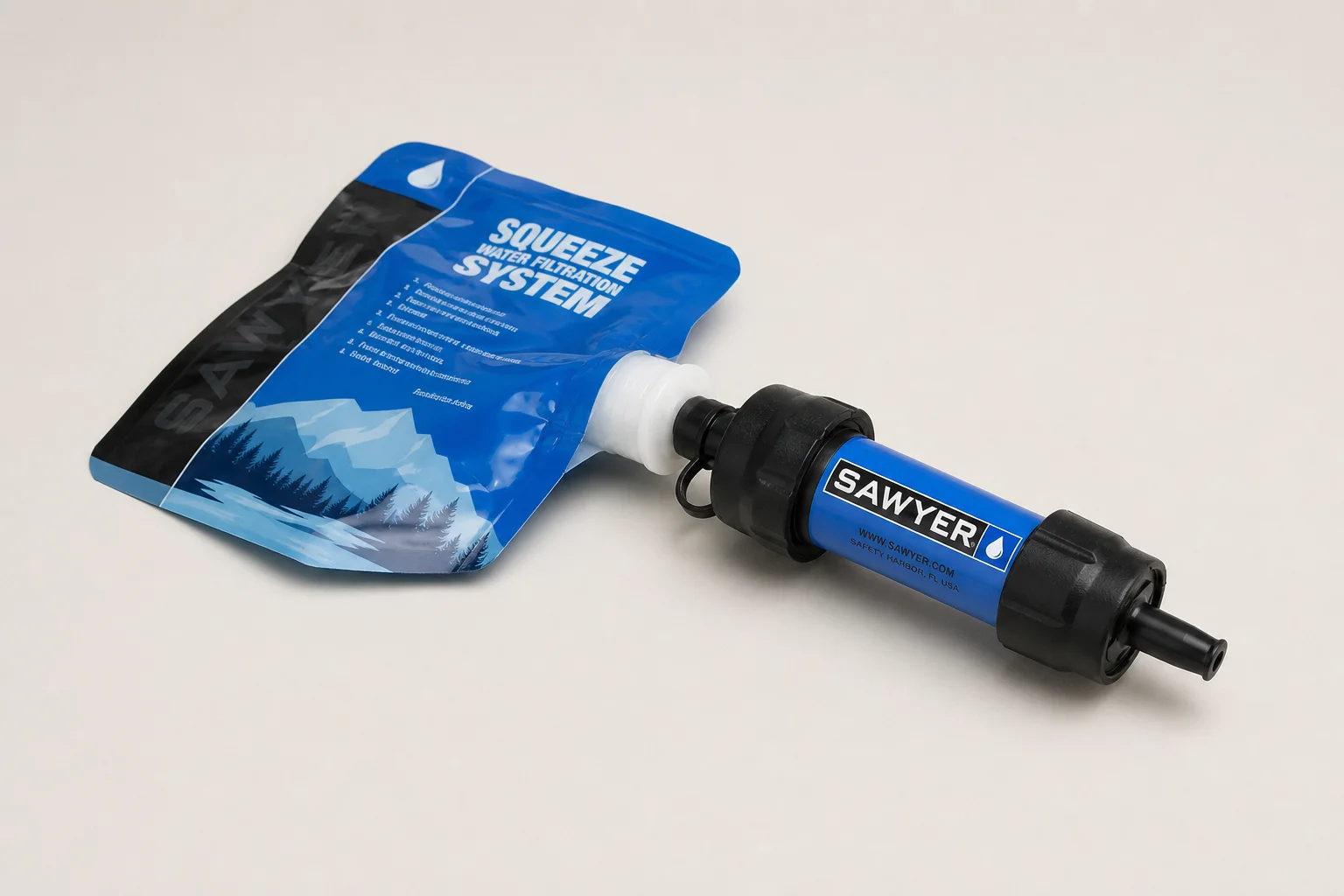
Water Treatment: Sawyer Squeeze
The Sawyer Squeeze is a lightweight filter that pairs well with standard disposable water bottles. That pairing is the whole advantage: you can drink directly through the filter, refill from a bottle you are already carrying, and skip the weight of anything rigid.
Not every bottle works this way. A rigid Nalgene-style bottle is durable and takes stickers from the places you visit, but it is heavier than a disposable bottle and does not pair with a filter for squeezing or drinking through. A water bladder is another route, and lightweight versions pack down well and take up less space, but the bottle-and-filter combination remains the simplest option for most trips.
Clothing Storage: Zpacks Stuff Sack
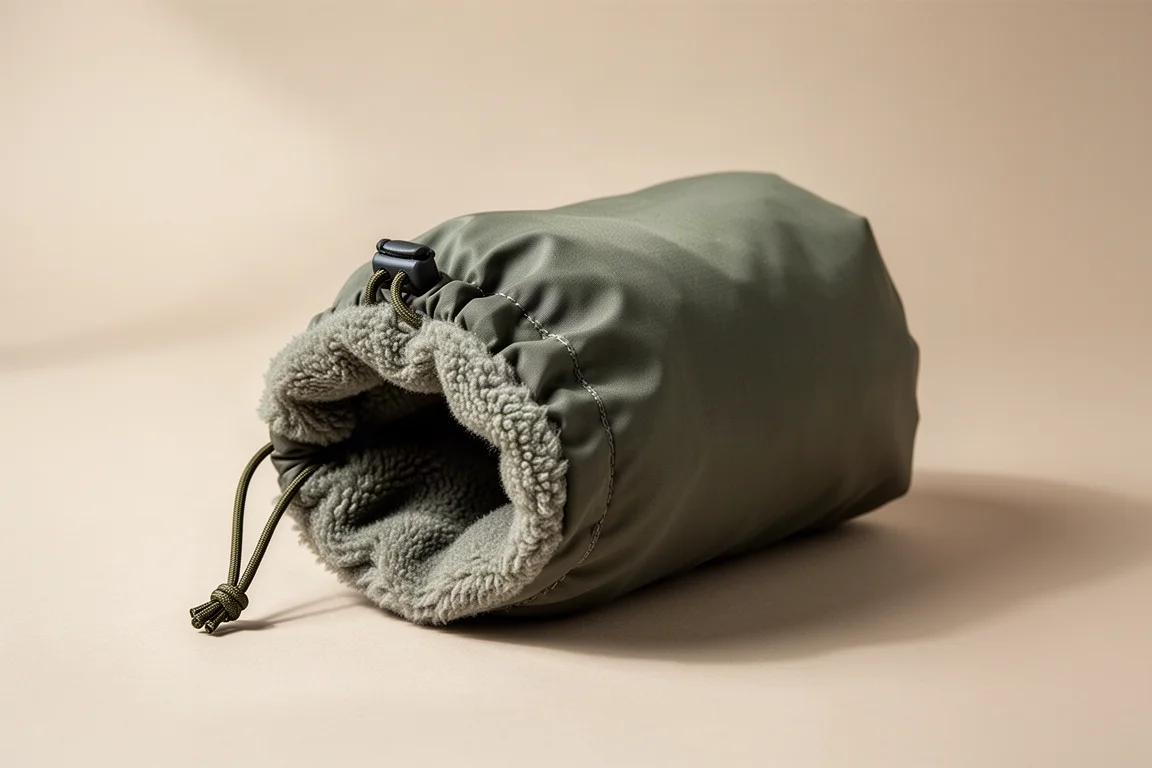
The Zpacks stuff sack starts as a clothes bag, which is already a job worth doing. The version with a fuzzy lining on the inside does double duty: turn it inside out, fill it with spare clothing, and it works as a flat pillow at the end of the day.
That is the practical case against carrying a separate inflatable pillow. It adds weight for something many hikers find awkward to sleep on anyway, and if you prefer a very flat pillow at home, a stuffed sack is closer to what you already like. An electric pump for a sleeping pad follows the same logic. It only makes sense if inflating your pad is a real effort, and on a short pad it usually is not.
Overall Buying Advice
The right choice comes down to which kind of weight you are willing to carry. If the lightest possible pack is the goal, a stove under an ounce paired with a pot around 3.4 oz is hard to beat, and a collapsible cup, a squeeze filter, and a dual-purpose stuff sack each remove a single-purpose item from the list.
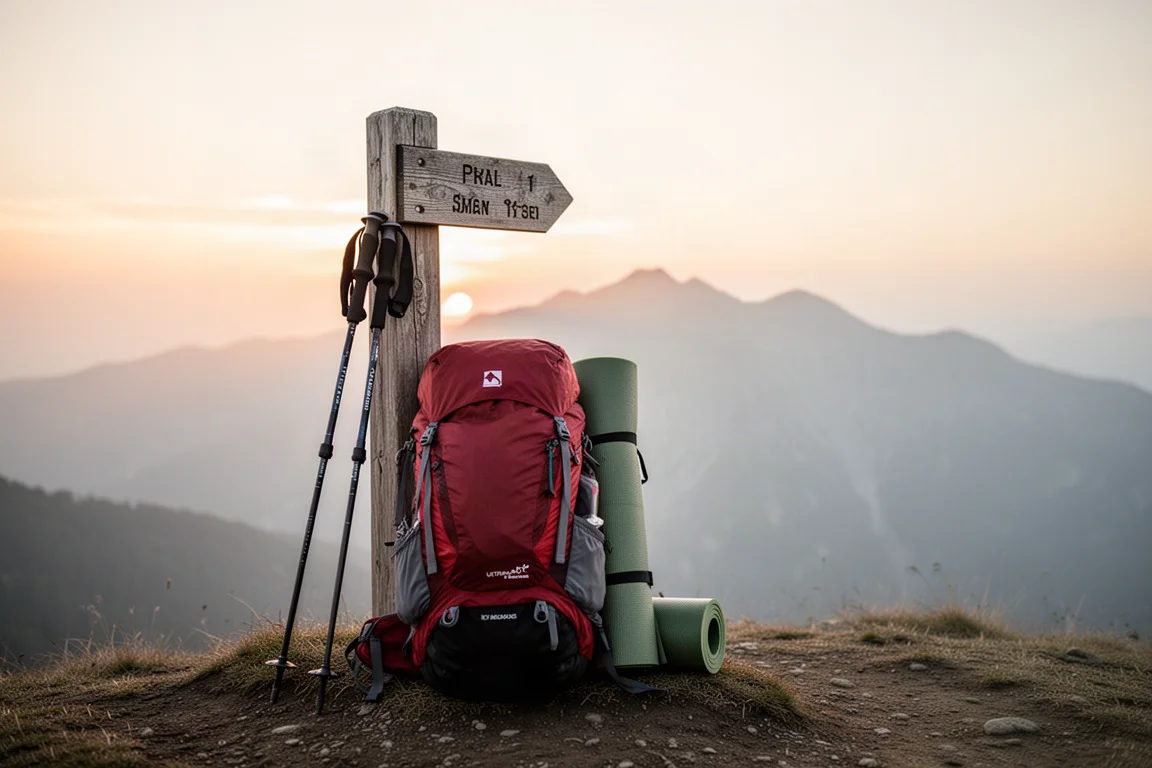
If convenience matters more, the calculus shifts. An all-in-one stove system is stable and fast, a longer and wider sleeping pad may justify a pump, and a collapsible camp chair is a reasonable luxury item for hikers who would rather not sit on the ground. None of that is a mistake. The point is that heavier gear should be a deliberate choice rather than a default, and the items above show what deliberate choices look like in practice.
Conclusion
Lightweight backpacking is less about one hero item than about a series of small decisions that add up across a pack. A stove under an ounce, a pot around 3.4 oz, a cup that folds flat, a filter that works with the bottles you already carry, and a stuff sack that doubles as a pillow all pull in the same direction.
Start with what you genuinely use, question anything that only does one job, and be honest about the conditions you hike in. Gear that earns its place is gear you stop thinking about on trail, and that is the real goal.
Further reading
Related Reviews

Backpacking Gear
Building a 10 lb Base Weight: An Ultralight Backpacking Gear List
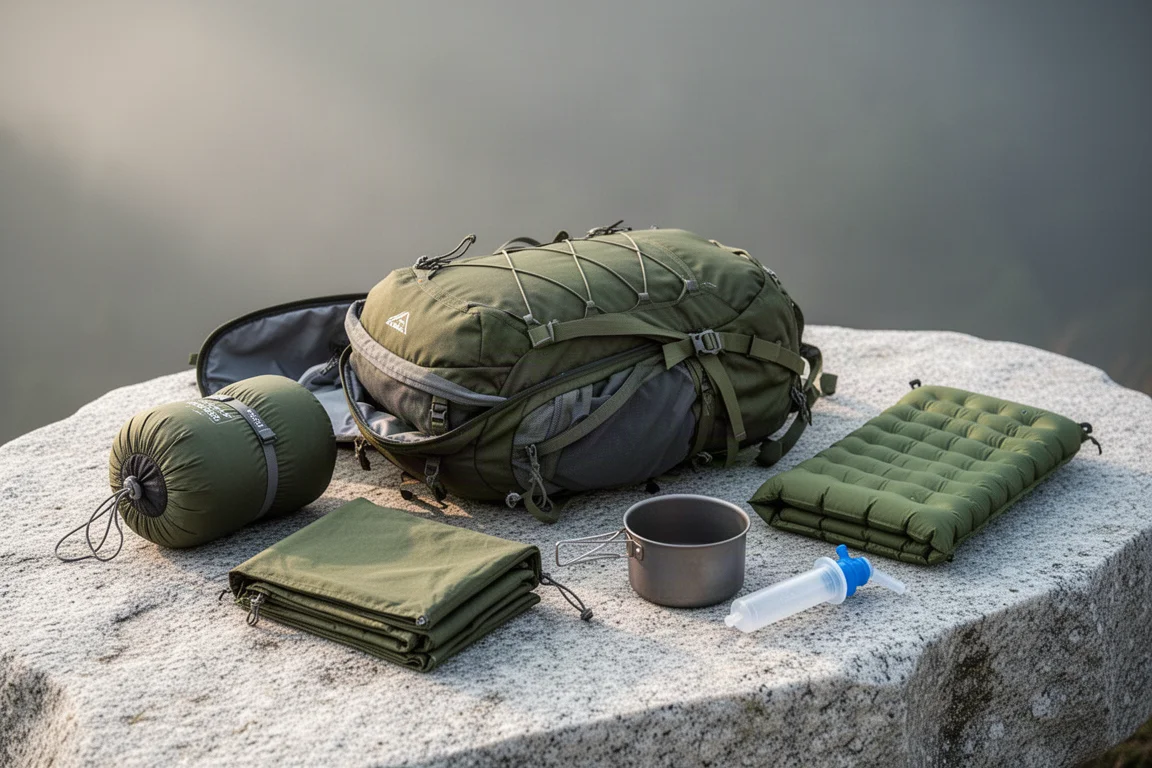
A practical walkthrough of the ultralight pieces behind a 10 lb base weight, from a 765 g pack and a roomy one-person tent to a full camp chair and a dependable water filter.
Backpacking Gear
A 15-Pound Lightweight Backpacking Gear List for Solo Trips
A beginner-friendly 15-pound backpacking setup built from easy-to-find gear, with notes on what each piece does, how it packs, and where to spend your attention.
Backpacking Gear
8 Ultralight Backpacking Gear Upgrades Worth Carrying
Eight small, affordable backpacking upgrades that solve real trail annoyances, from a pillow that stays put to a fuel valve that rescues leftover canister gas.