Sleeping Pads
Light Tour R 7.5 20D Sleeping Pad Review: Deep Winter Warmth in a Small Pack
A close look at the Light Tour R 7.5 20D inflatable sleeping pad, covering its lab tested R-value, compact packed size, sizing caveats, and who it suits.
Introduction
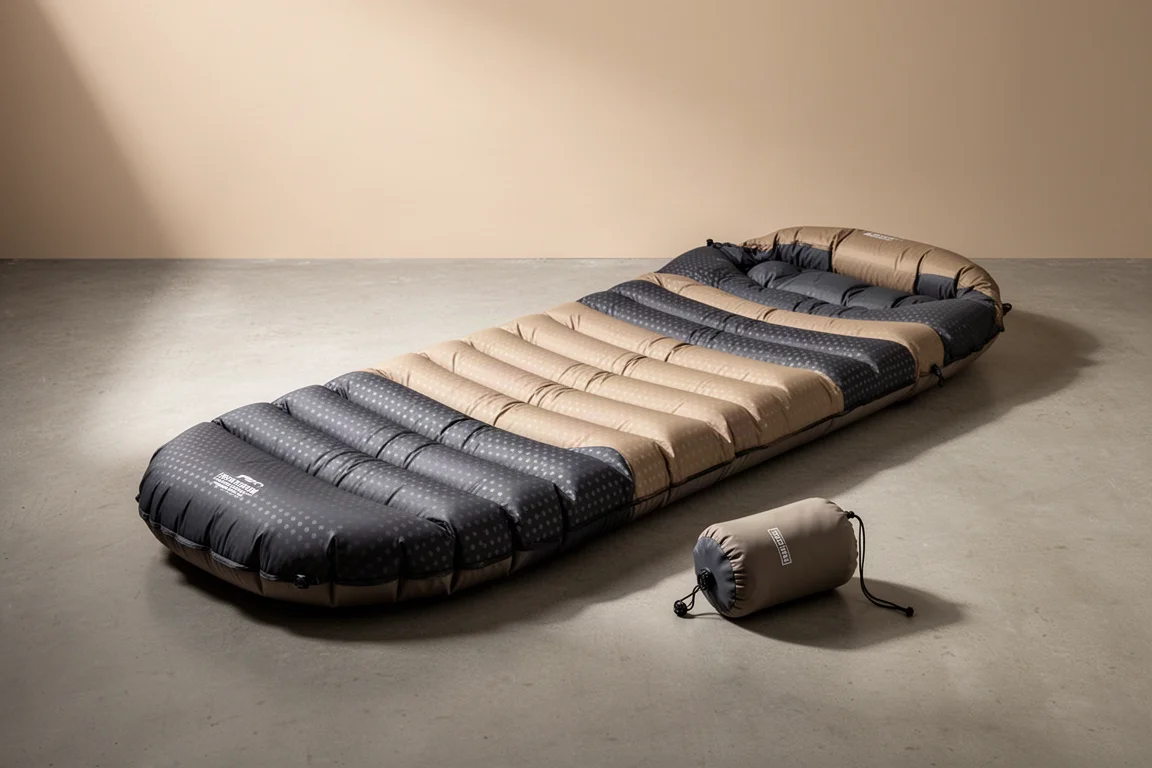
Deep winter sleeping pads usually ask for a compromise. Warmth and pack size rarely arrive together, and the pads that manage both tend to sit at the very top of the price range. The Light Tour R 7.5 20D Inflatable Sleeping Pad is notable because it claims a lab tested R-value of 7.5, a genuine deep winter rating, while still packing down to roughly the size of a large water bottle.
The R-value is not presented as a marketing figure to be taken on trust. The manufacturer publishes the test results openly, so buyers can review the numbers before committing to a purchase.
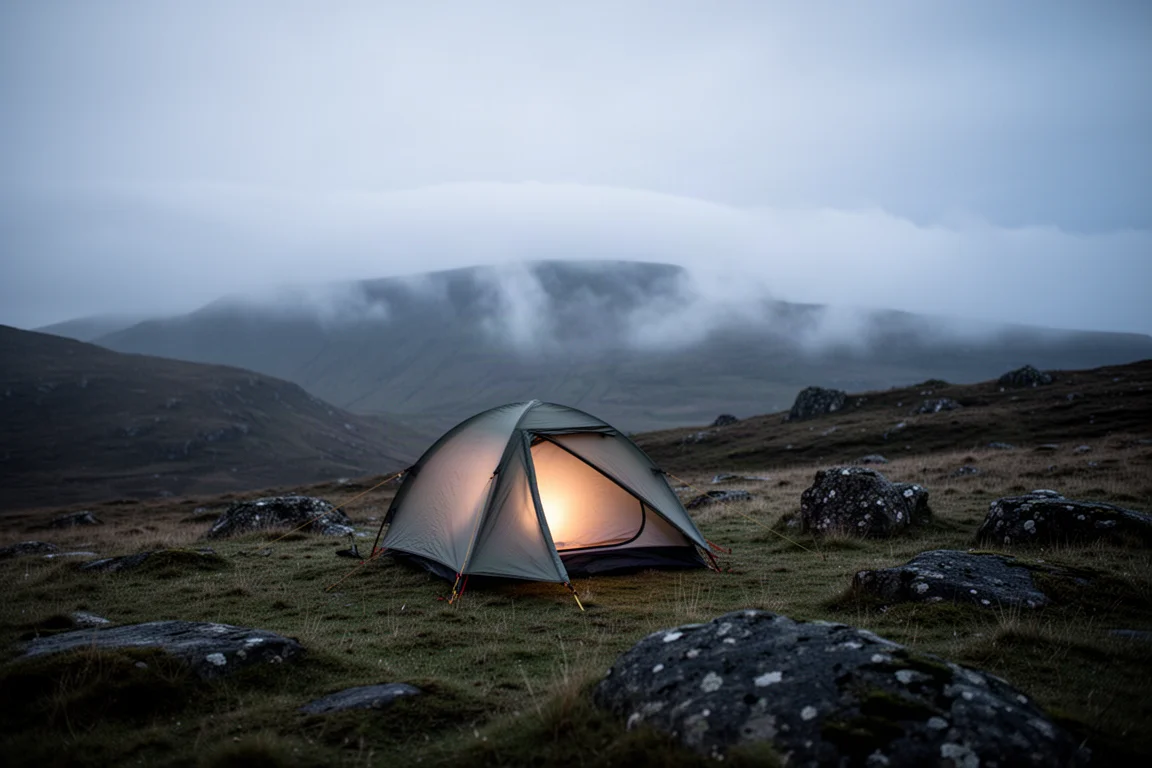
It is offered in three sizes, and every version is 10 cm thick. The differences between them come down to footprint and weight rather than comfort or warmth, which keeps the buying decision relatively simple.
Who This Product Is For
This pad is built for people who camp through the colder half of the year, including winter backpackers, hill walkers on overnight trips, and summit campers who expect frozen ground under the tent. An R-value of 7.5 puts it in deep winter territory, which is the kind of insulation that matters when the ground itself becomes the main source of heat loss.
It also makes sense for three-season campers who sleep cold or who simply want margin. A warmer pad than strictly necessary is rarely a mistake, and because this one packs so small, the usual penalty for carrying extra insulation does not really apply here.
Main Strengths
Warmth and Insulation
The warmth comes from a straightforward idea executed with a lot of layers. The pad is built from stacked reflective foil, with four layers at its thinnest points and eight layers at its thickest. That creates a large number of small pockets that trap heat and reflect it back toward the body rather than letting it drain into the ground.
The dotted weld pattern is part of what makes this work. The welds on the top and bottom surfaces do not touch, so there is still air moving between them and no obvious cold spots across the sleeping surface.
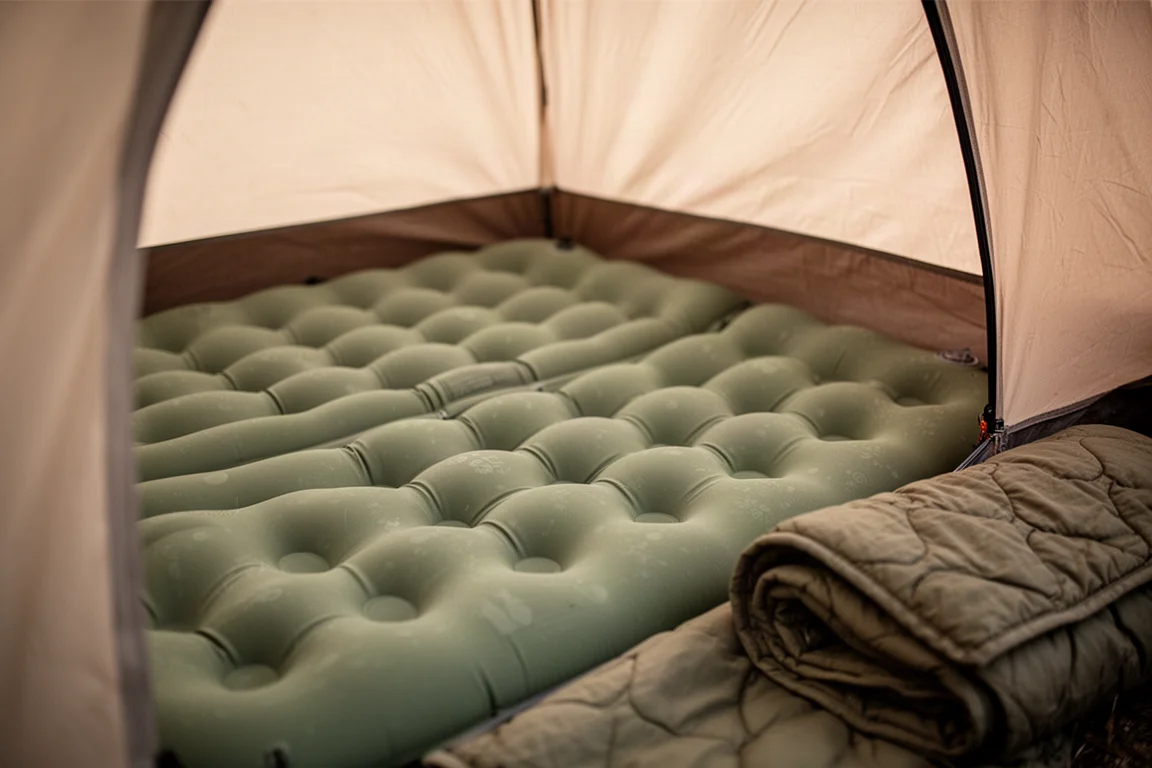
In use on real ground, the difference is easy to feel. On a summit camp at around 3,200 ft, this pad stayed noticeably warmer at ground level than pads rated just above 4, which is the sort of gap that decides whether a cold night is manageable or miserable.
Packability and Weight
For a pad with this much insulation, the numbers are unusually friendly. The Regular version weighs 480 g and packs to 8 cm by 16 cm. The Regular Wide weighs 560 g and packs to 9 cm by 19 cm. The Large rectangular version weighs 650 g and packs to 9 cm by 20 cm.
The included pump sack doubles as a storage sack, so the pad can be packed and carried in the same bag it ships with, and it keeps the packed bundle tidy in a winter pack where space is always tight. Winter gear tends to be bulkier and heavier across the board, so a piece of kit that goes the other way is genuinely useful when everything else is fighting for room.
Things to Consider Before Buying
Sizing and Measured Dimensions
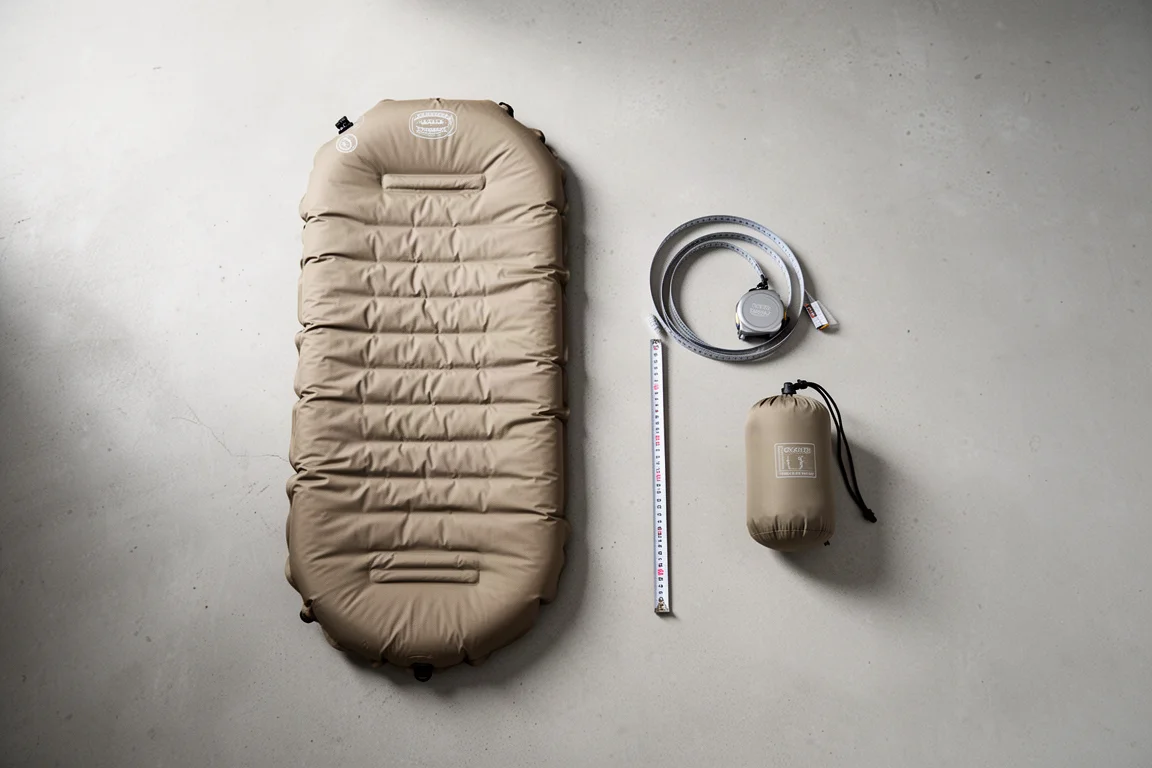
The stated dimensions are 180 cm by 55 cm for the Regular, 190 cm by 64 cm for the Regular Wide, and 200 cm by 64 cm for the Large. The Regular and Regular Wide are generous mummy shapes, while the Large is fully rectangular, which suits sleepers who move around at night.
Measurements taken on a Regular Wide came in around 186 cm long and about 60 cm wide, slightly under the figures on the specification sheet. That is worth factoring in, particularly for taller sleepers or anyone who likes to spread out. If you are close to the limit of a given size, sizing up is the safer choice.
Noise and Comfort
This is not a silent pad. It is a little noisier than the quietest options available, although it is no louder than other deep winter pads in the same category, so the crinkle is largely a feature of the insulation rather than a flaw in this particular design.
Comfort is good rather than exceptional. The 10 cm thickness and the mummy shaping give a supportive, chunky sleeping surface, but some rival pads feel plusher under a sleeping bag. The trade-off is that those pads generally cost more and pack larger.
Buying Advice
Value is the headline here. For the warmth, weight, and packed size on offer, this pad delivers far more than its position in the market would suggest, which is exactly why it stands out against established deep winter pads that cost considerably more.

When choosing a size, work from your height and sleeping style rather than the label. Side sleepers and taller users will get the most from the Regular Wide or the Large rectangular version, while the Regular suits smaller frames and minimal packers. Inflate the pad firmly for the best insulation performance, use the pump sack rather than your breath to keep moisture out of the interior, and store it loosely at home to protect the foil layers over time.
Conclusion
The Light Tour R 7.5 20D Inflatable Sleeping Pad does something genuinely useful for cold weather camping: it delivers a lab tested deep winter R-value of 7.5 in a package that weighs 480 g to 650 g depending on size and packs down smaller than most pads with a fraction of the insulation. The measured dimensions run slightly under the stated figures, the surface is a touch noisier than the quietest pads, and comfort is good rather than luxurious. Those are reasonable compromises for anyone who camps in the cold and wants warmth without bulk. For winter backpackers and cold sleepers, this is one of the easiest recommendations in its class.
Product link
View more details for Light Tour R 7.5 20D Inflatable Sleeping Pad
This product is mentioned in the review. Check the specifications, options, and compatibility before buying.
View more details for Light Tour R 7.5 20D Inflatable Sleeping PadFurther reading
Related Reviews
Sleeping Pads
Best Backpacking Sleeping Pads 2026: Nine Pads Rated on Price, Comfort, Warmth, and Weight
Nine backpacking sleeping pads compared on price, comfort, warmth, and weight, from a $65 summer pad to a year-round option rated at R-7.3.
Sleeping Pads
Best Backpacking Sleeping Pads: Comfort, Warmth, and Weight Compared
A practical comparison of the Nemo Quasar 3D, Therm-a-Rest NeoAir XTherm Max, and Big Agnes Rapide SL for backpackers choosing between comfort, warmth, and packed weight.
Sleeping Pads
Best Backpacking Sleeping Pads: Ultralight, Winter, Comfort and Budget Picks
A practical roundup of the sleeping pads that stand out for ultralight weight, winter warmth, pressure relief and value, plus three popular pads that fell short.