Camping Tents
Light Fighter Tent Review: A Three-Season Military Shelter With the Cold Weather Conversion Kit
How the Light Fighter one-person military tent and its cold weather conversion kit perform in a first winter storm, with wind, snow load, and overnight cold as the test.
Introduction
Winter camping asks more of a shelter than any other season. Wind, drifting snow, and temperatures that keep falling through the night all press on the same few square meters of fabric, and a tent that only performs in mild weather turns into a liability quickly. That is the case for pairing a three-season shelter with a proper wind-blocking conversion, and it is exactly the combination examined here: the Light Fighter one-person military tent with the Light Fighter cold weather conversion kit.
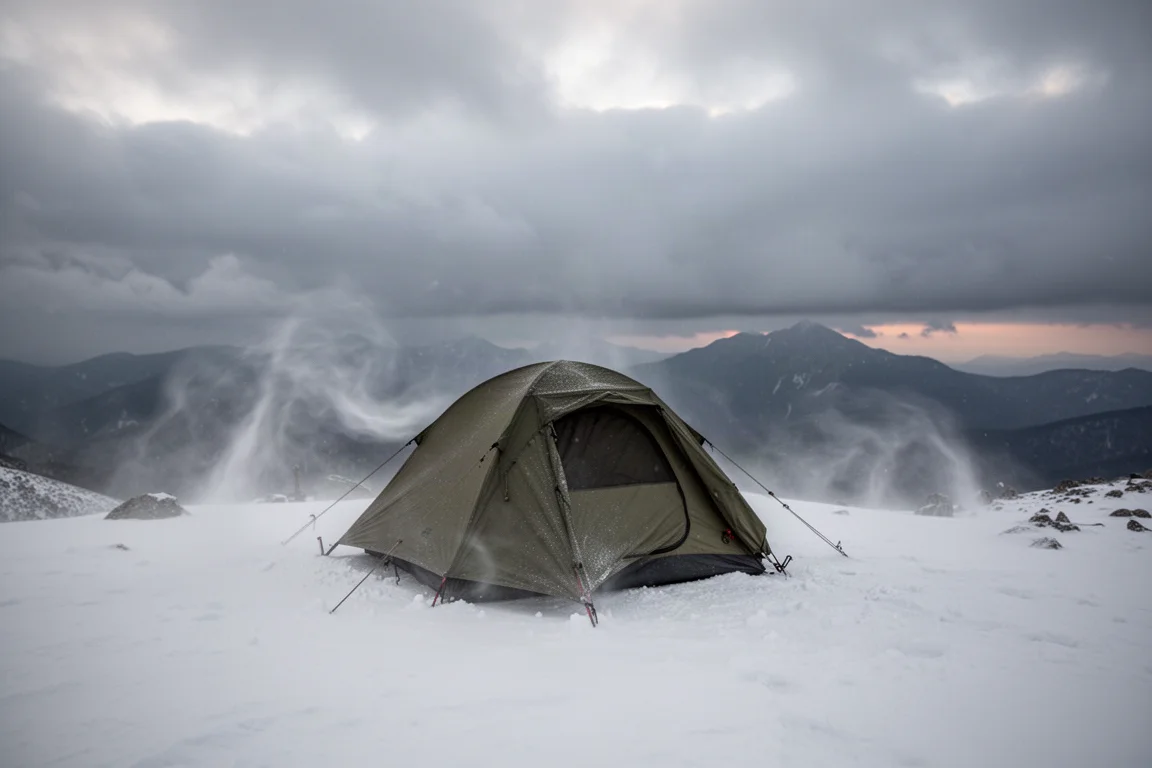
The conditions behind this article were a first winter storm outing, with winds steady around 30 mph and gusts reaching 50, a mix of snow and freezing ice, and overnight temperatures near 12 degrees Fahrenheit. Both pieces of gear had to earn their place in that weather rather than simply survive a mild night.
What Makes the Light Fighter Tent Different
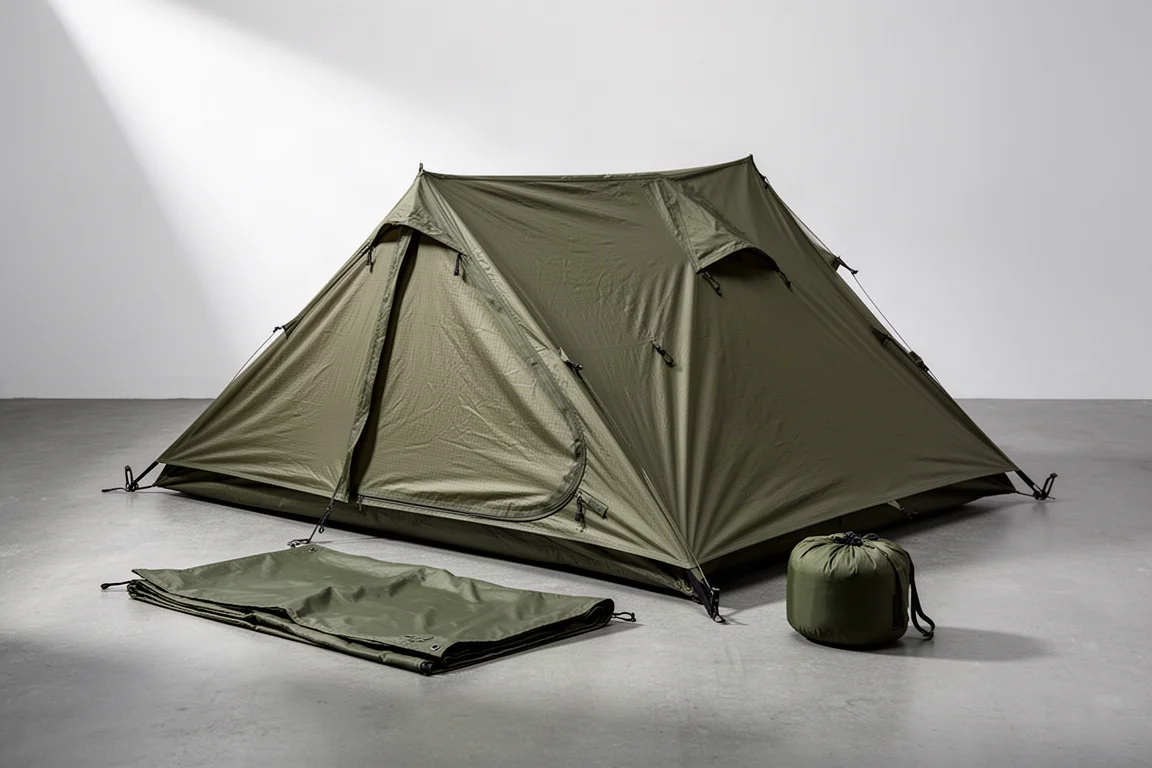
The Light Fighter is a three-season, one-person tent made for the U.S. government. Among military tents it stands out for a design that feels closer to civilian backpacking gear than to the heavy shelters the category usually brings to mind. It is lighter than most military options while remaining mil-spec in construction, and it is very waterproof.
That three-season identity also comes with a lot of mesh. Mesh is what keeps a tent breathable and comfortable in warm weather, and it is the reason the shelter needs help once temperatures drop. The cold weather conversion kit exists to solve precisely that problem, extending the tent into a fourth season without requiring a second shelter.
The practical result is a tent that behaves differently depending on the season it is set up in, which matters if you camp year round and would rather invest in one durable platform than two separate shelters.
Light Fighter 1-Person Military Tent
As a one-person shelter, the Light Fighter keeps a compact footprint while still offering a vestibule and enough interior room for a sleeping pad and bag. The double-wall construction is the part that counts most in cold weather, and it is the reason the interior stayed noticeably warmer than the outside air.
Setup takes a little patience at the start. Pitching it in strong wind is the slow part, and getting the ground sheet settled on an exposed site is the most fiddly stage of the process. The work speeds up considerably once the structure is roughly halfway up, and the remaining steps go quickly after that. It is a reasonable trade for a tent that prioritizes weather resistance over instant deployment.
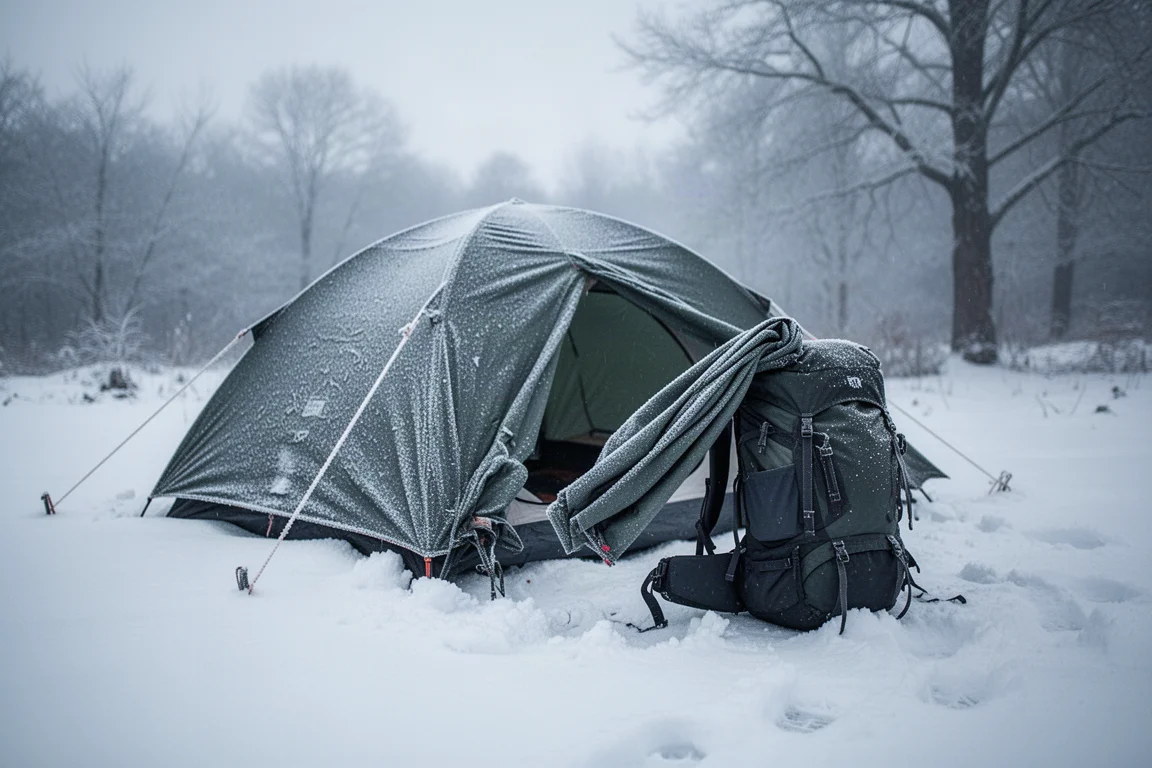
Once standing, the tent handled what the weather gave it. Snow and ice built up on the fly through the night, and the shelter carried that weight without complaint while continuing to shrug off sustained wind.
Light Fighter Cold Weather Conversion Kit
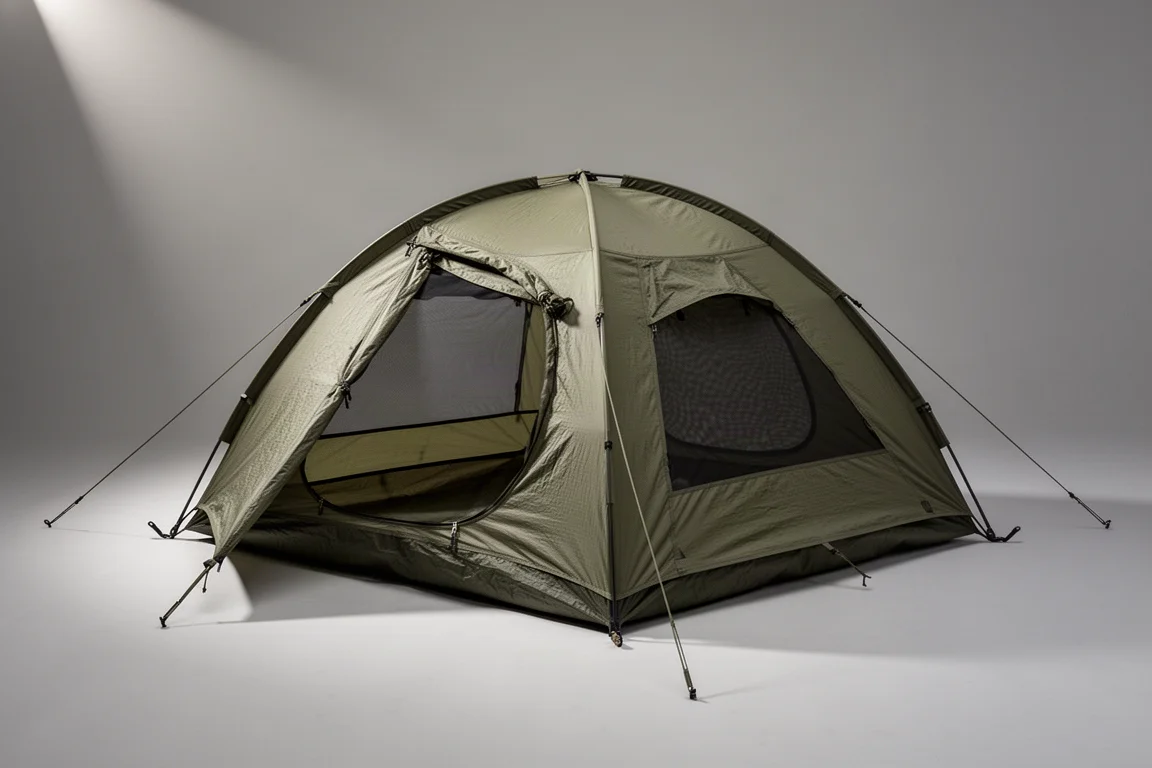
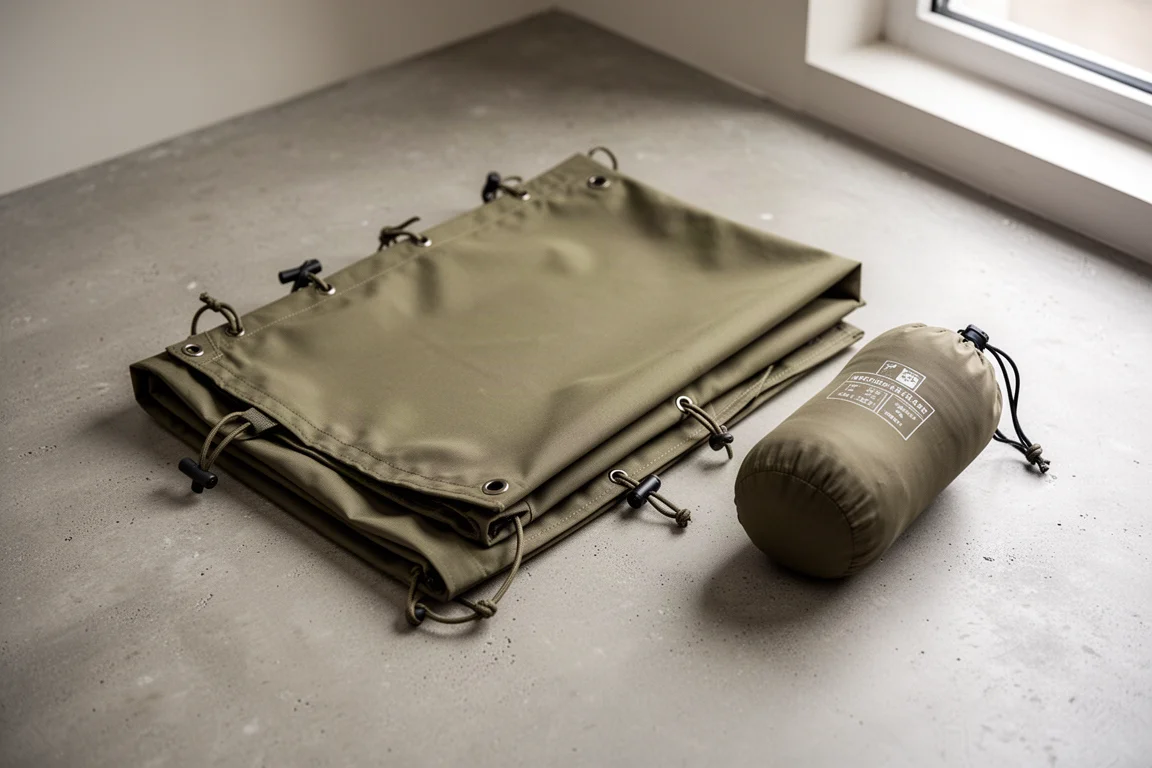
The conversion kit is a wind-blocking layer designed to turn the three-season Light Fighter into a four-season tent. It holds in more heat, blocks wind, and releases moisture, which is the part that keeps the interior livable rather than clammy. It was developed so that soldiers could extend the tent’s usable range without switching to a different shelter.
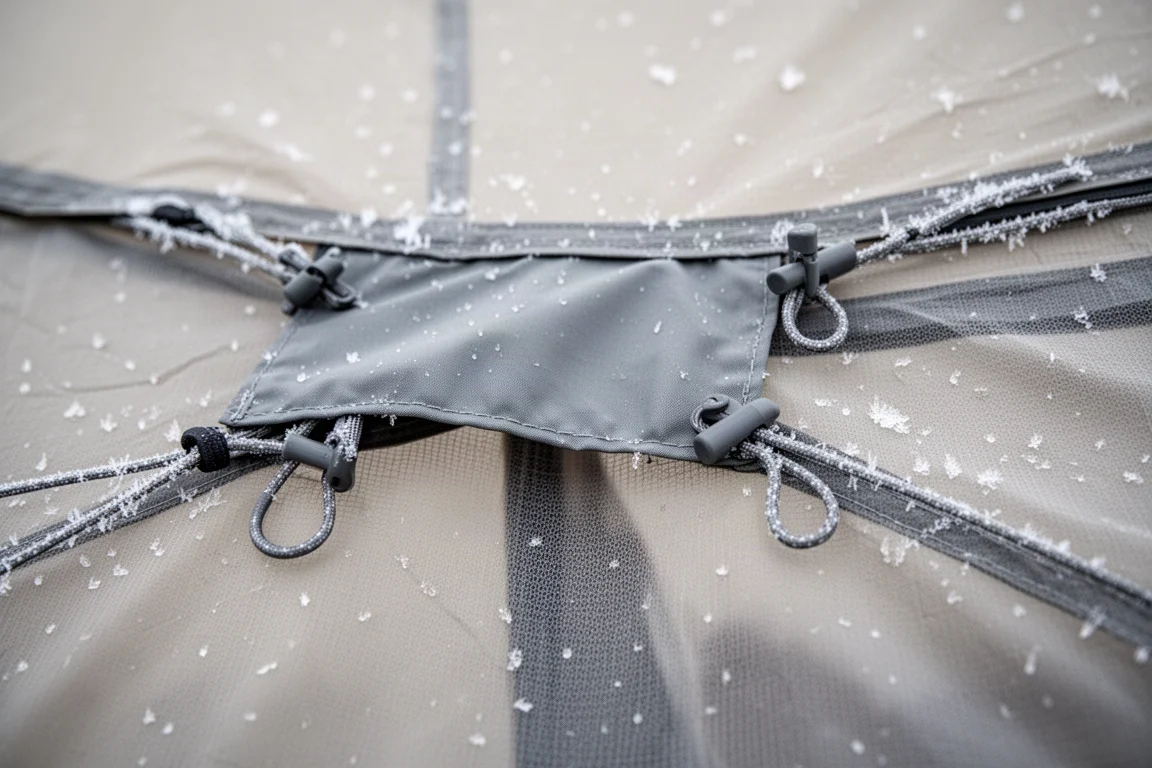
In use, the kit delivered on the wind side most obviously. Roughly 90 percent of the wind was kept out of the tent, and the difference between standing outside the fabric and sitting inside it was substantial. Vents remain part of the design, so a small amount of airflow continues through the tent, and that airflow is what helps with condensation and moisture control.
The honest expectation to set is this: the kit does not make the tent hot. It makes the interior warmer than it would otherwise be and far calmer in bad weather, which is what turns a marginal winter night into a comfortable one.
Winter Storm Performance: Wind, Snow Load, and Warmth
The clearest evidence of how well the pair works together came from inside the tent. A strong gust that was loud and obvious outside was barely felt once inside. The interior was warm enough that a camera lens fogged up shortly after being brought in, which is a simple and reliable indicator of a real temperature gap between inside and out.
Snow accumulation was significant. Around five inches of snow gathered in the vestibule by morning, and wind drifting made a total measurement difficult, with something near four inches as a sensible estimate across the site. The tent carried the snow and ice load overnight and stayed stable in sustained wind.
Condensation is the usual weak point of a double-wall shelter in winter, and the vents are the design feature that addresses it. That controlled airflow is what manages moisture on a cold night, and it is a deliberate part of the four-season conversion rather than an afterthought.
Setup, Care, and Cold-Weather Practicalities
Cold-weather camping is largely a collection of small habits, and this shelter rewards a few of them. Gloves and mitts come on and off constantly during setup, so a liner under a warm outer mitt makes the work much easier. Ice on hardware, frozen tripod legs, and stiff zippers are all normal in these conditions, and they are easier to handle when you plan for them rather than fight them.
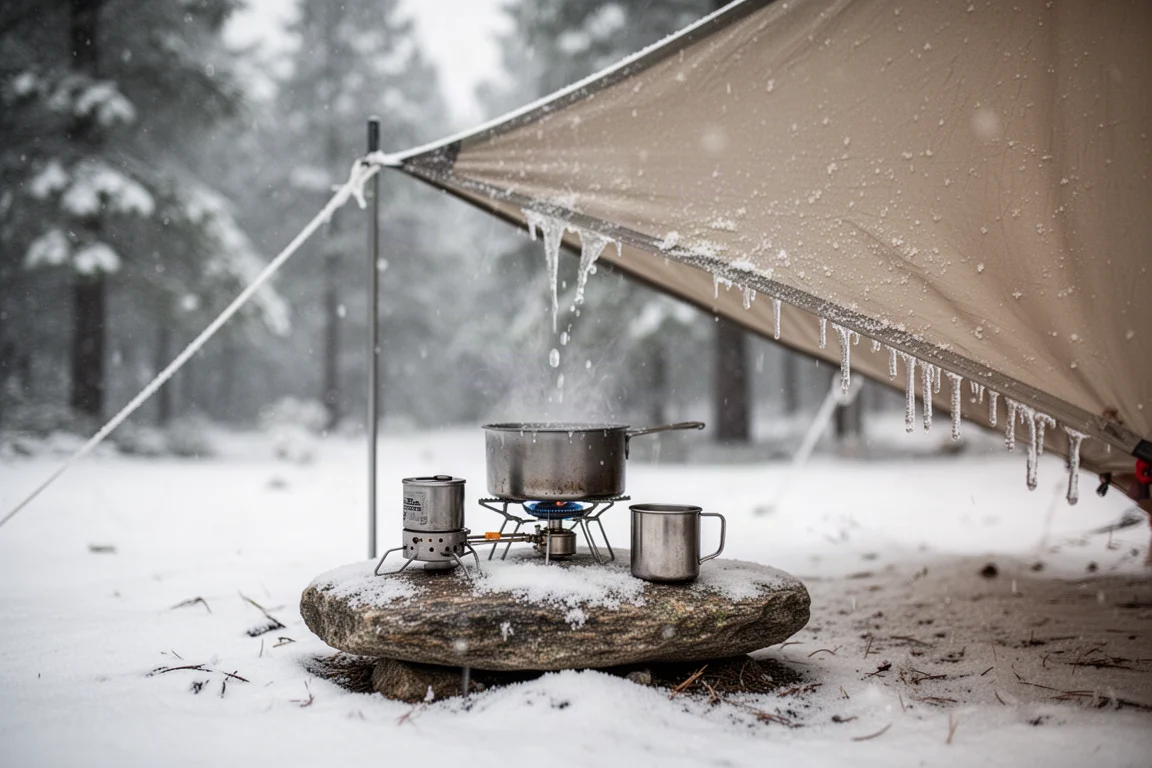
Water discipline matters more than almost anything else. A canteen left outside the tent overnight froze solid, and the fix was to bring it inside and tuck it into the sleeping bag, where it thawed without soaking anything. Anything you want to drink in the morning should sleep with you, not outside in the vestibule.
The ground sheet is the other patience test. Laying it out in a steady wind on an exposed site can be frustrating, and it is worth waiting for a lull or using a sheltered corner of the site to get it positioned before the rest of the pitch begins.
Buying Advice
This setup suits campers who want a genuinely durable, weather-resistant one-person shelter and who expect to use it in cold conditions. The three-season tent on its own is a sensible choice for mild and warm weather, and adding the cold weather conversion kit is what makes winter use realistic. Buyers who camp in snow and ice should plan on both pieces together rather than the tent alone.
It is less appealing if you want a shelter that pitches in seconds or if you camp exclusively in summer, where the mesh-heavy design and the extra wind-block layer add cost and weight you will not use. Expect the first pitch in wind to be slow, and budget a few trips to learn the sequence.
Conclusion
The Light Fighter one-person military tent and its cold weather conversion kit make a convincing winter pair. The tent brings mil-spec durability, strong waterproofing, and a lighter build than most military shelters, while the conversion kit blocks the overwhelming majority of wind, holds in heat, and keeps enough airflow moving to manage moisture. In wind that gusted to 50 mph and overnight temperatures near 12 degrees Fahrenheit, the combination stayed stable, carried its snow load, and kept the interior substantially warmer than the outside air. For cold-weather campers who value a rugged, adaptable one-person shelter, this is a setup worth serious consideration.
Further reading
Related Reviews
Camping Tents
3F UL Gear Taiji Two-Person Tent Review: Field Waterproofing Results and Buying Advice
The Taiji pairs an attached fly with a removable inner, but sustained rain exposed untaped vent seams that need sealing before this shelter can be trusted.
Camping Tents
3FUL Gear Lanshan 2 Pro 4-Season Review: A Sub-$200 Single-Wall Trekking Pole Tent
An early look at the 3FUL Gear Lanshan 2 Pro 4-Season, covering its straightforward pitch, generous interior space, and the condensation and seam-sealing questions that come with any single-wall shelter.
Camping Tents
Alps Mountaineering Lynx 1-Person Tent Review: Big Value in a Small Budget Tent
A close look at the Alps Mountaineering Lynx 1-Person Tent, covering real interior dimensions, materials, setup time, ventilation limits, and who should buy it.