Camping Shelters
Light Fighter Phto 2 AI Review: A Military-Design Shelter for Four-Season Camping
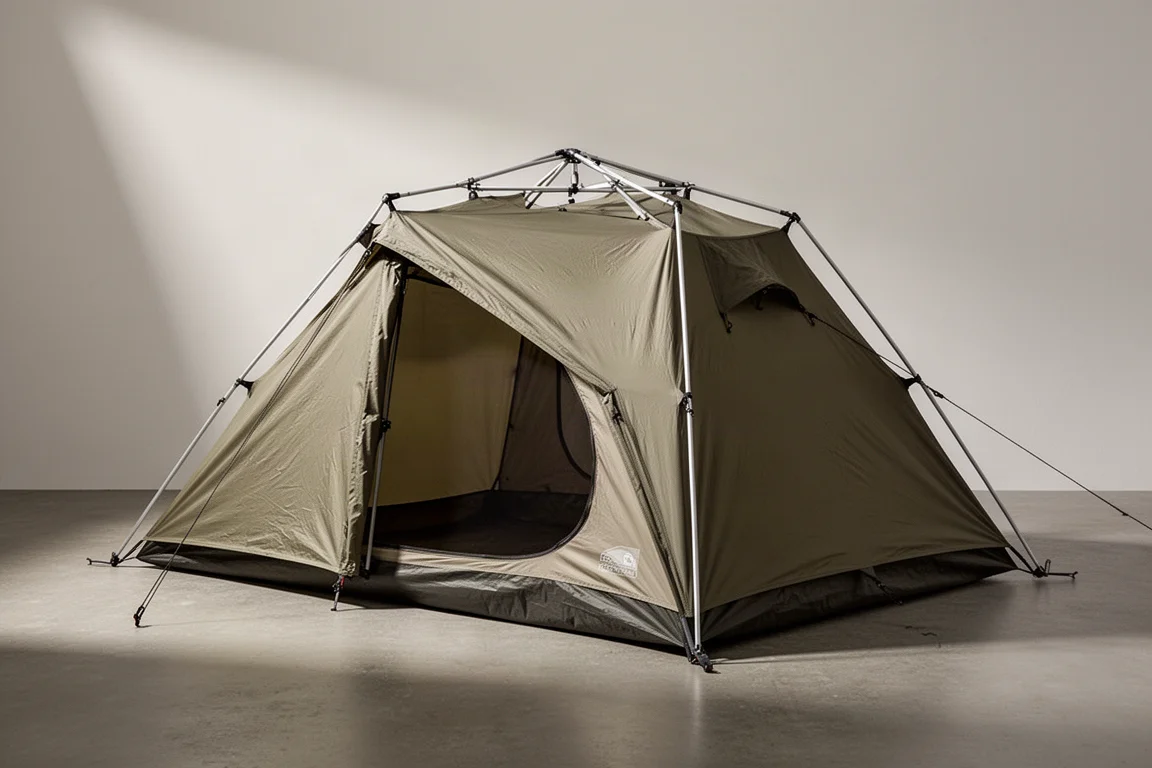
A civilian take on a military shelter design, with the tent, fly, cold weather kit, ground sheet and storage bag bundled into one year-round system.
Introduction
Light Fighter is best known as a military contractor for the US government, and the Phto series is the company’s civilian line of shelters. The Phto 2 AI uses the same design and materials as the company’s US-made military tents, and it is aimed at buyers who do not need Berry Amendment compliant gear. Berry Amendment compliance is a federal regulation that requires Department of Defense funds to be spent on US-manufactured items, and Light Fighter states that military demand is currently consuming its US manufacturing capacity, which is why the Phto line exists as a supplement to that supply.
The name is a nod to the old pup tent, and the shelter itself is a next-generation tactical design rather than a conventional camping tent. The “AI” in the model name stands for All In, which means the package includes everything that can come with the shelter: the tent, the fly, the cold weather kit, snow anchors, a ground sheet and a storage bag the company calls the Tough Sack.
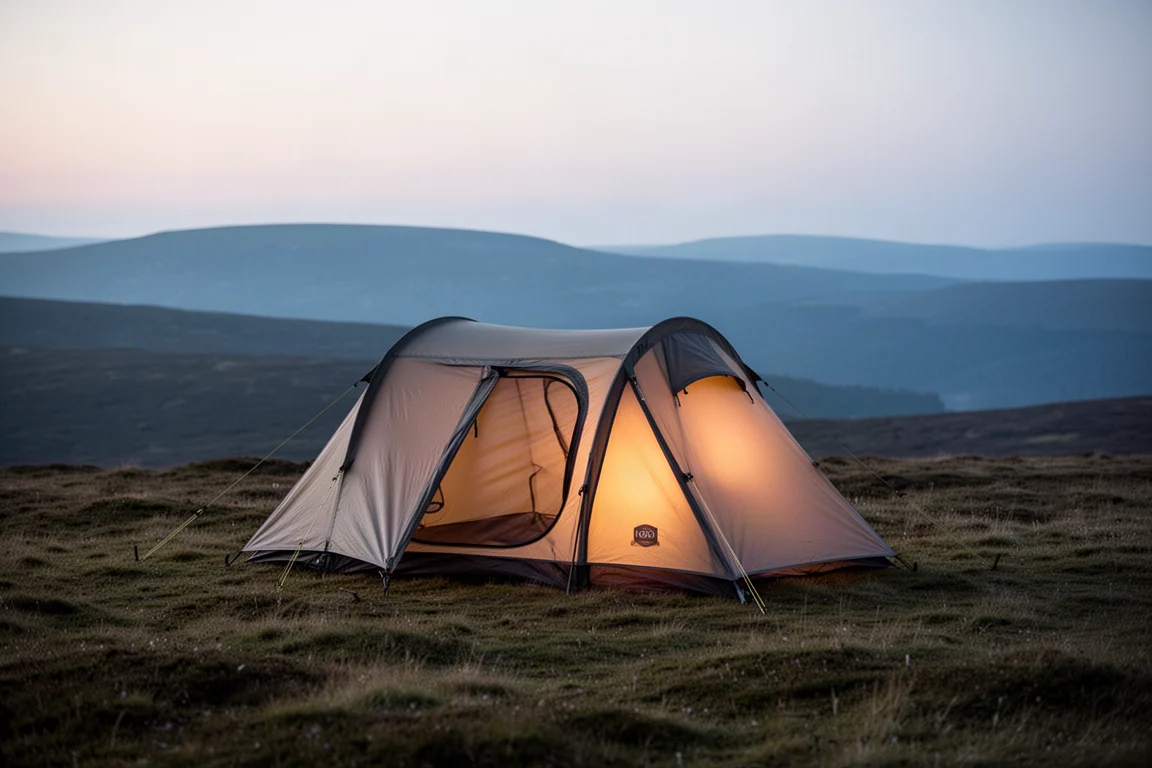
At full retail the two-person All In configuration is $585. The base two-person Phto is $455, the one-person All In is $455 and the one-person tent alone is $355. Light Fighter notes that the Phto tents are designed in the US with US-made fabrics and materials, while the pole set, sewing, assembly and packaging take place overseas, and not in China.
Who This Product Is For
This is a shelter for campers who want one system to cover the whole year rather than a summer tent plus a separate winter tent. The inner tent is heavily meshed for warm-weather airflow, and the cold weather kit adds a fabric layer that turns the same shelter into a four-season design. Buyers who want that flexibility without sourcing accessories separately are the clearest fit for the All In version.
The two-person layout measures 90 inches long, 56 inches wide and 41 inches at the peak, with a door on each side and a large vestibule at each end. That is generous space for two people and their gear, and the twin-door arrangement means nobody has to climb over anyone else in the middle of the night.
The trade-off is weight. The All In two-person setup comes in at 9.9 lb, which is substantial for a backpacking shelter, so it suits buyers who are not counting grams, who camp close to a vehicle, or who are happy to split the load between two people. Buyers who want to travel lighter can strip the system down, and a setup using only the inner tent, fly, poles and stakes comes in at roughly 6 lb.
Main Strengths
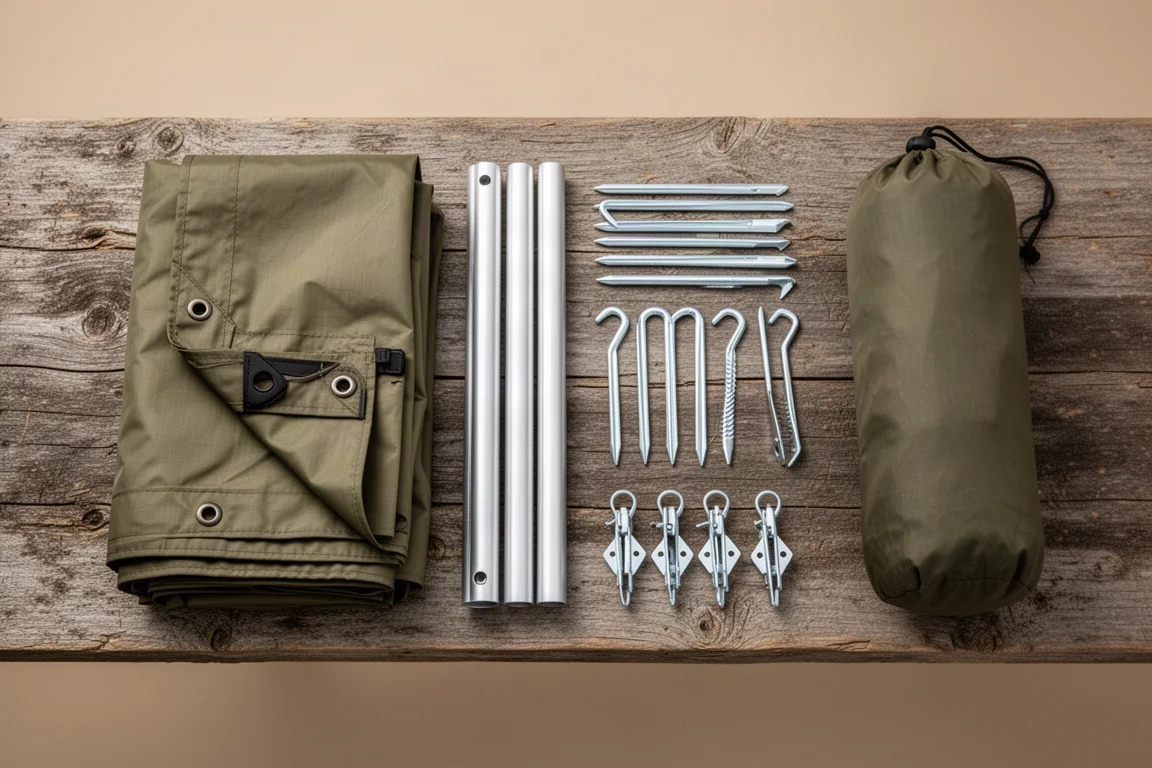
The strongest argument for the Phto 2 AI is completeness. The package contains the inner tent, the fly, the cold weather kit, four sand and snow anchors, a ground sheet and the Tough Sack storage bag. A ground sheet is included with every version of the civilian Phto, which removes one of the most common extra purchases that a new shelter usually demands.
The inner tent is built around a pole that spiders over the top of the shelter. The walls are mostly mesh and the floor uses a bathtub design, so the sleeping area stays ventilated while the floor edge is sealed against ground water. There are two doors, one on each side, both with two-way zippers, and each door can be fully stowed out of the way rather than hanging loose in the doorway. Mesh pockets sit in every corner, with two more high up in the tent for stowing a door panel or keeping small items off the floor.
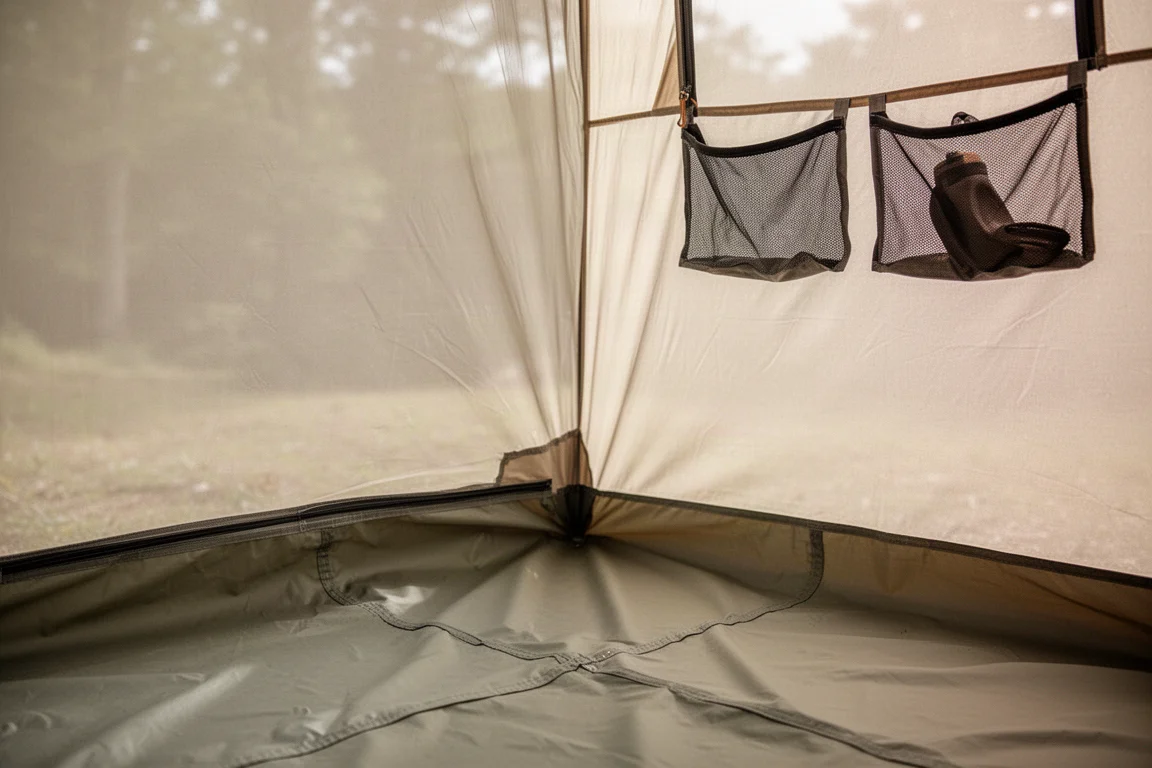
The fly carries a storm flap roughly 3 inches wide over the zippers, which is serious coverage for a shelter of this size. Each door can be rolled back and tied off, and the vestibules are large enough to swallow a substantial amount of gear. Buyers who want the lightest possible build can also leave components behind, since the inner tent, fly, poles and stakes can be carried as a complete but much lighter package.
Versatility is the other headline strength. This is not a single fixed configuration, and the same components can be pitched several different ways depending on the season and the trip.
Components and Setup Options
The Tough Sack is more than a stuff bag. It has two compression straps, webbing across the front, drainage holes in the bottom and a front compartment that houses the aluminium poles. A smaller pocket holds four guy lines, four sand and snow anchors, a repair kit, six tent stakes and a pole repair sleeve. Packed, the shelter measures 19 inches by 8 inches.
The shelter can be pitched with the inner tent alone under a tarp, with the inner tent and the fly, with the inner tent plus the cold weather kit and the fly, or in the configuration Light Fighter calls the Hasty Hooch, which pairs the ground sheet, poles and fly without any inner tent. The inner tent and cold weather kit can also be used together without the fly.
Cold Weather Kit and Four-Season Use
The cold weather kit is the piece that separates this shelter from a conventional three-season tent, and it is the reason the All In package makes sense for year-round campers. A typical four-season tent uses a fabric inner rather than a mesh inner, because mesh is designed to let a breeze through and to release the heat a camper generates inside. In cold conditions those same characteristics work against you, since the goal is to hold warmth in and keep the outside air and wind out. The cold weather kit adds that fabric layer to the meshed inner tent, changing how the shelter behaves without changing the shelter itself.
The kit is included with both All In versions, the one-person and the two-person. Buyers who choose the base Phto tents do not receive it, though it can be purchased separately. That makes the All In versions the straightforward choice for anyone who expects to camp through winter.
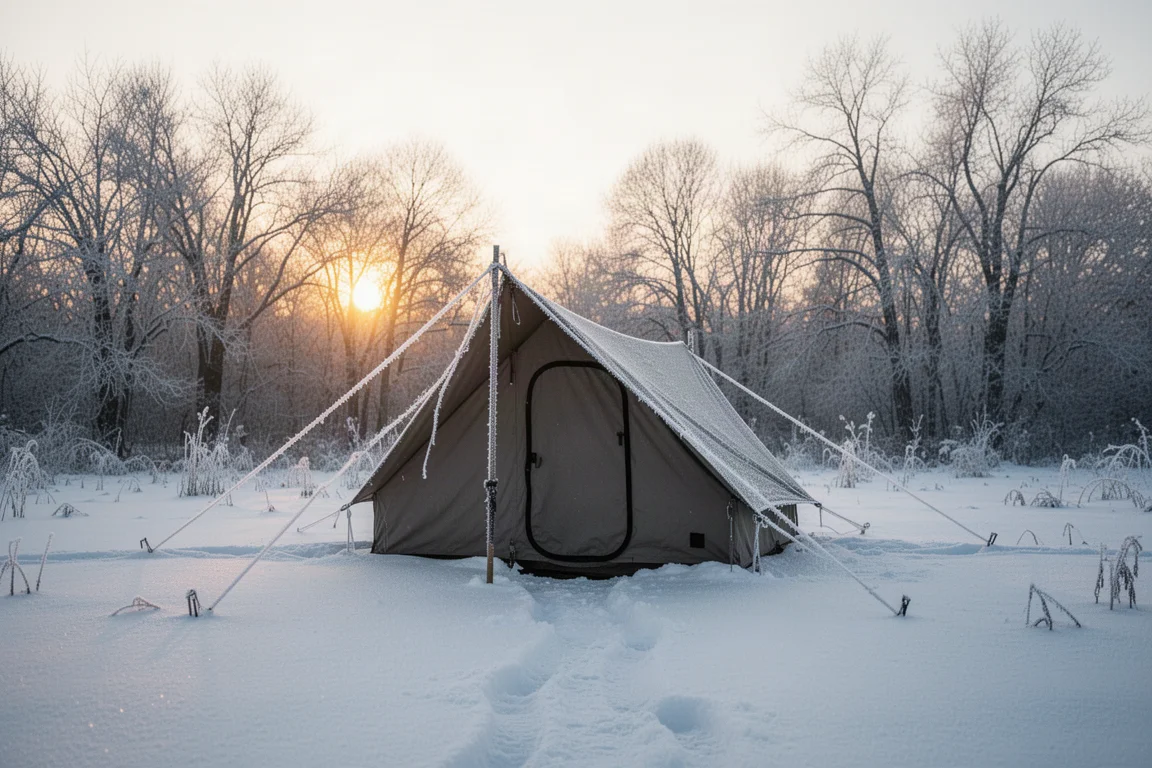
In practice the system is a three-season shelter in summer trim and a four-season shelter once the kit is installed. The fly also sits close to the body, which helps retain heat when temperatures drop, and the combination of the added inner layer and the tight fly gives the shelter a genuinely different character in cold weather than the mesh inner alone.
Things to Consider Before Buying
Weight is the first thing to weigh up honestly. At 9.9 lb for the All In two-person configuration, this is a heavy package for backpacking, even allowing for the fact that it covers four seasons and includes a cold weather kit, a ground sheet and a full storage bag. Stripping the system down to the inner tent, fly, poles and stakes brings it to roughly 6 lb, which is a more realistic figure for trips where every pound matters.
Ventilation in warm weather is the second consideration. The fly can be staked out at the doors and the corners, but there is no way to stake it out at the front or the back, so there is very little separation between the fly and the tent body. In winter that close fit works in your favour because it holds in more heat, but in summer it limits airflow compared with a shelter whose fly can be pulled away from the inner. A pull-out point at the front and rear of the fly would substantially improve warm-weather airflow.
The third point is small but recurring. The corded zipper pulls on the Tough Sack were in poor shape on arrival, and one came undone almost immediately. These pulls are tied in a knot at the end, which is a design that tends to work loose, so expect to re-tie or replace them periodically over the life of the shelter. It is a minor annoyance rather than a functional failure.
Buyers comparing the Phto to the military versions should note the differences. The pole set is made overseas, though not in China, and the sewing and assembly also take place overseas, while the design work, fabrics and materials are US-made. The tent stakes differ, as do the grommets on the inner tent and the fly. At full retail the civilian Phto tents are around $50 less expensive than their military counterparts. Military surplus one-person tents can be found at a substantial discount, while the two-person military variant is rarely seen for sale.
Finally, rain performance is an open question. The civilian line shares the design and materials of the military tents, but buyers should treat wet-weather performance as something to confirm through their own use rather than assume from the spec sheet.
Buying Advice
Choosing between the four versions comes down to two questions: how many people will sleep in it, and whether you intend to camp in winter. The one-person tent alone is $355, the two-person tent alone is $455, the one-person All In is $455 and the two-person All In is $585. If year-round use is the plan, the All In versions are the sensible pick because the cold weather kit, ground sheet, snow anchors and storage bag are already part of the package rather than separate purchases.
If budget is the priority and three-season camping is enough, the base two-person Phto at $455 covers the warmer months, and the cold weather kit can be added later if your plans change. If you want the lightest possible shelter and you are comfortable with a smaller footprint, military surplus one-person tents can be found at a substantial discount, though the two-person military version is rarely available secondhand. For buyers who want a matched, complete system with no missing pieces, the Phto 2 AI removes that guesswork.
Conclusion
The Light Fighter Phto 2 AI is a serious, purpose-built shelter that borrows directly from a military design and packages it for civilian campers. The All In configuration delivers the tent, fly, cold weather kit, ground sheet, snow anchors and storage bag in one purchase, and the cold weather kit genuinely changes the shelter’s capabilities between seasons rather than acting as a marketing extra. The interior is roomy, the twin doors and large vestibules are practical, and the storm flaps show real attention to weather protection.
The compromises are equally clear. At 9.9 lb in its full configuration this is not a lightweight backpacking shelter, warm-weather airflow is limited by a fly that cannot be pulled away at the front or back, and the corded zipper pulls on the storage bag will need periodic attention. Buyers who want one shelter that works through all four seasons, and who are not counting grams, will find a lot to like here.
Product link
View more details for Light Fighter Phto 2 AI
This product is mentioned in the review. Check the specifications, options, and compatibility before buying.
View more details for Light Fighter Phto 2 AIFurther reading
Related Reviews
Camping Shelters
Alps Mountaineering Stealth 1 Bivy Review: A Waterproof Claim That Does Not Hold Up
The Alps Mountaineering Stealth 1 Bivy carries a 2,000 mm hydrostatic head rating and a waterproof claim, but sustained rain exposure and build quality concerns make it difficult to recommend.
Camping Shelters
AquaQuest Safari Hybrid 20 ft x 13 ft Tarp Review: Two Years Under a Very Large Roof
A long-term look at the AquaQuest Safari Hybrid 20 x 13 tarp, covering build quality, weather protection, setup realities, and who should buy one.
Camping Shelters
Backcountry Light Mesa 3 Hot Tent and Floor SL Tarp Review
A practical look at the Backcountry Light Mesa 3 four-season hot tent and its optional Floor SL Tarp, covering materials, stove jack design, packed weight, pricing, and the trade-offs to weigh before buying.