Camping Tents
Light Fighter One Person Tent and Cold Weather Kit Review: A Three-Season Shelter That Becomes Four-Season
A practical look at the Light Fighter One Person Tent and the Cold Weather Kit that turns a lightweight three-season shelter into a genuine four-season setup.
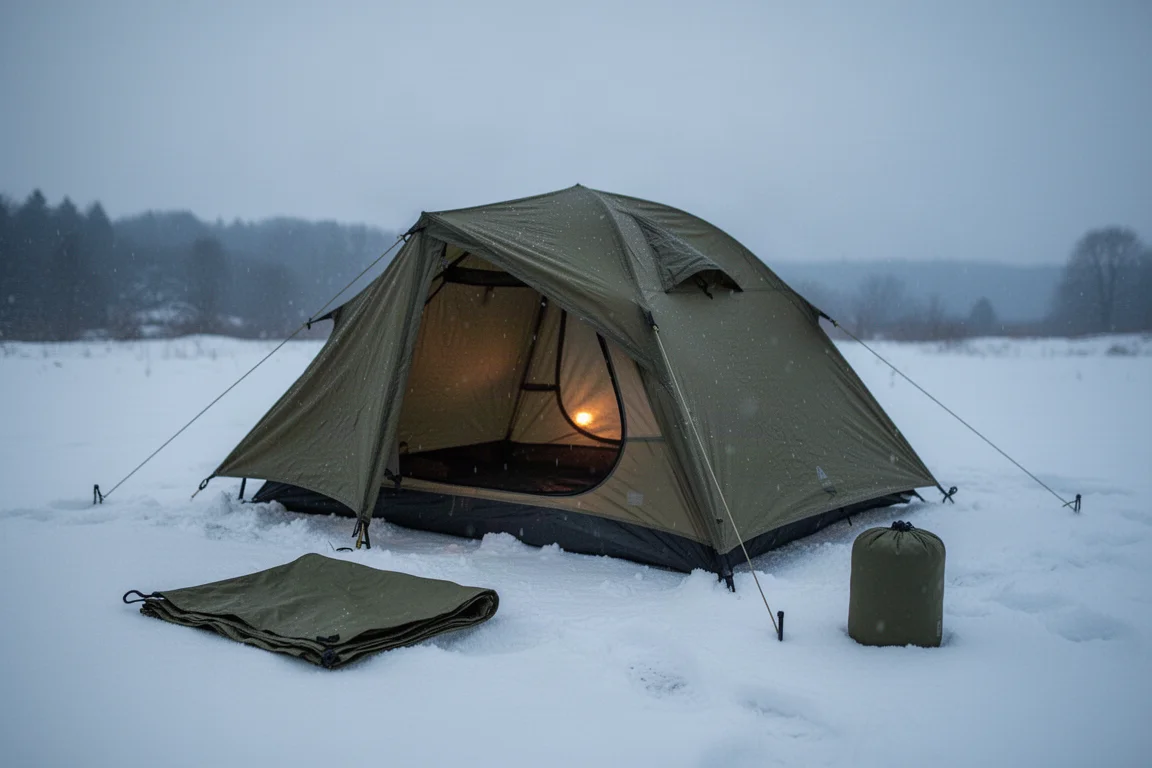
Introduction
The Light Fighter One Person Tent is a military product built as a three-season shelter, with a mesh body and a fly. On its own it handles warm-weather camping well. Add the Light Fighter Cold Weather Kit, also called the wind break, and the same tent becomes a four-season shelter.
That conversion is the reason this setup stands out. Most four-season tents are heavy, expensive, and stay four-season. Most three-season tents never become anything else. This pairing flips the usual approach: start with an affordable three-season tent, then add a lightweight panel when the weather turns cold.
What the Light Fighter System Does
Three-season tents are built around airflow. The Light Fighter One Person Tent uses a mesh body so air moves through the shelter freely, which keeps the interior cooler in summer and still allows ventilation when the fly is zipped shut and staked out in rain.
Four-season tents work the opposite way. They are designed to hold heat in, block blowing snow, and stop wind from pushing through the walls. The Cold Weather Kit does exactly that job for this tent. It covers the mesh so wind, snow, and cold air cannot pass through, while the fabric still releases moisture so condensation does not build up inside.
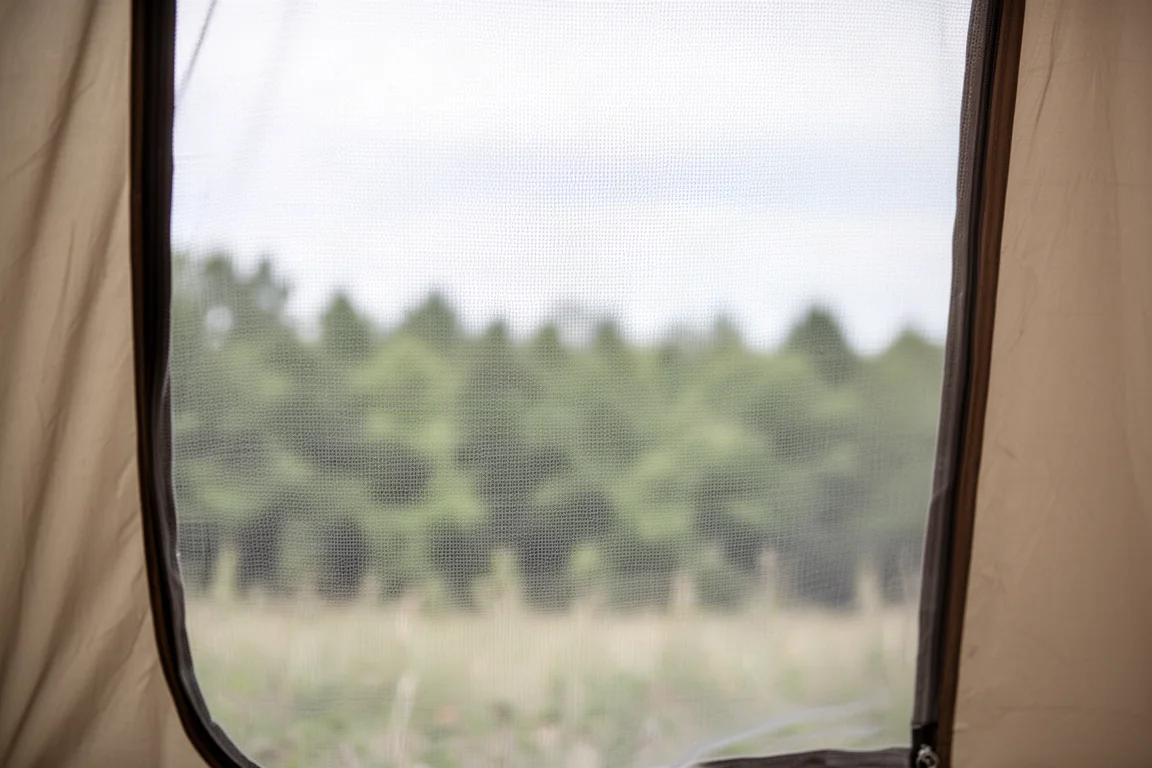
The result is one shelter that can be configured for two very different seasons, rather than two separate tents.
Light Fighter One Person Tent: The Three-Season Base
The tent itself is straightforward: a mesh inner body, a fly, and pole clips that connect the body to the frame. Setup is easy once you are accustomed to it, and it takes roughly five minutes. On its own the tent is a strong three-plus season shelter that covers warm and shoulder-season trips.
It is also the affordable half of the system. The tent can be picked up for around $100, which puts a genuine one-person backpacking shelter within reach for most budgets.
Light Fighter Cold Weather Kit: The Four-Season Conversion
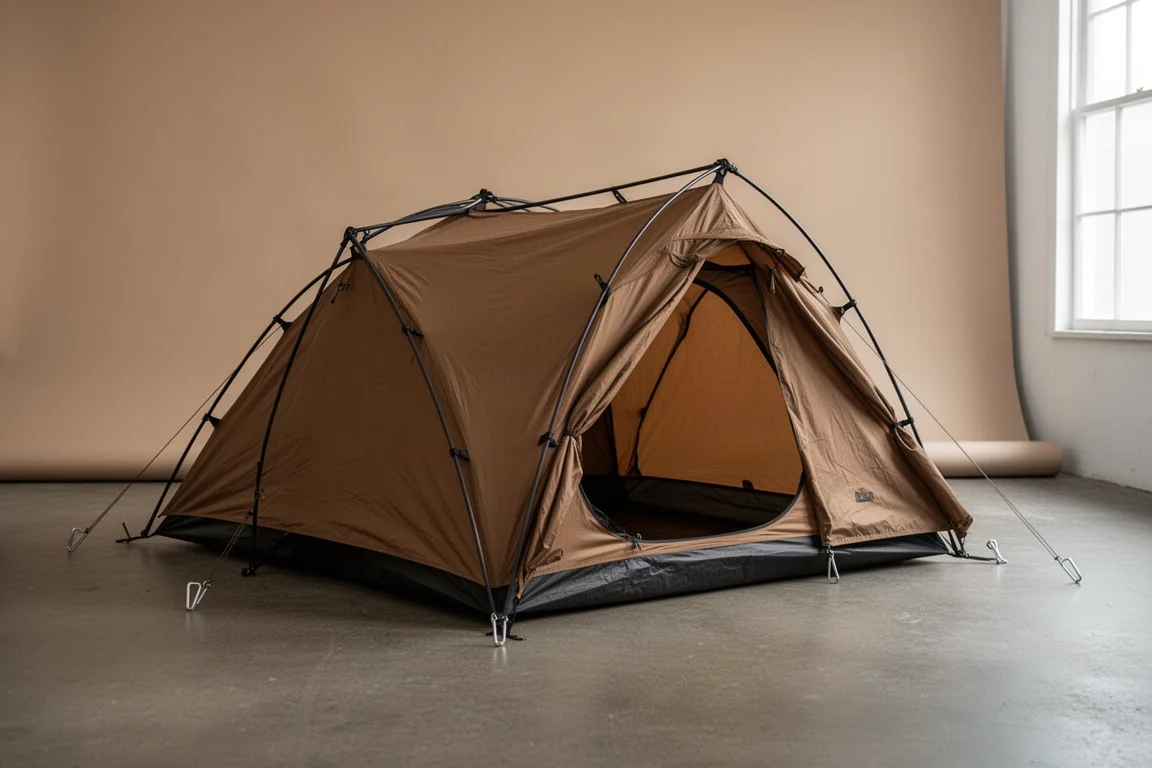
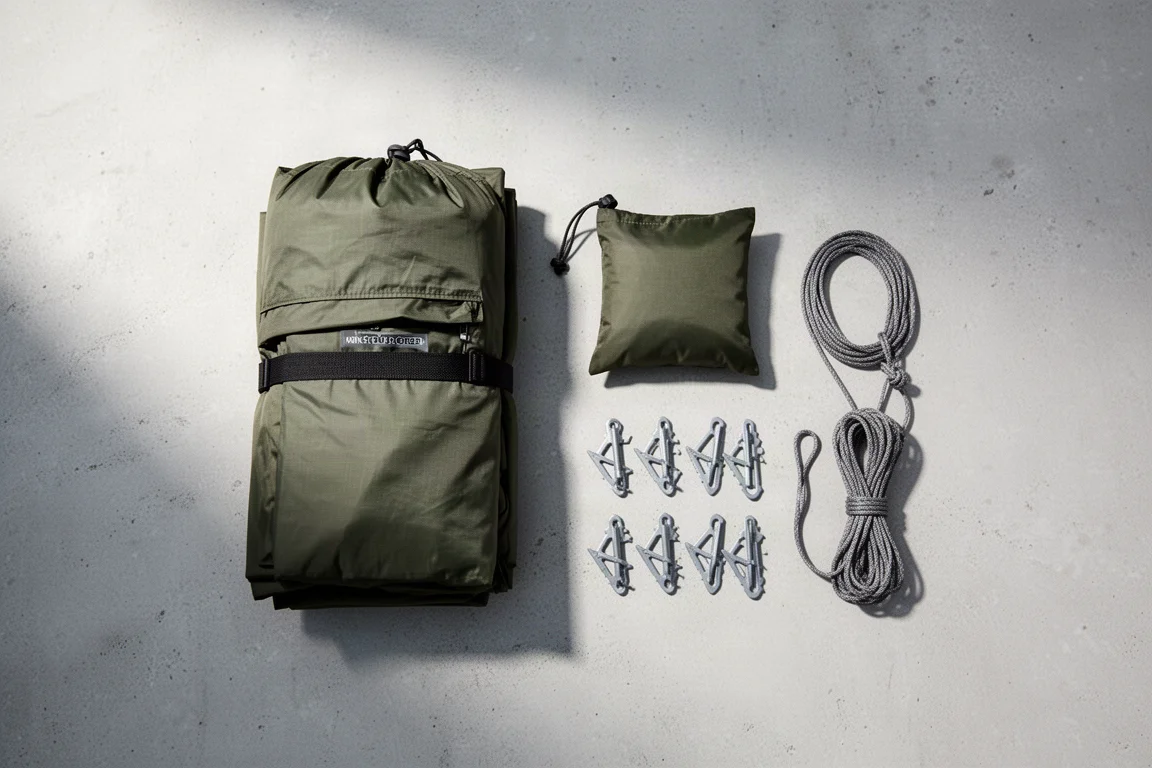
The kit ships with three things: a storage bag, four snow anchors, and the windbreak panel itself. The snow anchors attach to the tent and can be filled with snow and buried, which gives the shelter a secure hold in soft winter ground.
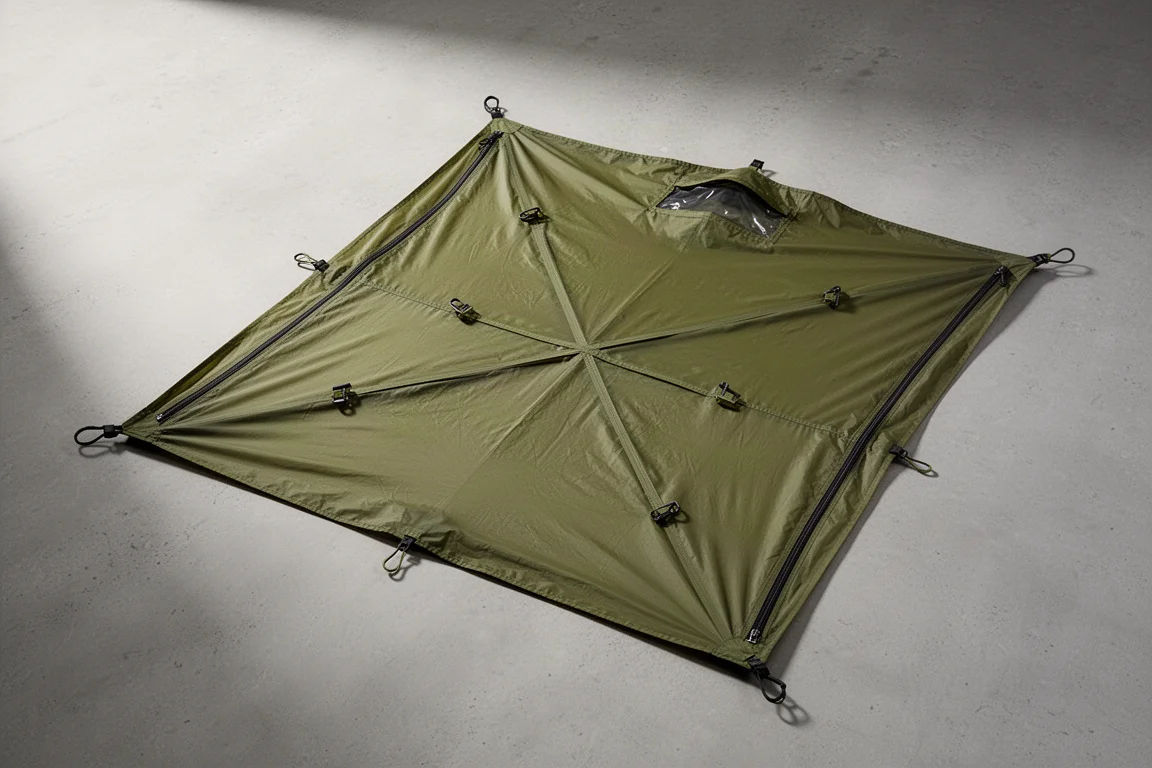
Installation is simple. Start with the tent body disconnected from the poles, lay the panel over the body, and line up the slits in the fabric with the clips that connect to the poles. Pull each clip through its slit, attach it to the pole, and work your way around the body. Each corner has a hook that fastens to the tent body, and once those are attached you can refit the fly.
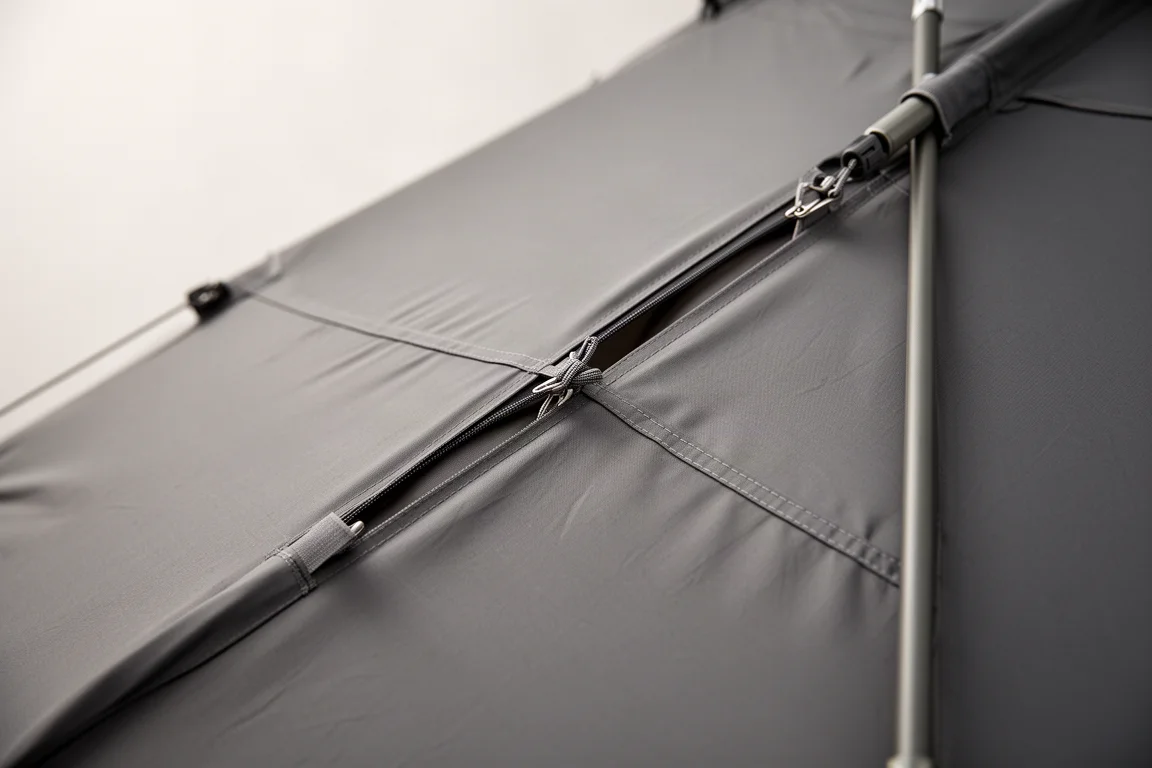
With the panel in place, every section of mesh is covered. The doors are covered, the sides are covered, and only the two top vents remain open, one on each side. Each door has a single zipper and can be rolled back and tied off when conditions allow.
The kit weighs 14.2 ounces including the bag and the anchors. It uses YKK zippers and 30 denier water-resistant nylon, and the storage bag measures roughly five by five inches, so it packs down small.
Installation and Setup Time
Plan for about ten minutes in total: five minutes for the tent and another five for the kit. The first installation is the slowest part, because every clip has to be threaded through its slit. Once the tent is broken down, the clips stay where they are, so the next setup is quicker and you do not have to repeat that step.
Real-World Winter Performance
The kit was used through a full winter, including conditions with roughly six to seven inches of snow and wind speeds around 40 miles per hour. It handled those conditions well and held up in some of the worst weather of the season.
It is worth being precise about what this system is. The tent on its own is a strong three-plus season shelter, and with the kit it is ready for average snow events and average wind events. For a full blizzard or an expedition, a dedicated four-season or expedition tent is still the right tool.
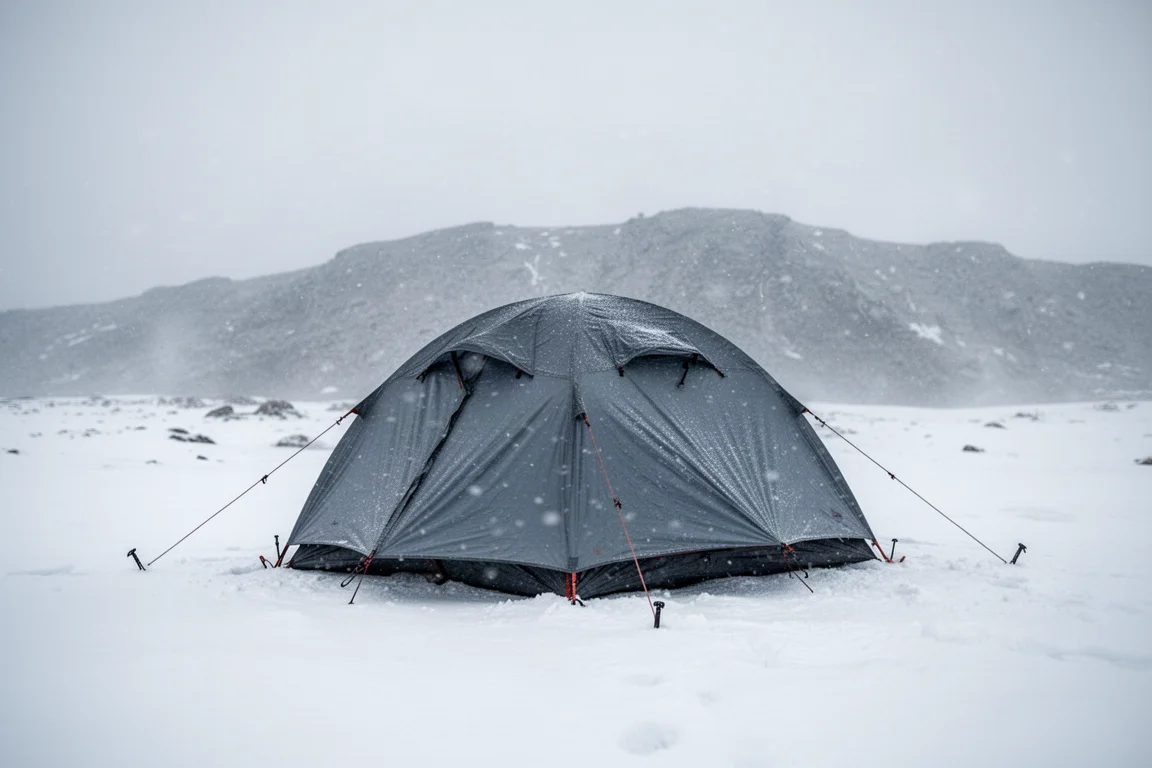
What the fabric does is exactly what you want in winter: it blocks wind, blocks snow, retains heat, and still lets moisture escape so condensation does not become a problem.
Things to Consider Before Buying
There are two trade-offs worth knowing. The first is setup time. The kit adds about five minutes to a first-time pitch, though that drops once the clips are already threaded.
The second is the centre of the panel. The kit uses velcro to hold the windbreak against the tent body, but there is no velcro at the very centre, so the panel can flap a little. In a specific combination of wind direction and pitch, wind could potentially work behind the panel. That has not happened in testing, and the company has said it was working on a solution for it.
It is also worth noting that the kit is available for the one-person tent only.
Buying Advice
Together, the tent and the kit come to roughly $200 for a shelter that works year round. That number matters because the alternatives are far more expensive. Four-season tents that can be converted to three-season start around $800 and climb from there, and their conversion kits typically run $200 to $300. As for three-season tents that convert to four-season, none are known here.
Availability is the other factor. Tent production has been constrained by material and staffing shortages, and some models have been hard to find for long stretches. If this system fits how you camp, it is worth buying when you find it rather than waiting for a better moment.
Conclusion
The Light Fighter One Person Tent and the Cold Weather Kit solve a real problem in a smart way. A lightweight three-season tent gains a genuine cold-weather mode, the fabric behaves the way winter camping demands, and the whole system costs a fraction of a convertible four-season tent. For average snow and wind, that is a lot of capability for the money, and it is easy to recommend to anyone who wants one shelter for every season.
Further reading
Related Reviews
Camping Tents
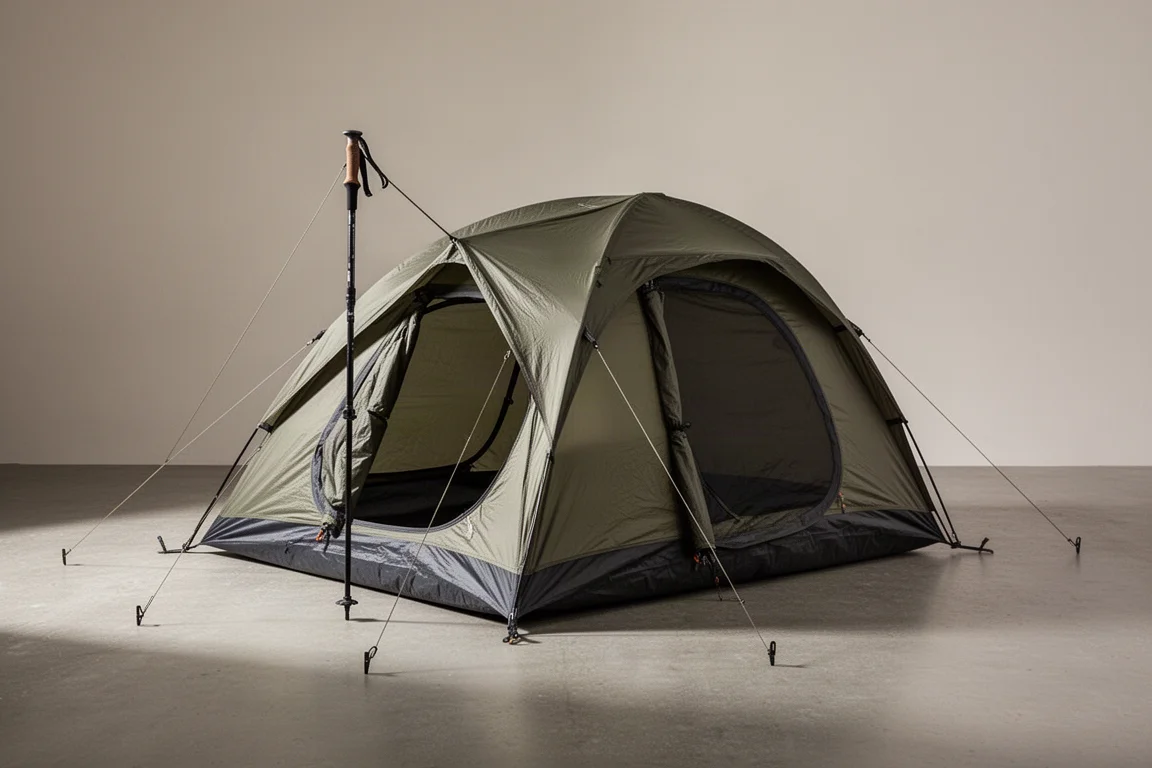
3F UL Gear Taiji Two-Person Tent Review: Field Waterproofing Results and Buying Advice
The Taiji pairs an attached fly with a removable inner, but sustained rain exposed untaped vent seams that need sealing before this shelter can be trusted.
Camping Tents
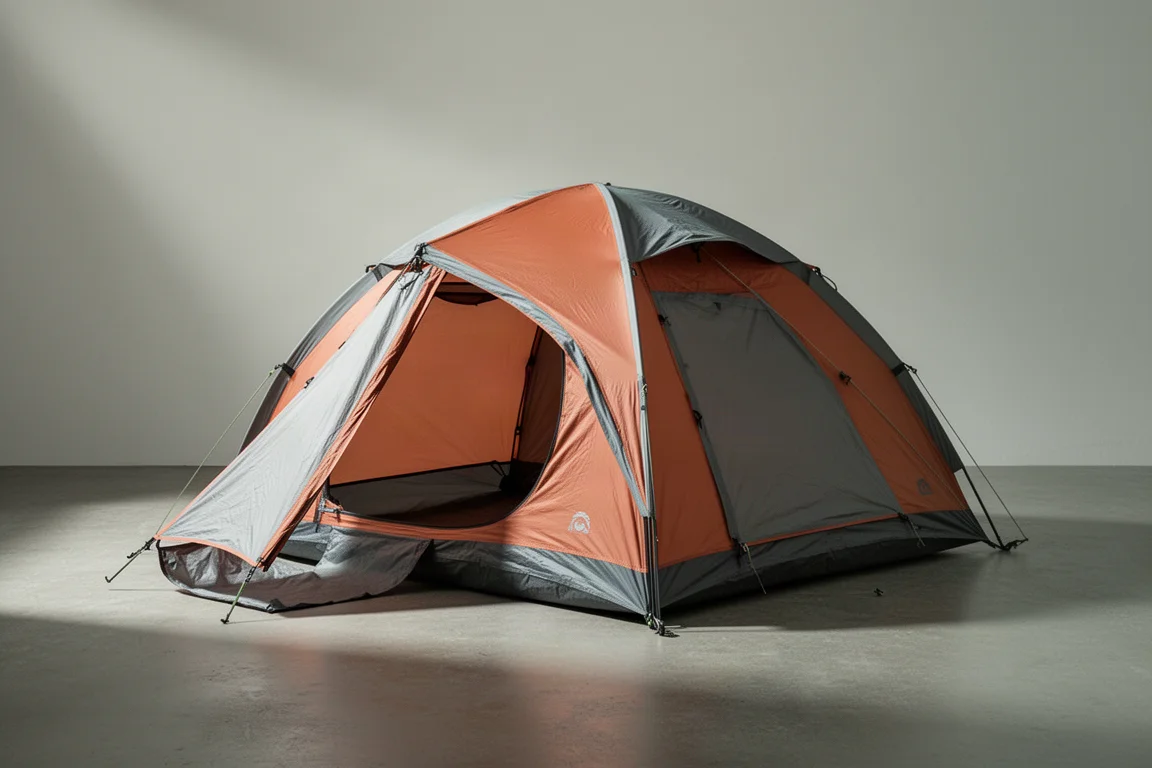
3FUL Gear Lanshan 2 Pro 4-Season Review: A Sub-$200 Single-Wall Trekking Pole Tent
An early look at the 3FUL Gear Lanshan 2 Pro 4-Season, covering its straightforward pitch, generous interior space, and the condensation and seam-sealing questions that come with any single-wall shelter.
Camping Tents
Alps Mountaineering Lynx 1-Person Tent Review: Big Value in a Small Budget Tent
A close look at the Alps Mountaineering Lynx 1-Person Tent, covering real interior dimensions, materials, setup time, ventilation limits, and who should buy it.