Camping Tents
Light Fighter Catamount 2 Tent Review: A Four-Season Shelter That Stayed Dry
A four-season, double-wall tent assessed through steady rain, with notes on ventilation, interior space, weight, packed size, and exposed pole design.
Introduction
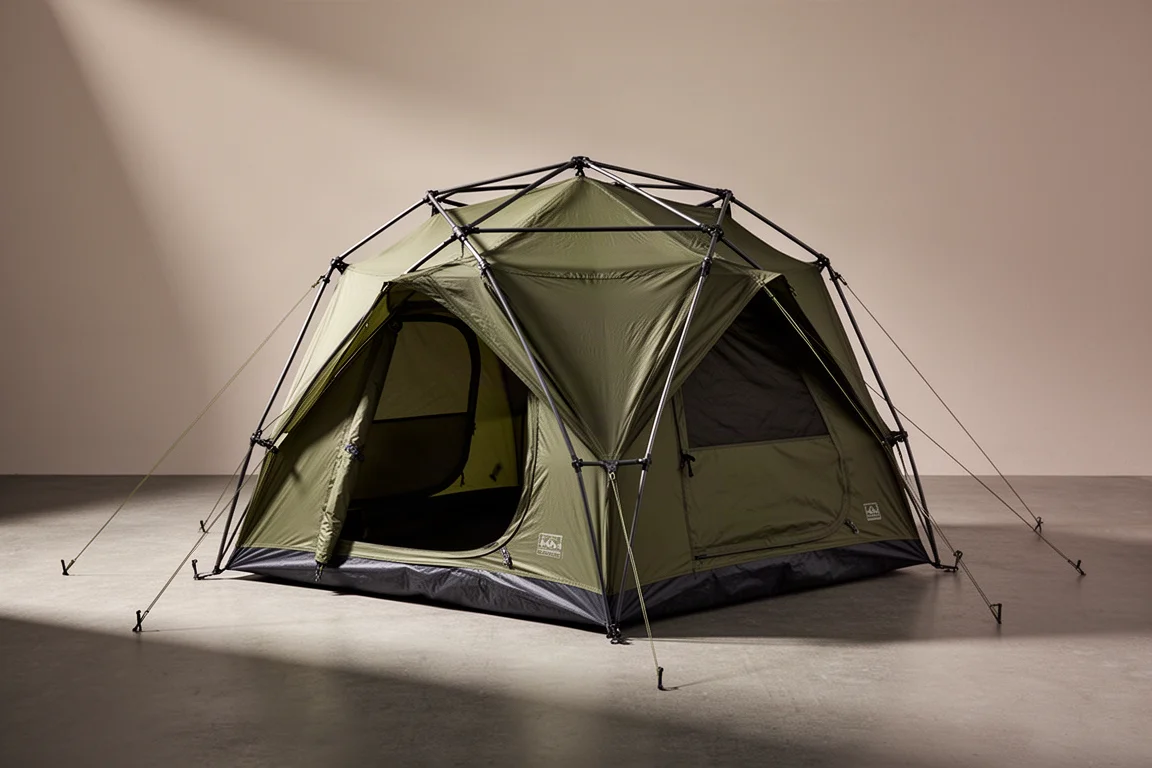
The Light Fighter Catamount 2 is a four-season, double-wall tent designed for cold-weather camping, base camp duty, and car-supported trips. It is not a lightweight shelter, and it does not pretend to be one. What it offers instead is a stout structure, a straightforward pitch, and enough interior volume for two people and their gear.
An earlier production run of this tent developed a serious leak problem. Light Fighter investigated, identified a flaw in that run, and recalled it. The version assessed here is the current replacement, and it was put through wet weather before any conclusions were drawn.
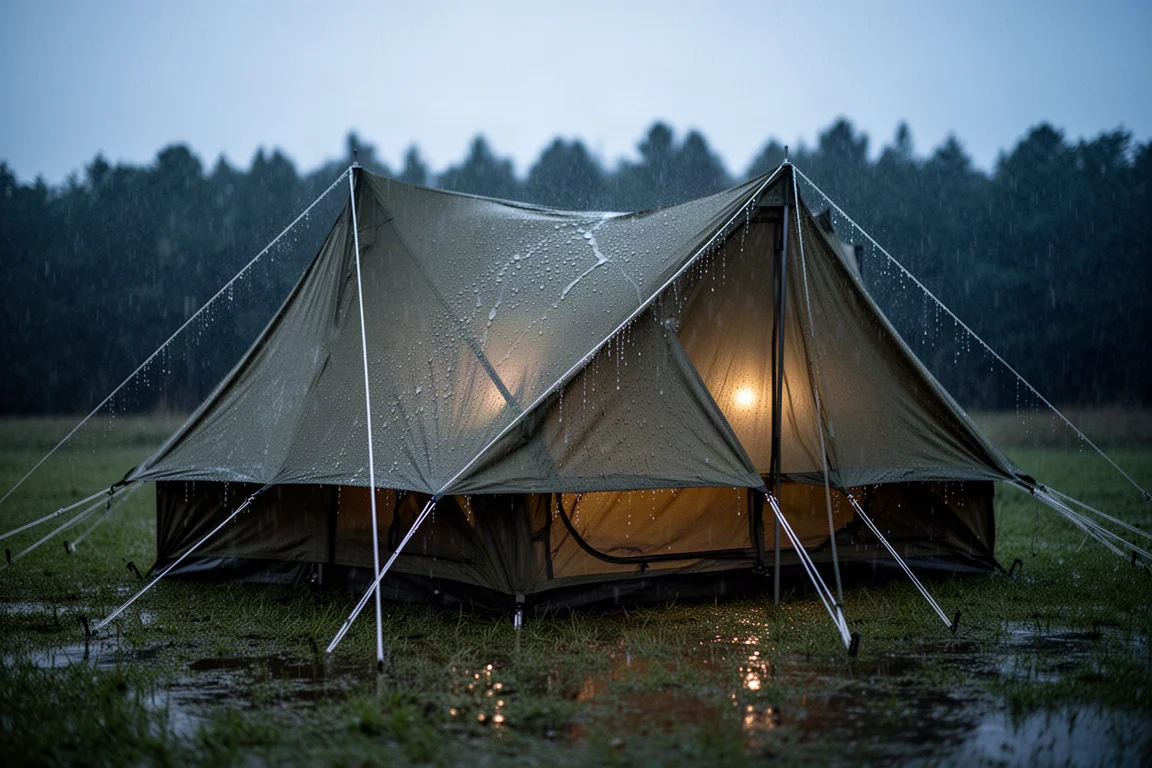
Across roughly 12 to 14 hours of steady rain, with about a quarter inch of precipitation falling on the shelter, the interior stayed completely dry. That is the baseline expectation for a four-season tent, and this one met it.
Who This Tent Is For
This shelter suits campers who arrive by vehicle and stay put for a few nights: cold-weather base camps, winter car camping, hunting and fishing trips, and any outing where weather is the main variable and carried weight is not.
It also suits two people who want room to spread out. The interior behaves more like a two-and-a-half-person space than a strict two-person layout, with room for two large sleepers and their gear, plus two vestibules for boots, packs, and wet layers.
It is not the right choice for backpackers or anyone covering long distances on foot. The packed form factor is large and the shelter is heavy, so it belongs in a vehicle or on a short carry rather than inside a pack.
Main Strengths
The double-wall construction is the foundation of the design. A separate inner body and fly create an air gap that helps block wind, hold warmth, and keep condensation away from the sleeping area.
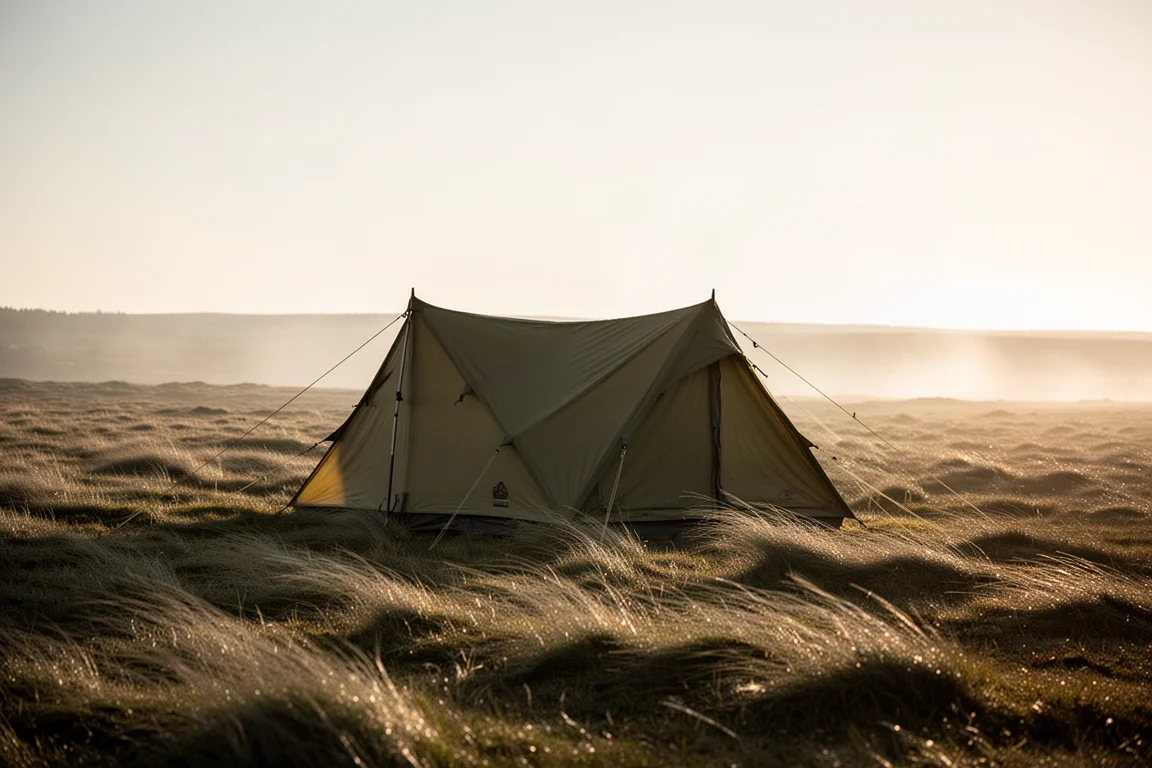
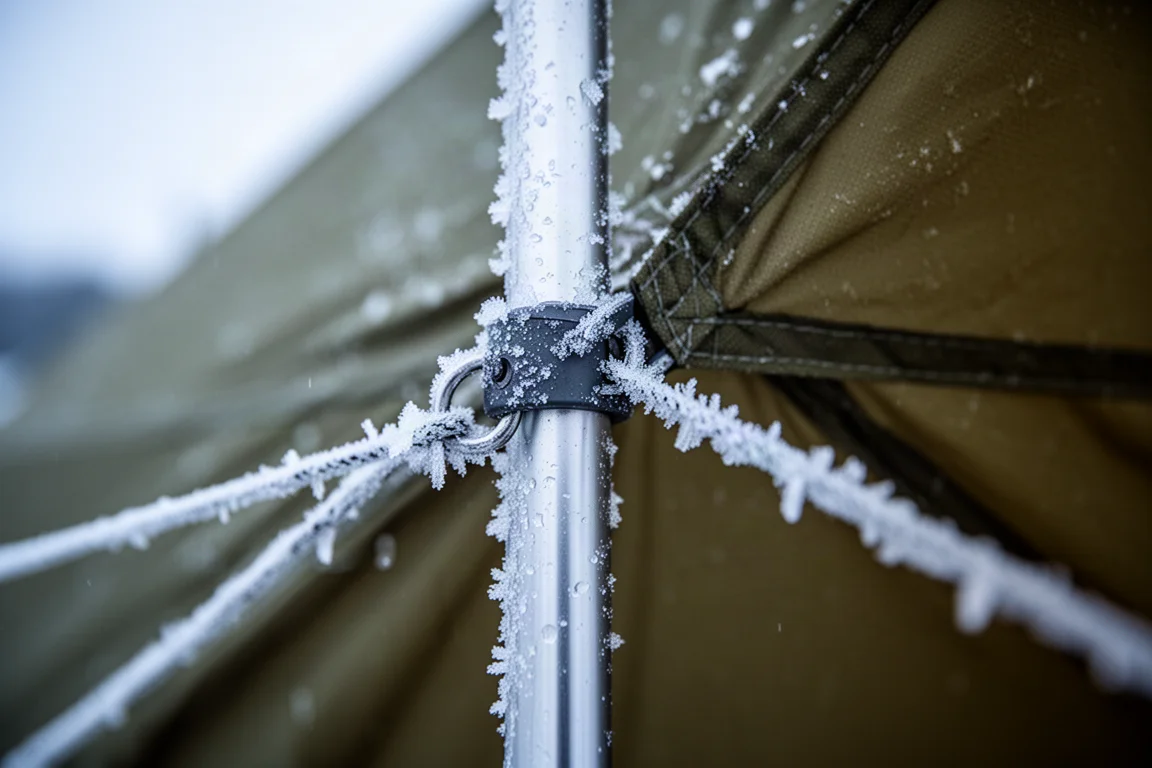
Ventilation is a genuine strength. Moisture did form on the inside of the fly overnight and froze, but it melted away as soon as the sun came up, and a light morning breeze dried the shelter out. Some condensation is possible in certain conditions, yet the separation between the fly and the body keeps it manageable.
Stability is another plus. The tent handled winds up to 30 miles per hour without trouble, and the frame keeps its shape in gusty conditions. Setup is also refreshingly simple for a four-season shelter, which matters when hands are cold and daylight is fading.
Light Fighter’s handling of the earlier leak issue is worth noting as well. The company investigated the problem, identified the flaw, and recalled the affected run rather than leaving buyers to deal with it.
Rain and Condensation Testing
The shelter spent roughly 12 to 14 hours in steady rain, with about a quarter inch of precipitation. The rain was consistent rather than heavy, and at no point did water reach the interior.
Cold overnight temperatures caused a small amount of frost to form on the inside of the fly. By morning, sunlight and a light breeze cleared it, leaving the interior dry.
Because the replacement arrived late in the season, full winter storm testing was not possible. Heavy snow loading and extreme cold were not directly verified, so those aspects are best treated as untested rather than guaranteed.
Space, Stability, and Setup
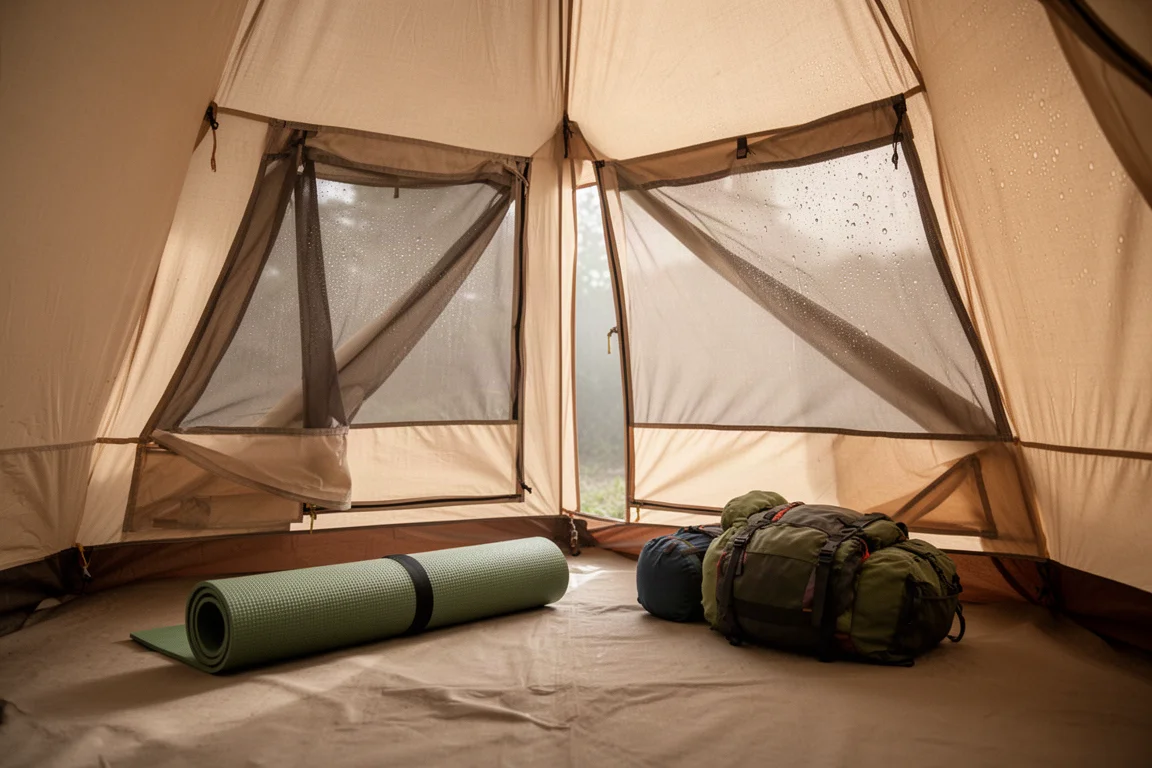
Interior volume is generous. Two large adults fit comfortably alongside their gear, and the vestibules add useful covered storage for packs and wet clothing. Two doors make entry and exit easy for both occupants without climbing over each other, and headroom is excellent for a tent of this class.
The pitch is simple and quick, especially given the four-season brief. The external frame goes up in a logical sequence and the fly follows without a fight.
Wind performance held up well in testing, with gusts up to 30 miles per hour causing no drama.
Things to Consider Before Buying
Weight and packed size are the two biggest practical constraints. The tent is very heavy and its packed form factor is huge, which rules out any real backpacking use and makes it a car camping or base camp shelter in practice.
The exoskeleton pole design is the other point to weigh. Because the poles sit on the outside of the shelter, they are exposed to the weather. If they get wet and then freeze, ice can build up on them and make the sections difficult to separate. That is a minor inconvenience in mild conditions and a real annoyance in deep cold.
Snow loading performance was not verified in storm conditions, so anyone buying primarily for heavy snowfall should plan around that gap.
Buying Advice
Buy the Catamount 2 if you want a spacious, weather-ready four-season shelter that you can drive to and leave standing for several days. Its strengths are space, stability, simple setup, and a dry interior in prolonged rain.
Look elsewhere if weight or packed size matters. A shelter this heavy only makes sense when a vehicle carries it and the campsite stays put.
For anyone weighing a purchase, the practical question is whether the extra room and the four-season build justify the bulk. For cold-weather base camping, that trade-off is usually easy to accept.
Conclusion
The Light Fighter Catamount 2 did what a four-season tent is supposed to do in wet weather. It kept the interior dry through an extended rain event, ventilated well enough to keep condensation in check, and stood firm in gusty wind. Its weight and packed size limit who should buy it, and the exposed poles deserve consideration in freezing conditions. For car-based cold-weather camping, it is a capable and comfortable choice.
Product link
View more details for Light Fighter Catamount 2 Tent
This product is mentioned in the review. Check the specifications, options, and compatibility before buying.
View more details for Light Fighter Catamount 2 TentFurther reading
Related Reviews
Camping Tents
3F UL Gear Taiji Two-Person Tent Review: Field Waterproofing Results and Buying Advice
The Taiji pairs an attached fly with a removable inner, but sustained rain exposed untaped vent seams that need sealing before this shelter can be trusted.
Camping Tents
3FUL Gear Lanshan 2 Pro 4-Season Review: A Sub-$200 Single-Wall Trekking Pole Tent
An early look at the 3FUL Gear Lanshan 2 Pro 4-Season, covering its straightforward pitch, generous interior space, and the condensation and seam-sealing questions that come with any single-wall shelter.
Camping Tents
Alps Mountaineering Lynx 1-Person Tent Review: Big Value in a Small Budget Tent
A close look at the Alps Mountaineering Lynx 1-Person Tent, covering real interior dimensions, materials, setup time, ventilation limits, and who should buy it.