Hydroponics
LetPot Max Review: Unboxing and First Impressions of a Feature-Packed Hydroponic System
A hands-on first look at the LetPot Max hydroponic garden: what's in the box, how setup works, and early impressions of its big reservoir, bright grow light, and app control.
Introduction
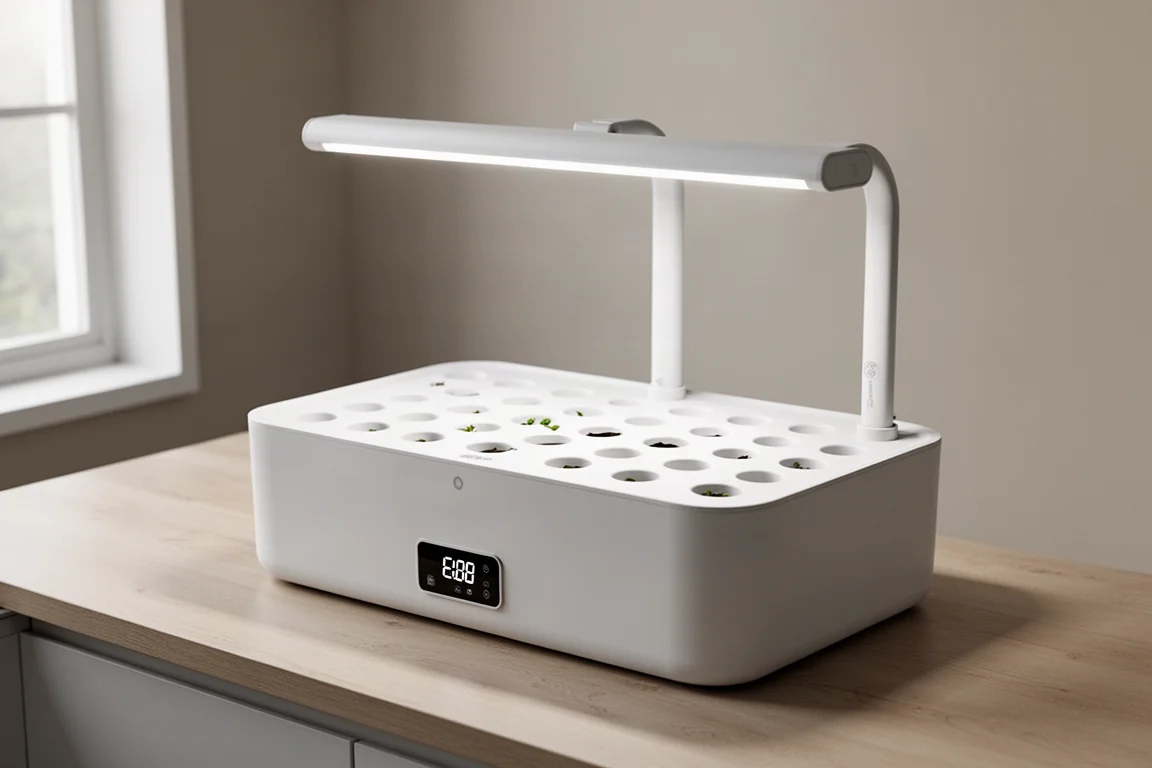
If you have spent any time around indoor hydroponic gardens, you already know the big names: AeroGarden, Rise Garden, Click and Grow. The LetPot Max is a newer contender, and on first look it brings some genuinely interesting features to the countertop garden category, including a large water reservoir, a bright adjustable grow light, and full control through a companion app.
This is a first impressions review based on unboxing and initial setup. Long-term growing results, including how the unit handles a crop of micro tomatoes, will be covered in follow-up testing. For now, here is everything worth knowing before you buy.
Who This Product Is For
The LetPot Max suits anyone who wants a larger countertop hydroponic system with room for a meaningful number of plants. With 21 planting holes, it sits in the same size class as bigger units like the AeroGarden Bounty, and it is a natural fit for growers who want more capacity than a small six-pod sprout garden without committing to a full tower system.
It is also a good match for tinkerers. Between the manual and automatic nutrient modes, a customizable display, and a surprisingly capable app, there is a lot to explore here if you enjoy fine-tuning your setup.
Unboxing the LetPot Max
The box includes paperwork, two types of solid plant food (A and B nutrients with a breakdown of their contents), a user manual, the main unit with its grow light and foam grow deck, grow baskets, germination domes, grow pods with sponges, a power adapter, a transparent tube, and the nutrient bottles.
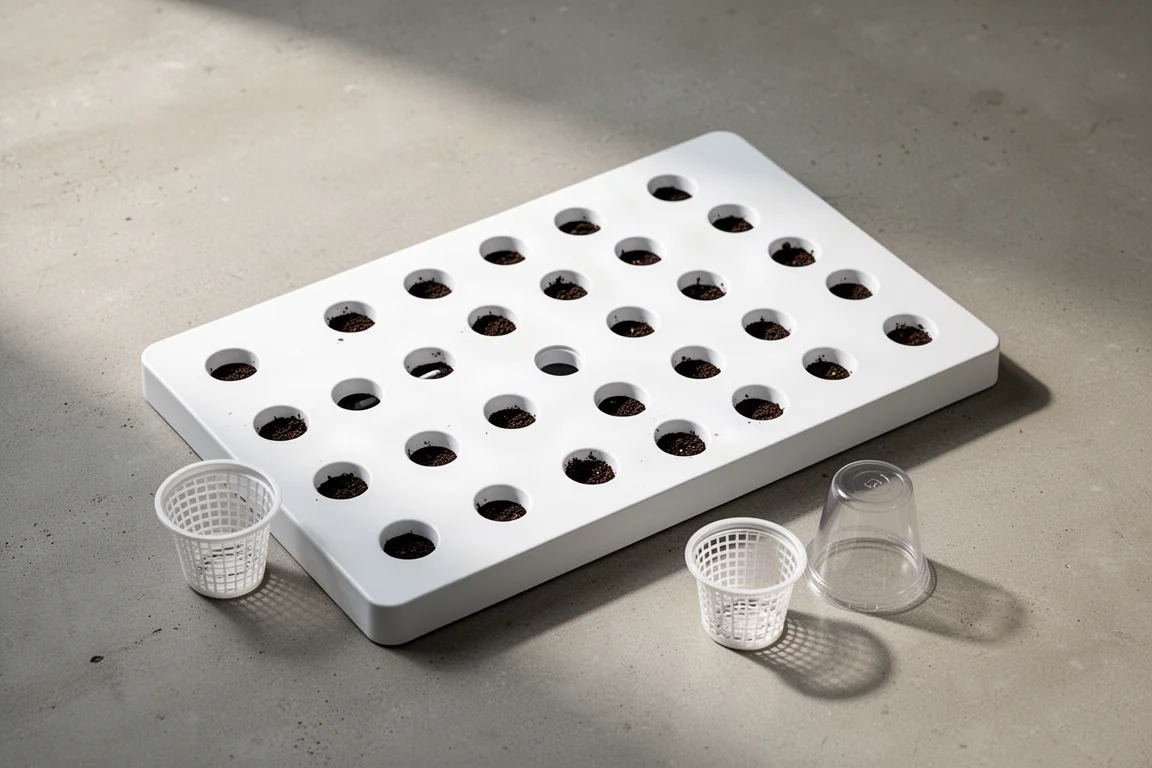
The footprint is substantial: roughly 10 inches front to back and 14.5 inches in the other direction, with a grow light that lifts upward to accommodate plant growth. The 21-hole grow deck is generous, but the classic advice applies: do not plant every hole. Seedlings look tiny at first, then take over, and a fully planted deck quickly becomes a jungle.
One practical note on those unused holes. Anywhere you have water, nutrients, and light, you have the conditions for algae. Cover any holes you are not using with something opaque. The holes appear to be the same size as AeroGarden’s, so AeroGarden hole covers should fit, but golf balls or any opaque plug work just as well.
Build Quality and Cleaning
Construction on first inspection feels solid, and the included baskets seem a step up in quality compared with similar AeroGarden parts. The germination domes, however, are noticeably shorter than AeroGarden’s. That matters: domes are only for boosting humidity during germination, and if leaves touch the dome, moisture combined with the grow light can act like a magnifying glass and burn them. Watch closely and remove domes early.
The one build downside is under the grow deck. It is covered in ridges and nubs rather than a flat surface, which makes cleaning harder than it needs to be. It is still easier to clean than a multi-piece AeroGarden deck that has to be pulled apart, but expect whatever sponge or cloth you use to take a beating.
Nutrients and Water: Getting the Mix Right
The LetPot Max ships with solid A and B nutrients that you hydrate yourself. For normal (manual) mode, the recipe is 25 mL of nutrient A plus 25 mL of nutrient B mixed into 5 liters of water, stirred completely, then poured in through the fill cover.
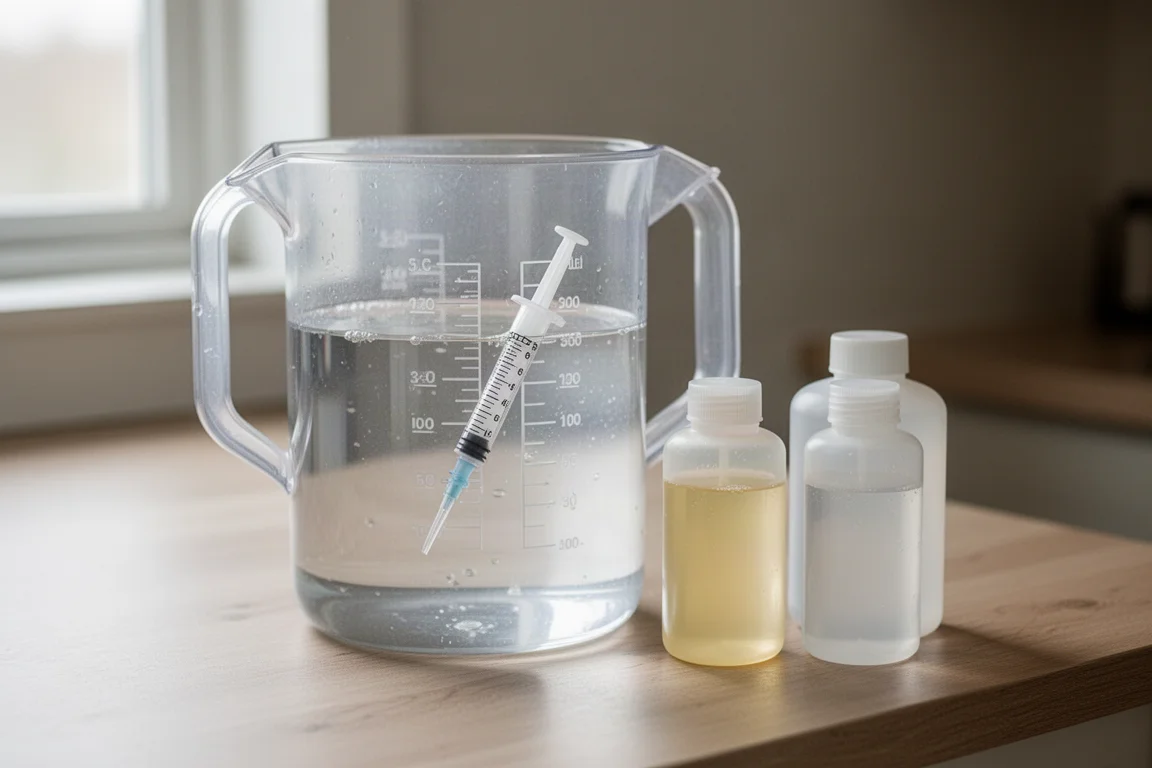
A few handling tips worth following. Keep the A and B caps separate and dedicated to their own bottles, because mixing certain nutrients together can cause them to solidify. Nutrient A has a yellowish tinge, B is nearly clear, and the bottle caps screw down to a small nozzle rather than popping off, which keeps things tidy. A syringe makes measuring easy, and there are measurement markings on the bottles as well.
As for water, the instructions suggest purified water for hydrating the nutrient bottles. Beyond that, tap water works for most people, though some growers swear by distilled water only. Either approach is fine; it largely comes down to preference.
The Display and Grow Light
The front display is a genuine highlight. It is bright, responsive, and more impressive than anything seen on the AeroGarden units in this comparison. The screen sleeps when idle and wakes with a touch, and the grow light itself is very bright and can be dimmed.
One aesthetic note: the glossy surfaces show fingerprints quickly, so keep a cloth handy if that bothers you.
On first power-up, the unit emits a long, sustained beep. It is a little startling, but it stops on its own and everything runs normally afterward. The internal pump runs quietly, and a float marker inside shows the maximum water level. The reservoir is large, potentially holding around 10 liters, which means fewer top-ups and more forgiving watering cycles.
App Control and Connectivity
The LetPot app is one of the more pleasant surprises here. Pairing is straightforward: add a device, let it detect the unit, connect it to your Wi-Fi, and the garden appears in the app with a live connection status.
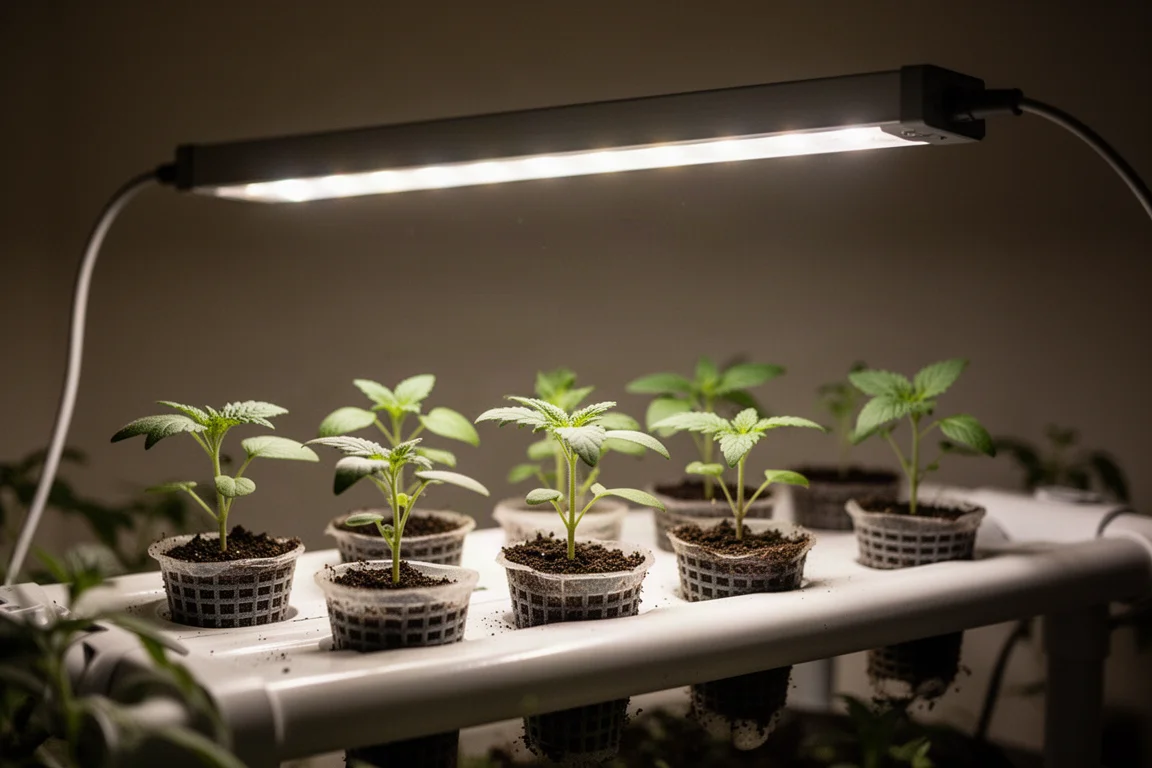
From the app you can see the water temperature and current water level, adjust settings, and even dim the grow light remotely. There is clearly more functionality packed in, and it makes the system feel considerably smarter than a basic timed-light garden.
The unit also offers an automatic mode in addition to the manual nutrient mixing, along with tubing that supports that setup. Automatic mode involves more configuration, so it is worth starting with manual mode, getting comfortable, and exploring automation once the basics are dialed in. That deeper dive deserves its own look.
Setup Experience
Overall setup is friendly. Fill the reservoir with your mixed nutrient solution before powering on so the pump does not run dry, plug in the adapter, and work through the display and app pairing. The included tubing is not needed for manual mode and can be set aside until you try automatic mode.
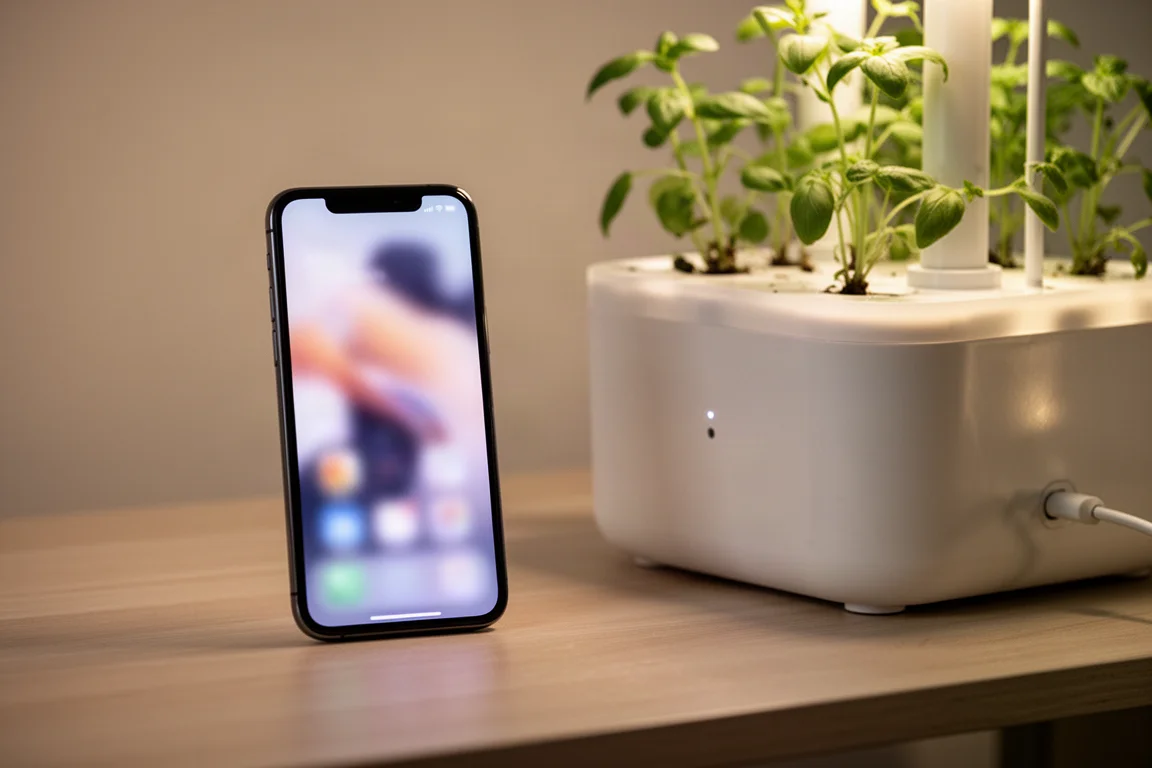
Planting itself is deliberately left out of this first look, since it deserves its own walkthrough, but the included pods, sponges, and baskets follow a familiar format that anyone who has used a countertop hydroponic garden will recognize immediately.
Things to Consider Before Buying
- The ridged underside of the grow deck makes cleaning fiddly compared with flat decks.
- Germination domes are short, so you need to monitor seedlings and remove domes promptly.
- Glossy surfaces pick up fingerprints easily.
- Automatic mode has a learning curve; manual mode is the simpler starting point.
- You will want opaque hole covers for unused holes to prevent algae, whether AeroGarden covers, golf balls, or anything similar.
Buying Advice
If you want a large-capacity countertop hydroponic garden with modern smart features, the LetPot Max makes a strong first impression. The big reservoir, touch display, adjustable bright light, and well-designed app put it ahead of older systems in its class on features, and the manual nutrient mode is simple enough for a complete beginner.
If easy cleaning is your top priority, the ridged deck underside is the main trade-off to weigh. Otherwise, for growers planning to fill a 21-hole deck with anything from herbs to micro tomatoes, this is an appealing system to grow with, and follow-up testing will show how the plants themselves perform over a full growing cycle.
Conclusion
The LetPot Max impresses out of the box: a huge reservoir, a display that outclasses comparable systems, a genuinely useful app, and plenty of flexibility between manual and automatic operation. The cleaning quirks and short domes are minor annoyances rather than dealbreakers. For anyone ready to step up to a bigger, smarter hydroponic garden, this is a system well worth shortlisting.
Product link
View more details for LetPot Max
This product is mentioned in the review. Check the specifications, options, and compatibility before buying.
View more details for LetPot MaxFurther reading
Related Reviews
Hydroponics
Best pH Testing Options for Hydroponics: From Premium Pens to Budget Strips
Four ways to test pH in your hydroponic setup, from the premium Bluelab pH Pen to affordable liquid kits, with the trade-offs of each approach.
Hydroponics
General Hydroponics Flora Trio: A Practical Feeding Guide for Soil Growers
How the three-part Flora Micro, Flora Grow, and Flora Bloom system works, how to sequence each bottle, and how to run a simple feed-and-flush cycle.
Hydroponics
Testing Hydroponic pH: Three Easy Ways to Check Your Nutrient Solution
pH strips, a liquid test kit, and a digital pen compared side by side on a real hydroponic sprout, with a simple target range to aim for.